Essential Respite Care for Caregivers: Types, Benefits,

For families in our service areas
For families in our service areas, this guide explains respite care and how non-medical in-home caregiving can support care planning in East Idaho, Treasure Valley & Magic Valley, Northern Wasatch, North Central West Virginia & Southwestern Pennsylvania, and Northeast Ohio.
Quick Guide to Essential Respite Care
Respite care is vital for caregivers. It offers them a much-needed break, helping to prevent burnout and ensuring they can maintain their well-being. This support is crucial, as it allows caregivers to focus on their own health while knowing their loved ones are receiving the care they need.
There are various types of respite services available, such as:
- In-home assistance
- Adult day programs
These options can significantly enhance caregivers' mental health, strengthen their relationships, and improve their overall quality of life. By taking advantage of these services, caregivers can continue their important roles more effectively.
Imagine the relief of knowing that you can take a step back, even if just for a little while. Many caregivers have shared how these services have transformed their lives, allowing them to recharge and return to their loved ones with renewed energy and compassion.
It's essential to remember that seeking help is not a sign of weakness; it's a step toward ensuring that both caregivers and their loved ones thrive. You are not alone in this journey, and there are resources available to support you every step of the way.
Why Essential Respite Care Matters
Respite care acts as a lifeline for countless caregivers who pour their hearts and energy into supporting their loved ones, often neglecting their own well-being. This vital service not only offers temporary relief but also plays a crucial role in preventing caregiver burnout, allowing for much-needed rejuvenation and improved mental health.
Yet, despite the clear benefits and various options available, many caregivers find themselves unaware of how to effectively access these essential resources. It’s a common struggle: recognizing the need for respite while feeling uncertain about how to utilize these services. How can caregivers bridge this gap and enhance their quality of life?
By understanding the emotional challenges they face, caregivers can begin to see the importance of taking a step back. Respite care isn’t just a break; it’s an opportunity to recharge, to reconnect with themselves, and to find balance in their lives.
Imagine a caregiver who, after a few hours of respite, returns home feeling refreshed and ready to face the challenges ahead. This is the transformative power of respite care. It’s about nurturing not just the loved ones they care for, but also themselves.
As we explore the options available, let’s remember that seeking help is a sign of strength, not weakness. Together, we can navigate this journey toward a healthier, more fulfilling life.
Define Respite Care and Its Importance
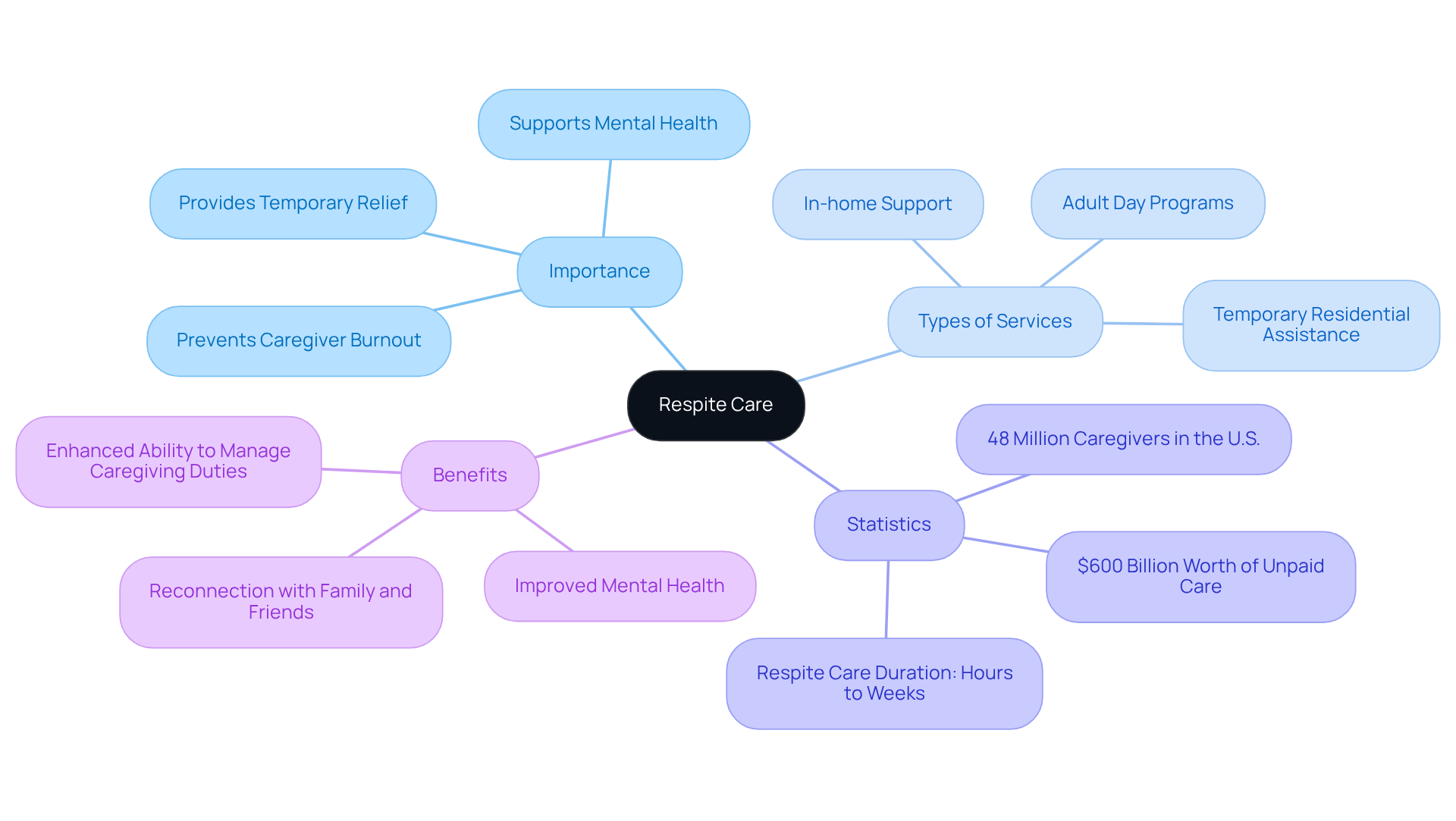
Respite caregivers provide essential temporary relief for primary caregivers, allowing them to step back from their responsibilities and recharge. This kind of assistance is crucial for respite caregivers in preventing caregiver burnout, which can lead to significant physical and emotional exhaustion. Continuous caregiving without breaks can result in stress-related health issues, such as anxiety and depression, as many studies have shown the overwhelming nature of caregiving. By giving respite caregivers the chance to relax, temporary support ensures they can maintain their well-being and continue providing excellent care to their loved ones.
The importance of respite caregivers cannot be overstated. It serves as a vital resource for both respite caregivers and those they assist. Various types of relief services are available, including:
- in-home support
- adult day programs
- temporary residential assistance
These services are tailored to meet the specific needs of caregivers and their loved ones. For instance, facilities like Adams Farm Living & Rehabilitation provide professional nursing care during short-term stays, creating a nurturing environment that allows families to take necessary breaks, knowing their loved ones are in capable hands.
Statistics reveal that over 48 million people in the U.S. provide care to others, contributing around $600 billion worth of unpaid support each year. This immense responsibility underscores the need for effective support options. Real-life examples show how respite caregivers can provide temporary assistance that alleviates the stress faced by caregivers; those who utilize these services often report improved mental health and a greater ability to manage their caregiving duties. Moreover, respite services allow caregivers to reconnect with friends and family, offering essential emotional and social support. By prioritizing their own wellness through these services, caregivers can sidestep the dangers of burnout and ensure a healthier, more sustainable experience in their role.
Explore Different Types of Respite Care Services
Caring for a loved one can be incredibly rewarding, but it often comes with its own set of emotional challenges. Respite caregivers often experience stress and burnout, feeling overwhelmed by their responsibilities. That’s where respite caregivers come in, offering a lifeline tailored to meet the unique needs of both caregivers and their families.
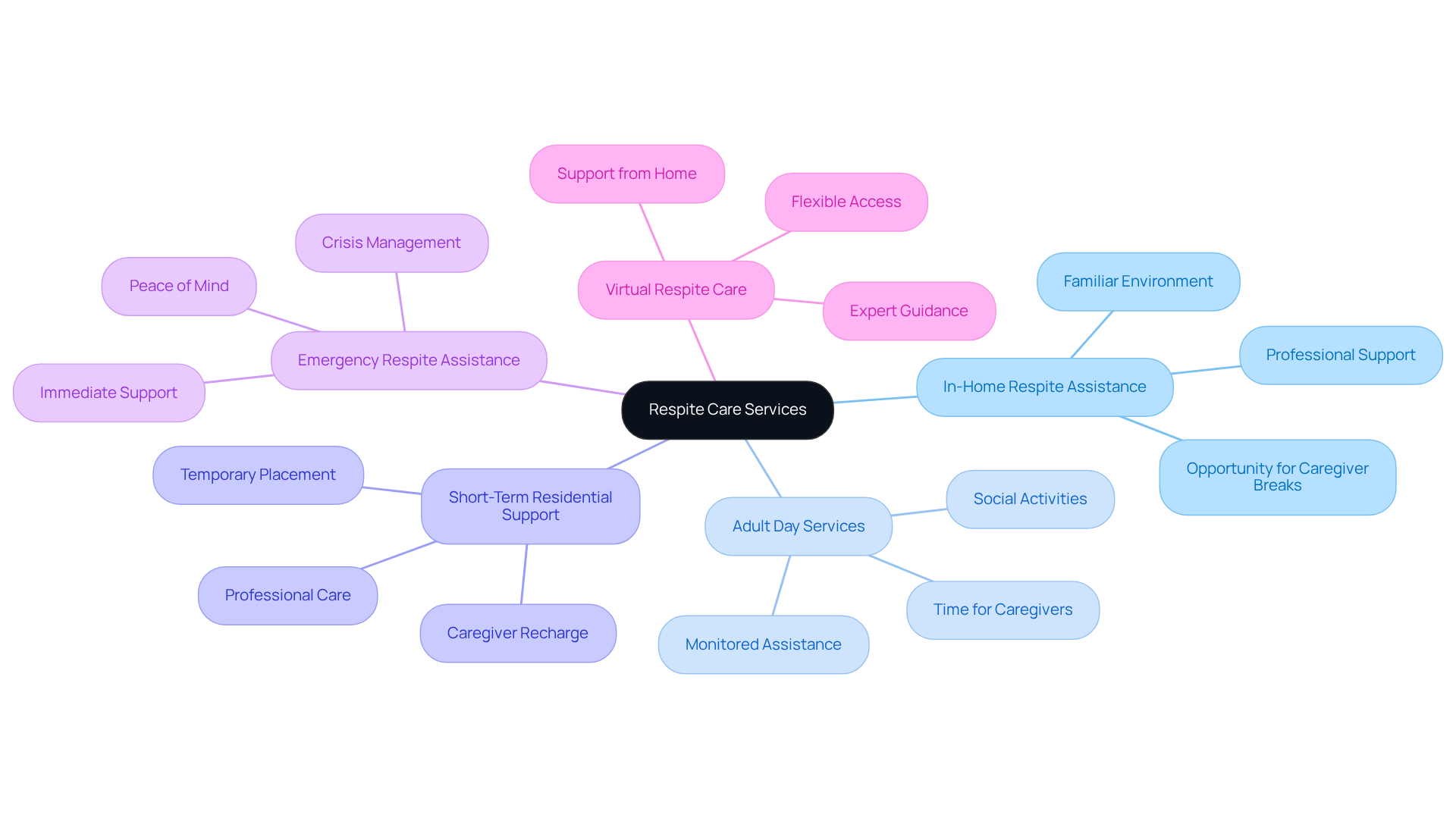
In-Home Respite Assistance is one option that allows guardians to hire specialists who provide support right in their own homes. This arrangement not only provides respite caregivers the opportunity to take much-needed breaks but also ensures that their loved ones remain in a familiar and comforting environment. This familiarity can significantly ease anxiety for everyone involved.
Another valuable resource is Adult Day Services. These programs offer monitored assistance during the day, filled with social activities and support for individuals. This setup not only provides caregivers with essential time to manage personal matters or simply relax but also enriches the lives of recipients through social interaction and engagement.
For those who need a longer break, Short-Term Residential Support can be a great solution. This option involves temporarily placing the individual in a specialized facility, ensuring they receive professional care tailored to their needs while caregivers take the time they need to recharge.
In times of crisis, Emergency Respite Assistance is crucial. This service provides immediate support when a caregiver is unable to fulfill their responsibilities due to unforeseen circumstances or health issues. Knowing that help is available during such challenging times can bring immense peace of mind.
With technology evolving, Virtual Respite Care has emerged as a flexible alternative. This option allows caregivers to connect with experts for guidance and support from the comfort of their homes, which is especially beneficial for those facing mobility or transportation challenges.
Understanding these various options empowers respite caregivers to choose the most suitable support for their unique situations and family needs. The demand for such assistance is evident, with nearly one-third of caregivers dedicating at least 20 hours a week to their roles. This highlights the essential need for support systems that enhance the well-being of those who care for others. Interestingly, while 39% of caregivers believe that short-term relief services would be beneficial, only 13% actually utilize these services. This gap underscores the difference between perceived necessity and actual use.
Experts agree that utilizing respite caregivers can significantly improve the mental and physical well-being of caregivers, ultimately leading to better care for their loved ones. As noted by Central Coast VNA & Hospice, "The primary objective is to prevent burnout among those providing care and support the health of the entire family." Remember, seeking help is not a sign of weakness; it’s a step towards ensuring that both caregivers and their loved ones can thrive.
Recognize the Benefits of Respite Care for Caregiver Well-Being
Respite caregivers can experience numerous benefits from respite care, and it's essential to recognize how these advantages can truly make a difference in their lives.
-
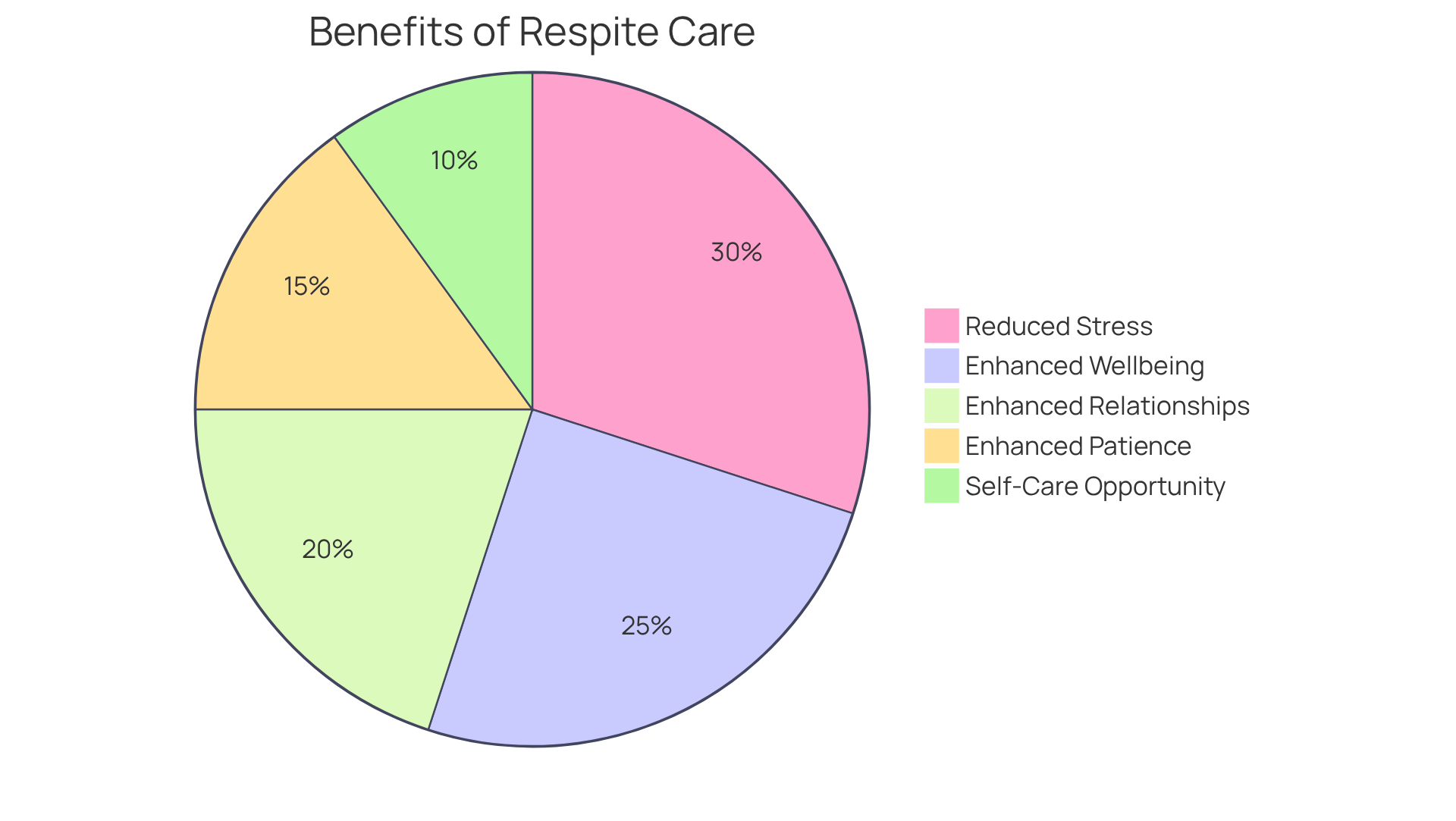
Reduced Stress: Taking regular breaks is vital. It helps alleviate stress and anxiety, allowing caregivers to return to their responsibilities feeling refreshed. A recent report by the AARP and the National Alliance for Caregiving revealed that over 53 million Americans provide unpaid assistance to loved ones, often facing elevated levels of stress and burnout. It’s okay to take a step back and breathe.
-
Enhanced Wellbeing: Caregivers who utilize temporary relief services are less likely to experience health issues linked to stress, such as high blood pressure or depression. Studies show that those providing support are nearly twice as likely to be in poor health compared to their non-supporting peers. This highlights just how crucial relief services can be for maintaining health and happiness.
-
Enhanced Relationships: Time away from caregiving responsibilities allows caregivers to nurture social connections and engage in activities they love. This can significantly strengthen their relationships with family and friends. As Samantha Wolfe, a Direct Support Professional, beautifully puts it, "Respite assistance is there to provide family provider support." It’s about creating space for joy and connection.
-
Enhanced Patience and Vitality: Regular breaks can lead to increased patience and energy levels. This rejuvenation translates into more effective and compassionate caregiving. When caregivers feel better, they can offer better support to their loved ones.
-
Opportunity for Self-Care: Respite support gives caregivers the chance to focus on their personal needs, whether that’s indulging in hobbies, exercising, or simply resting. This is crucial for their overall well-being. The organized setting of supportive services ensures that those receiving assistance feel secure and at ease, allowing caregivers to rejuvenate without worry.
Understanding these benefits can inspire caregivers to explore respite caregivers services, ultimately fostering a healthier and more sustainable support experience. Respite care can take place in various environments, such as homes or facilities, providing the flexibility needed to meet the unique needs of caregivers and their families.
Guide to Finding and Accessing Respite Care Services
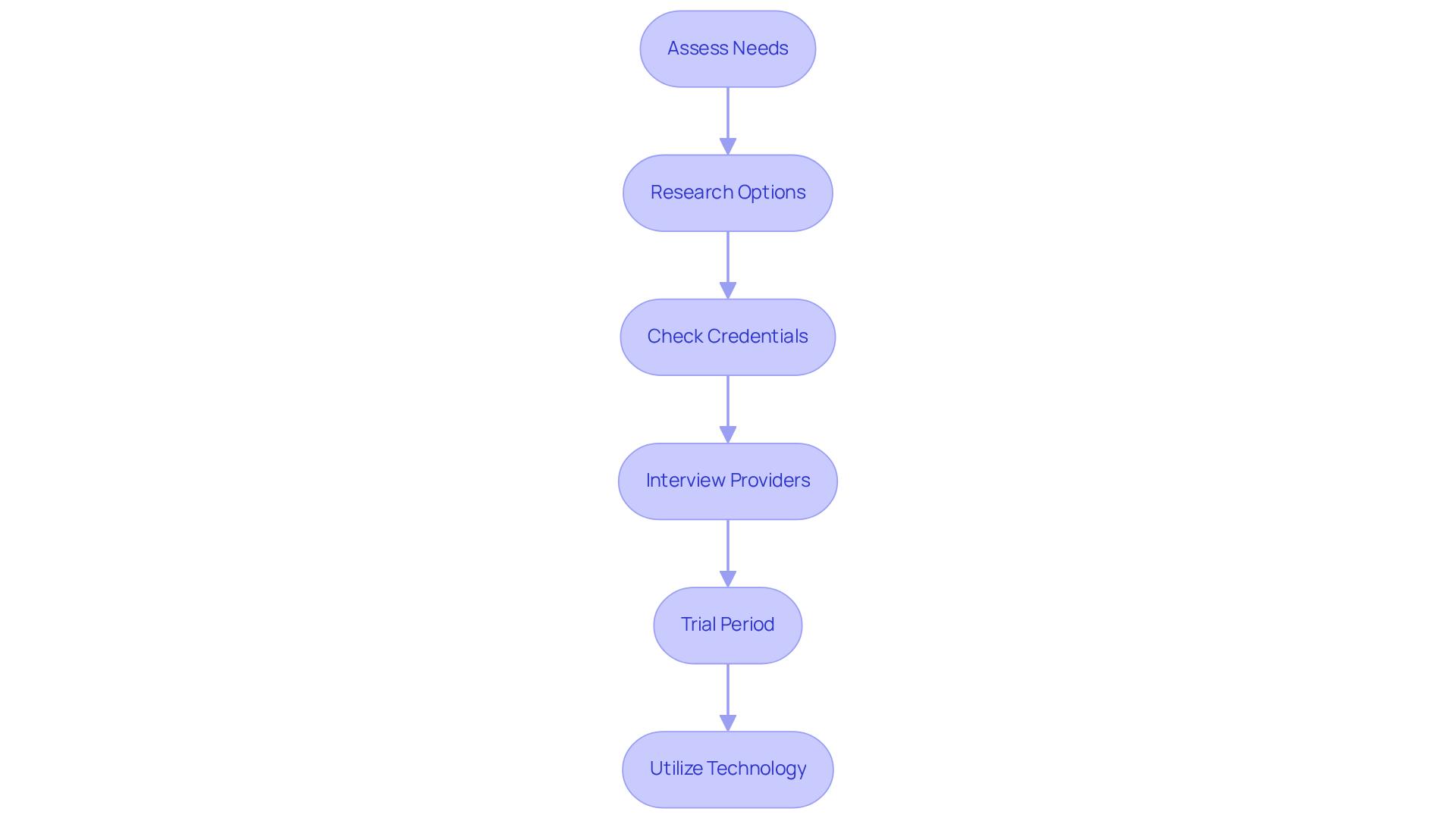
Finding and accessing respite care services can be a smoother journey for caregivers when they follow these essential steps:
-
Assess Needs: Start by evaluating the specific needs of both the caregiver and the person receiving support. Consider factors like the level of assistance required, the duration of relief, and the type of support desired. Understanding these elements is crucial. Research indicates that caregivers often spend an average of 24.4 hours a week providing care, with 40% experiencing significant stress.
-
Research Options: Look into local support programs through online searches, community resources, or recommendations from healthcare professionals. The National Respite Network offers a searchable guide to temporary care service providers, which can be a lifeline for caregivers seeking help.
-
Check Credentials: Ensure that respite service providers are licensed and employ trained staff. Reading reviews and testimonials can shed light on the quality of service, helping you choose a provider that meets your standards.
-
Interview Providers: Set up conversations with potential support service providers to discuss their offerings, approach to care, and availability. This step allows caregivers to ask questions and assess compatibility, which is vital for building a trusting relationship.
-
Trial Period: If possible, arrange a trial period with the chosen support provider. This allows caregivers to see how well the provider meets the needs of both the recipient and themselves, ensuring a good fit before making a long-term commitment.
-
Utilize Technology: Use technology to improve communication and updates between support workers and respite providers. Tools like online notes can help keep everyone informed about care plans and any changes in the recipient's condition.
By following these steps, caregivers can find and access respite care services that truly meet their needs. This not only enhances their caregiving experience but also helps reduce the risk of burnout, allowing them to continue providing the compassionate care their loved ones deserve.
Moving Forward with Essential Respite Care
Respite care is essential for supporting caregivers, offering them the much-needed breaks to recharge and take care of their own well-being. By providing temporary relief, these services not only ease the stress that comes with caregiving but also empower caregivers to continue delivering quality care to their loved ones. The importance of respite care truly cannot be overstated; it acts as a lifeline for those who dedicate countless hours to caring for others.
This article has explored various types of respite care services available, including:
- In-home assistance
- Adult day programs
- Short-term residential support
Each option is thoughtfully designed to meet the unique needs of caregivers and their families, ensuring that both can thrive. The benefits of utilizing respite care—like reduced stress, improved relationships, and better mental health—underscore the positive impact these services can have on caregivers' lives.
Recognizing the significance of respite care is crucial, not just for individual caregivers but for society as a whole. As the demand for caregiving continues to rise, advocating for and seeking out respite services becomes vital for fostering a healthier caregiving experience. By prioritizing self-care and utilizing available resources, caregivers can enhance their well-being, ultimately leading to better care for their loved ones. Embracing respite care isn’t merely a personal choice; it’s a necessary step toward sustaining the invaluable work of caregivers everywhere.
https://iframe.tely.ai/cta/eyJhcnRpY2xlX2lkIjogIjY5MDdmMGNhMjgwOGZmMDZiMWM5NTZjMCIsICJjb21wYW55X2lkIjogIjY4ZWU1ZGNhNzMxNzYyNTU3ZjNjOTVjMSIsICJpbmRleCI6IG51bGwsICJ0eXBlIjogImFydGljbGUifQ==Frequently Asked Questions
What is respite care?
Respite care is a service that provides temporary relief for primary caregivers, allowing them to take a break from their caregiving responsibilities and recharge.
Why is respite care important?
Respite care is important because it helps prevent caregiver burnout, which can lead to physical and emotional exhaustion. It allows caregivers to maintain their well-being and continue providing quality care to their loved ones.
What are the potential health issues associated with continuous caregiving?
Continuous caregiving without breaks can result in stress-related health issues such as anxiety and depression.
What types of respite care services are available?
Various types of respite care services include in-home support, adult day programs, and temporary residential assistance.
How do respite care services benefit caregivers?
Respite care services benefit caregivers by alleviating stress, improving mental health, and allowing them to reconnect with friends and family for essential emotional and social support.
What is the significance of the statistics regarding caregivers in the U.S.?
Over 48 million people in the U.S. provide care to others, contributing around $600 billion worth of unpaid support each year, highlighting the immense responsibility and need for effective support options for caregivers.
Can you provide an example of a respite care facility?
Adams Farm Living & Rehabilitation is an example of a respite care facility that offers professional nursing care during short-term stays, allowing families to take necessary breaks while ensuring their loved ones are well cared for.