

Active service-area notice
Happy to Help does not currently list Sacramento as an active service area. This article is general educational information. For local care availability, browse our active service areas.
Browse active service areasFor families in our service areas
For families in our service areas, this guide explains caregiving and how non-medical in-home caregiving can support care planning in East Idaho, Treasure Valley & Magic Valley, Northern Wasatch, North Central West Virginia, and Northeast Ohio.
What You Need to Know About Essential Steps for Caregiving at Home
Navigating the complexities of home caregiving can be a daunting task. In a vibrant community like Sacramento, the needs of elderly loved ones vary widely, creating unique challenges for caregivers. These challenges can lead to emotional and logistical demands that may overwhelm even the most dedicated individuals.
So, how can caregivers effectively balance these demands while ensuring their own well-being? Recognizing the diverse needs of seniors is crucial. Developing personalized care plans tailored to those needs can significantly enhance the quality of life for seniors. Implementing daily strategies that focus on these personalized plans not only supports loved ones but also fosters resilience in caregivers.
By exploring these critical aspects, caregivers can discover effective practices that empower them in their roles. This guide offers essential steps to help caregivers navigate their responsibilities while maintaining their own health and happiness.
Understand the Needs of Your Loved One
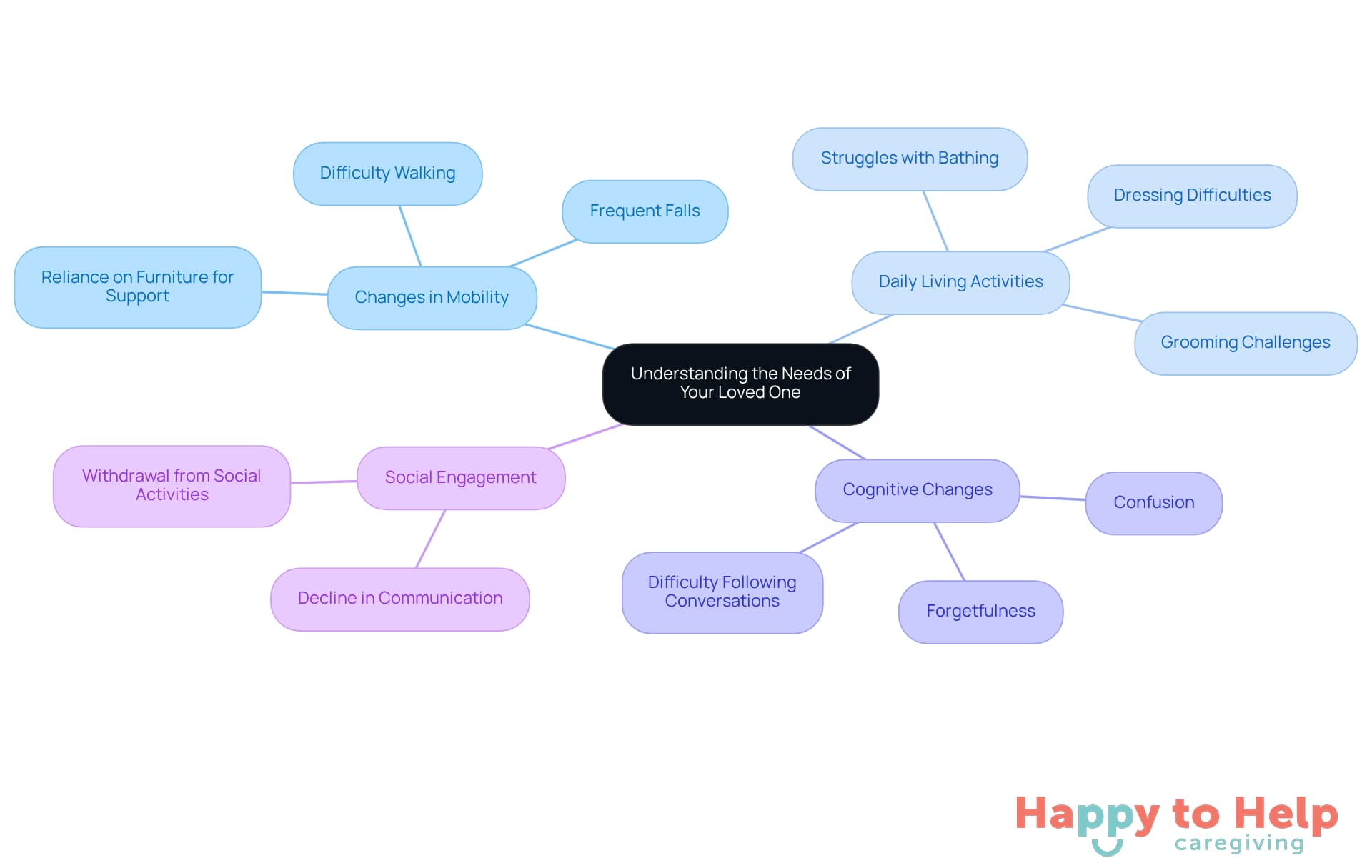
To begin, caregivers often face the challenge of recognizing when their loved ones may need assistance. Observing signs can be crucial in identifying these needs. Look for:
- Changes in Mobility: Difficulty walking, frequent falls, or reliance on furniture for support.
- Daily Living Activities: Struggles with bathing, dressing, or grooming.
- Cognitive Changes: Forgetfulness, confusion, or difficulty following conversations.
- Social Engagement: Withdrawal from social activities or a decline in communication.
These signs can indicate a significant need for support, which can be distressing for both the caregiver and the loved one. Engaging in open conversations about feelings and preferences is essential. Utilize tools like checklists or questionnaires to systematically evaluate their needs. This assessment will guide you in determining the level of care required and help you identify specific areas where support is necessary.
Develop a Personalized Care Plan
Creating a personalized care plan can be a daunting task for caregivers, especially when trying to meet the unique needs of elderly loved ones. Without a structured approach, caregivers may struggle to ensure that their loved ones receive the appropriate support, which can lead to feelings of loneliness and anxiety.
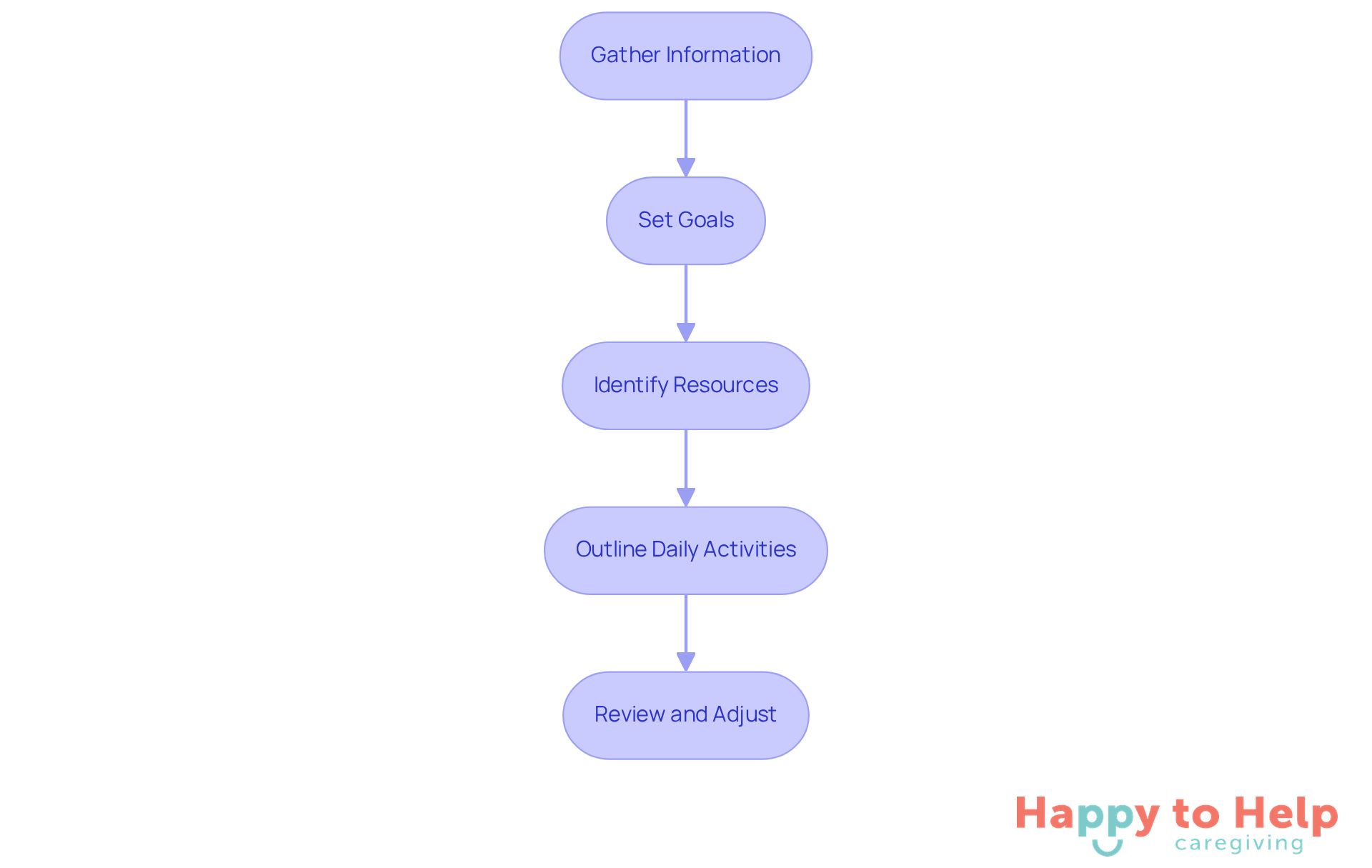
To address these challenges, here are several essential steps to create an effective care plan:
- Gather Information: Start by compiling comprehensive medical history, current medications, and any existing health conditions. This foundational knowledge is crucial for tailoring care.
- Set Goals: Engage in a meaningful discussion with your loved one about their aspirations for care. Goals may include maintaining independence, enhancing mobility, or participating in social activities. Setting clear objectives fosters a sense of purpose and direction in the caregiving process.
- Identify Resources: Assess available resources, including family support, community services, and professional caregivers. Understanding what is accessible can significantly enhance the care experience.
- Outline Daily Activities: Create a structured schedule that includes daily routines, meal arrangements, and medication management. Tools such as pill boxes and phone reminders can aid in managing well-being effectively. This organization helps maintain consistency and ensures that essential needs are met.
- Review and Adjust: Regularly revisit and modify the care strategy to reflect any changes in health or personal preferences. This ongoing evaluation is vital for keeping the strategy relevant and effective, allowing for timely interventions and support.
Establishing objectives within a caregiving strategy is not just a procedural step; it is a vital element that improves the quality of life for seniors. Research indicates that personalized care strategies that prioritize emotional and mental well-being can significantly reduce feelings of loneliness and anxiety. For instance, a case study showcased how an 82-year-old woman regained confidence and enhanced her quality of life through a customized approach that incorporated her interests and hobbies. As noted by ChenMed Dedicated Senior Medical Center, "A care strategy alleviates some of that stress by providing you with clear steps to follow."
Expert opinions highlight that a well-structured care strategy not only addresses medical needs but also promotes social engagement and emotional support. By incorporating enjoyable activities and encouraging involvement in community events, caregivers can help seniors maintain a high quality of life. Ultimately, a tailored support plan acts as a roadmap, directing both supporters and seniors toward reaching their wellness and fitness objectives.
Implement Daily Care Strategies
To effectively implement daily care strategies, caregivers face several challenges that can impact their ability to provide quality support.
-
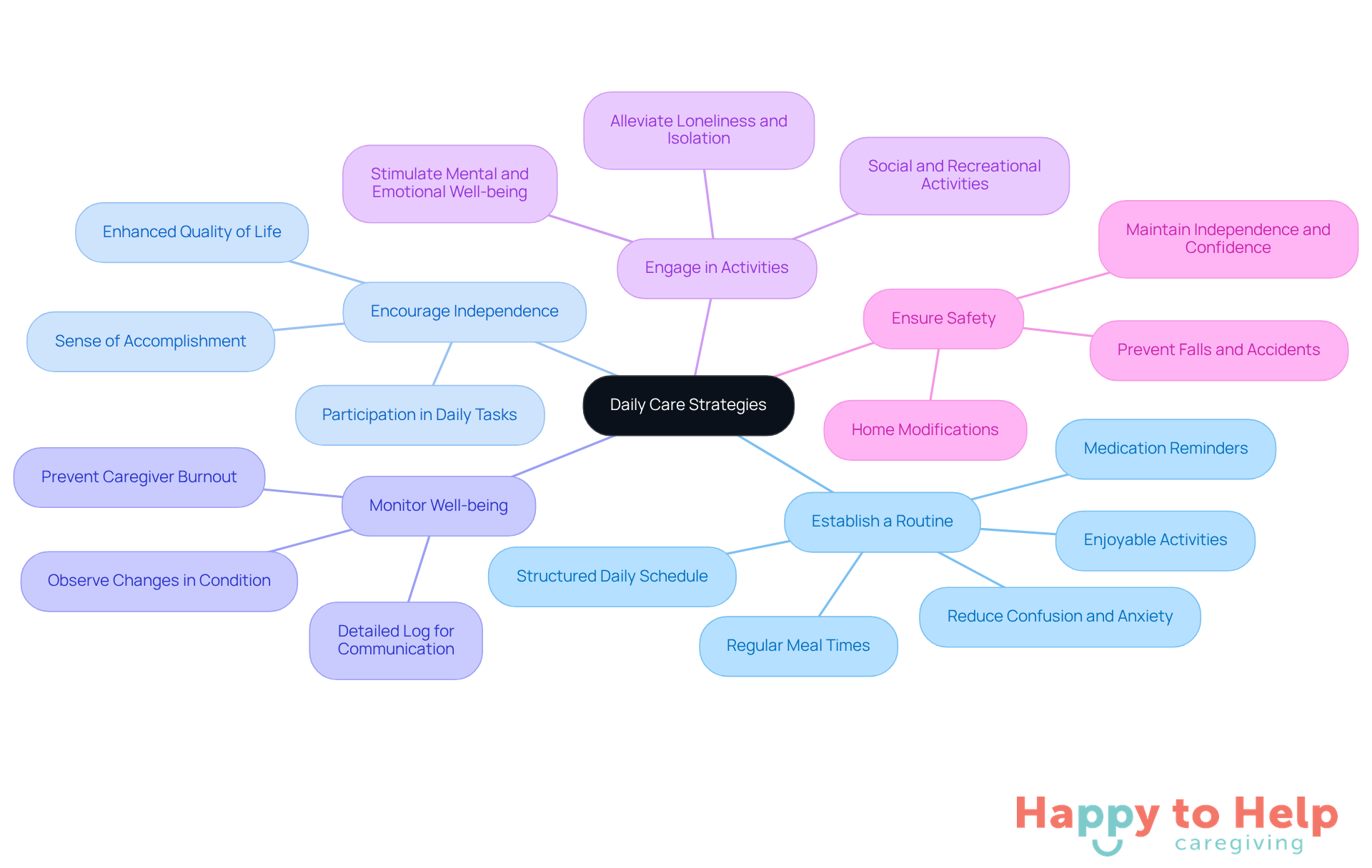
Establish a Routine: Creating a structured daily schedule is essential for seniors. This should include regular meal times, medication reminders, and enjoyable activities. Consistency in routine can significantly reduce confusion and anxiety, providing a sense of control and stability for your loved one. According to the National Alliance for Caregiving, establishing a daily routine can help caregivers manage their responsibilities more effectively, reducing stress and enhancing the quality of care.
-
Encourage Independence: Empower your loved one by allowing them to participate in daily tasks as much as possible. This not only fosters a sense of accomplishment but also enhances their quality of life. Occupational therapists highlight that promoting independence can result in enhanced mental well-being and overall quality of life. As Dr. Kenneth K. Wogensen states, "Establishing a daily routine is a great way to stay focused and on-task, but for people with Alzheimer’s, it can also reduce confusion and anxiety and provide a sense of control."
-
Monitor Well-being: Regularly observe any changes in condition or behavior. Keeping a detailed log can help in communicating effectively with healthcare providers, ensuring that any necessary adjustments to care plans are made promptly. Approximately 40% of individuals providing care are in high-burden situations, highlighting the importance of monitoring health closely to prevent burnout among those who assist.
-
Engage in Activities: Incorporate social and recreational activities that stimulate mental and emotional well-being. Activities such as puzzles, reading, or light exercise can provide joy and purpose, helping to alleviate feelings of loneliness and isolation. Research shows that engaging in meaningful activities can significantly enhance the emotional well-being of seniors.
-
Ensure Safety: Make necessary modifications in the home to prevent falls and accidents. This includes removing tripping hazards, ensuring adequate lighting, and installing grab bars in bathrooms. A safe environment is crucial for maintaining independence and confidence in daily activities.
By implementing these strategies, caregivers can create a supportive and nurturing environment that promotes the well-being and independence of seniors at home Sacramento.
Seek Support and Manage Caregiver Well-Being
Caregiving can be a rewarding yet challenging role, often leading to feelings of stress and isolation. Many caregivers struggle to find the support they need, which can impact their well-being and the quality of care they provide. To address these challenges, consider implementing the following strategies:
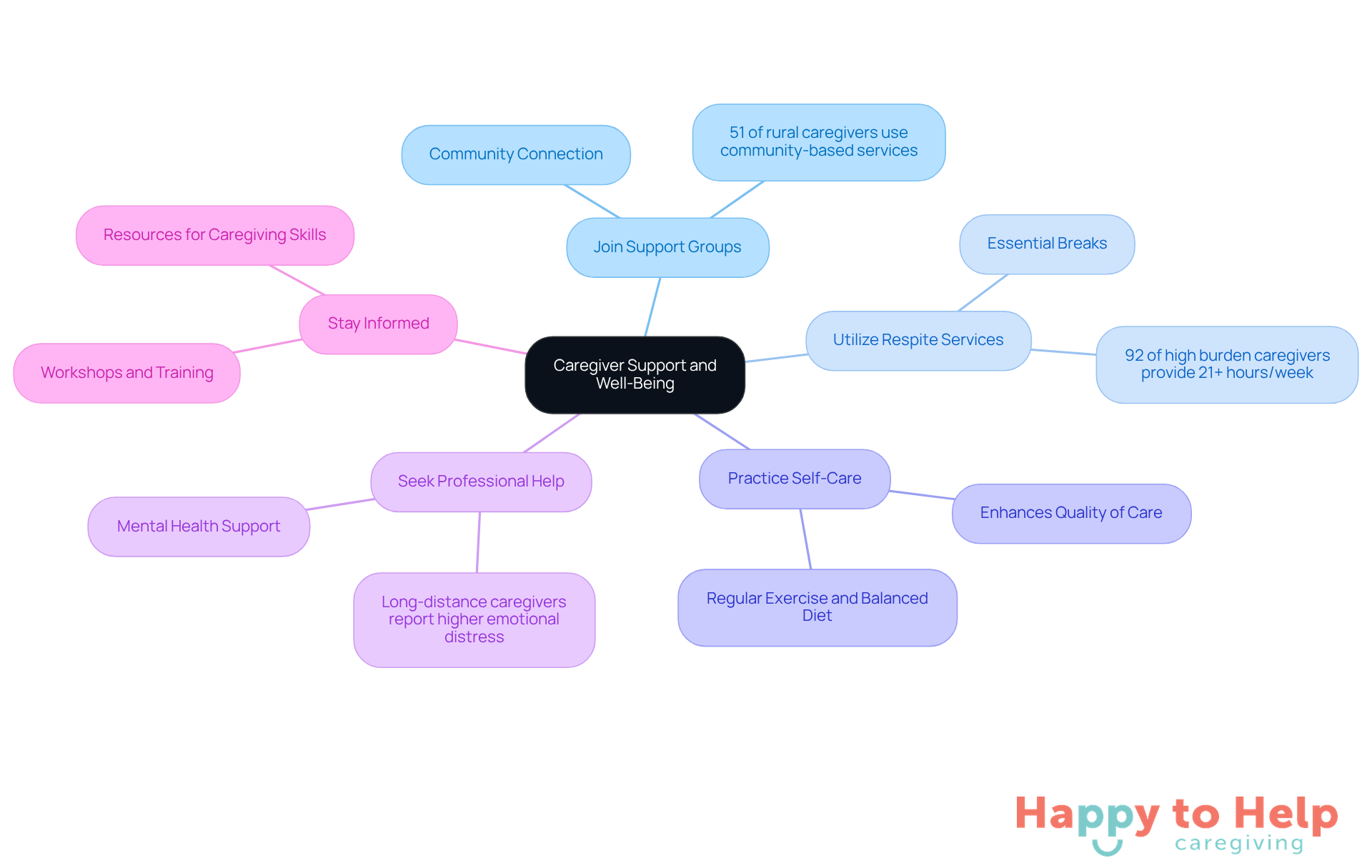
- Join Support Groups: Connecting with other caregivers through local or online support groups can provide a valuable outlet for sharing experiences and gaining insights. These groups foster a sense of community and understanding, which can alleviate feelings of isolation. In fact, about 51% of support providers in rural areas utilize community-based services, highlighting the importance of such connections.
- Utilize Respite Services: Respite services are essential for providing caregivers a much-needed break. Studies indicate that individuals who utilize respite care report reduced levels of stress and enhanced overall well-being. Significantly, 92% of individuals offering 21 or more hours per week are categorized as high burden, underscoring the importance of taking breaks to rejuvenate.
- Practice Self-Care: Prioritizing your own well-being is crucial. Engage in regular exercise, maintain a balanced diet, and ensure you get adequate rest. Self-care not only benefits you but also enhances the quality of care you provide.
- Seek Professional Help: If feelings of stress or burnout become overwhelming, consider speaking with a mental health expert who specializes in assistance for caregivers. Professional guidance can help you develop coping strategies and manage emotional challenges effectively. Long-distance caregivers, who often report higher emotional distress, may particularly benefit from this support.
- Stay Informed: Keep abreast of resources available in your community, such as workshops, training sessions, and educational materials. These resources can enhance your caregiving skills and provide new strategies for managing care effectively.
Taking the Next Steps
Caregiving at home in Sacramento presents unique challenges that require attention and understanding. Caregivers often struggle to meet the diverse needs of their loved ones, which can lead to feelings of frustration and helplessness. Recognizing these challenges is the first step toward providing effective support.
To address these issues, caregivers must develop personalized care plans that cater to the specific needs of their loved ones. This includes:
- Observing signs that indicate a need for assistance
- Engaging in open conversations about care preferences
- Creating structured routines to help establish a sense of stability and predictability
A well-crafted care plan goes beyond medical needs; it fosters emotional and social engagement, significantly reducing feelings of loneliness and anxiety. Caregivers should also prioritize their own well-being by seeking support and practicing self-care. This dual focus ensures that they can provide the best possible care while maintaining their own health.
Ultimately, caregiving is a shared journey that thrives on compassion and understanding. By embracing these strategies and utilizing available resources in Sacramento, caregivers can navigate their responsibilities with confidence. This not only benefits seniors but also enriches the lives of caregivers, leading to a more fulfilling caregiving experience for everyone involved.
https://iframe.tely.ai/cta/eyJhcnRpY2xlX2lkIjogIjY5Mjc5NTFkMTE3NGVkN2UzNDc1ZmU2NiIsICJjb21wYW55X2lkIjogIjY4ZWU1ZGNhNzMxNzYyNTU3ZjNjOTVjMSIsICJpbmRleCI6IG51bGwsICJ0eXBlIjogImFydGljbGUifQ==Frequently Asked Questions
What are the key signs that indicate a loved one may need assistance?
Key signs include changes in mobility (difficulty walking, frequent falls), struggles with daily living activities (bathing, dressing, grooming), cognitive changes (forgetfulness, confusion), and social engagement issues (withdrawal from activities, decline in communication).
Why is it important for caregivers to recognize these signs?
Recognizing these signs is crucial as they can indicate a significant need for support, which can be distressing for both the caregiver and the loved one.
How can caregivers assess the needs of their loved ones?
Caregivers can assess needs by engaging in open conversations about feelings and preferences, and utilizing tools like checklists or questionnaires to systematically evaluate their loved one's needs.
What role do conversations play in understanding a loved one's needs?
Open conversations are essential for understanding a loved one's feelings and preferences, which helps caregivers determine the level of care required.
What should caregivers do after identifying the signs of need?
After identifying the signs, caregivers should evaluate the level of care required and identify specific areas where support is necessary.
List of Sources
- Understand the Needs of Your Loved One
- Signs Your Senior Parent Needs Help at Home | CICOA (https://cicoa.org/signs-an-older-loved-one-needs-help-at-home)
- Families Prefer In-Home Care To Senior Living – Yet Struggle To Identify Needed Support (https://homehealthcarenews.com/2025/11/families-prefer-in-home-care-to-senior-living-yet-struggle-to-identify-needed-support)
- News | Signs a Senior Needs Help at Home (https://brookridgecommunity.org/news/signs-a-senior-needs-help-at-home)
- Seven Signs Elderly Parents Need More Support at Home | Arizona Department of Economic Security (https://des.az.gov/featured-story/seven-signs-elderly-parents-need-more-support-home)
- In-Home Care: 10 Signs Your Loved One Needs Elder Support - Aging Advocates CNY (https://agingadvocatescny.com/in-home-care-signs)
- Develop a Personalized Care Plan
- Building a Senior Care Plan - Custom Care Options | Copeland Oaks (https://copelandoaks.com/how-to-build-a-customized-senior-care-plan)
- Developing Customized Care Plans for Seniors - New Wave Home Care (https://newwavehomecare.com/developing-customized-care-plans-for-seniors)
- How Personalized Care Plans Improve Quality of Life for Seniors (https://seniorcarecompanions.com/personalized-care-plans-quality-of-life-for-seniors)
- Novel Care Model May Improve Outcomes for Older Adults With Multiple Chronic Conditions (https://consultqd.clevelandclinic.org/novel-care-model-may-improve-outcomes-for-older-adults-with-multiple-chronic-conditions)
- How a Personalized Care Plan Makes Living with Chronic Conditions Easier | Dedicated Senior Medical Center (https://dedicated.care/articles/how-personalized-care-plan-makes-living-chronic-conditions-easier)
- Implement Daily Care Strategies
- Caregiver Statistics: Demographics (https://caregiver.org/resource/caregiver-statistics-demographics)
- The Power of Routine: Helping Seniors Thrive | Amada Blog (https://amadaseniorcare.com/2025/07/the-power-of-routine-helping-seniors-thrive)
- Fact Sheet: Trends in Family Care for Older Americans (https://prb.org/resources/fact-sheet-trends-in-family-care-for-older-americans)
- Alzheimer’s Care: Tips for Families and Caregivers to Manage Daily Challenges: Kenneth K Wogensen, MD: Neurologist (https://wogensenneurology.com/blog/alzheimers-care-tips-for-families-and-caregivers-to-manage-daily-challenges)
- Celebrating National Family Caregivers Month with BLS Data : U.S. Bureau of Labor Statistics (https://bls.gov/blog/2023/celebrating-national-family-caregivers-month-with-bls-data.htm)
- Seek Support and Manage Caregiver Well-Being
- Caregiver Statistics: Demographics (https://caregiver.org/resource/caregiver-statistics-demographics)
- Caregiving - NYC Aging (https://nyc.gov/site/dfta/services/caregiving.page)
- Caregivers and the Importance of Respite Care (https://benedictineliving.org/resources/news/caregivers-and-the-importance-of-respite-care)