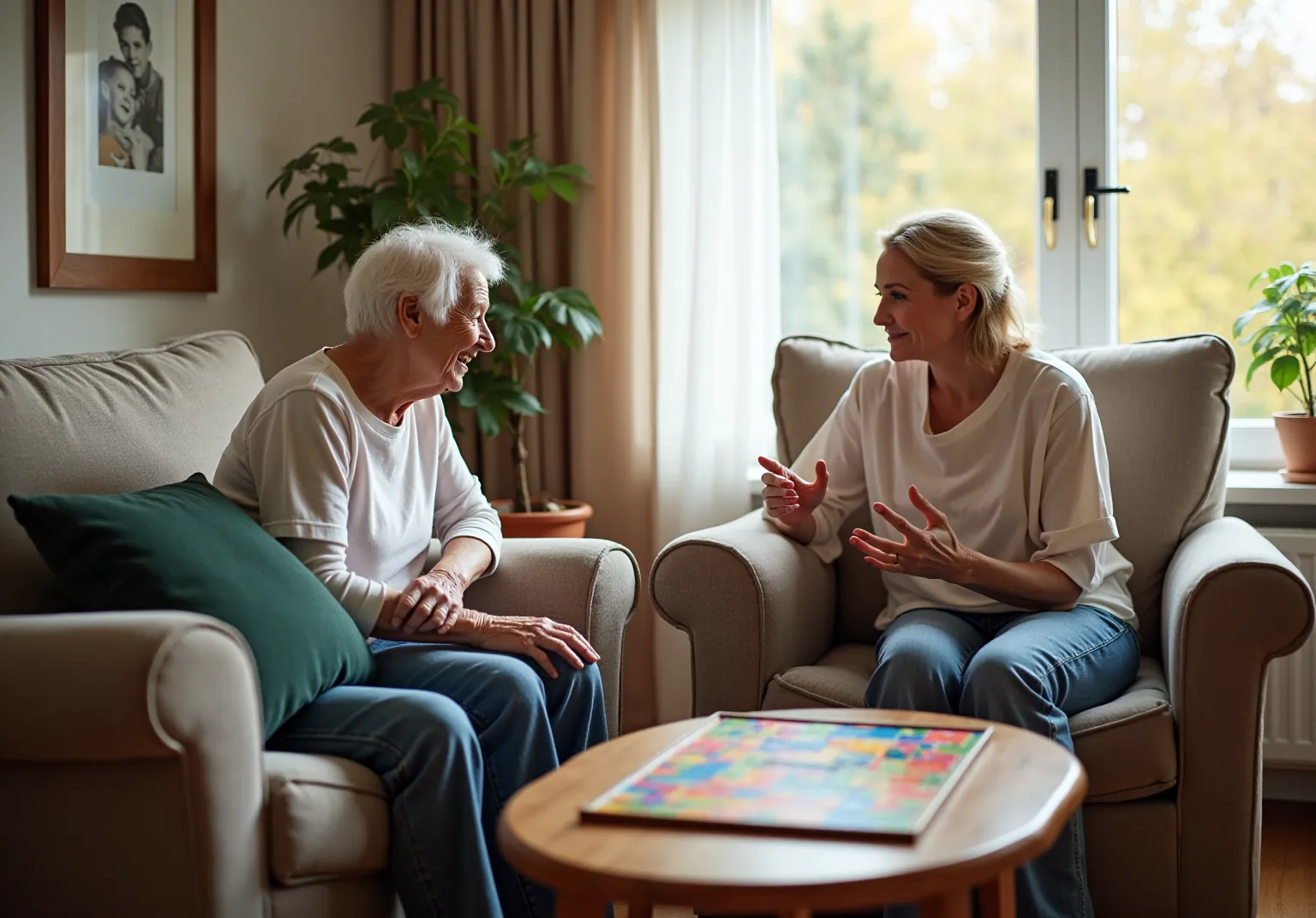
Essential Steps for Every Primary Caregiver for Elderly Care

For families in our service areas
For families in our service areas, this guide explains caregiver support and how non-medical in-home caregiving can support care planning in East Idaho, Treasure Valley & Magic Valley, Northern Wasatch, North Central West Virginia, and Northeast Ohio.
Understanding Essential Steps for Every Primary
Navigating the complexities of elderly care presents a significant challenge for primary caregivers. They often juggle numerous responsibilities, leading to feelings of overwhelm and stress. This guide addresses these issues by clarifying the caregiver's role and offering practical strategies for managing daily tasks, combating caregiver burnout, and improving communication with healthcare professionals.
How can caregivers balance their own well-being while ensuring their loved ones receive the best possible care? This question is crucial, as it highlights the need for caregivers to prioritize their health alongside their caregiving duties. By exploring this topic, we uncover vital insights that can transform the caregiving experience into a more manageable and fulfilling journey.
Understand Your Role as a Primary Caregiver
As a primary caregiver, you face a broad array of responsibilities that can feel overwhelming. Ensuring the health and comfort of your loved one requires clarity and focus on their specific needs. These needs may include assistance with daily activities, medication management, and emotional support.
-
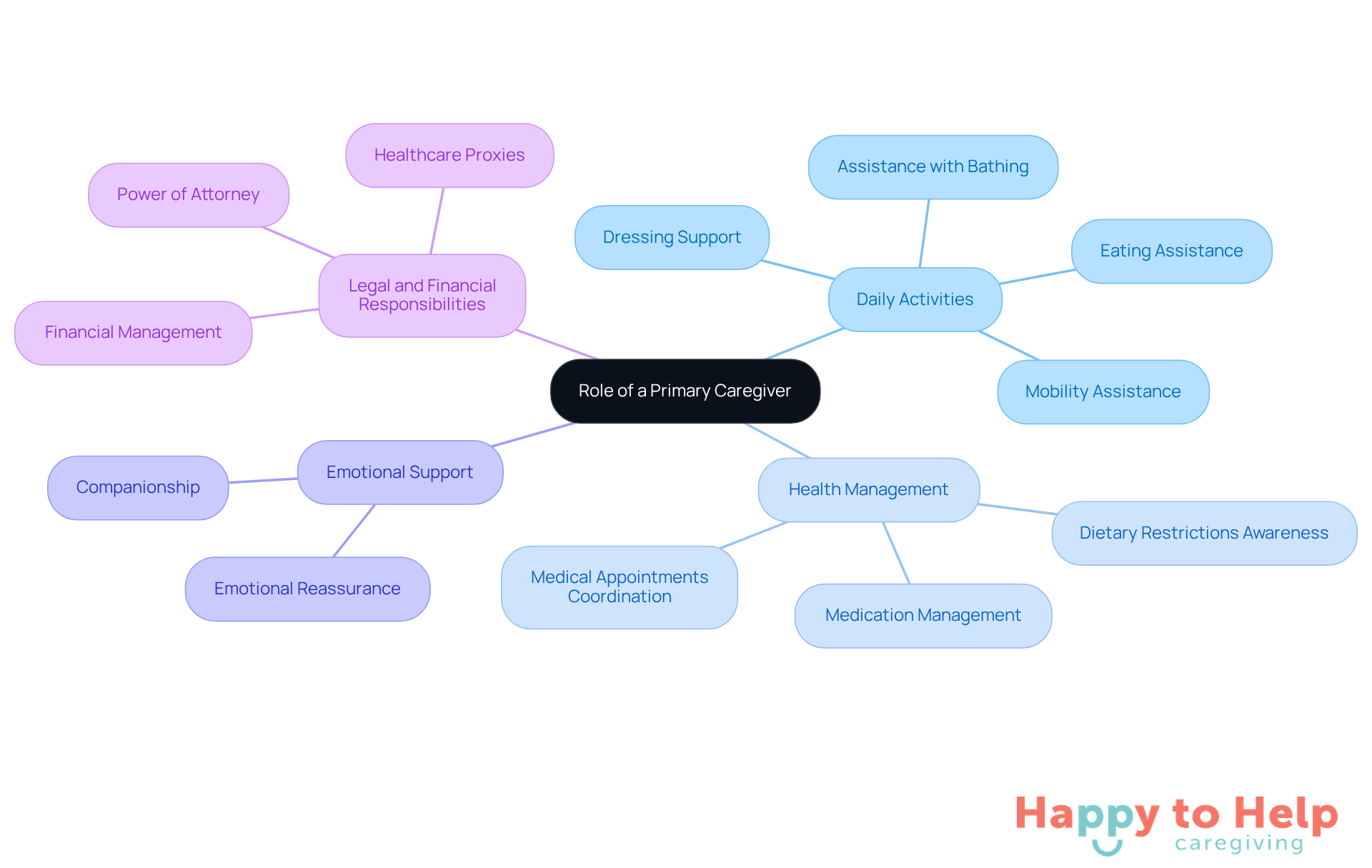
Daily Activities: Understanding basic daily living activities (ADLs) is crucial. This includes bathing, dressing, eating, and providing mobility assistance.
-
Health Management: Familiarize yourself with any medical conditions your loved one may have. This includes knowing their medications, dietary restrictions, and necessary medical appointments.
-
Emotional Support: Providing companionship and emotional reassurance is vital. This support can significantly enhance their quality of life.
-
Legal and Financial Responsibilities: Be aware of any legal documents, such as power of attorney or healthcare proxies, that may be necessary for managing their affairs.
By thoroughly understanding your role, you can create a supportive atmosphere that encourages independence and dignity for your family member.
Manage Daily Caregiving Tasks Effectively
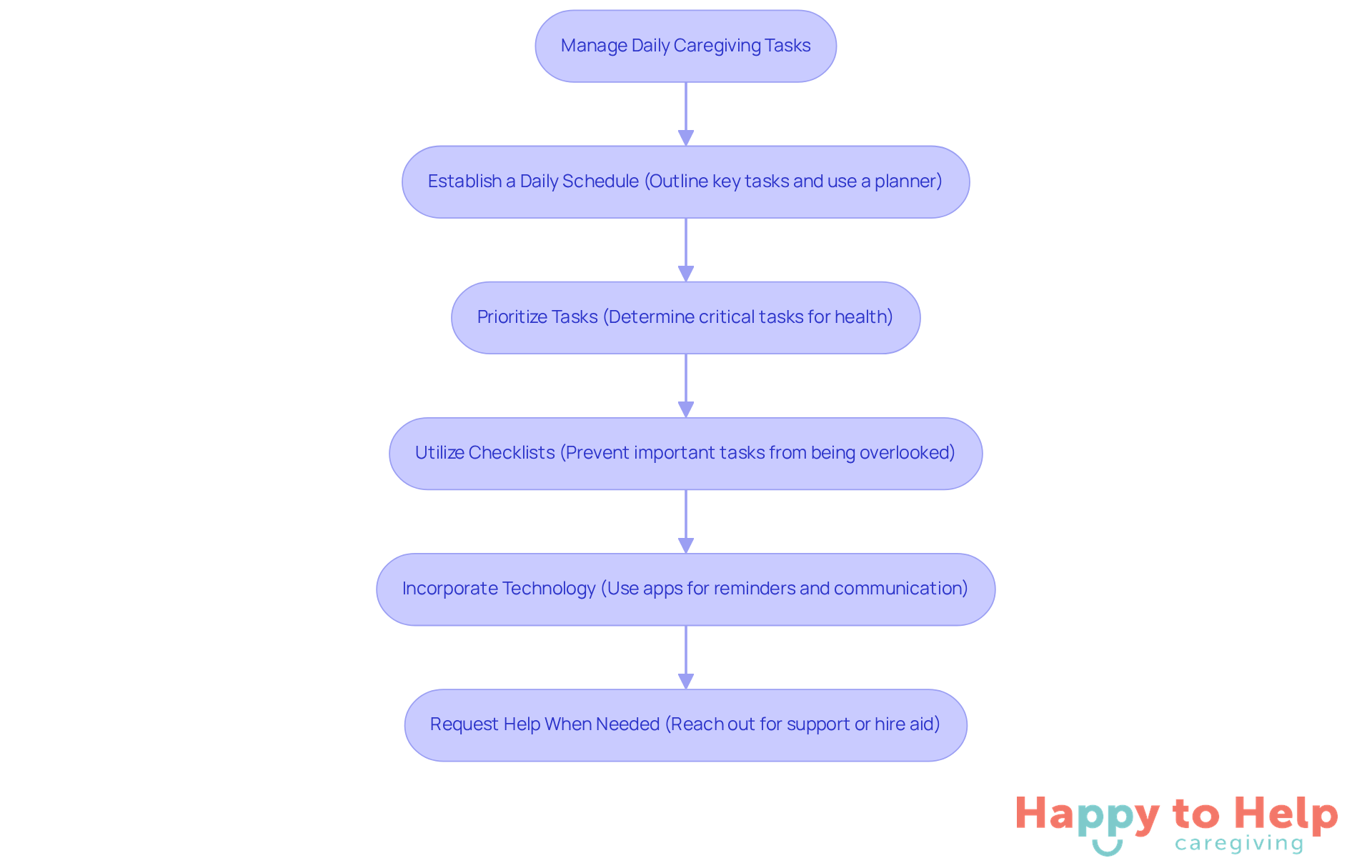
To effectively manage daily caregiving tasks, caregivers often face significant challenges. These can lead to stress and overwhelm, impacting both the caregiver and the individual receiving care. However, by implementing structured strategies, caregivers can create a more manageable and fulfilling caregiving experience.
-
Establish a Daily Schedule: A structured routine is essential. Outline key tasks such as meal preparation, medication administration, and personal upkeep activities. Using a planner or digital calendar can help track appointments and daily responsibilities. A daily schedule not only organizes tasks but also reduces stress for seniors, providing them with a sense of control over their daily lives.
-
Prioritize Tasks: Each day, determine which tasks are most critical. Focus on high-priority activities that significantly impact your loved one's health and overall well-being. This prioritization ensures that essential needs are met first.
-
Utilize Checklists: Developing checklists for daily activities can prevent important tasks from being overlooked. Include lists for medications, meals, and hygiene routines to promote consistency and thoroughness in assistance.
-
Incorporate Technology: Leverage apps or online tools to manage schedules and set reminders for medications and appointments. This simplifies communication with healthcare professionals and keeps family members updated about treatment routines. Flexibility in a daily schedule is crucial to handle unpredictable events.
-
Request Help When Needed: Don’t hesitate to reach out to family members for support or consider hiring professional aid for specific tasks, such as cleaning or personal assistance. This can alleviate some responsibilities, allowing you to focus more on delivering quality support.
By applying these strategies, caregivers can create a more structured and controllable caregiving experience, ultimately enhancing the quality of service provided. The economic value of support offered by unpaid caregivers is substantial, underscoring the importance of efficient caregiving approaches.
Address Caregiver Burnout and Maintain Well-Being
Caregiver burnout is a pressing issue that can lead to significant physical and emotional exhaustion. This makes it crucial for caregivers to prioritize their own well-being. Here are essential steps to help manage stress and prevent burnout:
-
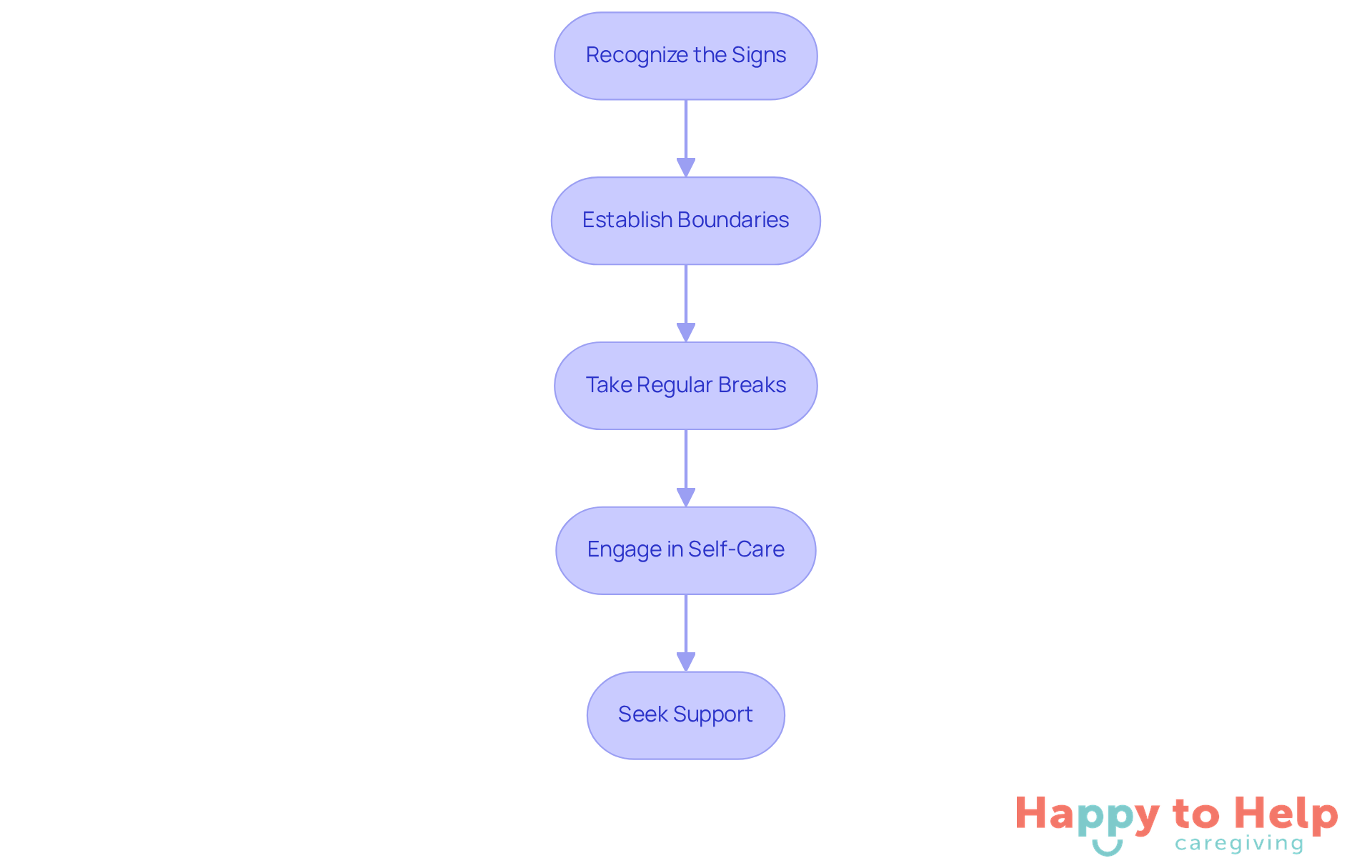
Recognize the Signs: Be vigilant for symptoms such as fatigue, irritability, and feelings of helplessness. Acknowledging these signs early can help you take action before burnout escalates. Statistics show that 40% to 70% of family caregivers exhibit symptoms of depression compared to non-caregivers, underscoring the importance of this recognition.
-
Establish Boundaries: Clearly define your caregiving responsibilities. It’s important to feel empowered to say no to additional tasks that may overwhelm you, ensuring you maintain a manageable workload. As Wilbanks emphasizes, setting boundaries with siblings can help maintain harmony in the caregiving process.
-
Take Regular Breaks: Incorporate scheduled breaks throughout your day to recharge. Even short pauses can significantly enhance your mental health and overall well-being.
-
Engage in Self-Care: Prioritize activities that foster your well-being, such as exercise, hobbies, or socializing with friends. Carving out time for relaxation and enjoyment is vital for sustaining your energy. Keep in mind, as psychologist Deborah Derrickson Kossmann recommends, acknowledging your own caregiving boundaries is crucial for effective support.
-
Seek Support: Consider joining a caregiver support group or confiding in friends and family about your experiences. Sharing your feelings can provide relief and valuable perspectives, reinforcing the notion that you are not alone in your journey. November is National Family Caregivers Month, a timely reminder to prioritize your well-being and seek support.
By actively addressing your own needs, you can cultivate the energy and emotional resilience necessary for effective caregiving. Remember, prioritizing your mental health is not only advantageous for you; it also improves the quality of support you offer to your dear ones.
Communicate with Healthcare Professionals for Comprehensive Care
Effective communication with medical professionals is crucial for providing thorough care to your family member. Caregivers often face significant challenges in this area, which can lead to serious consequences.
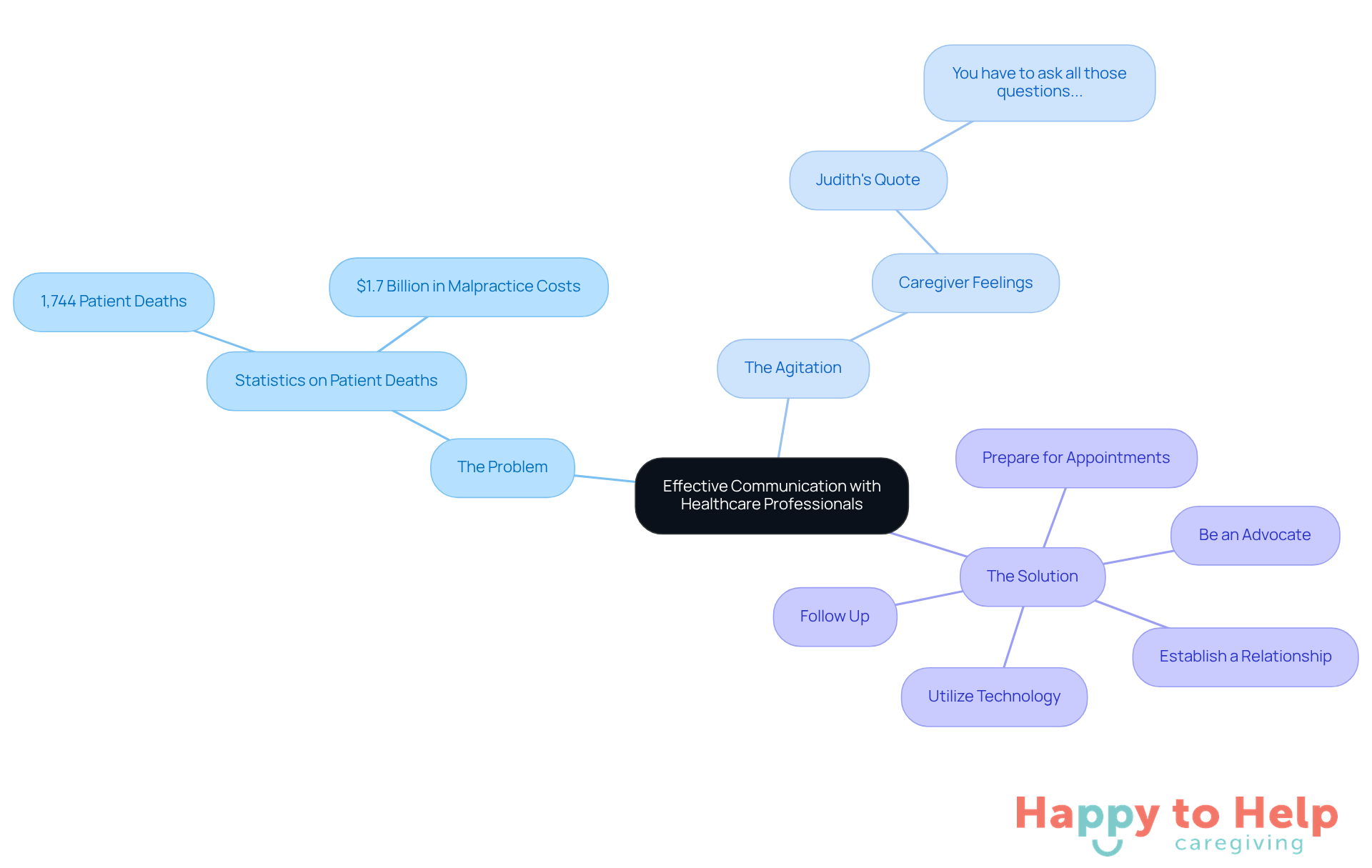
The Problem: Poor communication can jeopardize patient safety. According to FierceHealthcare, it has resulted in 1,744 patient deaths and over $1.7 billion in malpractice costs over the past five years. This highlights the urgent need for primary caregivers for elderly individuals to advocate effectively for their loved ones.
The Agitation: Caregivers may feel overwhelmed and unsure of how to navigate medical appointments. Judith, a caregiver for her mother, emphasizes, "You have to ask all those questions. You have to be smart enough to know what questions to ask." Without proper preparation, caregivers risk missing vital information that could impact their loved one's health.
The Solution: Here are actionable steps caregivers can take to improve communication with healthcare providers:
-
Prepare for Appointments: Compile a list of questions and concerns before each visit. Bring relevant medical records and a list of medications to provide context for the medical provider.
-
Be an Advocate: Speak up for your loved one’s needs and preferences during appointments. Ensure that their concerns are addressed and understood by the medical team.
-
Establish a Relationship: Build rapport with medical providers. Regular communication fosters trust and keeps you informed about your loved one’s health status. Statistics show that 63% of primary caregivers for elderly individuals interact with medical professionals on behalf of the care recipient, highlighting the importance of this relationship.
-
Follow Up: After appointments, summarize key points discussed and any action items. Share this information with family members involved in the caregiving process.
-
Utilize Technology: Use patient portals or apps to track health information, schedule appointments, and communicate with medical providers efficiently. The SBAR communication tool (Situation, Background, Assessment, Recommendation) can help organize discussions, ensuring all pertinent information is conveyed clearly.
By fostering open lines of communication with healthcare professionals, caregivers can enhance the quality of care their loved ones receive and ensure that their health needs are met.
Moving Forward with Essential Steps for Every Primary
Understanding the multifaceted role of a primary caregiver for the elderly presents a significant challenge. Caregivers often juggle daily activities, health management, emotional support, and legal considerations, which can lead to overwhelming stress and burnout. This situation not only affects the caregiver's well-being but also the quality of care provided to their loved ones.
To address these challenges, caregivers can implement several effective strategies:
- Establishing a daily schedule helps prioritize critical tasks.
- Utilizing technology can streamline caregiving duties.
- Seeking help when necessary is also vital.
- Caregivers must prioritize their own mental health by practicing self-care.
- Setting boundaries and maintaining open communication with healthcare professionals is important.
Ultimately, the journey of caregiving can be both rewarding and challenging. By focusing on effective time management and prioritizing mental health, caregivers can navigate their responsibilities with confidence and compassion. Embracing these practices not only enhances the caregiving experience but also reinforces the importance of self-care and communication, ensuring that both caregivers and their loved ones thrive in this vital relationship.
https://iframe.tely.ai/cta/eyJhcnRpY2xlX2lkIjogIjY5MjNhMGI3ZTUyZmU2NjM2Njg4Njc0MyIsICJjb21wYW55X2lkIjogIjY4ZWU1ZGNhNzMxNzYyNTU3ZjNjOTVjMSIsICJpbmRleCI6IG51bGwsICJ0eXBlIjogImFydGljbGUifQ==Frequently Asked Questions
What are the main responsibilities of a primary caregiver?
A primary caregiver is responsible for ensuring the health and comfort of their loved one, which includes assistance with daily activities, medication management, and providing emotional support.
What are daily living activities (ADLs) that caregivers should assist with?
Daily living activities (ADLs) include bathing, dressing, eating, and providing mobility assistance.
How can a caregiver manage the health of their loved one?
Caregivers should familiarize themselves with their loved one's medical conditions, including medications, dietary restrictions, and necessary medical appointments.
Why is emotional support important for a loved one receiving care?
Providing companionship and emotional reassurance is vital as it can significantly enhance the loved one's quality of life.
What legal and financial responsibilities should a caregiver be aware of?
Caregivers should be aware of any legal documents necessary for managing their loved one's affairs, such as power of attorney or healthcare proxies.
How can a caregiver create a supportive atmosphere for their loved one?
By thoroughly understanding their role and the specific needs of their loved one, caregivers can create an environment that encourages independence and dignity.
List of Sources
- Understand Your Role as a Primary Caregiver
- HHS Backs AI Innovation for America’s Caregivers | HHS.gov (https://hhs.gov/press-room/hhs-backs-ai-innovation-for-americas-caregivers.html)
- She cares for her aging parents full time. That requires taking care of herself, too (https://npr.org/2025/11/20/nx-s1-5522341/unpaid-caregivers-elderly-support)
- As Family Caregiving Grows, So Does the Need for Reform - Medicare Rights Center (https://medicarerights.org/medicare-watch/2025/08/14/as-family-caregiving-grows-so-does-the-need-for-reform)
- Reimagining Support for Family Caregivers and Their Loved Ones (https://medschool.duke.edu/news/reimagining-support-family-caregivers-and-their-loved-ones)
- Your Working Caregiver Experience Matters: What Every Working Caregiver Should Know (https://lifework.arizona.edu/news/2025/your-working-caregiver-experience-matters-what-every-working-caregiver-should-know)
- Manage Daily Caregiving Tasks Effectively
- The Daily Schedule of an In-Home Caregiver | Comfort Home Care (https://choosecomforthome.com/the-daily-schedule-of-an-in-home-caregiver)
- In-Home Care for Seniors - Caregiving News and Tips (https://aarp.org/caregiving/home-care)
- What to expect when you become a caregiver– and how to cope with the challenges (https://heart.org/en/news/2025/11/20/what-to-expect-when-you-become-a-caregiver-and-how-to-cope-with-the-challenges)
- HHS Backs AI Innovation for America’s Caregivers | HHS.gov (https://hhs.gov/press-room/hhs-backs-ai-innovation-for-americas-caregivers.html)
- Caregiver Statistics: Demographics (https://caregiver.org/resource/caregiver-statistics-demographics)
- Address Caregiver Burnout and Maintain Well-Being
- Caregiver Burnout and Strategies to Help (https://health.usnews.com/senior-care/articles/caregiver-burnout-and-strategies-to-help)
- New Report Reveals Crisis Point for America’s 63 million Family Caregivers (https://press.aarp.org/2025-07-24-New-Report-Reveals-Crisis-Point-for-Americas-63-million-Family-Caregivers)
- Caregiver Statistics: Health, Technology, and Caregiving Resources (https://caregiver.org/resource/caregiver-statistics-health-technology-and-caregiving-resources)
- Caregiving’s Mental Health Crisis (https://forbes.com/sites/otsuka/2025/10/02/caregivings-mental-health-crisis)
- News & Information (https://wellnessalliance.org/resources-and-tools/news-and-information/2025/11/10/national-family-caregivers-month--preventing-caregiver-burnout)
- Communicate with Healthcare Professionals for Comprehensive Care
- Effective Caregiver Communication: Tips, Barriers, and Benefits (https://scphealth.com/blog/effective-caregiver-communication-tips-barriers-and-benefits)
- Importances of Communication in the Healthcare Industry | CHCM (https://chcm.com/news-events/importances-of-communication-in-the-healthcare-industry)
- Finding Support - Communicating with Healthcare Professionals (https://caregiveraction.org/communicating-healthcare-professionals)
- Caregiver Statistics: Demographics (https://caregiver.org/resource/caregiver-statistics-demographics)
- Caregiver Provider Communication and Caregiver Health (https://aarp.org/pri/topics/ltss/family-caregiving/caregiver-communication-health-care-providers)