Essential Steps for Helping a Parent with Dementia at Home

For families in our service areas
For families in our service areas, this guide explains dementia care and how non-medical in-home caregiving can support care planning in East Idaho, Treasure Valley & Magic Valley, Northern Wasatch, North Central West Virginia & Southwestern Pennsylvania, and Northeast Ohio.
Why Essential Steps for Helping a Parent Matters
Dementia is a profound challenge, not just for those living with it but also for their caregivers. The emotional strain and confusion can be overwhelming. It’s essential to understand the intricacies of this condition to effectively support a parent who is navigating this journey.
This article explores vital strategies that can enhance the caregiving experience. From fostering meaningful communication to planning engaging activities that accommodate cognitive limitations, there are ways to make this journey a little easier.
How can caregivers navigate this complex landscape while ensuring their own well-being and that of their loved ones? It’s a question that many face, and it’s important to remember that you’re not alone in this. Together, we can find ways to support each other through the challenges.
Understand Dementia and Its Impact on Daily Life
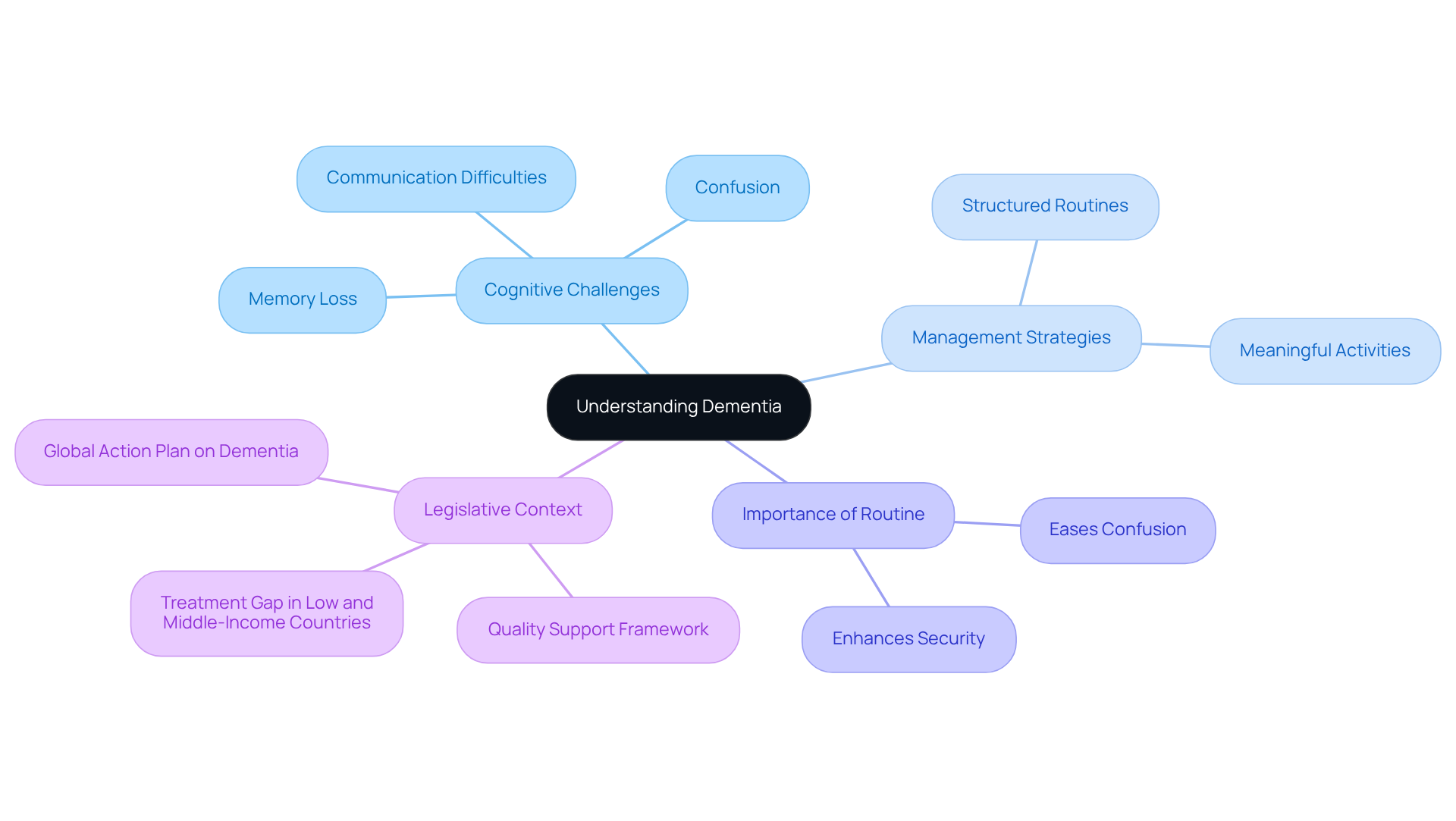
Dementia brings a range of cognitive challenges that deeply impact memory, thinking, and daily life. Symptoms like memory loss, confusion, and communication difficulties can vary significantly from person to person. Imagine someone struggling to perform familiar tasks, like cooking or managing finances. This can lead to feelings of frustration and anxiety, not just for them but for their caregivers too. Understanding these symptoms is crucial for caregivers helping a parent with dementia, as it enables them to offer the right support with empathy and patience.
Research indicates that maintaining a consistent daily routine can help ease confusion and anxiety for those with cognitive impairments. Familiar activities create a sense of security, which is vital for their well-being. A recent study involving 2,100 older Americans at risk of cognitive decline revealed that lifestyle changes, including structured routines, can lead to meaningful cognitive improvements. This suggests that non-pharmacological interventions are essential in managing the condition.
Moreover, specialists emphasize that having a strong sense of purpose can delay cognitive decline. Results show that individuals engaged in meaningful activities experience the onset of cognitive decline about 1.4 months later than those who are not. This highlights the importance of not only understanding the symptoms of cognitive decline but also actively nurturing a supportive environment that encourages involvement and routine. Such an approach can significantly enhance the quality of life for both those affected and their caregivers, particularly when it involves helping a parent with dementia.
In addition to these strategies, it’s important to recognize the legislative context surrounding cognitive impairment care. A solid legislative framework is crucial to ensure quality support for individuals with cognitive impairments and their caregivers. Addressing the significant treatment gap in low and middle-income countries underscores the challenges faced by those providing care, as well as the importance of early diagnosis and intervention. The WHO's Global Action Plan on cognitive decline provides a roadmap for understanding the public health response to cognitive impairment, emphasizing the need for advocacy and transformative policy changes to improve support for caregivers and those they care for.
Communicate Effectively with Your Parent
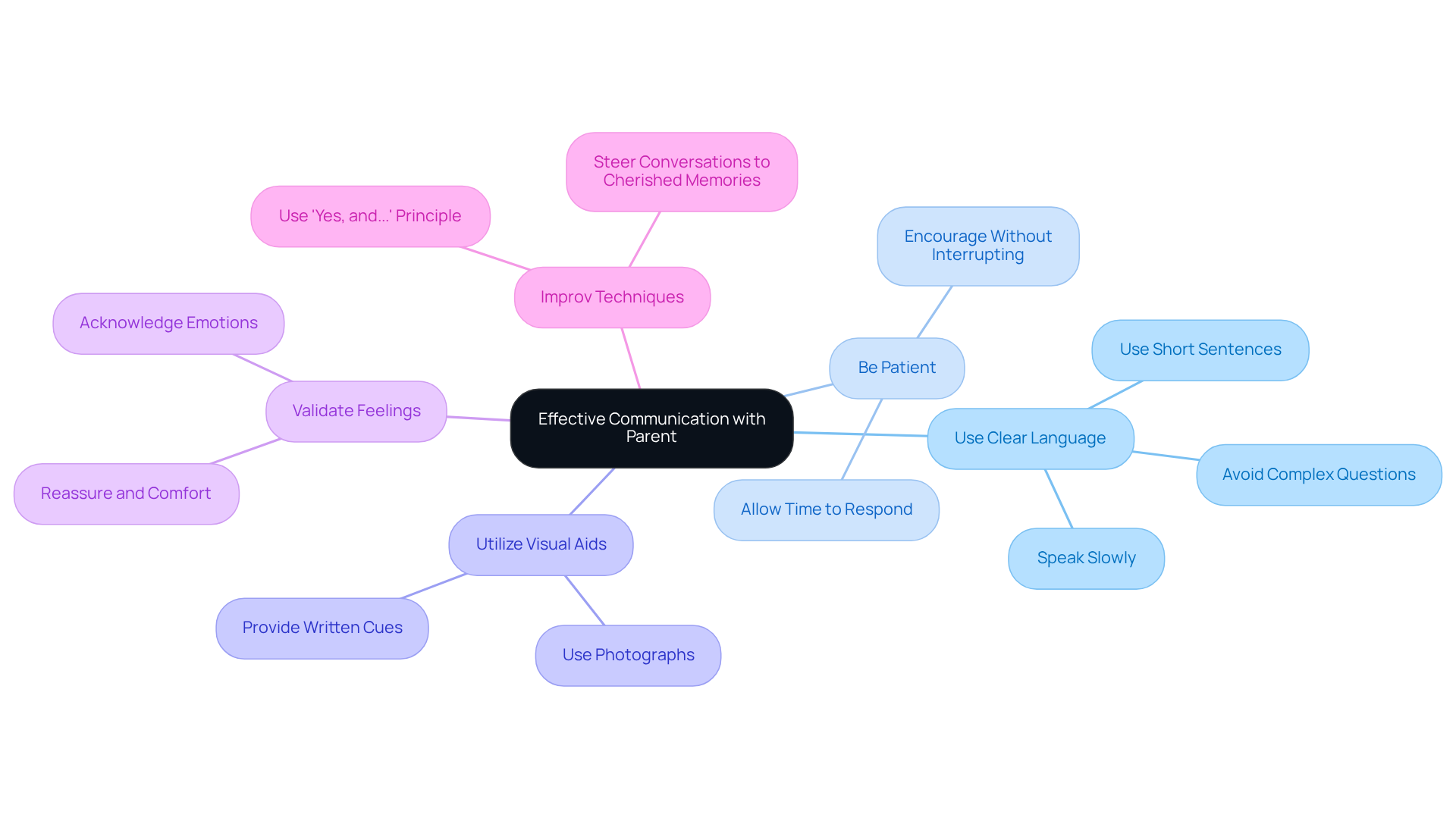
Effective communication with a parent who has cognitive impairment can be challenging, but using clear and simple language makes a world of difference. Speaking slowly and maintaining eye contact fosters a sense of engagement and connection. Instead of complex sentences, try using short, straightforward phrases. For example, rather than asking, 'Would you like to go for a walk in the park later?', simply say, 'Let’s go for a walk now.'
Patience is essential - allow them the time they need to respond. If they struggle to articulate their thoughts, gently encourage them without correcting or interrupting. Visual aids, like photographs or written cues, can serve as helpful prompts to stimulate memories and enhance understanding. Validating their feelings and providing reassurance can alleviate anxiety and strengthen trust, making your interactions more meaningful.
Statistics reveal that nearly two-thirds of the seven million Americans with Alzheimer's disease are women, and over 11 million women live with or care for someone with this condition. This highlights the critical need for effective communication strategies tailored to their unique challenges. Case studies suggest that unclear communication can lead to frustration for both supporters and patients, underscoring the importance of adjusting communication methods to accommodate the varying abilities of individuals with cognitive impairment. Speech therapists advocate for using shorter sentences and simpler words to improve comprehension, reinforcing the necessity of clear language in these interactions.
Additionally, employing the 'yes, and...' principle from improv techniques can validate patients' feelings and experiences, further enhancing the caregiver's ability to connect meaningfully with their loved one. Remember, you’re not alone in this journey; compassionate care and understanding can make all the difference.
Plan Meaningful Activities That Accommodate Limitations
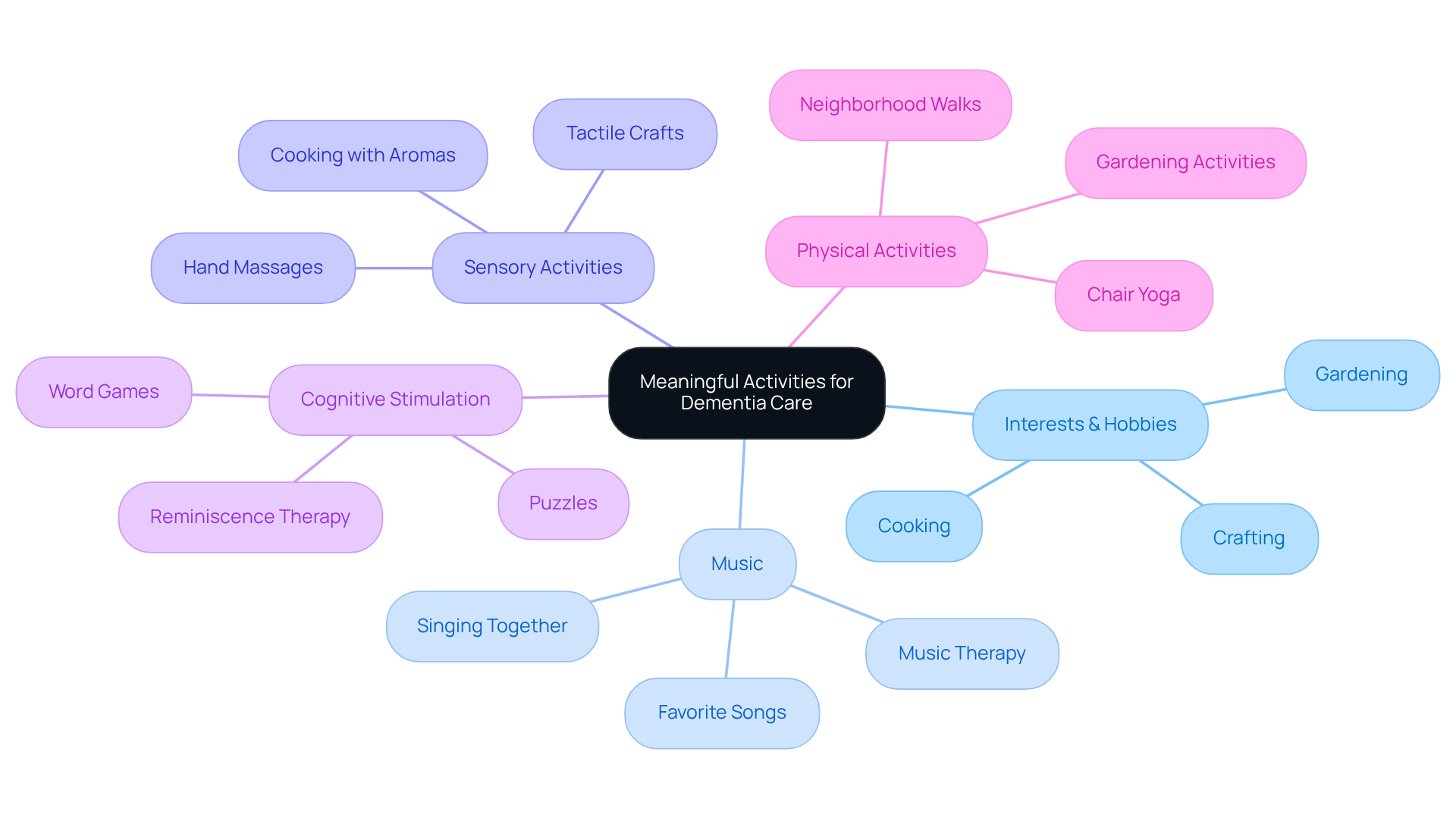
When organizing activities for helping a parent with dementia, it’s so important to consider their interests and past hobbies. Think about what they love and what brings them joy. Activities should be simple and enjoyable, steering clear of anything that might lead to frustration. For instance, if your parent enjoyed gardening, engaging them in potting plants or watering flowers can be incredibly fulfilling.
Music can be a powerful tool in this journey. Studies show that listening to music can enhance emotional health and ease signs of anxiety and agitation in those experiencing cognitive decline. Playing their favorite songs can evoke cherished memories and emotions, significantly lifting their spirits.
Incorporating sensory activities, like cooking or crafting, can stimulate their senses and encourage participation. Activities such as chair exercises or puzzles can also provide cognitive stimulation and promote engagement. It’s essential to remain flexible and ready to adapt activities based on their mood and energy levels.
The ultimate goal is to create a positive experience that fosters connection and enjoyment, especially when it comes to helping a parent with dementia, thereby enhancing their quality of life. Remember, every small moment of joy counts.
Seek Support and Manage Caregiver Well-Being
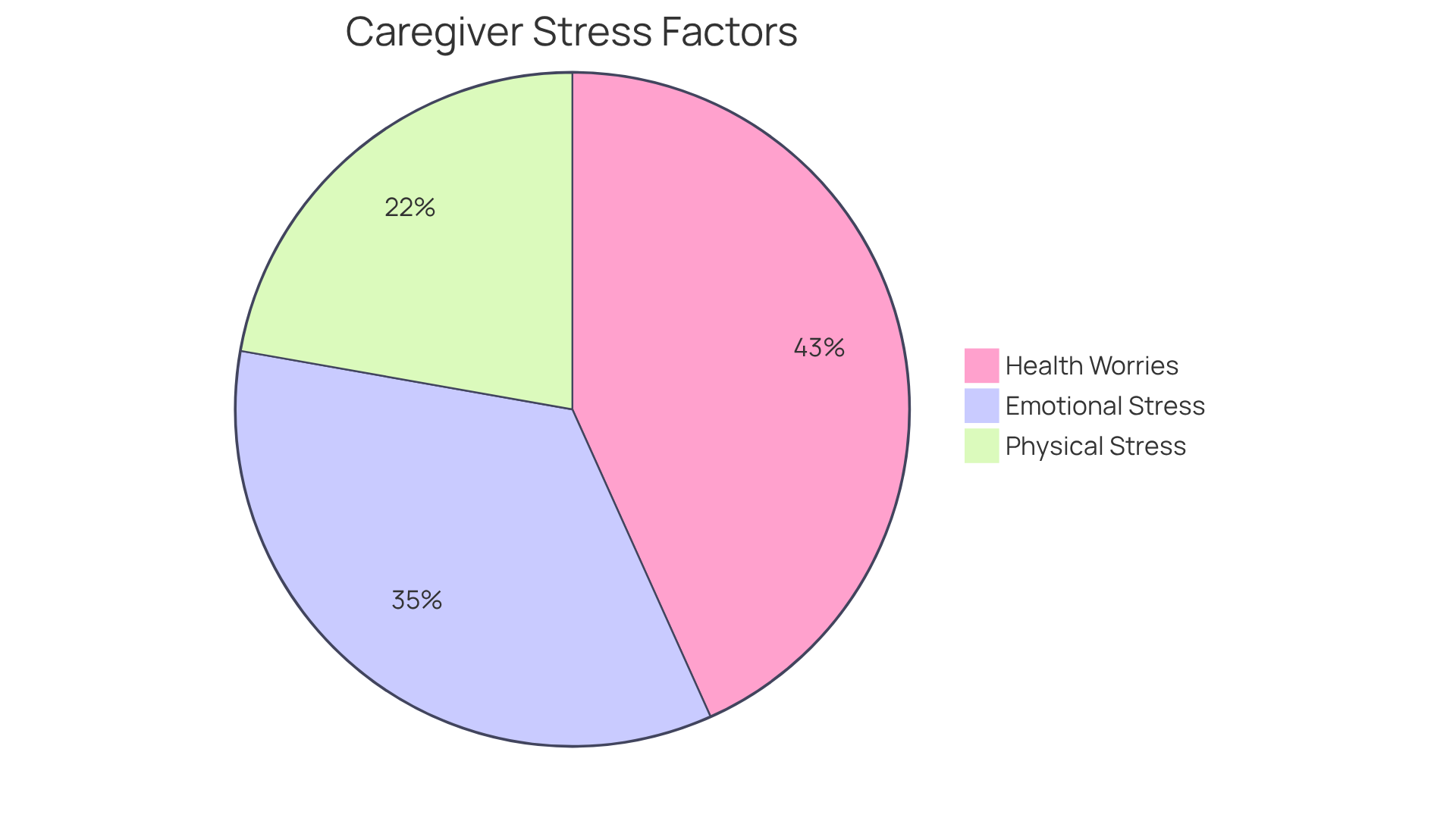
Recognizing the signs of stress and burnout is crucial for caregivers. Engaging in self-care activities - like exercise, hobbies, or spending time with friends - can truly rejuvenate your spirit. It’s concerning to note that:
- 74% of caregivers, especially those helping a parent with dementia, worry about their own health.
- 59% report experiencing high emotional stress.
- 38% face significant physical stress due to helping a parent with dementia.
This underscores the importance of prioritizing self-care.
Joining a support group can be incredibly beneficial. These groups provide a safe space to share experiences and learn from others who are navigating similar challenges. For instance, Jerry Bishop, who has led a caregiver network for over 20 years, emphasizes the emotional comfort that comes from connecting with peers. Many organizations offer resources, including online forums and community groups, where caregivers can exchange strategies and support.
Don’t hesitate to reach out to family members for help, whether it’s for respite care or simply to talk about your experiences. For immediate support, the Alzheimer's Association has a 24/7 Helpline at 800.272.3900. Remember, taking care of yourself is essential - not just for your own well-being, but also for helping a parent with dementia to receive the best care.
Moving Forward with Essential Steps for Helping a Parent
Caring for a parent with dementia is a journey that requires a compassionate approach. It’s essential to understand the emotional challenges caregivers face, as well as the stress and burnout that can accompany this role. By fostering an environment filled with empathy and patience, caregivers can significantly enhance their loved ones' well-being.
Key strategies can make a world of difference:
- Maintaining a consistent routine helps reduce anxiety.
- Clear communication techniques can bridge gaps in understanding.
- Planning activities that resonate with the individual’s interests not only engages them but also brings joy to both the caregiver and the person with dementia.
Moreover, it’s vital to recognize the importance of caregiver well-being. Self-care and support networks are crucial for sustaining the emotional and physical health of those providing care. Remember, you’re not alone in this; there are resources and communities ready to support you.
Ultimately, caring for a parent with dementia is about more than just managing the condition. It’s about nurturing connections and creating joyful moments together. By prioritizing the needs of both the individual with dementia and the caregiver, we can cultivate a supportive atmosphere that enriches everyone’s quality of life. Engaging in these essential steps can lead to a more fulfilling caregiving experience, highlighting the importance of compassion, understanding, and community as we navigate this challenging path together.
https://iframe.tely.ai/cta/eyJhcnRpY2xlX2lkIjogIjY5MTdkN2ZkOGUyMjgwYjhjNGYzNGVkZiIsICJjb21wYW55X2lkIjogIjY4ZWU1ZGNhNzMxNzYyNTU3ZjNjOTVjMSIsICJpbmRleCI6IG51bGwsICJ0eXBlIjogImFydGljbGUifQ==Frequently Asked Questions
What is dementia and how does it impact daily life?
Dementia is a condition that brings a range of cognitive challenges affecting memory, thinking, and daily life. Symptoms such as memory loss, confusion, and communication difficulties can vary significantly among individuals, making it challenging to perform familiar tasks, leading to frustration and anxiety for both the person with dementia and their caregivers.
Why is it important for caregivers to understand dementia symptoms?
Understanding dementia symptoms is crucial for caregivers because it enables them to offer the right support with empathy and patience, helping to ease the challenges faced by their loved ones.
How can maintaining a daily routine benefit individuals with dementia?
Maintaining a consistent daily routine can help ease confusion and anxiety for those with cognitive impairments. Familiar activities provide a sense of security, which is vital for their well-being.
What does research say about lifestyle changes and cognitive decline?
Research indicates that lifestyle changes, including structured routines, can lead to meaningful cognitive improvements in individuals at risk of cognitive decline. A study involving 2,100 older Americans showed that non-pharmacological interventions are essential in managing the condition.
How does having a sense of purpose affect cognitive decline?
Engaging in meaningful activities can delay cognitive decline. Individuals who have a strong sense of purpose experience the onset of cognitive decline approximately 1.4 months later than those who do not.
What role does legislation play in the care of individuals with cognitive impairments?
A solid legislative framework is crucial for ensuring quality support for individuals with cognitive impairments and their caregivers. It addresses the treatment gap in low and middle-income countries and highlights the importance of early diagnosis and intervention.
What is the WHO's Global Action Plan on cognitive decline?
The WHO's Global Action Plan on cognitive decline provides a roadmap for understanding the public health response to cognitive impairment. It emphasizes the need for advocacy and transformative policy changes to improve support for caregivers and those they care for.