
What You Need to Know About Essential Steps for Live-In Care for
Dementia care presents a complex landscape filled with unique challenges that caregivers must navigate daily. Caregivers face emotional and physical hurdles that can significantly impact their well-being and that of the patients. Understanding these nuances is essential for providing effective support.
How can caregivers create an environment that ensures safety while fostering a sense of stability and connection? This guide delves into essential strategies for live-in care. It offers insights into:
- Creating a supportive atmosphere
- Establishing daily routines
- Enhancing communication
All vital components for improving the quality of life for dementia patients and their caregivers.
Understand Dementia: Key Concepts and Symptoms
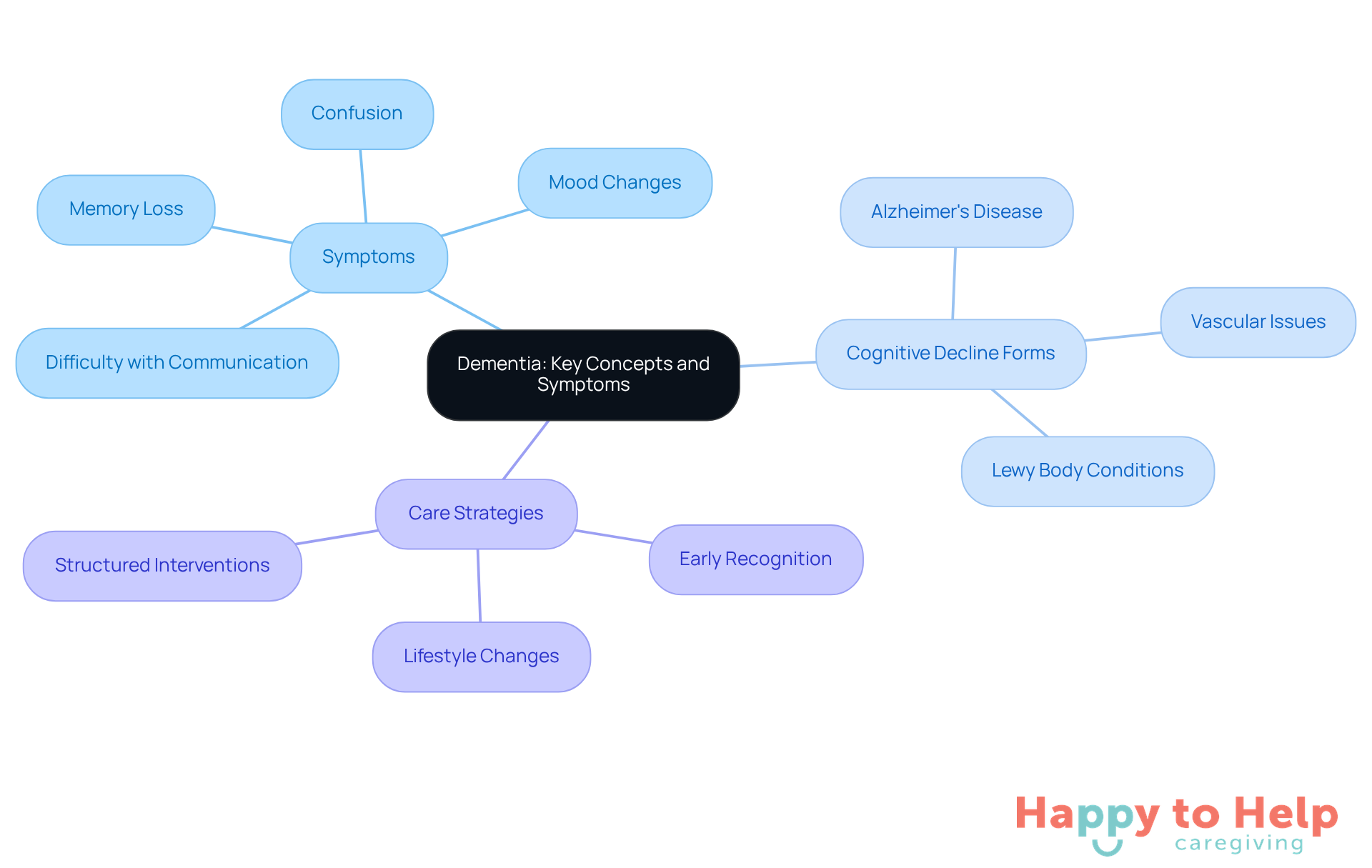
Dementia represents a significant challenge, encompassing various brain disorders that impact memory, thinking, and social abilities. Caregivers often face distressing symptoms, including:
- Memory Loss: Patients may struggle to recall recent events or conversations, causing emotional strain for both them and their caregivers.
- Confusion: Disorientation regarding time and place can lead to heightened anxiety and frustration.
- Mood Changes: Emotional fluctuations, such as increased anxiety and depression, can disrupt daily interactions.
- Difficulty with Communication: Challenges in finding words or following conversations complicate social engagement.
Recognizing these signs early is crucial for caregivers. It allows them to tailor their approach to meet the individual's needs effectively. Understanding the different forms of cognitive decline, such as Alzheimer's disease, vascular issues, and Lewy body conditions, is essential, as each presents unique challenges and care requirements.
Recent studies emphasize the importance of structured interventions over self-guided approaches, highlighting that tailored care strategies can lead to significant cognitive improvements. Neurologists advocate for early identification of symptoms, enabling prompt interventions that enhance the quality of life for both individuals and their caregivers. For example, the U.S. POINTER study revealed that lifestyle changes could help protect against cognitive decline, reinforcing the necessity for proactive care measures.
Prepare the Home: Creating a Safe and Supportive Environment
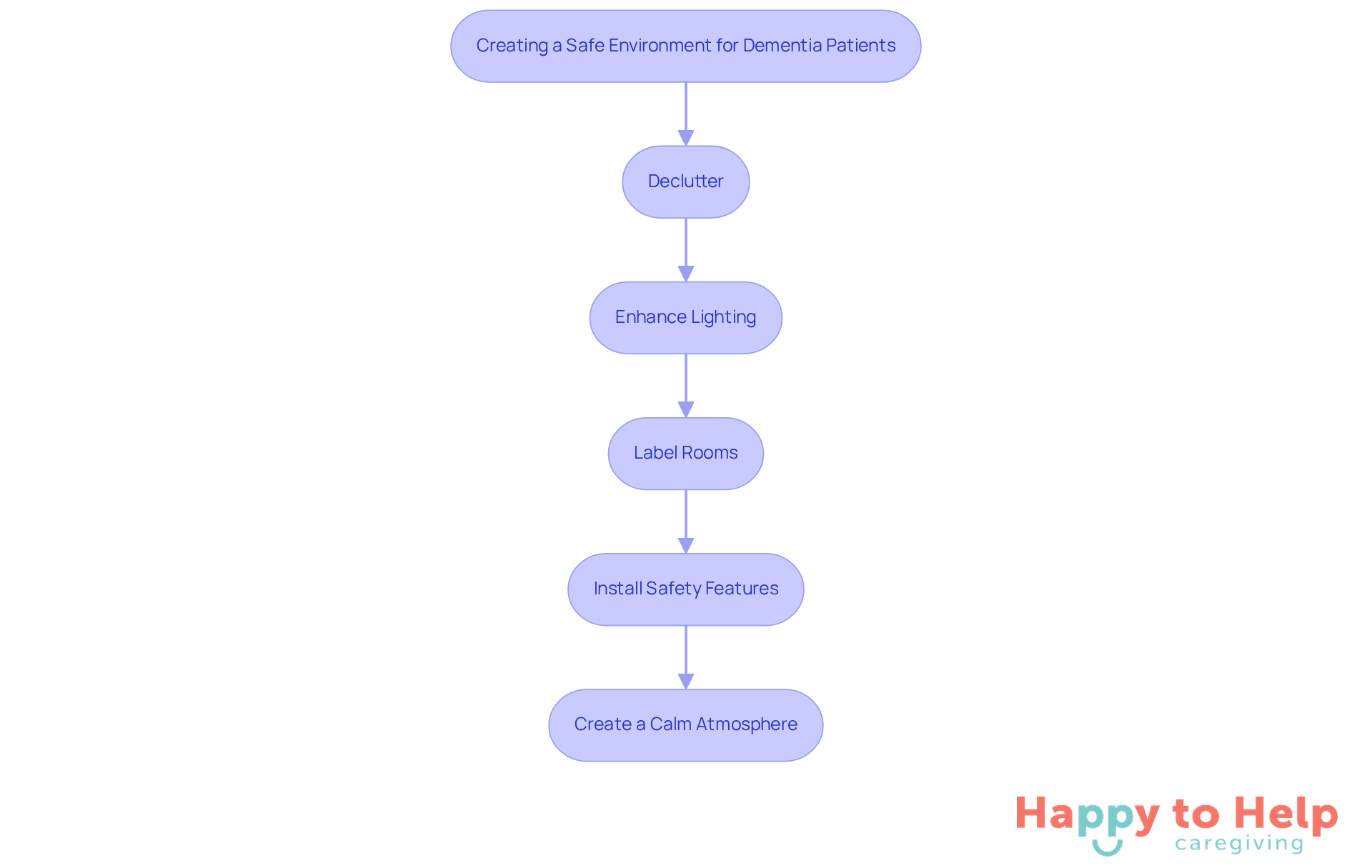
Creating a safe and supportive environment to live in care for dementia patients is crucial. Caregivers often face the challenge of ensuring safety while minimizing confusion and anxiety. Here are some practical steps to address this issue:
- Declutter: Remove unnecessary items to reduce confusion and prevent falls.
- Enhance Lighting: Ensure all areas are well-lit to aid in preventing accidents and improve visibility.
- Label Rooms: Use clear signs or pictures to identify rooms and important areas like the bathroom and kitchen.
- Install Safety Features: Add grab bars in bathrooms, secure rugs to prevent slipping, and ensure that stairways are well-lit and free of obstacles.
- Create a Calm Atmosphere: Minimize noise and distractions to help the individual feel more secure and less anxious.
Implementing these changes can significantly enhance the quality of life for individuals who live in care for dementia patients, enabling them to navigate their home safely.
Establish Daily Routines: Structure and Consistency in Care
Creating a daily routine can significantly improve the well-being of those who live in care for dementia patients. Caregivers often face the challenge of managing the confusion and agitation that can arise from unpredictable daily activities. Without a structured routine, individuals may experience heightened anxiety and a sense of loss of control.
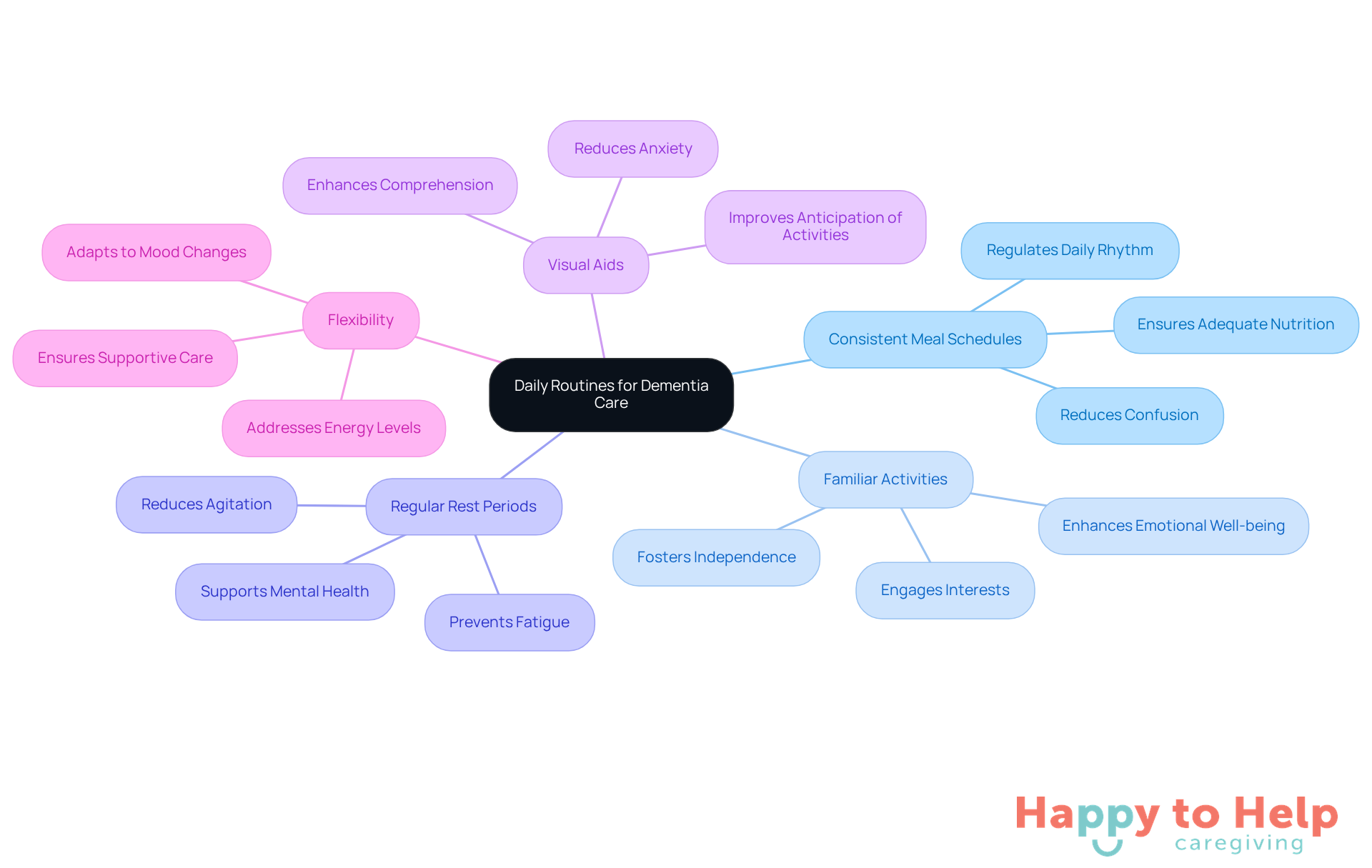
To address these challenges, here are some actionable solutions for creating an effective routine:
- Establish Consistent Meal Schedules: Regular meal times help regulate the individual's daily rhythm, ensuring adequate nutrition and hydration, which are vital for cognitive health.
- Incorporate Familiar Activities: Engage the individual in activities they enjoy, such as gardening, reading, or listening to music. These familiar tasks foster a sense of accomplishment and maintain skills, reinforcing their independence.
- Schedule Regular Rest Periods: Include breaks throughout the day to prevent fatigue and agitation. Individuals with dementia often face heightened mental exhaustion, and consistent rest can help them revitalize.
- Use Visual Aids: Create a visual schedule outlining daily activities. Visual cues enhance comprehension and help the individual anticipate what to expect, reducing anxiety and confusion.
- Be Flexible: While consistency is vital, be prepared to adapt the routine based on the individual's mood and energy levels. Flexibility allows caregivers to address the changing needs of the individual, ensuring that care remains supportive and effective.
A structured day not only diminishes confusion but also offers a sense of control and safety for those who live in care for dementia patients, enhancing their overall quality of life. As specialists emphasize, "Routines serve as a lifeline if you have a cherished one with cognitive impairment," highlighting the essential role of structure in their care.
Communicate Effectively: Strategies for Engaging with Dementia Patients
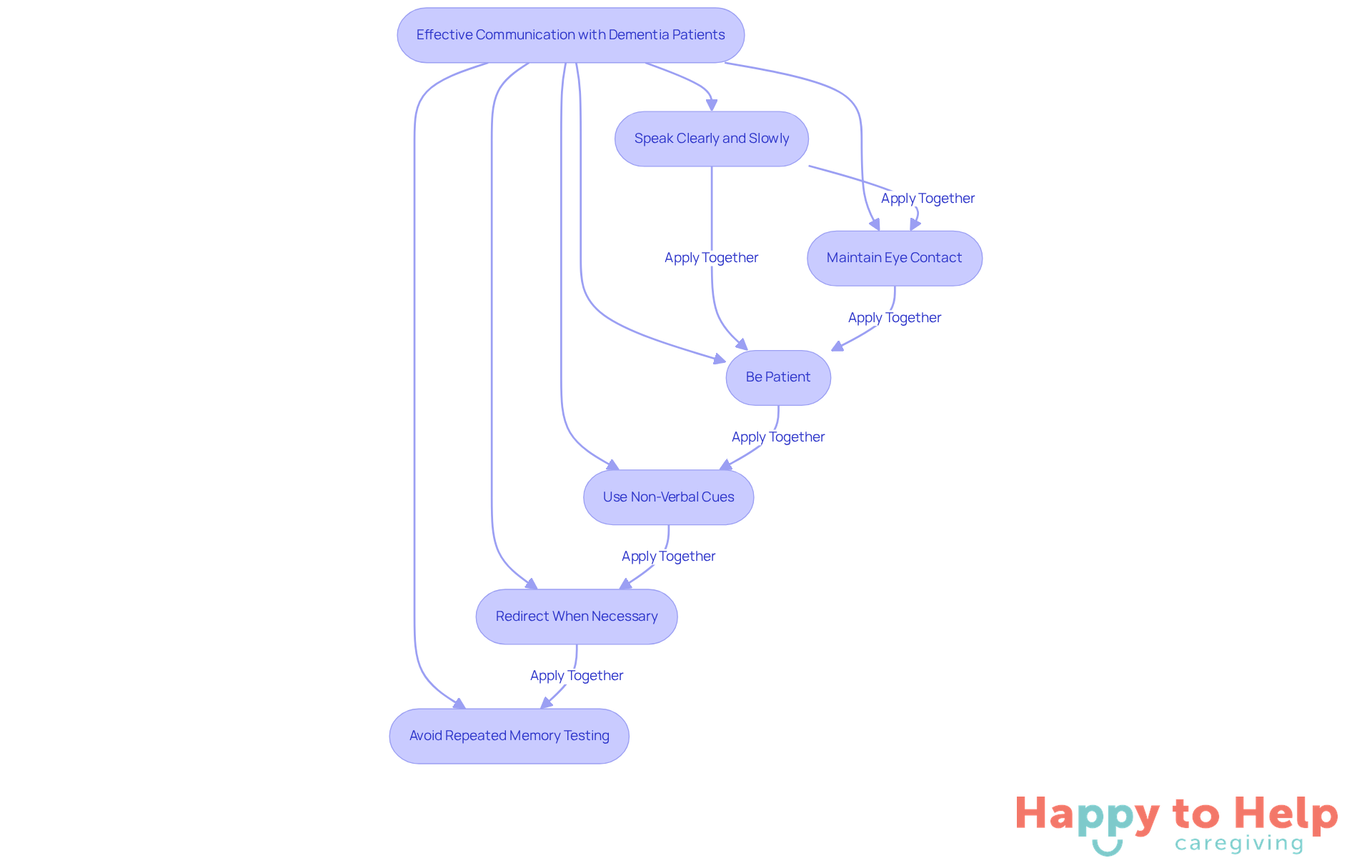
Caregivers may find it challenging to communicate effectively with individuals who live in care for dementia patients. Misunderstandings and frustration can arise, leading to stress for both the caregiver and the patient. To foster meaningful interactions, caregivers can implement several strategies:
- Speak Clearly and Slowly: Use simple language and short sentences to convey your message.
- Maintain Eye Contact: This helps engage the individual and shows that you are attentive.
- Be Patient: Allow extra time for the individual to respond, and avoid interrupting.
- Use Non-Verbal Cues: Gestures, facial expressions, and touch can enhance understanding and connection.
- Redirect When Necessary: If the individual becomes confused or agitated, gently steer the conversation to a familiar topic or activity.
- Avoid Repeated Memory Testing: Do not repeatedly ask the individual to recall past moments, as this can lead to frustration and anxiety.
By applying these techniques, caregivers who live in care for dementia patients can connect more effectively, making their interactions more meaningful and less stressful.
Prioritize Caregiver Well-Being: Managing Stress and Burnout
Caregivers often face significant stress and the risk of burnout, which can impact both their well-being and the quality of care they provide. Understanding these challenges is crucial for finding effective solutions.
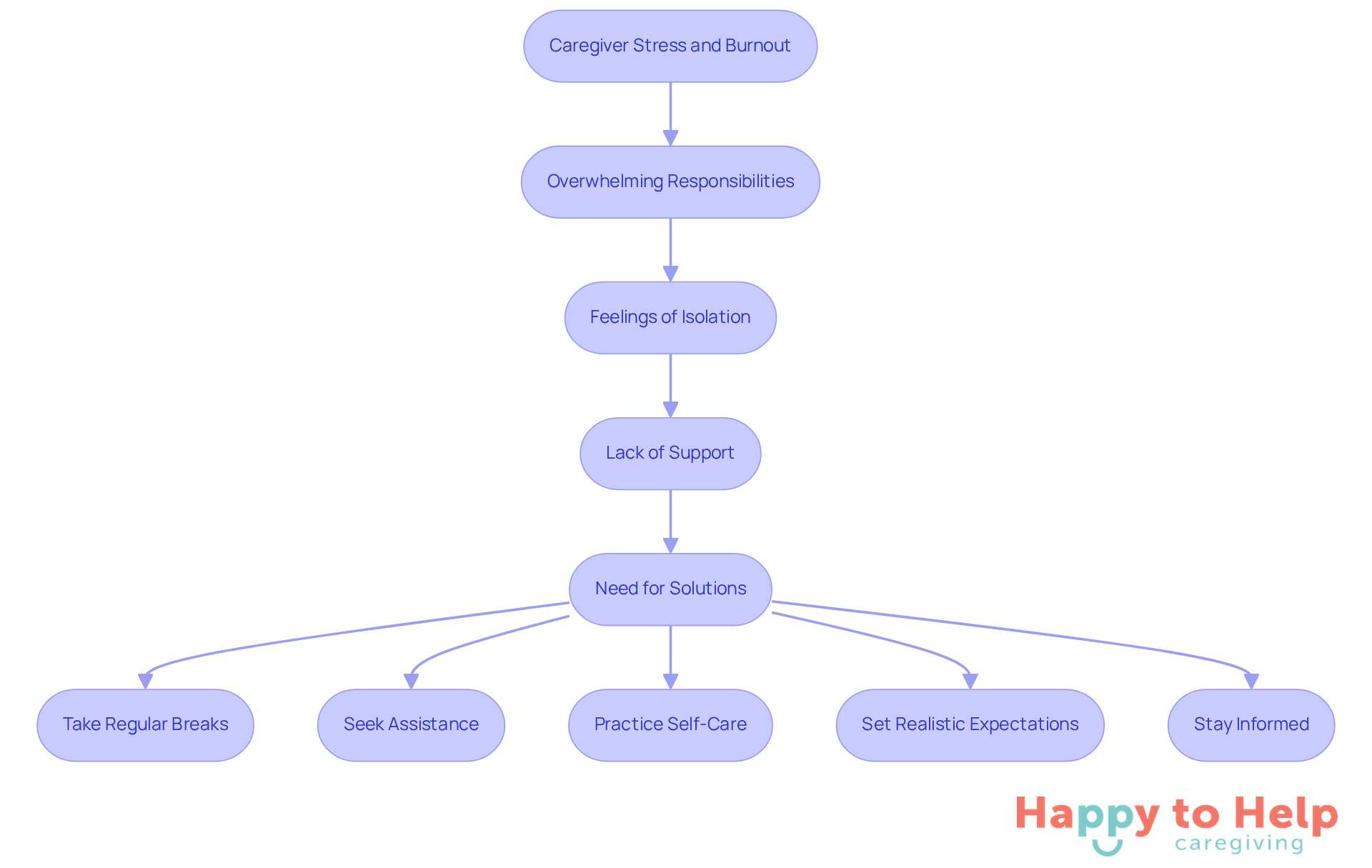
Problem: Many caregivers struggle with overwhelming responsibilities, leading to physical and emotional exhaustion. This can create feelings of isolation and hinder their ability to support their loved ones effectively.
Agitate: Research indicates that nearly 40% of caregivers find respite services helpful, yet many do not seek the support they need. This lack of assistance can exacerbate feelings of stress and burnout, making it essential to address these issues head-on.
Solution: Here are some actionable strategies caregivers can implement to manage stress and prevent burnout:
- Take Regular Breaks: Schedule consistent time away from caregiving duties to recharge physically and mentally.
- Seek Assistance: Connect with support groups or share your experiences with friends and family, nurturing a sense of community.
- Practice Self-Care: Dedicate time to activities that promote relaxation and well-being, such as exercise, meditation, or pursuing hobbies.
- Set Realistic Expectations: Acknowledge that it’s acceptable to ask for help and that perfection is not a requirement in caregiving.
- Stay Informed: Continuously educate yourself about dementia and effective caregiving strategies, which can empower you and alleviate feelings of being overwhelmed.
Prioritizing personal well-being not only enhances the health of caregivers but also enables them to offer more effective support to their loved ones. Research shows that those who engage in self-care practices report lower levels of stress and enhanced emotional resilience. For instance, support groups significantly reduce feelings of isolation and provide valuable coping strategies, as evidenced by testimonials from participants who found solace and strength in shared experiences. Mental health experts, including Debra Barrett, emphasize that recognizing the importance of self-care is crucial for maintaining long-term support roles, ultimately benefiting both caregivers and those receiving care. Additionally, it’s noteworthy that 60% of health care workers believe the U.S. health care system is not effectively helping patients navigate dementia care, highlighting the challenges caregivers face and the importance of seeking support.
Taking the Next Steps
Caring for dementia patients presents significant challenges for caregivers, often leading to emotional strain and burnout. Recognizing the symptoms of dementia early is crucial, as it allows caregivers to prepare a safe home and establish consistent daily routines. Without these foundational steps, both the caregiver and the patient may experience increased stress and diminished quality of life.
To address these challenges, caregivers can implement several practical solutions:
- Creating a safe environment is essential. This includes removing hazards and ensuring that the home is easy to navigate.
- Establishing daily routines can provide structure, helping patients feel more secure and reducing anxiety.
- Effective communication strategies, such as using simple language and maintaining eye contact, can also enhance interactions and foster understanding.
Moreover, caregiver well-being should not be overlooked. Engaging in self-care and building support networks are vital for sustaining the ability to provide compassionate care. By prioritizing their own mental health, caregivers can cultivate resilience, which ultimately benefits both themselves and the patients they care for.
In conclusion, while the journey of caring for someone with dementia is undoubtedly challenging, it can be made more manageable through informed strategies and a supportive community. By taking action today and implementing these essential steps, caregivers can improve the lives of those they care for while also nurturing their own well-being. This proactive approach ensures that both caregivers and patients thrive in their daily lives.
https://iframe.tely.ai/cta/eyJhcnRpY2xlX2lkIjogIjY5MjNhMGI2MWRmODM1M2QyMjg0NTk1ZCIsICJjb21wYW55X2lkIjogIjY4ZWU1ZGNhNzMxNzYyNTU3ZjNjOTVjMSIsICJpbmRleCI6IG51bGwsICJ0eXBlIjogImFydGljbGUifQ==Frequently Asked Questions
What is dementia and what are its main symptoms?
Dementia is a significant challenge involving various brain disorders that affect memory, thinking, and social abilities. Key symptoms include memory loss, confusion, mood changes, and difficulty with communication.
Why is early recognition of dementia symptoms important for caregivers?
Early recognition allows caregivers to tailor their approach to effectively meet the individual's needs and enables prompt interventions that can enhance the quality of life for both the individual and the caregiver.
What are some common forms of cognitive decline associated with dementia?
Common forms of cognitive decline include Alzheimer's disease, vascular issues, and Lewy body conditions, each presenting unique challenges and care requirements.
What do recent studies suggest about interventions for dementia care?
Recent studies emphasize the importance of structured interventions over self-guided approaches, indicating that tailored care strategies can lead to significant cognitive improvements.
What lifestyle changes can help protect against cognitive decline?
The U.S. POINTER study suggests that lifestyle changes can help protect against cognitive decline, reinforcing the necessity for proactive care measures.
How can caregivers create a safe and supportive environment for dementia patients at home?
Caregivers can create a safe environment by decluttering, enhancing lighting, labeling rooms, installing safety features, and creating a calm atmosphere to reduce confusion and anxiety.
What specific safety features can be implemented in a home for dementia patients?
Safety features include adding grab bars in bathrooms, securing rugs to prevent slipping, and ensuring stairways are well-lit and free of obstacles.
List of Sources
- Understand Dementia: Key Concepts and Symptoms
- ADI - Dementia statistics (https://alzint.org/about/dementia-facts-figures/dementia-statistics)
- Dementia Often Misdiagnosed As Normal Aging For 3.5 Years, New Study Finds (https://healthcare.msu.edu/news/2025-08-13-Dementia-Often-Misdiagnosed-As-Normal-Aging-For-Over-3-Years-New-Study-Finds.html)
- Alzheimer’s & Dementia News Roundup (October 2025) - Alzheimer's Orange County (https://alzoc.org/alzheimers-dementia-news-roundup-october-2025)
- UVM researchers identify blood tests that could predict dementia risk (https://vermontpublic.org/local-news/2025-11-20/uvm-researchers-blood-tests-predict-dementia-risk)
- Alzheimer's Research Advances at AAIC 2025 | alz.org (https://aaic.alz.org/releases-2025/highlights-aaic-2025.asp)
- Establish Daily Routines: Structure and Consistency in Care
- Is Routine Good for Dementia? | Predictable Care | Tyler, TX (https://civitasseniorliving.com/the-hamptons/is-routine-good-for-dementia)
- The Power of Routine: How Daily Structure Supports Memory Care | Inspir (https://inspirseniorliving.com/senior-living-resources/the-power-of-routine-in-memory-care)
- The Importance of a Daily Routine for Dementia Patients | Where You Live Matters (https://whereyoulivematters.org/resources/importance-of-routines-for-dementia)
- Dementia: Why Routines Matter! (https://heritagesenior.com/elm-grove/blog/memory-care/dementia-why-routines-matter)
- Five strategies to add to your daily routine to fight dementia (https://news.fiu.edu/2025/five-strategies-to-incorporate-into-your-daily-routine-to-fight-dementia)
- Communicate Effectively: Strategies for Engaging with Dementia Patients
- Bridging the gap: Dementia communication strategies - Harvard Health (https://health.harvard.edu/mind-and-mood/bridging-the-gap-dementia-communication-strategies)
- Study offers guidance for communicating with loved ones living with dementia (https://news-medical.net/news/20250827/Study-offers-guidance-for-communicating-with-loved-ones-living-with-dementia.aspx)
- Clearer Conversations, Better Care: New Guide Highlights Best Practices for Communicating with Older Adults (https://geron.org/News-Events/GSA-News/Press-Room/Press-Releases/clearer-conversations-better-care-new-guide-highlights-best-practices-for-communicating-with-older-adults)
- Prioritize Caregiver Well-Being: Managing Stress and Burnout
- News & Information (https://wellnessalliance.org/resources-and-tools/news-and-information/2025/11/10/national-family-caregivers-month--preventing-caregiver-burnout)
- New Report Reveals Crisis Point for America’s 63 million Family Caregivers (https://press.aarp.org/2025-07-24-New-Report-Reveals-Crisis-Point-for-Americas-63-million-Family-Caregivers)
- Caregiver Burnout and Strategies to Help (https://health.usnews.com/senior-care/articles/caregiver-burnout-and-strategies-to-help)
- New Alzheimer’s Association Report Reveals Top Stressors for Caregivers and Lack of Care Navigation Support and Resources (https://alz.org/news/2024/new-alzheimers-association-report-reveals-top-stressors-caregivers)
- Caregiving’s Mental Health Crisis (https://forbes.com/sites/otsuka/2025/10/02/caregivings-mental-health-crisis)