

For families in our service areas
For families in our service areas, this guide explains home care and how non-medical in-home caregiving can support care planning in East Idaho, Treasure Valley & Magic Valley, Northern Wasatch, North Central West Virginia, and Northeast Ohio.
What You Need to Know About Essential Steps for Multiple Sclerosis
Understanding the complexities of Multiple Sclerosis (MS) is vital for caregivers who provide essential home care assistance to those affected by this unpredictable disease. This guide not only explores the key facts and symptoms of MS but also emphasizes the significant role caregivers play in enhancing the quality of life for individuals living with this condition.
However, the journey of caregiving can be overwhelming. Caregivers often face emotional and physical demands that can lead to stress and burnout. How can they effectively balance these challenges while ensuring their own well-being?
In this guide, we’ll delve into the emotional challenges caregivers encounter and explore practical support options available to them. Together, we can navigate this journey, fostering a nurturing environment for both caregivers and those they care for.
Understand Multiple Sclerosis: Key Facts and Symptoms
Multiple Sclerosis (MS) is a chronic autoimmune disease that affects the central nervous system, leading to a wide range of symptoms that can vary greatly from person to person. Understanding these challenges is essential for caregivers, as it enables them to provide the compassionate support that individuals with MS truly need, particularly through multiple sclerosis home care assistance.
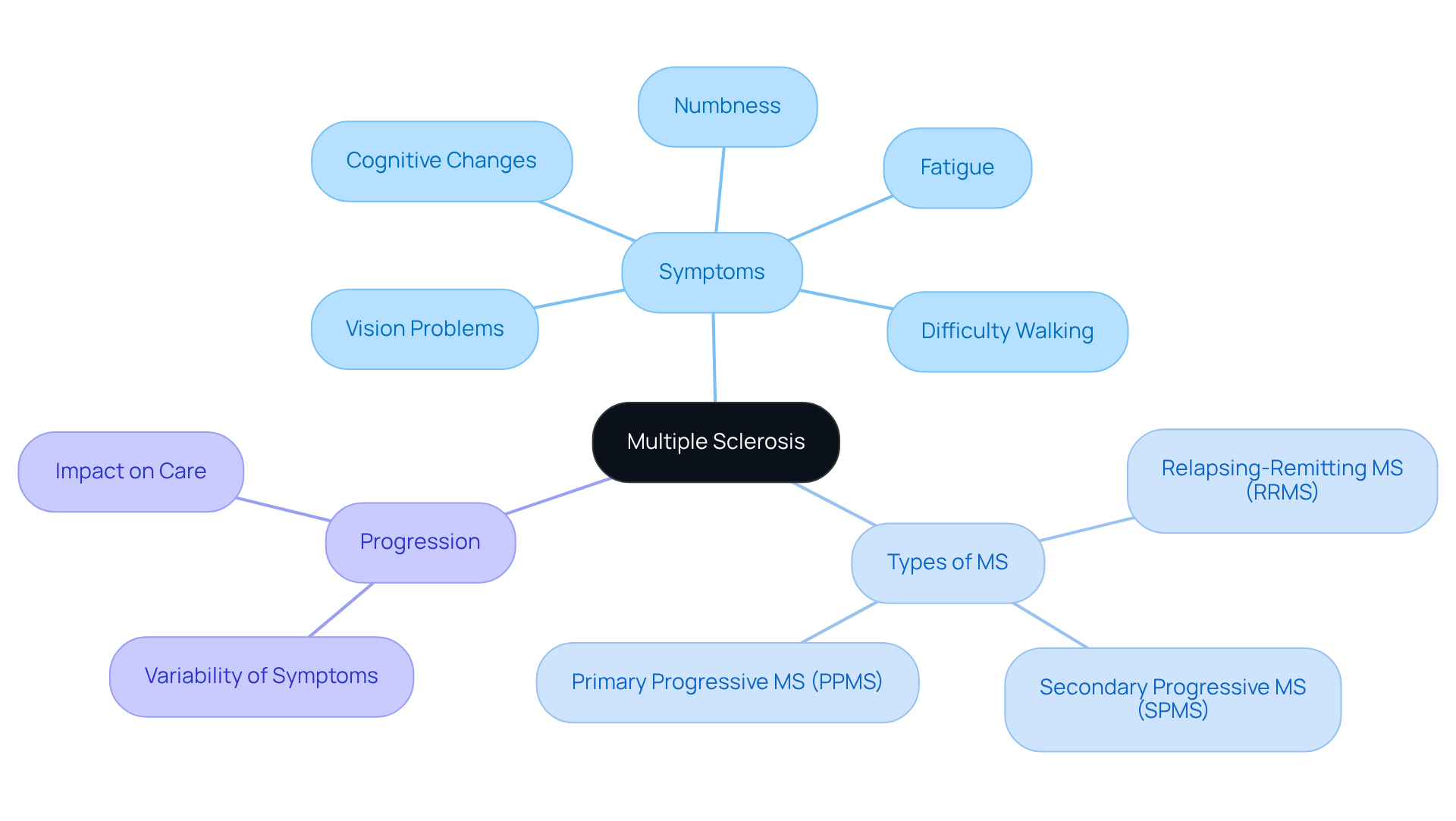
Symptoms: Common symptoms of MS include:
- Fatigue
- Numbness
- Difficulty walking
- Vision problems
- Cognitive changes
Recognizing these signs is crucial for caregivers. By being aware of what their loved ones are experiencing, caregivers can offer tailored support through multiple sclerosis home care assistance, which enhances the quality of life for those affected.
Types of MS: MS comes in several forms, such as:
- Relapsing-Remitting MS (RRMS)
- Secondary Progressive MS (SPMS)
- Primary Progressive MS (PPMS)
Each type presents its own unique challenges and maintenance needs. For instance, PPMS, which is diagnosed in about 15% to 20% of individuals with MS, is characterized by a steady progression of symptoms without clear relapses. This knowledge can help caregivers prepare for the journey ahead in terms of multiple sclerosis home care assistance.
Progression: The unpredictable nature of MS means that symptoms can fluctuate, and the disease may progress over time. This variability can be stressful for both patients and caregivers. It requires ongoing adjustments in treatment strategies to meet the changing needs of those affected.
By gaining a deeper understanding of these aspects, caregivers involved in multiple sclerosis home care assistance can better anticipate the needs of their clients and respond effectively to their evolving situations. This proactive approach fosters a supportive and adaptable home environment, where compassion and care thrive.
Recognize the Need for Professional Home Care
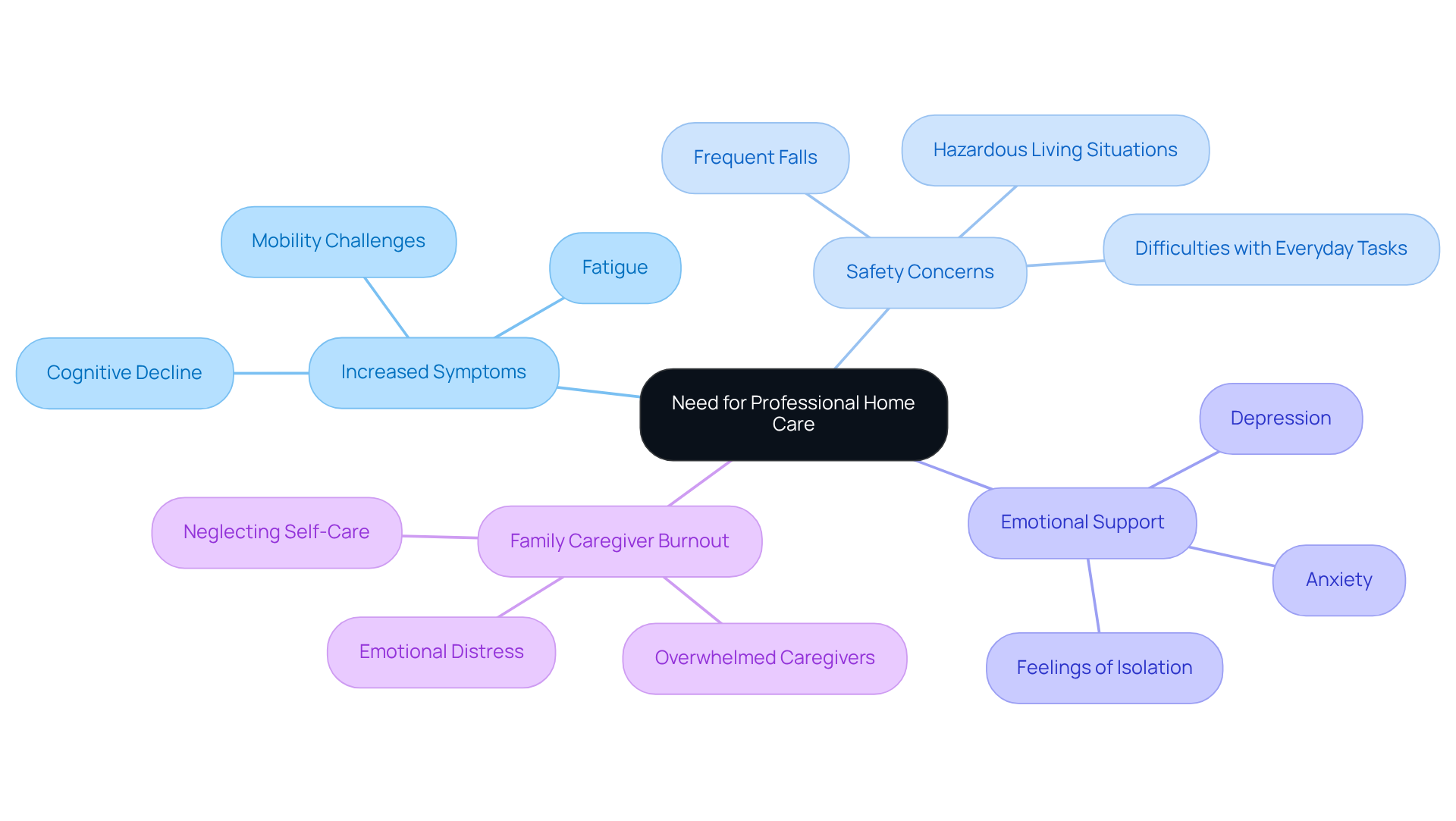
Recognizing when to seek multiple sclerosis home care assistance is crucial for individuals living with Multiple Sclerosis (MS). It’s important to be aware of certain signs that may indicate the need for additional support.
-
Increased Symptoms: If you notice a significant rise in symptoms like fatigue, mobility challenges, or cognitive decline, it may be time to consider professional assistance. These changes can deeply affect daily life and overall well-being.
-
Safety Concerns: Frequent falls or difficulties with everyday tasks can be alarming. If you find yourself in hazardous living situations, it’s a clear sign that multiple sclerosis home care assistance may be necessary. Creating a safe environment is vital for those with MS, as their condition can make them more vulnerable.
-
Emotional support is crucial in multiple sclerosis home care assistance, as emotional struggles like depression and anxiety are common among individuals with MS, and professional caregivers provide not only physical help but also essential emotional support. This can significantly reduce feelings of isolation and distress. It’s also important for caregivers to prioritize their own self-care; neglecting their well-being can lead to burnout and diminish the quality of care they provide.
-
Family Caregiver Burnout: When family members feel overwhelmed or unable to meet the support needs of their loved ones, it’s a strong indication that professional help may be needed. Many caregivers experience burnout, which can negatively impact both their own well-being and the quality of care they offer. Research shows that a significant number of caregivers report feelings of anxiety or depression, underscoring the importance of seeking support.
By recognizing these signs and understanding the emotional and physical toll of caregiving, you can make informed decisions about when to seek professional services. This ensures that individuals with MS receive the comprehensive support they truly need.
Implement Strategies for Managing Symptoms and Enhancing Comfort
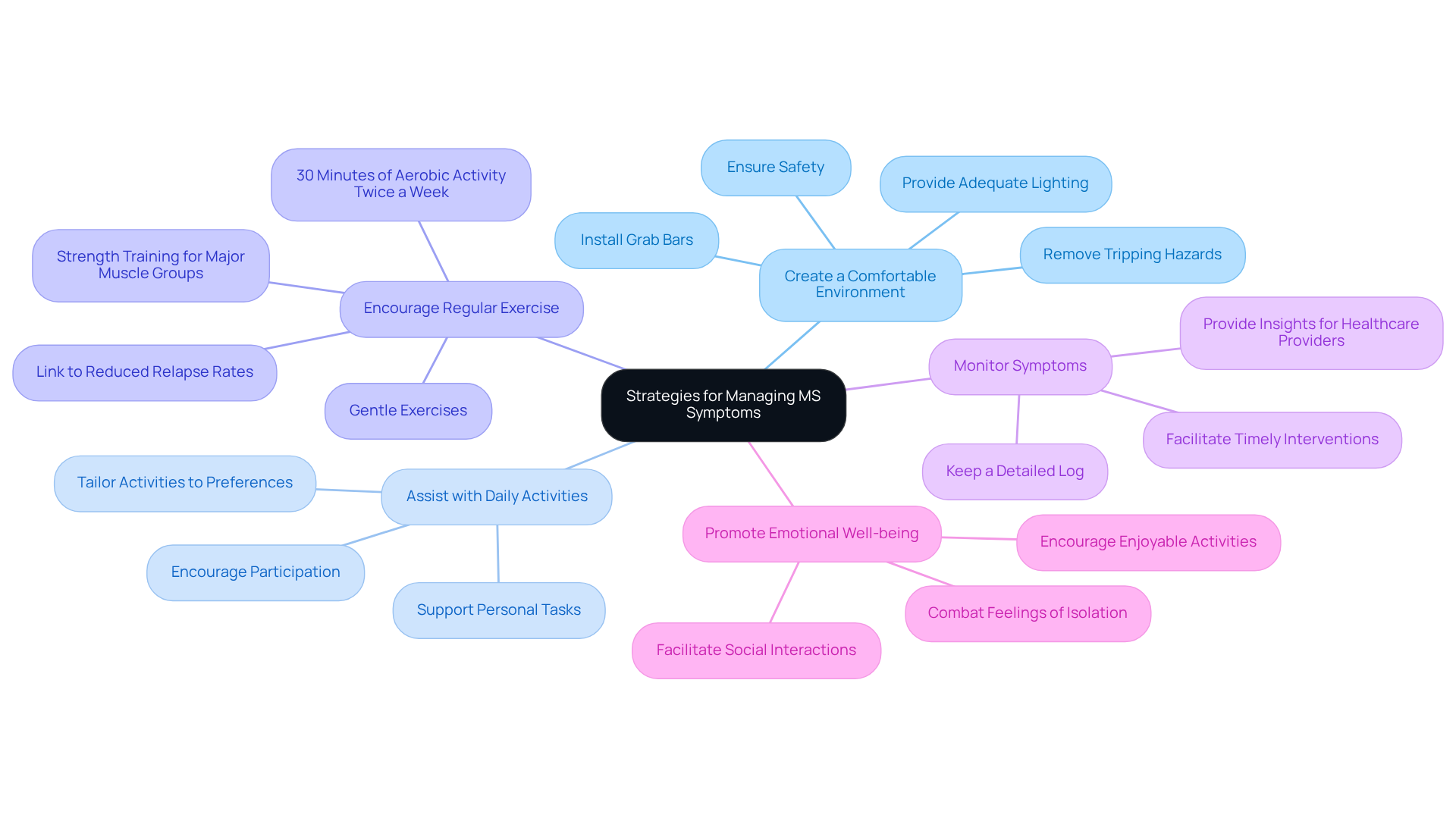
Caring for someone with Multiple Sclerosis (MS) can be a challenging journey for caregivers, highlighting the importance of multiple sclerosis home care assistance. It's essential to recognize the emotional weight that comes with this responsibility and to find ways to manage symptoms while enhancing comfort for those you support. Here are some compassionate strategies to consider:
-
Create a Comfortable Environment: Start by ensuring that the living space is safe and accessible. Remove tripping hazards, install grab bars, and provide adequate lighting. A well-organized environment not only reduces the risk of falls but also promotes independence, allowing individuals to feel more secure in their surroundings.
-
Assist with Daily Activities: Supporting personal tasks like bathing, dressing, and meal preparation can be a significant help. Tailor these activities to the person's preferences and abilities. This personalized approach fosters dignity and encourages participation in daily routines, making them feel valued and involved.
-
Encourage Regular Exercise: Gentle exercises, such as stretching or walking, are vital for maintaining mobility and reducing fatigue. Research suggests that individuals with MS should aim for at least 30 minutes of moderate-intensity aerobic activity twice a week, along with strength training for major muscle groups. These activities can lead to improved physical function and a reduction in relapse rates, with exercise training linked to a 27% reduction in relapse rates.
-
Monitor Symptoms: Keeping a detailed log of symptoms and any changes can provide valuable insights for healthcare providers. This proactive approach allows for timely interventions, helping to manage the disease more effectively and ensuring that the individual receives the care they need.
-
Promote Emotional Well-being: Encourage participation in enjoyable activities and facilitate social interactions to combat feelings of isolation. Engaging in hobbies and maintaining connections with friends and family can significantly enhance emotional health, reminding individuals that they are not alone in their journey.
By embracing these strategies, caregivers can create a nurturing and supportive environment that provides multiple sclerosis home care assistance, significantly enhancing the comfort and overall well-being of those they care for. Remember, you are not alone in this journey; your compassion and dedication make a world of difference.
Select and Coordinate Effective Home Care Services
Selecting and coordinating multiple sclerosis home care assistance for individuals with Multiple Sclerosis (MS) can feel overwhelming. It’s essential to approach this process with care and understanding, as the emotional and practical needs of those affected are paramount.
-
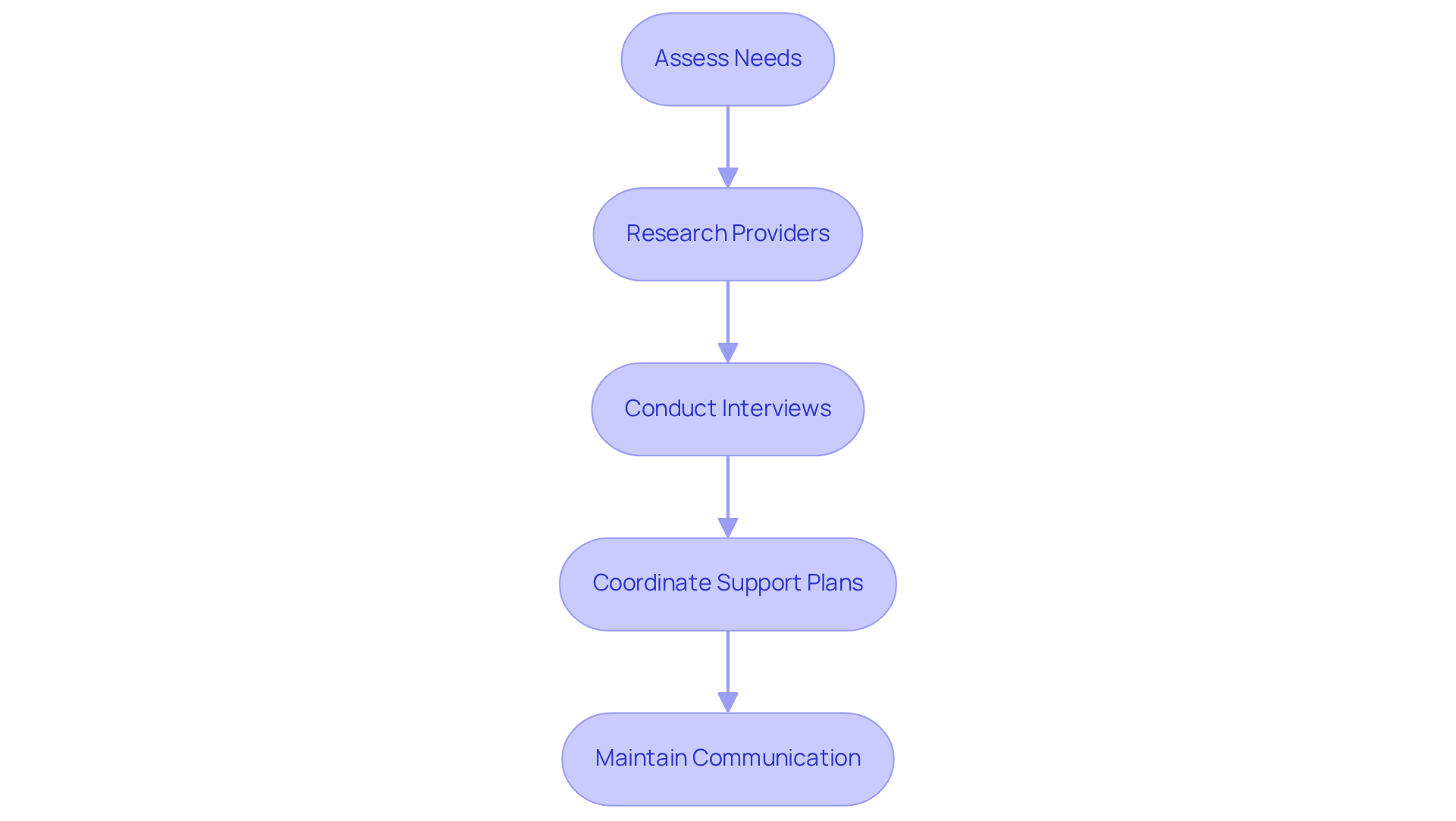
Assess Needs: Start by evaluating the specific needs of the individual with MS. Consider their physical, emotional, and social requirements. This comprehensive assessment will guide you in selecting multiple sclerosis home care assistance services that are truly tailored to their unique situation, ensuring they feel supported and understood.
-
Research providers for multiple sclerosis home care assistance by looking for home support agencies that specialize in MS assistance. Take the time to examine their feedback, qualifications, and the expertise of their support providers. It’s crucial to find those who are well-prepared to provide multiple sclerosis home care assistance in managing the complexities of MS. According to the Accelerated Cure Project, individuals who understand MS from a personal viewpoint can significantly enhance the quality of support offered.
-
Conduct interviews with potential support providers to gauge their experience with MS and their approach to multiple sclerosis home care assistance. Ask about their training and how they handle specific symptoms associated with the condition. As Jon Strum from the Accelerated Cure Project’s partner advisory board notes, having knowledgeable supporters can profoundly impact the support experience.
-
Coordinate Support Plans: Collaborate with healthcare providers to create a detailed support plan. This plan should specify the required services, schedules, and particular instructions for caregivers. Flexibility is key, as the needs of the individual may evolve over time. With the typical yearly expense of home health assistance around $77,792, it’s vital to ensure that the chosen services are both effective and financially sustainable.
-
Maintain Communication: Establish open lines of communication among caregivers, family members, and healthcare providers. Regular updates about the person’s situation and needs are essential for effective management and assistance. The new resource introduced by the Accelerated Cure Project offers valuable advice on managing these communications effectively, ensuring everyone is on the same page.
By following these steps, caregivers can select and coordinate multiple sclerosis home care assistance that genuinely meets the needs of individuals with MS. This thoughtful approach fosters a supportive environment that enhances their quality of life, reminding us all that compassion and understanding are at the heart of care.
Your Path Forward
Caring for someone with Multiple Sclerosis (MS) is a journey filled with unique challenges, and understanding how to provide effective home care assistance is crucial for enhancing their quality of life. It’s important to recognize the emotional and physical hurdles that come with MS, from its symptoms to its progression. Caregivers who grasp these complexities can offer the compassionate support their loved ones truly need.
When symptoms escalate or emotional support becomes essential, professional home care can make a significant difference. Safety concerns and the need for emotional reassurance are valid worries for caregivers. Implementing practical strategies - like creating a comfortable environment, encouraging gentle exercise, and promoting emotional well-being - can greatly enhance the comfort of those living with MS. Selecting and coordinating effective home care services is equally vital, ensuring that the individual’s specific needs are met with tailored support.
Ultimately, the path of caring for someone with MS requires both dedication and understanding. By prioritizing the well-being of both the individual and the caregiver, and seeking professional assistance when necessary, a nurturing home environment can flourish. This not only benefits those with MS but also fosters a sense of community and connection, reminding everyone involved that they are not alone in this journey. Embracing these essential steps can lead to a more fulfilling and compassionate experience for all.
https://iframe.tely.ai/cta/eyJhcnRpY2xlX2lkIjogIjY5MTdkNThhOGUyMjgwYjhjNGYzNGVkZSIsICJjb21wYW55X2lkIjogIjY4ZWU1ZGNhNzMxNzYyNTU3ZjNjOTVjMSIsICJpbmRleCI6IG51bGwsICJ0eXBlIjogImFydGljbGUifQ==Frequently Asked Questions
What is Multiple Sclerosis (MS)?
Multiple Sclerosis (MS) is a chronic autoimmune disease that affects the central nervous system, leading to a wide range of symptoms that can vary greatly from person to person.
What are common symptoms of MS?
Common symptoms of MS include fatigue, numbness, difficulty walking, vision problems, and cognitive changes.
Why is it important for caregivers to understand MS symptoms?
Understanding MS symptoms is crucial for caregivers as it enables them to provide compassionate support and tailored assistance to individuals with MS, enhancing their quality of life.
What are the different types of MS?
The different types of MS include Relapsing-Remitting MS (RRMS), Secondary Progressive MS (SPMS), and Primary Progressive MS (PPMS), each presenting unique challenges and maintenance needs.
What characterizes Primary Progressive MS (PPMS)?
Primary Progressive MS (PPMS) is characterized by a steady progression of symptoms without clear relapses and is diagnosed in about 15% to 20% of individuals with MS.
How does the progression of MS affect patients and caregivers?
The unpredictable nature of MS means that symptoms can fluctuate and the disease may progress over time, requiring ongoing adjustments in treatment strategies for both patients and caregivers.
How can caregivers prepare for the needs of individuals with MS?
By gaining a deeper understanding of MS and its challenges, caregivers can better anticipate the needs of their clients and respond effectively to their evolving situations, fostering a supportive home environment.