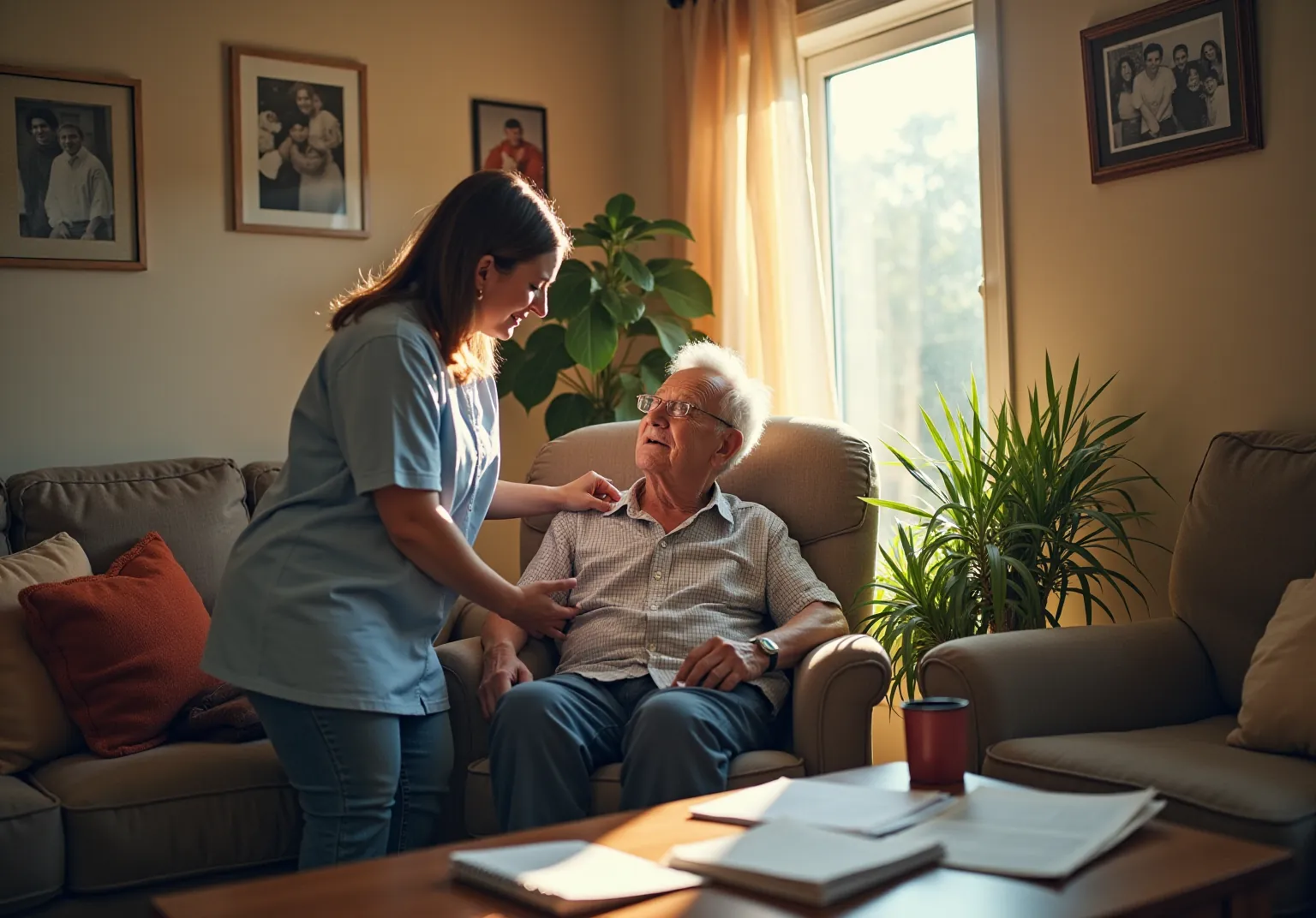
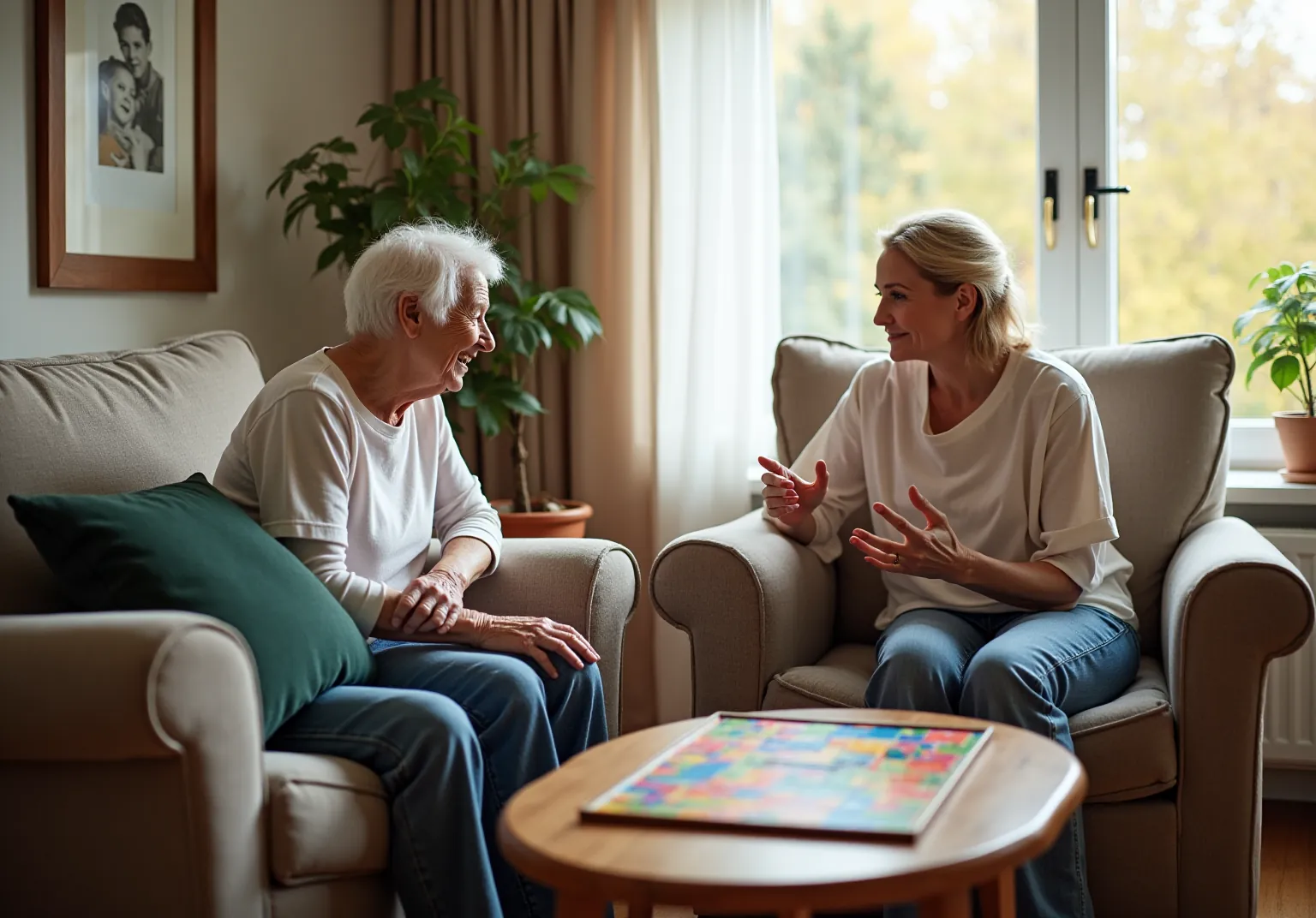
Essential Steps for New Mexico Elderly Care: A Caregiver's Guide
Active service-area notice
Happy to Help does not currently list New Mexico as an active service area. This article is general educational information. For local care availability, browse our active service areas.
Browse active service areasFor families in our service areas
For families in our service areas, this guide explains caregiver support and how non-medical in-home caregiving can support care planning in East Idaho, Treasure Valley & Magic Valley, Northern Wasatch, North Central West Virginia, and Northeast Ohio.
Understanding Essential Steps for New Mexico Elderly
Caring for the elderly in New Mexico presents a unique set of challenges shaped by the state's rich cultural diversity and the specific needs of its aging population. As the number of seniors continues to rise, caregivers face the complex task of providing compassionate and effective support, especially within vulnerable communities such as American Indians and Hispanics.
This situation is concerning. Caregivers often struggle to balance the demands of their roles with the necessity of self-care, which can lead to burnout and decreased quality of care. The need for culturally sensitive support is paramount, as it ensures that the elderly receive the respect and understanding they deserve.
To address these challenges, caregivers can implement essential strategies that promote both effective care and personal well-being. This guide offers practical resources and tips designed to empower caregivers in their vital roles. By prioritizing self-care and seeking support, caregivers can enhance their ability to provide the compassionate care that New Mexico's elderly population requires.
Understand the Unique Needs of New Mexico Seniors
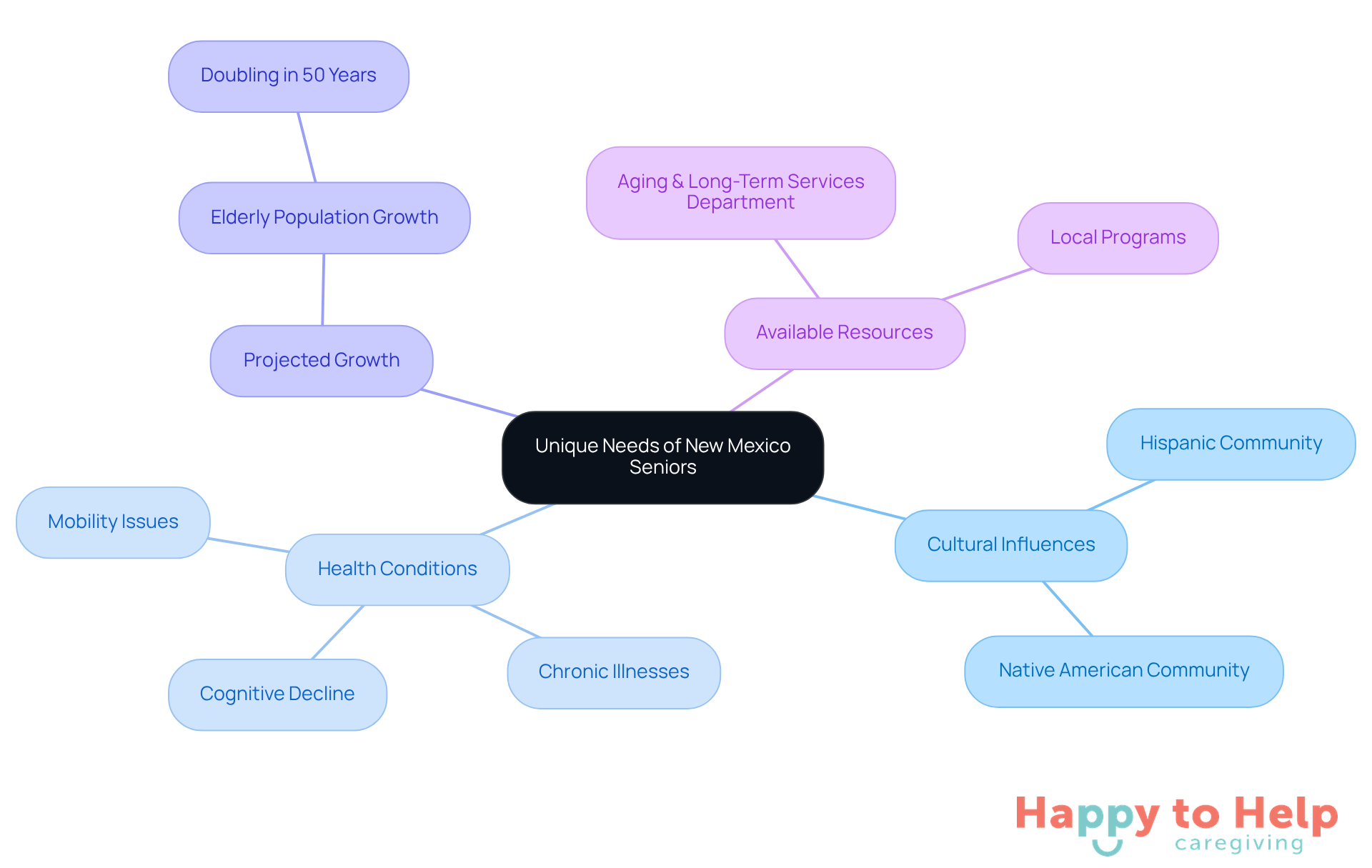
Caring for older adults in New Mexico elderly care presents a significant challenge due to their unique needs, influenced by diverse cultural backgrounds and health conditions. The elderly population is projected to grow substantially, with the number of individuals over 65 expected to double in the next 50 years. This growth includes a notable increase in elderly American Indians, underscoring the urgent need for culturally sensitive care. Many older adults face mobility issues, chronic illnesses, and cognitive decline, which require tailored caregiving approaches.
Cultural factors are crucial in shaping caregiving practices, especially within Hispanic and Native American communities, where family and community ties are vital. Engaging in open discussions with older adults and their families is essential to gather insights about their preferences, routines, and specific wellness concerns. This dialogue fosters trust and ensures that support plans are culturally sensitive and aligned with the values of those being served.
To address these challenges, resources like the New Mexico elderly care services provided by the Aging & Long-Term Services Department offer valuable information on local programs designed to assist older adults. These initiatives focus on reducing health disparities among American Indians. By leveraging these resources and understanding the cultural dynamics at play, caregivers can provide more effective and compassionate support that truly meets the needs of New Mexico elderly care.
Implement Essential Care Services for Seniors
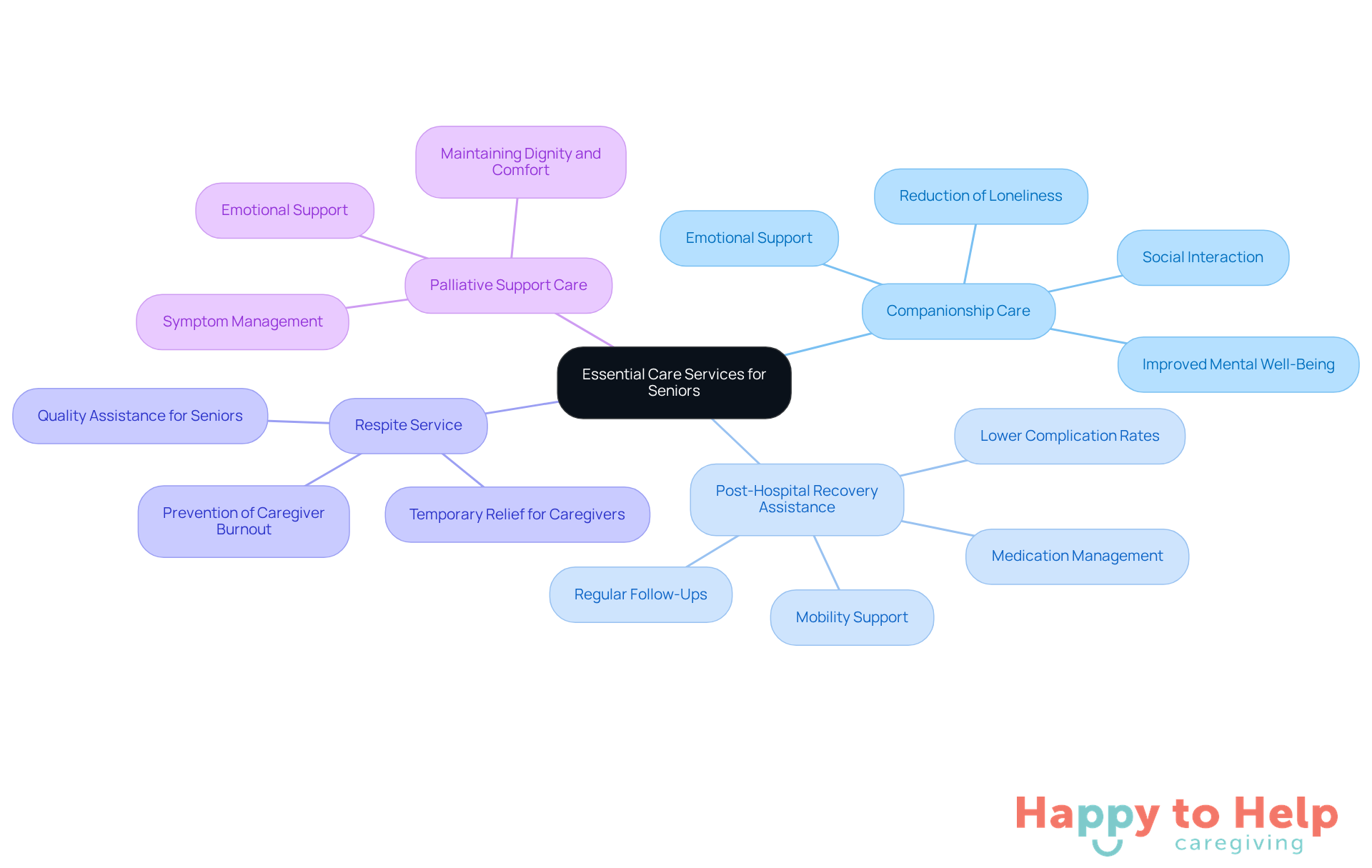
Supporting elderly individuals effectively in New Mexico elderly care requires caregivers to address several key challenges with tailored services. One major issue is the emotional isolation many elderly face, which can lead to significant mental health concerns. Companionship Care offers a solution by providing essential emotional support and social interaction. Research indicates that companionship can greatly improve mental well-being, reducing feelings of loneliness and depression. In fact, around 65 million Americans provide informal support each year, highlighting the critical role of companionship in caregiving.
Another challenge arises during the transition from hospital to home. Post-Hospital Recovery Assistance is crucial in this phase, focusing on medication management, mobility support, and regular follow-ups to prevent readmissions. Statistics reveal that seniors who receive organized post-hospital assistance experience a 30% lower rate of complications compared to those without such support.
Family caregivers in New Mexico elderly care often experience burnout, which affects their well-being and the quality of care they provide. Respite Service addresses this issue by offering temporary relief, allowing caregivers to recharge while ensuring their loved ones receive quality assistance. Approximately 41% of caregivers experience burnout, making respite care vital for sustaining their health and effectiveness.
For elderly individuals with serious illnesses, Palliative Support Care enhances comfort and quality of life. This service focuses on symptom management and emotional support, ensuring that dignity and comfort are maintained during challenging times.
To create effective support strategies, providers should assess the unique needs of each elder and collaborate with healthcare specialists. By incorporating these essential services, caregivers can foster a nurturing environment that promotes autonomy and wellness.
Manage Caregiver Well-Being and Family Dynamics
Caregivers face a significant challenge: prioritizing their own well-being is essential for providing the best care possible. Unfortunately, many caregivers neglect their own needs, leading to serious implications for their mental health. Nearly half of those providing care report worsening mental health, highlighting the urgency of adopting effective self-care practices.
To combat this issue, here are some essential strategies:
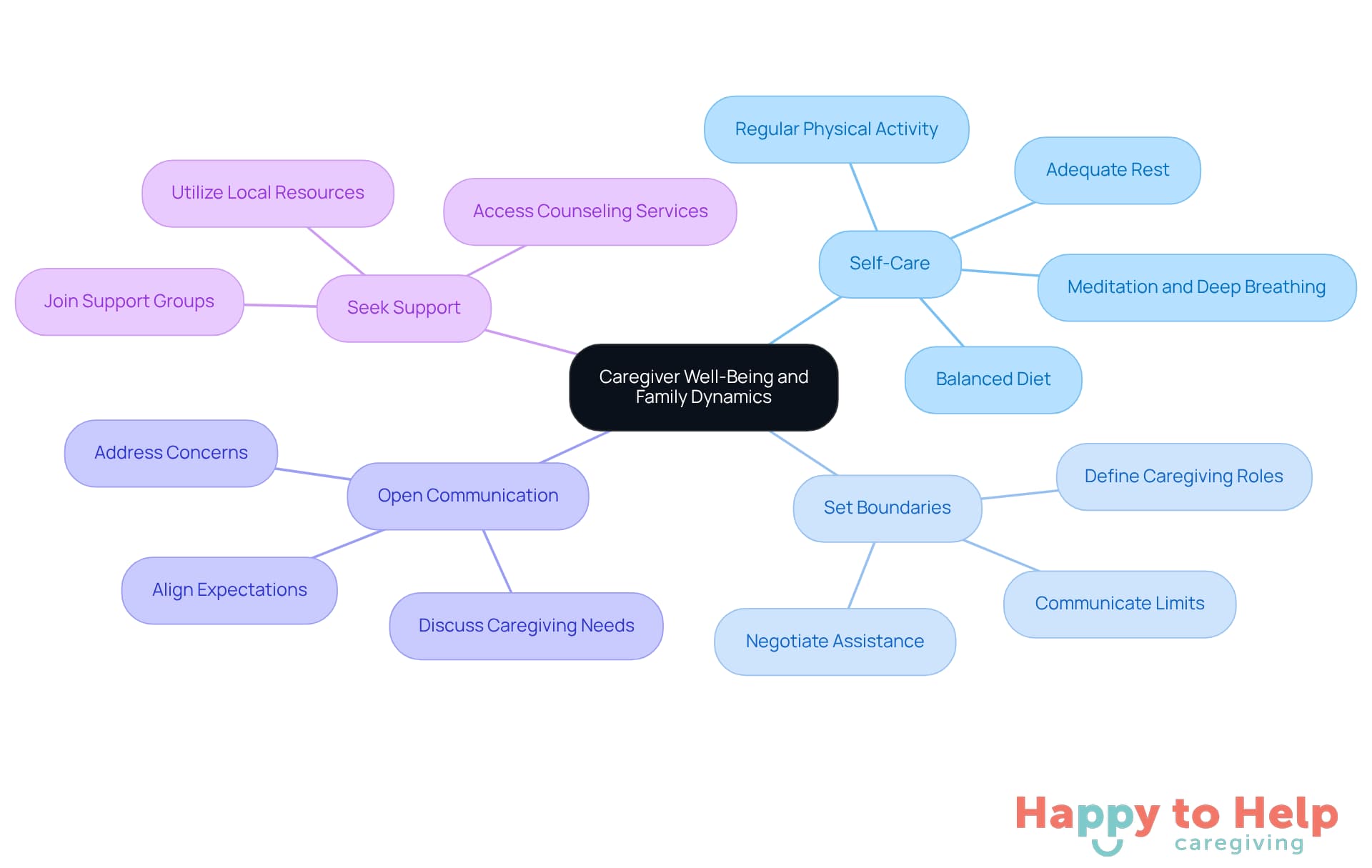
- Self-Care: Engage in regular physical activity, maintain a balanced diet, and ensure adequate rest to effectively manage stress. Dr. Taylor Rush emphasizes that straightforward self-care techniques, like meditation and deep breathing, can greatly enhance the mental well-being of caregivers.
- Set Boundaries: Clearly define caregiving roles and responsibilities within the family to prevent conflicts and misunderstandings. Establishing boundaries is crucial for maintaining harmony and ensuring that the caregiving process runs smoothly. Research indicates that 40 to 70% of caregivers exhibit symptoms of depression compared to non-providers, underscoring the importance of communicating limits and negotiating assistance with support systems.
- Open Communication: Foster honest discussions among family members about caregiving needs and expectations. This approach helps address concerns and ensures everyone is aligned, reducing the likelihood of resentment or burnout.
- Seek Support: Utilize local resources such as support groups or counseling services to connect with others facing similar challenges. Organizations like the Family Caregiver Center of New Mexico elderly care can offer valuable support, reinforcing the idea that caregivers are not alone in their journey. With around 53 million unpaid caregivers in the U.S. delivering over 36 billion hours of assistance each year, establishing a supportive 'village' is crucial for sustainable caregiving, enabling shared responsibilities and emotional support.
Utilize Technology and Communication Tools for Effective Care
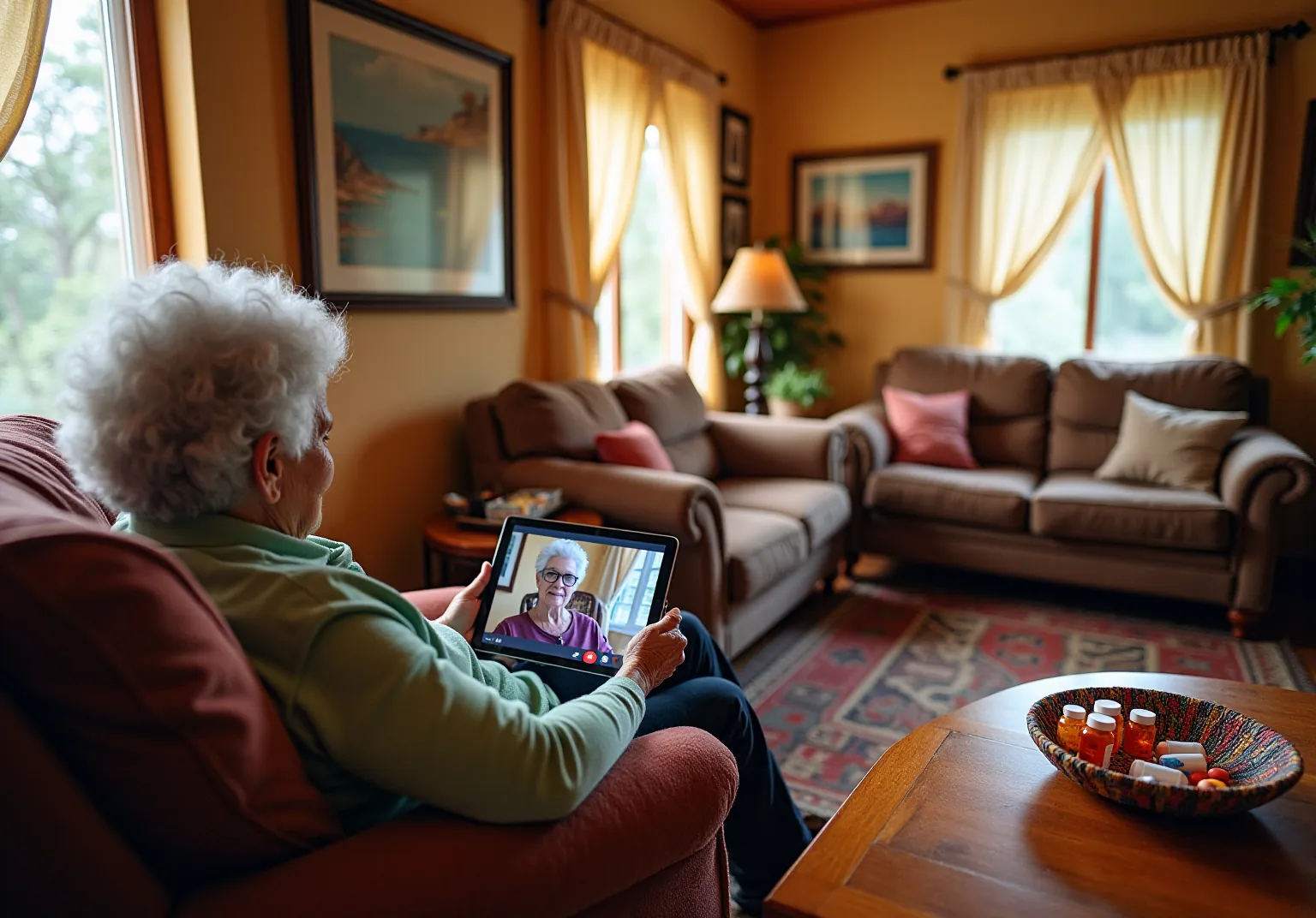
Integrating technology into caregiving presents a significant opportunity to enhance the quality of New Mexico elderly care for elderly individuals. However, many caregivers face challenges in maintaining effective communication and monitoring the well-being of seniors. This can lead to feelings of isolation for both caregivers and seniors, ultimately impacting the quality of care.
To address these issues, consider the following essential tools:
-
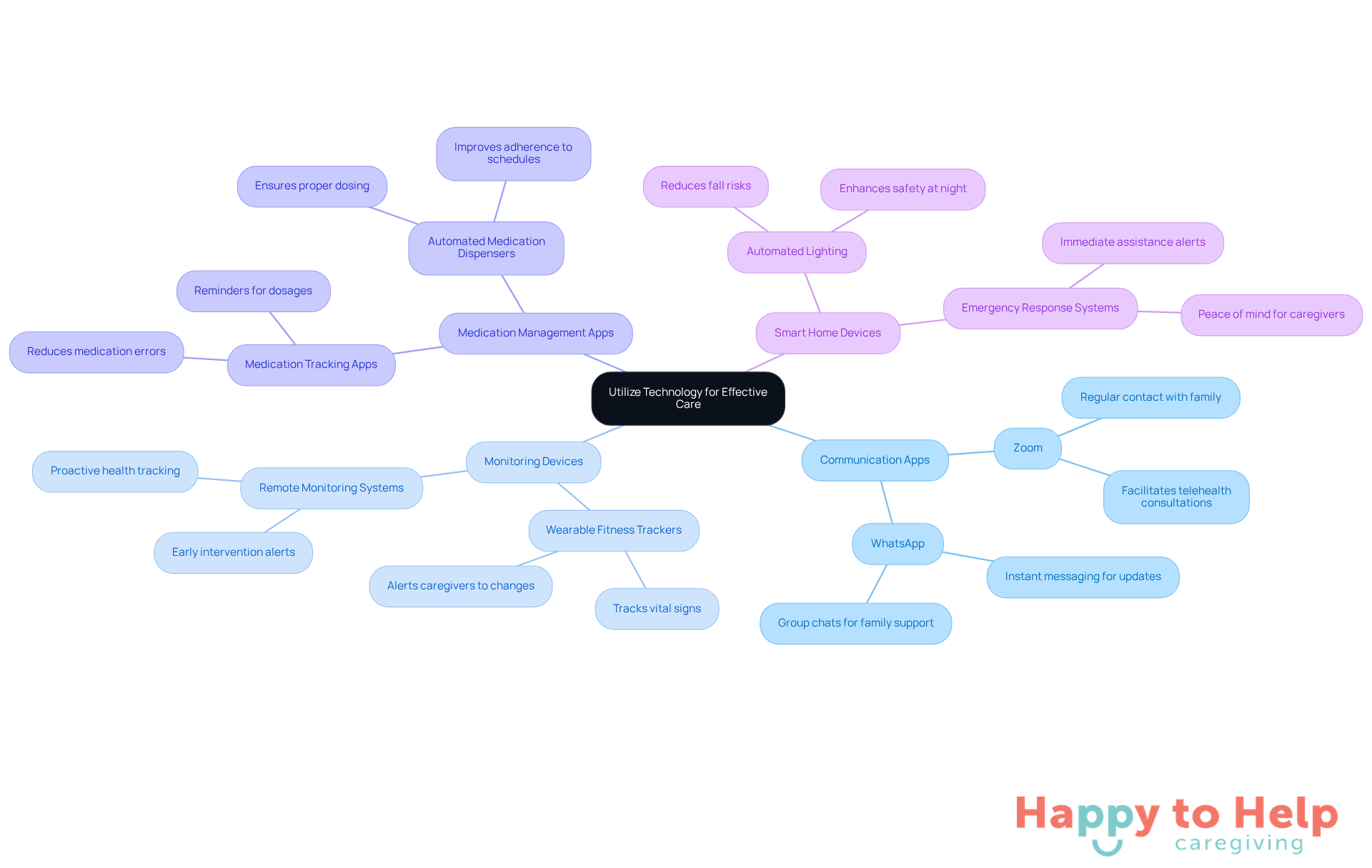
Communication Apps: Platforms like Zoom and WhatsApp enable regular contact with family members and healthcare providers. This consistent communication helps keep everyone informed about the senior's condition, reducing feelings of isolation. As Marcia G Ory, PhD, emphasizes, 'Understanding technology use patterns and device adoption across various support provider and care recipient populations is increasingly important for enhancing New Mexico elderly care.'
-
Monitoring Devices: Wearable fitness trackers and other monitoring devices are crucial for tracking vital signs. They can alert caregivers to concerning changes in well-being, allowing for prompt interventions that can prevent complications.
-
Medication Management Apps: These applications help caregivers track medication schedules and dosages, significantly lowering the risk of errors. With nearly 70% of older adults expressing interest in digital wellness tools, these apps simplify medication management and improve adherence. A recent study noted, "The perceived advantages of digital health solutions include time saving, convenience, and faster access to care."
In New Mexico elderly care, implementing smart home devices, such as automated lighting and emergency response systems, enhances safety and independence for elderly individuals. These devices provide reassurance for caregivers while allowing older adults to maintain their independence in a familiar environment. The stark contrast in technology usage-82.5% of support providers use smartphones compared to just 43.5% of those receiving assistance-underscores the need for effective communication tools to bridge this gap.
By leveraging these technologies, caregivers can foster a more supportive and responsive care environment, ultimately improving the overall well-being of seniors.
Taking the Next Steps
Caring for the elderly in New Mexico presents a significant challenge. Seniors often face emotional isolation and health issues that can severely impact their quality of life. This situation is compounded by the need for culturally sensitive care that respects their diverse backgrounds. Without proper support, both seniors and caregivers can experience burnout and stress.
To address these challenges, companionship care is essential. It combats emotional isolation, providing seniors with the social interaction they need. Additionally, post-hospital recovery assistance is crucial for helping seniors regain their independence. Respite services also play a vital role in preventing caregiver burnout, allowing caregivers to recharge and maintain their well-being.
Moreover, integrating technology can greatly enhance the caregiving experience. Communication apps and monitoring devices not only improve the connection between caregivers and seniors but also help maintain the independence of elderly individuals.
In conclusion, effective elderly care in New Mexico requires a comprehensive approach. By prioritizing cultural diversity, caregiver health, and innovative solutions, caregivers can create a supportive environment. Engaging with local resources and adopting best practices ensures that the elderly population receives the compassionate and effective care they deserve.
https://iframe.tely.ai/cta/eyJhcnRpY2xlX2lkIjogIjY5MjBmZDQ0NzJkZTk4NjA5OWQwYjBjNyIsICJjb21wYW55X2lkIjogIjY4ZWU1ZGNhNzMxNzYyNTU3ZjNjOTVjMSIsICJpbmRleCI6IG51bGwsICJ0eXBlIjogImFydGljbGUifQ==Frequently Asked Questions
What are the unique needs of seniors in New Mexico?
Seniors in New Mexico have unique needs influenced by diverse cultural backgrounds and health conditions. Many face mobility issues, chronic illnesses, and cognitive decline that require tailored caregiving approaches.
How is the elderly population in New Mexico expected to change in the future?
The elderly population in New Mexico is projected to grow substantially, with the number of individuals over 65 expected to double in the next 50 years, including a notable increase in elderly American Indians.
Why are cultural factors important in elderly care in New Mexico?
Cultural factors are crucial in shaping caregiving practices, particularly within Hispanic and Native American communities, where family and community ties are vital. Understanding these cultural dynamics helps caregivers provide more effective and compassionate support.
What role do family and community ties play in caring for older adults?
Engaging in open discussions with older adults and their families is essential to gather insights about their preferences, routines, and specific wellness concerns, fostering trust and ensuring culturally sensitive support plans.
What resources are available for elderly care in New Mexico?
The New Mexico Aging & Long-Term Services Department provides valuable information on local programs designed to assist older adults, focusing on reducing health disparities among American Indians.
How can caregivers ensure their support is culturally sensitive?
Caregivers can ensure culturally sensitive support by leveraging available resources, understanding cultural dynamics, and engaging in open conversations with older adults and their families to align support plans with their values.
List of Sources
- Understand the Unique Needs of New Mexico Seniors
- New Mexico officials, seniors, families to gather for 47th annual Conference on Aging (https://santafenewmexican.com/news/local\_news/new-mexico-officials-seniors-families-to-gather-for-47th-annual-conference-on-aging/article\_1e927a9c-4150-480a-b431-3049474d1710.html)
- America’s Health Rankings | AHR (https://americashealthrankings.org/learn/reports/2024-senior-report/state-summaries-new-mexico)
- Health Care for American Indian Elders: An Overview of Cultural Influences and Policy Issues - Tish Smyer, Thomas E. Stenvig, 2007 (https://journals.sagepub.com/doi/10.1177/1084822307305380)
- New Mexico's 65-plus population surpasses national growth rates - Albuquerque Business First (https://bizjournals.com/albuquerque/news/2024/08/18/65-plus-year-population-grows-in-new-mexico.html)
- Evaluation of the ‘Ladder to the Moon, Culture Change Studio Engagement Programme’ staff training: Two quasi-experimental case studies | Request PDF (https://researchgate.net/publication/313538369\_Evaluation\_of\_the\_'Ladder\_to\_the\_Moon\_Culture\_Change\_Studio\_Engagement\_Programme'\_staff\_training\_Two\_quasi-experimental\_case\_studies)
- Implement Essential Care Services for Seniors
- In-Home Care for Seniors - Caregiving News and Tips (https://aarp.org/caregiving/home-care)
- News Releases (https://hcaoa.org/news-releases.html)
- 39 Caregiver Statistics, Facts & Trends (https://humancareny.com/blog/39-caregiver-statistics-facts-trends)
- Expensive and exhausting: Why caregivers need to care for themselves, too : Consider This from NPR (https://npr.org/2025/11/20/nx-s1-5615163/expensive-and-exhausting-why-caregivers-need-to-care-for-themselves-too)
- The Incredible Benefits of Home Care, in 7 Amazing Stats - Companions For Seniors (https://companionsforseniors.com/2019/08/benefits-home-care-amazing-stats-trends-reports)
- Manage Caregiver Well-Being and Family Dynamics
- Facebook (https://newsroom.clevelandclinic.org/2025/11/19/importance-of-self-care-for-family-caregivers)
- Caregiving’s Mental Health Crisis (https://forbes.com/sites/otsuka/2025/10/02/caregivings-mental-health-crisis)
- Caregiver Statistics: Demographics (https://caregiver.org/resource/caregiver-statistics-demographics)
- Caregiver Burnout and Strategies to Help (https://health.usnews.com/senior-care/articles/caregiver-burnout-and-strategies-to-help)
- HHS Backs AI Innovation for America’s Caregivers | HHS.gov (https://hhs.gov/press-room/hhs-backs-ai-innovation-for-americas-caregivers.html)
- Utilize Technology and Communication Tools for Effective Care
- Adults 50+ Own as Many Tech Devices as Those Under 50 (https://aarp.org/pri/topics/technology/internet-media-devices/2024-technology-trends-older-adults)
- Technology Use Among Older Adults and Their Caregivers: Cross-Sectional Survey Study - PMC (https://pmc.ncbi.nlm.nih.gov/articles/PMC11084119)
- Older adults in the digital health era: insights on the digital health related knowledge, habits and attitudes of the 65 year and older population - BMC Geriatrics (https://bmcgeriatr.biomedcentral.com/articles/10.1186/s12877-023-04437-5)
- Association Between Mobile App Use and Caregivers’ Support System, Time Spent on Caregiving, and Perceived Well-being: Survey Study From a Large Employer - PMC (https://pmc.ncbi.nlm.nih.gov/articles/PMC9039821)
- Leveraging technology to support aging in place | WA Cares Fund (https://wacaresfund.wa.gov/news/leveraging-technology-support-aging-place)