
Quick Guide to Essential Strategies for Living with
Managing osteoarthritis at home can feel overwhelming, but you’re not alone in this journey. Many caregivers experience stress and burnout while trying to provide the best care possible. It’s essential to recognize these feelings and know that there are effective strategies to help you navigate this path with compassion and support.
Lifestyle changes can make a significant difference. Incorporating regular exercise, maintaining a balanced diet, and nurturing social connections can enhance mobility and improve your quality of life. These small adjustments can lead to meaningful improvements in daily living. Remember, early intervention and personalized care are crucial in alleviating symptoms and ensuring a better experience.
Consider the stories of others who have walked this road. Many have found solace in sharing their experiences, discovering that they are not alone. Emotional support is just as vital as physical care. Connecting with others who understand can provide comfort and encouragement, reminding you that it’s okay to seek help.
As you explore these strategies, take a moment to reflect on your progress. Celebrate the small victories, and don’t hesitate to reach out for support when needed. You are doing your best, and that’s what truly matters. Together, we can create a nurturing environment that fosters healing and resilience.
Why Essential Strategies for Living with Matters
Osteoarthritis affects millions, turning everyday activities into daunting challenges. As the cartilage in joints deteriorates, individuals often experience pain, stiffness, and reduced mobility. It’s essential to understand effective management strategies to navigate these difficulties.
This article explores vital approaches for living with osteoarthritis at home. We’ll offer insights into:
- Lifestyle changes
- Pain management techniques
- Emotional support systems
How can one navigate the complexities of this condition while still leading a fulfilling life?
By focusing on compassionate care and practical solutions, we aim to provide the support you need. Remember, you’re not alone in this journey.
Understand Osteoarthritis: Causes and Symptoms
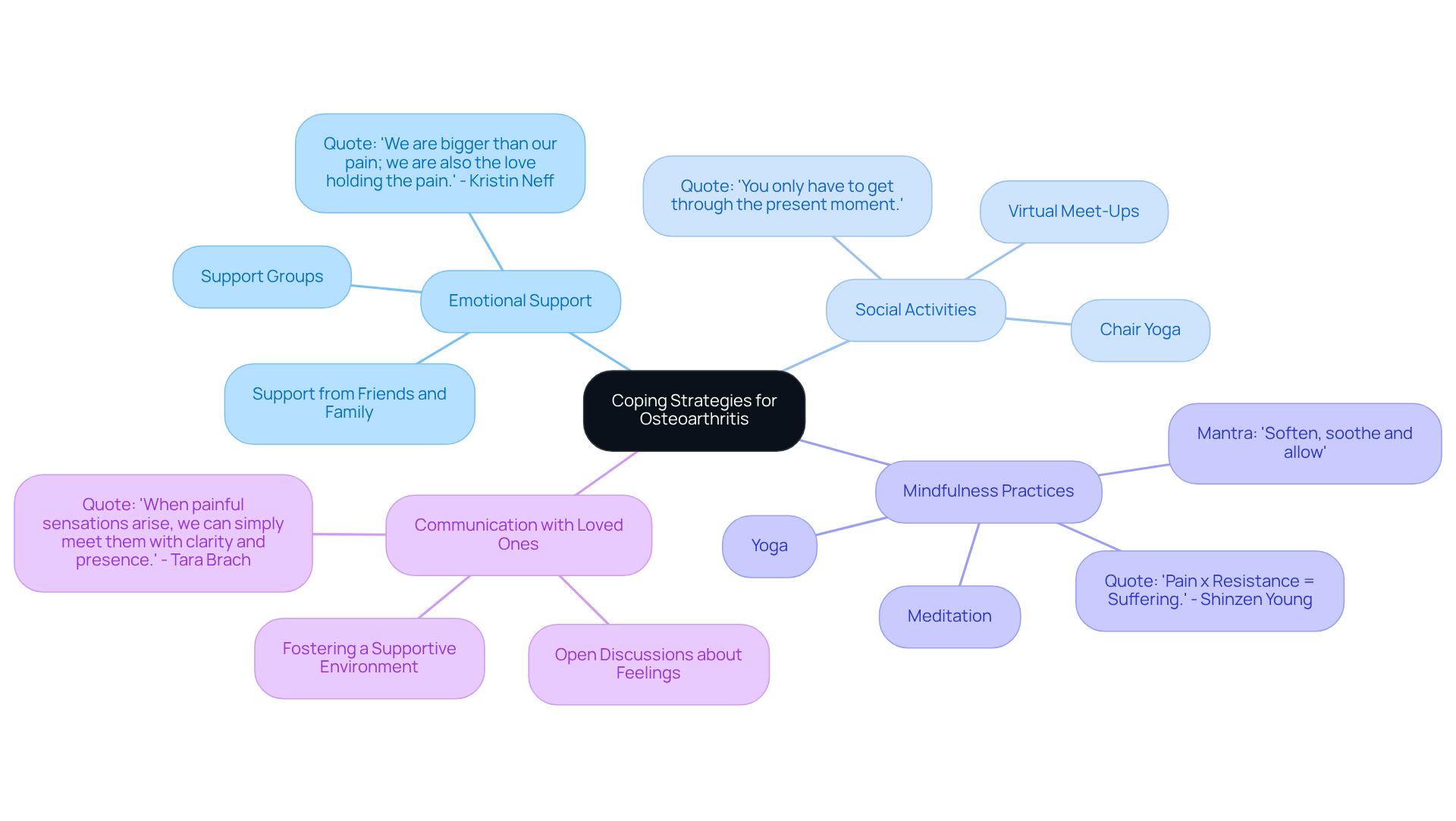
Osteoarthritis can be a challenging condition, often bringing discomfort and limitations that affect daily life. It’s a degenerative issue where the cartilage gradually wears away, leading to stiffness and pain. Many factors contribute to this condition, including age, obesity, previous joint injuries, and even genetics. If you’ve noticed discomfort in your joints during movement, swelling, or a decrease in your range of motion, recognizing these signs early is essential. It can make a significant difference in managing your health and seeking timely medical help.
Recent studies have shed light on how obesity impacts joint health. Carrying excess weight can put additional stress on your joints, accelerating the wear and tear of cartilage. For instance, individuals with obesity are at a higher risk of developing knee issues, which can lead to increased pain and limitations in movement. Research indicates that obesity can raise the risk of joint degeneration by as much as 50%. This underscores the importance of maintaining a healthy weight for your overall well-being.
Moreover, early intervention can greatly enhance the quality of life for individuals living with osteoarthritis. A notable study published in The Lancet Rheumatology revealed that participants who adjusted their foot angle while walking reported a decrease in pain scores by 2.5 points on a 10-point scale, compared to just a 1-point reduction for those who didn’t change their gait. This research, involving experts from NYU Langone Health, the University of Utah, and Stanford University, highlights how personalized adjustments can be vital in managing symptoms and potentially delaying the need for surgery.
Recognizing the key signs of osteoarthritis—like persistent joint pain, swelling, and stiffness—can empower you to seek appropriate care sooner. Rheumatologists, including Erin F. Alaia, MD, emphasize the importance of addressing these concerns early on. Effective management strategies may include:
- Lifestyle changes
- Physical therapy
- Medical treatments when necessary
Additionally, minimally invasive options like genicular artery embolization have been recognized as safe and effective for treating joint degeneration. By understanding the causes and symptoms of this condition, you can take proactive steps to maintain your quality of life.
Explore Pain Management Techniques: From Medication to Alternative Therapies
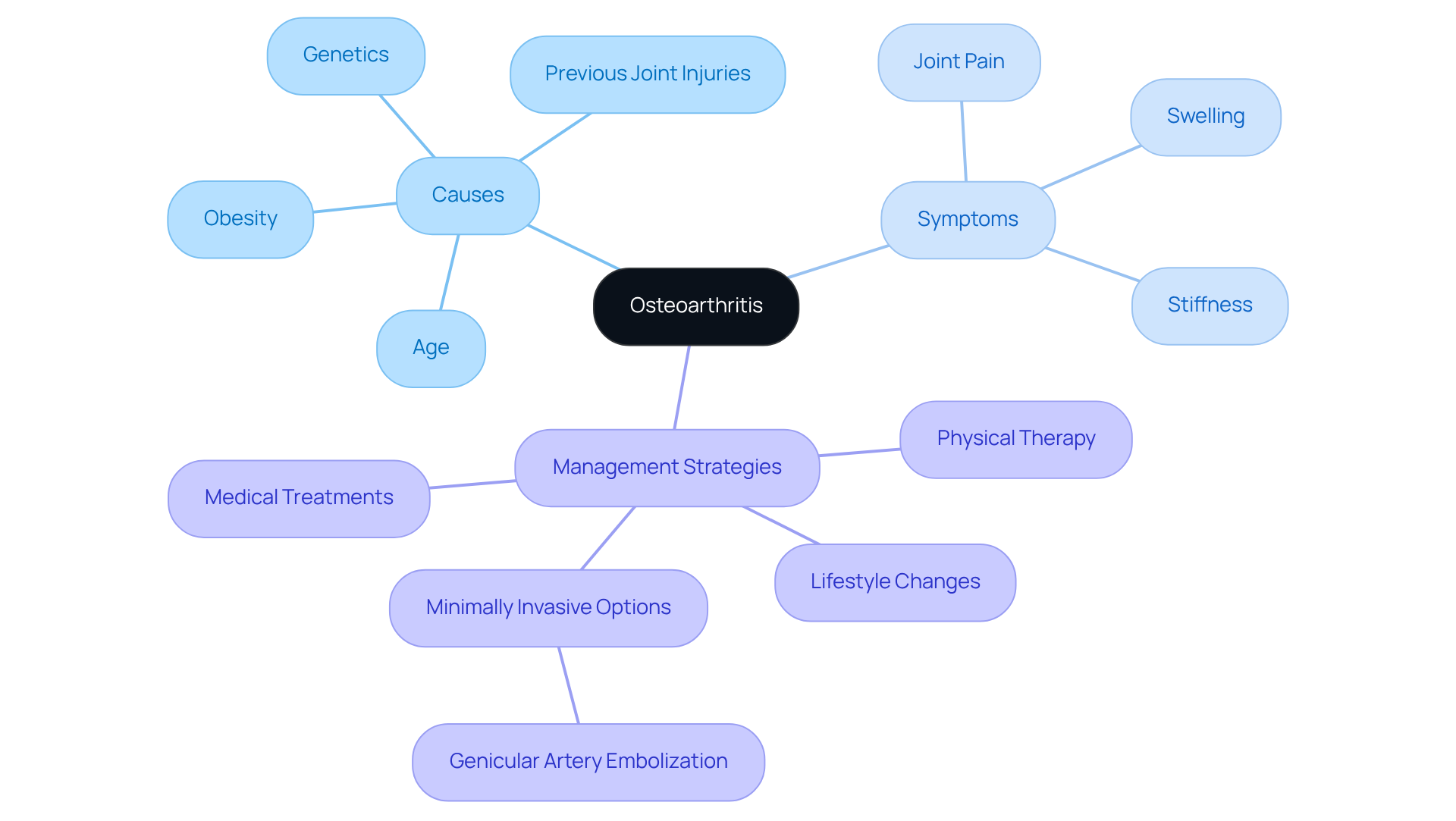
Managing discomfort from living with osteoarthritis (OA) can feel overwhelming, but it’s important to know that you’re not alone. A multifaceted approach that combines both pharmacological and non-pharmacological strategies can make a significant difference in your journey toward relief. Medications like non-steroidal anti-inflammatory drugs (NSAIDs) and acetaminophen are often recommended to help ease discomfort and inflammation. Yet, there’s growing recognition of the value that alternative therapies can bring to your treatment plan.
Take acupuncture, for instance. Many patients have found it to be a powerful ally in alleviating pain and improving function. Research suggests that it can have a notable impact on your comfort levels, offering hope when you need it most.
Physical therapy is another essential piece of the puzzle. Techniques such as electrotherapy and manual therapy can enhance joint function and reduce discomfort. Additionally, mind-body practices like Tai Chi not only improve physical health but also nurture mental well-being, providing a holistic approach to managing the challenges of living with osteoarthritis.
Real-life stories highlight the effectiveness of these therapies. Patients who engage in regular physical therapy often report feeling more mobile and experiencing less discomfort. Those who incorporate acupuncture into their routines frequently notice an improved quality of life. Pain management specialists advocate for a multidisciplinary approach to living with osteoarthritis, emphasizing that blending these therapies with traditional medications can lead to better outcomes and address the complex nature of the condition.
Moreover, non-pharmacological methods like heat and cold therapy can offer additional relief, empowering you to manage your symptoms effectively at home. It’s vital to seek guidance from healthcare professionals who can help you create a personalized pain management plan tailored to your unique health conditions and lifestyle. This way, you can embrace a comprehensive approach to living with osteoarthritis, knowing that support is available every step of the way.
Implement Lifestyle Changes: Exercise, Diet, and Daily Habits
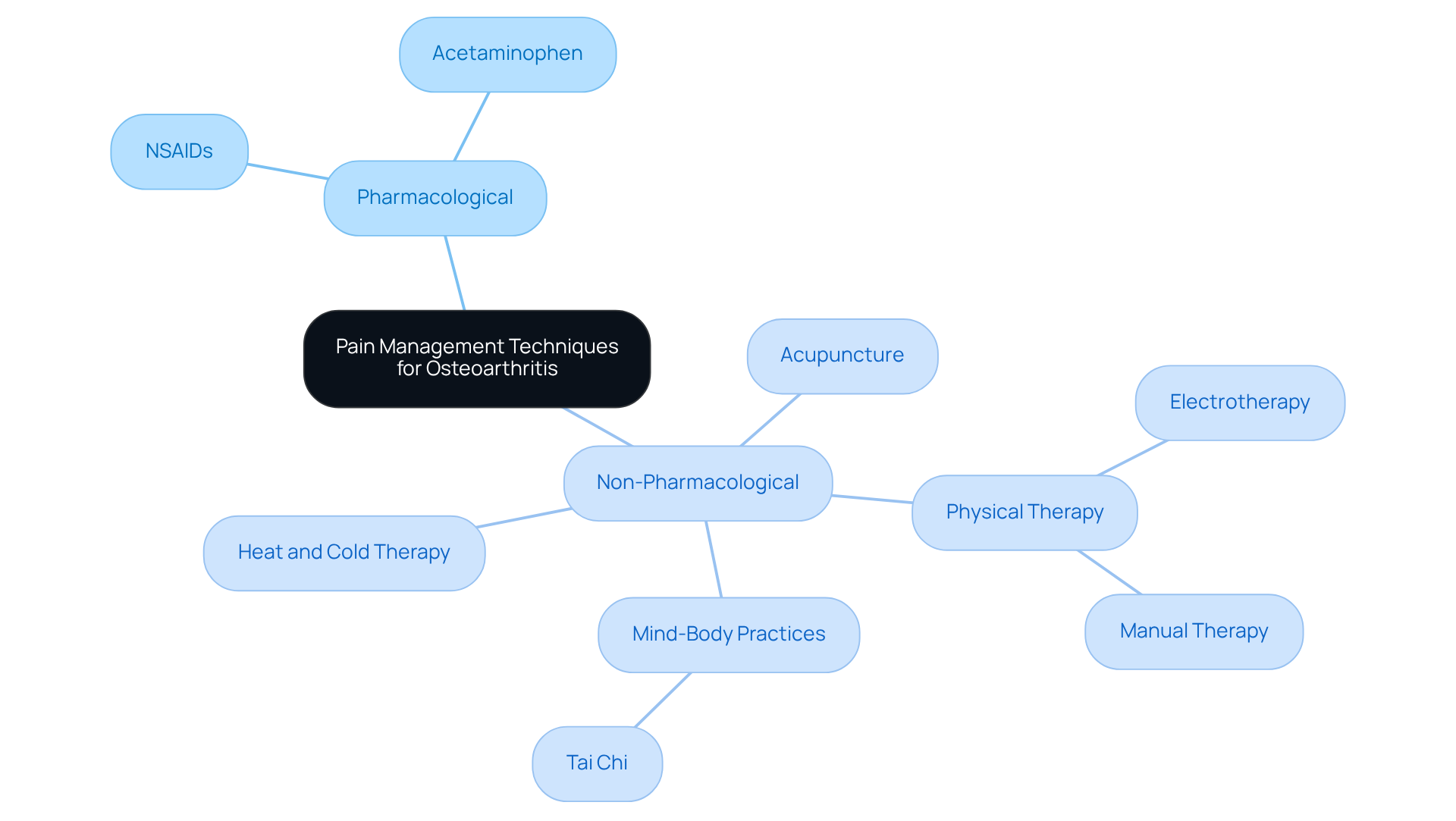
Incorporating a consistent exercise routine featuring low-impact activities such as walking, swimming, or cycling can significantly enhance mobility for individuals living with osteoarthritis. These gentle exercises not only strengthen the muscles around the joints but also improve flexibility, which is so important for maintaining mobility. Research shows that regular physical activity can ease discomfort and boost physical function, making it a crucial part of managing arthritis. As Grace Derocha points out, low-impact exercises can easily fit into daily routines, making them accessible for everyone dealing with arthritis.
A diet rich in anti-inflammatory foods—like fruits, vegetables, whole grains, and omega-3 fatty acids—plays a vital role in easing osteoarthritis symptoms. Nutritionists emphasize that adopting an anti-inflammatory diet can lead to reduced inflammation and discomfort, ultimately enhancing the quality of life for those affected by this condition. For instance, even a modest weight reduction of just 5% can alleviate arthritis-related pain and limitations, highlighting the importance of maintaining a healthy weight to lessen stress on the body. It’s also essential to limit refined carbohydrates and added sugars, as these can worsen inflammation.
Daily habits can significantly impact joint health. Using assistive devices can help lessen strain during activities, while practicing good posture can prevent extra stress on the joints. By embracing these lifestyle changes—exercise, a balanced diet, and mindful daily practices—individuals living with osteoarthritis can effectively manage their symptoms and improve their overall well-being. Remember, you’re not alone in this journey, and small steps can lead to meaningful improvements.
Seek Support: Emotional and Social Strategies for Coping
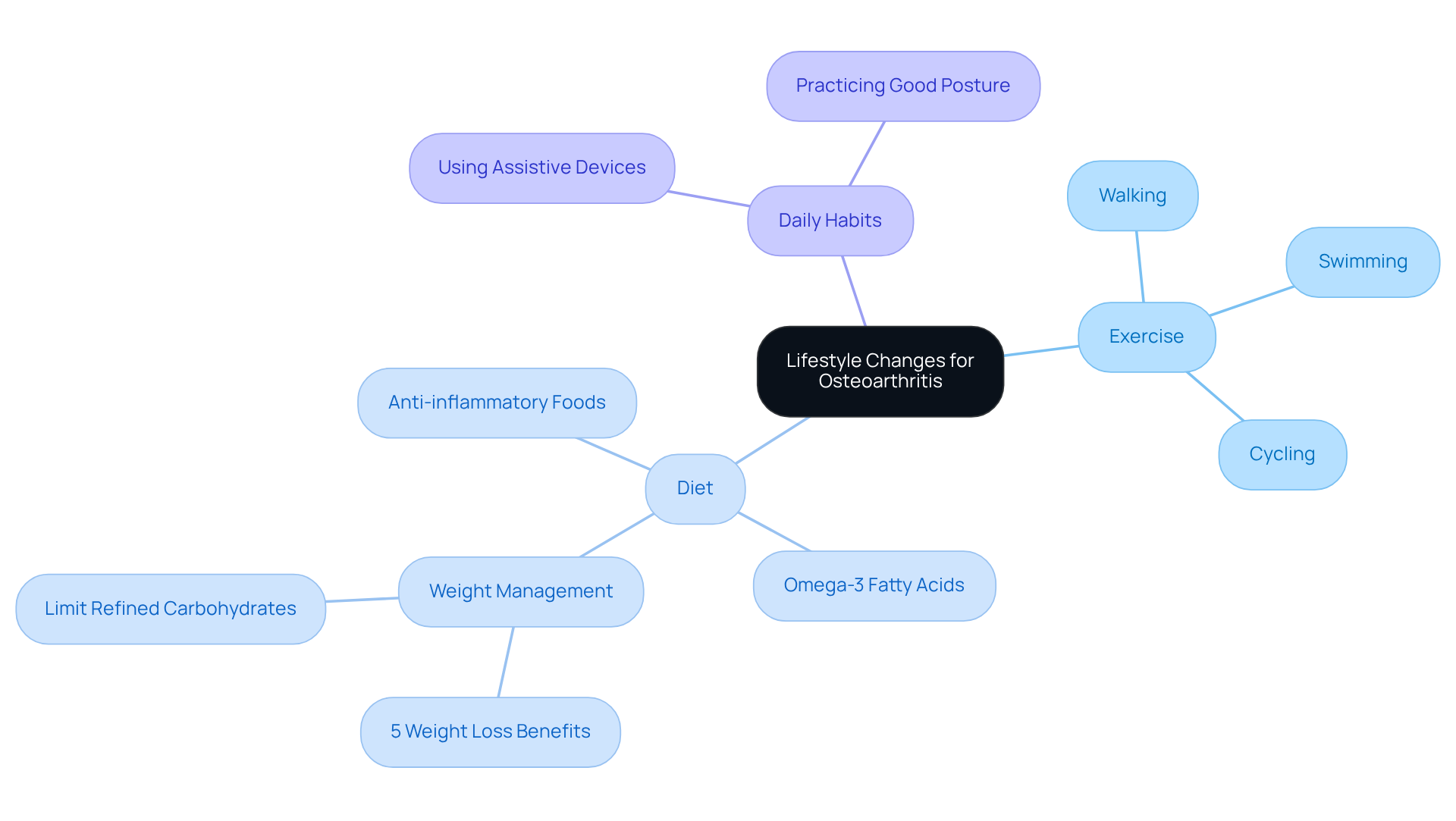
Living with osteoarthritis can be tough. It’s completely normal to feel overwhelmed at times. Seeking emotional support from friends, family, or support groups can offer comfort and understanding during these challenging moments. Engaging in social activities, even in modified forms like chair yoga or virtual meet-ups, can help ease feelings of isolation and bring a sense of community.
Mindfulness practices, such as meditation and yoga, can also play a significant role in enhancing emotional resilience. You might find it helpful to incorporate the mantra 'Soften, soothe and allow' into your daily routine. This simple phrase can serve as a practical tool in your coping strategies, reminding you to take a moment for yourself.
It’s essential to communicate openly with your loved ones about your feelings and challenges. This fosters a supportive environment that can make living with osteoarthritis a bit easier. As Kristin Neff beautifully states, 'We are bigger than our suffering; we are also the love holding the suffering.' This quote serves as a powerful reminder of the strength we possess in facing our struggles.
Additionally, exploring resources like upcoming courses related to acceptance, chronic pain, health, and mindfulness can provide further support and learning opportunities. By combining social support with mindfulness, you can create a holistic approach to living with osteoarthritis, ultimately enhancing your overall quality of life.
Making the Right Choice
Living with osteoarthritis can be tough, and it’s completely understandable to feel overwhelmed at times. But by understanding the condition and implementing effective strategies, you can truly enhance your daily life. Recognizing the causes and symptoms allows you to take proactive steps in managing your health and seeking the right care. Early intervention and a comprehensive treatment approach are essential; they can significantly improve your quality of life.
Key insights from the article reveal the many facets of managing osteoarthritis:
- Simple lifestyle changes, like engaging in regular low-impact exercise and adopting an anti-inflammatory diet, can make a world of difference.
- Pain management techniques, which include both medication and alternative therapies, offer various avenues to explore.
- Don’t forget the emotional and social aspects of living with osteoarthritis. Building a strong support system and practicing mindfulness can foster resilience and well-being.
Ultimately, embracing a holistic approach that combines physical, emotional, and social strategies is vital for navigating the complexities of osteoarthritis. By taking small, consistent steps and reaching out for support, you can improve your quality of life and manage your symptoms effectively. The journey may have its challenges, but with the right tools and resources, a fulfilling life is within your reach. Remember, you’re not alone in this; compassionate care and understanding are always available.
https://iframe.tely.ai/cta/eyJhcnRpY2xlX2lkIjogIjY5MDU0ZGIwMWQwYWE1MDgwYzAzN2ZmYiIsICJjb21wYW55X2lkIjogIjY4ZWU1ZGNhNzMxNzYyNTU3ZjNjOTVjMSIsICJpbmRleCI6IG51bGwsICJ0eXBlIjogImFydGljbGUifQ==Frequently Asked Questions
What is osteoarthritis?
Osteoarthritis is a degenerative condition where the cartilage gradually wears away, leading to stiffness and pain in the joints.
What are the main causes of osteoarthritis?
The main causes of osteoarthritis include age, obesity, previous joint injuries, and genetics.
What symptoms should I look for to identify osteoarthritis?
Key symptoms of osteoarthritis include persistent joint pain, swelling, stiffness, and a decrease in the range of motion.
How does obesity affect osteoarthritis?
Obesity can put additional stress on joints, accelerating the wear and tear of cartilage. Individuals with obesity have a higher risk of developing knee issues and joint degeneration.
What is the impact of maintaining a healthy weight on joint health?
Maintaining a healthy weight is crucial for overall well-being and can significantly reduce the risk of joint degeneration, as obesity can raise this risk by as much as 50%.
How can early intervention help individuals with osteoarthritis?
Early intervention can enhance the quality of life for individuals with osteoarthritis, potentially delaying the need for surgery and improving symptom management.
What are some effective management strategies for osteoarthritis?
Effective management strategies for osteoarthritis may include lifestyle changes, physical therapy, and medical treatments when necessary.
What is genicular artery embolization?
Genicular artery embolization is a minimally invasive treatment option recognized as safe and effective for treating joint degeneration.
Why is it important to recognize the signs of osteoarthritis early?
Recognizing the signs early can empower individuals to seek appropriate care sooner, which can lead to better management of symptoms and improved quality of life.