

For families in our service areas
For families in our service areas, this guide explains home care and how non-medical in-home caregiving can support care planning in East Idaho, Treasure Valley & Magic Valley, Northern Wasatch, North Central West Virginia, and Northeast Ohio.
What You Need to Know About Essential Strategies for Parkinson
Understanding the complexities of Parkinson's disease is crucial for caregivers, as this condition presents numerous challenges that can greatly affect daily life. Caregivers often face difficulties in recognizing symptoms and managing their own well-being while providing support. As the prevalence of Parkinson's disease continues to rise, caregivers must be equipped to offer the best support possible while also safeguarding their health.
The challenges of caregiving can be overwhelming. Caregivers may struggle with emotional and physical demands, leading to burnout and stress. It's essential to recognize these implications, as they can hinder the quality of care provided to those with Parkinson's disease.
To address these challenges, caregivers can implement effective strategies for home care. Here are some actionable tips:
- Recognize Symptoms: Stay informed about the signs of Parkinson's disease to provide timely support.
- Create Personalized Care Plans: Tailor care plans to meet the specific needs of the individual, ensuring a more effective approach.
- Manage Your Well-Being: Prioritize self-care to maintain your health and resilience as a caregiver.
By focusing on these strategies, caregivers can enhance their ability to support individuals with Parkinson's disease while also taking care of their own health.
Understand Parkinson's Disease: Key Characteristics and Impact
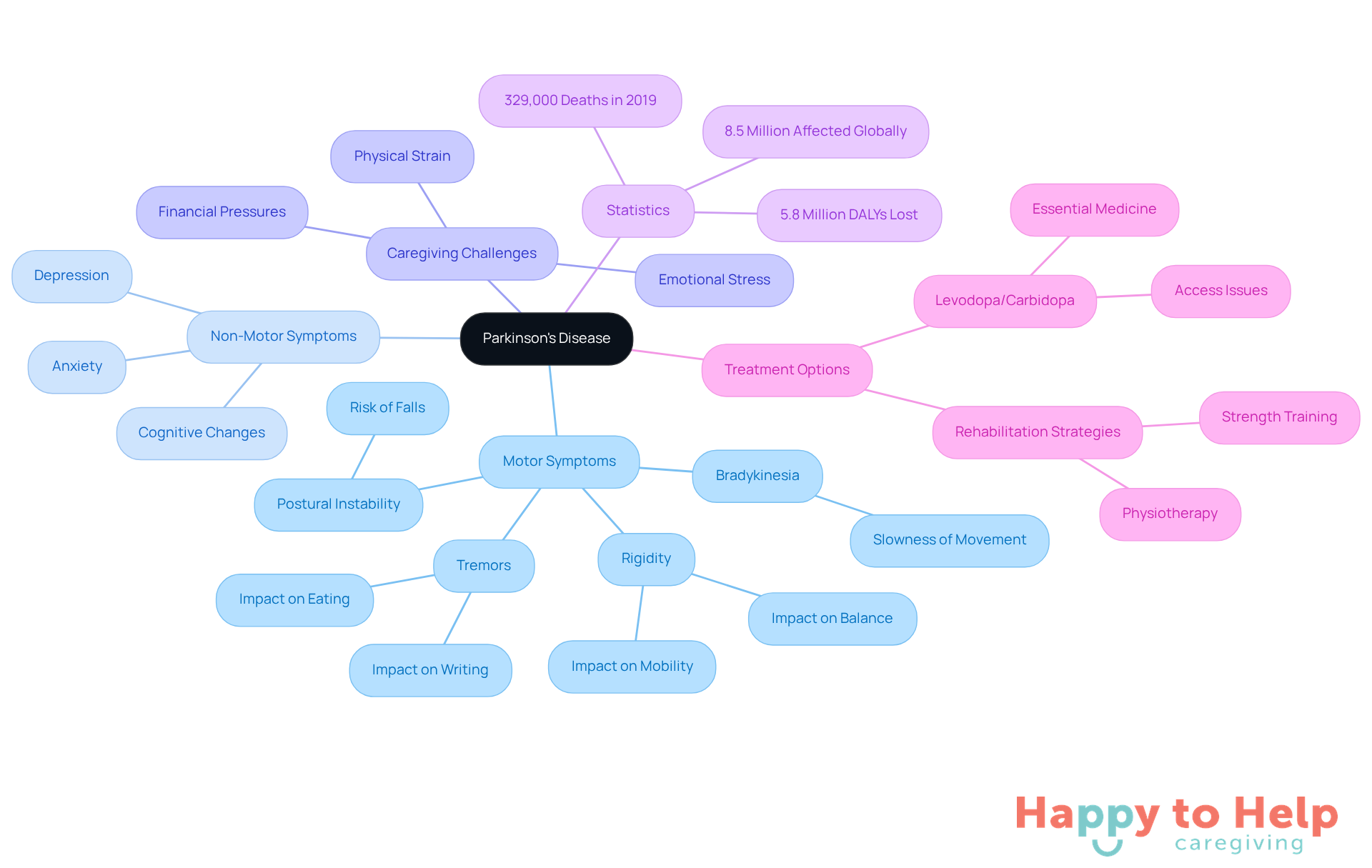
Caregivers face significant challenges in Parkinson's disease home care, as the condition primarily affects movement and daily activities. Key characteristics include:
- Tremors
- Rigidity
- Bradykinesia (slowness of movement)
- Postural instability
Understanding these signs is crucial for effective Parkinson's disease home care, as they can greatly influence the well-being of those affected. For example, tremors may hinder a person's ability to eat or write, while rigidity can impact mobility and balance. Additionally, non-motor symptoms like depression, anxiety, and cognitive changes complicate Parkinson's disease home care, making it essential for caregivers to recognize these elements.
Statistics reveal that the prevalence of PD has doubled over the past 25 years, affecting over 8.5 million individuals globally as of 2019. This increase underscores the urgent need for effective caregiving strategies in Parkinson's disease home care. Neurologists emphasize that comprehending the full range of symptoms is vital for those involved in Parkinson's disease home care, enabling them to provide tailored support that enhances comfort and safety for individuals living with Parkinson's.
Moreover, the impact of Parkinson's disease on health is severe, with 5.8 million disability-adjusted life years (DALYs) lost and 329,000 deaths in 2019, underscoring the critical need for effective Parkinson's disease home care strategies. The WHO Model List of Essential Medicines includes Levodopa/carbidopa, underscoring the importance of accessible treatment options for caregivers and patients.
Real-world examples illustrate the significance of adaptive strategies in managing PD symptoms. In Parkinson's disease home care, caregivers often implement techniques such as modifying meal preparation to accommodate tremors or using assistive devices to improve mobility. These practical approaches in Parkinson's disease home care not only alleviate the physical challenges associated with PD but also foster a sense of independence and dignity for individuals in their care. By staying informed about the latest studies and advancements in Parkinson's disease home care, caregivers can navigate its complexities more effectively, ultimately enhancing their loved ones' quality of life.
As Barbara Salsberg Mathews poignantly states, 'I am not my disease. I am an individual with a neurological condition, and I strive to live life to the fullest.' This perspective is essential for caregivers to remember as they provide support.
Identify Symptoms: Recognizing Motor and Non-Motor Challenges
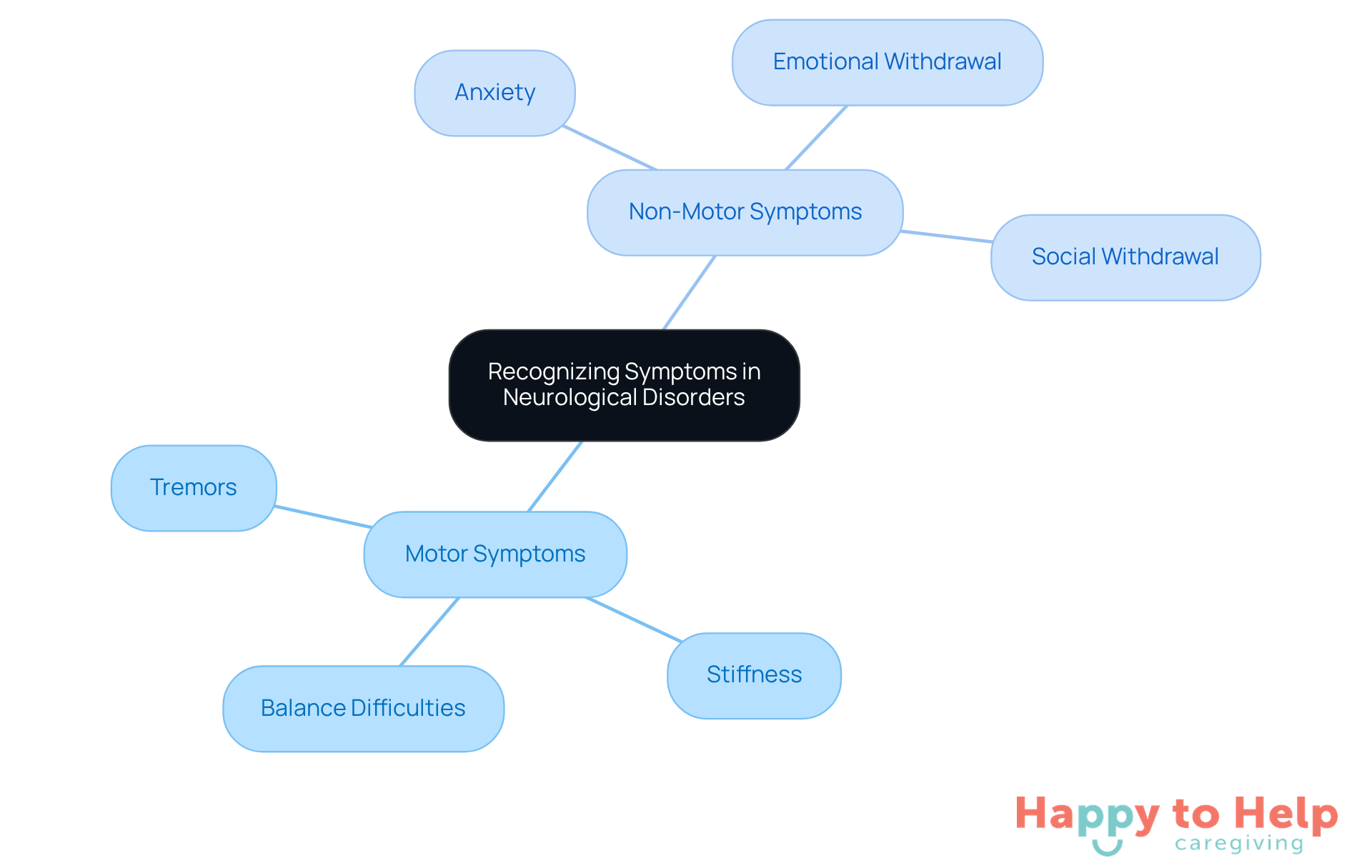
Caregivers face significant challenges in recognizing both motor and non-motor indicators of neurological disorders, particularly in conditions like Parkinson's disease. Motor issues, such as tremors, stiffness, and balance difficulties, are often more visible. However, non-motor challenges, including anxiety and emotional withdrawal, can greatly affect a patient's quality of life. Studies indicate that these non-motor issues are prevalent even in early-stage patients, highlighting the need for caregivers to be vigilant.
Monitoring changes in a loved one's ability to perform daily tasks - like dressing or eating - can signal a decline in motor function. Additionally, caregivers should pay attention to emotional shifts, such as increased anxiety or social withdrawal. Consistent communication with healthcare professionals is essential, allowing caregivers to adjust treatment plans based on observed indicators. This ensures that individuals receive timely and effective interventions.
Training programs for caregivers are becoming more accessible, focusing on identifying these critical signs. Such training can enhance their ability to provide comprehensive care. As one healthcare expert noted, "These signs are probably triggered by underlying disease mechanisms as well as the treatments employed for the motor features of the condition related to Parkinson's disease." By staying informed and proactive, caregivers can significantly improve the quality of care they provide.
Develop Personalized Care Plans: Tailoring Support to Individual Needs
Creating a personalized care plan for someone with Parkinson's is crucial, yet it poses significant challenges for caregivers. Without a tailored approach, individuals may struggle with medication management, physical therapy, and maintaining social connections, which can exacerbate their condition.
To address these issues, caregivers should:
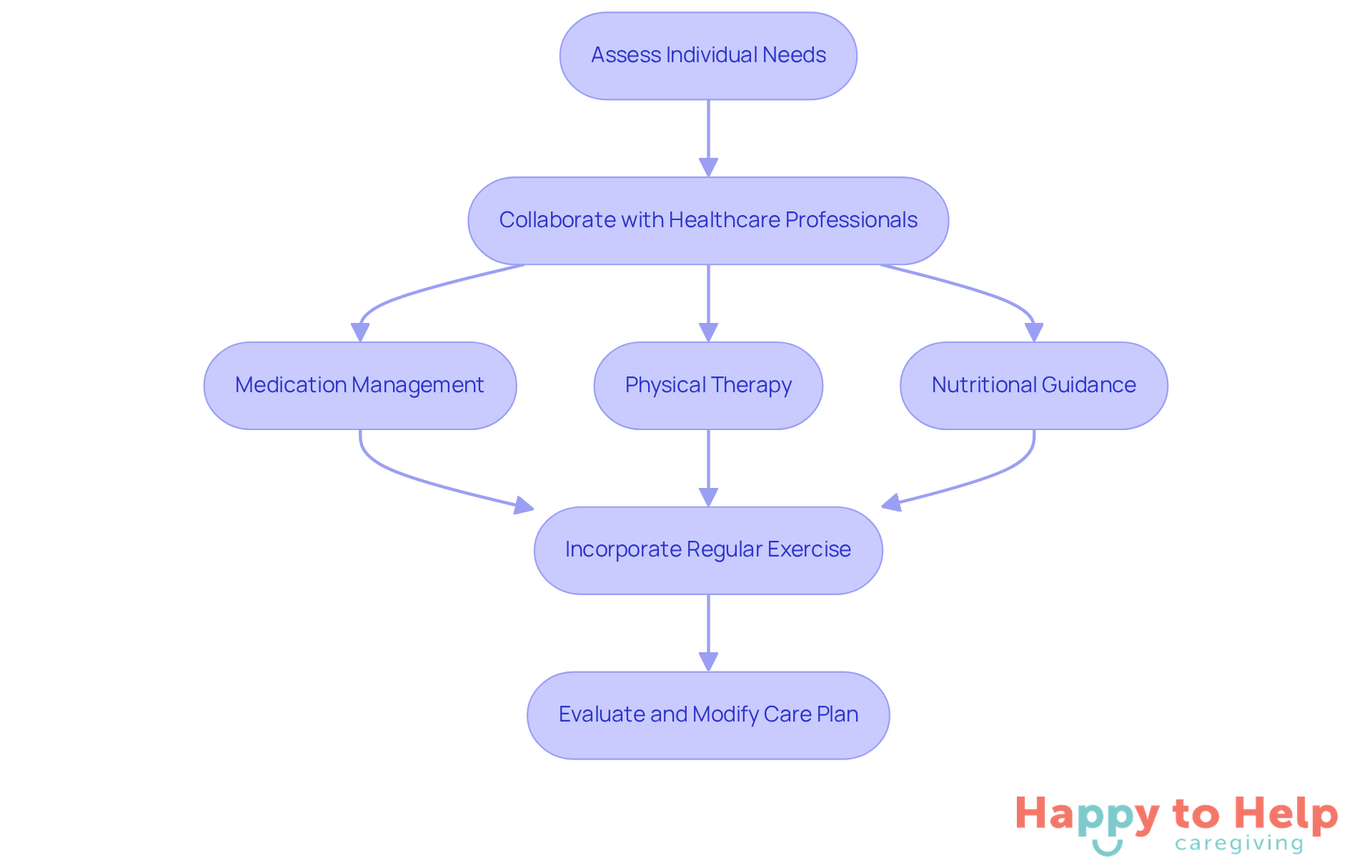
- Assess the specific needs, preferences, and daily routines of the person they are caring for.
- Collaborate with healthcare professionals to develop a comprehensive plan that includes:
- Medication management
- Physical therapy
- Nutritional guidance
For instance, incorporating regular exercise suited to a person's abilities can help maintain mobility and reduce symptoms.
Moreover, caregivers must consider the social needs of the individual, ensuring they have opportunities for engagement and interaction. This not only enhances their quality of life but also fosters a sense of community and support.
Consistently evaluating and modifying the care plan based on the person's progress and feedback is vital for effective management of Parkinson's. By staying proactive and responsive, caregivers can significantly improve the well-being of those they support.
Support Caregivers: Strategies for Managing Burnout and Stress
Caregiver burnout is a significant issue in Parkinson's care, where the emotional and physical demands can be overwhelming. This stress can lead to serious consequences for both caregivers and those they support.
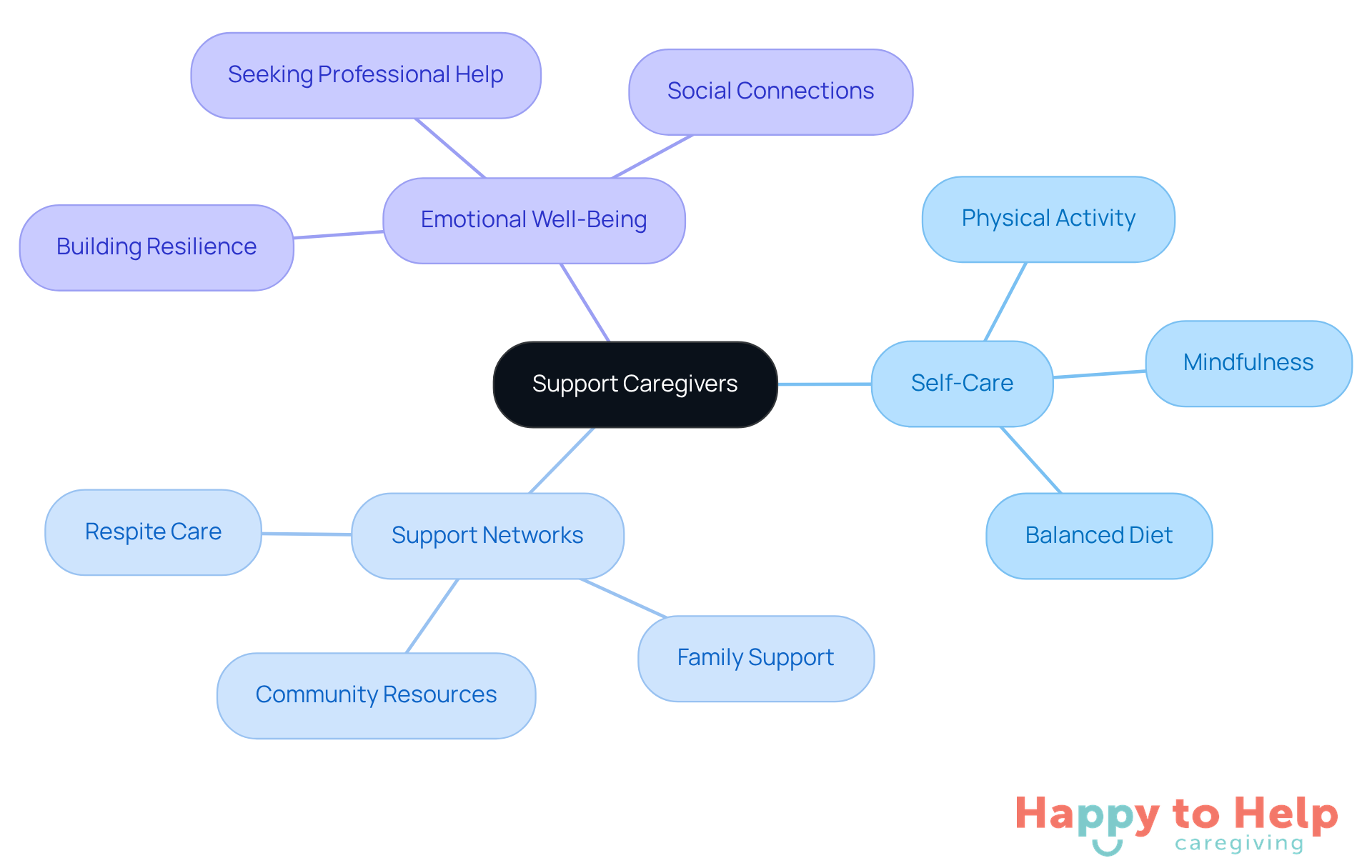
To combat this challenge, caregivers must prioritize self-care. Dedicating time to personal interests and activities that rejuvenate them is essential. Regular physical activity not only enhances mood but also builds resilience against stress. Mindfulness practices, such as meditation and deep breathing, can significantly improve emotional well-being, while a balanced diet supports overall health.
Moreover, caregivers should actively seek support. This can be achieved through respite care services or by enlisting family members to share caregiving duties. Out-of-home respite care options, such as adult day programs and family care homes, provide essential breaks for caregivers. Building a strong support network is crucial; it offers both emotional relief and practical assistance, allowing caregivers to recharge and sustain their ability to deliver compassionate support.
Recent studies indicate that 67% of family supporters in the U.S. struggle to manage both work and caregiving duties, underscoring the necessity of these strategies in sustaining long-term support roles. Additionally, the prevalence of lifetime diagnosed depression among caregivers increased by 2.3 percentage points from 2015-2016 to 2021-2022, highlighting the importance of self-care and support networks. Incorporating insights from mental health professionals, such as Yasmin Mogahed's perspective on resilience, can further reinforce the emotional appeal and credibility of this content.
Your Path Forward
Understanding and addressing the complexities of Parkinson's disease presents a significant challenge for caregivers. This condition not only affects the individuals living with it but also places immense pressure on those providing care. Caregivers often struggle with the dual demands of managing both motor and non-motor symptoms, which can lead to feelings of frustration and burnout.
To navigate these challenges effectively, caregivers must recognize the key characteristics and symptoms of Parkinson's disease. By tailoring their support to meet the unique needs of each individual, they can foster an environment that promotes independence and dignity. Developing personalized care plans is essential, as is the ability to identify signs of caregiver burnout early on.
Implementing adaptive techniques and maintaining open communication with healthcare professionals are vital strategies. Caregivers should prioritize their own self-care, ensuring they remain healthy and resilient. By adopting these best practices, caregivers can significantly enhance the well-being of both themselves and those they support.
Ultimately, caregiving for individuals with Parkinson's disease transcends mere symptom management; it is about nurturing the human spirit. Caregivers must stay informed and proactive, seeking resources and support that empower them in their roles. By doing so, they create a compassionate care environment that respects the individuality of each person affected by Parkinson's, celebrating their resilience and strength.
https://iframe.tely.ai/cta/eyJhcnRpY2xlX2lkIjogIjY5M2Y1MDljNjk1NDdlMzRlNWE0ZWU2ZSIsICJjb21wYW55X2lkIjogIjY4ZWU1ZGNhNzMxNzYyNTU3ZjNjOTVjMSIsICJpbmRleCI6IG51bGwsICJ0eXBlIjogImFydGljbGUifQ==Frequently Asked Questions
What are the key characteristics of Parkinson's disease?
The key characteristics of Parkinson's disease include tremors, rigidity, bradykinesia (slowness of movement), and postural instability.
How do the symptoms of Parkinson's disease affect daily activities?
Symptoms like tremors can hinder a person's ability to eat or write, while rigidity can impact mobility and balance, significantly affecting daily activities.
What non-motor symptoms are associated with Parkinson's disease?
Non-motor symptoms associated with Parkinson's disease include depression, anxiety, and cognitive changes, which complicate home care for individuals with the condition.
How prevalent is Parkinson's disease globally?
As of 2019, Parkinson's disease affects over 8.5 million individuals globally, with its prevalence having doubled over the past 25 years.
What is the impact of Parkinson's disease on health?
The impact of Parkinson's disease on health is severe, with 5.8 million disability-adjusted life years (DALYs) lost and 329,000 deaths reported in 2019.
What treatment options are available for Parkinson's disease?
Levodopa/carbidopa is included in the WHO Model List of Essential Medicines, highlighting the importance of accessible treatment options for caregivers and patients.
What adaptive strategies can caregivers implement in Parkinson's disease home care?
Caregivers can implement adaptive strategies such as modifying meal preparation to accommodate tremors and using assistive devices to improve mobility, which help manage PD symptoms.
Why is it important for caregivers to stay informed about Parkinson's disease?
Staying informed about the latest studies and advancements in Parkinson's disease home care enables caregivers to navigate its complexities more effectively, ultimately enhancing the quality of life for their loved ones.
What perspective should caregivers maintain while supporting individuals with Parkinson's disease?
Caregivers should remember that individuals with Parkinson's disease are not defined by their condition and strive to live life to the fullest, emphasizing their individuality.
List of Sources
- Understand Parkinson's Disease: Key Characteristics and Impact
- Research News (https://michaeljfox.org/research-news)
- Parkinson disease (https://who.int/news-room/fact-sheets/detail/parkinson-disease)
- 23 quotes about Parkinson’s disease | Interviews | Parkinson’s Life (https://parkinsonseurope.org/parkinsonslife/23-powerful-quotes-about-parkinsons-disease)
- 160 Quotes to Support Your Life With Parkinson’s (https://journeywithparkinsons.com/2025/01/08/160-quotes-to-support-your-life-with-parkinsons)
- Identify Symptoms: Recognizing Motor and Non-Motor Challenges
- Brain ‘short circuit’ behind Parkinson’s motor issues: Simulation (https://parkinsonsnewstoday.com/news/brain-short-circuit-behind-parkinsons-motor-issues-simulation)
- Prevalence Of Non-Motor Symptoms In Parkinson’s Disease: A Systematic Review With Meta-Analysis (P2.053) | Neurology (https://neurology.org/doi/10.1212/WNL.82.10\_supplement.P2.053)
- Prevalence and Incidence of Nonmotor Symptoms in Individuals with and Without Parkinson's Disease - PMC (https://pmc.ncbi.nlm.nih.gov/articles/PMC9547141)
- Parkinson disease (https://who.int/news-room/fact-sheets/detail/parkinson-disease)
- Develop Personalized Care Plans: Tailoring Support to Individual Needs
- 23 quotes about Parkinson’s disease | Interviews | Parkinson’s Life (https://parkinsonseurope.org/parkinsonslife/23-powerful-quotes-about-parkinsons-disease)
- 160 Quotes to Support Your Life With Parkinson’s (https://journeywithparkinsons.com/2025/01/08/160-quotes-to-support-your-life-with-parkinsons)
- Words of Encouragement from People with PD to People with PD (https://pcla.org/blog/words-of-encouragement-parkinsons)
- Prevalence and Correlates of Anti‐Parkinson Drug Use in a Nationally Representative Sample - PMC (https://pmc.ncbi.nlm.nih.gov/articles/PMC6174430)
- Personalized Care in Late-Stage Parkinson’s Disease: Challenges and Opportunities | MDPI (https://mdpi.com/2075-4426/12/5/813)
- Support Caregivers: Strategies for Managing Burnout and Stress
- The Balancing Act: How Caregivers Navigate the Stress of Work, Family, and Caring for a Loved One | Delaware LIVE News (https://delawarelive.com/the-balancing-act-how-caregivers-navigate-the-stress-of-work-family-and-caring-for-a-loved-one)
- Changes in Health Indicators Among Caregivers... (https://cdc.gov/mmwr/volumes/73/wr/mm7334a2.htm)
- Caring for the Care Partner (https://parkinson.org/resources-support/carepartners/caring-for-self)
- Caregiver Quotes: 50+ Inspiring Encouragement Quotes for Strength (https://h2hhc.com/blog/inspiring-caregiver-quotes)
- The Caregiving Landscape: Data & Insights on the Caregiver Experience in the U.S. (https://caregiveraction.org/caregiver-statistics)