For families in our service areas
For families in our service areas, this guide explains caregiving and how non-medical in-home caregiving can support care planning in East Idaho, Treasure Valley & Magic Valley, Northern Wasatch, North Central West Virginia, and Northeast Ohio.
Why Essential Strategies for Post Stroke Matters
Caring for stroke survivors at home presents a significant challenge, intertwining medical, emotional, and practical hurdles. This complex journey can be overwhelming for caregivers, impacting both their well-being and that of the stroke survivor. Effective post-stroke care is crucial; it not only enhances recovery but also improves the quality of life for everyone involved.
So, what can caregivers do to transform this daunting task into a manageable process? By exploring essential strategies and best practices, caregivers can navigate the intricacies of home care. This approach ensures safety, provides personalized support, and fosters emotional well-being for their loved ones.
Here are some key strategies to consider:
- Establish a Routine: Consistency can help stroke survivors feel more secure and supported.
- Communicate Openly: Regular discussions about needs and feelings can strengthen the caregiver-patient relationship.
- Seek Support: Connecting with local resources or support groups can provide valuable assistance and encouragement.
By implementing these strategies, caregivers can create a structured and supportive environment that promotes recovery and enhances the overall quality of life.
Understand Home Care Principles for Stroke Patients
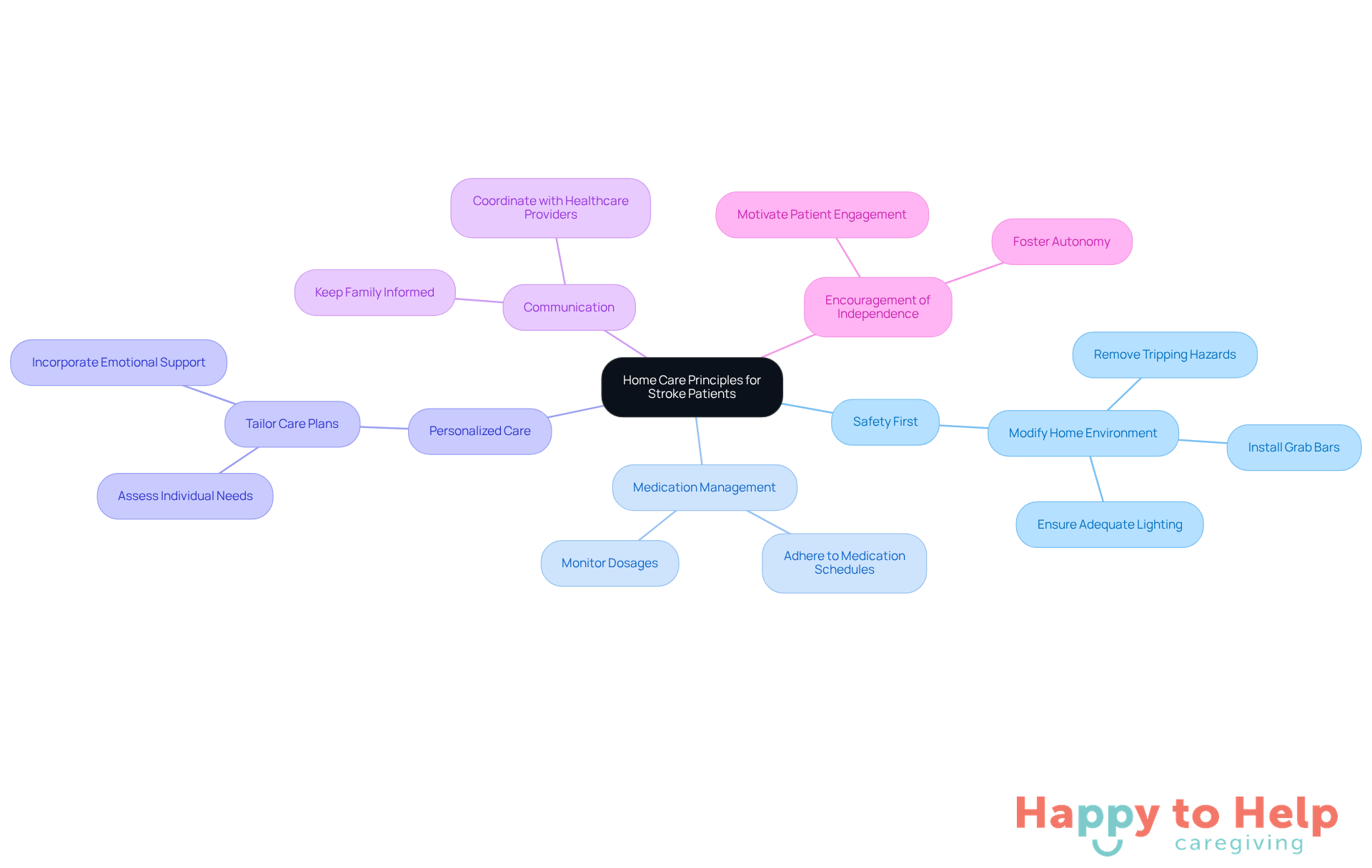
Caring for individuals with brain injuries often involves post stroke care at home, which presents significant challenges that can impact their recovery. Ensuring safety, comfort, and effective healing is paramount for post stroke care at home. Here are some essential principles that caregivers should consider:
-
Safety First: Modifying the home environment is crucial to prevent falls and accidents. This involves removing tripping hazards, installing grab bars, and ensuring adequate lighting.
-
Medication Management: Caregivers must be vigilant about medication schedules and dosages. Adhering to prescribed treatments is vital for recovery and helps avoid additional incidents.
-
Personalized Care: Each stroke survivor has unique needs based on the severity of their condition. It is essential to tailor post stroke care at home to address these specific requirements, including physical, emotional, and social support.
-
Communication: Effective communication among caregivers, healthcare providers, and family members is key. Keeping everyone informed about the patient's progress and needs ensures coordinated care.
-
Encouragement of Independence: Motivating individuals recovering from a brain injury to engage in their care fosters a sense of autonomy and promotes mental well-being.
By implementing these principles, caregivers can create a supportive environment that enhances recovery and improves the quality of life for individuals receiving post stroke care at home.
Implement Effective Transition Strategies from Hospital to Home
Transitioning from hospital to home after a stroke presents significant challenges for caregivers providing post-stroke care at home. The process requires careful planning and coordination to ensure the individual receives the necessary support and care. Without proper preparation, caregivers may feel overwhelmed, and the individual may face setbacks in recovery.
To address these challenges, consider the following effective strategies:
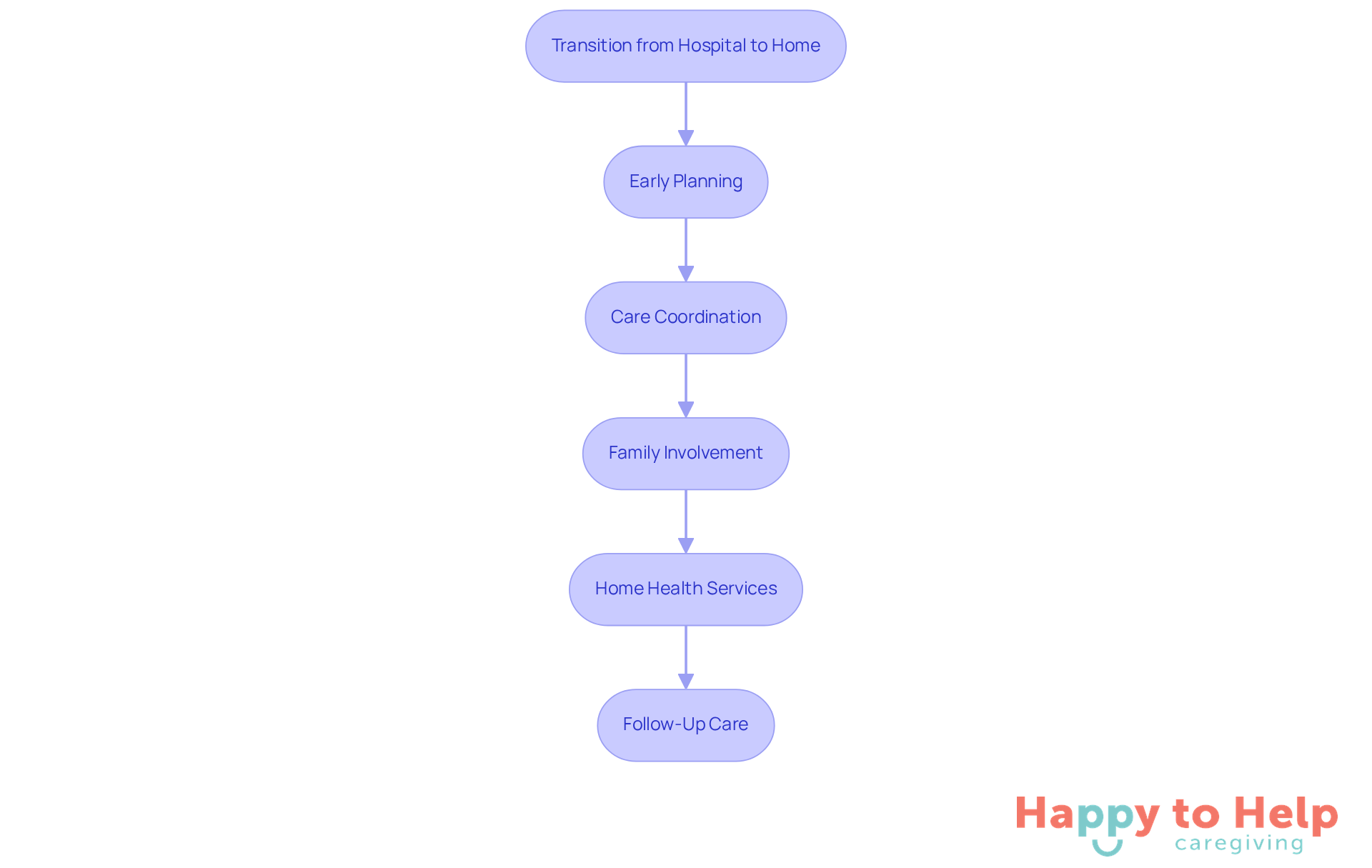
- Early Planning: Begin discharge planning while the individual is still in the hospital. Assess the home environment and identify necessary modifications to facilitate a safe transition.
- Care Coordination: Collaborate with healthcare professionals, including doctors, nurses, and therapists, to create a comprehensive discharge plan. This plan should address medical needs and schedule follow-up appointments.
- Family Involvement: Engage family members in the transition process. Inform them about the individual's condition, care needs, and how they can offer assistance.
- Home Health Services: Consider enlisting home health services for skilled nursing or therapy. These services can provide additional support and ensure that the individual receives appropriate care at home.
- Follow-Up Care: Arrange subsequent appointments with healthcare professionals to track the individual's progress and modify care plans as necessary.
Develop Personalized Care Plans for Stroke Recovery
Creating personalized care plans for post stroke care at home is essential, yet it poses significant challenges for caregivers. Without a structured approach, caregivers may struggle to address the diverse needs of individuals in post stroke care at home.
-
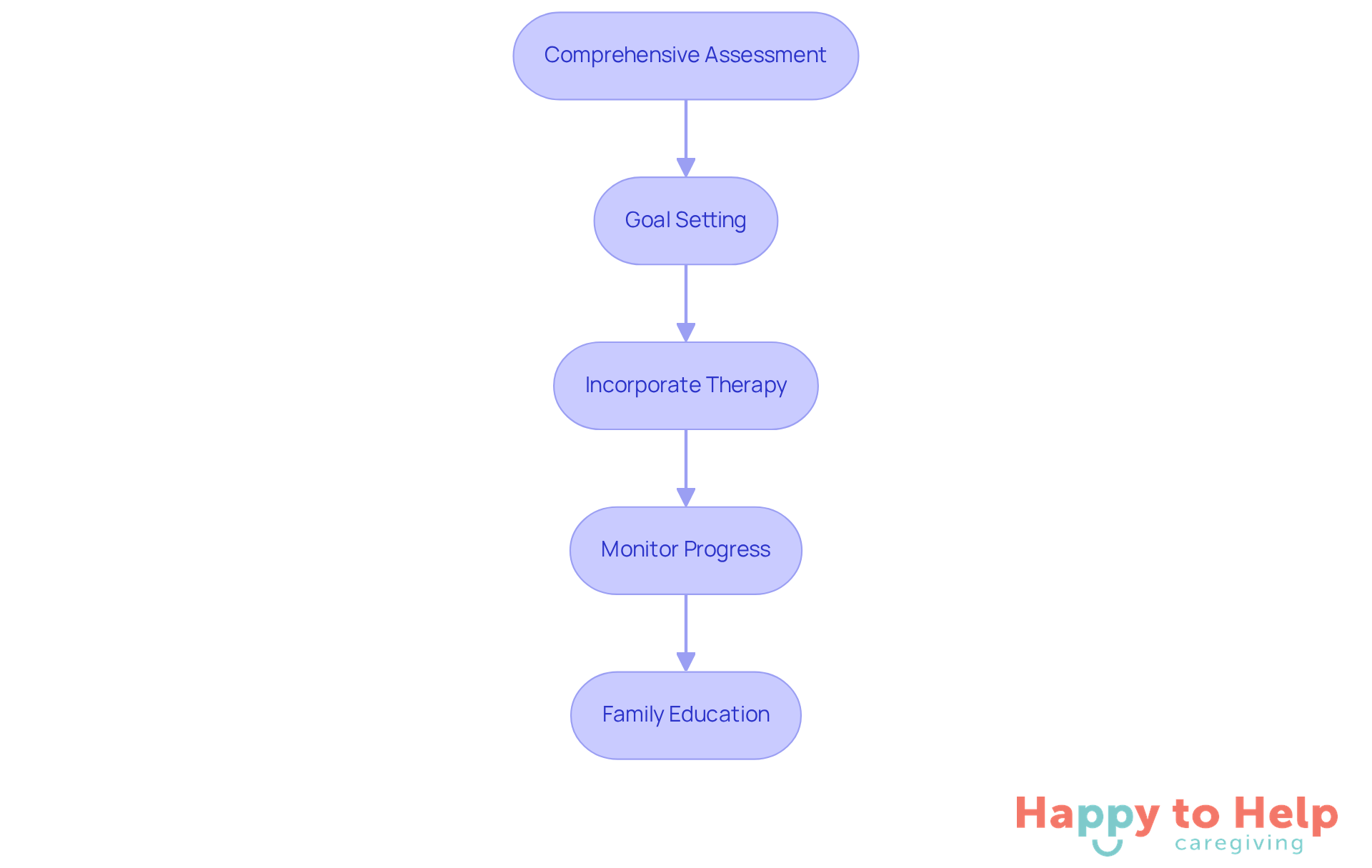
Comprehensive Assessment: Start with a thorough evaluation of the individual's physical, cognitive, and emotional needs. Involve healthcare professionals and family members to gather a complete picture of the person's situation regarding post stroke care at home.
-
Goal Setting: Establish clear, achievable objectives tailored to the individual's capabilities and ambitions. This fosters motivation and encourages active involvement in the healing process.
-
Incorporate Therapy: Integrate physical, occupational, and speech therapy into the care plan. These therapies are crucial for regaining lost skills and improving overall function, making them indispensable in recovery.
-
Monitor Progress: Regularly review and adjust the care plan based on the individual's progress and any changes in their condition. This ensures that the care remains relevant and effective, adapting to the person's evolving needs.
-
Family Education: Provide education and resources to family members. Empowering them with knowledge enables them to assist effectively in the individual’s healing journey, particularly in providing post stroke care at home.
Foster Emotional and Social Support for Stroke Survivors
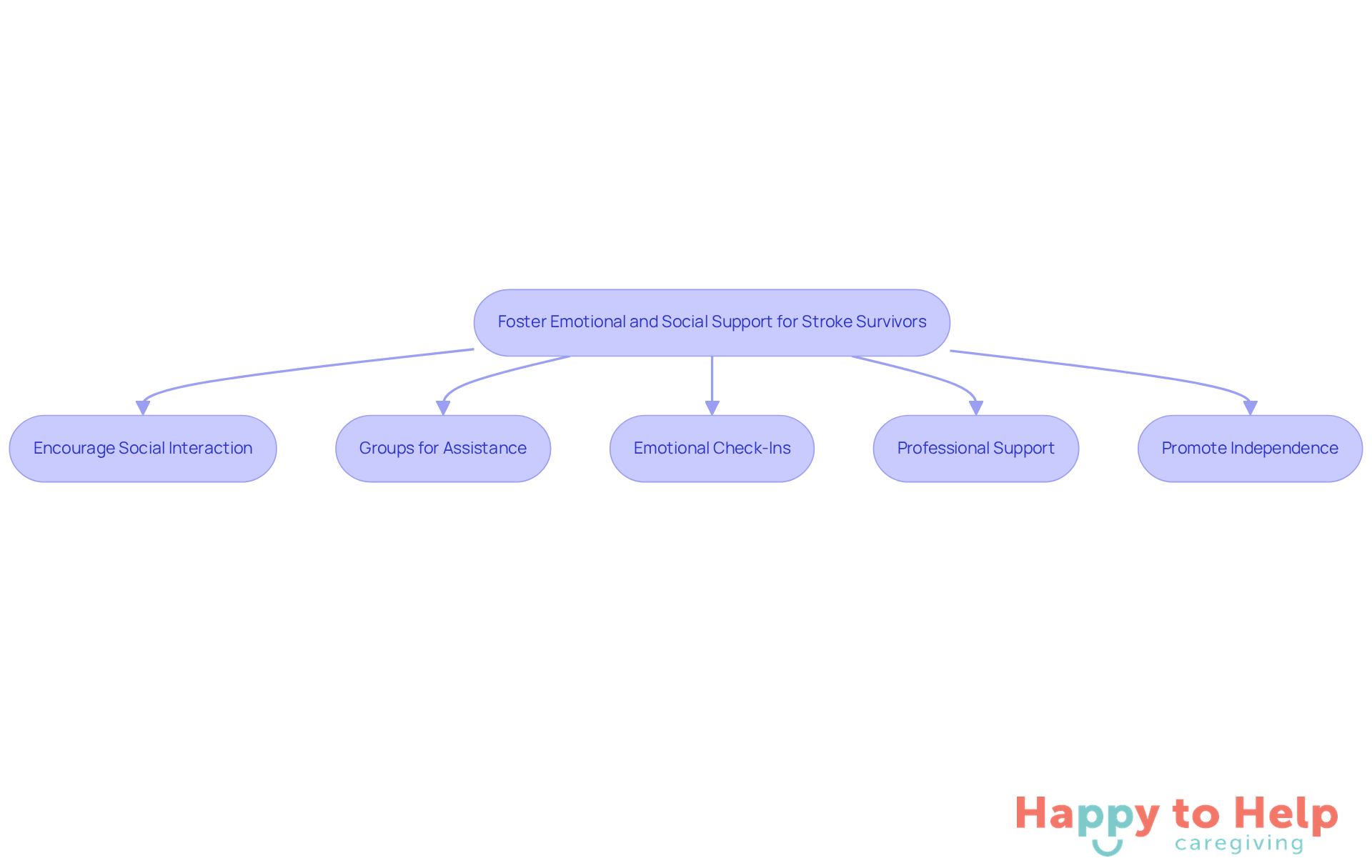
Emotional and social assistance is vital for individuals who are in post stroke care at home while recovering from a cerebrovascular accident. Without this support, many face feelings of isolation and loneliness, which can hinder their recovery. According to the American Stroke Association, nearly 71% of stroke survivors report significant improvements in emotional well-being through post stroke care at home and increased social engagement.
To address this issue, caregivers can implement several strategies:
-
Encourage Social Interaction: Facilitate opportunities for patients to connect with friends and family. Engaging in social activities can help combat feelings of isolation.
-
Groups for Assistance: Suggest that patients and their families join support groups for stroke survivors. These groups offer a platform for sharing experiences and coping strategies. Research shows that family support, combined with professional care, is crucial for post stroke care at home and leads to better health outcomes.
-
Emotional Check-Ins: Regularly check in on the individual's emotional state. Encourage open conversations about their feelings and concerns, and listen without judgment. This approach helps recognize emotional challenges and strengthens the caregiver-patient relationship.
-
Professional Support: If necessary, recommend professional counseling or therapy to address mental health concerns like depression or anxiety. The American Stroke Association notes that depression affects 20% to 40% of stroke survivors, which underscores the need for effective post stroke care at home. Early intervention is crucial; studies indicate that those who begin post stroke care at home within six months post-stroke experience significantly better recovery outcomes.
-
Promote Independence: Encourage patients to engage in activities they enjoy and can manage independently. This boosts their confidence and sense of purpose. Recognizing and celebrating small victories can further enhance motivation and overall outlook during rehabilitation.
Key Takeaways for Caregivers
Caring for stroke survivors at home presents significant challenges that require a thoughtful approach. Safety, tailored care, and emotional support are paramount. Without proper understanding of the unique hurdles faced during recovery, caregivers may struggle to create an environment that fosters healing and well-being.
The transition from hospital to home can be daunting. Comprehensive planning is essential, as is the development of personalized care plans. Emotional and social support play critical roles in recovery. Engaging family members, coordinating with healthcare professionals, and facilitating social interactions are vital components that contribute to a successful recovery journey.
To enhance the recovery experience, caregivers should implement essential strategies:
- Modifying the home for safety
- Managing medications effectively
- Fostering independence
Regularly assessing progress and adapting care plans ensures that the evolving needs of stroke survivors are met.
Ultimately, the importance of post-stroke care at home cannot be overstated. This collaborative effort demands dedication, compassion, and a proactive approach. By embracing these strategies, caregivers can create an environment where stroke survivors regain their independence, improve their emotional well-being, and enhance their overall quality of life.
https://iframe.tely.ai/cta/eyJhcnRpY2xlX2lkIjogIjY5NDBhMjE0NGFiMmI4OGM4M2NiZjU5OCIsICJjb21wYW55X2lkIjogIjY4ZWU1ZGNhNzMxNzYyNTU3ZjNjOTVjMSIsICJpbmRleCI6IG51bGwsICJ0eXBlIjogImFydGljbGUifQ==Frequently Asked Questions
What are the main challenges of caring for stroke patients at home?
The main challenges include ensuring safety, comfort, and effective healing during the recovery process.
How can caregivers ensure safety for stroke patients at home?
Caregivers can ensure safety by modifying the home environment to prevent falls and accidents, which includes removing tripping hazards, installing grab bars, and ensuring adequate lighting.
Why is medication management important in post stroke care?
Medication management is vital for recovery as it ensures adherence to prescribed treatments, helping to avoid additional incidents related to incorrect dosages or missed medications.
How should post stroke care be tailored for each individual?
Post stroke care should be personalized based on the unique needs of each stroke survivor, taking into account the severity of their condition and providing appropriate physical, emotional, and social support.
What role does communication play in post stroke care?
Effective communication among caregivers, healthcare providers, and family members is essential for coordinated care, keeping everyone informed about the patient's progress and needs.
How can caregivers encourage independence in stroke patients?
Caregivers can promote independence by motivating individuals recovering from a brain injury to engage in their own care, which fosters a sense of autonomy and supports mental well-being.
What is the overall goal of implementing these home care principles for stroke patients?
The overall goal is to create a supportive environment that enhances recovery and improves the quality of life for individuals receiving post stroke care at home.
List of Sources
- Understand Home Care Principles for Stroke Patients
- Home modifications you can make after a stroke (https://carescout.com/resources/home-modifications-after-a-stroke)
- 4 Best Practices for Stroke Patient Home Care You Need to Know - Happy To Help (https://happytohelpcaregiving.com/4-best-practices-for-stroke-patient-home-care-you-need-to-know)
- Modifying homes for stroke survivors saves lives, extends independence | WashU Medicine (https://medicine.washu.edu/news/modifying-homes-for-stroke-survivors-saves-lives-extends-independence)
- Home Modifications After Stroke (https://thestrokefoundation.org/news/home-modifications-after-stroke)
- Caregivers, home health an essential element of stroke rehab, American Heart Association says (https://mcknightshomecare.com/news/caregivers-home-health-an-essential-element-of-stroke-rehab-american-heart-association-says)
- Implement Effective Transition Strategies from Hospital to Home
- Modifying homes for stroke survivors saves lives, extends independence | WashU Medicine (https://medicine.washu.edu/news/modifying-homes-for-stroke-survivors-saves-lives-extends-independence)
- Hospital to Home Transition Monroeville PA - Hospital to Home Transition Care Helps Stroke Survivors Heal (https://extendedfamilycare.com/pittsburgh/blog/2024/04/18/hospital-to-home-transition-care-helps-stroke-survivors-heal)
- Making the Transition: An Integral Part of Stroke Care - InventUM (https://news.med.miami.edu/making-the-transition-an-integral-part-of-stroke-care)
- Postacute Stroke Care: Transitioning from Hospital to Home (https://practicalneurology.com/diseases-diagnoses/stroke/postacute-stroke-care-transitioning-from-hospital-to-home/31961)
- Develop Personalized Care Plans for Stroke Recovery
- Supporting Stroke Recovery at Home: The Role of Home Health Agencies - Advanced Nursing & Home Care (https://advancednursing.care/strokes-brain-and-head-injuries/supporting-stroke-recovery-at-home-the-role-of-home-health-agencies)
- Personalizing Stroke Care and Recovery (https://vizientinc.com/insights/podcasts/sg2-perspectives/2025/personalizing-stroke-care-and-recovery)
- Improving Access to Stroke Rehabilitation and Recovery: A Policy Statement From the American Heart Association/American Stroke Association | Stroke (https://ahajournals.org/doi/10.1161/STR.0000000000000493)
- The Importance of Comprehensive Post-Acute Stroke Program Standards (https://allied-services.org/news/2023/may/the-importance-of-comprehensive-post-acute-strok)
- Stronger policy, improved recovery: closing gaps in stroke rehabilitation improves lives (https://newsroom.heart.org/news/stronger-policy-improved-recovery-closing-gaps-in-stroke-rehabilitation-improves-lives)
- Foster Emotional and Social Support for Stroke Survivors
- Preventing depression among stroke survivors (https://uth.edu/news/story/preventing-depression-among-stroke-survivors)
- Earlier counseling after stroke linked to improved anxiety, depression (https://healio.com/news/psychiatry/20250610/earlier-counseling-after-stroke-linked-to-improved-anxiety-depression)
- Emotional Support After a Stroke: Tips for Families (https://phoenixhomehc.com/news/emotional-support-tips-for-a-loved-one-recovering-from-a-stroke)
- Talk Therapy Eases Depression, Anxiety In Stroke Survivors (https://usnews.com/news/health-news/articles/2025-06-18/talk-therapy-eases-depression-anxiety-in-stroke-survivors)