For families in our service areas
For families in our service areas, this guide explains caregiving and how non-medical in-home caregiving can support care planning in East Idaho, Treasure Valley & Magic Valley, Northern Wasatch, North Central West Virginia, and Northeast Ohio.
Understanding Essential Strategies for Round the
Round-the-clock care at home presents a significant challenge for families managing the complexities of caregiving for loved ones who need constant assistance. This situation not only demands continuous support but also places a heavy emotional and physical burden on caregivers. The problem is clear: how can families ensure high-quality, consistent care while avoiding caregiver burnout?
To address this issue, families must explore effective strategies that foster safety, well-being, and peace of mind. By implementing essential practices and innovative solutions, they can transform the caregiving experience. This approach not only benefits the individuals receiving care but also alleviates the strain on those providing it, creating a more sustainable caregiving environment.
Define Round-the-Clock Care: Key Characteristics and Differences
The Challenge of Caregiver Support
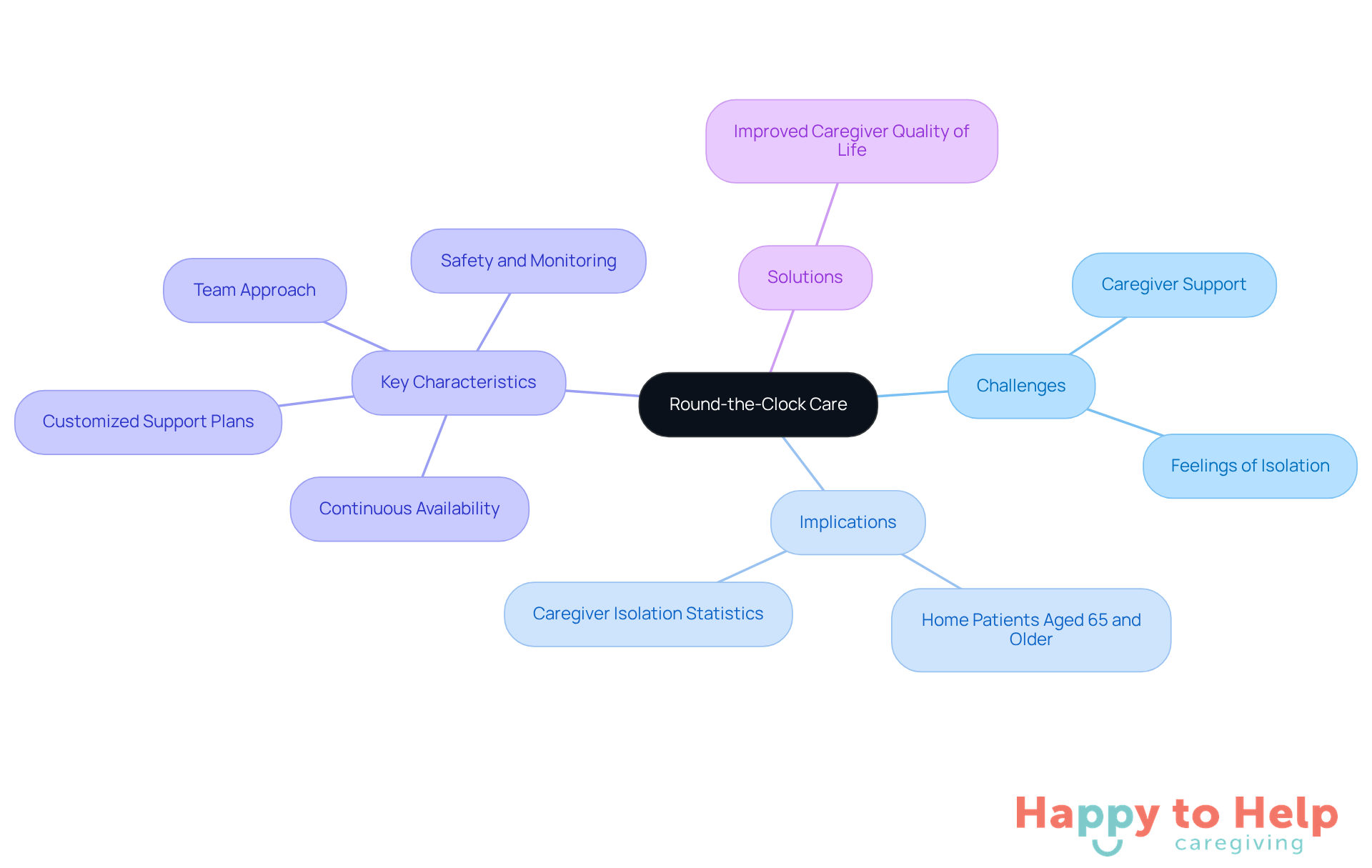
Constant support, often referred to as 24-hour support, addresses a critical need for individuals requiring assistance day and night. Caregivers are essential in providing this ongoing help, yet many face significant challenges in ensuring consistent care.
Implications of Insufficient Support
Without adequate support, caregivers can feel overwhelmed and isolated. Research indicates that 70% of home patients are aged 65 and older, many of whom require ongoing assistance. This highlights the pressing need for reliable caregiving solutions. Furthermore, 1 in 4 caregivers report feeling socially isolated, which adds to their emotional strain.
Solutions Through Constant Support
To combat these challenges, constant support offers several key characteristics:
- Continuous Availability: Caregivers are present at all times, ensuring immediate assistance for any needs that arise.
- Customized Support Plans: Each plan is tailored to the individual's specific requirements, covering medical, emotional, and daily living aspects. Almost 44% of home support recipients need help with daily activities, underscoring the necessity of these services.
- Team Approach: Multiple providers typically alternate shifts, delivering consistent assistance without exhaustion, which ensures high-quality support.
- Safety and Monitoring: This care is vital for individuals with significant health concerns, cognitive impairments, or mobility issues, as it provides constant supervision to prevent accidents and ensure safety.
Families utilizing round the clock care at home often report enhanced peace of mind, knowing their loved ones are supported at all times. Healthcare professionals emphasize that round the clock care at home provided by support providers not only enhances safety but also fosters a sense of security and well-being for clients. By implementing these solutions, caregivers can significantly improve their quality of life and that of those they care for.
Identify Needs for Round-the-Clock Care: Who Benefits Most?
Certain individuals face significant challenges that make round-the-clock care essential.
-
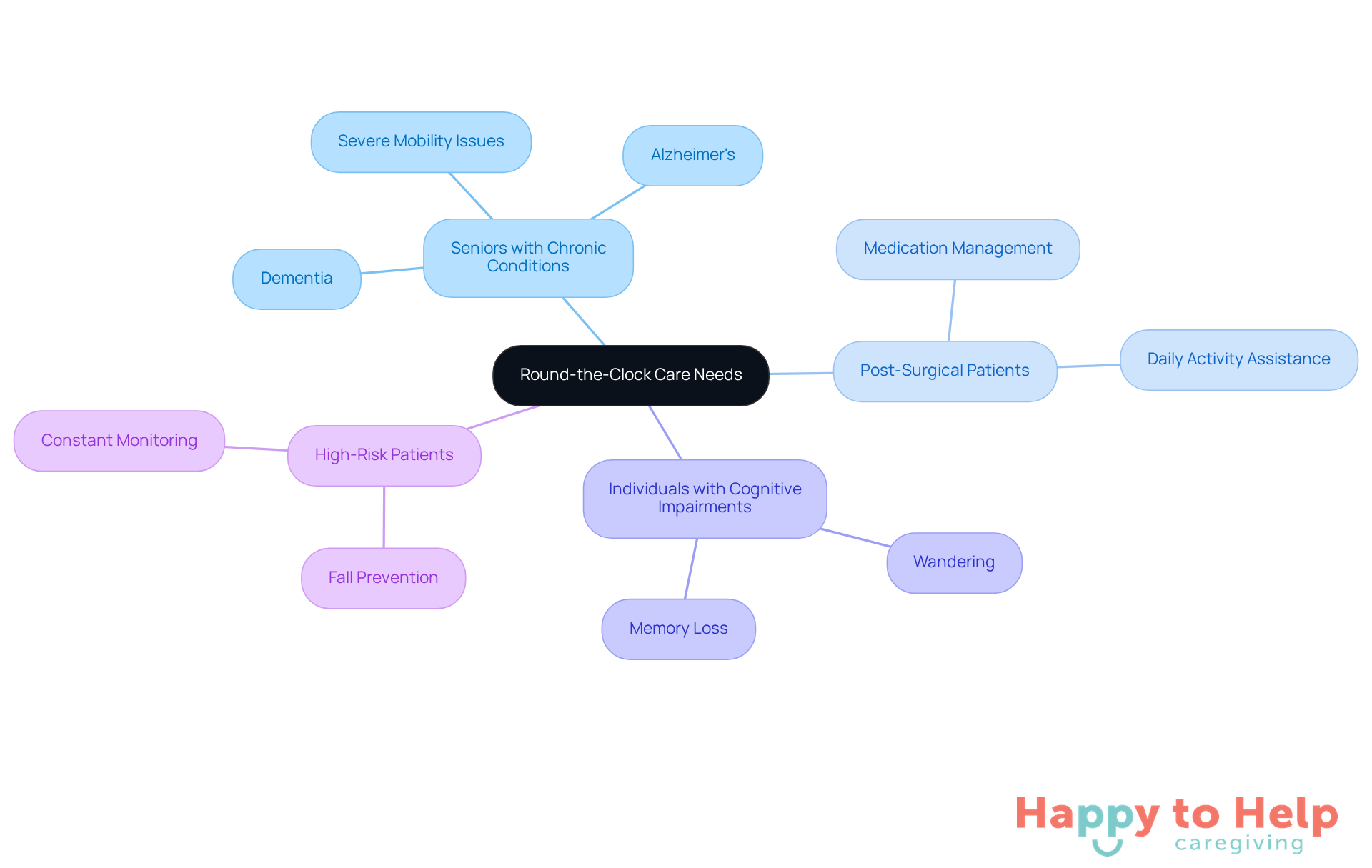
Seniors with Chronic Conditions often require constant supervision due to ailments like dementia, Alzheimer's, or severe mobility issues. The overwhelming need for continuous assistance often necessitates round the clock care at home for caregivers.
-
Post-Surgical Patients also present a unique challenge. Those recovering from major surgeries may struggle with daily activities and medication management, making 24-hour support crucial for their recovery. Without adequate help, their healing process can be jeopardized.
-
Additionally, Individuals with Cognitive Impairments may experience confusion or memory loss, leading to wandering or missed medications. This necessitates continuous oversight to ensure their safety and well-being.
-
Lastly, High-Risk Patients, particularly those with a history of falls or other health complications, require constant monitoring to prevent accidents.
Identifying these specific care requirements allows families to make informed decisions about the level of assistance needed. By understanding these challenges, caregivers can ensure their loved ones receive the appropriate support.
Implement Strategies for Effective Round-the-Clock Care at Home
Providing effective round the clock care at home for loved ones can be a daunting challenge for families. Without a structured approach, caregivers may struggle to meet the needs of the recipient, leading to stress and burnout.
Agitate: This lack of organization can result in gaps in care, emotional strain on family members, and a diminished quality of life for those receiving assistance. Caregivers often find themselves overwhelmed, which can negatively impact both their well-being and that of the recipient.
Solution: To combat these challenges, families can implement the following strategies:
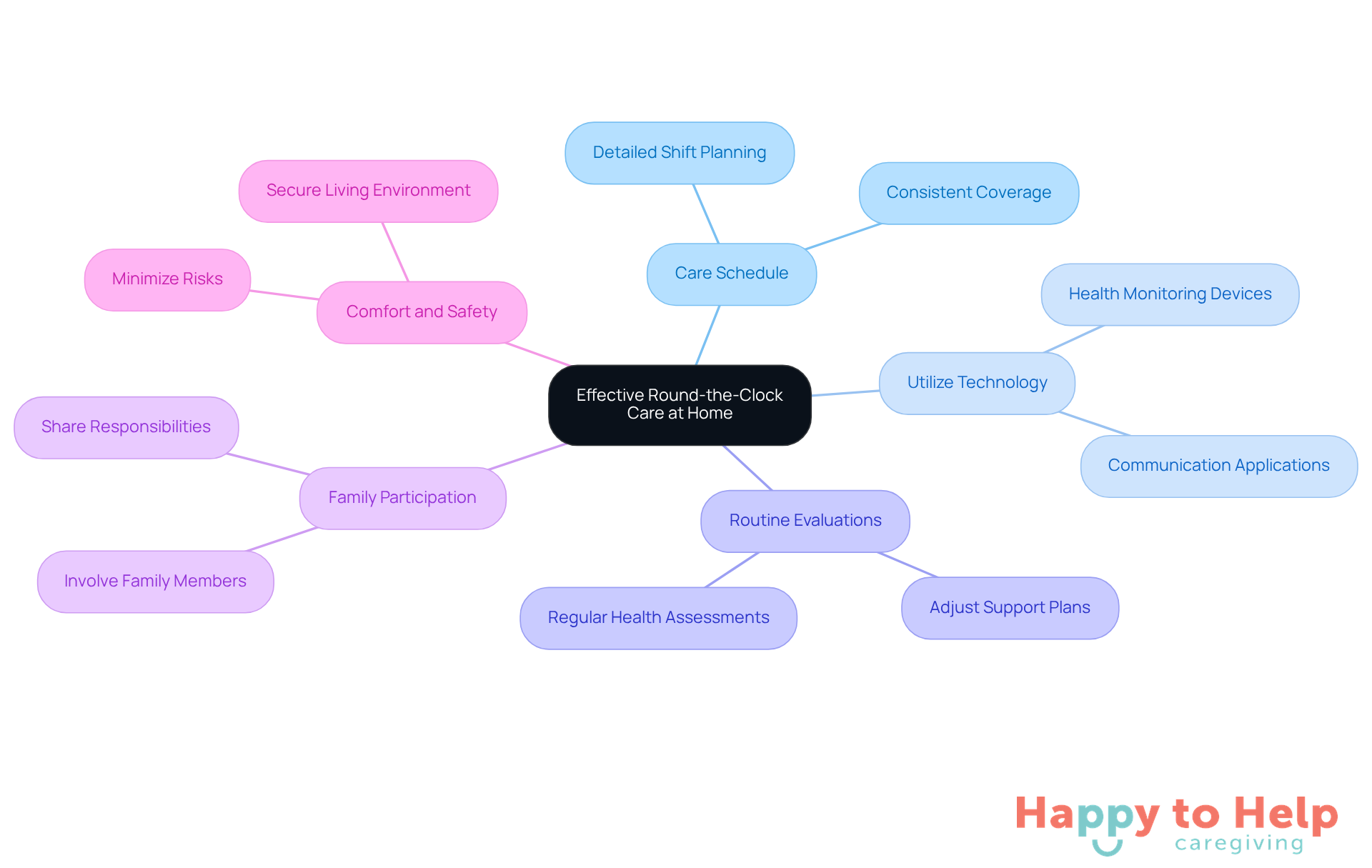
- Establish a Care Schedule: Create a detailed schedule that outlines caregiver shifts, ensuring that there is always someone available to assist.
- Utilize Technology: Employ health monitoring devices and communication applications to track the recipient's needs and enhance communication between support providers and family members.
- Routine Evaluations: Conduct regular assessments of the recipient's health and well-being to adjust support plans as necessary, ensuring all needs are met.
- Promote Family Participation: Involve family members in the caregiving process to provide emotional support and share responsibilities, reducing burnout among caregivers.
- Focus on Comfort and Safety: Ensure that the living environment is secure and pleasant, minimizing risks and fostering a sense of safety for the recipient.
These strategies not only enhance the quality of care but also cultivate a nurturing atmosphere for both caregivers and those receiving assistance.
Train and Support Caregivers: Ensuring Quality and Consistency
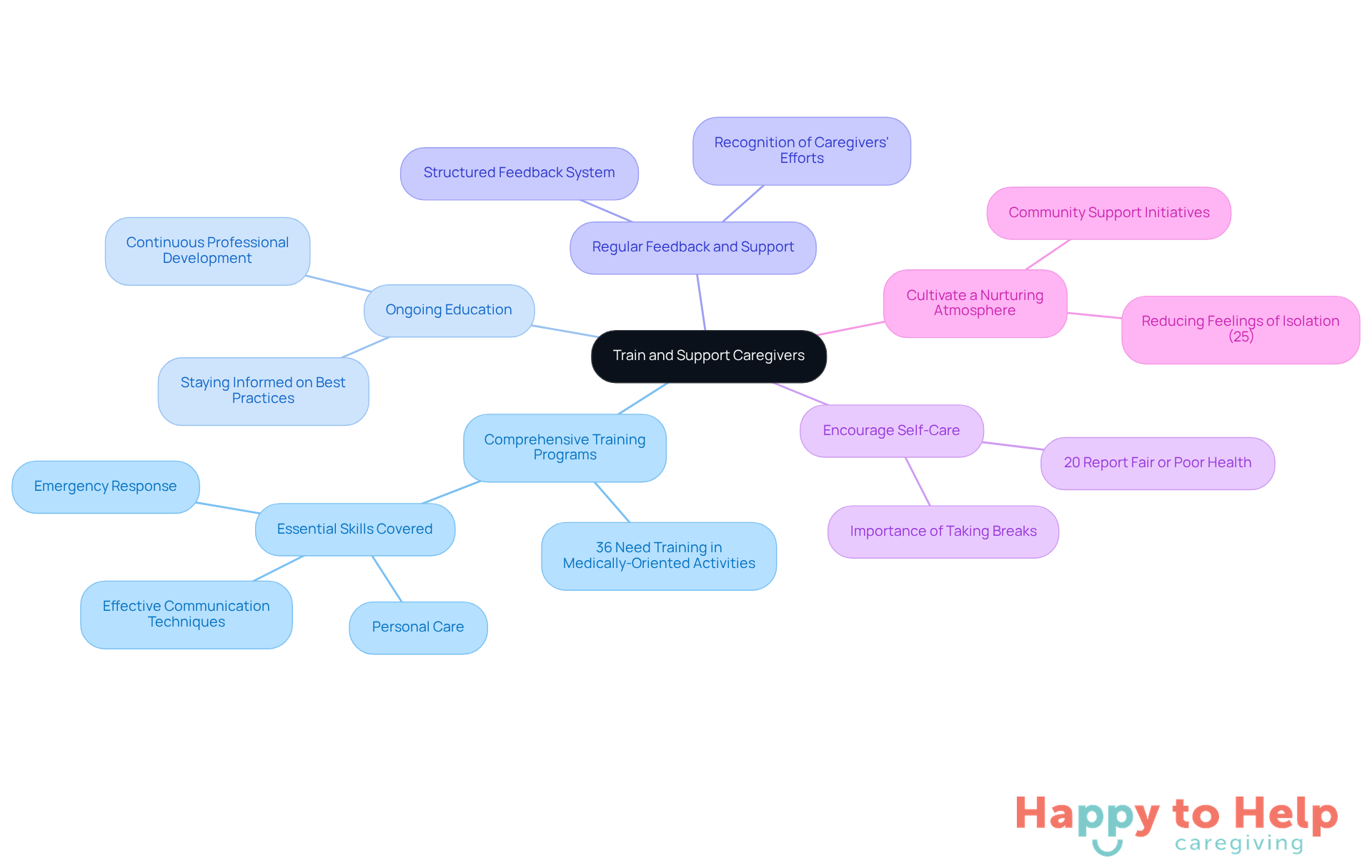
To ensure quality and consistency in round the clock care at home, families face a significant challenge: the necessity for effective training and support for caregivers. Without proper preparation, caregivers may struggle to manage the diverse situations they encounter, which can lead to subpar care for loved ones.
This issue is compounded by the fact that nearly 36% of family supporters report needing training in medically-oriented activities. This highlights the urgent need for ongoing education to improve care quality (AARP and the National Alliance for Caregiving).
To address these challenges, families can implement several key strategies:
-
Comprehensive Training Programs: Initiate training initiatives that cover essential caregiving skills, including personal care, emergency response, and effective communication techniques. This foundational knowledge is crucial for caregivers to manage various situations competently.
-
Ongoing Education: Encourage continuous professional development for caregivers to stay informed about best practices and emerging techniques. This commitment to learning can significantly enhance the quality of care provided.
-
Regular Feedback and Support: Establish a structured system for providing caregivers with regular feedback. Recognizing their efforts and addressing challenges fosters a sense of accomplishment and encourages improvement in caregiving practices.
-
Encourage Self-Care: Motivate caregivers to prioritize their own well-being by taking breaks, seeking assistance, and engaging in self-care activities. Studies indicate that nearly 20% of caregivers report being in fair or poor health, often due to the demands of their responsibilities (AARP and the National Alliance for Caregiving).
-
Cultivate a Nurturing Atmosphere: Build a culture of encouragement among caregivers, allowing them to share experiences, challenges, and solutions. This communal approach can greatly reduce feelings of isolation, which impact nearly 25% of caregivers (AARP and the National Alliance for Caregiving).
Investing in caregiver training and support not only enhances the quality of care provided to loved ones but also ensures round the clock care at home, fostering a positive and sustainable caregiving experience.
Making the Right Choice
Effective round-the-clock care at home presents a significant challenge for families, especially for those caring for the elderly or individuals with chronic health conditions. The emotional strain on caregivers can be overwhelming, impacting their well-being and the quality of care provided. Without proper support, both caregivers and recipients may suffer, highlighting the urgent need for effective strategies in caregiving.
To address these challenges, families must prioritize:
- Continuous availability
- Customized support plans
Training caregivers is essential; they need the skills to provide high-quality care. Additionally, utilizing technology can streamline communication and establish a care schedule, significantly improving the caregiving experience. These steps not only prevent caregiver burnout but also ensure that all needs are met efficiently.
Investing in these strategies goes beyond just meeting physical needs; it fosters a supportive environment for caregivers. By emphasizing:
- Training
- Open communication
- Self-care
Families can create a sustainable caregiving model. This approach enhances the quality of life for both caregivers and recipients, leading to a more compassionate and efficient care experience. Embracing these best practices reinforces the critical role of support in home caregiving, ultimately benefiting everyone involved.
https://iframe.tely.ai/cta/eyJhcnRpY2xlX2lkIjogIjY5M2Y1MDgxYjk3NTAxMmE2YWRmZmQwYiIsICJjb21wYW55X2lkIjogIjY4ZWU1ZGNhNzMxNzYyNTU3ZjNjOTVjMSIsICJpbmRleCI6IG51bGwsICJ0eXBlIjogImFydGljbGUifQ==Frequently Asked Questions
What is round-the-clock care?
Round-the-clock care, also known as 24-hour support, refers to constant assistance provided to individuals who require help day and night, ensuring they receive the necessary support at all times.
What challenges do caregivers face in providing round-the-clock care?
Caregivers often face significant challenges such as feeling overwhelmed and isolated, particularly due to the demands of providing consistent care to individuals, many of whom are elderly and require ongoing assistance.
What are the implications of insufficient support for caregivers?
Insufficient support can lead to caregivers feeling overwhelmed and socially isolated. Research shows that 70% of home patients are aged 65 and older, and 1 in 4 caregivers report experiencing social isolation, which contributes to their emotional strain.
What are the key characteristics of constant support?
The key characteristics of constant support include continuous availability of caregivers, customized support plans tailored to individual needs, a team approach with multiple providers alternating shifts, and safety and monitoring for individuals with health concerns.
How does customized support benefit individuals receiving care?
Customized support plans are tailored to meet the specific medical, emotional, and daily living needs of individuals, which is crucial as nearly 44% of home support recipients require assistance with daily activities.
What role does a team approach play in round-the-clock care?
A team approach involves multiple caregivers alternating shifts, which helps to deliver consistent assistance without causing caregiver exhaustion, thereby ensuring high-quality support for those in need.
Why is safety and monitoring important in round-the-clock care?
Safety and monitoring are vital for individuals with significant health concerns, cognitive impairments, or mobility issues, as it provides constant supervision to prevent accidents and ensure their safety.
What benefits do families experience from utilizing round-the-clock care at home?
Families often report enhanced peace of mind knowing their loved ones are supported at all times, which contributes to a sense of security and well-being for both the clients and their families.
List of Sources
- Define Round-the-Clock Care: Key Characteristics and Differences
- 10 Uplifting Quotes About Caregiving for Family Caregivers - Happy To Help (https://happytohelpcaregiving.com/10-uplifting-quotes-about-caregiving-for-family-caregivers)
- 28 Senior Care Statistics: In-Home & Assisted Living | Shortlister (https://myshortlister.com/insights/senior-care-statistics)
- 70+ Inspirational Caregiver Quotes (https://h2hhc.com/blog/inspirational-caregiver-quotes)
- Caregiving Statistics US 2025: Insights for Family Caregivers (https://zencaregiving.org/caregiving-statistics-us-2025)
- Around-the-Clock Care: Meeting the Rising Demand for Immediate Home Care - Family & Nursing Care (https://familynursingcare.com/around-the-clock-care-meeting-the-rising-demand-for-immediate-home-care)
- Identify Needs for Round-the-Clock Care: Who Benefits Most?
- Around-the-Clock Support: The Benefits of 24-Hour Home Care for Seniors (https://afcsnc.com/around-the-clock-support-the-benefits-of-24-hour-home-care-for-seniors)
- Older Adults' Needs for Home Health Care and the Potential for Human Factors Interventions - PMC (https://pmc.ncbi.nlm.nih.gov/articles/PMC4270052)
- What Is the Lifetime Risk of Needing and Receiving Long-Term Services and Supports? (https://aspe.hhs.gov/reports/what-lifetime-risk-needing-receiving-long-term-services-supports-0)
- Discover the Advantages of Round-the-Clock Care » LifeWorx Home Care (https://lifeworx.com/resources/articles/discover-the-advantages-of-round-the-clock-care)
- 2025 Home Care Statistics: Trends & Insights To Know (https://premierhcinc.com/blog/home-care-statistics)
- Implement Strategies for Effective Round-the-Clock Care at Home
- Understanding the Major Trends Influencing Home Care in 2025 (https://learn2care.us/blog/predictions-for-caregiving-trends-in-2025)
- Caregiver Statistics: An Inside Look at the Life of a Caregiver (https://carex.com/blogs/resources/caregiver-statistics?srsltid=AfmBOopoCUJ1qGvDSo7yUaNWdbciaJPzrCZJ9QhBGgS5sLKsDNtwXvTA)
- Encouraging Home Care Statistics for 2023 (https://axiscare.com/blog/encouraging-home-care-statistics)
- 12 Motivational Quotes for Caregivers (https://ultimatecareny.com/resources/motivational-quotes-for-caregivers)
- How AI Could Change Family Caregiving (https://aarp.org/caregiving/basics/how-ai-can-help-caregivers)
- Train and Support Caregivers: Ensuring Quality and Consistency
- New Report Reveals Crisis Point for America’s 63 million Family Caregivers - Massachusetts Healthy Aging Collaborative (https://mahealthyagingcollaborative.org/new-report-reveals-crisis-point-for-americas-63-million-family-caregivers)
- Training Needs among Family Caregivers Assisting during Home Health, As Identified by Home Health Clinicians - PMC (https://pmc.ncbi.nlm.nih.gov/articles/PMC7708398)
- Essential Practices for Caregiver Training & Education 2025 (https://learn2care.us/whitepapers/best-practices-caregiver-training-and-education-2025)
- Caregiver Statistics: Health, Technology, and Caregiving Resources (https://caregiver.org/resource/caregiver-statistics-health-technology-and-caregiving-resources)