

For families in our service areas
For families in our service areas, this guide explains dementia care and how non-medical in-home caregiving can support care planning in East Idaho, Treasure Valley & Magic Valley, Northern Wasatch, North Central West Virginia, and Northeast Ohio.
What You Need to Know About Essential Strategies
Understanding the challenges of dementia care is essential, as millions confront cognitive decline daily. Caregivers face significant emotional and practical hurdles that can impact the quality of life for those affected. This article explores key strategies that equip caregivers with the knowledge and techniques needed to navigate the complexities of dementia care.
Establishing daily routines, enhancing communication, and managing emotional challenges are vital components of effective caregiving. By implementing these strategies, caregivers can not only provide care but also foster deeper connections with their loved ones. How can caregivers transform their approach to achieve this? Let's delve into practical solutions that can make a meaningful difference.
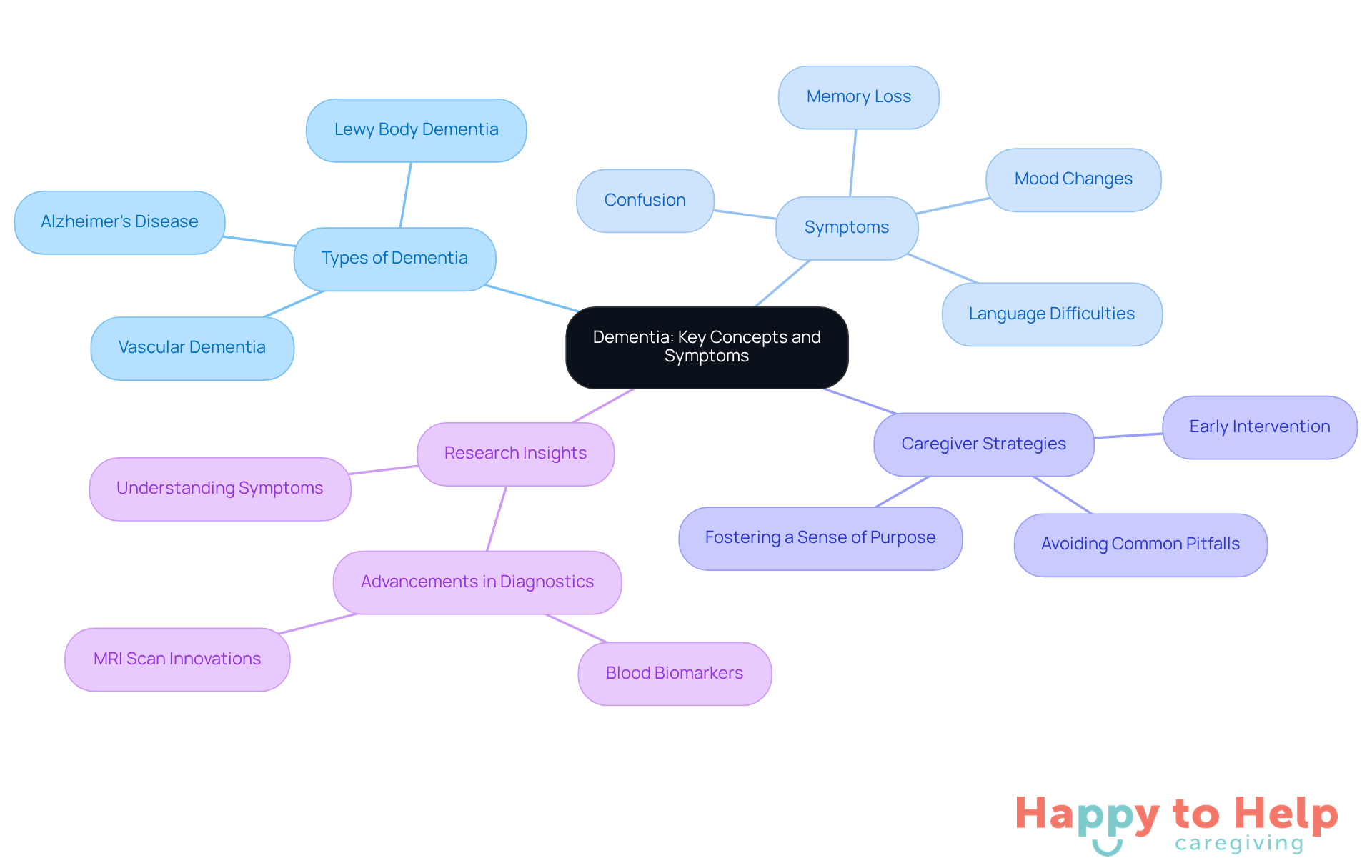
Understand Dementia: Key Concepts and Symptoms
Dementia encompasses a range of cognitive impairments that impact memory, thinking, and social abilities. Common types include Alzheimer's disease, vascular dementia, and Lewy body dementia. Symptoms can vary widely, often manifesting as memory loss, confusion, difficulty with language, and changes in mood or behavior.
Identifying these symptoms early is crucial for caregivers. Recognizing that repetitive questioning may stem from anxiety or confusion, rather than deliberate actions, allows for a more compassionate response. This understanding can significantly improve the quality of care provided.
Recent research underscores the importance of grasping these symptoms in the context of caregiver support. Studies indicate that individuals with a strong sense of purpose experience cognitive decline later than those who lack it. Encouraging meaningful activities can be beneficial. Aliza Wingo emphasizes that a sense of purpose helps the brain remain resilient with age, highlighting the need for caregivers to foster such activities.
Neurologists stress the necessity of early intervention. Ronald Petersen, a leading authority in aging, notes that the goal is to give individuals more time to prepare and respond before memory issues arise.
Effective strategies for senior dementia care are evident in case studies. For instance, a recent initiative focused on developing technologies to help individuals maintain independence has shown promising results, enhancing quality of life. Additionally, advancements in diagnostic techniques, such as a significant clinical trial in the UK for a simple blood test for early Alzheimer's identification, are transforming how caregivers approach care. This trial aims to streamline the diagnostic process, which is vital for timely intervention.
Understanding the nuances of cognitive decline symptoms is crucial in senior dementia care, as it not only improves care but also enables caregivers to respond with compassion and efficiency, ultimately enhancing the quality of life for both caregivers and their loved ones. It is also essential for caregivers to avoid common pitfalls, such as misinterpreting symptoms, which can lead to frustration and ineffective responses.
Establish Daily Routines: Structure and Consistency in Care
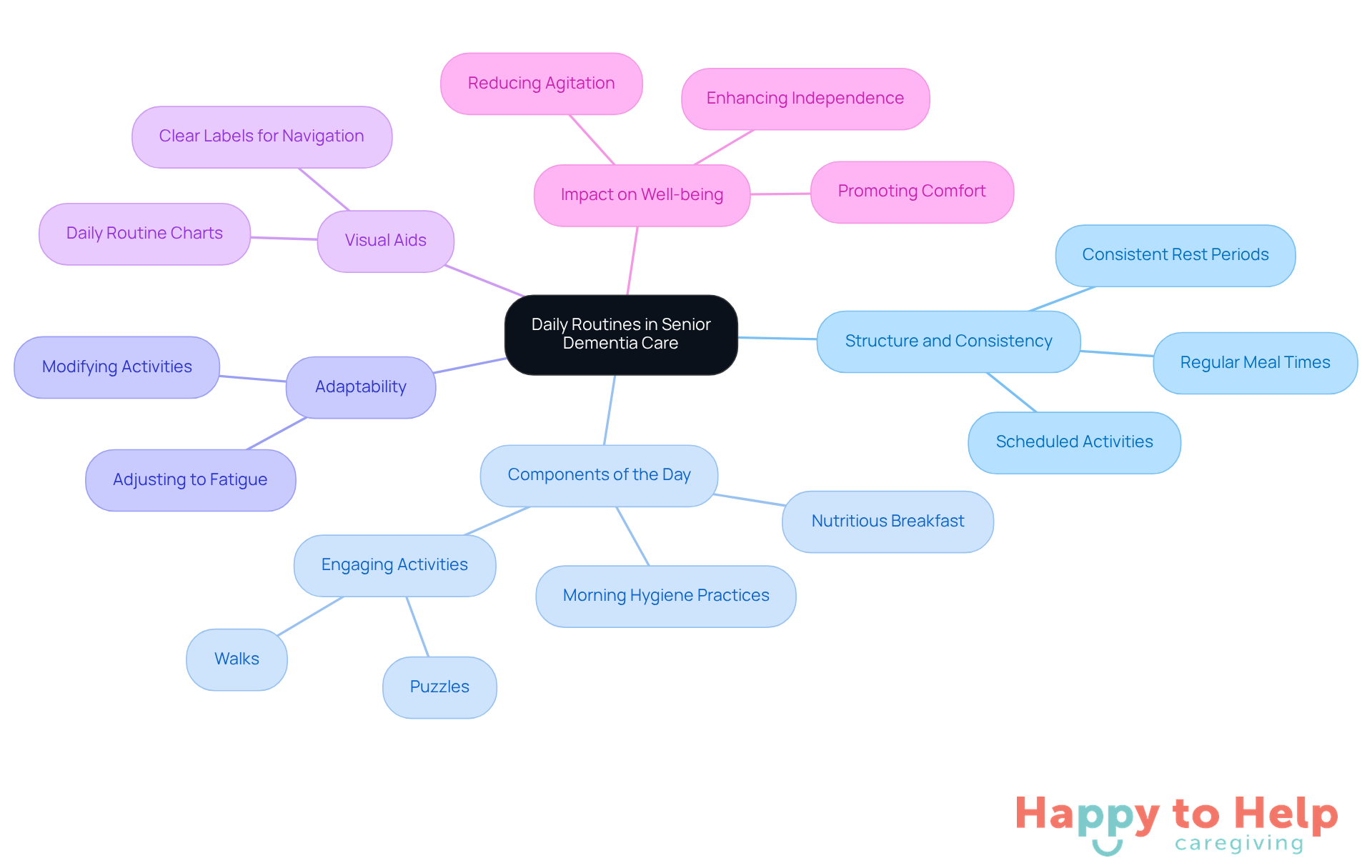
Creating a daily schedule is crucial for individuals in senior dementia care who are experiencing cognitive decline. It provides a sense of safety and consistency, which is essential for their well-being. In senior dementia care, caregivers can significantly enhance the quality of life by establishing regular times for meals, activities, and rest. For instance, a well-organized day might begin with morning hygiene practices, followed by a nutritious breakfast, engaging activities like puzzles or walks, and scheduled rest periods. This consistency minimizes agitation and fosters a sense of normalcy and comfort.
Research shows that senior dementia care, which is structured, has a profound impact on dementia behavior, helping to reduce confusion and anxiety. A carefully organized schedule acts as a lifeline, enabling individuals to manage their day with greater ease. Caregivers should remain adaptable, modifying practices to meet the evolving needs and preferences of the person. For example, if someone exhibits signs of fatigue, incorporating additional rest periods can be beneficial.
Experts emphasize that a structured day in senior dementia care can lead to greater clarity and independence for individuals with dementia. Simple, enjoyable activities included in the daily schedule can uplift spirits and reduce agitation. As one expert noted, "Familiarity becomes more valuable as cognitive abilities diminish," underscoring the importance of maintaining habits that connect with a person's past experiences.
Successful daily practices often incorporate visual aids, such as clear labels for doors and everyday objects, which enhance navigation and understanding. These aids significantly improve comprehension by overcoming communication barriers. By establishing a consistent atmosphere, caregivers can help those in senior dementia care feel more secure and involved, ultimately enhancing their overall well-being. Regular rest periods should also be part of their day to prevent overwhelm, as fatigue can exacerbate confusion and agitation.
With over 7 million Americans living with Alzheimer’s disease today, the importance of establishing effective routines cannot be overstated. Routine supports individuals at each phase of cognitive decline, but its complexity should evolve as the condition progresses to ensure that senior dementia care is tailored to the person's needs.
Enhance Communication: Techniques for Effective Interaction
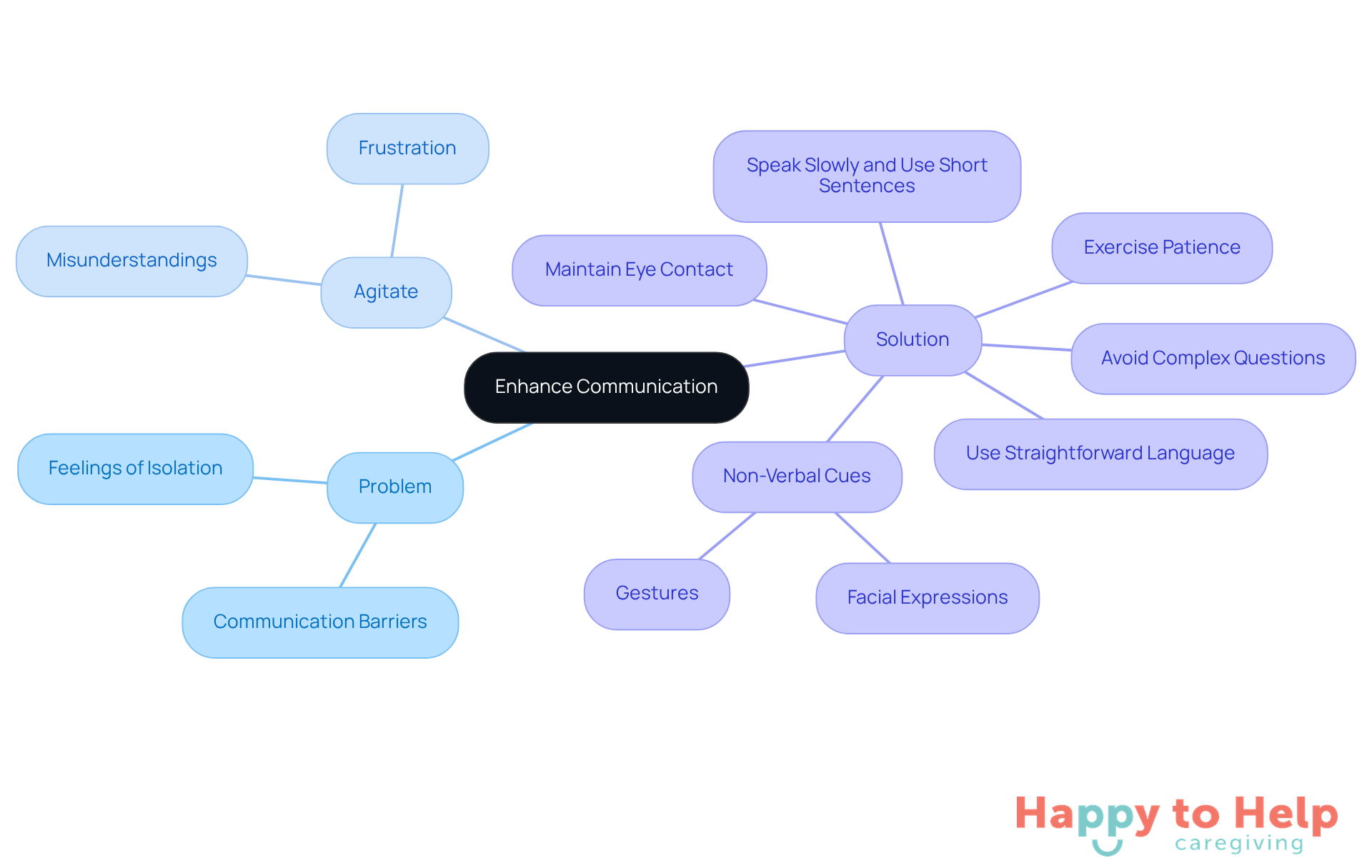
Problem: Communicating with individuals living with dementia can be challenging for caregivers. The complexities of the condition often lead to misunderstandings and frustration during interactions.
Agitate: These communication barriers can result in feelings of isolation for both the caregiver and the individual. When caregivers struggle to convey their messages clearly, it can exacerbate confusion and distress, making it crucial to find effective strategies to bridge this gap.
Solution: To improve communication, caregivers should prioritize simplicity and clarity. Here are some actionable tips:
- Use straightforward language: Avoid jargon and complex terms.
- Maintain eye contact: This fosters connection and shows attentiveness.
- Exercise patience: Allow time for responses and understanding.
- Speak slowly and use short sentences: This enhances comprehension.
- Avoid complex questions: Keep inquiries simple to facilitate easier responses.
Non-verbal cues are equally vital. Caregivers can use gestures and facial expressions to convey empathy, especially during moments of confusion. A calm tone and reassuring gestures can significantly help in these situations.
Research indicates that a distraction-free environment allows individuals to focus better on discussions, promoting more meaningful interactions. Engaging in active listening-where caregivers nod and respond appropriately-can strengthen the bond, making individuals feel valued and understood.
As experts note, effective communication transcends mere words; it encompasses emotional support and attentiveness to the individual's needs.
Manage Emotional and Behavioral Challenges: Support for Caregivers
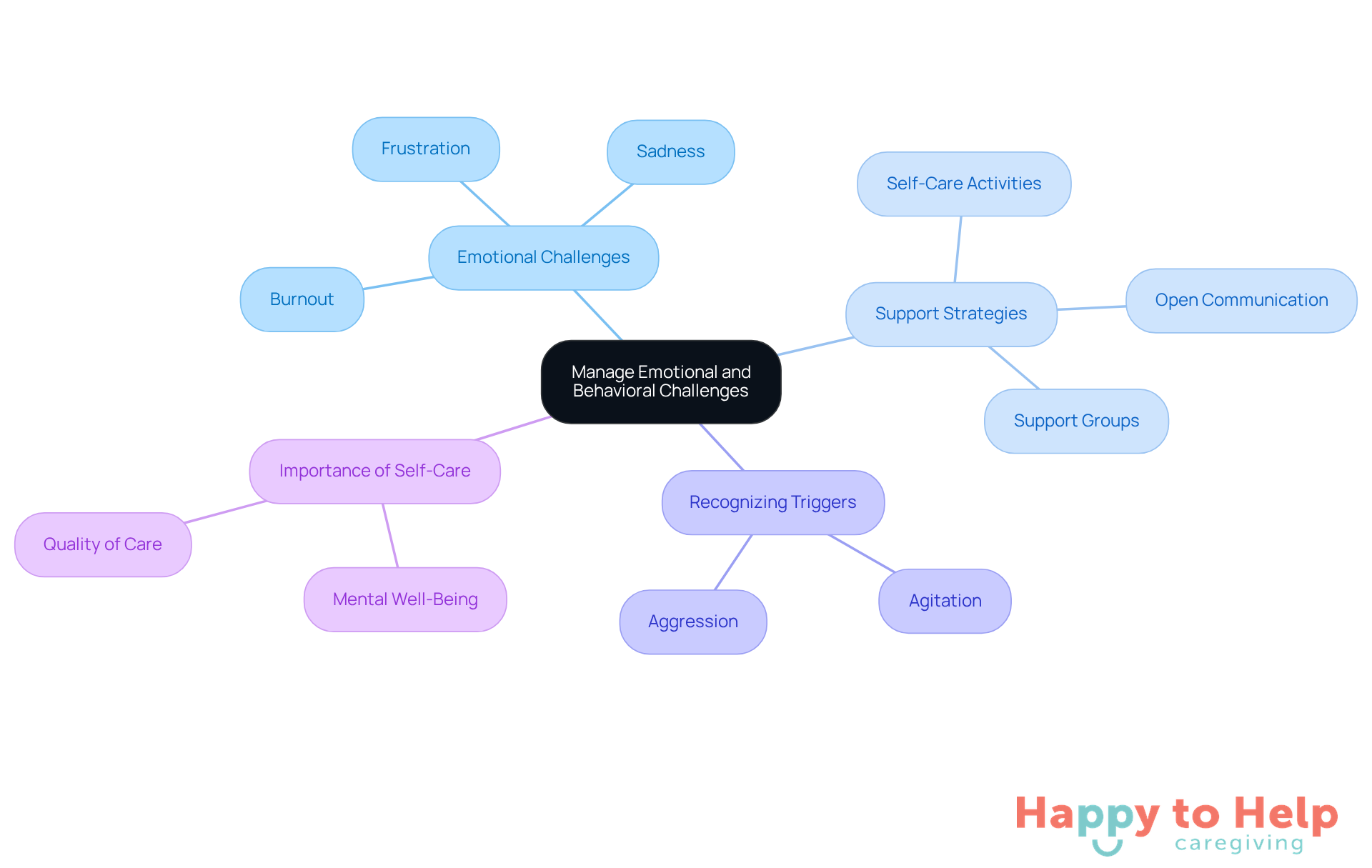
Caregivers often face a myriad of emotional challenges, including frustration, sadness, and burnout. Recognizing these feelings is crucial, as is seeking support when necessary. Engaging in self-care activities, maintaining open communication with family members, and joining support groups can significantly alleviate stress.
Research shows that family supporters encounter increased levels of depression, anxiety, and burnout compared to non-supporters. This makes involvement in support groups essential for emotional health. For example, individuals who actively participate in these groups report reduced levels of anxiety and depression, emphasizing the significance of community support.
Moreover, caregivers should learn to recognize triggers for challenging behaviors in their loved ones, such as agitation or aggression. Developing proactive strategies to address these behaviors is essential. Techniques like redirecting attention to a favorite activity or employing calming methods can effectively manage difficult moments.
Mental health experts, including Debra Barrett, stress that addressing burnout among caregivers is not only advantageous for the individual but also improves the quality of senior dementia care provided to those with dementia. By prioritizing their own mental well-being, caregivers can create a more supportive and nurturing environment for their loved ones.
Programs like GUIDE offer resources such as respite hours and 24/7 access to nurses, directly addressing caregiver burnout and stress.
Moving Forward with Essential Strategies
Understanding and implementing effective strategies for senior dementia care presents a significant challenge for caregivers. The emotional toll of caregiving can lead to stress and burnout, impacting both the caregiver and their loved ones. Recognizing the nuances of dementia symptoms and the need for structured support is crucial for enhancing the quality of life for everyone involved.
Key insights highlight the importance of:
- Early symptom recognition
- Establishing structured daily routines
Caregivers should approach their roles with empathy and adaptability, tailoring care to the evolving needs of their loved ones. Clear communication techniques can bridge gaps and foster understanding, making daily interactions more meaningful.
Moreover, acknowledging the emotional challenges faced by caregivers is vital. Seeking support through community resources can significantly improve their well-being and effectiveness in providing care. By prioritizing these essential practices, caregivers not only enhance the lives of those they care for but also cultivate a more fulfilling caregiving experience.
Ultimately, these strategies contribute to a broader understanding of dementia care. Emphasizing compassion, structure, and support inspires caregivers to take proactive steps in their caregiving journey. By implementing these actionable solutions, caregivers can create a supportive environment that fosters dignity and respect for individuals living with dementia.
https://iframe.tely.ai/cta/eyJhcnRpY2xlX2lkIjogIjY5MjNhMGI0ZTUyZmU2NjM2Njg4Njc0MCIsICJjb21wYW55X2lkIjogIjY4ZWU1ZGNhNzMxNzYyNTU3ZjNjOTVjMSIsICJpbmRleCI6IG51bGwsICJ0eXBlIjogImFydGljbGUifQ==Frequently Asked Questions
What is dementia and what are its common types?
Dementia encompasses a range of cognitive impairments that impact memory, thinking, and social abilities. Common types include Alzheimer's disease, vascular dementia, and Lewy body dementia.
What are the typical symptoms of dementia?
Symptoms of dementia can vary widely and often manifest as memory loss, confusion, difficulty with language, and changes in mood or behavior.
Why is early identification of dementia symptoms important for caregivers?
Early identification of dementia symptoms is crucial for caregivers as it allows for a more compassionate response to behaviors such as repetitive questioning, which may stem from anxiety or confusion rather than deliberate actions.
How does a sense of purpose affect individuals with dementia?
Research indicates that individuals with a strong sense of purpose experience cognitive decline later than those who lack it. Encouraging meaningful activities can help maintain brain resilience with age.
What do neurologists recommend regarding early intervention in dementia care?
Neurologists stress the necessity of early intervention, aiming to give individuals more time to prepare and respond before memory issues arise.
What are some effective strategies for senior dementia care?
Effective strategies include developing technologies to help individuals maintain independence and advancements in diagnostic techniques, such as a simple blood test for early Alzheimer's identification.
How can understanding cognitive decline symptoms improve dementia care?
Understanding the nuances of cognitive decline symptoms is crucial as it enhances caregivers' ability to respond with compassion and efficiency, ultimately improving the quality of life for both caregivers and their loved ones.
What common pitfalls should caregivers avoid when dealing with dementia symptoms?
Caregivers should avoid misinterpreting symptoms, as this can lead to frustration and ineffective responses in care.
List of Sources
- Understand Dementia: Key Concepts and Symptoms
- Dementia research news (https://alzheimers.org.uk/research/our-research/dementia-research-news)
- Having a sense of purpose may protect against dementia (https://health.ucdavis.edu/news/headlines/having-a-sense-of-purpose-may-protect-against-dementia/2025/08)
- Mayo Clinic scientists create tool to predict Alzheimer's risk years before symptoms begin - Mayo Clinic News Network (https://newsnetwork.mayoclinic.org/discussion/mayo-clinic-scientists-create-tool-to-predict-alzheimers-risk-years-before-symptoms-begin)
- Breaking News Dispatch: New Discoveries in Alzheimer’s Prevention, Diagnosis, and Treatment (https://brightfocus.org/news/breaking-news-dispatch-new-discoveries-in-alzheimers-prevention-diagnosis-and-treatment)
- ‘A tipping point’: An update from the frontiers of Alzheimer’s disease research (https://news.yale.edu/2025/08/08/tipping-point-update-frontiers-alzheimers-disease-research)
- Establish Daily Routines: Structure and Consistency in Care
- Alzheimer’s Care: Tips for Families and Caregivers to Manage Daily Challenges: Kenneth K Wogensen, MD: Neurologist (https://wogensenneurology.com/blog/alzheimers-care-tips-for-families-and-caregivers-to-manage-daily-challenges)
- The Power of Routine for Individuals in Memory Care Communities (https://harborchase.com/blogs/power-of-routine-memory-care-communities)
- Dementia: Why Routines Matter! (https://heritagesenior.com/elm-grove/blog/memory-care/dementia-why-routines-matter)
- Is Routine Good for Dementia? | Predictable Care | Tyler, TX (https://civitasseniorliving.com/the-hamptons/is-routine-good-for-dementia)
- Enhance Communication: Techniques for Effective Interaction
- Bridging the gap: Dementia communication strategies - Harvard Health (https://health.harvard.edu/mind-and-mood/bridging-the-gap-dementia-communication-strategies)
- What is good communication for people living with dementia? A mixed-methods systematic review (https://sciencedirect.com/science/article/pii/S1041610224011153)
- Effective Communication With Loved Ones With Dementia Premieres on UW-Led YouTube Program (https://uwyo.edu/news/2025/02/effective-communication-with-loved-ones-with-dementia-premieres-on-uw-led-youtube-program.html)
- Determining Evidence for Family Caregiver Communication: Associating Communication Behaviors With Breakdown and Repair - PMC (https://pmc.ncbi.nlm.nih.gov/articles/PMC10474591)
- Manage Emotional and Behavioral Challenges: Support for Caregivers
- Caregiving’s Mental Health Crisis (https://forbes.com/sites/otsuka/2025/10/02/caregivings-mental-health-crisis)
- Dementia caregivers get free support through new Medicare program (https://fox4news.com/news/dementia-caregivers-get-free-support-through-new-medicare-program)
- Medicare explores a new way to support caregivers of dementia patients (https://npr.org/sections/shots-health-news/2024/07/04/nx-s1-5026964/caregivers-dementia-alzheimers-medicare-support)
- Alzheimer’s Association Highlights Unique Challenges That Dementia Caregivers Face and Tips for Supporting Them (https://alz.org/news/2023/alzheimers-association-highlights-unique-challenges-that-dementia-caregivers-face-and-tips-for-supp)