
For families in our service areas
For families in our service areas, this guide explains caregiving and how non-medical in-home caregiving can support care planning in East Idaho, Treasure Valley & Magic Valley, Northern Wasatch, North Central West Virginia, and Northeast Ohio.
What You Need to Know About Essential Tips for Planning Safe and
Planning outings for seniors presents a unique challenge that blends joy with responsibility. Caregivers face the critical task of selecting engaging activities while ensuring safety and accessibility. The desire for adventure often clashes with health and mobility realities, creating a complex situation for those in charge of planning.
This article explores essential strategies to address these challenges. By understanding the implications of this problem, caregivers can better navigate the planning process. The goal is to create safe, enjoyable outings that enrich seniors' lives while providing practical solutions for caregivers.
To effectively plan these outings, caregivers can implement several strategies:
- Assess the health and mobility needs of seniors to tailor activities accordingly.
- Consider accessible venues that offer both engagement and safety.
- Always have a contingency plan in place to address any unforeseen circumstances.
By following these steps, caregivers can ensure that outings are both enjoyable and secure.
Prioritize Safety in Outing Planning
Safety is a primary concern when planning outings for seniors. Caregivers face the challenge of ensuring that their loved ones can enjoy safe outings for seniors while minimizing risks. Neglecting safety during outings for seniors can lead to accidents or health issues, making it crucial to adopt effective strategies.
-
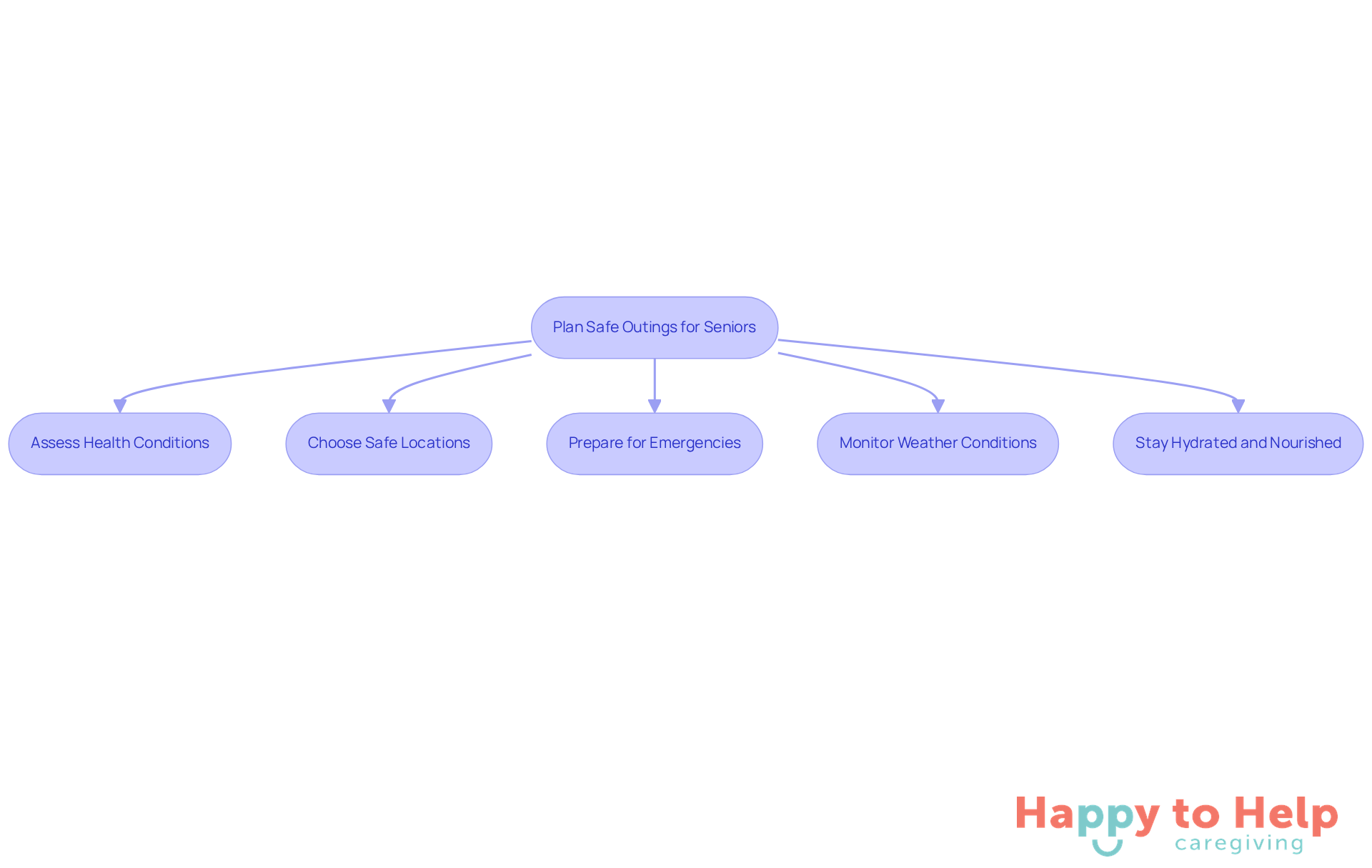
Assess Health Conditions: Understanding any medical issues or mobility restrictions is vital. Consult with healthcare providers if necessary to tailor outings for seniors to meet individual needs.
-
Choose safe locations for outings for seniors by selecting venues that are accessible and free from hazards like uneven surfaces or crowded areas. When planning outings for seniors, look for places with good lighting and ample seating options to ensure comfort.
-
Prepare for emergencies during outings for seniors by always carrying a first aid kit and ensuring caregivers have emergency contact information readily available. Familiarize yourself with the nearest medical facilities to ensure safety during outings for seniors and act quickly if needed.
-
Monitoring weather conditions is essential for planning safe outings for seniors. Avoid outings for seniors during severe weather conditions, such as excessive heat or rain, as these could pose risks.
-
Stay Hydrated and Nourished: Ensure elderly individuals have access to sufficient water and snacks during outings for seniors, especially during extended trips. This helps prevent dehydration and fatigue, allowing for a more enjoyable outing.
Select Engaging Activities for Seniors
Engaging older adults in meaningful activities, including outings for seniors, is crucial for their well-being, yet many caregivers struggle to find the right approaches. Without appropriate engagements, seniors may experience isolation and a decline in their quality of life.
To address this issue, caregivers can implement several effective strategies:
-
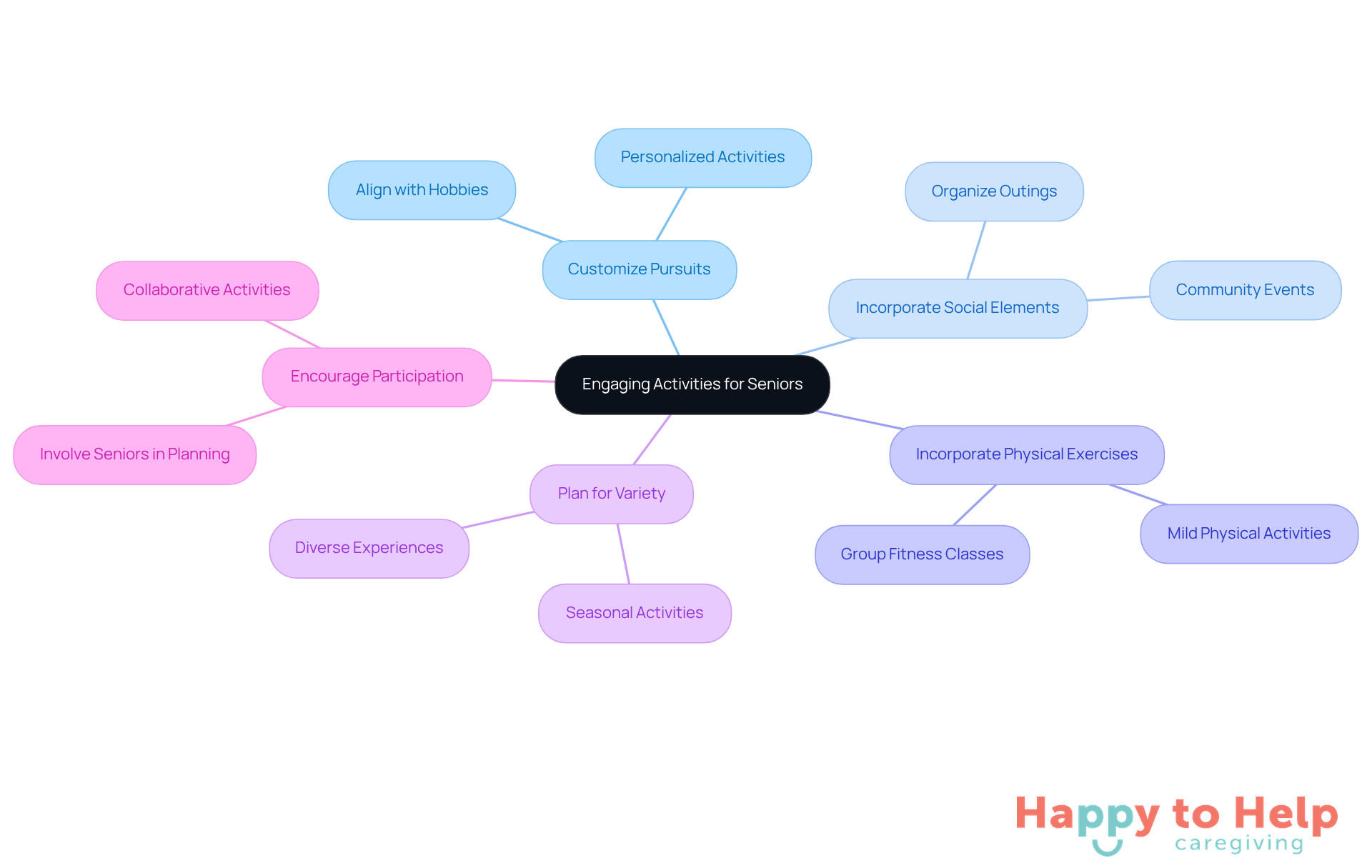
Customize Pursuits to Preferences: Involve seniors by selecting pastimes that align with their hobbies or passions, such as gardening, art classes, or music events. This personalization fosters enthusiasm and participation. As noted by S.-W.K., "To enhance the quality of life for older adults, it is crucial to comprehend their social interactions accurately."
-
Incorporate social elements by organizing outings for seniors that promote social interaction, such as picnics, community events, or visits to local attractions. These gatherings can significantly boost life satisfaction and emotional well-being. Research shows that volunteering efforts significantly enhance life satisfaction for individuals aged 65-74, emphasizing the significance of social involvement.
-
Incorporate Physical Exercises: Mild physical exercises, like strolling in a park or engaging in low-impact fitness classes, can improve mood and overall well-being, making excursions both pleasant and advantageous. Participating in outings for seniors has been demonstrated to enhance the mood and well-being of older adults.
-
Plan for Variety: Keep experiences fresh and exciting by changing up the events. Consider seasonal activities, such as fall festivals or summer concerts, to maintain interest and engagement.
-
Encourage Participation: Engage older individuals in the organization process to ensure they feel included and enthusiastic about the activities. This collaborative approach can lead to more meaningful experiences and stronger connections.
By concentrating on these strategies, caregivers can create enriching outings for seniors that not only entertain but also encourage social interaction and well-being among the elderly.
Plan Logistics and Accessibility Considerations
Effective logistical planning is crucial for ensuring enjoyable and secure outings for seniors. Caregivers often face challenges in this area, which can impact the quality of outings for seniors. Here are essential considerations to keep in mind:
-
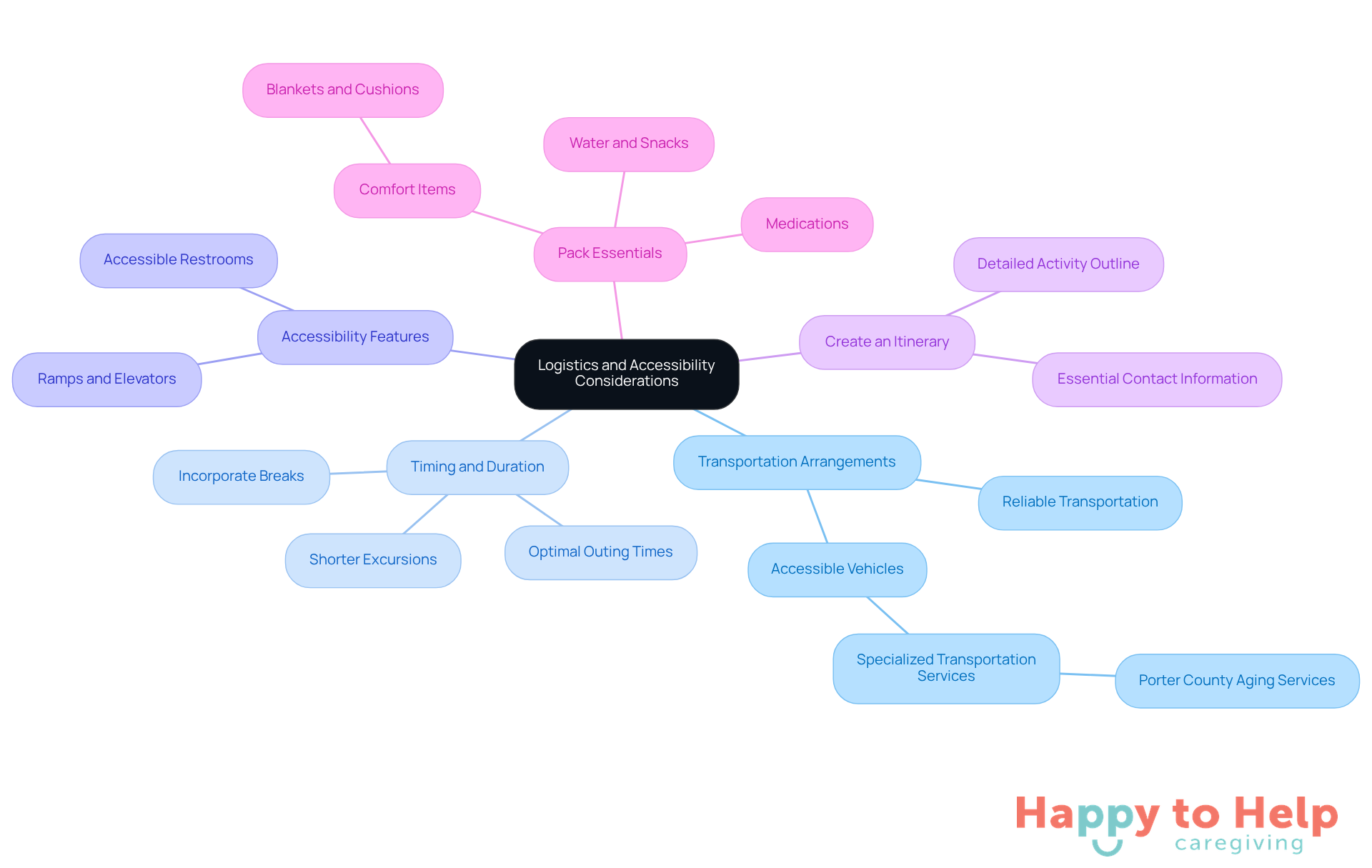
Transportation Arrangements: Reliable transportation is a must. It should accommodate mobility aids like wheelchairs or walkers. Consider using accessible vehicles or specialized transportation services, such as those provided by Porter County Aging and Community Services, which have offered low-cost demand response transportation for over 50 years. This ensures older adults can travel comfortably and safely.
-
Timing and Duration: Plan outings during times when older adults are most alert and energetic. Opt for shorter excursions to minimize fatigue, incorporating breaks to rest and recharge as needed.
-
Accessibility Features: Confirm that the destination includes necessary accessibility features, such as ramps, elevators, and accessible restrooms. These elements facilitate ease of movement and comfort. As noted by accessibility advocates, ensuring these features are in place is vital for the independence of seniors with mobility limitations.
-
Create an Itinerary: Develop a detailed itinerary outlining the day's activities, including start and end times, locations, and essential contact information. This assists in keeping everyone informed and organized during the event.
-
Pack Essentials: Bring along vital items such as medications, water, snacks, and comfort items like blankets or cushions. These essentials can greatly improve the experience, ensuring older adults feel secure and cared for.
Data indicate that more than 3 million older adults living in cities depended on public transit in 2015, emphasizing the significance of efficient logistical organization for trips. By considering these factors, caregivers can create meaningful and enjoyable experiences for older adults.
Communicate Effectively with Caregivers and Seniors
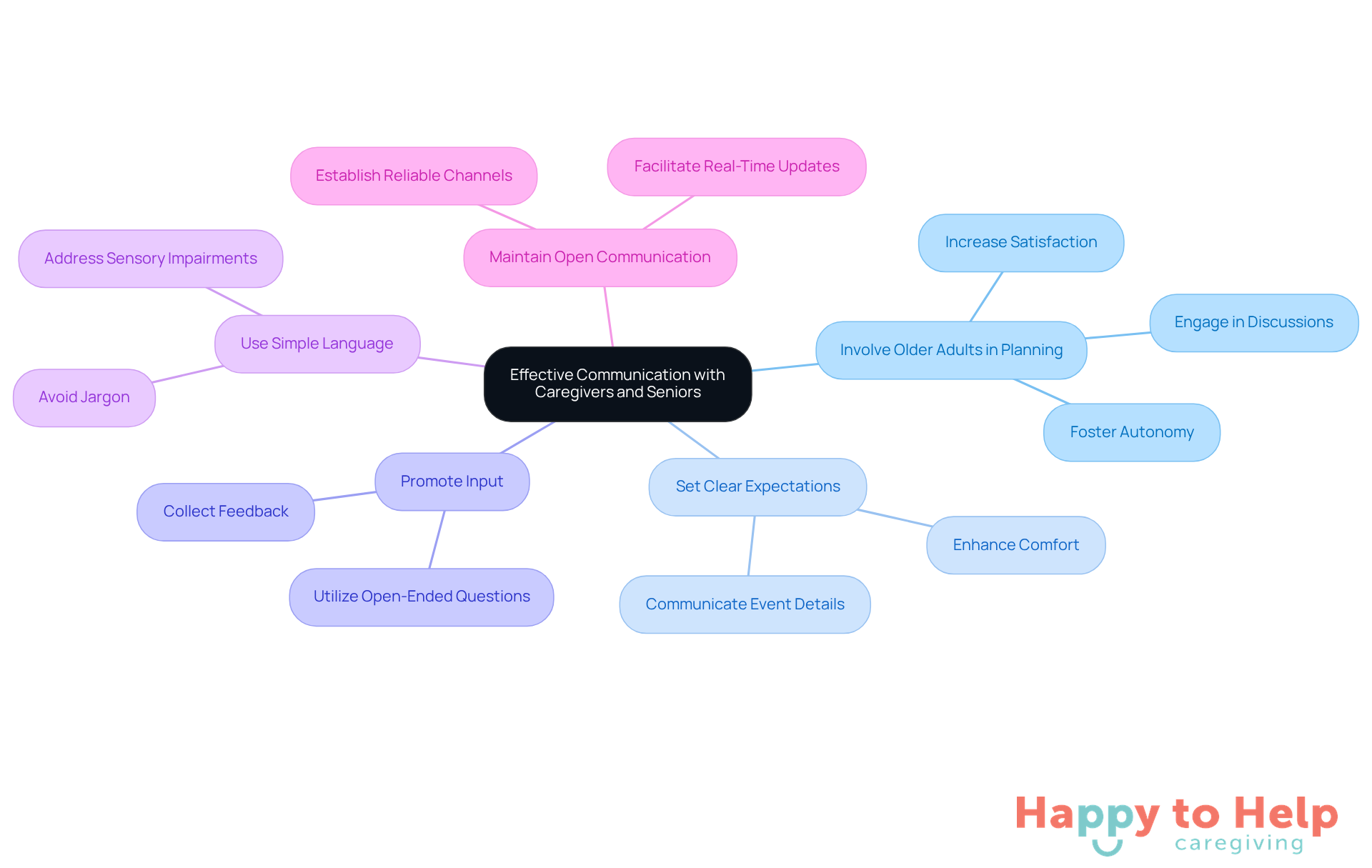
Effective communication is crucial for organizing successful outings for seniors. However, many caregivers face challenges in ensuring that older adults feel included and informed. This lack of effective communication can lead to feelings of disconnection and dissatisfaction among seniors.
To address this issue, here are key strategies to enhance the experience:
-
Involve Older Adults in Planning: Engage older adults in discussions about potential outings, actively seeking their preferences and interests. This involvement fosters a sense of autonomy and ensures that pursuits align with their desires. Research indicates that when older adults participate in activity planning, they experience increased satisfaction and engagement, leading to improved mental and emotional health.
-
Set Clear Expectations: Clearly communicate the details of the event, including the itinerary, expected duration, and any preparations needed. This transparency helps older individuals feel more comfortable and prepared. As noted by the Gerontological Society of America, "Effective communication improves understanding, adherence to treatment, and overall patient satisfaction."
-
Promote Input: Following each event, collect opinions from older adults and caregivers to assess which elements were enjoyable and what could be enhanced. Utilize open-ended questions to facilitate more detailed responses. This practice not only improves future experiences but also strengthens the importance of their perspectives.
-
Use Simple Language: When discussing plans, utilize clear and straightforward language. Avoid jargon or intricate terms that may lead to misunderstandings, ensuring that older adults fully comprehend the information being shared. Be mindful of challenges such as low health literacy and sensory impairments that may affect their understanding.
-
Maintain Open Communication: Establish reliable communication channels among caregivers and family members during excursions. Utilizing mobile phones or messaging apps can facilitate real-time updates and support, enhancing the overall experience.
Including older adults in the planning process not only honors their preferences but also greatly enhances their overall well-being through enjoyable outings for seniors. Communication specialists emphasize that fostering open dialogue about outing plans can empower seniors, making them feel valued and respected in their care journey.
Moving Forward with Essential Tips for Planning Safe and
Planning safe and engaging outings for seniors presents a significant challenge for caregivers. Without proper planning, seniors may face unnecessary risks that can impact their well-being and social interaction. This issue is critical, as neglecting safety can lead to accidents and diminish the quality of life for seniors.
To address these concerns, caregivers must prioritize safety by assessing health conditions, selecting accessible locations, and preparing for emergencies. Maintaining hydration and nourishment throughout the outing is also essential. By implementing these strategies, caregivers can ensure that seniors enjoy their outings without unnecessary risks.
Key strategies for creating enjoyable outings include:
- Customizing activities to align with seniors' interests.
- Incorporating social elements to foster connections.
- Ensuring physical engagement to promote health.
Effective logistical planning is crucial. Arranging reliable transportation and considering accessibility features can significantly enhance the outing experience. Communication plays a vital role in this process; involving seniors in planning and clearly conveying expectations fosters a sense of autonomy and satisfaction.
Ultimately, thoughtful planning for outings is essential. Caregivers are encouraged to be proactive, ensuring that outings are not only safe but also enriching and enjoyable. By implementing these best practices, caregivers can significantly enhance the quality of life for seniors, fostering connections and creating lasting memories.
https://iframe.tely.ai/cta/eyJhcnRpY2xlX2lkIjogIjY5MjNhMGQyMjcyNDliYTNkMmMzZTYyMyIsICJjb21wYW55X2lkIjogIjY4ZWU1ZGNhNzMxNzYyNTU3ZjNjOTVjMSIsICJpbmRleCI6IG51bGwsICJ0eXBlIjogImFydGljbGUifQ==Frequently Asked Questions
Why is safety important when planning outings for seniors?
Safety is crucial when planning outings for seniors to minimize risks and prevent accidents or health issues.
What should caregivers assess before planning an outing for seniors?
Caregivers should assess health conditions, including any medical issues or mobility restrictions, and consult with healthcare providers if necessary.
How can caregivers choose safe locations for outings?
Caregivers should select venues that are accessible, free from hazards like uneven surfaces or crowded areas, and have good lighting and ample seating options.
What should caregivers prepare for emergencies during outings?
Caregivers should carry a first aid kit, have emergency contact information readily available, and familiarize themselves with the nearest medical facilities.
Why is it important to monitor weather conditions before an outing?
Monitoring weather conditions is essential to avoid outings during severe weather, such as excessive heat or rain, which could pose risks to seniors.
How can caregivers ensure seniors stay hydrated and nourished during outings?
Caregivers should ensure that elderly individuals have access to sufficient water and snacks, especially during extended trips, to prevent dehydration and fatigue.
List of Sources
- Prioritize Safety in Outing Planning
- Top 20 Safety Quotes To Improve Your Safety Culture (https://blog.safetyculture.com/industry-trends/top-20-safety-quotes-improve-safety-culture)
- Top 20 Safety Quotes to Educate and Inspire Your Team (https://fluix.io/blog/safety-quotes)
- 52+ Senior Health Statistics, Facts & Trends (https://humancareny.com/blog/52-senior-health-statistics-facts-trends)
- Facts About Falls (https://cdc.gov/falls/data-research/facts-stats)
- 22 Workplace Safety Quotes From Leaders and Experts - AlertMedia (https://alertmedia.com/blog/workplace-safety-quotes)
- Select Engaging Activities for Seniors
- Social Interaction and Life Satisfaction among Older Adults by Age Group - PMC (https://pmc.ncbi.nlm.nih.gov/articles/PMC10671417)
- (https://belleviecare.co.uk/support-advice/60-elderly-care-quotes-to-lift-your-spirits)
- 8 Engaging Activity Ideas to Keep Seniors Active and Happy (https://visitingangels.com/everett/articles/engaging-activities-for-seniors/23463)
- 20 Inspirational Senior Care Quotes (https://1plus1cares.com/20-inspirational-senior-care-quotes)
- Plan Logistics and Accessibility Considerations
- Senior Transportation Services | Right at Home | Valparaiso, IN (https://rightathome.net/valparaiso/services/companion-care/transportation)
- Transportation Program — Porter County Aging & Community Services (https://portercountyacs.org/transportation-program)
- Home - NADTC (https://nadtc.org)
- Travel and Leisure for Seniors: Designing Accessible Experiences (https://eldercarereview.com/news/travel-and-leisure-for-seniors-designing-accessible-experiences-nwid-861.html)
- Epidemiology of Public Transportation Use Among Older Adults in the United States - PMC (https://pmc.ncbi.nlm.nih.gov/articles/PMC9771957)
- Communicate Effectively with Caregivers and Seniors
- Communication tips for caregivers of elders (https://uhc.com/news-articles/healthy-living/communication-tips-for-caregivers-of-elderly-parents)
- Effective Communication Strategies for Older Adults: Evidence-Based Approaches that Improve Care (https://medtigo.com/news/effective-communication-strategies-for-older-adults-evidence-based-approaches-that-improve-care)
- Effective Caregiver Communication: Tips, Barriers, and Benefits (https://scphealth.com/blog/effective-caregiver-communication-tips-barriers-and-benefits)
- Clearer Conversations, Better Care: New Guide Highlights Best Practices for Communicating with Older Adults (https://geron.org/News-Events/GSA-News/Press-Room/Press-Releases/clearer-conversations-better-care-new-guide-highlights-best-practices-for-communicating-with-older-adults)
- Effective Communication Strategies in Senior Care: Empowering Residents, Families, and Caregivers - MedCity News (https://medcitynews.com/2023/12/effective-communication-strategies-in-senior-care-empowering-residents-families-and-caregivers)