

For families in our service areas
For families in our service areas, this guide explains caregiver support and how non-medical in-home caregiving can support care planning in East Idaho, Treasure Valley & Magic Valley, Northern Wasatch, North Central West Virginia, and Northeast Ohio.
What You Need to Know About Essential Vitamin D3 Dosage
As individuals age, the body's ability to synthesize vitamin D from sunlight diminishes. This makes adequate intake of this essential nutrient increasingly crucial for seniors.
The problem is clear: without sufficient vitamin D, older adults face heightened risks of bone fractures and falls. Additionally, low levels of vitamin D can compromise overall immune health. Caregivers must recognize these implications to effectively support their clients' well-being.
So, how can caregivers ensure their clients receive the right amount of vitamin D3? Here are some actionable solutions:
- Monitor Vitamin D Levels: Regular blood tests can help identify deficiencies.
- Educate on Dietary Sources: Encourage the consumption of vitamin D-rich foods like fatty fish, fortified dairy products, and egg yolks.
- Consider Supplements: If dietary intake is insufficient, discuss appropriate vitamin D3 supplements with healthcare providers.
By understanding the appropriate vitamin D3 dosage, caregivers can play a vital role in promoting optimal health for seniors.
Explore the Importance of Vitamin D3 for Seniors
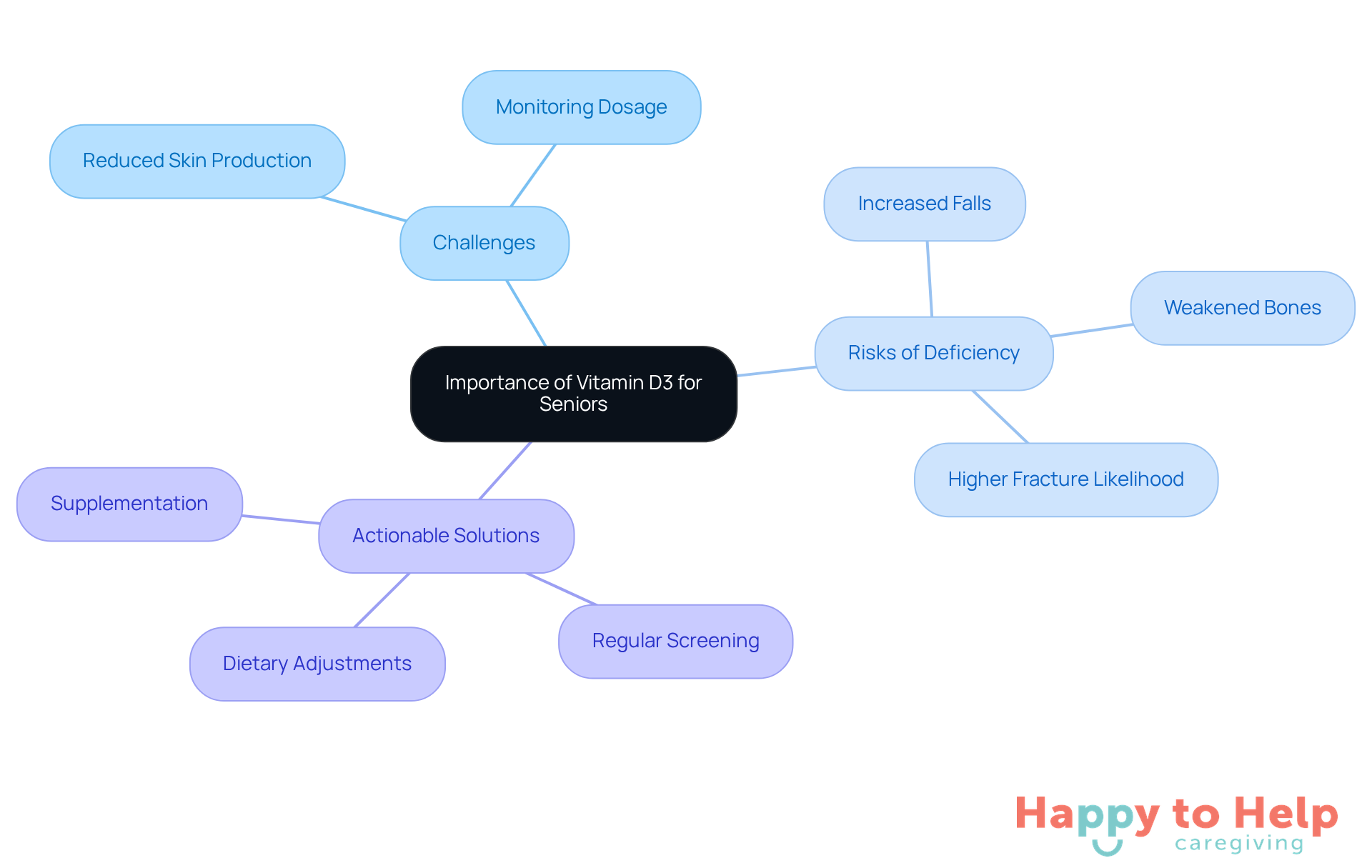
The vitamin D3 dosage for seniors, also known as cholecalciferol, poses a significant challenge. As they age, their skin's ability to produce vitamin D from sunlight diminishes, highlighting the importance of monitoring vitamin D3 dosage for seniors to reduce the risk of deficiency. This deficiency can weaken bones, increase the risk of falls, and heighten the likelihood of fractures. Furthermore, the recommended vitamin D3 dosage for seniors plays a vital role in supporting immune function, which is particularly important for those with potentially weakened immune systems.
Caregivers must recognize these challenges to effectively monitor and manage their clients' D3 levels. Here are some actionable solutions:
- Regular Screening: Encourage routine blood tests to check vitamin D levels.
- Dietary Adjustments: Incorporate foods rich in vitamin D, such as fatty fish, fortified dairy products, and egg yolks.
- Supplementation: Discuss the option of vitamin D3 supplements with healthcare providers, especially during months with limited sunlight.
By being proactive about vitamin D3, caregivers can help ensure their clients maintain better bone health and immune function.
Review Recommended Dosages of Vitamin D3 for Older Adults
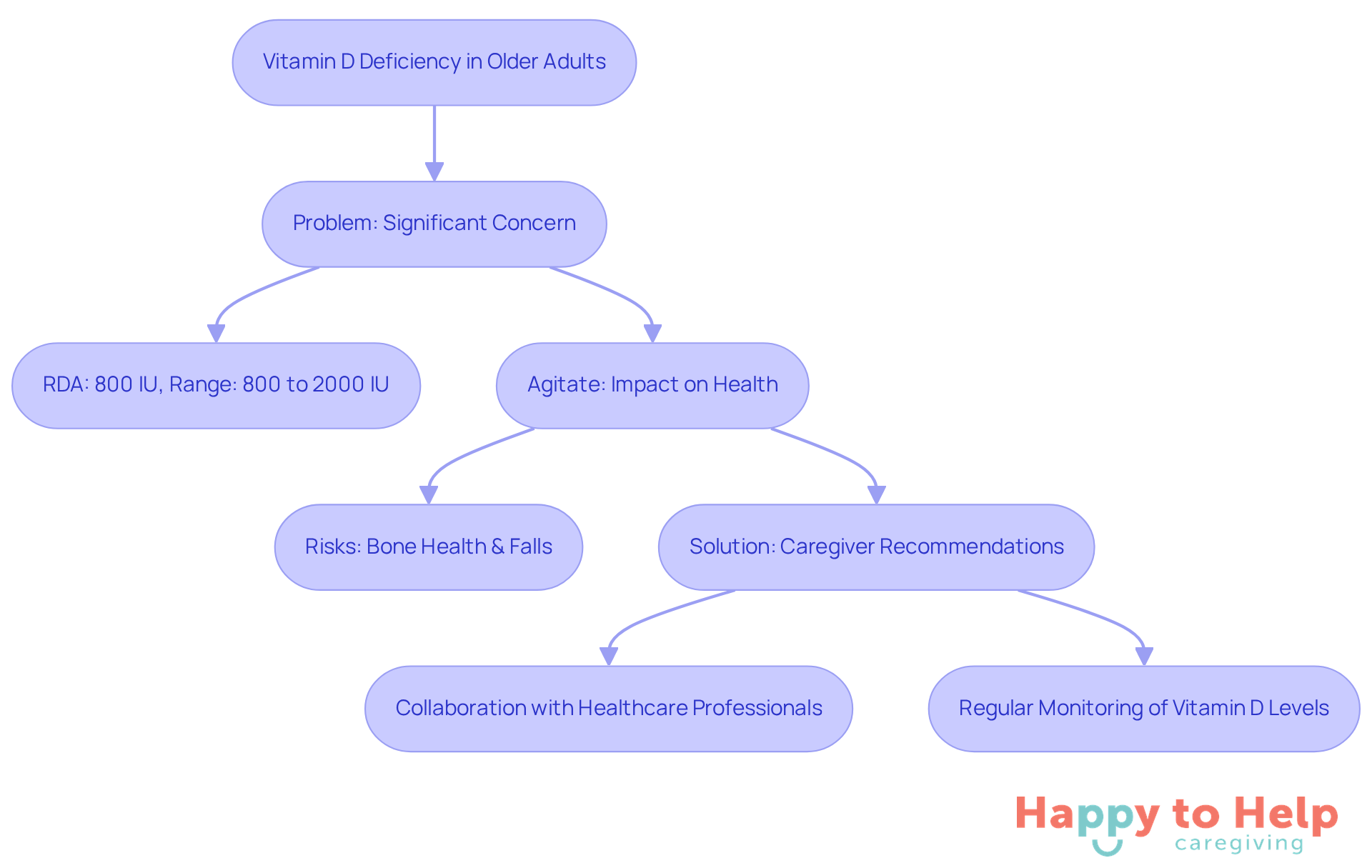
Problem: Vitamin D deficiency is a significant concern for older adults, particularly those aged 70 and older. The recommended daily allowance (RDA) for vitamin D3 dosage for seniors is generally 800 IU (20 mcg), but many medical organizations, including the National Institutes of Health and the Endocrine Society, suggest that seniors may benefit from higher vitamin D3 dosages, ranging from 800 to 2,000 IU daily, especially if they have low blood levels of this essential nutrient.
Agitate: This deficiency can severely impact bone health and increase the risk of falls among seniors. Many older adults struggle to obtain sufficient vitamin D due to limited sun exposure and dietary intake, particularly during the winter months. A case study highlighted this issue, emphasizing the challenges seniors face in maintaining adequate vitamin D levels.
Solution: Caregivers should work closely with healthcare professionals to determine the appropriate vitamin D3 dosage for seniors, taking into account their medical conditions, dietary habits, and lifestyle factors. Regular monitoring of vitamin D levels is crucial, as it allows for timely adjustments to supplementation, ensuring optimal health outcomes and reducing the risk of falls and fractures associated with deficiency. Additionally, it's important to be cautious about excessive vitamin D intake, which can lead to harmful effects such as hypercalcemia, underscoring the need for careful management of supplementation.
Understand the Health Benefits of Adequate Vitamin D3 Levels
Many seniors face health challenges due to insufficient vitamin D3 dosage for seniors.
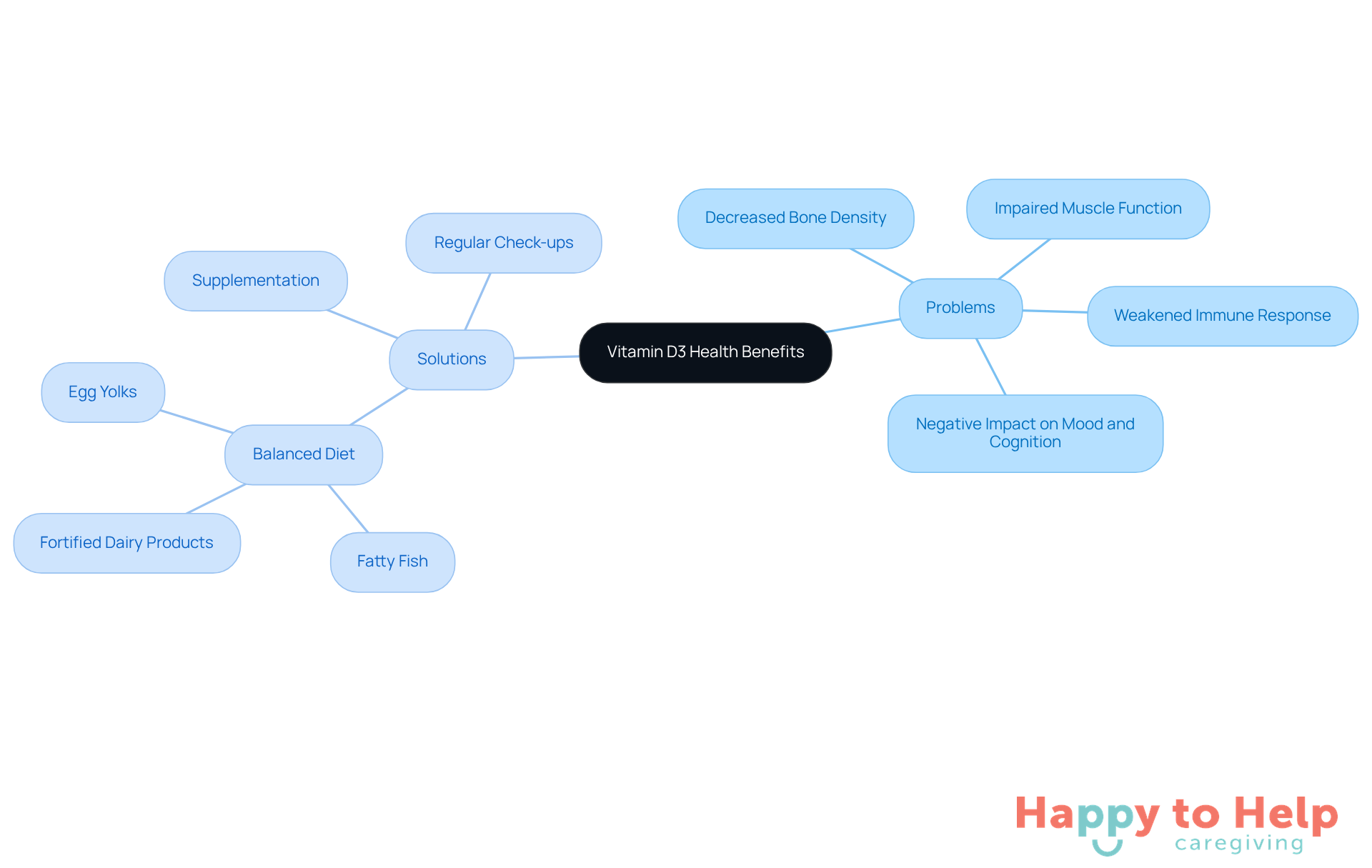
Agitate: This deficiency can lead to serious issues, including decreased bone density, which raises the risk of fractures and osteoporosis. Additionally, low D3 levels can impair muscle function, increasing the likelihood of falls by affecting strength and balance. Furthermore, inadequate D3 is linked to a weakened immune response, potentially heightening the risk of infections and chronic illnesses. Some studies even suggest that low D3 levels may negatively impact mood and cognitive function, which is particularly concerning for seniors dealing with depression or cognitive decline.
Caregivers can take proactive steps to address these issues by promoting a balanced diet that includes the appropriate vitamin D3 dosage for seniors. Foods such as fatty fish, fortified dairy products, and egg yolks are excellent sources. In cases where dietary intake may not suffice, considering supplementation can be beneficial. Regular check-ups with healthcare providers can also help monitor D3 levels and ensure seniors receive the necessary support for their health.
Assess Safety and Side Effects of Vitamin D3 Supplementation
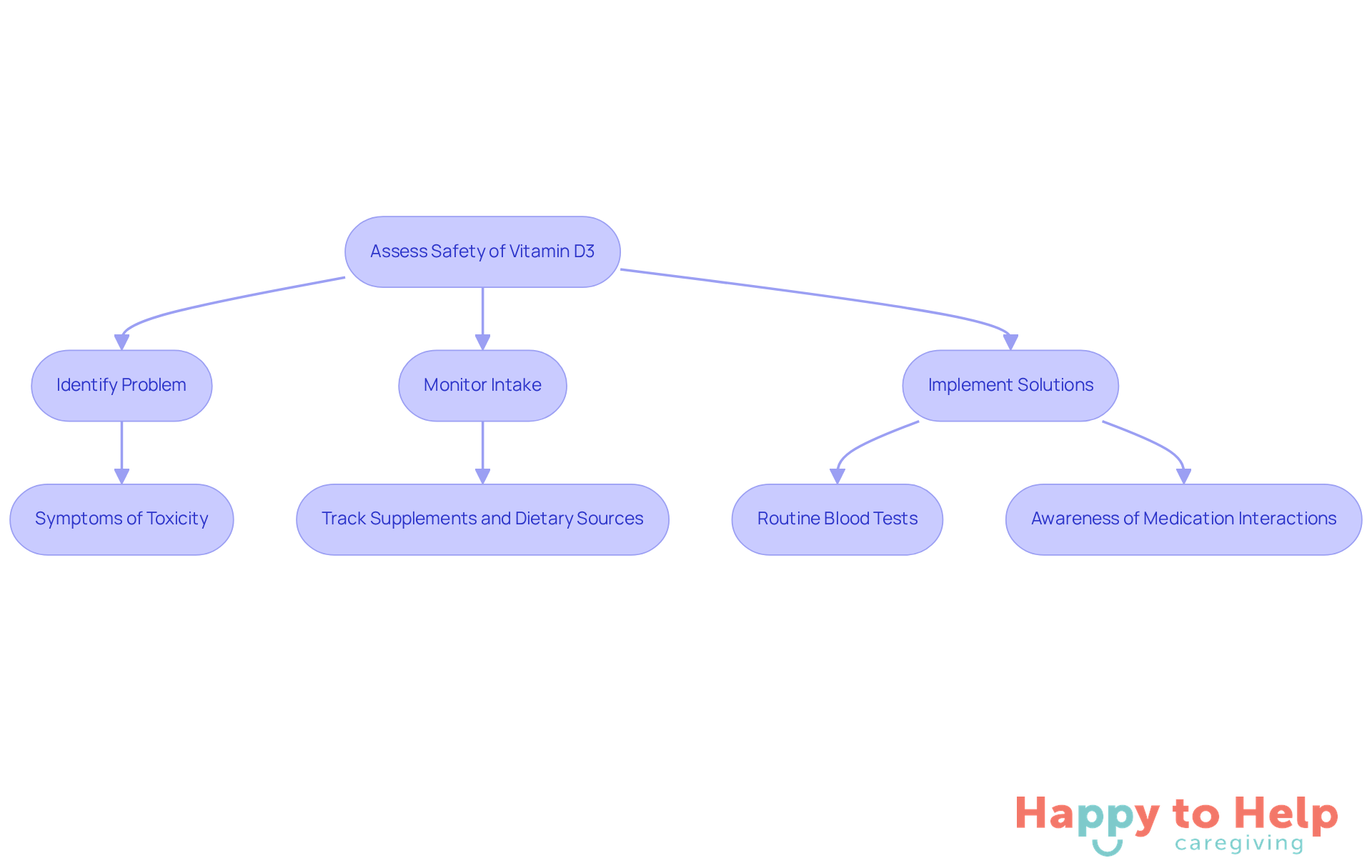
Problem: While the vitamin D3 dosage for seniors is generally safe, excessive intake can lead to toxicity, especially in older patients. Symptoms of D3 toxicity include nausea, vomiting, weakness, confusion, and even kidney issues. For instance, one case study documented an elderly man who frequently visited the hospital due to elevated calcium levels after taking 50,000 IU of D daily for six months.
Agitate: Caregivers must be vigilant about the total intake of D3 from both supplements and dietary sources. The upper limit for vitamin D3 dosage for seniors is typically set at 4,000 IU per day, but individual requirements can vary based on medical conditions and dietary habits. Without proper monitoring, the risk of adverse effects increases significantly.
Solution: Routine blood tests are crucial for evaluating D levels and guiding appropriate supplementation. Caregivers should also be aware of any medications their clients are taking that may interact with D3. By staying informed and proactive, caregivers can help prevent the negative consequences associated with excessive Vitamin D3 intake.
Moving Forward with Essential Vitamin D3 Dosage
Ensuring that seniors receive the appropriate dosage of vitamin D3 presents a significant challenge for caregivers. As the skin's ability to synthesize vitamin D diminishes with age, many seniors risk deficiencies that can lead to serious health issues, including weakened bones, increased fall risk, and compromised immune function.
To address this problem, caregivers must actively monitor and manage vitamin D3 levels. Regular blood screenings are essential to assess individual needs, while dietary adjustments can help boost intake. In some cases, supplementation may be necessary, with recommended daily allowances ranging from 800 to 2,000 IU based on specific health requirements. However, caregivers should also be aware of the risks associated with excessive intake, emphasizing the importance of careful management to avoid toxicity.
Ultimately, the significance of maintaining adequate vitamin D3 levels cannot be overstated. By taking proactive measures to monitor and support vitamin D3 intake, caregivers can significantly enhance the quality of life for seniors. This commitment not only helps maintain better bone health and immune function but also fosters a safer, healthier environment for the aging population.
https://iframe.tely.ai/cta/eyJhcnRpY2xlX2lkIjogIjY5MjdhNWU0ZmY0OGQzOGQyYmQzMTBiZSIsICJjb21wYW55X2lkIjogIjY4ZWU1ZGNhNzMxNzYyNTU3ZjNjOTVjMSIsICJpbmRleCI6IG51bGwsICJ0eXBlIjogImFydGljbGUifQ==Frequently Asked Questions
Why is vitamin D3 important for seniors?
Vitamin D3 is crucial for seniors as it helps reduce the risk of deficiency, which can lead to weakened bones, increased risk of falls, and a higher likelihood of fractures. It also supports immune function, which is particularly important for those with potentially weakened immune systems.
What challenges do seniors face regarding vitamin D3?
As seniors age, their skin's ability to produce vitamin D from sunlight diminishes, making it essential to monitor their vitamin D3 levels to prevent deficiency.
What can caregivers do to manage vitamin D3 levels in seniors?
Caregivers can encourage regular screening through routine blood tests to check vitamin D levels, suggest dietary adjustments to include foods rich in vitamin D, and discuss the option of vitamin D3 supplements with healthcare providers, especially during months with limited sunlight.
What foods are rich in vitamin D?
Foods rich in vitamin D include fatty fish, fortified dairy products, and egg yolks.
How does vitamin D3 support immune function in seniors?
Vitamin D3 plays a vital role in supporting immune function, which is particularly important for seniors who may have weakened immune systems.
List of Sources
- Explore the Importance of Vitamin D3 for Seniors
- Vitamin D supplements may slow biological aging — Harvard Gazette (https://news.harvard.edu/gazette/story/2025/05/vitamin-d-supplements-may-slow-biological-aging)
- Vitamin D supplements may lower blood pressure in older people with obesity (https://endocrine.org/news-and-advocacy/news-room/2024/vitamin-d-supplements-may-lower-blood-pressure-in-older-people-with-obesity)
- Older adults at risk of vitamin D deficiency (https://uclahealth.org/news/article/older-adults-risk-vitamin-d-deficiency)
- Popular vitamin won’t prevent a fall or fracture in older adults, health panel says. But here’s what can help | CNN (https://cnn.com/2024/12/17/health/vitamin-d-calcium-falls-uspstf-wellness)
- Review Recommended Dosages of Vitamin D3 for Older Adults
- New guidelines released for vitamin D testing and supplementation - Harvard Health (https://health.harvard.edu/staying-healthy/new-guidelines-released-for-vitamin-d-testing-and-supplementation)
- What to Know About Vitamin D Dosage for Older Adults (https://webmd.com/healthy-aging/what-to-know-about-vitamin-d-dosage-for-older-adults)
- Comparing Vitamin D Dosage Guidelines for Seniors' Health - Happy To Help (https://happytohelpcaregiving.com/comparing-vitamin-d-dosage-guidelines-for-seniors-health)
- Vitamin D (https://mayoclinic.org/drugs-supplements-vitamin-d/art-20363792)
- Heart attack risk halved in adults with heart disease taking tailored vitamin D doses (https://newsroom.heart.org/news/heart-attack-risk-halved-in-adults-with-heart-disease-taking-tailored-vitamin-d-doses)
- Understand the Health Benefits of Adequate Vitamin D3 Levels
- Taking vitamin D is unlikely to prevent falls or fractures. Here's what it does (https://npr.org/sections/shots-health-news/2024/12/17/nx-s1-5230334/vitamin-d-fractures-falls-bone-health)
- Vitamin D supplements may lower blood pressure in older people with obesity (https://endocrine.org/news-and-advocacy/news-room/2024/vitamin-d-supplements-may-lower-blood-pressure-in-older-people-with-obesity)
- Popular vitamin won’t prevent a fall or fracture in older adults, health panel says. But here’s what can help | CNN (https://cnn.com/2024/12/17/health/vitamin-d-calcium-falls-uspstf-wellness)
- Vitamin D Supplements Show Signs of Protection Against Biological Aging | Mass General Brigham (https://massgeneralbrigham.org/en/about/newsroom/press-releases/vitamin-d-supplements-show-signs-of-protection-against-biological-aging)
- Assess Safety and Side Effects of Vitamin D3 Supplementation
- Roundup: Caution Urged on Use of Vitamin D, Calcium Supplements for Older Adults; and More News (https://baptisthealth.net/baptist-health-news/caution-urged-on-use-of-vitamin-d-and-calcium-supplements-for-older-adults)
- Vitamin D toxicity (https://my.clevelandclinic.org/health/diseases/24750-vitamin-d-toxicity-hypervitaminosis-d)
- 6 Potential Side Effects of Taking Too Much Vitamin D (https://vinmec.com/eng/blog/6-side-effects-if-you-take-too-much-vitamin-d-en)
- Vitamin D toxicity: What if you get too much? (https://mayoclinic.org/healthy-lifestyle/nutrition-and-healthy-eating/expert-answers/vitamin-d-toxicity/faq-20058108)
- 6 Side Effects of Too Much Vitamin D (https://healthline.com/nutrition/vitamin-d-side-effects)