
Why Find Care Givers Near Me: Steps to Matters
Finding the right caregiver can be a daunting task for families, particularly when it concerns the well-being of a loved one. The emotional weight of this decision, combined with the practical considerations of various caregiving services, can create significant stress. Families often struggle to navigate these complexities, leading to uncertainty about how to secure the best support.
To address these challenges, it’s essential to understand the different types of caregiving services available and assess specific needs. What steps can families take to ensure they find the most suitable support? This guide provides a comprehensive approach to locating caregivers near you, offering actionable solutions that empower families to make informed decisions. By following these steps, families can enhance the quality of care for their cherished ones.
Understand Different Types of Caregiving Services
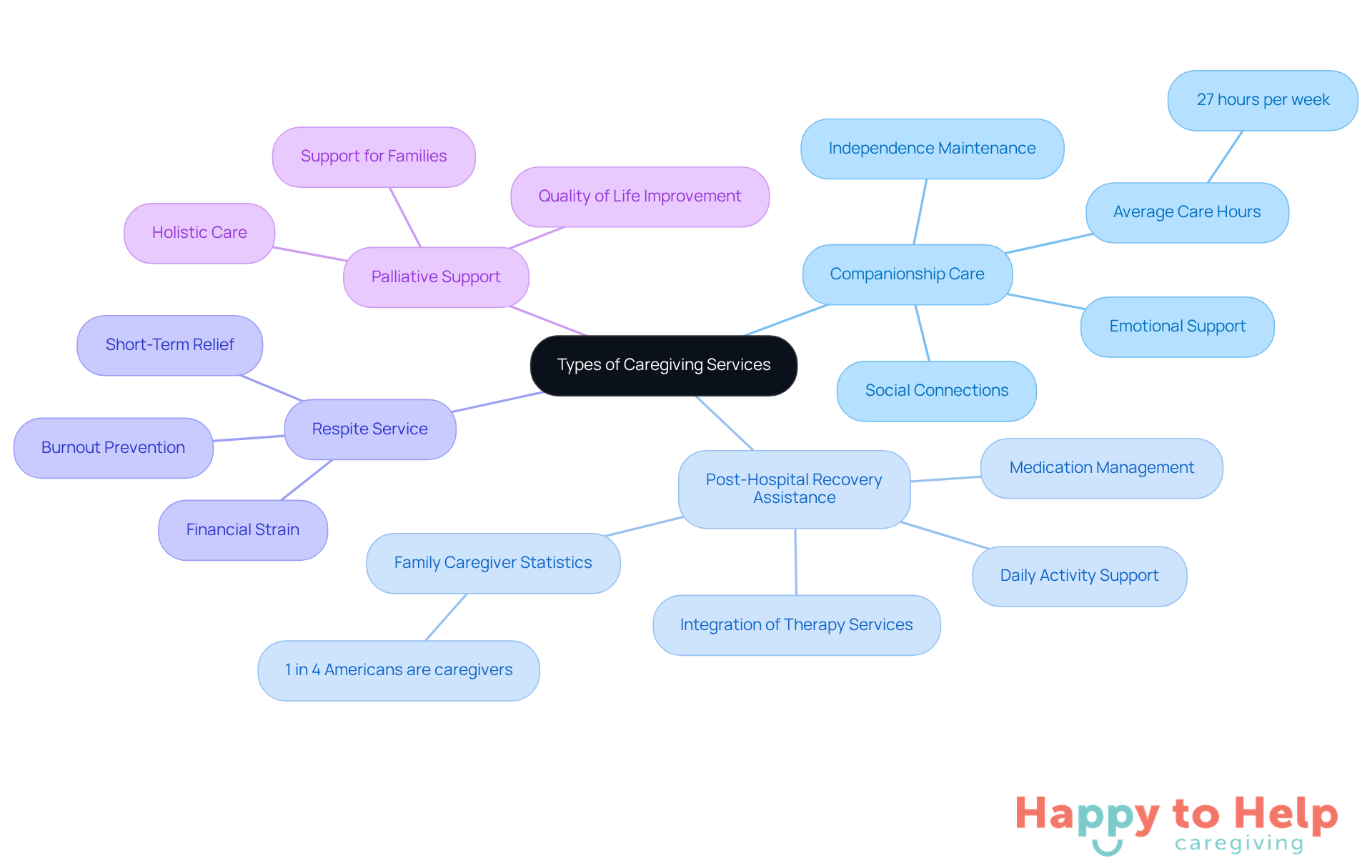
Before beginning your search for support providers, it’s essential to understand the different kinds of caregiving services offered. Here are the primary categories:
-
Companionship Care: Loneliness and isolation can significantly affect seniors' mental health. Companionship care addresses this issue by providing emotional support and fostering social connections. Recent trends show a growing emphasis on engaging seniors in activities they enjoy, which enhances their overall well-being. Caregivers trained in this area not only offer companionship but also help maintain a sense of independence. According to the National Alliance for Caregiving, those who assist others dedicate an average of 27 hours each week offering support, highlighting the importance of this service in meeting both emotional and physical needs.
-
Post-Hospital Recovery Assistance: Recovering from surgery or illness can be challenging, and caregivers play a pivotal role in this process. They assist with daily activities, medication management, and ensure a safe recovery environment. Many families are unaware that at-home therapy services, such as physical and occupational therapy, can be integrated into recovery plans, significantly improving patient outcomes. With nearly 1 in 4 Americans being family caregivers, effective recovery support is crucial.
-
Respite Service: Caregiving can lead to burnout, making respite services vital for primary providers. These services offer short-term relief, allowing caregivers to take essential breaks while ensuring their loved ones continue to receive quality support. The financial strain of caregiving can be substantial, with many caregivers reporting negative impacts on their employment and personal finances. Respite support helps alleviate this burden.
-
Palliative Support: Individuals with serious illnesses often face both physical and emotional challenges. Palliative support focuses on delivering comfort and assistance, addressing these needs holistically. This type of care is increasingly recognized for its role in improving the quality of life for patients and their families during difficult times.
Understanding these classifications will help you identify which type of service best suits your family member's unique circumstances, ensuring they receive the appropriate support tailored to their needs.
Assess Your Caregiving Needs
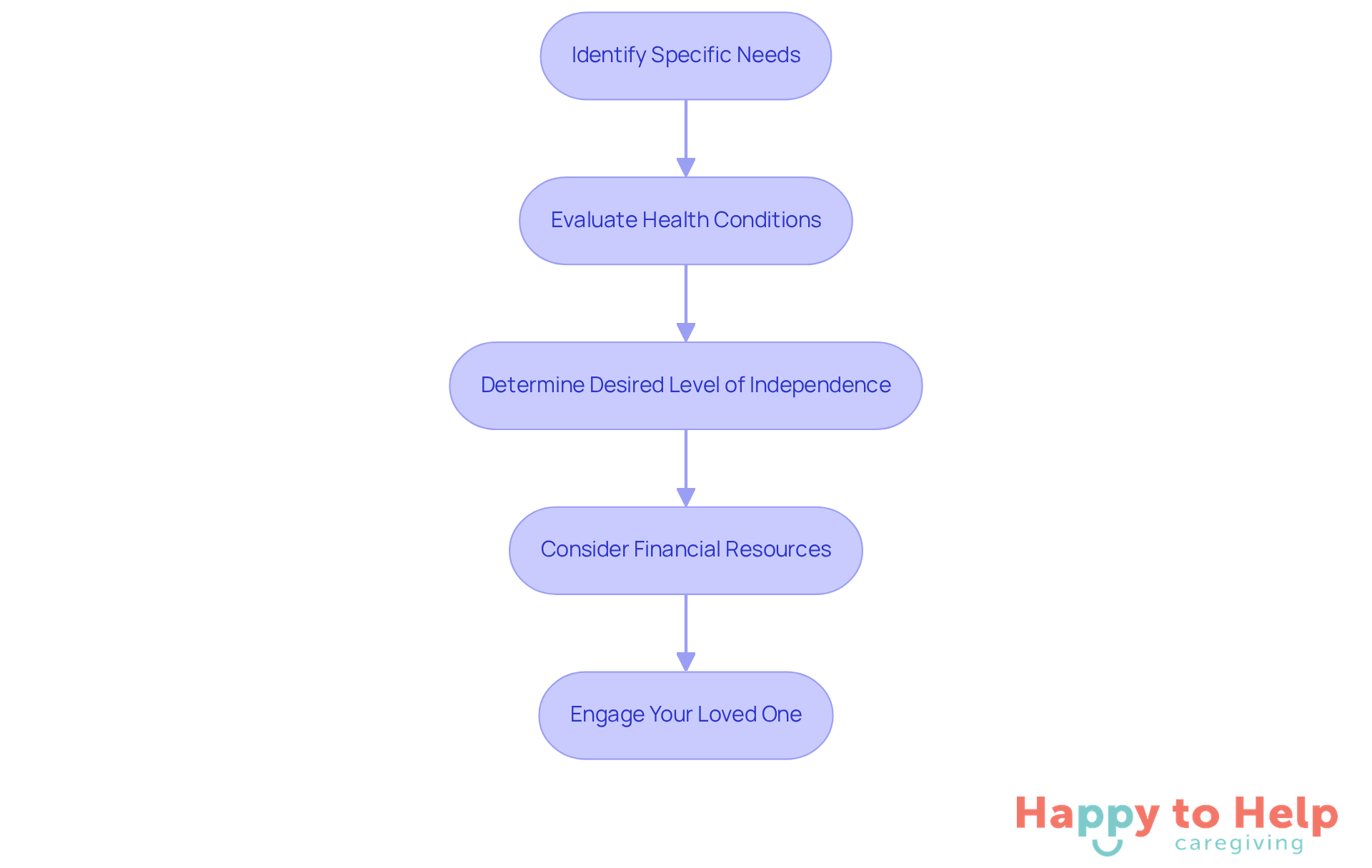
To effectively assess your caregiving needs, consider the following steps:
-
Identify Specific Needs: Start by observing the daily activities your family member struggles with, such as bathing, dressing, meal preparation, or medication management. Recognizing these challenges is crucial for determining the level of support required.
-
Evaluate Health Conditions: Take into account any existing medical conditions that may need specialized attention or monitoring. For example, conditions like diabetes, arthritis, or cognitive impairments often require tailored caregiving strategies to ensure safety and well-being.
-
Determine Desired Level of Independence: Engage in a conversation about how much autonomy your family member wishes to maintain. This discussion can significantly impact the type of support needed, as many seniors prefer to stay in their homes while receiving assistance that respects their independence. Research shows that 84% of respondents value their family member's independence, highlighting the importance of this step.
-
Consider Financial Resources: Assess your budget for caregiving services, as financial constraints can affect your options. While families often prioritize their loved one's well-being over expenses, recognizing your financial boundaries is crucial for sustainable support. Taylor Shuman notes that family supporters spend over $7,200 annually from their own funds, emphasizing the financial implications of providing care.
-
Engage Your Loved One: It’s essential to involve your loved one in discussions about their well-being. This ensures that their preferences and comfort are prioritized, fostering a sense of control and dignity in the caregiving process. Involving them can lead to a more effective and compassionate caregiving plan.
Additionally, consider utilizing resources like the Eldercare Locator, which can connect you with organizations that support older adults and caregivers near you. By thoroughly assessing these factors, you can create a clear picture of the type of care required, ultimately leading to a more effective and compassionate caregiving plan.
Research Potential Caregivers and Services
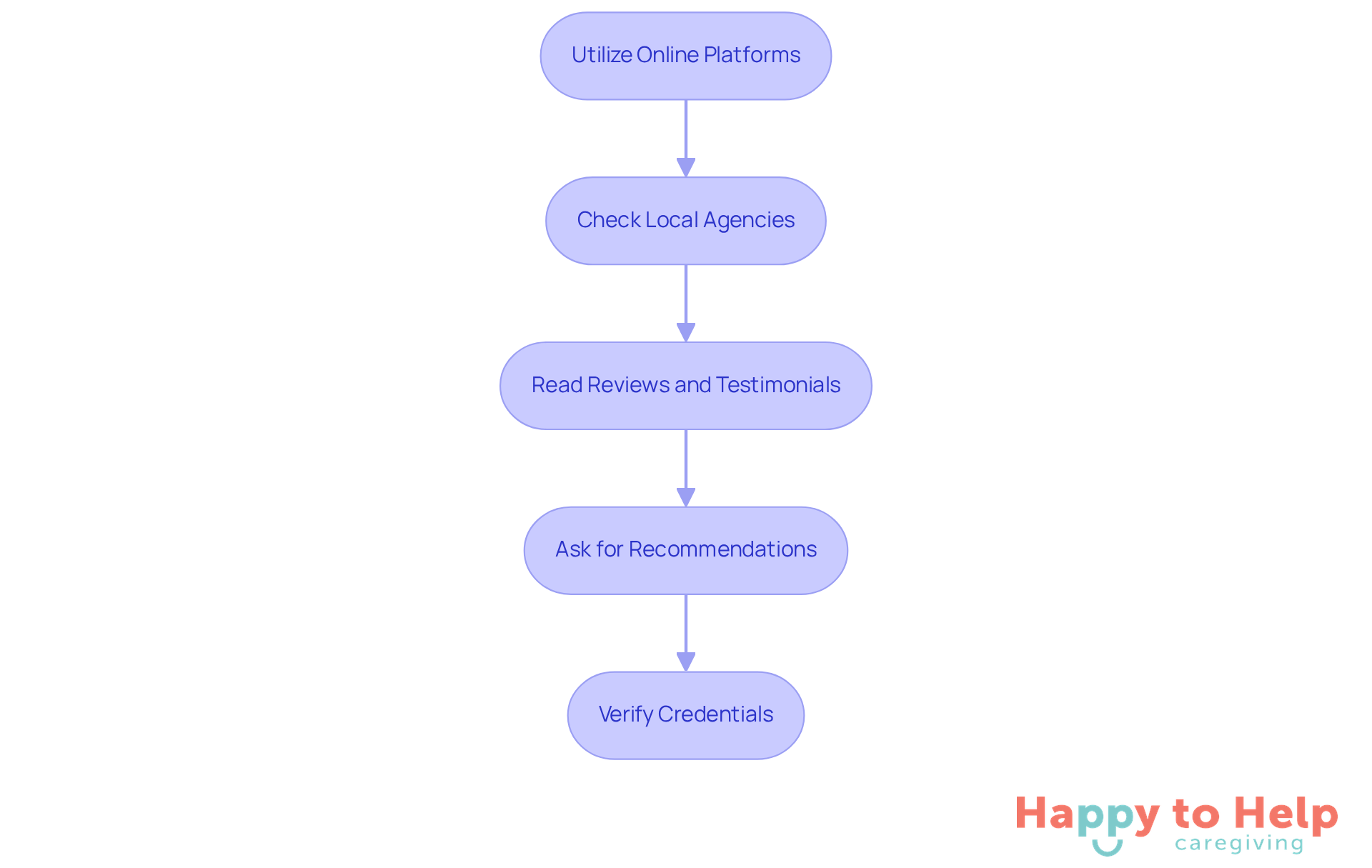
For many families, finding the right care givers near me can be a daunting task. With numerous options available, it’s crucial to evaluate your caregiving requirements before diving into the search for care givers near me. Here’s how to navigate this process effectively:
-
Utilize online platforms like Care.com and CareLinx to search for care givers near me based on location, experience, and rates. For example, in North Miami Beach, support providers start at $22.25 per hour, with wages ranging from $15.00 to $28.64 per hour. This competitive compensation rate is 21% higher than the national average, highlighting the importance of thorough research.
-
Check local agencies to connect with care givers near me, including organizations like Happy to Help Caregiving. They specialize in customized in-home assistance tailored to meet individual needs, ensuring a more personalized approach.
-
Read Reviews and Testimonials: Gathering feedback from other families can provide insight into the quality of assistance offered by potential providers. Positive testimonials often highlight the compassionate nature and reliability of support providers, which are essential for peace of mind.
-
Ask for recommendations: Don’t hesitate to consult friends, family, or healthcare professionals for suggestions on trustworthy care givers near me. Personal referrals can lead to discovering experienced and reliable caregivers.
-
Verify Credentials: It’s vital to ensure that any caregiver you consider has the necessary certifications and background checks. This step is crucial for maintaining safety and professionalism in caregiving.
By conducting thorough research and following these steps, you can compile a list of potential providers who meet your criteria, ensuring that you find the right support for your loved ones.
Interview and Evaluate Caregiver Candidates
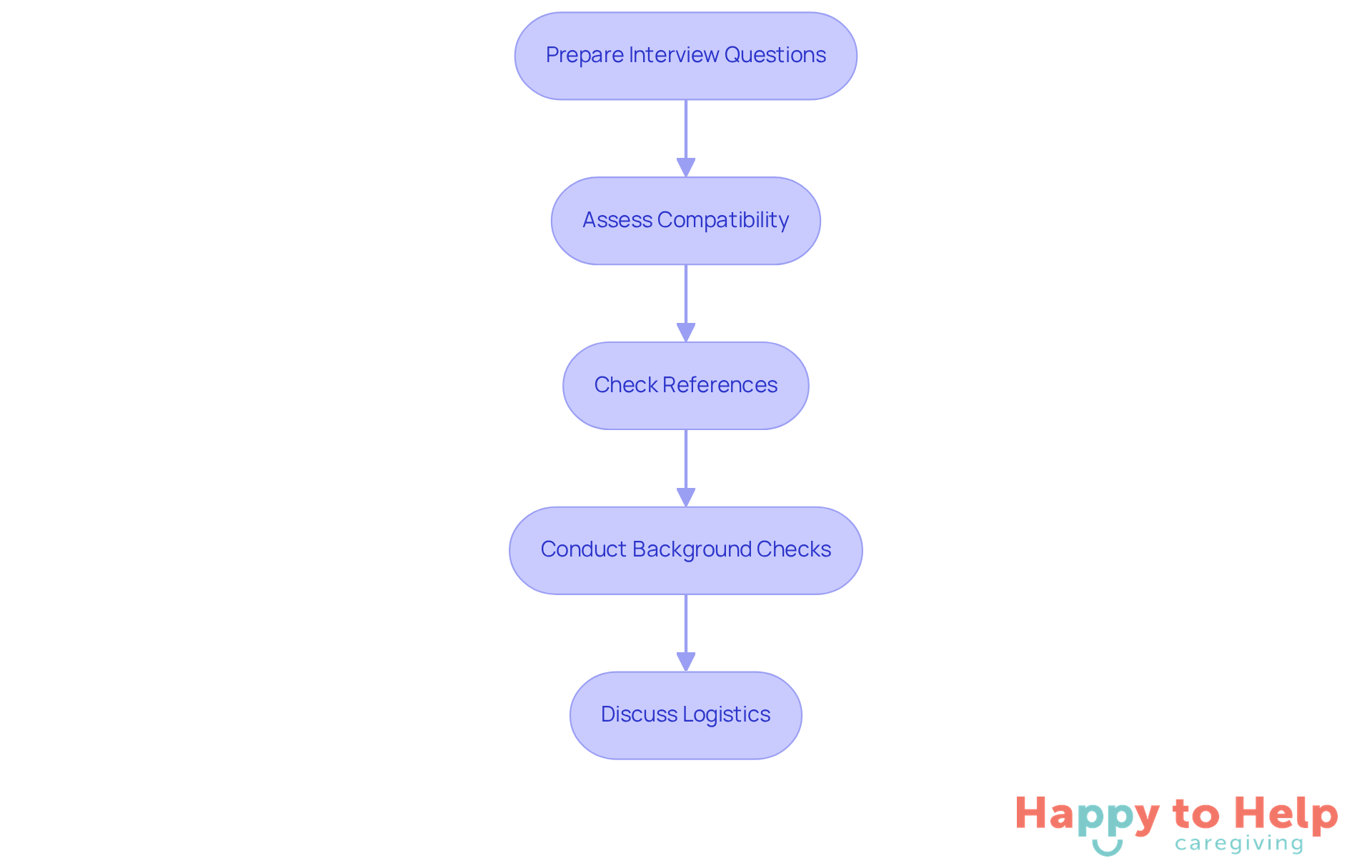
Finding care givers near me for your loved one can be a daunting task. The stakes are high, as the quality of care directly impacts their well-being. To navigate this challenge effectively, follow these essential steps:
-
Prepare Interview Questions: Start by crafting a list of questions that delve into the caregiver's experience, qualifications, and care philosophy. Consider asking:
- What motivated you to become a caregiver?
- Can you describe your experience with similar clients?
- How do you handle challenging situations?
-
Assess Compatibility: During the interview, observe how the caregiver interacts with your loved one. Compatibility is crucial for a successful caregiving relationship.
-
Check References: Always ask for and contact references to verify the caregiver's past performance and reliability.
-
Conduct Background Checks: Ensure that the caregiver has undergone necessary background checks and holds the required certifications.
-
Discuss Logistics: Talk about scheduling, availability, and any specific needs your family member may have.
By following these steps, you can effectively evaluate potential care givers near me and choose the best fit for your family member.
Make Your Decision and Establish Caregiving Arrangements
Making informed decisions about caregiving can be challenging. Many families struggle to find caregivers near me who can meet their loved one's unique needs. This can lead to stress and uncertainty during an already difficult time.
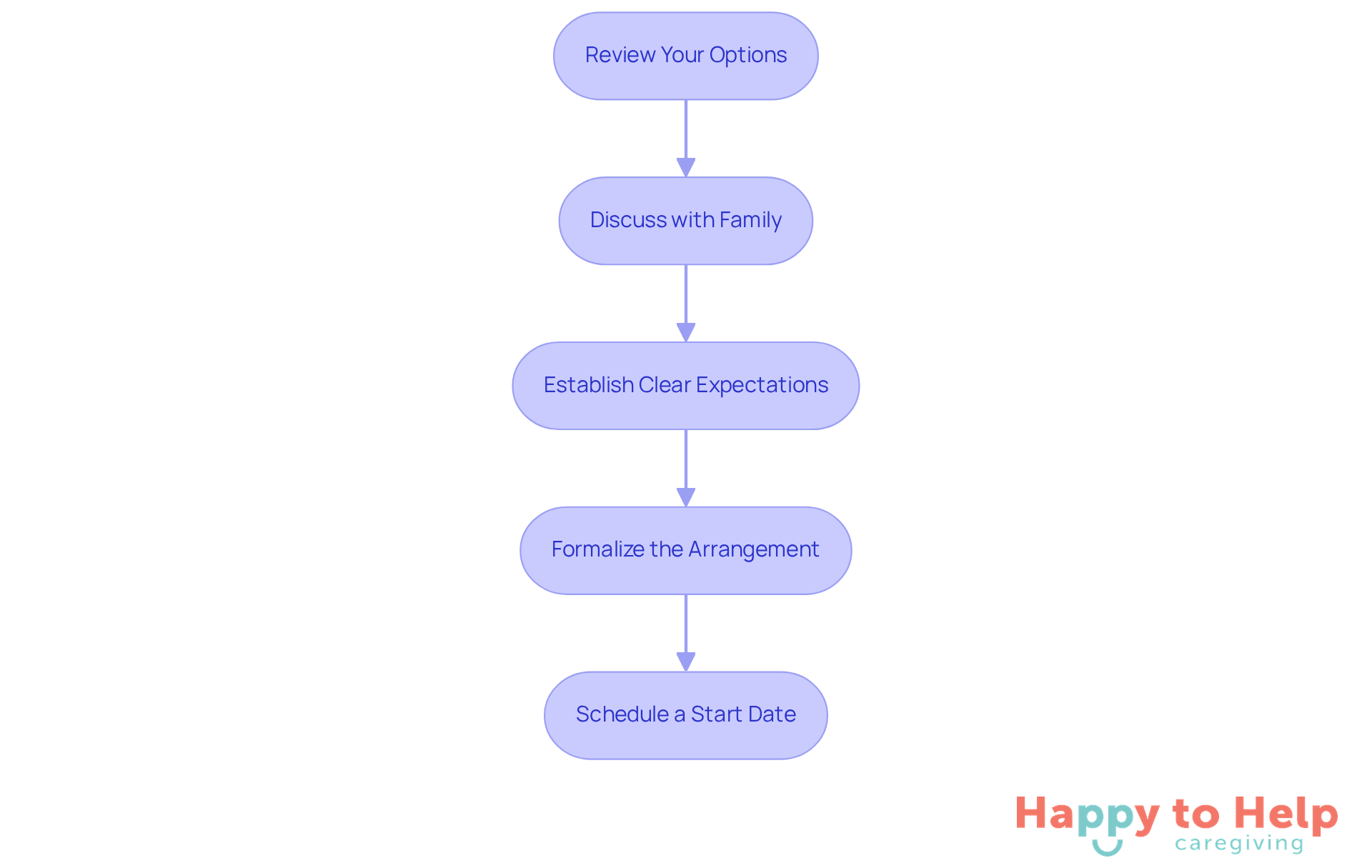
To address this issue, here’s a structured approach to help you navigate the decision-making process:
-
Review Your Options: Reflect on the interviews and assess which caregiver aligns best with your family member's needs and preferences. Consider factors such as experience, personality, and specific skills relevant to your loved one's condition.
-
Discuss with Family: Involve family members in the decision-making process. This guarantees that all viewpoints are taken into account, promoting a cooperative atmosphere that can lead to better outcomes. Family therapists emphasize that including relatives in support decisions can enhance satisfaction and backing for both the caregiver and the care recipient. According to the National Alliance for Caregiving and AARP, around 43.5 million individuals have provided unpaid support to an adult or child in the past year, highlighting the importance of family participation in these choices.
-
Establish Clear Expectations: Clearly communicate your expectations regarding care routines, responsibilities, and any specific needs your loved one may have. This clarity helps prevent misunderstandings and ensures that caregivers near me are adequately prepared to meet those needs. With 70% of working-age individuals balancing employment and caregiving duties, establishing clear expectations is essential for managing these dual roles effectively.
-
Formalize the Arrangement: If hiring through an agency, ensure all necessary paperwork is completed. For independent hires, consider drafting a support worker agreement that outlines duties, payment, and other essential details. This formalization protects both parties and sets a professional tone for the relationship.
-
Schedule a Start Date: Establish a start date for the assistant to commence, ensuring that your family member is ready for the transition. A well-planned introduction can ease anxiety and help establish a rapport between the caregiver and the care recipient. As the oldest baby boomers turn 80 next year, the demand for family caregiving is expected to increase, making timely arrangements even more critical.
By following these steps, you can confidently establish caregiving arrangements that prioritize your loved one's well-being and foster a supportive environment for all involved.
Making the Right Choice
Finding the right caregiver is a significant challenge that families face when ensuring the well-being and comfort of their loved ones. This process can be overwhelming, as it involves understanding various caregiving services and thoroughly assessing individual needs. Without proper guidance, families may struggle to address not only the emotional and physical requirements but also the preferences and independence of the care recipient.
To tackle this issue, families should follow essential steps:
- Identify specific caregiving needs
- Research potential caregivers
- Evaluate candidates through interviews and reference checks
Each of these stages is crucial in selecting a caregiver who aligns with the unique circumstances of the loved one, ensuring that the support provided is both effective and compassionate.
Ultimately, securing the right caregiver is vital. It fosters a nurturing environment that enhances the quality of life for both the caregiver and the care recipient. By taking the time to follow these steps and engage in meaningful discussions, families can navigate the complexities of caregiving with confidence and compassion. This approach creates a supportive atmosphere that benefits everyone involved.
https://iframe.tely.ai/cta/eyJhcnRpY2xlX2lkIjogIjY5M2Y1MDliNGM3OGNhYjkzOThjNmZhZSIsICJjb21wYW55X2lkIjogIjY4ZWU1ZGNhNzMxNzYyNTU3ZjNjOTVjMSIsICJpbmRleCI6IG51bGwsICJ0eXBlIjogImFydGljbGUifQ==Frequently Asked Questions
What are the different types of caregiving services available?
The primary categories of caregiving services include Companionship Care, Post-Hospital Recovery Assistance, Respite Service, and Palliative Support.
What is Companionship Care and why is it important?
Companionship Care provides emotional support and fosters social connections for seniors, helping to combat loneliness and isolation. It enhances overall well-being by engaging seniors in enjoyable activities and maintaining their sense of independence.
How does Post-Hospital Recovery Assistance support individuals?
Post-Hospital Recovery Assistance helps individuals recovering from surgery or illness by assisting with daily activities, medication management, and creating a safe recovery environment. It can also integrate at-home therapy services to improve recovery outcomes.
What is the purpose of Respite Services in caregiving?
Respite Services provide short-term relief for primary caregivers, allowing them to take essential breaks while ensuring their loved ones continue to receive quality support. This service helps prevent caregiver burnout and alleviates financial strain.
What does Palliative Support entail?
Palliative Support focuses on delivering comfort and assistance to individuals with serious illnesses, addressing both physical and emotional challenges. It aims to improve the quality of life for patients and their families during difficult times.
How can I assess my caregiving needs effectively?
To assess caregiving needs, identify specific daily challenges faced by your family member, evaluate any existing health conditions, determine their desired level of independence, consider financial resources, and engage your loved one in discussions about their well-being.
Why is it important to involve your loved one in caregiving discussions?
Involving your loved one in discussions about their care ensures that their preferences and comfort are prioritized, fostering a sense of control and dignity in the caregiving process.
What resources are available to help with caregiving?
Resources like the Eldercare Locator can connect you with organizations that support older adults and caregivers in your area, helping you find appropriate services and support.
List of Sources
- Understand Different Types of Caregiving Services
- Types of Home Care Services in 2025 (https://websterhc.com/breaking-down-the-different-types-of-home-care-services-in-2025)
- Caregiver Statistics: Demographics (https://caregiver.org/resource/caregiver-statistics-demographics)
- National Alliance for Caregiving: Caregiving in the US 2025 Report (https://johnahartford.org/resources/view/national-alliance-for-caregiving-caregiving-in-the-us-2025-report)
- The Caregiving Landscape: Data & Insights on the Caregiver Experience in the U.S. (https://caregiveraction.org/caregiver-statistics)
- Assess Your Caregiving Needs
- Caregiving Crisis: 45% Increase in Americans Providing Care (https://aarp.org/caregiving/basics/caregiving-in-us-survey-2025)
- Family Caregiver Annual Report and Statistics | SeniorLiving.org (https://seniorliving.org/research/family-caregiver-report-statistics)
- Families Prefer In-Home Care To Senior Living – Yet Struggle To Identify Needed Support (https://homehealthcarenews.com/2025/11/families-prefer-in-home-care-to-senior-living-yet-struggle-to-identify-needed-support)
- How to Assess if an Older Adult Needs Caregiving Help (https://aarp.org/caregiving/home-care/assessing-need-for-caregiver)
- New Report Shows Nearly Half of U.S. States Are on the Threshold of a Caregiving Emergency | Otsuka US (https://otsuka-us.com/news/new-report-shows-nearly-half-us-states-are-threshold-caregiving-emergency)
- Research Potential Caregivers and Services
- 7 Best Places to Find Caregivers for Home Care | Aaniie, formerly Smartcare Software (https://aaniie.com/news/7-best-places-to-find-caregivers-for-home-care)
- Caregiver salary in North Miami Beach, FL (https://indeed.com/career/caregiver/salaries/North-Miami-Beach--FL)
- Film exposes failures in PA elder protection (https://spotlightpa.org/news/2025/12/pennsylvania-elder-abuse-neglect-aging-investigation-documentary-caregiving)
- How much does a caregiver cost in North Miami Beach, FL? (https://care.com/cost/caregivers/north-miami-beach-fl)
- Interview and Evaluate Caregiver Candidates
- How to Choose the Right In-Home Caregiver for Your Loved One (https://homeinstead.com/home-care/usa/tx/carrollton-coppell-irving/407/news-and-media/navigating-in-home-care-tips-for-choosing-the-right-caregiver-for-your-loved-one)
- The Number Of Family Caregivers Helping Older US Adults Increased From 18 Million To 24 Million, 2011–22 | Health Affairs Journal (https://healthaffairs.org/doi/10.1377/hlthaff.2024.00978)
- Caregiver Statistics: Demographics (https://caregiver.org/resource/caregiver-statistics-demographics)
- Choosing the Right Caregivers | Visiting Angels (https://visitingangels.com/rochester/articles/choosing-the-right-caregivers-what-families-should-look-for/26613)
- Caregiver Compatibility is Key – Generations Magazine (https://generations808.com/caregiver-compatibility-is-key)
- Make Your Decision and Establish Caregiving Arrangements
- Caregiving Crisis: 45% Increase in Americans Providing Care (https://aarp.org/caregiving/basics/caregiving-in-us-survey-2025)
- Caregiver Statistics: Demographics (https://caregiver.org/resource/caregiver-statistics-demographics)
- New Report Shows Nearly Half of U.S. States Are on the Threshold of a Caregiving Emergency | Otsuka US (https://otsuka-us.com/news/new-report-shows-nearly-half-us-states-are-threshold-caregiving-emergency)
- Opinion | America’s Caregivers Are in Crisis (https://nytimes.com/2025/11/24/opinion/caregiving-crisis.html)