

For families in our service areas
For families in our service areas, this guide explains caregiver support and how non-medical in-home caregiving can support care planning in East Idaho, Treasure Valley & Magic Valley, Northern Wasatch, North Central West Virginia, and Northeast Ohio.
What to Expect
This article offers a heartfelt, step-by-step guide to discovering caregiver places nearby. It emphasizes the importance of assessing your unique caregiving needs and exploring various sourcing options. Evaluating potential caregivers and establishing a care plan are crucial steps in this journey. Each section is enriched with supportive statistics and practical advice, underscoring the necessity of understanding individual needs.
Open communication is vital to ensure effective and compassionate care. Remember, you are not alone in this; there are resources and support available to help you navigate these challenges.
What You Need to Know About Find Caregiver Places Near Me: A
Finding the right caregiver can feel like navigating a labyrinth. The myriad of options available can be overwhelming. With millions of Americans relying on caregiving services, it’s essential to understand how to assess individual needs and locate suitable providers.
What challenges arise in securing quality care? How can families ensure they choose the best support for their loved ones? This guide offers a step-by-step approach to demystifying the caregiver search process. It empowers families to make informed decisions in a landscape that can often seem daunting.
Assess Your Caregiving Needs
-
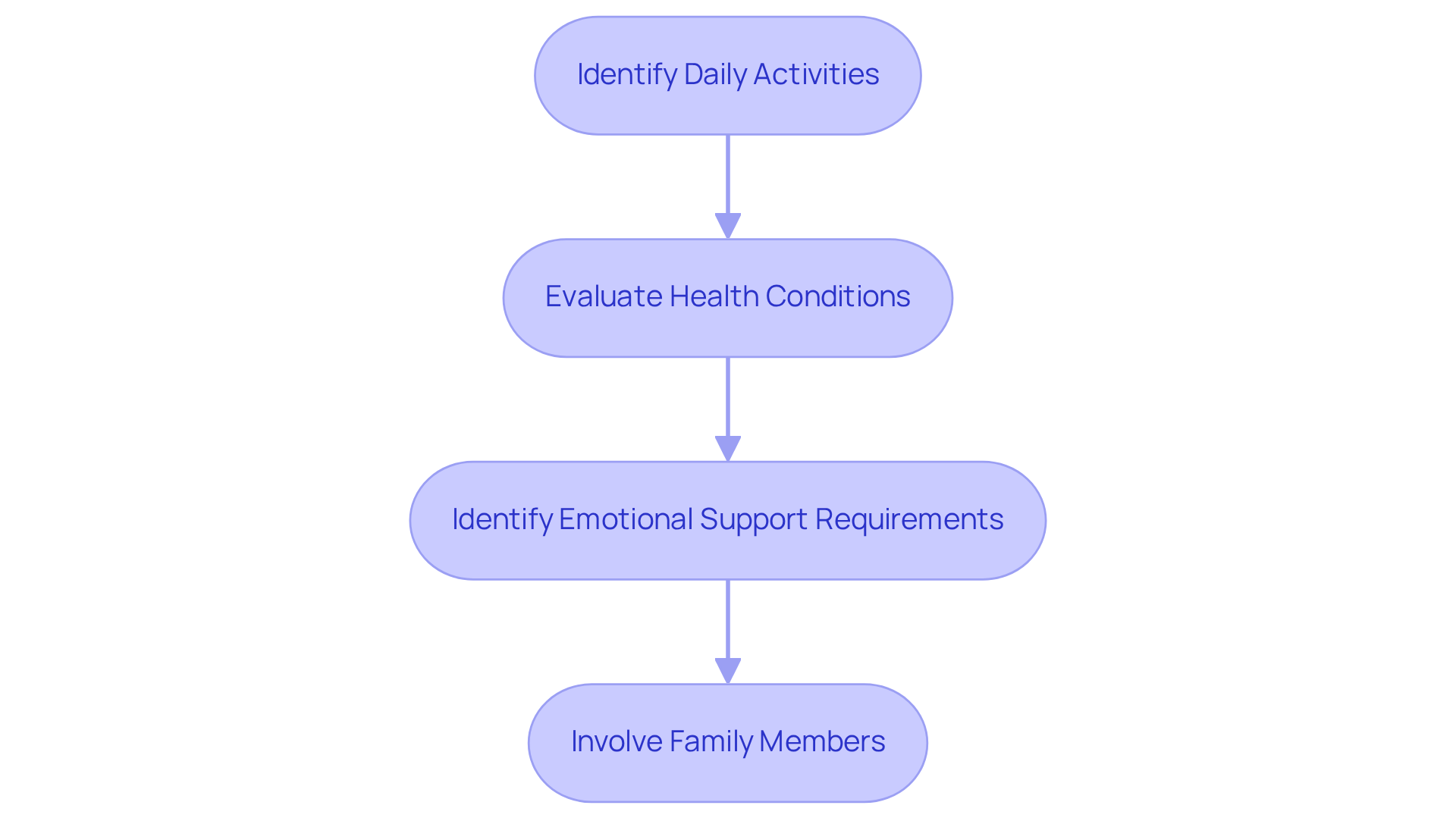
Identify Daily Activities: Start by listing the daily tasks that may need assistance, such as bathing, meal preparation, medication management, and transportation. Research indicates that over 40% of seniors require help with at least one activity of daily living. This highlights the importance of recognizing these needs early on. With 63 million Americans acting as family support providers in 2025, understanding these necessities is more vital than ever.
-
Evaluate Health Conditions: Consider any medical conditions that may require specialized attention, like dementia or mobility issues. Understanding these conditions is crucial, as many providers feel unprepared for the complexities of support. Alarmingly, only 22% have received training for complex medical responsibilities. Additionally, it’s important to recognize that 50% of caregivers report a negative financial impact due to their responsibilities, which can affect their ability to provide adequate support.
-
Identify Emotional Support Requirements: Assess the emotional and social needs of the individual, including companionship and participation in activities. Social withdrawal can be a sign of depression or cognitive decline, making it essential to ensure that emotional support is integrated into the support plan. Involving family members in discussions can also shed light on the emotional landscape of the individual.
-
Involve Family Members: Engage family members in conversations to gather insights and ensure that all perspectives are included in the assessment. Collaborative decision-making can lead to a deeper understanding of the individual's needs and foster a nurturing environment. It’s important to note that 70% of family supporters are employed, underscoring the need to evaluate caregiving requirements effectively, as employed supporters may face time and resource constraints.
Explore Caregiver Sourcing Options
-
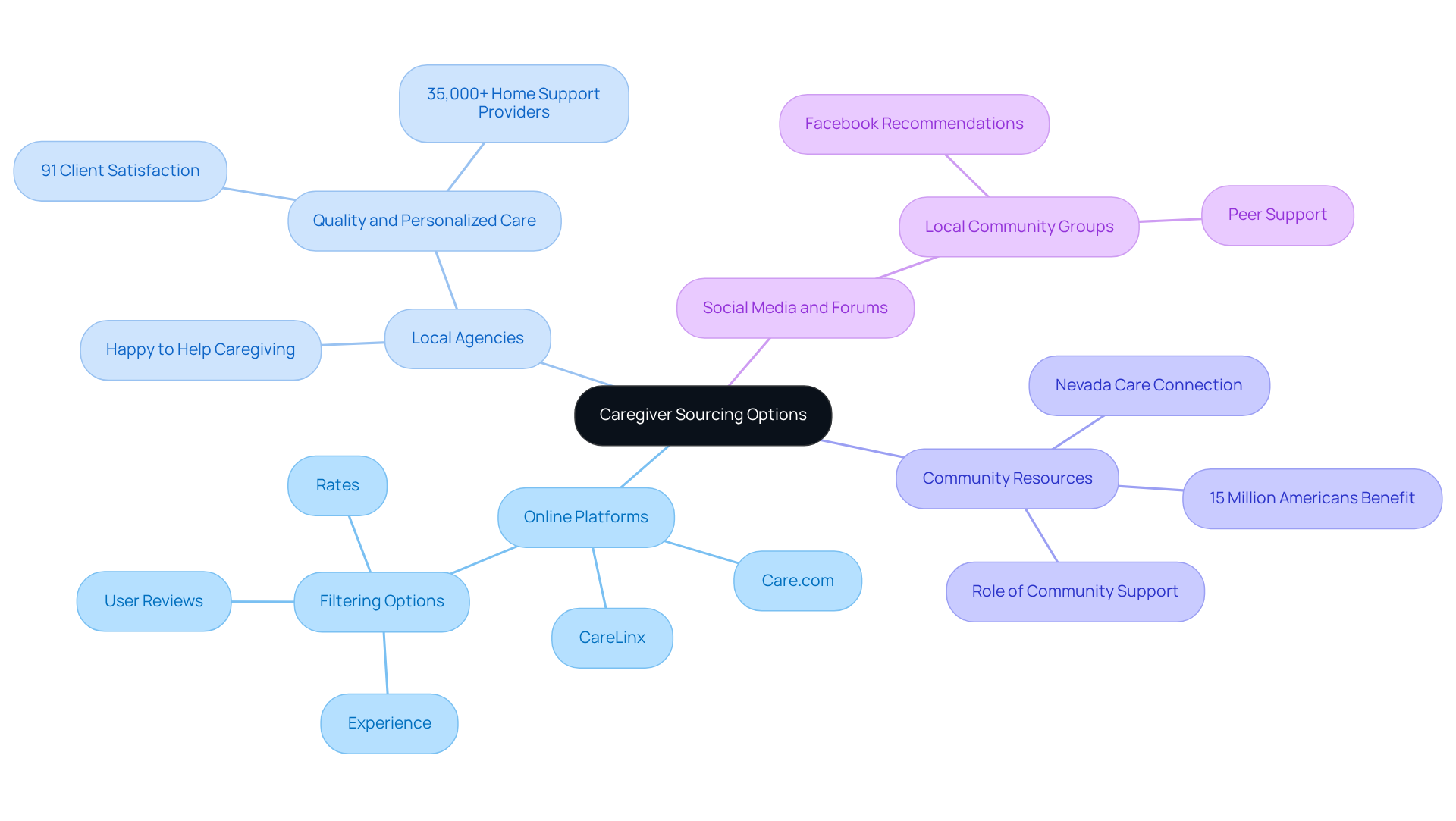
Online platforms: Consider exploring websites like Care.com or CareLinx to find caregiver places near me. You can easily filter results based on experience, rates, and user reviews, helping you discover a provider who meets your unique needs.
-
Local Agencies: Reach out to local caregiving organizations, such as Happy to Help Caregiving, to learn more about their services and the qualifications of their staff. With over 35,000 home support providers operating outside of Medicare, it’s crucial to choose an agency that prioritizes quality and personalized care. Notably, 91% of home support clients express satisfaction with their caregivers, highlighting the positive outcomes associated with selecting a reliable agency.
-
Community Resources: Look into community organizations that offer referrals for caregiver places near me or support services, such as Nevada Care Connection. Approximately 15 million Americans benefit from in-home assistance services, underscoring the need for these resources and the vital role of community support in finding the right providers.
-
Social Media and Forums: Connect with local community groups on platforms like Facebook to seek recommendations and share experiences with fellow families. This peer support can be invaluable in identifying trustworthy providers and agencies.
Evaluate and Interview Potential Caregivers
-
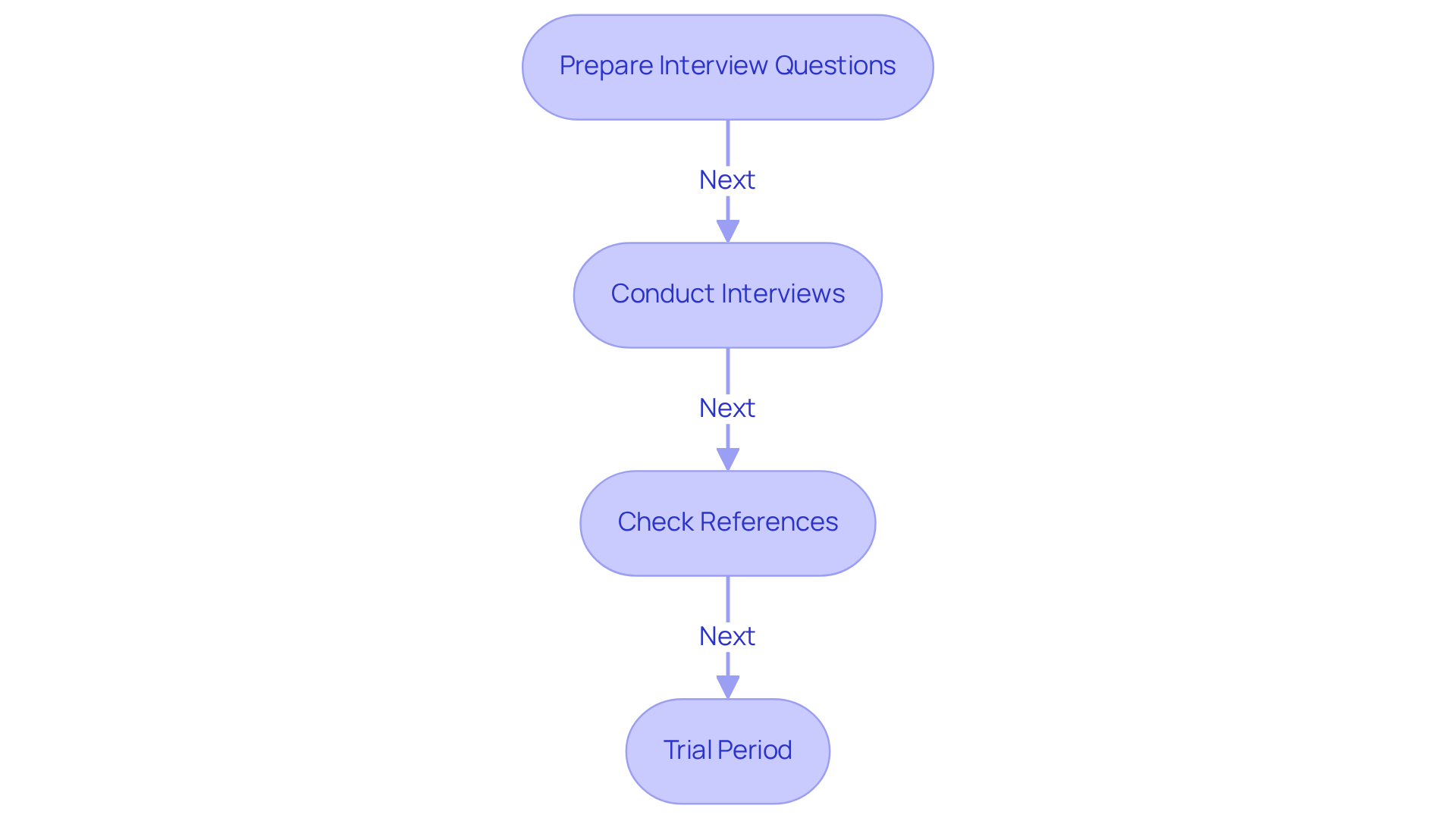
Prepare Interview Questions: Begin by crafting a thoughtful list of questions that focus on the individual's experience, philosophy of care, and specific skills tailored to their unique needs. It's important to include inquiries about their experience with conditions such as Alzheimer's, Parkinson's, or diabetes. This preparation is vital to ensure that you cover essential aspects of their qualifications with care and consideration.
-
Conduct Interviews: Schedule meetings with prospective aides, whether in person or via video calls. This is an opportunity to evaluate their communication skills and demeanor. Pay close attention to how they express their experiences and respond to your questions, as effective communication is a cornerstone of compassionate caregiving.
-
Check References: Don’t hesitate to request and reach out to references. This step provides valuable insights into the provider's past performance and reliability. Understanding their qualifications and work ethic is crucial, especially considering that there are currently 43.5 million individuals in the United States involved in caregiving. This context underscores the importance of finding the right fit for your loved one.
-
Trial Period: Consider implementing a trial period to observe the provider's interactions with your loved one. This allows you to assess not only their skills but also their cultural sensitivity and ability to connect. A genuine connection is essential for effective caregiving, ensuring that your loved one feels understood and cared for.
Establish a Care Plan and Maintain Communication
-
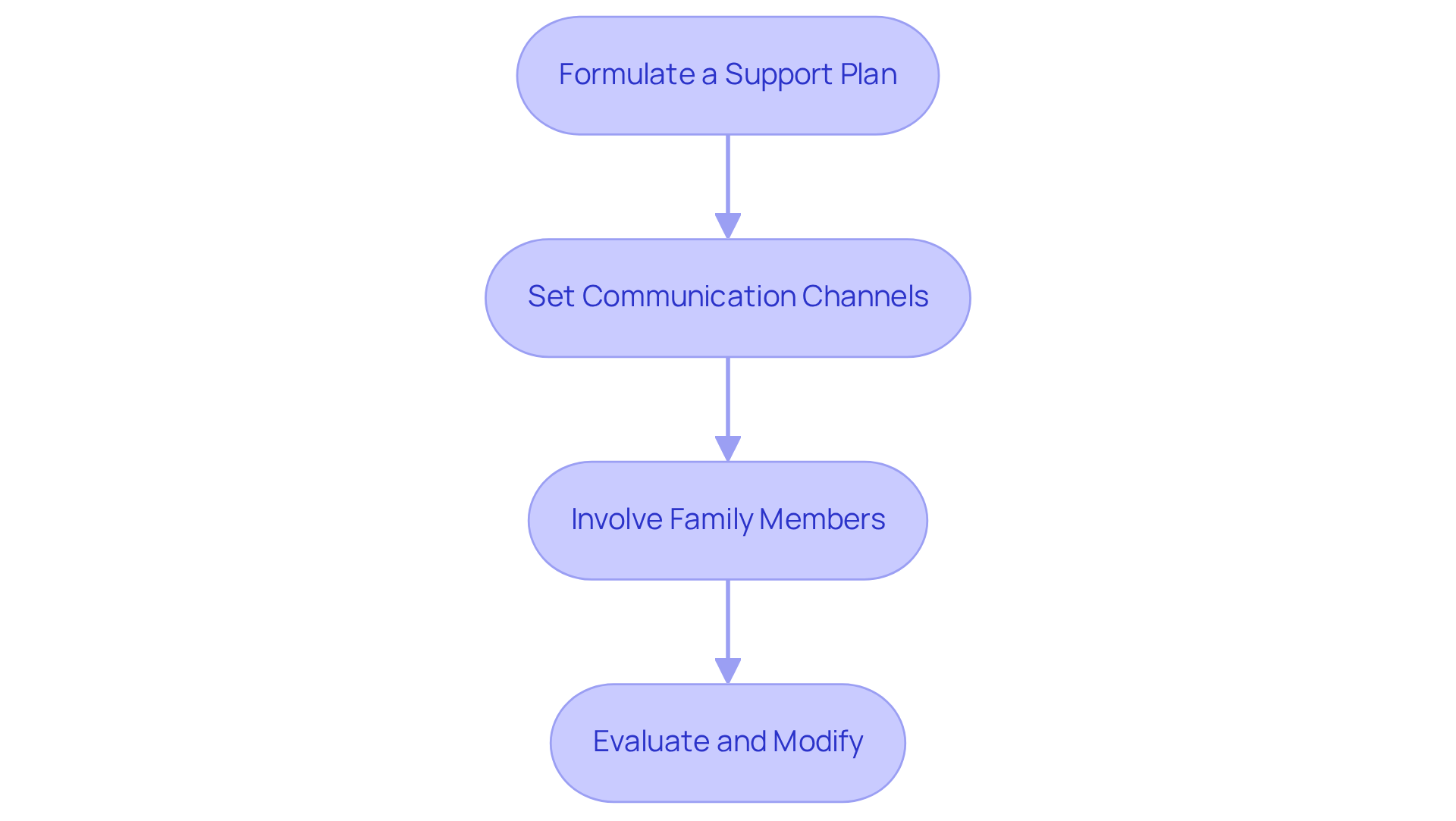
Formulate a Support Plan: Collaborate with the individual receiving care to create a detailed support plan that outlines daily activities, health needs, and personal preferences. This approach serves as a foundation for effective communication, ensuring everyone involved is attuned to the recipient's needs.
-
Set Communication Channels: Schedule regular check-ins with the support person to discuss progress, challenges, and necessary adjustments to the care plan. Open communication is vital in navigating the complexities of caregiving, fostering understanding and trust between caregivers and families. According to the Kaiser Family Foundation, over 70% of caregivers support policies that alleviate out-of-pocket costs and burnout, highlighting the importance of ongoing dialogue.
-
Involve Family Members: Engage family members in the caregiving journey. Their involvement not only strengthens the support network but also enhances the quality of care, as shared insights lead to better decision-making and emotional support for the caregiver. A case study on caregiver fatigue reveals that maintaining a support system can significantly reduce stress levels for those providing care.
-
Evaluate and Modify: Regularly evaluate the care plan to reflect any changes in the individual’s health or preferences. This flexibility ensures that support remains effective and personalized, addressing the evolving needs of the recipient while minimizing potential caregiver burnout. Studies indicate that 40% of caregivers face high-burden situations, making it crucial to adjust care plans regularly.
Key Takeaways for Caregivers
Finding the right caregiver is a crucial step in ensuring that your loved ones receive the support they truly need. This guide underscores the significance of thoroughly assessing caregiving needs, exploring various sourcing options, and evaluating potential caregivers to craft a personalized care plan. By recognizing the complexities of caregiving and the resources at hand, families can make informed decisions that elevate the quality of care.
Key points highlighted throughout this article include:
- The necessity of identifying daily activities and health conditions that require assistance.
- Engaging family members in the caregiving process adds immense value, and open communication is vital.
- Utilizing online platforms, local agencies, and community resources can significantly aid in finding suitable caregivers.
- The evaluation process, encompassing interviews and trial periods, is essential for ensuring compatibility and effectiveness in caregiving roles.
Ultimately, the journey of finding a caregiver transcends mere task fulfillment; it is about nurturing a supportive environment that prioritizes the emotional and physical well-being of those in need. Embracing a collaborative approach and maintaining ongoing communication can lead to a more effective and fulfilling caregiving experience. Taking proactive steps now can greatly enhance the quality of life for both caregivers and those they support, ensuring that every individual receives the compassionate care they deserve.
https://iframe.tely.ai/cta/eyJhcnRpY2xlX2lkIjogIjY4ZjQyYTM1ZDkzOWM5MmY4ZmExYjUxMCIsICJjb21wYW55X2lkIjogIjY4ZWU1ZGNhNzMxNzYyNTU3ZjNjOTVjMSIsICJpbmRleCI6IG51bGwsICJ0eXBlIjogImFydGljbGUifQ==Frequently Asked Questions
What are some daily activities that may require assistance for seniors?
Daily activities that may require assistance include bathing, meal preparation, medication management, and transportation.
How prevalent is the need for assistance among seniors?
Research indicates that over 40% of seniors require help with at least one activity of daily living.
Why is it important to assess caregiving needs early on?
With 63 million Americans expected to act as family support providers by 2025, understanding caregiving needs early is vital for effective support.
What health conditions should be considered when assessing caregiving needs?
Medical conditions such as dementia or mobility issues should be considered, as they may require specialized attention.
What challenges do caregivers face in terms of training and preparation?
Alarmingly, only 22% of caregivers have received training for complex medical responsibilities, leaving many feeling unprepared for the complexities of support.
How do caregiving responsibilities impact caregivers financially?
Approximately 50% of caregivers report a negative financial impact due to their responsibilities, which can affect their ability to provide adequate support.
What emotional support needs should be assessed for individuals requiring care?
It is essential to assess emotional and social needs, including companionship and participation in activities, as social withdrawal can indicate depression or cognitive decline.
How can family members contribute to the caregiving assessment process?
Involving family members in discussions can provide insights and ensure that all perspectives are included, leading to a deeper understanding of the individual's needs.
What is the employment status of many family supporters?
It is important to note that 70% of family supporters are employed, highlighting the need to evaluate caregiving requirements effectively due to potential time and resource constraints.