Find Caregivers Near You for Elderly: 4 Essential Steps

For families in our service areas
For families in our service areas, this guide explains caregiver support and how non-medical in-home caregiving can support care planning in East Idaho, Treasure Valley & Magic Valley, Northern Wasatch, North Central West Virginia, and Northeast Ohio.
Why Find Caregivers Near Me for Elderly: 4 Matters
Finding the right caregiver for an elderly loved one can feel overwhelming. The unique needs and challenges that come with aging often add to the stress. It’s not just about filling a position; it’s about enhancing the quality of life for those who may struggle with daily activities and emotional well-being.
How can families navigate this complex landscape? Choosing the best support for elderly relatives is crucial. This guide outlines four essential steps to help individuals:
- Assess care needs
- Explore local resources
- Evaluate caregiver qualifications
- Conduct thorough interviews
By following these steps, families can make informed and confident decisions, ensuring their loved ones receive the compassionate care they deserve.
Assess Care Needs of the Elderly Individual
-
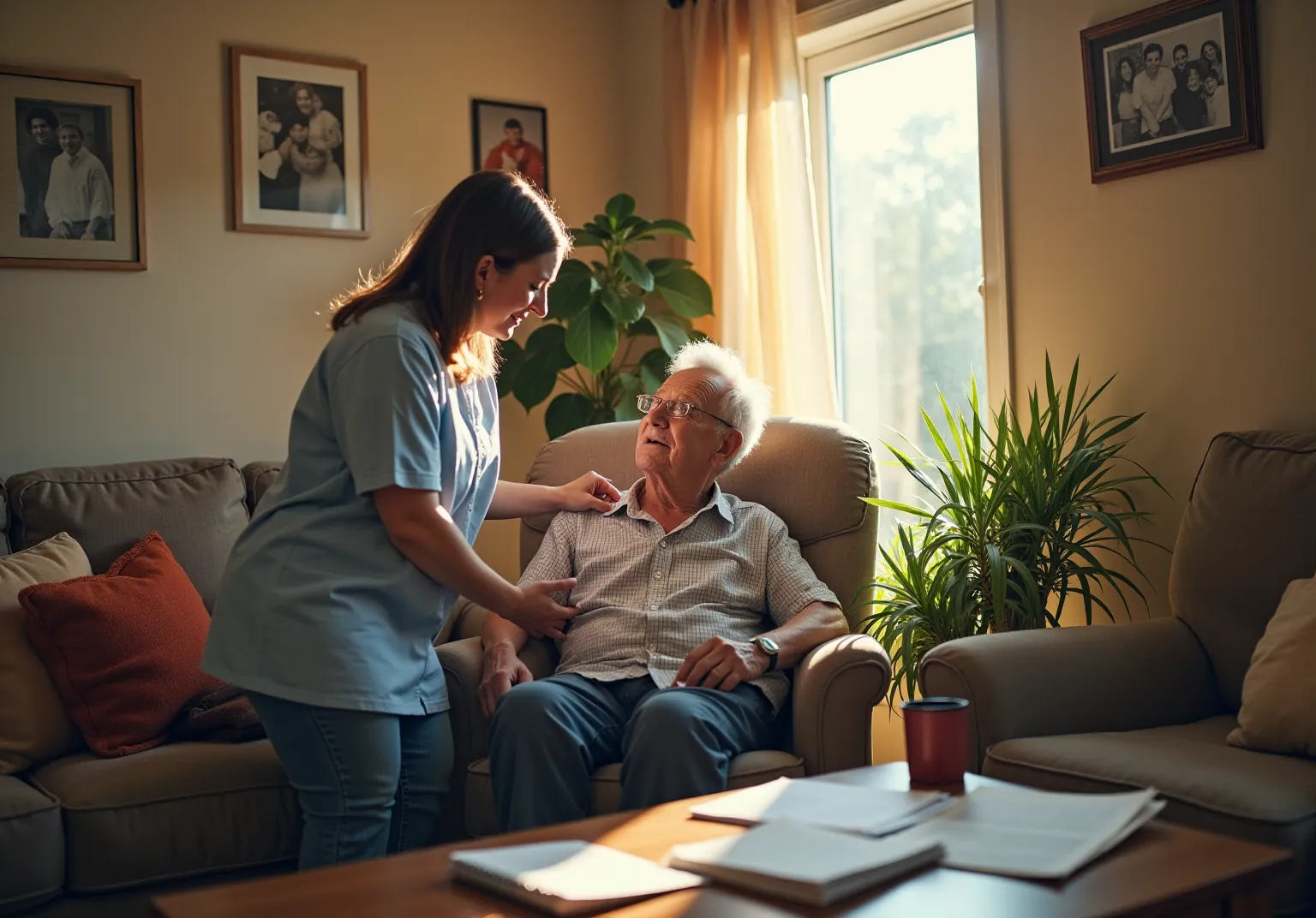
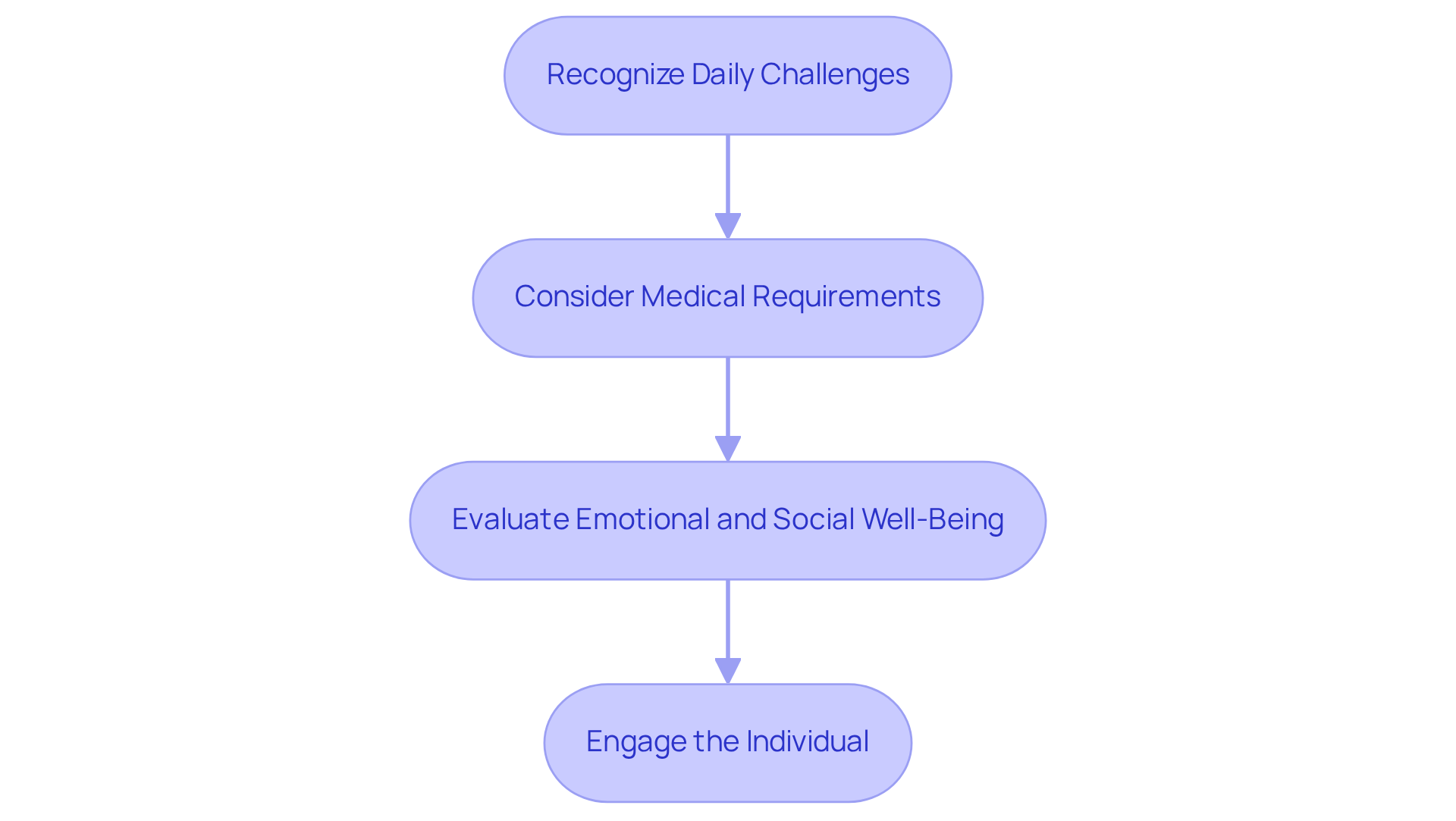
Recognize Daily Challenges: Begin by acknowledging the daily activities that may be difficult for the elderly person, like bathing, dressing, eating, or moving around. Understanding these struggles is crucial for caregivers near me for elderly in determining the level of support they truly need.
-
Consider Medical Requirements: Take into account any medical conditions that might necessitate specialized help, such as managing diabetes or administering medications. Don’t hesitate to reach out to healthcare professionals for guidance when needed.
-
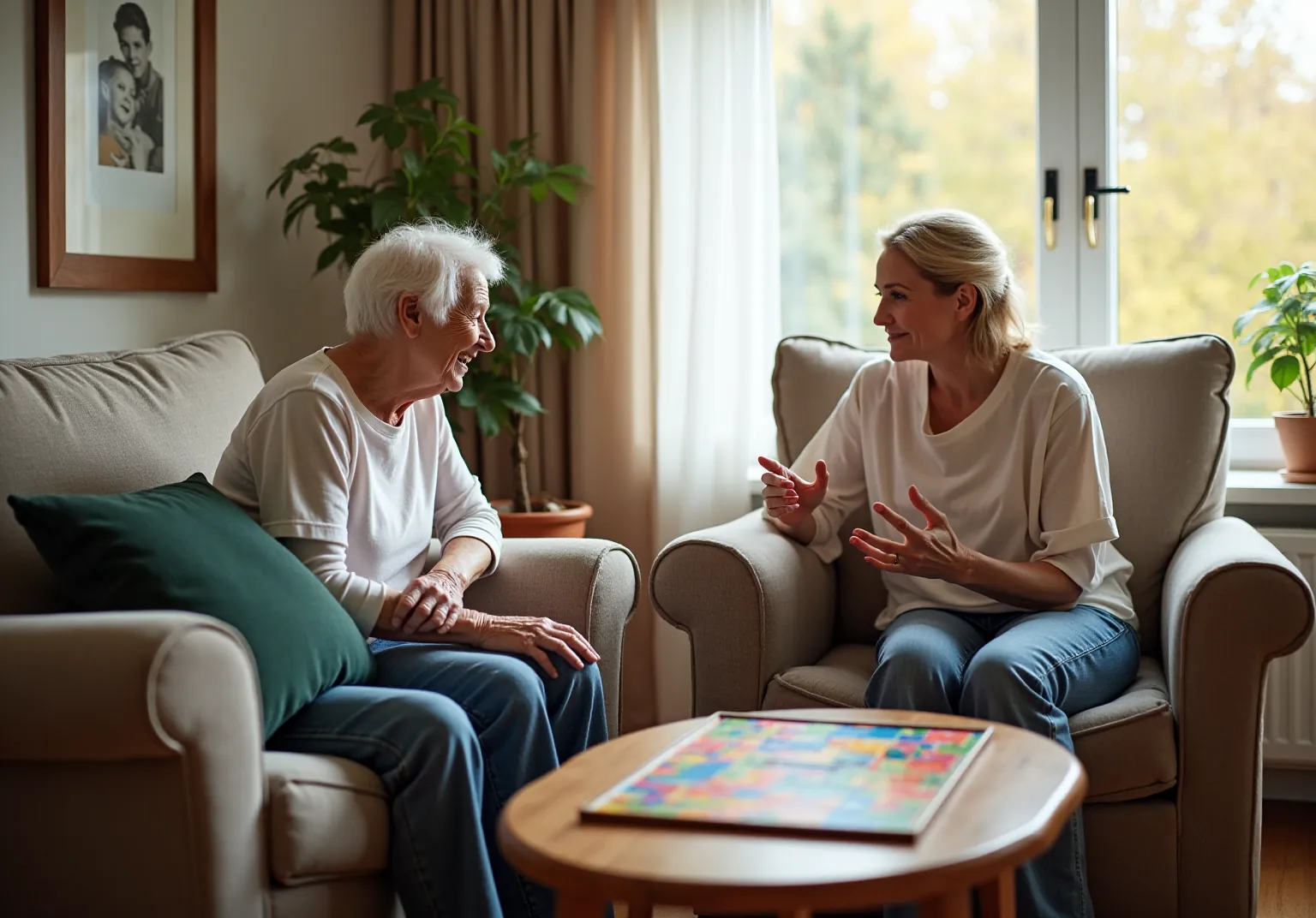
Evaluate Emotional and Social Well-Being: Reflect on the individual’s emotional health and social interactions. It’s important to assess whether they need companionship or support for social activities, such as caregivers near me for elderly, to help alleviate feelings of loneliness.
-
Engage the Individual: Whenever possible, include the elderly person in the assessment process. Understanding their preferences and comfort levels regarding care can lead to a more personalized and effective support approach.
Explore Local Resources and Online Platforms
-
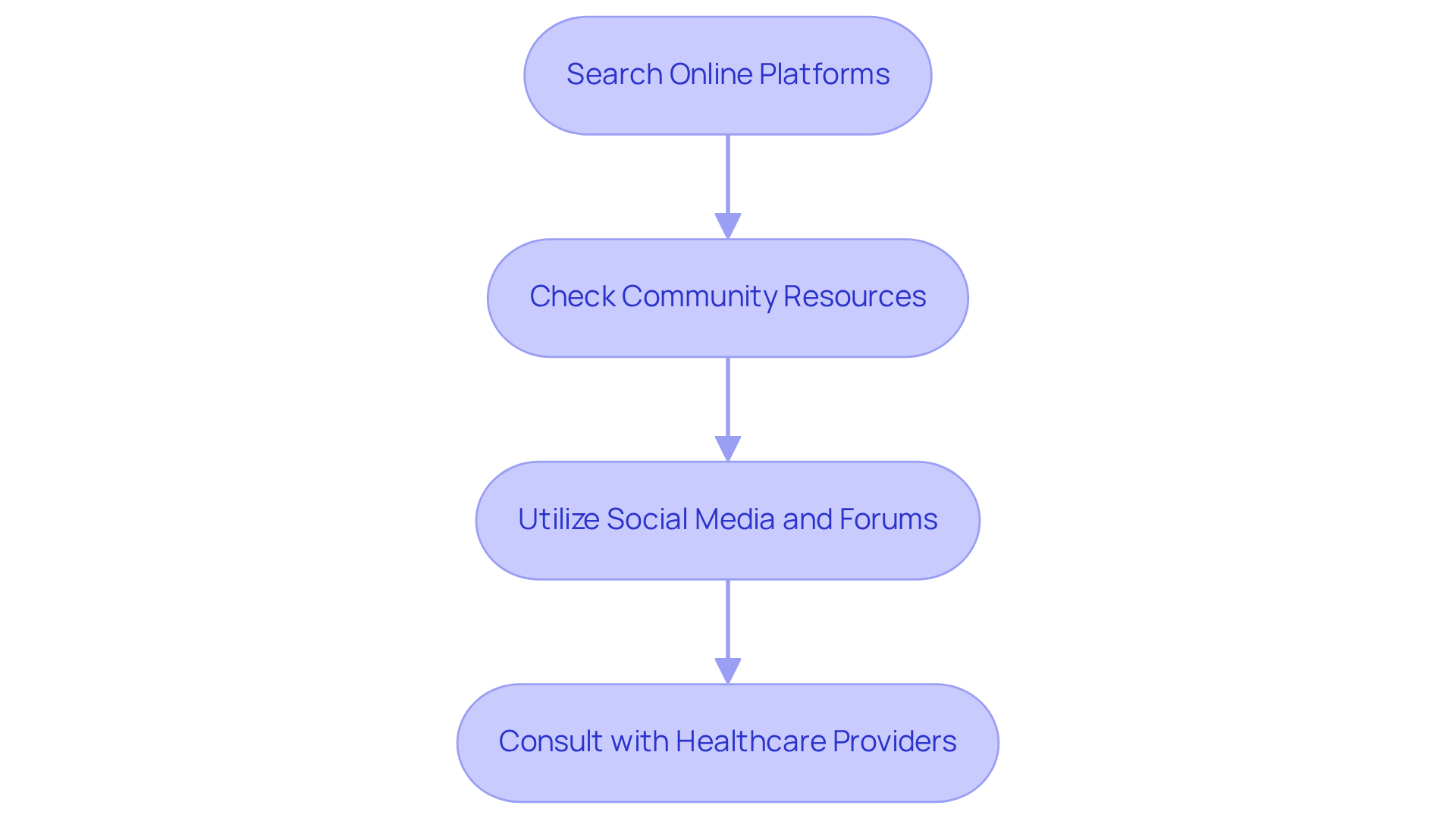
Search Online Platforms: Start by exploring websites like Care.com, Indeed, or local caregiving agencies. These platforms can assist you in locating caregivers near me for elderly who are compassionate and provide care in your area. Take your time to filter results based on their experience, rates, and reviews, ensuring you find someone who feels right for your needs.
-
Check Community Resources: Reach out to local senior centers, hospitals, or community organizations. They often have valuable referrals or resources for caregivers. Many maintain lists of approved caregivers near me for elderly, which makes it easier for you to find trustworthy help.
-
Utilize Social Media and Forums: Consider joining local community groups on platforms like Facebook or Reddit. These spaces are filled with individuals and families sharing their experiences and recommendations, creating a supportive network where you can find guidance and comfort.
-
Consult with Healthcare Providers: Don’t hesitate to ask your doctors or social workers for suggestions. They can recommend reputable caregiving services or personal aides they trust, providing you with peace of mind as you navigate this journey.
Evaluate Caregiver Qualifications and Compatibility
-
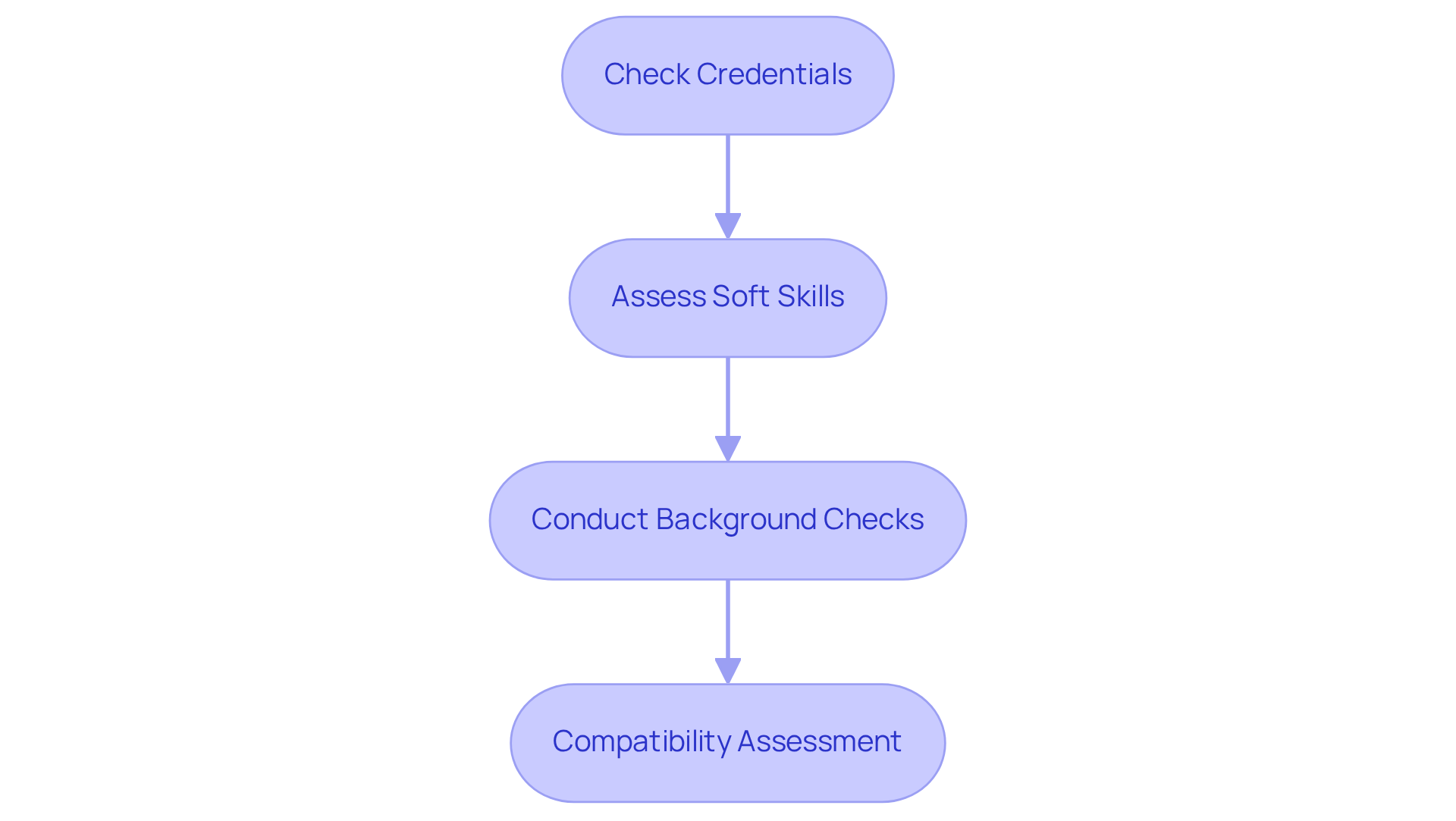
Check Credentials: It's important to verify the certifications, training, and experience of caregivers near me for elderly support. Look for specialized training in areas that matter most, like dementia care, to ensure your loved one receives the best possible assistance.
-
Assess Soft Skills: Take a moment to evaluate the individual's interpersonal abilities. Traits like empathy, patience, and communication are vital for building a trusting relationship with the elderly. These qualities can make all the difference in providing comfort and support.
-
Conduct Background Checks: To ensure peace of mind, conduct thorough background checks. This includes verifying references from previous employers and checking for any criminal history. Knowing that the caregivers near me for elderly have a clean background can alleviate some of the stress you may feel.
-
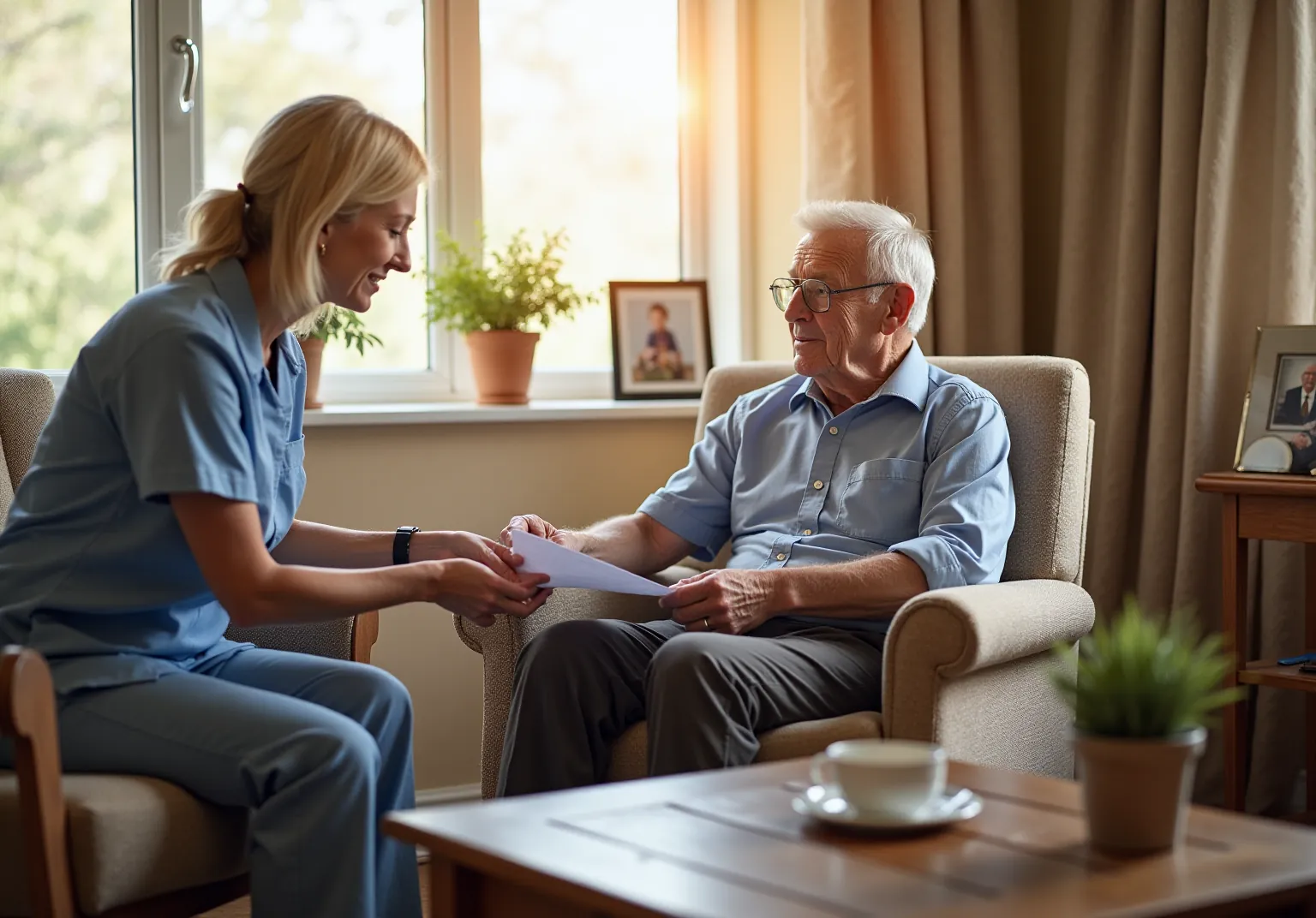
Compatibility Assessment: Consider the personality and interests of the caregiver. It’s helpful to organize a meeting between the support person and the elderly individual. This way, you can evaluate their compatibility and comfort level with one another, fostering a nurturing environment.
Conduct Interviews and Check References
-
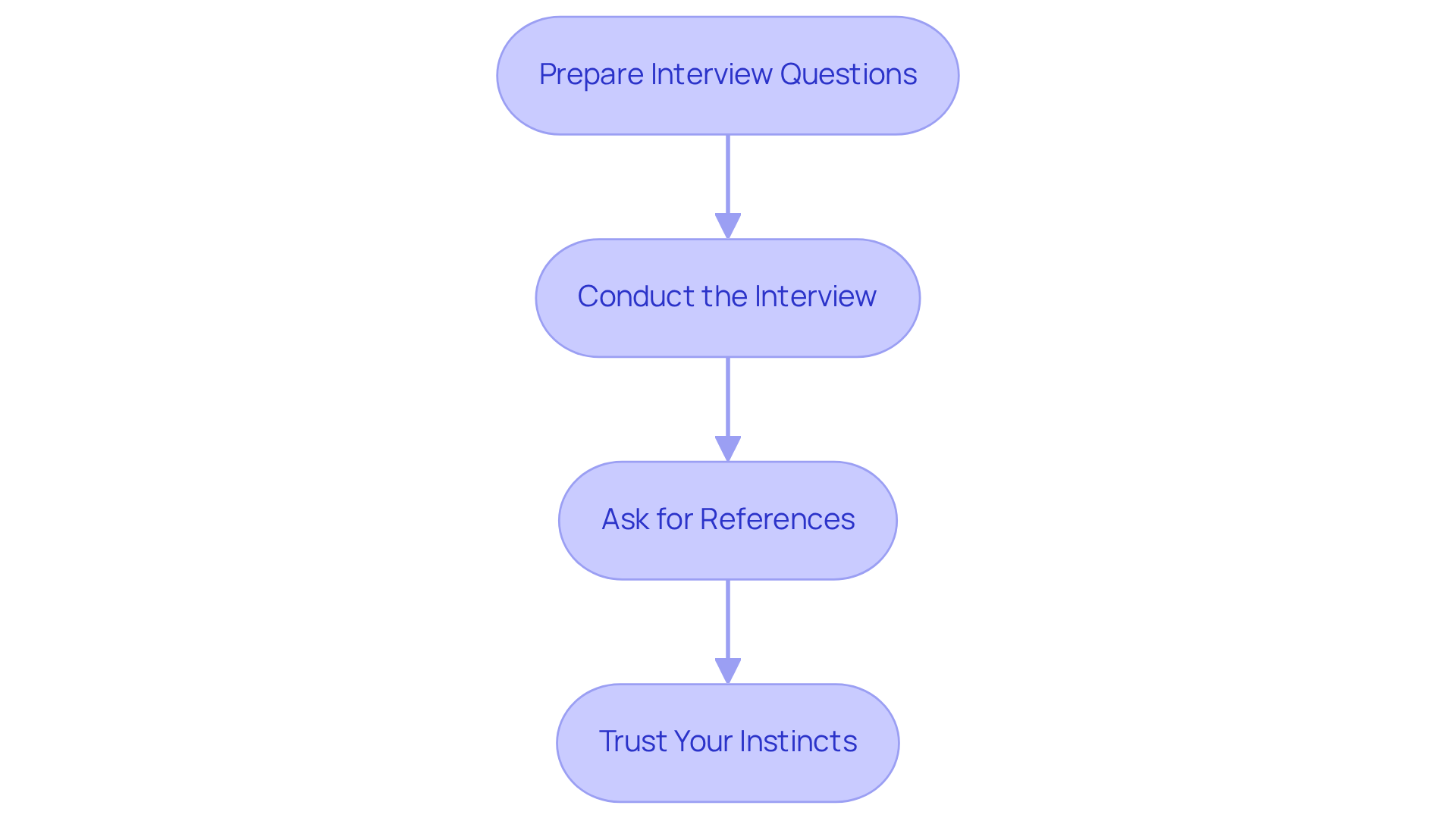
Prepare Interview Questions: Start by crafting a thoughtful list of questions that delve into the individual’s experience, support philosophy, and emergency response strategies. For example, you might ask, 'Can you share a challenging situation you faced and how you managed it?' This not only assesses their problem-solving skills but also reveals their emotional intelligence and adaptability - qualities that are essential in caregiving roles.
-
Conduct the Interview: Set up a face-to-face or virtual meeting with the caregiver. Pay close attention to their communication style, body language, and how they respond. Effective communication is vital in caregiving, particularly when working with caregivers near me for elderly, as it builds trust and understanding between the provider and the client.
-
Ask for References: Request at least three references from past employers or clients. When you contact these references, inquire specifically about the individual’s performance, reliability, and interpersonal skills. This step is crucial; after all, 91% of employee-based agencies oversee their staff, underscoring the importance of supervision in ensuring quality care. Also, think about the financial impact of staff turnover - replacing an average worker can cost around $2,600, which highlights the need for careful selection.
-
Trust Your Instincts: After the interviews and reference checks, trust your gut feeling about the caregiver’s fit with your loved one. Consider how comfortable the elderly individual feels with the support provider; a positive rapport with caregivers near me for elderly can greatly enhance their caregiving experience. Remember, the right provider not only meets professional qualifications but also aligns with the emotional and social needs of the client. Given the emotional and systemic pressures faced by younger caregivers, it’s vital to choose someone who can offer not just care, but also genuine support.
Taking the Next Steps
Finding the right caregiver for elderly individuals can feel overwhelming. Families often grapple with the emotional weight of ensuring their loved ones receive the best care possible. It’s not just about tasks; it’s about nurturing a connection that enhances their quality of life.
Understanding the specific needs of the elderly person is crucial. Families should assess:
- Daily challenges
- Medical needs
- Emotional well-being
Utilizing local resources and online platforms can help in finding suitable candidates. It’s essential to evaluate caregiver qualifications and compatibility, focusing on traits like empathy and effective communication. These qualities are vital for building trust and ensuring quality care.
As families embark on this journey, it’s important to remember that they’re not alone. Many resources are available to provide support and guidance. By prioritizing both the professional skills and personal attributes of caregivers, families can secure not just the best care, but also a companion who enriches the lives of their loved ones.
This process may seem daunting, but it’s also an opportunity to create meaningful connections. With thoughtful planning and a compassionate approach, families can find caregivers who truly understand and address the emotional needs of their elderly relatives. In doing so, they can foster an environment where their loved ones feel valued and cared for.
https://iframe.tely.ai/cta/eyJhcnRpY2xlX2lkIjogIjY5MWJjOGEwZmM0ZTBmOThlOTdmZjgzOCIsICJjb21wYW55X2lkIjogIjY4ZWU1ZGNhNzMxNzYyNTU3ZjNjOTVjMSIsICJpbmRleCI6IG51bGwsICJ0eXBlIjogImFydGljbGUifQ==Frequently Asked Questions
What daily challenges should caregivers recognize in elderly individuals?
Caregivers should acknowledge difficulties in daily activities such as bathing, dressing, eating, and moving around, as these struggles are crucial for determining the level of support needed.
Why is it important to consider medical requirements when assessing care needs?
Medical conditions may require specialized help, such as managing diabetes or administering medications, making it essential to consider these factors when assessing care needs.
How can emotional and social well-being affect the care needs of the elderly?
Assessing emotional health and social interactions is important, as elderly individuals may need companionship or support for social activities to alleviate feelings of loneliness.
Why should caregivers engage the elderly individual in the assessment process?
Including the elderly person in the assessment allows caregivers to understand their preferences and comfort levels regarding care, leading to a more personalized and effective support approach.