Find Elder Respite Care Near You: A Step-by-Step Guide

For families in our service areas
For families in our service areas, this guide explains respite care and how non-medical in-home caregiving can support care planning in East Idaho, Treasure Valley & Magic Valley, Northern Wasatch, North Central West Virginia & Southwestern Pennsylvania, and Northeast Ohio.
The Importance of Find Elder Respite Care Near Me: A
Finding the right elder respite care can be a daunting task for caregivers. The emotional and physical demands of caregiving often leave little room for personal relief. This situation creates a significant problem: caregivers may feel overwhelmed and unsupported.
With so many options available, families face the challenge of ensuring they choose the most suitable respite care. This choice is crucial, as it not only needs to meet their loved one's needs but also alleviate the stress of caregiving. The implications of not finding the right support can lead to caregiver burnout, impacting both the caregiver's well-being and the quality of care provided.
So, how can caregivers navigate these complexities? This guide offers a comprehensive approach to securing the support they need. By understanding the available options and what to look for, caregivers can make informed decisions that benefit both themselves and their loved ones.
Understand Respite Care and Its Importance
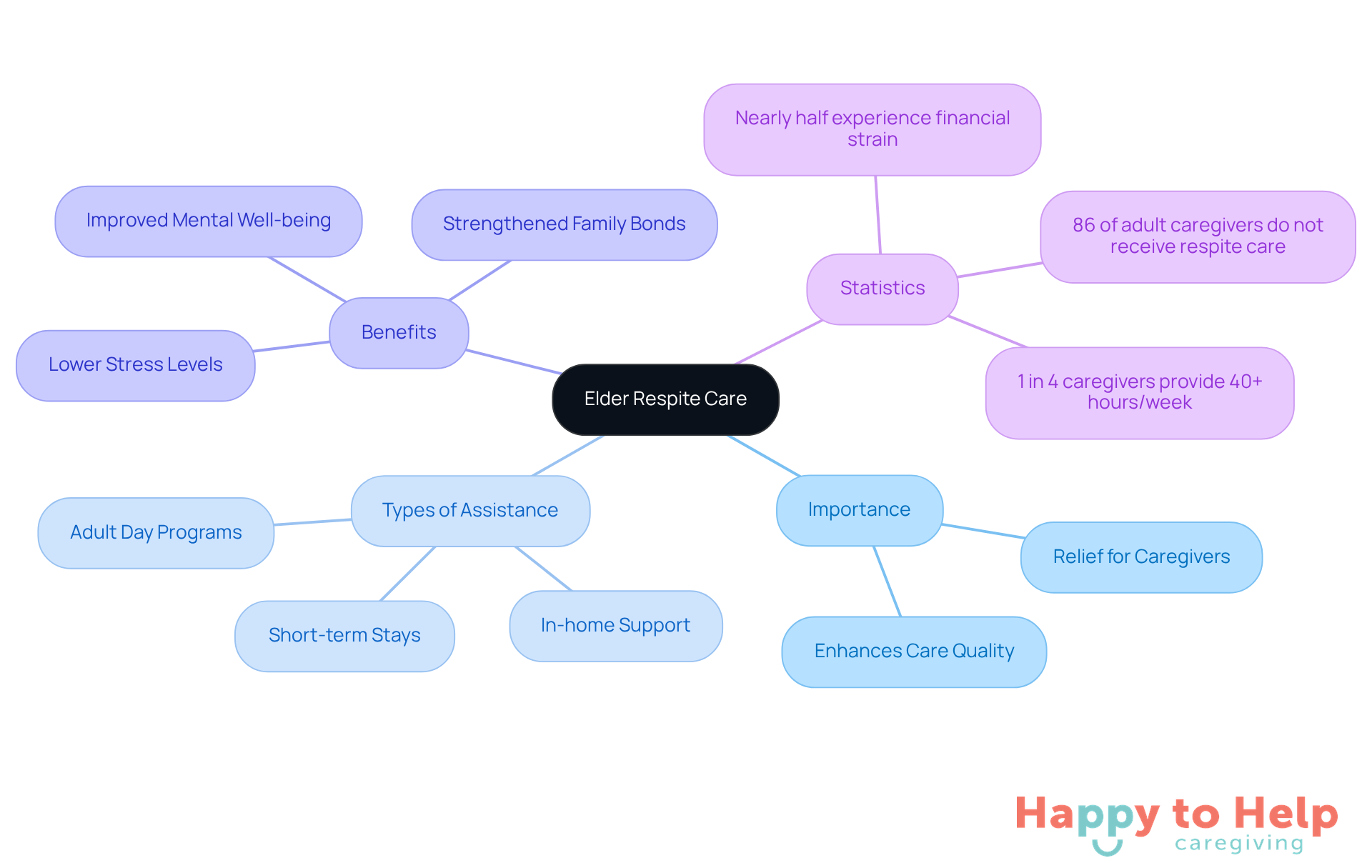
Elder respite care near me serves as a crucial resource for primary caregivers, providing temporary relief while ensuring their loved ones continue to receive essential support. Caregivers often face high levels of stress and fatigue due to their responsibilities. Research indicates that nearly one in four caregivers provide over 40 hours of support each week, with almost half experiencing significant financial strain, leading to emotional and physical stress. By utilizing temporary support services, caregivers can rejuvenate, ultimately enhancing their ability to deliver high-quality assistance.
The forms of assistance for elder respite care near me vary, including:
- In-home support
- Adult day programs
- Short-term stays in facilities
Each is tailored to meet specific needs. A study highlighted that caregivers who accessed relief services reported lower stress levels and improved mental well-being, allowing them to return to their roles with renewed energy and patience. Furthermore, integrating relief services into caregiving routines has been shown to strengthen family bonds, enabling caregivers to focus on emotional connections rather than just the logistics of care. This aligns with findings that emphasize how support services help families prioritize their emotional ties.
The benefits of temporary support extend beyond immediate relief; they contribute to long-term health for caregivers. Statistics reveal that those who take regular breaks experience lower rates of depression and anxiety, underscoring the importance of self-care in caregiving. As the demand for elder respite care near me grows, families must identify and advocate for these services, ensuring caregivers receive the support they need to thrive. As Lindsey Copeland pointed out, there is an urgent need for families and policymakers to act in support of the vital contributions made by caregivers.
Identify Your Respite Care Needs and Preferences
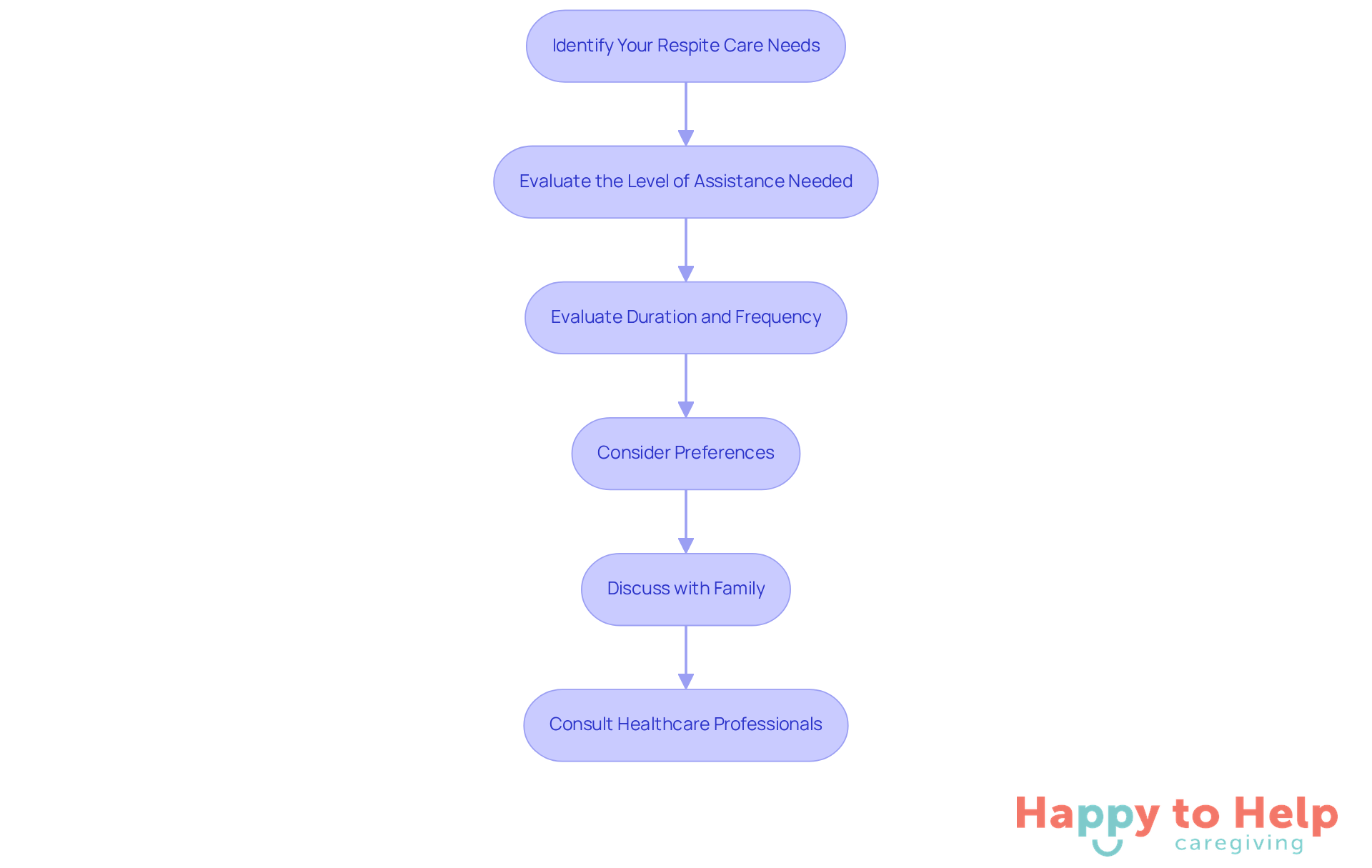
To effectively identify your respite care needs, consider the following steps:
Problem: Many caregivers struggle to understand their respite care needs, leading to increased stress and inadequate support for their loved ones. In fact, nearly 86% of adult supporters report not obtaining relief services, often due to a lack of clarity about their specific requirements.
Agitate: This lack of understanding can create significant pressure on caregivers, making it essential to evaluate the level of assistance needed.
Solution: Here are actionable steps to help you navigate this process:
-
Evaluate the Level of Assistance Needed: Determine whether your loved one requires basic companionship or more specialized medical support. Understanding the extent of assistance needed can help reduce stress and ensure that your loved one receives suitable aid.
-
Evaluate Duration and Frequency: Decide how often and for how long you will need respite care. This could range from a few hours a week to several days at a time, depending on your caregiving schedule and your loved one's requirements. Regular breaks can significantly reduce stress and enhance your resilience as a caregiver.
-
Consider Preferences: Think about your loved one's preferences regarding caregivers, such as gender, language, and familiarity with specific activities or routines. Customizing assistance can greatly enhance comfort and effectiveness. As Dr. [Healthcare Professional's Name] suggests, "Understanding the preferences of those receiving assistance is essential for ensuring their comfort and satisfaction."
-
Discuss with Family: Engage family members in the conversation to gather insights and ensure everyone’s concerns and preferences are addressed. Joint discussions can lead to a more thorough understanding of what is required and assist in developing a tailored support plan that addresses various needs.
-
Consult Healthcare Professionals: If necessary, seek advice from doctors or social workers who can provide recommendations based on your loved one's health status. Healthcare experts can offer valuable perspectives on the types of relief services that may be most beneficial, ensuring that the selected options align with medical requirements and individual preferences. For instance, a healthcare provider might recommend specific relief services that have proven effective for similar situations.
By following these steps, you can create a customized support plan that not only meets your loved one's needs but also promotes your well-being as a caregiver.
Evaluate and Compare Respite Care Providers
When evaluating respite care providers, caregivers often face the challenge of ensuring quality and reliability. This can be overwhelming, especially when considering the well-being of their loved ones.
-
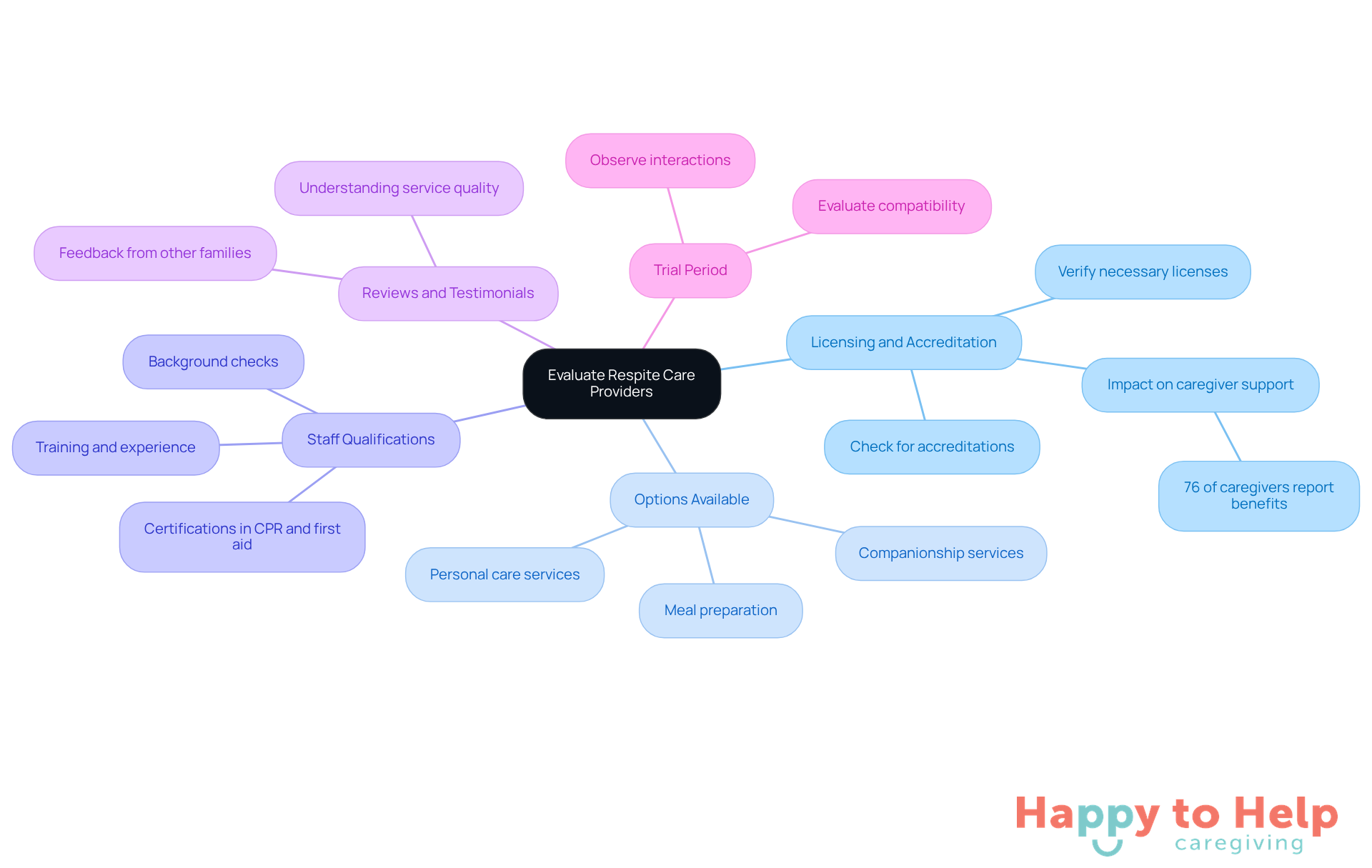
Licensing and Accreditation: One of the first steps is to verify that the provider holds the necessary licenses and accreditations from relevant authorities. This not only demonstrates adherence to industry standards but also assures families of the provider's commitment to quality service. In fact, nearly 76% of caregivers in critical-needs groups reported substantial benefits from accredited respite assistance, highlighting the positive impact of professional standards on caregiver support.
-
Options Available: It's also crucial to explore the range of services offered, such as personal care, meal preparation, and companionship. A comprehensive array of services can better meet the specific needs of your loved one, enhancing their comfort and overall well-being.
-
Staff Qualifications: Investigating the qualifications and training of caregivers is essential. Ensure that they undergo thorough background checks and hold certifications in vital areas like CPR and first aid, which are crucial for delivering safe and effective assistance.
-
Reviews and Testimonials: Seeking feedback from other families who have utilized the provider's services can provide valuable insights. Favorable evaluations can help you understand the quality of service and the dependability of the provider, assisting you in making an informed choice.
-
Trial Period: If possible, organizing a trial phase can be beneficial to evaluate the provider's compatibility with your loved one. This allows families to observe interactions and confirm that the provider meets their expectations before committing to long-term assistance.
The importance of licensing and accreditation in respite care cannot be overstated, as these factors significantly influence the quality of service provided. By prioritizing these criteria, families can find support services that not only meet their needs but also enhance the overall well-being of their loved ones. For instance, a research project on families utilizing relief options for children with special needs found that they reported decreased stress and improved access to support, illustrating the tangible benefits of high-quality respite care.
Understand Costs and Payment Options for Respite Care
Expenses for temporary assistance can pose a significant challenge for caregivers, as they can differ greatly based on location, type of support, and duration of assistance. Understanding these costs is crucial for effective planning and budgeting.
Average Expenses: In-home relief services typically range from $20 to $50 per hour, while adult day programs may charge between $100 and $150 per day. The national average for adult day services is around $103 daily, making it a practical choice for families seeking budget-friendly relief options.
Insurance Coverage: It's vital to consult your insurance provider regarding coverage for temporary assistance. Original Medicare (Part A) covers 95% of temporary support expenses for hospice patients certified by a doctor as having a life expectancy of six months or fewer. Some long-term insurance plans may also offer benefits for relief assistance, but coverage can vary widely. Understanding your specific plan is essential to avoid unexpected costs.
Government Support: Families should explore government programs that provide financial aid for temporary relief services, such as Medicaid. While Medicaid typically does not cover support services directly, many states offer home and community-based services (HCBS) waivers that can help cover expenses related to adult day programs or in-home assistance, facilitating access to essential aid for families.
Nonprofit Entities: Numerous nonprofit organizations, like Lifespan Respite Assistance Programs (LRAPs), offer grants or subsidies to assist families with relief support expenses. Researching local resources can uncover valuable support options, including elder respite care near me, that may alleviate some financial burdens.
Payment Plans: It's worth inquiring whether respite service providers offer flexible payment options or sliding scale fees based on income. Such arrangements can enhance accessibility, allowing families to secure the care they need without overwhelming financial strain.

Key Takeaways for Caregivers
Finding the right elder respite care is crucial for caregivers and their loved ones. Without proper support, caregivers can become overwhelmed, leading to stress and burnout. This guide highlights the importance of respite care, which comes in various forms, from in-home assistance to adult day programs. Recognizing the value of temporary relief allows caregivers to recharge, ultimately enhancing their well-being and the quality of care they provide.
Identifying respite care needs is the first step. Caregivers should:
- Evaluate their specific requirements
- Engage family members
- Consult healthcare professionals to develop a tailored support plan
Understanding costs and choosing accredited providers are essential. Exploring service options and considering financial assistance can further ease the burden, reinforcing the need for thorough research and planning.
The significance of elder respite care cannot be overstated. It supports the physical and emotional health of caregivers, strengthens family dynamics, and improves the quality of life for elderly individuals. Families are encouraged to actively seek these vital services, ensuring that both caregivers and their loved ones can thrive. Taking the first step towards finding local respite care can profoundly impact maintaining balance and fostering resilience in caregiving.
https://iframe.tely.ai/cta/eyJhcnRpY2xlX2lkIjogIjY5MjI0ZjVlNGZjYWRhOTUwOGRlNDNkNyIsICJjb21wYW55X2lkIjogIjY4ZWU1ZGNhNzMxNzYyNTU3ZjNjOTVjMSIsICJpbmRleCI6IG51bGwsICJ0eXBlIjogImFydGljbGUifQ==Frequently Asked Questions
What is elder respite care?
Elder respite care is a temporary relief service for primary caregivers, allowing them to take breaks while ensuring their loved ones continue to receive essential support.
Why is respite care important for caregivers?
Respite care is important because it helps alleviate the high levels of stress and fatigue that caregivers often experience, allowing them to rejuvenate and enhance their ability to provide high-quality assistance.
What forms of assistance are available through elder respite care?
The forms of assistance for elder respite care include in-home support, adult day programs, and short-term stays in facilities, each tailored to meet specific needs.
How does accessing respite care impact caregivers' mental well-being?
Caregivers who access respite services report lower stress levels and improved mental well-being, enabling them to return to their caregiving roles with renewed energy and patience.
How does respite care affect family dynamics?
Integrating respite care into caregiving routines strengthens family bonds, allowing caregivers to focus on emotional connections rather than just the logistics of care.
What are the long-term benefits of taking breaks for caregivers?
Regular breaks for caregivers contribute to long-term health benefits, with statistics showing lower rates of depression and anxiety among those who utilize respite care services.
What is the current demand for elder respite care?
The demand for elder respite care is growing, and it is essential for families to identify and advocate for these services to ensure caregivers receive the necessary support.
What do experts say about the need for respite care services?
Experts emphasize an urgent need for families and policymakers to act in support of the vital contributions made by caregivers, highlighting the importance of respite care services.
List of Sources
- Understand Respite Care and Its Importance
- New Report Reveals Crisis Point for America’s 63 million Family Caregivers (https://press.aarp.org/2025-07-24-New-Report-Reveals-Crisis-Point-for-Americas-63-million-Family-Caregivers)
- As Family Caregiving Grows, So Does the Need for Reform - Medicare Rights Center (https://medicarerights.org/medicare-watch/2025/08/14/as-family-caregiving-grows-so-does-the-need-for-reform)
- Improving Support for Family Caregivers (https://nationalacademies.org/news/2025/07/improving-support-for-family-caregivers)
- Summer Respite: How Short-Term Care Can Help Family Caregivers Take a Break (https://homeinstead.com/home-care/usa/la/carencro/347/news-and-media/summer-respite-how-short-term-care-can-help-family-caregivers-take-a-break)
- Identify Your Respite Care Needs and Preferences
- Respite Facts and Talking Points | ARCH National Respite Network & Resource Center (https://archrespite.org/policy/respite-facts-and-talking-points)
- State Innovations to Advance Respite Care: Policy Strategies Shared at the State-Federal Respite Summit - NASHP (https://nashp.org/state-innovations-to-advance-respite-care-policy-strategies-shared-at-the-state-federal-respite-summit)
- Caregivers Face Mental, Physical Health Risks (https://usnews.com/news/health-news/articles/2025-01-07/caregivers-face-mental-physical-health-risks)
- Improving Support for Family Caregivers (https://nationalacademies.org/news/2025/07/improving-support-for-family-caregivers)
- 'More pressure on families.' Nearly half of US states are on the brink of a caregiving emergency (https://usatoday.com/story/news/health/2025/05/21/columbia-university-state-caregiving-study/83651201007)
- Evaluate and Compare Respite Care Providers
- New Report Reveals Crisis Point for America’s 63 million Family Caregivers (https://press.aarp.org/2025-07-24-New-Report-Reveals-Crisis-Point-for-Americas-63-million-Family-Caregivers)
- Respite Facts and Talking Points | ARCH National Respite Network & Resource Center (https://archrespite.org/policy/respite-facts-and-talking-points)
- Improving Support for Family Caregivers (https://nationalacademies.org/news/2025/07/improving-support-for-family-caregivers)
- Program Evaluation | ARCH National Respite Network & Resource Center (https://archrespite.org/provider-resources/program-evaluation)
- Understand Costs and Payment Options for Respite Care
- A bill in Congress would return $5,000 to millions of family caregivers every year, but will it pass? (https://cbsnews.com/newyork/news/credit-for-caring-act-family-caregiver-tax-credit)
- How Much Does Respite Care Cost Out Of Pocket? (https://trualta.com/resources/blog/how-much-does-respite-care-cost-out-of-pocket)
- New Medicare program offers much-needed relief for caregivers of dementia patients (https://finance.yahoo.com/news/new-medicare-program-offers-much-needed-relief-for-caregivers-of-dementia-patients-203450020.html)
- Respite Care Costs | How Much Does it Cost for Respite Care in 2025? (https://seniorliving.org/respite/costs)