

For families in our service areas
For families in our service areas, this guide explains caregiver support and how non-medical in-home caregiving can support care planning in East Idaho, Treasure Valley & Magic Valley, Northern Wasatch, North Central West Virginia, and Northeast Ohio.
Find Elderly Help Near Me: 4 Steps at a Glance
Caring for elderly loved ones can be a deeply emotional journey. Family caregivers often face significant challenges, including feelings of stress and burnout. It’s essential to recognize these emotions and seek the right support.
The article outlines four essential steps for family caregivers seeking help for the elderly. These steps include:
- Identifying types of assistance
- Assessing personal needs
- Locating local resources
- Evaluating services and caregivers
Each step is designed to empower caregivers by emphasizing the importance of understanding specific needs and available support options.
By following these steps, caregivers can ensure they provide the best possible care for their loved ones while also addressing their own well-being. Remember, you are not alone on this journey; there are resources and people ready to support you every step of the way.
Understanding Find Elderly Help Near Me: 4 Steps
Navigating the complexities of elderly care can be a daunting task for family caregivers. It’s not just about finding the right support; it’s about addressing the emotional weight that often accompanies this responsibility. With a multitude of services available—from companionship to specialized medical assistance—understanding these options is crucial for ensuring the well-being of our loved ones.
Yet, how can caregivers effectively identify and evaluate these resources to meet the unique needs of their family members? This guide offers a step-by-step approach to:
- Discovering local elderly help
- Assessing personal needs
- Selecting the most suitable services
By empowering caregivers with knowledge, we aim to support them in making informed decisions on their caregiving journey, alleviating some of the stress and uncertainty they may feel.
Identify Types of Elderly Help Available
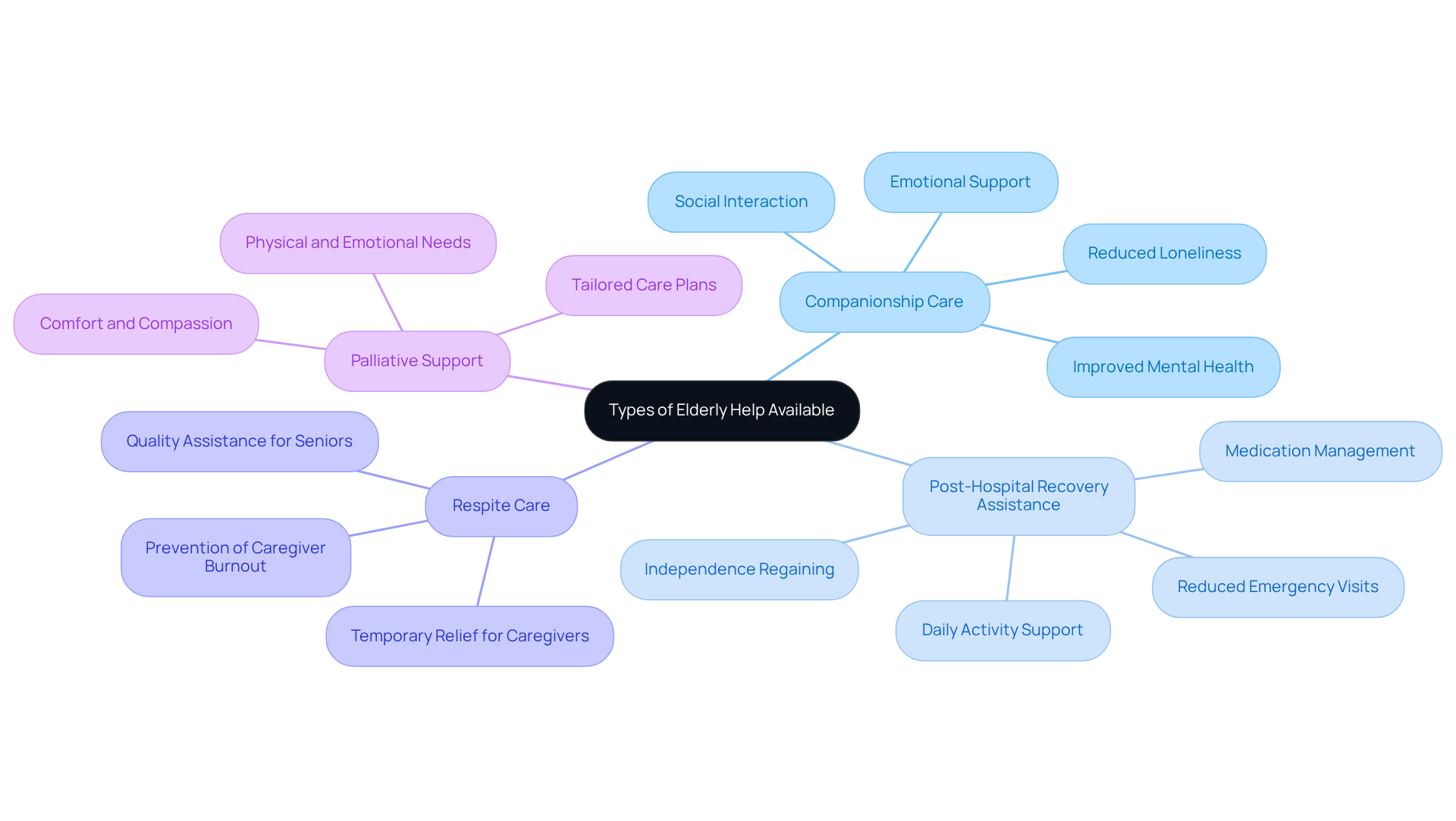
Begin by familiarizing yourself with the various types of elderly help near me, as understanding these options is vital for both caregivers and their loved ones. Common categories include:
- Companionship Care: This service is designed to provide emotional support and social interaction, which are crucial for alleviating feelings of loneliness. Regular companionship can significantly enhance mental health and social engagement for seniors, reducing the risk of depression and cognitive decline. As highlighted by the National Council on Aging, social isolation in older adults raises the risk of dementia by almost 50%. This underscores the importance of companionship in fostering a sense of connection.
- Post-Hospital Recovery Assistance: Ideal for seniors recovering from surgery or illness, this service offers help with daily activities, medication management, and support to regain independence. Studies reveal that receiving skilled nursing at home can reduce emergency room visits and improve recovery outcomes, providing peace of mind during a vulnerable time.
- Respite Care: This temporary relief for primary caregivers allows them to take a much-needed break while ensuring their loved ones receive quality assistance. It is essential for preventing burnout among those providing care, thus maintaining the well-being of both the provider and the recipient. The value of family caregiving is estimated at $375 billion annually, highlighting the importance of supporting caregivers in their critical role.
- Palliative Support: This specialized assistance focuses on providing comfort and support for individuals with serious illnesses, addressing both physical and emotional needs. It ensures that clients receive compassionate care tailored to their unique circumstances, which is vital for enhancing their quality of life.
Grasping these categories will aid you in identifying the most appropriate elderly help near me for your family member’s situation, ensuring they receive the best possible support. Moreover, successful companionship support programs have demonstrated considerable advantages, including improved mental health outcomes and reduced feelings of isolation among seniors. Remember, you are not alone in this journey, and there are compassionate resources available to help both you and your loved ones navigate these challenges.
Assess Personal Needs and Preferences
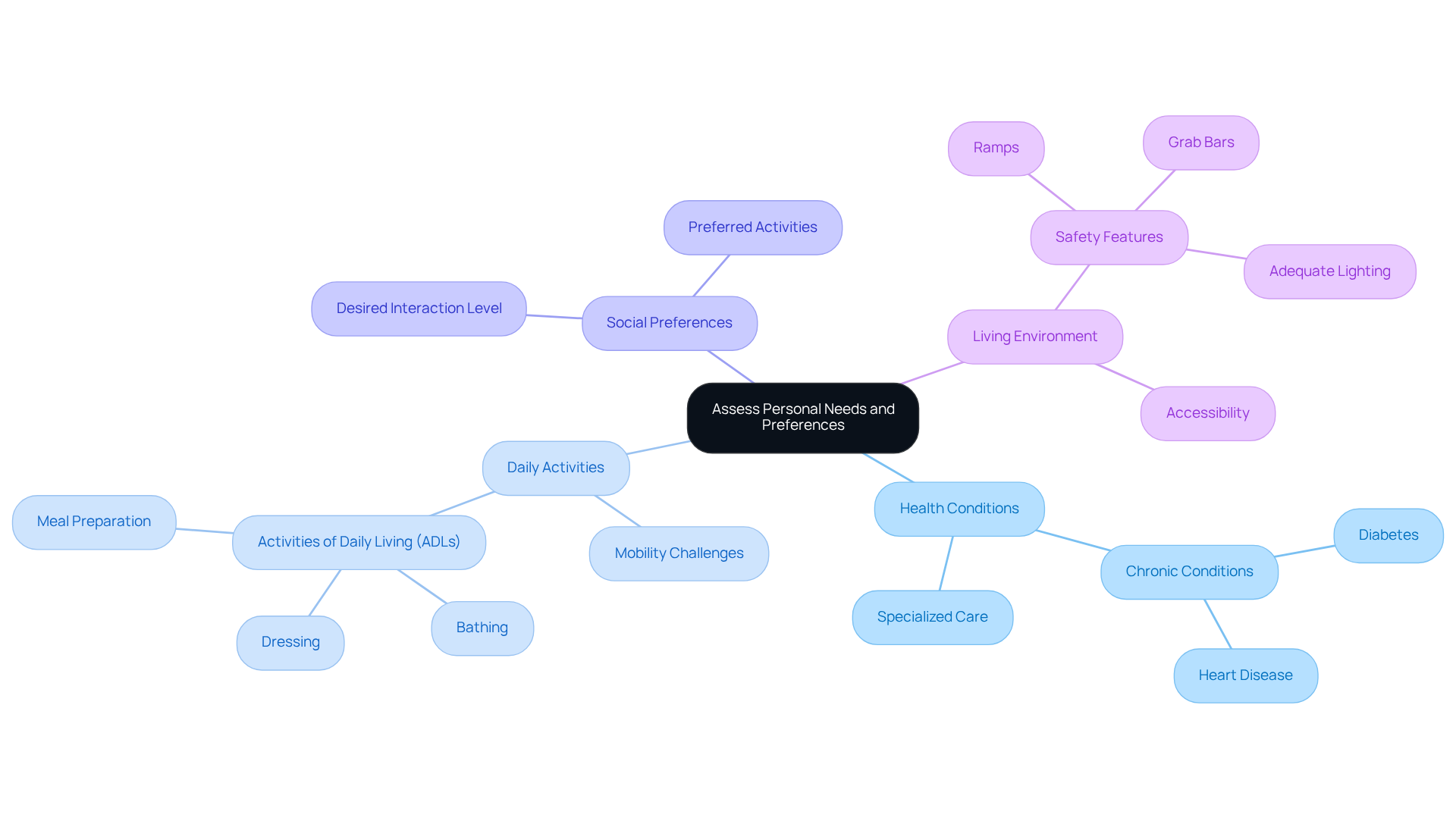
To effectively support your dear one, seeking elderly help near me and assessing their specific needs and preferences is essential. Start by considering key areas that can significantly impact their well-being.
-
Health Conditions: Identify any medical issues that necessitate specialized care or ongoing monitoring. Chronic conditions like diabetes or heart disease require careful management, and understanding these can help you provide the right support.
-
Daily Activities: Recognize which daily tasks pose challenges for your loved one. It's important to note that millions of older adults struggle with activities of daily living (ADLs) such as bathing, dressing, and meal preparation, which is why there is a need for elderly help near me. Understanding these difficulties can guide the type of assistance needed. As Maya Angelou wisely noted, "People will never forget how you made them feel," emphasizing the importance of addressing these challenges with compassion.
-
Social Preferences: Gauge their social needs by determining how much interaction they desire and what activities they enjoy. Engaging in social activities can significantly enhance their mental well-being and reduce feelings of isolation.
-
Living Environment: Assess the safety and accessibility of their home. Factors such as the presence of ramps, grab bars, and adequate lighting can greatly influence the level of assistance required.
By collecting this information, you can create a clearer understanding of the type of elderly help near me that will be most beneficial. This ensures that support is customized to improve their quality of life. Furthermore, consider how home assistance can encourage long-term wellness for seniors, enabling them to retain their independence and dignity.
Locate Local Resources for Elderly Assistance
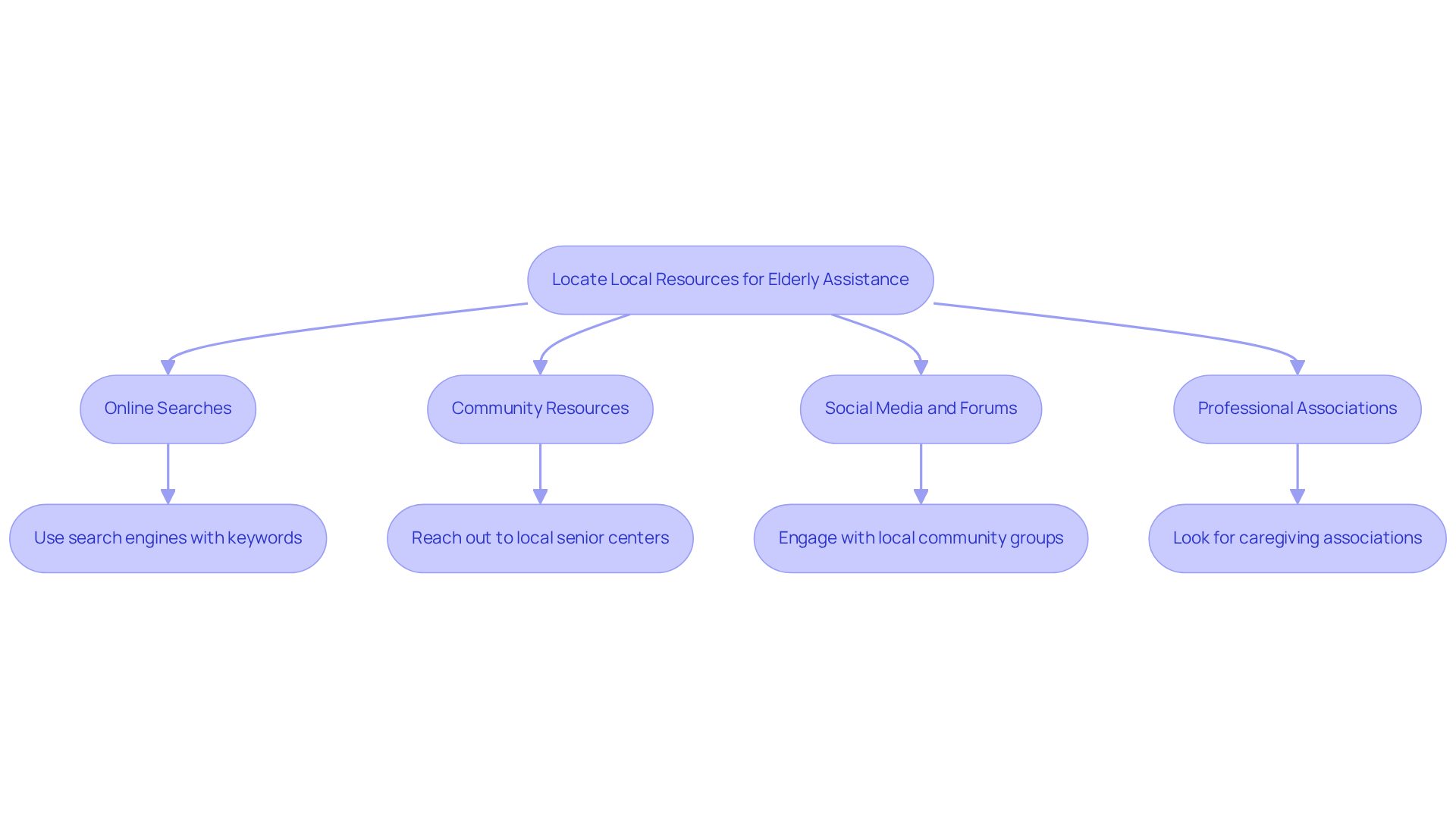
Once you have identified the types of help needed, it’s time to locate resources for elderly help near me. Here’s how:
-
Online Searches: Use search engines to find caregiving services in your area. Keywords like 'elderly help near me' can yield useful results. Caregiving experts emphasize that efficient online searches for elderly help near me can significantly expand your choices, assisting you in locating resources that best suit your loved one's requirements.
-
Community Resources: For elderly help near me, reach out to local senior centers, hospitals, or community organizations, such as the Area Agency on Aging or the Aging Services Council. These institutions often offer referrals or resources tailored specifically for the elderly population, ensuring you find reliable elderly help near me.
-
Social Media and Forums: Engage with local community groups on platforms like Facebook or Nextdoor. Here, you can ask for suggestions from others who are providing care. These forums foster a sense of community and shared knowledge, allowing you to learn from the experiences of others.
-
Professional Associations: Look for local chapters of caregiving associations that can provide lists of certified caregivers and agencies offering elderly help near me. This ensures access to qualified professionals who meet your loved one’s needs.
By utilizing these resources, you can compile a list of possible options for elderly help near me to consider. With more than 1 million Americans living in assisted facilities and almost 20% depending on Medicaid for daily support, the need for quality in-home assistance is substantial. Remember, navigating these options can be challenging, but you are not alone. Acknowledging the emotional toll caregiving can take on families is important, and utilizing these strategies will help you find the support you need.
Evaluate Services and Caregivers
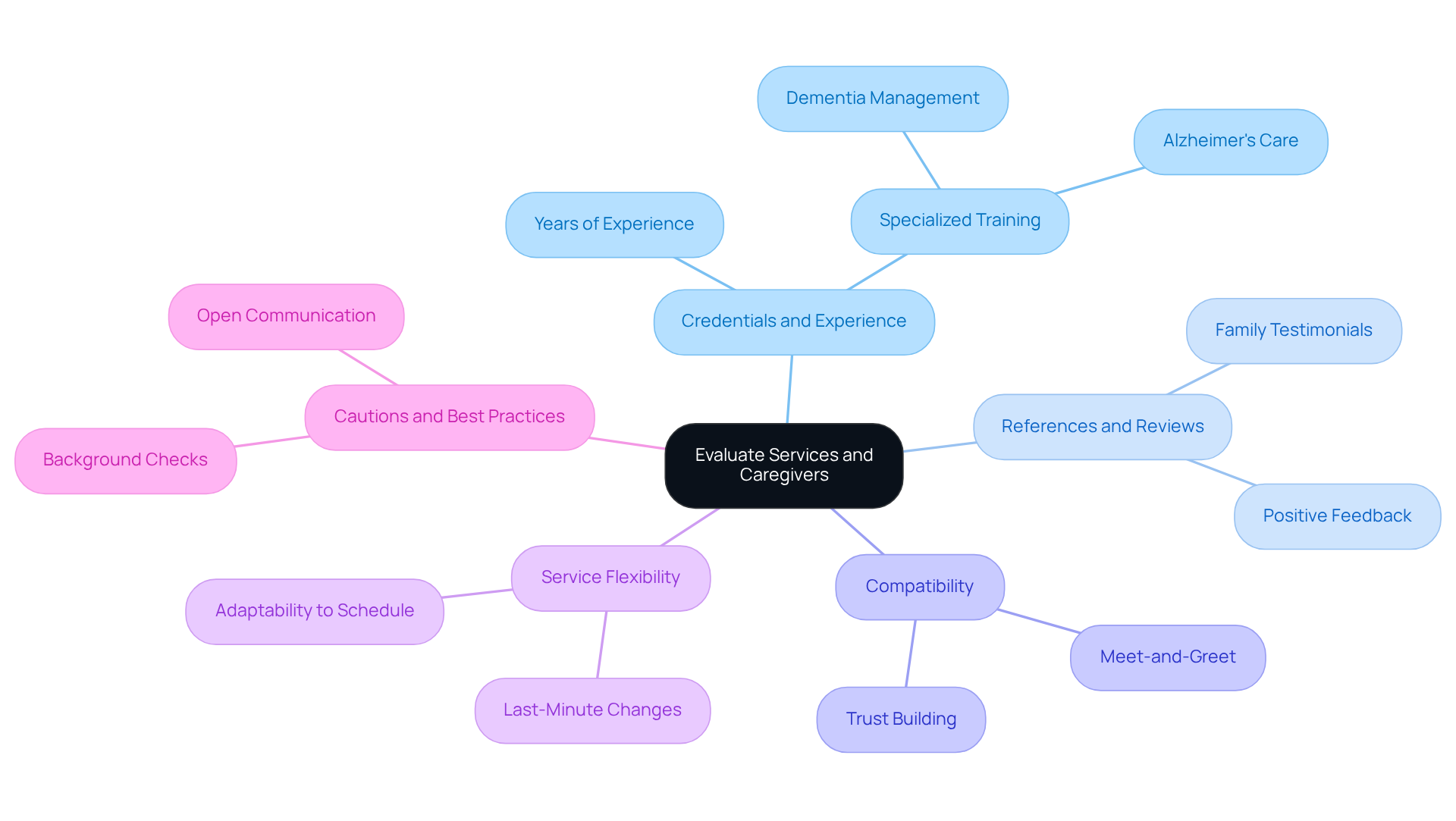
When evaluating the services and caregivers you have identified, it’s important to consider some essential criteria that can truly make a difference in your loved one’s care.
-
Credentials and Experience: It’s vital to confirm the qualifications and experience of caregivers. Look for any specialized training that aligns with your loved one’s specific needs. For instance, caregivers educated in dementia management can significantly enhance the quality of assistance for individuals with Alzheimer’s disease. This is particularly important given the rising demand for specialized skills in this field. Research shows that caregivers working higher hours (21 hours or more weekly) are nearly four times more likely to be caring for a spouse or partner. This underscores the importance of evaluating caregiver experience and specialization.
-
References and Reviews: Seek out testimonials from families who have previously utilized the services. Positive feedback is often a strong indicator of reliability and quality of service. Studies indicate that caregivers with positive evaluations tend to have a greater retention rate, which is essential for maintaining continuity of care. Including direct quotes from families about their experiences can further highlight the emotional significance of choosing the right support provider.
-
Compatibility: Organizing a meet-and-greet between your loved one and potential caregivers is crucial. This interaction helps assess compatibility and comfort levels. A good match can enhance the caregiving experience and foster a trusting relationship. Case studies showcasing successful provider matching can provide practical examples of how effective evaluation leads to positive outcomes for families.
-
Service Flexibility: Ensure that the service can adapt to your loved one’s schedule and specific needs, including the ability to accommodate last-minute changes. Flexibility is particularly important, as caregivers often face unpredictable circumstances that require quick adjustments.
-
Cautions and Best Practices: When assessing providers, consider best practices such as conducting thorough background checks and maintaining open communication to ensure a successful partnership.
By carefully evaluating these aspects, you can select the most suitable caregiver or service that will provide the best support for your loved one, ensuring their comfort and well-being.
Your Path Forward
Understanding the various types of elderly help available is crucial for family caregivers seeking the best support for their loved ones. Caregivers often face immense challenges, and recognizing these emotional burdens is the first step toward finding relief. By identifying specific needs and preferences, caregivers can tailor their approach, ensuring that seniors receive the appropriate assistance that enhances their quality of life.
This guide emphasizes the importance of:
- Companionship
- Recovery support
- Respite care
- Palliative services
All of which play significant roles in the well-being of elderly individuals. These services not only provide practical support but also foster emotional connections that can alleviate feelings of isolation and stress.
The article outlines a systematic approach to finding local resources for elderly assistance, including:
- Online searches
- Community resources
- Professional associations
Evaluating services and caregivers based on credentials, compatibility, and flexibility is essential. These steps are vital not only for securing quality care but also for alleviating the emotional burden on family caregivers.
Ultimately, the journey to find elderly help is a shared experience that requires compassion, understanding, and proactive measures. By leveraging available resources and following the outlined steps, caregivers can ensure their loved ones receive the support they deserve. This fosters an environment where both seniors and caregivers thrive.
Embracing this process can lead to improved mental health outcomes, increased independence, and a deeper sense of connection for those involved. Remember, you are not alone in this journey. Together, with the right support, you can create a nurturing environment that benefits everyone.
https://iframe.tely.ai/cta/eyJhcnRpY2xlX2lkIjogIjY4ZjQyYTM1ODY4YTljMDVjZTdhNDBkZiIsICJjb21wYW55X2lkIjogIjY4ZWU1ZGNhNzMxNzYyNTU3ZjNjOTVjMSIsICJpbmRleCI6IG51bGwsICJ0eXBlIjogImFydGljbGUifQ==Frequently Asked Questions
What are the main types of elderly help available?
The main types of elderly help include companionship care, post-hospital recovery assistance, respite care, and palliative support.
What is companionship care and why is it important?
Companionship care provides emotional support and social interaction to seniors, which helps alleviate feelings of loneliness, enhances mental health, and reduces the risk of depression and cognitive decline.
How does post-hospital recovery assistance benefit seniors?
Post-hospital recovery assistance helps seniors recover from surgery or illness by offering support with daily activities, medication management, and promoting independence, which can lead to better recovery outcomes and fewer emergency room visits.
What is respite care and who is it for?
Respite care provides temporary relief for primary caregivers, allowing them to take a break while ensuring their loved ones receive quality assistance, which helps prevent caregiver burnout.
What does palliative support focus on?
Palliative support focuses on providing comfort and assistance to individuals with serious illnesses, addressing both their physical and emotional needs to enhance their quality of life.
Why is understanding these types of elderly help important?
Understanding these types of elderly help is vital for caregivers and their loved ones to identify the most appropriate support for their family member’s situation, ensuring they receive the best possible assistance.