
Why Find Home Health Caregivers Near Me: A Matters
Finding the right home health caregiver can feel like navigating a maze filled with emotional and practical challenges. It’s a journey that many families embark on, often feeling overwhelmed by the choices and the weight of responsibility. With the growing demand for quality care - evidenced by an expected compound annual growth rate of nearly 8% in the home healthcare market - families are increasingly seeking reliable support for their loved ones.
This guide offers a comprehensive, step-by-step approach to identifying and selecting the best caregivers. We understand that it’s not just about finding someone to help; it’s about ensuring that both emotional and physical needs are met. How can families effectively balance the myriad of options and find a caregiver who truly fits their loved one's unique requirements?
As you read through this guide, remember that you’re not alone in this process. Many have walked this path and found compassionate caregivers who provide not just assistance, but also comfort and companionship. Together, we can navigate this journey with care and understanding.
Assess Care Needs and Preferences
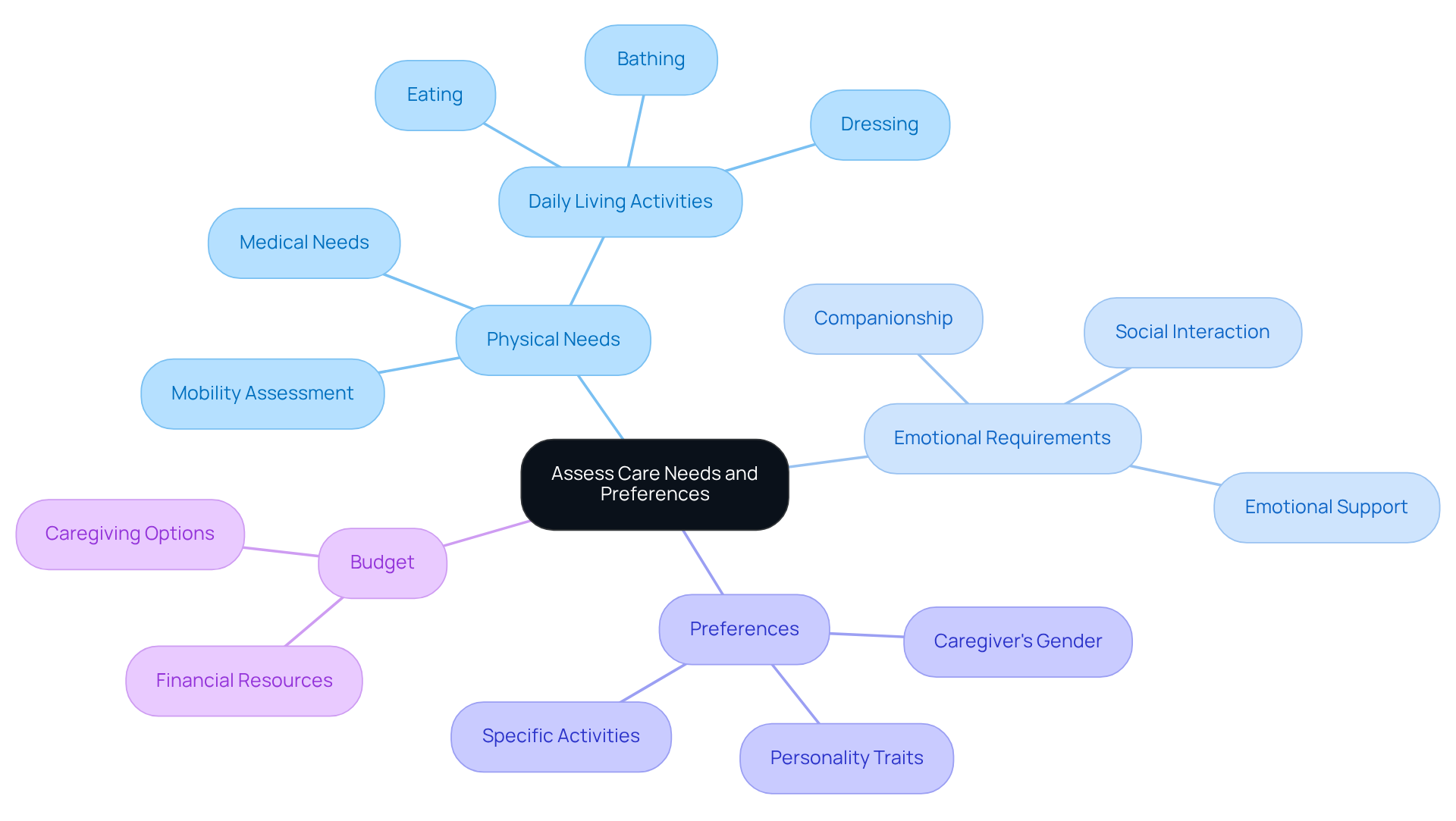
Begin by having an open conversation with the person needing assistance and their family members. This helps you understand their specific requirements. Consider these important aspects:
- Physical Needs: Take a moment to assess mobility, daily living activities like bathing, dressing, and eating, as well as any medical needs they may have.
- Emotional Requirements: Reflect on the importance of companionship, social interaction, and emotional support in their lives.
- Preferences: Discuss their preferences regarding the caregiver's gender, personality traits, and any specific activities they enjoy.
- Budget: It's essential to determine the financial resources available for caregiving services, as this will guide your options moving forward.
Documenting these needs and preferences will help create a clear profile, making the search for a caregiver more focused and effective.
Research Local Home Health Care Agencies
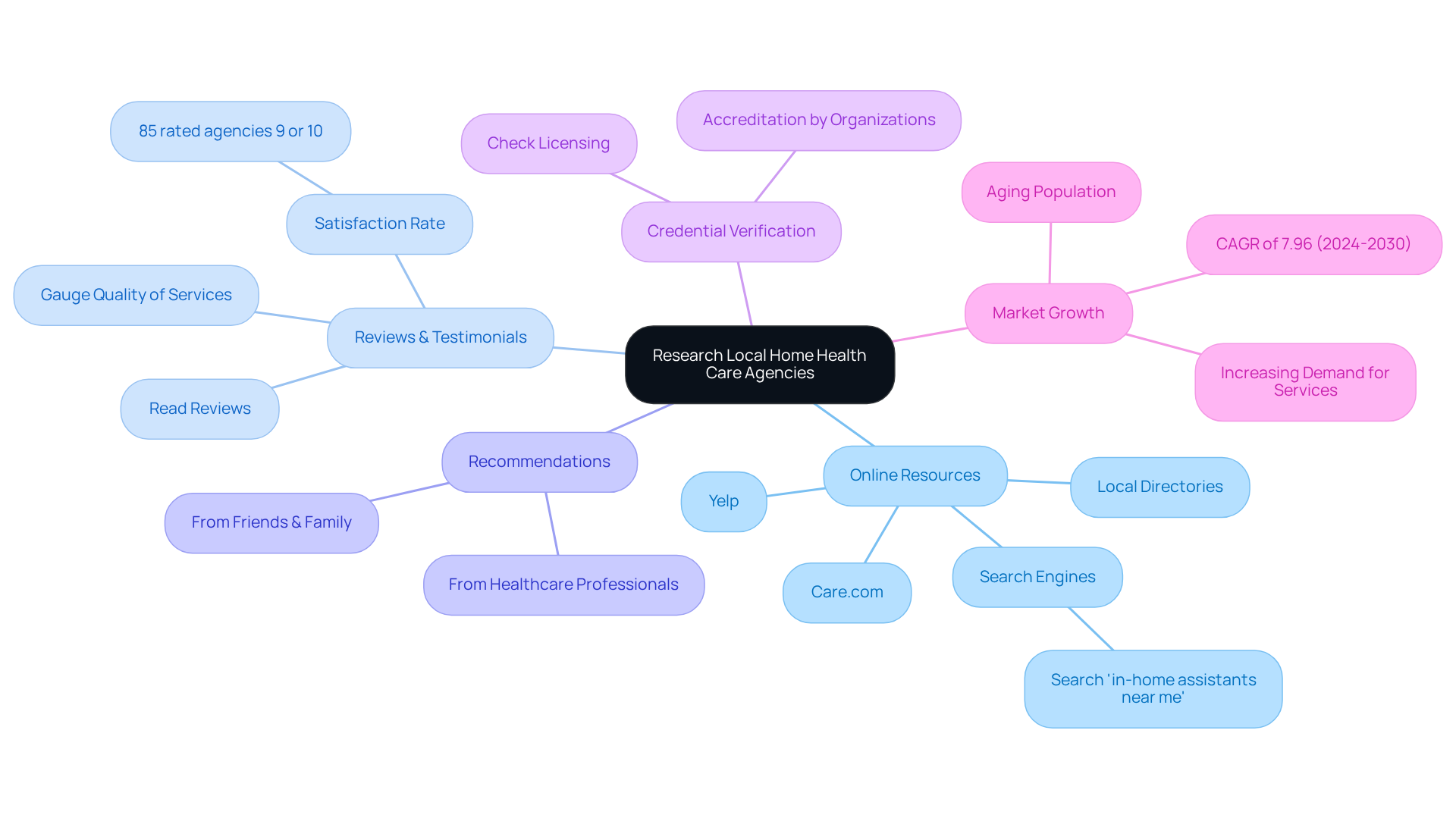
Start your search for home health caregivers near me by exploring various online resources. Websites like Yelp, Care.com, and local directories can help you find home health caregivers near me. For instance, typing 'in-home assistants near me' into a search engine can reveal a wealth of options tailored to your needs.
Next, take a moment to read reviews and testimonials. These insights can help you gauge the quality of services offered by different agencies. Look for those with consistently positive feedback, especially regarding caregiver professionalism and agency responsiveness. High satisfaction rates often indicate reliable services; for example, recent data shows that 85 percent of home health patients rated their agencies 9 or 10 out of 10. This is particularly significant given that there were 424 million home health visits in 2020, highlighting a growing reliance on these essential services.
Additionally, don’t hesitate to seek recommendations from trusted sources like friends, family, or healthcare professionals for home health caregivers near me. Personal experiences can provide invaluable insights into the effectiveness and reliability of specific agencies.
It’s also vital to verify the credentials of the agencies you’re considering. Ensure they are licensed and accredited by relevant state or national organizations, as this guarantees adherence to industry standards and regulations. As Sumita Singh, Executive Vice President and General Manager of Health at U.S. News, wisely notes, "Choosing the right home health provider is crucial for a successful recovery." This step is essential in ensuring that your loved ones receive the highest quality of assistance in the comfort of their own homes.
Ultimately, keep in mind that the home healthcare market is expected to grow at a compound annual growth rate (CAGR) of 7.96% from 2024 to 2030. This underscores the increasing demand for quality home health services, reassuring you that you’re making a choice that aligns with a brighter future for your loved ones.
Evaluate Caregiver Qualifications and Experience
Choosing the right caregiver for your loved one can feel overwhelming. It’s a journey filled with emotional challenges, and it’s essential to find someone who truly understands and meets those needs. Here are some key factors to consider:
-
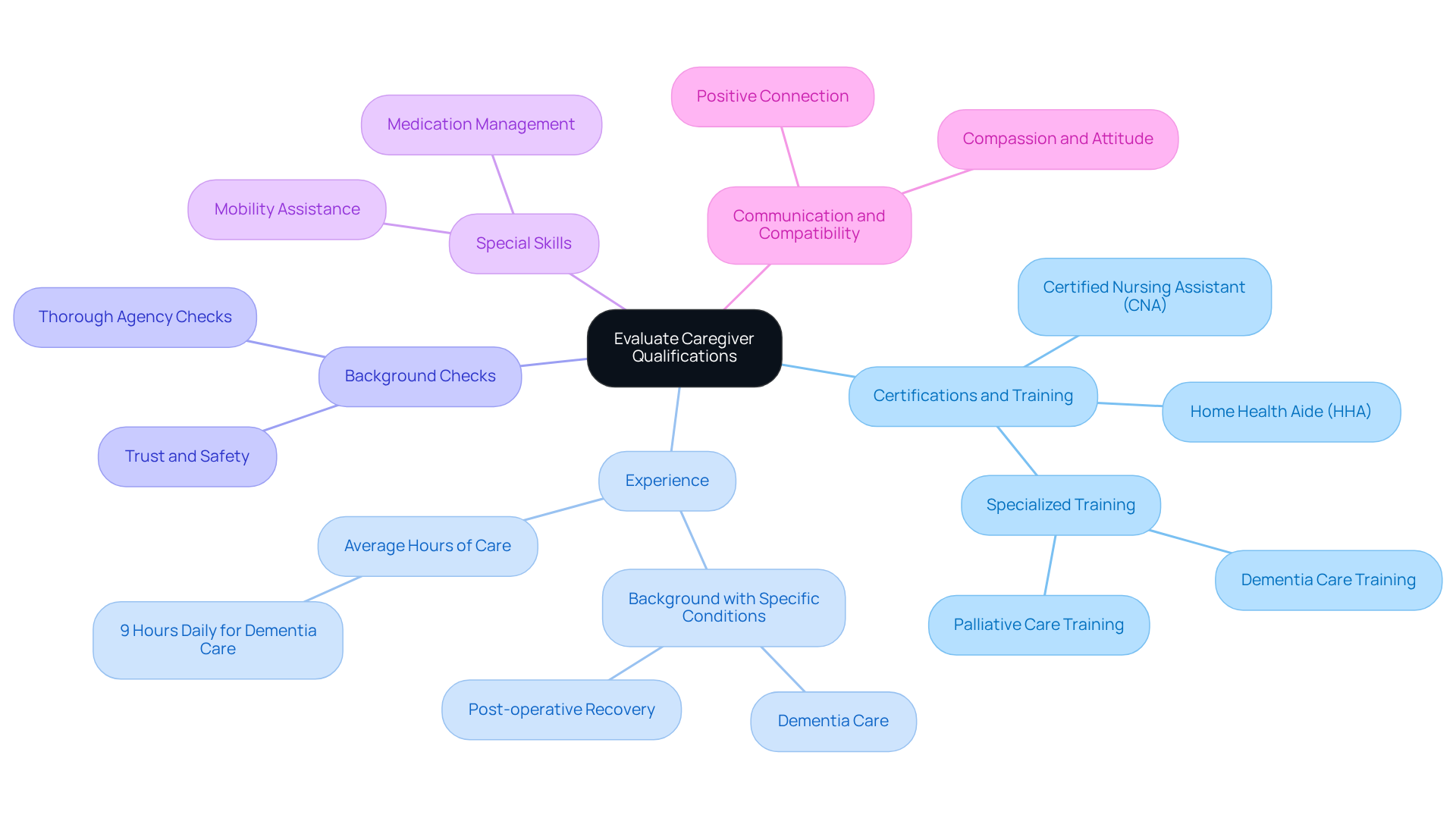
Certifications and Training: It’s important to verify that the caregiver has relevant certifications, like Certified Nursing Assistant (CNA) or Home Health Aide (HHA). These credentials often indicate a solid foundation of training and knowledge in providing support. Specialists emphasize that provider certification is vital for enhancing the quality of home care, equipping caregivers with the necessary skills and professional recognition.
-
Experience: Inquire about the caregiver’s background with specific conditions that matter to your loved one, such as dementia care or post-operative recovery. Research shows that caregivers with specialized experience can significantly improve the quality of support, especially for those with complex needs. For example, family caregivers of individuals with dementia often report needing an average of 9 hours of daily assistance, underscoring the commitment involved.
-
Background Checks: It’s crucial to ensure that the agency conducts thorough background checks to confirm the caregiver’s history and reliability. This step is essential for building trust and ensuring your loved one’s safety. Comprehensive background checks are a key part of caregiving guidelines, helping to ensure that you’re choosing someone with a dependable history.
-
Special Skills: Look for caregivers who have specialized training in areas that align with your loved one’s needs, such as mobility assistance or medication management. Caregivers with these skills are better prepared to handle specific challenges that may arise.
-
Communication and Compatibility: Assess the caregiver’s communication style and personality traits. A positive connection between the caregiver and your loved one can lead to better outcomes, as compatibility fosters trust and comfort. Specialists note that a caregiver’s attitude and compassion are crucial for nurturing a positive and trusting relationship.
By focusing on these elements, families can make informed decisions when selecting support providers. This ensures that their loved ones receive the compassionate and skilled assistance they truly deserve.
Conduct Interviews with Potential Caregivers
Prepare for interviews with a caring approach:
-
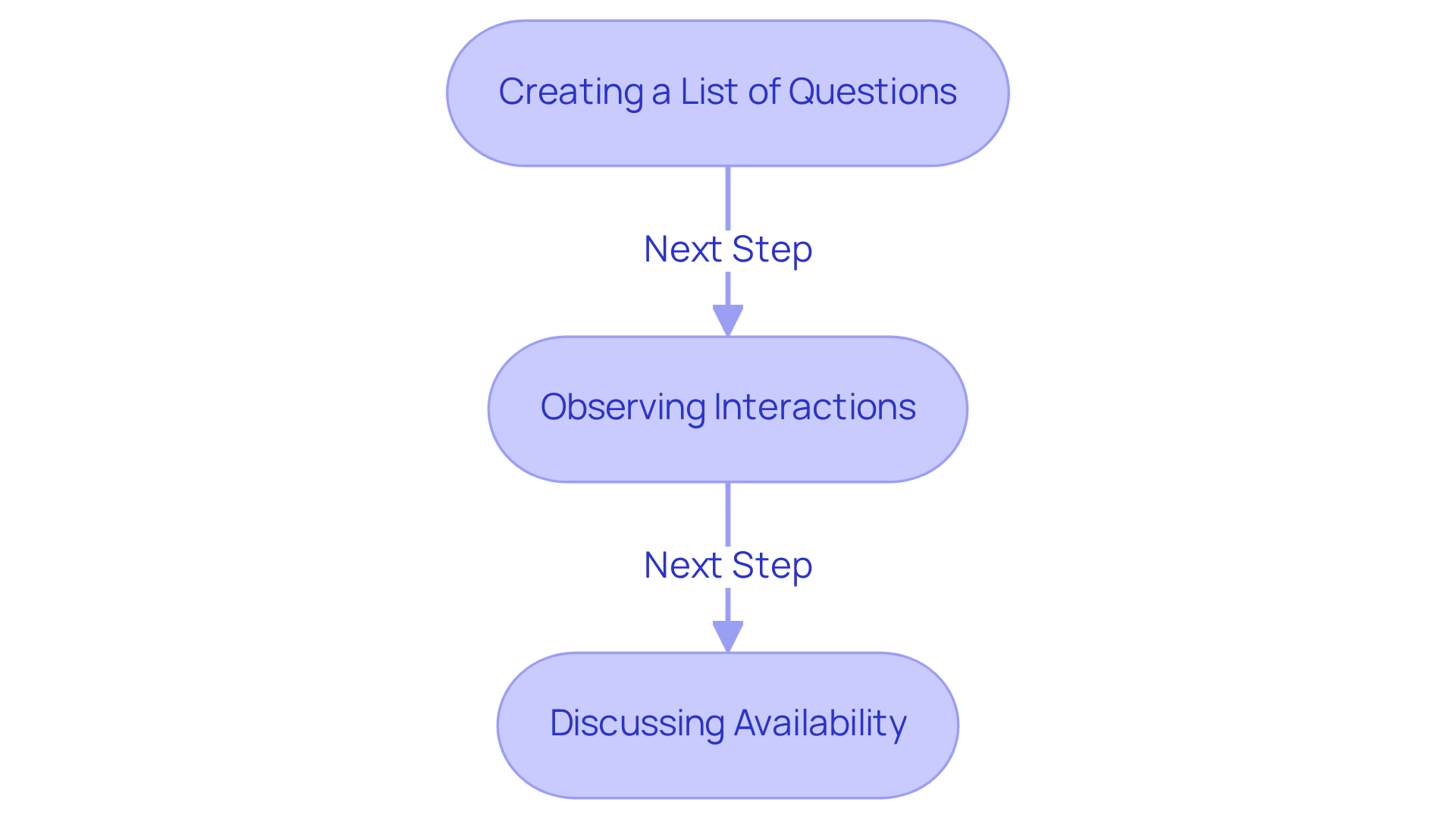
Creating a List of Questions: It’s important to ask about their caregiving philosophy, their experience with similar clients, and how they handle challenging situations. Here are some sample questions that can help you understand their perspective:
- What motivates you to be a caregiver?
- How do you handle emergencies?
- Can you describe a challenging situation you faced and how you resolved it?
-
Observing Interactions: During the interview, pay close attention to how the provider engages with the individual. Look for signs of empathy, patience, and strong communication skills. These qualities are essential in caregiving.
-
Discussing Availability: Make sure that the provider's schedule aligns with the individual's needs. Flexibility for last-minute changes can make a significant difference in care.
Remember, finding the right home health caregivers near me involves more than just qualifications; it’s about ensuring a compassionate connection that meets emotional and practical needs.
Check References and Read Reviews
To verify a caregiver's qualifications, it's important to take a thoughtful approach. Here are some essential steps to consider:
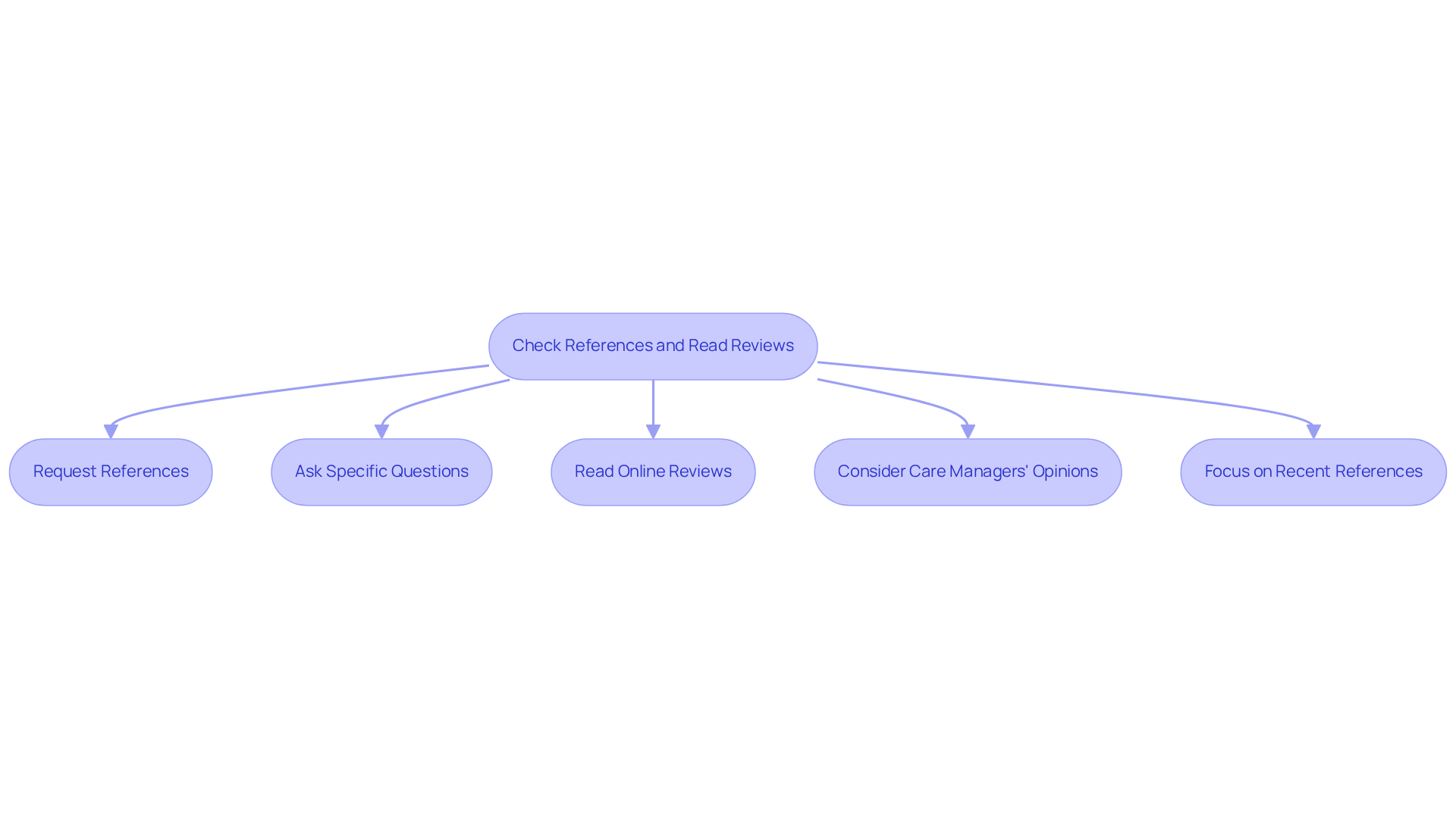
- Request References: Start by asking the caregiver for references from previous clients or employers. When you reach out to these references, listen closely to their experiences. Focus on insights about the caregiver's reliability and overall performance. This can provide a clearer picture of what to expect.
- Ask Specific Questions: During your conversations with references, don’t hesitate to ask specific questions. Inquire about the caregiver's communication skills, their ability to handle particular tasks, and how they managed challenges in past roles. For example, you might ask, 'Can you describe a situation where the caregiver had to manage an emergency?' This will help you gauge their suitability for your loved one's needs.
- Read Online Reviews: Take some time to explore reviews on platforms like Yelp or Google. Look for recurring themes in the feedback, both positive and negative. Remember, 67% of patients trust reviews from the past year. This statistic underscores the importance of focusing on recent evaluations to get a clearer understanding of the provider's reputation and the quality of care they offer.
- Consider Care Managers' Opinions: Care managers often emphasize the value of reading online reviews to understand the strengths and weaknesses of caregivers. They recommend looking for detailed feedback that highlights communication quality and responsiveness. As Vanessa Bustos wisely notes, "One of the most effective methods to assess a provider’s suitability to deliver home care for your family is by verifying their references."
- Focus on Recent References: Prioritize references from the last year. This ensures that the feedback reflects the caregiver's current skills and capabilities. By doing this, you can make a more informed choice about the provider's suitability for your family. Keep in mind that training and screening practices can vary significantly among agencies, making thorough reference checks essential.
Make a Decision and Establish Care Plans
Once you’ve chosen a caregiver, it’s important to take steps that foster effective communication and compassionate care delivery:
-
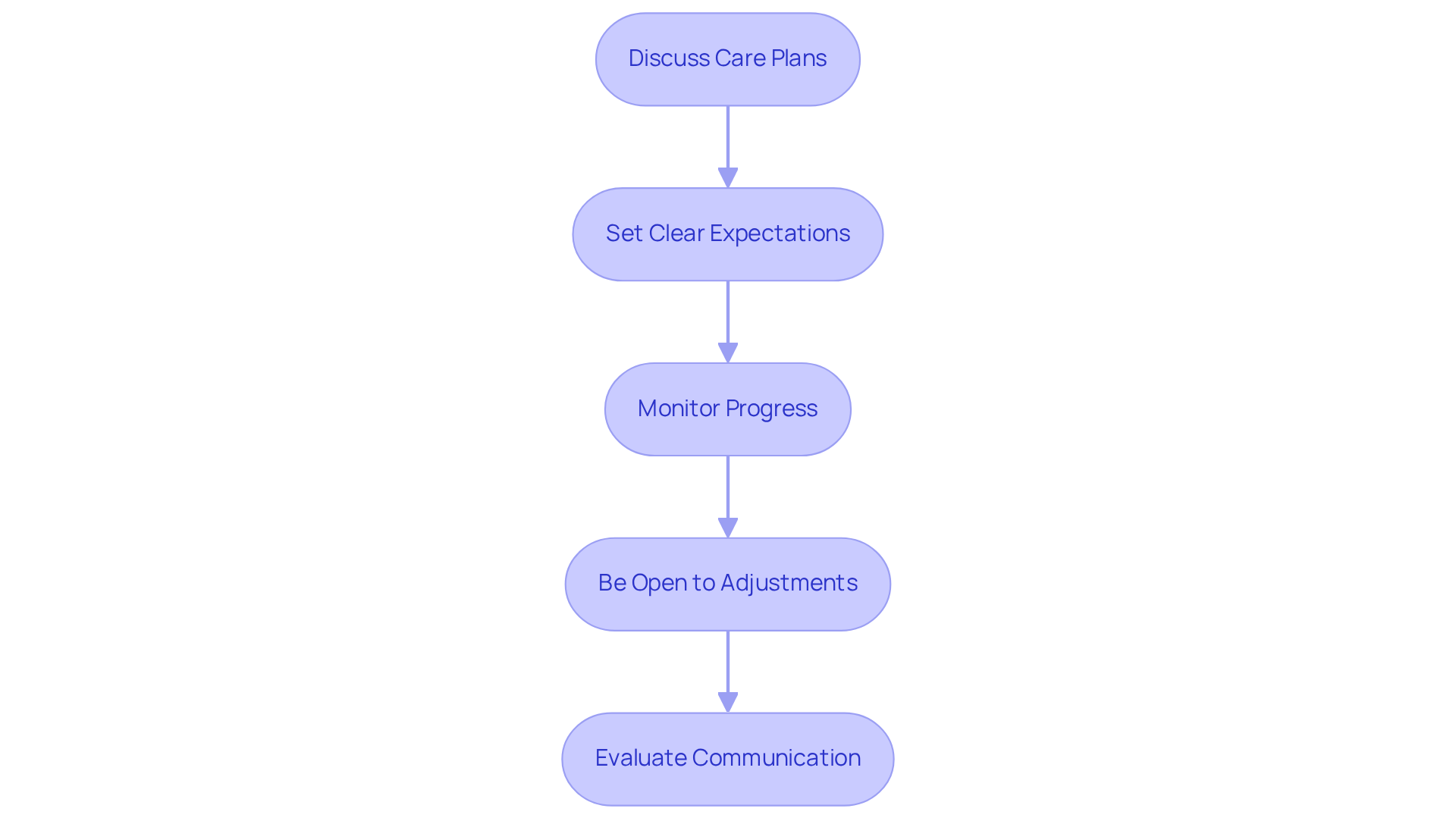
Discuss Care Plans: Work together with your caregiver to create a detailed care plan. This plan should outline daily tasks, schedules, and any specific preferences or requirements. By collaborating in this way, you not only promote a sense of teamwork but also ensure that the caregiver truly understands the unique needs of the individual.
-
Set Clear Expectations: It’s essential to communicate your expectations clearly. Talk about how often you’d like to check in, the reporting protocols, and any specific procedures that should be followed. Establishing these guidelines from the start helps prevent misunderstandings and paves the way for a smoother caregiving experience. As one support coordinator wisely noted, "Clear communication is vital for ensuring that everyone is aligned and that the individual's needs are addressed efficiently."
-
Monitor Progress: Regularly check in with both the support provider and the individual receiving care. This helps evaluate how well the support plan is being followed and ensures that the individual is satisfied with the services provided. Keeping this ongoing dialogue open is crucial for spotting any issues early on and making necessary adjustments. Research shows that engaging in open conversations with patients and their families can significantly enhance satisfaction and treatment outcomes.
-
Be Open to Adjustments: Flexibility is key. Be ready to modify the support plan based on feedback from both the individual and the caregiver. Needs can change over time, and being adaptable is essential to providing the best care possible.
With 70% of people turning 65 expected to develop serious long-term care needs, effective communication between home health caregivers near me and clients is vital for successful home care. By prioritizing clear communication and setting mutual expectations, families can create a nurturing environment that empowers both caregivers and clients.
Taking the Next Steps
Finding the right home health caregiver is more than just a task; it’s a heartfelt journey toward ensuring the well-being and comfort of your loved ones. This guide highlights the importance of a thoughtful approach, from understanding care needs and preferences to evaluating qualifications and fostering effective communication. By following these steps, families can make informed choices that truly reflect their unique values and requirements.
Throughout this article, we’ve touched on essential points, like the need to grasp individual care needs, research local agencies, and assess caregiver experience and compatibility. Conducting thorough interviews, checking references, and keeping open lines of communication with caregivers are crucial steps in this process. Each of these actions helps create a safe and supportive environment, ensuring that caregivers are not only qualified but also a good fit for your family’s dynamic.
Ultimately, the journey to find home health caregivers deserves to be approached with care and diligence. As the demand for quality home health services continues to grow, taking the time to follow this step-by-step guide can lead to better outcomes for those receiving care. Empowering families with the right tools and knowledge not only enhances the caregiving experience but also enriches the lives of those who need support. Remember, you’re not alone in this journey; compassionate care is within reach.
https://iframe.tely.ai/cta/eyJhcnRpY2xlX2lkIjogIjY5MWE2NjFhODEyMDEwOTNlMmZlZWRhNyIsICJjb21wYW55X2lkIjogIjY4ZWU1ZGNhNzMxNzYyNTU3ZjNjOTVjMSIsICJpbmRleCI6IG51bGwsICJ0eXBlIjogImFydGljbGUifQ==Frequently Asked Questions
How should I begin assessing care needs for a loved one?
Start by having an open conversation with the person needing assistance and their family members to understand their specific requirements, including physical needs, emotional requirements, preferences, and budget.
What physical needs should I consider when assessing care?
Consider mobility, daily living activities such as bathing, dressing, and eating, as well as any medical needs the individual may have.
Why are emotional requirements important in care assessment?
Emotional requirements are important because they reflect the need for companionship, social interaction, and emotional support in the person's life.
How can I determine the preferences of the person needing care?
Discuss preferences regarding the caregiver's gender, personality traits, and any specific activities the individual enjoys.
Why is it important to document care needs and preferences?
Documenting these needs and preferences helps create a clear profile, making the search for a caregiver more focused and effective.
Where can I find local home health care agencies?
You can explore various online resources such as Yelp, Care.com, and local directories. Typing 'in-home assistants near me' into a search engine can also reveal many options.
How can I evaluate the quality of home health care agencies?
Read reviews and testimonials to gauge the quality of services offered by different agencies, focusing on caregiver professionalism and agency responsiveness.
What should I look for in reviews of home health care agencies?
Look for consistently positive feedback and high satisfaction rates, as they often indicate reliable services.
Should I seek recommendations for home health caregivers?
Yes, seek recommendations from trusted sources like friends, family, or healthcare professionals, as personal experiences can provide valuable insights.
How can I verify the credentials of home health care agencies?
Ensure that the agencies you consider are licensed and accredited by relevant state or national organizations, which guarantees adherence to industry standards and regulations.
Why is choosing the right home health provider important?
Choosing the right home health provider is crucial for a successful recovery, ensuring that your loved ones receive the highest quality of assistance in the comfort of their homes.
What is the expected growth rate of the home healthcare market?
The home healthcare market is expected to grow at a compound annual growth rate (CAGR) of 7.96% from 2024 to 2030, indicating an increasing demand for quality home health services.