
Why Find Home Nursing Care Near Me: A Matters
Finding the right home nursing care can feel like navigating a complex maze. Many families face the pressing need for assistance during challenging times, which can lead to confusion and stress. With countless options available, how can caregivers ensure they are making the most informed choice for their loved ones?
The challenge lies in the overwhelming number of choices, which can complicate the decision-making process. Families may struggle to identify the specific needs of their loved ones, leading to potential mismatches in care. This uncertainty can exacerbate the emotional strain already felt during difficult times.
To address these challenges, it’s essential to take a structured approach. Start by assessing the unique needs of the individual requiring care. Consider factors such as:
- Medical requirements
- Personal preferences
- The level of support needed
Once these needs are clear, research available options thoroughly. Look for reputable agencies, read reviews, and seek recommendations from healthcare professionals.
Additionally, don’t hesitate to ask questions during consultations. Inquire about:
- The qualifications of caregivers
- The types of services offered
- How they tailor their approach to meet individual needs
This proactive engagement can help ensure that families make informed decisions that best support their loved ones.
Understand Home Nursing Care
Home nursing care near me, also referred to as in-home health support, addresses a significant problem: many individuals require help while recovering from illness, managing chronic conditions, or needing assistance with daily activities. This situation can be overwhelming for caregivers, who often juggle multiple responsibilities while trying to provide the best care possible.
The implications of this need are profound. Caregivers may experience stress, burnout, and feelings of isolation as they strive to meet the demands of their loved ones. Understanding the available support options, including home nursing care near me, can alleviate some of this burden and improve the quality of care.
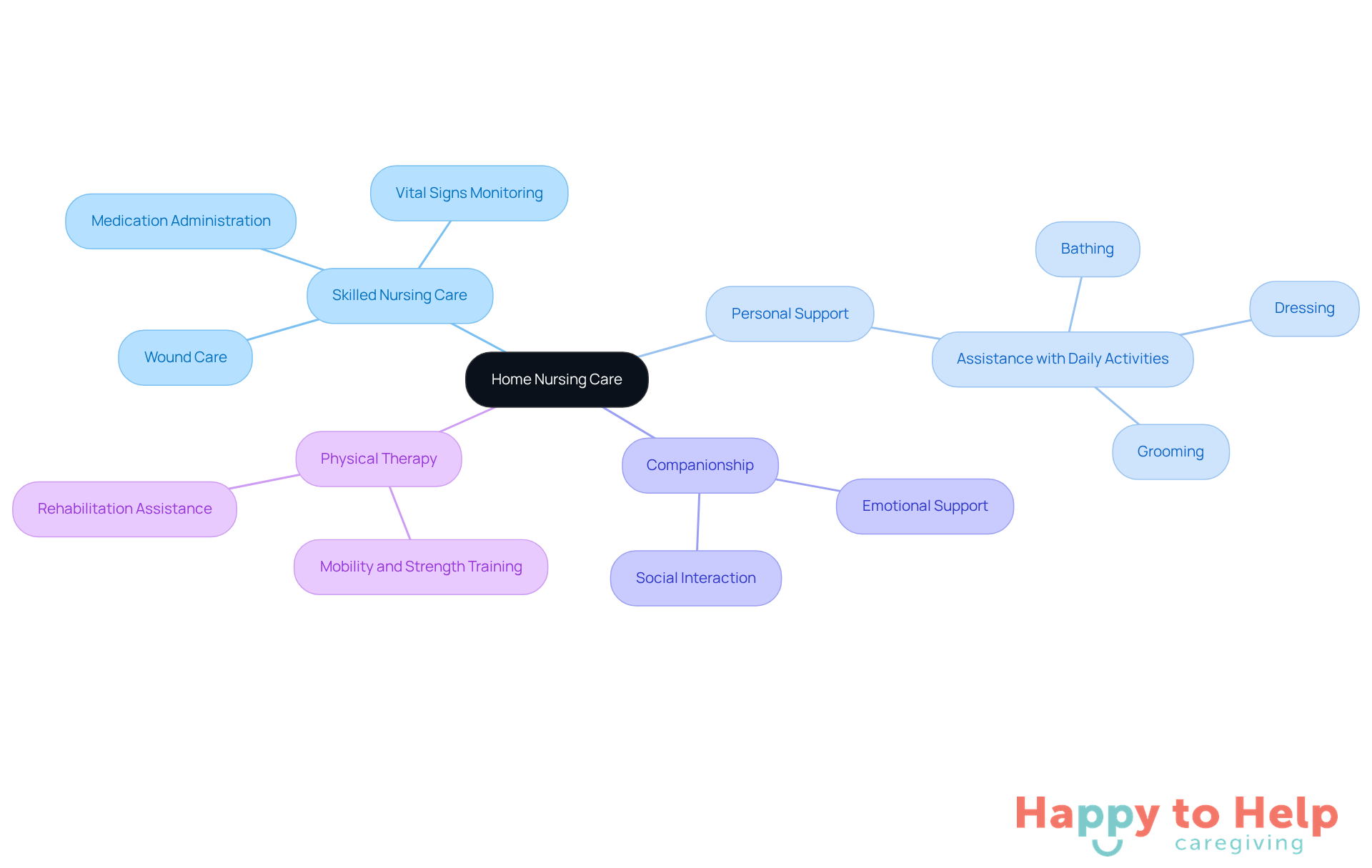
Here are some key services that can provide essential support:
- Skilled nursing care: Medical services from licensed nurses, including administering medications, wound care, and monitoring vital signs.
- Personal support: Help with daily living activities such as bathing, dressing, and grooming.
- Companionship: Emotional support and social interaction to combat loneliness.
- Physical therapy: Rehabilitation assistance to help regain mobility and strength.
Recognizing home nursing care near me is crucial for identifying the right kind of support for yourself or a loved one. By leveraging these options, caregivers can enhance their ability to provide care while also taking care of their own well-being.
Assess Your Care Needs
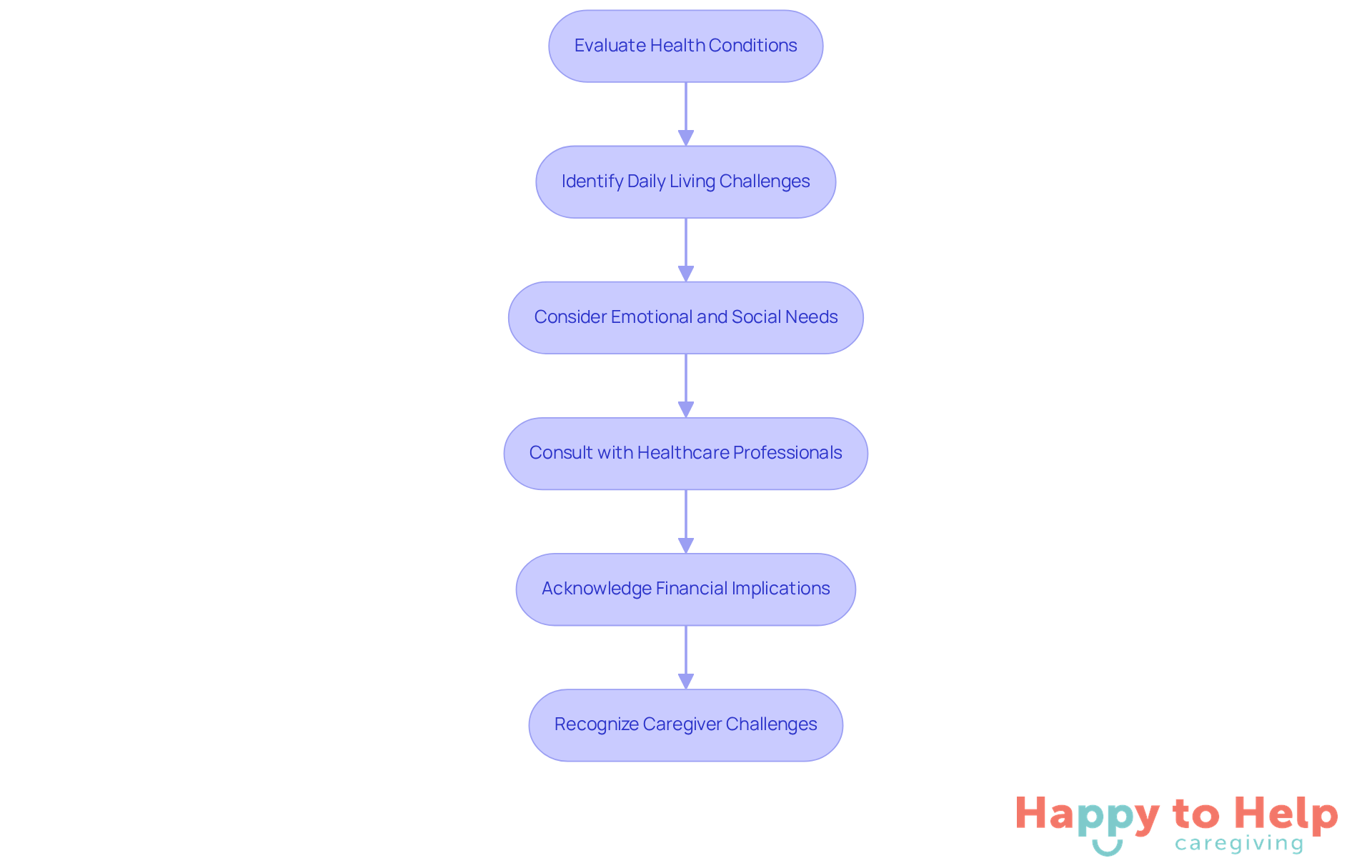
To effectively assess your care needs, consider the following steps:
-
Evaluate Health Conditions: Compile a list of any medical diagnoses, medications, and treatments currently in place. This information is essential for assessing the extent of skilled nursing assistance required. Did you know that almost 44% of those receiving home nursing care near me need help with at least one daily activity?
-
Identify Daily Living Challenges: Reflect on daily activities that may pose difficulties, such as bathing, dressing, or meal preparation. Understanding these challenges is crucial, especially since 83% of seniors require assistance specifically with bathing and showering.
-
Consider Emotional and Social Needs: Assess the importance of companionship and social interaction, particularly for seniors who may feel isolated. With one in three adults aged 50-80 reporting feelings of loneliness, addressing emotional well-being is vital for overall health.
-
Consult with Healthcare Professionals: Engage with doctors or specialists who can provide insights into the level of assistance needed based on medical history and current health status. Their expertise can guide families in making informed decisions about necessary support.
-
Acknowledge Financial Implications: Be aware that the average yearly expense of home health assistance can be significant, with figures reaching up to $97,240 in states like Hawaii. This highlights the importance of a comprehensive evaluation and preparation to ensure financial readiness for support needs.
-
Recognize Caregiver Challenges: Understand that approximately 70% of family caregivers struggle to balance their careers with caregiving duties. This reality underscores the necessity for a thorough evaluation of support requirements to alleviate some of the pressures on family members.
By thoroughly evaluating these areas, you can develop a comprehensive needs profile that will effectively guide your search for home nursing care near me.
Research Local Home Nursing Care Providers
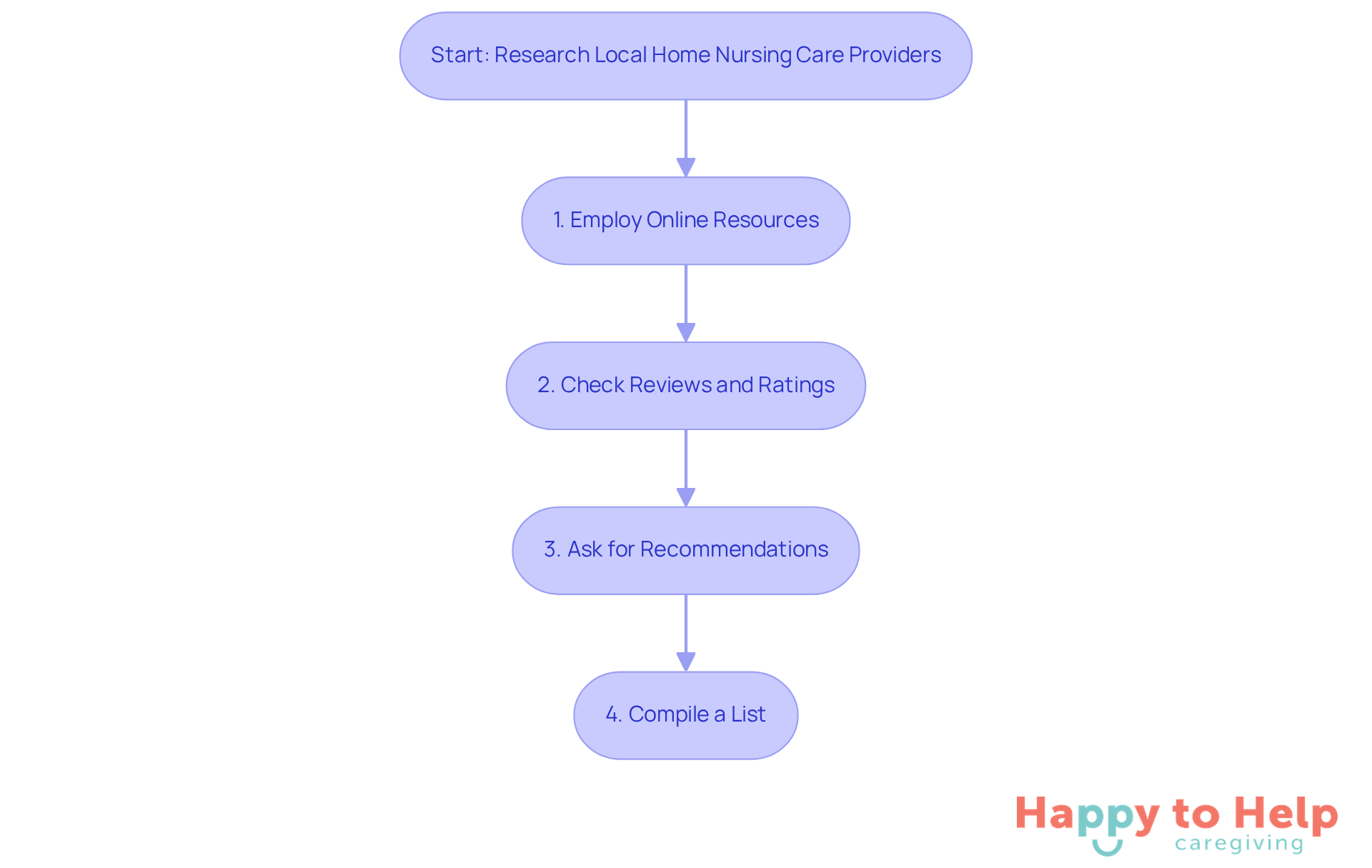
Finding reliable home nursing care near me providers can be a daunting task for caregivers. With the growing demand for quality home nursing care near me, it’s crucial to navigate this landscape effectively. Here’s how you can tackle this challenge:
-
Employ online resources: Websites like Yelp, Care.com, and A Place for Mom can help you find extensive listings of home nursing care near me. For instance, searching for 'home health assistance in Chula Vista, CA' can yield a variety of options tailored to your needs. These platforms often feature numerous reviews, with home nursing care near me typically averaging 20 to 30 evaluations each, giving you a clearer picture of their reputation.
-
Check reviews and ratings: It’s essential to investigate feedback from families who have previously utilized these services. Look at both positive and negative comments to gauge the quality of care provided. For example, one family noted, "The caregivers were attentive and made my mother feel at ease at home," while another mentioned, "Communication could have been improved, but the assistance was outstanding."
-
Ask for recommendations: Don’t hesitate to consult friends, family, or healthcare professionals for their insights on reputable providers. Personal experiences can lead you to trustworthy options.
-
Compile a list: Create a detailed list of potential providers, including their services, contact information, and key points from reviews. This organized approach will help you make a more informed decision.
By conducting thorough research, you’ll lay a solid foundation for assessing and selecting the right home nursing care near me for your loved ones. With the domestic healthcare market expected to grow at a compound annual growth rate of 7.96% from 2024 to 2030, now is the perfect time to explore your options.
Evaluate Potential Care Providers
When searching for home nursing care near me, you may face a daunting challenge. With so many options available, how do you ensure that you choose a provider who meets your specific needs? Evaluating potential providers carefully is crucial to finding quality care that aligns with your requirements.
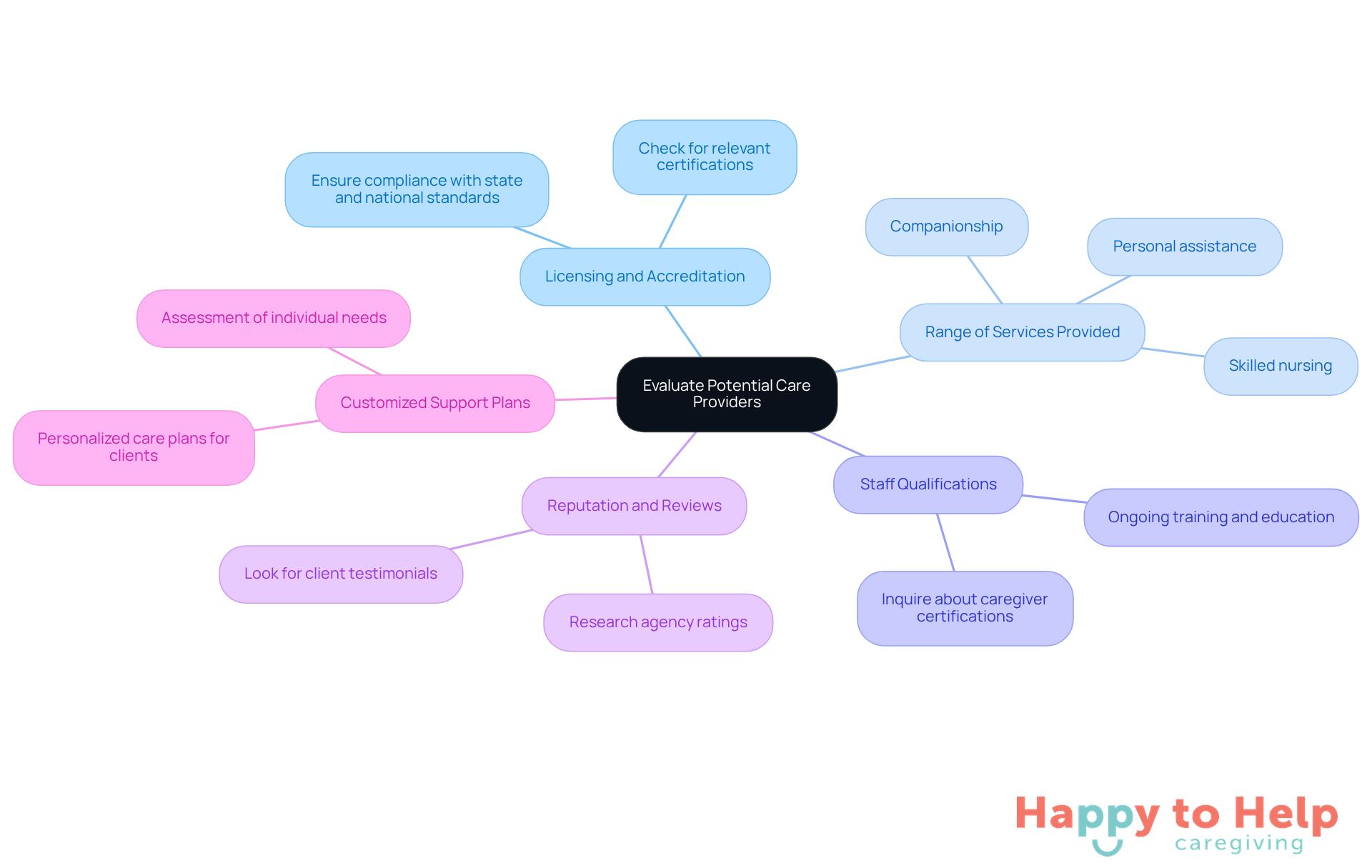
To help you navigate this process, consider the following criteria:
- Licensing and Accreditation: Ensure that the agency is licensed and accredited by relevant state and national organizations. This indicates compliance with industry standards and assures you of their legitimacy.
- Range of Services Provided: Verify that the provider offers the specific services you require, whether it’s skilled nursing, personal assistance, or companionship. Knowing what services are available can help you make an informed choice.
- Staff Qualifications: Inquire about the qualifications and training of caregivers. Are they certified? Do they receive ongoing training? Understanding the expertise of the staff can give you peace of mind.
- Reputation and Reviews: Look for testimonials and reviews from other clients. A strong reputation can be a good sign of quality service, so take the time to research.
- Customized Support Plans: Ask whether the agency creates personalized support plans tailored to the distinct requirements of clients. This ensures that care is aligned with individual needs.
By thoughtfully assessing these factors, you can narrow down your choices to providers of home nursing care near me that best suit your needs, ultimately leading to better care for yourself or your loved ones.
Interview Caregivers or Agencies
Finding the right caregiver can be a daunting task. Many families face the challenge of ensuring that their loved ones receive the best possible home nursing care near me. This process can be overwhelming, especially when considering the various factors that contribute to a caregiver's suitability.
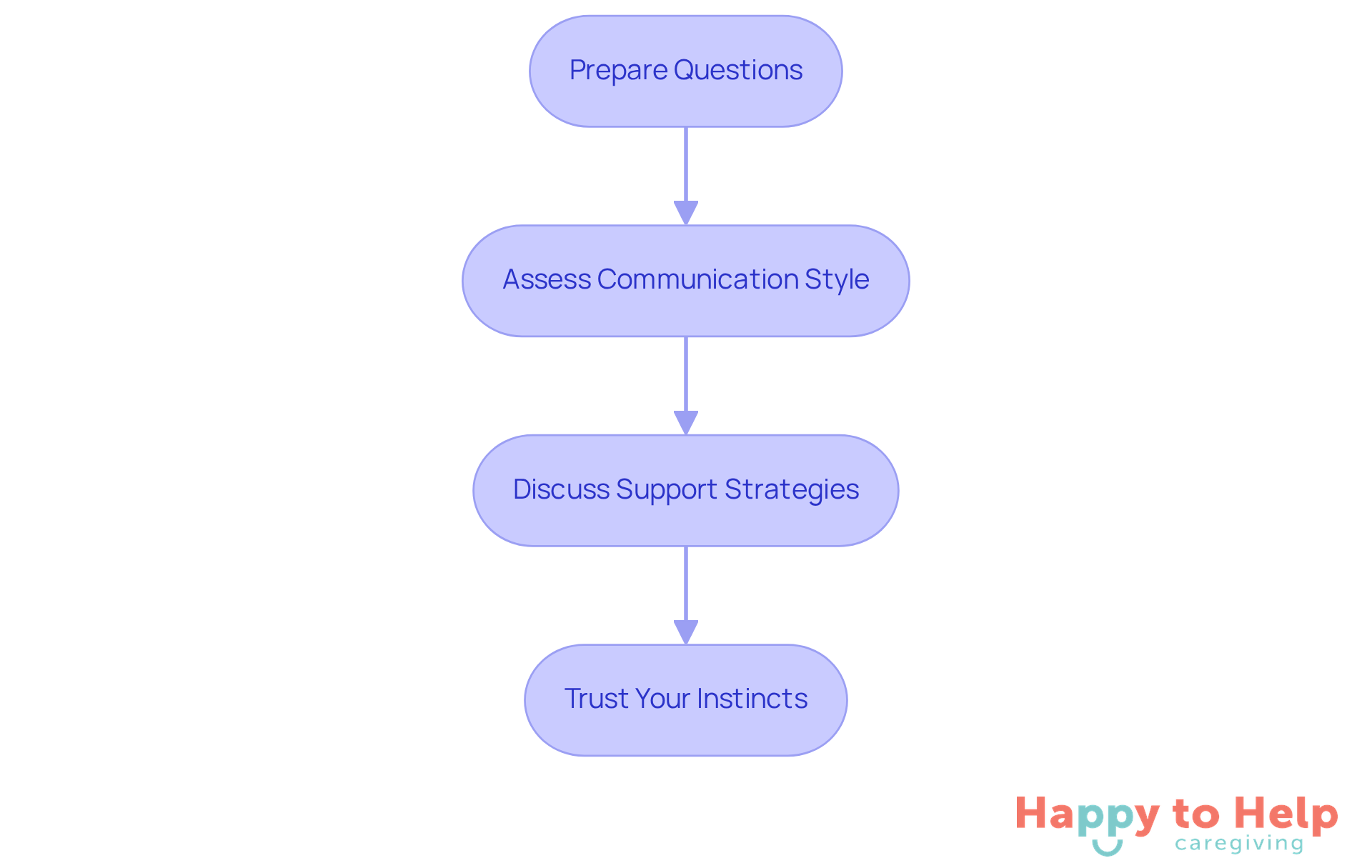
To tackle this issue, follow these steps when interviewing potential caregivers or agencies:
-
Prepare a list of questions: Develop a comprehensive list that addresses crucial topics such as experience, training, and care approach. Consider asking:
- What is your experience with clients who have similar needs?
- How do you handle emergencies or unexpected situations?
- Can you provide references from previous clients?
- How do you ensure the safety and reliability of your caregivers, including background checks?
- Can you provide clear information about your services and policies?
-
Assess communication style: Observe how the caregiver communicates. Are they attentive, empathetic, and clear in their responses? Research indicates that 95% of clients believe that communication responsiveness significantly impacts their satisfaction with services.
-
Discuss support strategies: Inquire about their method for creating a customized care plan. This will give you insight into their personalized approach and how they maintain updated documentation for continuity and quality of service.
-
Trust your instincts: Reflect on how comfortable you feel with the caregiver. Building trust and rapport is essential for a successful caregiving relationship, and cultural competence plays a vital role in ensuring effective support.
By conducting thorough interviews, you can find a caregiver for home nursing care near me who is both qualified and a great fit for your family.
Understand Financial Considerations
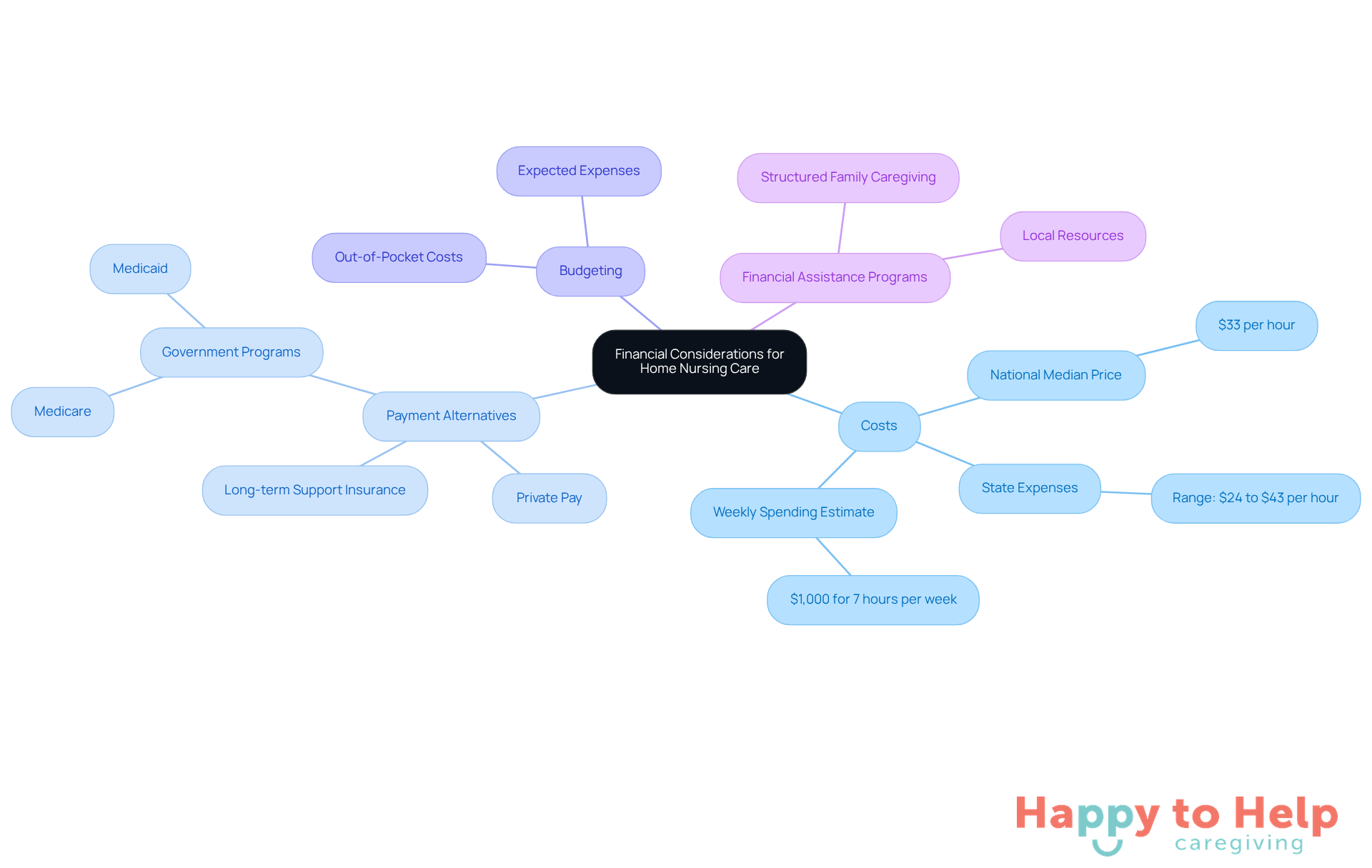
Navigating the financial aspects of home nursing care near me can be challenging for families. Understanding the costs involved is crucial to making informed decisions. As of 2025, the national median price for in-home assistance is approximately $33 per hour, with state expenses ranging from $24 to $43 per hour. This variability can create confusion and stress for caregivers.
To tackle these challenges, it's essential to explore various payment alternatives. Families should investigate options such as:
- Private pay
- Long-term support insurance
- Government programs like Medicare and Medicaid
These programs may cover specific services, with Medicaid often providing assistance for home nursing care near me for individuals with limited incomes. Meanwhile, Medicare might cover temporary home nursing care near me as recommended by a doctor.
Creating a comprehensive budget is another vital step. Families should outline expected expenses, including hourly rates, additional services, and any potential out-of-pocket costs. For instance, families can anticipate spending around $1,000 for seven hours of assistance per week, which can add up significantly over time.
Additionally, researching financial assistance programs can provide much-needed support. Local resources or programs, especially for seniors or low-income families, can ease the financial burden. Programs like Structured Family Caregiving (SFC) offer financial support to caregivers, allowing them to manage their responsibilities more effectively.
By understanding these financial considerations, families can make informed decisions that align with their budget and care needs.
Making the Right Choice
Finding the right home nursing care can be a daunting challenge for families. Caregivers often face stress and uncertainty when trying to provide the best support for their loved ones. Without proper guidance, the journey can feel overwhelming, leading to potential missteps in care that affect both the individual and the caregiver.
To navigate this complex landscape, it’s essential to understand the various services available and assess individual care needs. Evaluating health conditions, identifying daily living challenges, and recognizing emotional needs are crucial steps. Researching potential care providers and interviewing caregivers can also alleviate some of the pressure. Additionally, understanding financial considerations is vital to making informed decisions.
Here are some actionable tips to help you find the right support:
- Evaluate health conditions: Understand the specific medical needs of your loved one.
- Identify daily living challenges: Assess what assistance is required for daily activities.
- Research providers: Look for local nursing services with good reviews and credentials.
- Interview caregivers: Ask questions that address your loved one’s unique needs.
- Consider finances: Be aware of costs and insurance coverage options.
Ultimately, the significance of home nursing care cannot be overstated. It not only supports the health and well-being of individuals but also provides much-needed relief for caregivers. As the demand for home nursing services continues to rise, taking proactive steps to find the right support will lead to better outcomes for both caregivers and recipients of care. Empowered with knowledge and resources, families can navigate this journey with confidence, ensuring that their loved ones receive the compassionate and professional care they deserve.
https://iframe.tely.ai/cta/eyJhcnRpY2xlX2lkIjogIjY5NDBhMjJiNGFiMmI4OGM4M2NiZjViMyIsICJjb21wYW55X2lkIjogIjY4ZWU1ZGNhNzMxNzYyNTU3ZjNjOTVjMSIsICJpbmRleCI6IG51bGwsICJ0eXBlIjogImFydGljbGUifQ==Frequently Asked Questions
What is home nursing care?
Home nursing care, also known as in-home health support, provides assistance to individuals recovering from illness, managing chronic conditions, or needing help with daily activities. It aims to alleviate the burden on caregivers and improve the quality of care.
What are the key services offered in home nursing care?
Key services include skilled nursing care (medical services from licensed nurses), personal support (help with daily living activities), companionship (emotional support and social interaction), and physical therapy (rehabilitation assistance).
How can I assess my care needs for home nursing?
To assess your care needs, evaluate health conditions, identify daily living challenges, consider emotional and social needs, consult healthcare professionals, acknowledge financial implications, and recognize caregiver challenges.
What should I consider when evaluating health conditions?
Compile a list of medical diagnoses, medications, and treatments currently in place to assess the extent of skilled nursing assistance required.
Why is it important to identify daily living challenges?
Identifying daily living challenges, such as bathing and dressing, is crucial as many seniors require assistance with these activities, with 83% specifically needing help with bathing and showering.
How do emotional and social needs affect care?
Emotional and social needs are important, particularly for seniors who may feel isolated. Addressing these needs can improve overall health, as one in three adults aged 50-80 report feelings of loneliness.
Why should I consult with healthcare professionals?
Consulting with doctors or specialists can provide insights into the level of assistance needed based on medical history and current health status, guiding families in making informed decisions about support.
What are the financial implications of home nursing care?
Home health assistance can be costly, with average yearly expenses reaching up to $97,240 in some states. A comprehensive evaluation is essential for financial readiness.
What challenges do caregivers face?
Approximately 70% of family caregivers struggle to balance their careers with caregiving duties, highlighting the need for a thorough evaluation of support requirements to alleviate pressures on family members.
List of Sources
- Understand Home Nursing Care
- The Top 10 Home Health Care News Stories Of 2025 (https://homehealthcarenews.com/2025/12/the-top-10-home-health-care-news-stories-of-2025)
- What’s Next For Home Health As The Industry Faces Its Biggest Test Yet (https://homehealthcarenews.com/2025/10/whats-next-for-home-health-as-the-industry-faces-its-biggest-test-yet)
- Article - The Rise of Hospital Level In-Home Healthcare: Trends, Benefits and the Future (https://achc.org/the-rise-of-hospital-level-in-home-healthcare-trends-benefits-and-the-future)
- Emerging Trends in Home Health (https://navenhealth.com/news/emerging-trends-in-home-health)
- Home Health Care Trends for 2025 (https://carevoyant.com/home-health-blog/home-health-care-trends-2025)
- Assess Your Care Needs
- 2025 Home Care Statistics: Trends & Insights To Know (https://premierhcinc.com/blog/home-care-statistics)
- CDC: More than 20% of 85+ adults need ADL assistance (https://mcknightsseniorliving.com/news/cdc-more-than-20-of-85-adults-need-adl-assistance)
- What’s Next For Home Health As The Industry Faces Its Biggest Test Yet (https://homehealthcarenews.com/2025/10/whats-next-for-home-health-as-the-industry-faces-its-biggest-test-yet)
- 11 Signs Your Aging Parent Needs Senior Care (https://health.usnews.com/senior-care/caregiving/articles/identifying-the-right-time-for-senior-care)
- 52 Eye-Opening Home Health Statistics: Insights for 2025 (https://boosthomehealth.com/home-health-statistics)
- Research Local Home Nursing Care Providers
- U.S. News to Debut Best Home Health Ratings in 2026 (https://usnews.com/info/blogs/press-room/articles/2025-11-03/u-s-news-to-debut-best-home-health-ratings-in-2026)
- 7 Best Places to Find Caregivers for Home Care | Aaniie, formerly Smartcare Software (https://aaniie.com/news/7-best-places-to-find-caregivers-for-home-care)
- Home Care Statistics In 2025: Key Insights In Home Care (https://sagapixel.com/marketing/home-care-statistics)
- America’s Best Home Health Agencies 2026 (https://rankings.newsweek.com/americas-best-home-health-agencies-2026)
- In-Home Care for Seniors - Caregiving News and Tips (https://aarp.org/caregiving/home-care)
- Evaluate Potential Care Providers
- State licensing for home care: What is it and why does it matter? (https://mcknightshomecare.com/state-licensing-for-home-care-what-is-it-and-why-does-it-matter)
- ‘No Two States Are Alike’: The Home Care Industry’s Road To Standardization (https://homehealthcarenews.com/2023/10/no-two-states-are-alike-the-home-care-industrys-road-to-standardization)
- Why Home Care Accreditation Matters in a Crowded Market (https://corecubed.com/blog/stand-out-in-home-care-accreditation-can-help)
- ‘First-of-its-kind’ pilot provides insights into benefits of assisted living accreditation (https://mcknightsseniorliving.com/news/first-of-its-kind-pilot-provides-insights-into-benefits-of-assisted-living-accreditation)
- Quality of Care in Home Health Agencies with and without Accreditation: A Cohort Study - PMC (https://pmc.ncbi.nlm.nih.gov/articles/PMC9901214)
- Interview Caregivers or Agencies
- Home Care Clients Like Their Caregivers More Than Their Provider, Data Shows (https://homehealthcarenews.com/2024/08/home-care-clients-like-their-caregivers-more-than-their-provider-data-shows)
- 11 Questions to Ask a Home Healthcare Agency (https://maximhealthcare.com/healthcare-blog/questions-to-ask-a-home-healthcare-agency)
- Increase Client/Patient and Family Satisfaction Through Improved Communications | Aaniie, formerly Smartcare Software (https://aaniie.com/news/increasing-client-patient-and-family-satisfaction)
- Top 10 Questions to Ask a Home Care Agency (https://aplaceformom.com/caregiver-resources/articles/questions-to-ask-a-home-care-agency)
- Key questions to help you pick a quality home health agency (https://centerwellhomehealth.com/articles/patient-articles/home-health/6-questions-to-ask-when-choosing-a-home-healthcare-agency)
- Understand Financial Considerations
- Home Care Costs in 2025: A State-by-State Guide (https://aplaceformom.com/caregiver-resources/articles/in-home-care-costs)
- How to Pay for Home Care (https://aplaceformom.com/caregiver-resources/articles/pay-for-home-care)
- How to Pay for In-Home Health Care: Medicare & Other Options - CaringInfo (https://caringinfo.org/planning/in-home-care/how-to-pay-for-home-health-care)
- The Top 10 Home Health Care News Stories Of 2025 (https://homehealthcarenews.com/2025/12/the-top-10-home-health-care-news-stories-of-2025)
- 'It has made my life a lot easier': New Ohio program pays people to care for their loved ones at home (https://10tv.com/article/news/local/new-ohio-program-pays-people-to-care-for-their-loved-ones-at-home/530-403c8d62-a2ad-4199-a420-15523d1a8062)