Find In-Home Caregivers Near You: 5 Steps to Hire the Right Fit

For families in our service areas
For families in our service areas, this guide explains in-home care and how non-medical in-home caregiving can support care planning in East Idaho, Treasure Valley & Magic Valley, Northern Wasatch, North Central West Virginia, and Northeast Ohio.
Understanding Find In-Home Caregivers Near Me: 5
Finding the right in-home caregiver can feel like navigating a labyrinth. With the increasing number of options available, families face a significant challenge. They must identify providers who not only meet their loved ones' physical needs but also align with their emotional and social preferences.
This situation can lead to stress and uncertainty. Families often wonder: How can one ensure that the chosen caregiver will provide the right fit for both the caregiver and the recipient? The implications of this decision are profound, as the quality of care directly impacts the well-being of loved ones.
This guide offers a structured approach to hiring in-home caregivers. It breaks down the process into actionable steps designed to simplify the search and enhance the quality of care. By following these steps, families can navigate the complexities of caregiver selection with confidence.
Assess Care Needs and Preferences
-
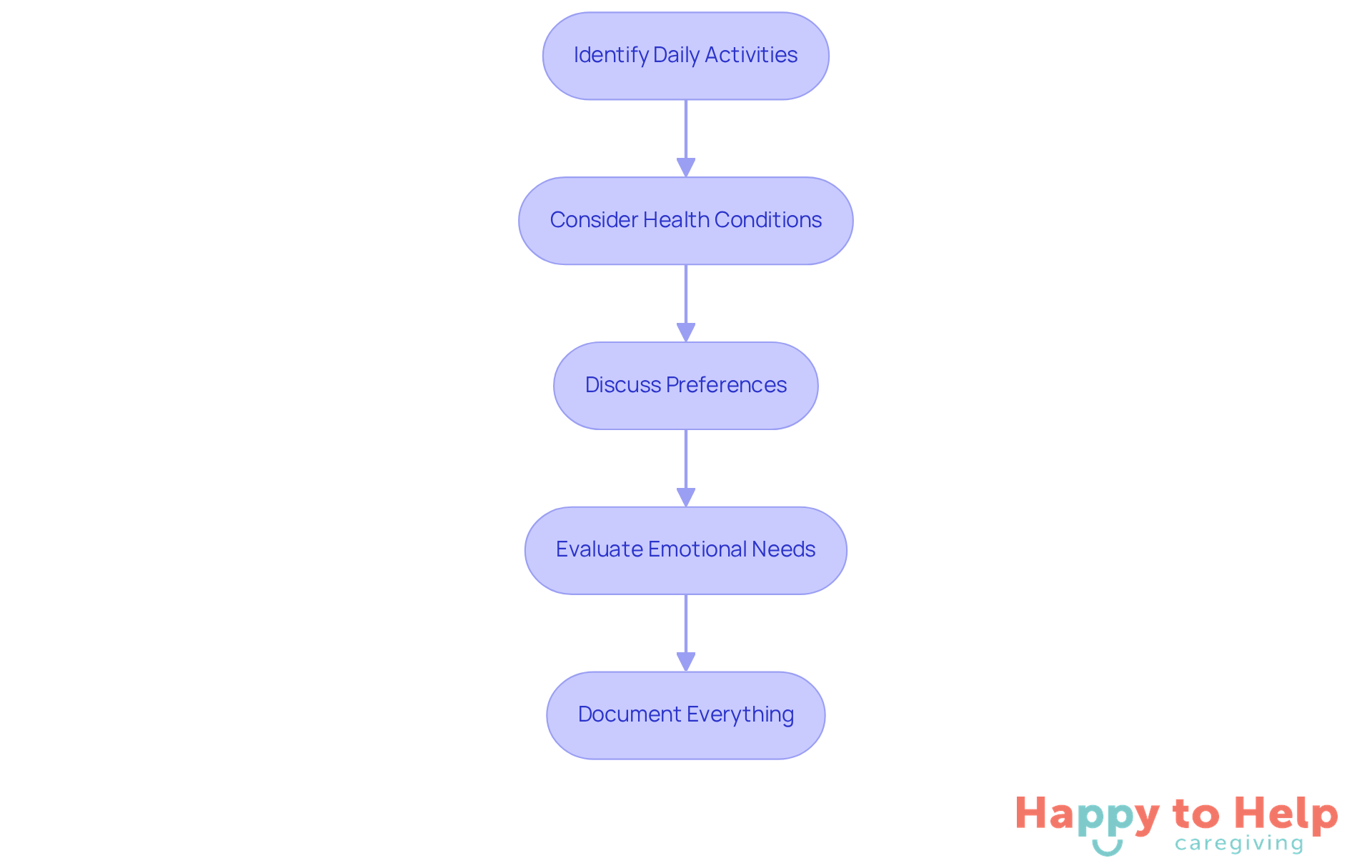
Identify Daily Activities: Caregivers often face challenges when it comes to daily activities. For instance, tasks like bathing, dressing, meal preparation, or medication management can be particularly difficult for seniors. Research from 2018 shows that 16.5% of older adults experience some form of Activity of Daily Living (ADL) disability, with 9.4% specifically struggling with dressing. This underscores the importance of tailored support for seniors tackling these essential tasks.
-
Consider Health Conditions: It's crucial to consider any medical conditions that may require specialized care. Conditions such as dementia, mobility issues, or chronic illnesses can greatly affect daily functioning. Understanding these needs can help caregivers develop effective strategies for support.
-
Discuss Preferences: Engaging your loved one in discussions about their preferences for support providers is vital. Talk about factors like gender, personality traits, and shared interests to ensure a comfortable and compatible match. This can significantly enhance the caregiving experience.
-
Evaluate Emotional Needs: Assessing the emotional support your loved one may need is equally important. Companionship and assistance with social activities play a key role in maintaining mental well-being, especially for seniors who might feel isolated.
-
Document Everything: Finally, create a comprehensive list of needs and preferences, including legal and financial considerations. This documentation will guide your search for a support provider, ensuring that the selected individual aligns with your loved one's unique requirements and enhances their quality of life.
Research Local Caregiver Services
Problem: Finding reliable caregiving services can be daunting for many caregivers. With approximately 63 million Americans providing support, navigating the options available can feel overwhelming.
Agitate: The implications of this challenge are significant. Caregivers often struggle to identify trustworthy services, which can lead to stress and uncertainty about the care their loved ones receive.
Solution: Here are some actionable steps to help you find the right assistance:
-
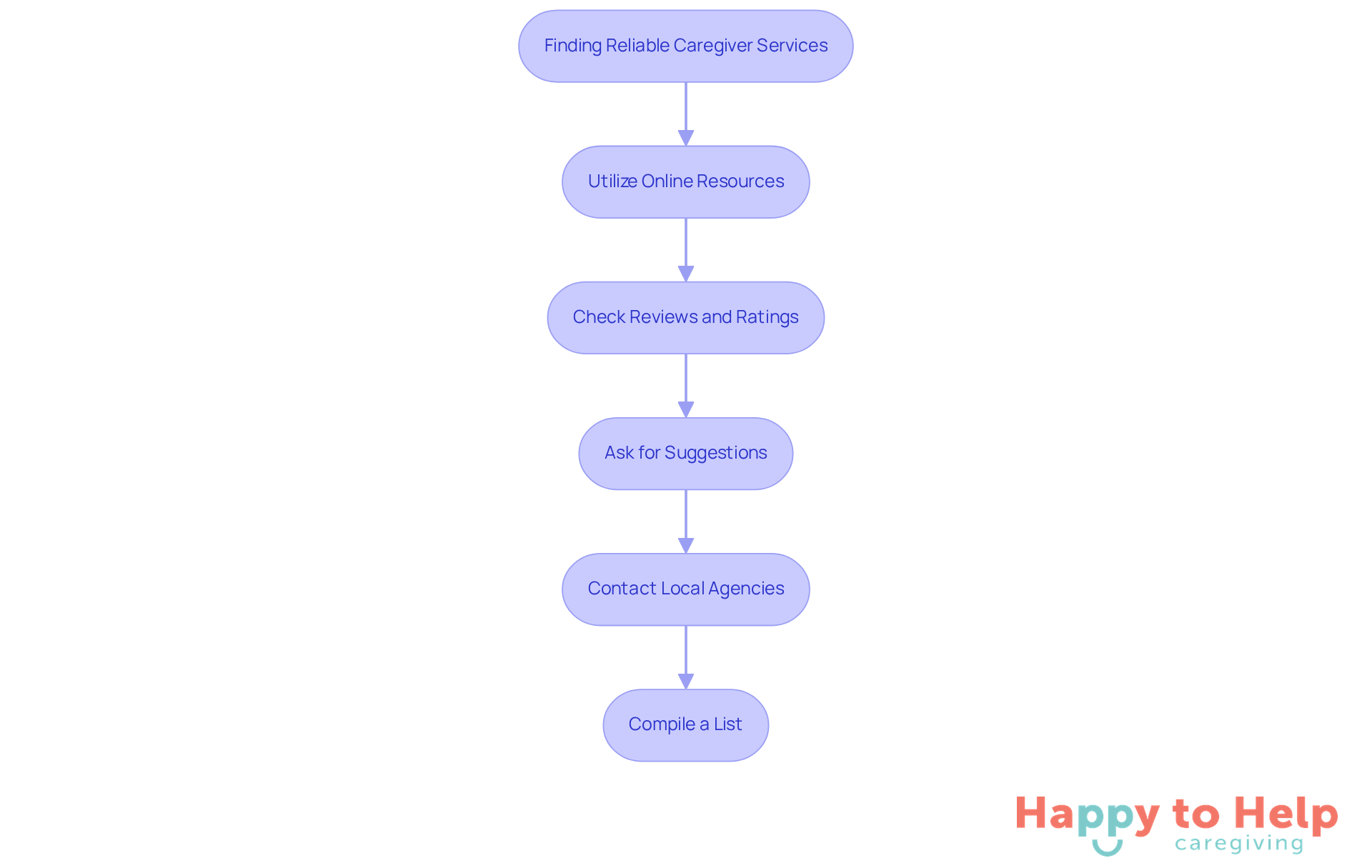
Utilize Online Resources: Start by exploring platforms like Care.com, AARP, or local caregiving directories. These resources can help you discover a variety of assistance services, including in-home caregivers near me, making it easier to find options that suit your needs.
-
Check Reviews and Ratings: Look for reviews and ratings of different agencies or independent providers. Investigating feedback can offer valuable insights into their reliability and quality of service, helping you assess overall client satisfaction.
-
Ask for Suggestions: Reach out to friends, family, or healthcare professionals for recommendations based on their experiences with local providers. Personal insights can guide you toward reliable agencies, aiding in informed decision-making.
-
Contact Local Agencies: Call local caregiving agencies to inquire about their services, availability, and pricing. This step allows you to gauge their responsiveness and willingness to meet your specific needs, which is crucial for finding the right fit for your loved one.
-
Compile a List: Create a list of potential assistance services that meet your criteria for further evaluation. This structured approach will help you compare options and make a well-informed choice regarding the best support available.
Conduct Interviews and Assess Compatibility
Identifying the Right Support Provider
Selecting a support provider for your loved one can be a daunting task. Caregivers often struggle with ensuring that the chosen individual aligns with their family member's needs and preferences. This decision is crucial, as the right support can significantly impact the quality of care.
To navigate this challenge effectively, consider the following actionable steps:
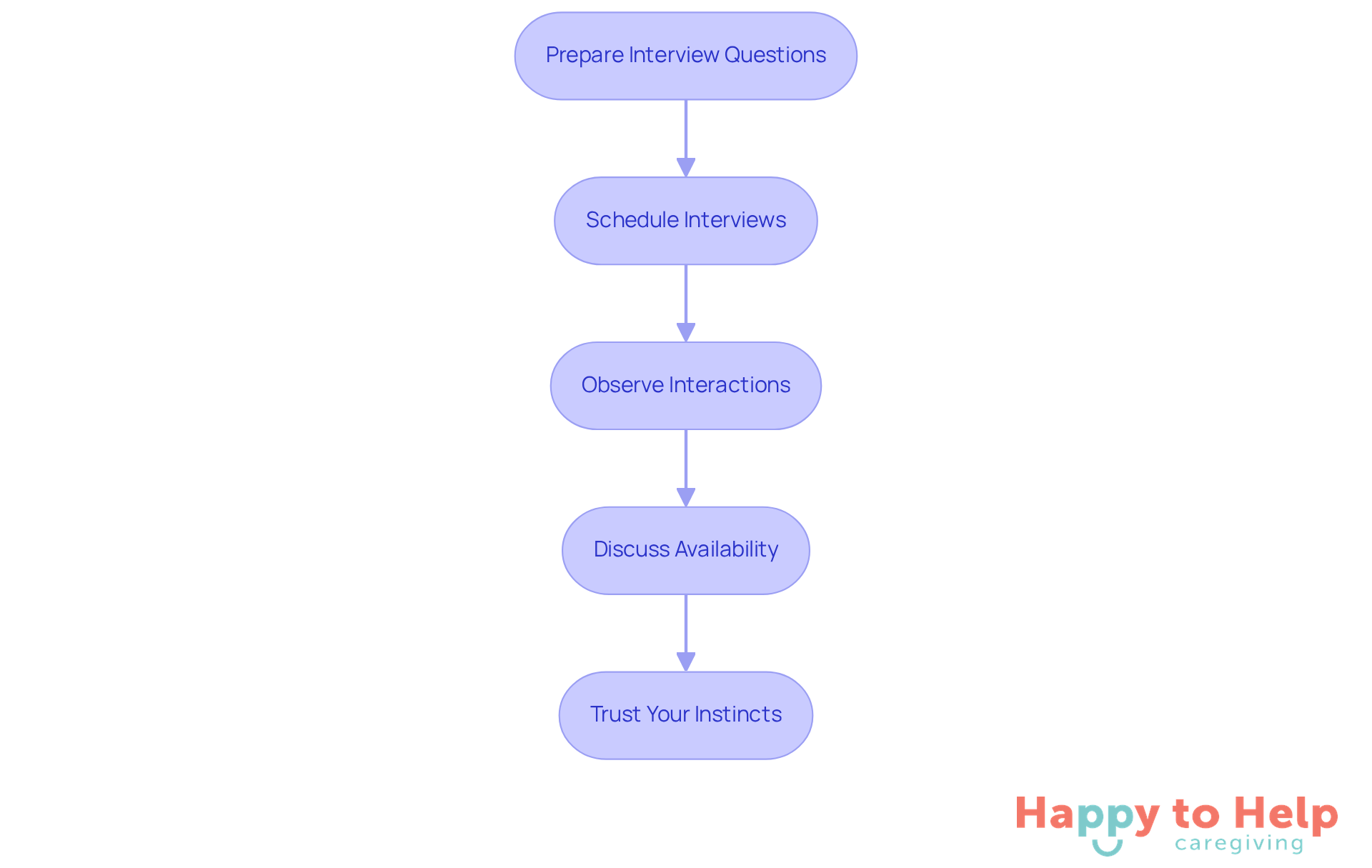
- Prepare Interview Questions: Create a list of questions that address experience, caregiving philosophy, and specific scenarios related to your family member's needs.
- Schedule Interviews: Arrange interviews with potential support providers, either in-person or via video calls, to assess their communication skills and demeanor.
- Observe Interactions: If possible, watch how the assistant interacts with your family member during the interview to gauge comfort levels and rapport.
- Discuss Availability: Ensure that the provider's availability aligns with your loved one's schedule and needs.
- Trust Your Instincts: After the interviews, reflect on your impressions and trust your instincts regarding compatibility.
By following these steps, caregivers can make informed decisions that enhance the caregiving experience for their loved ones.
Verify References and Credentials
-
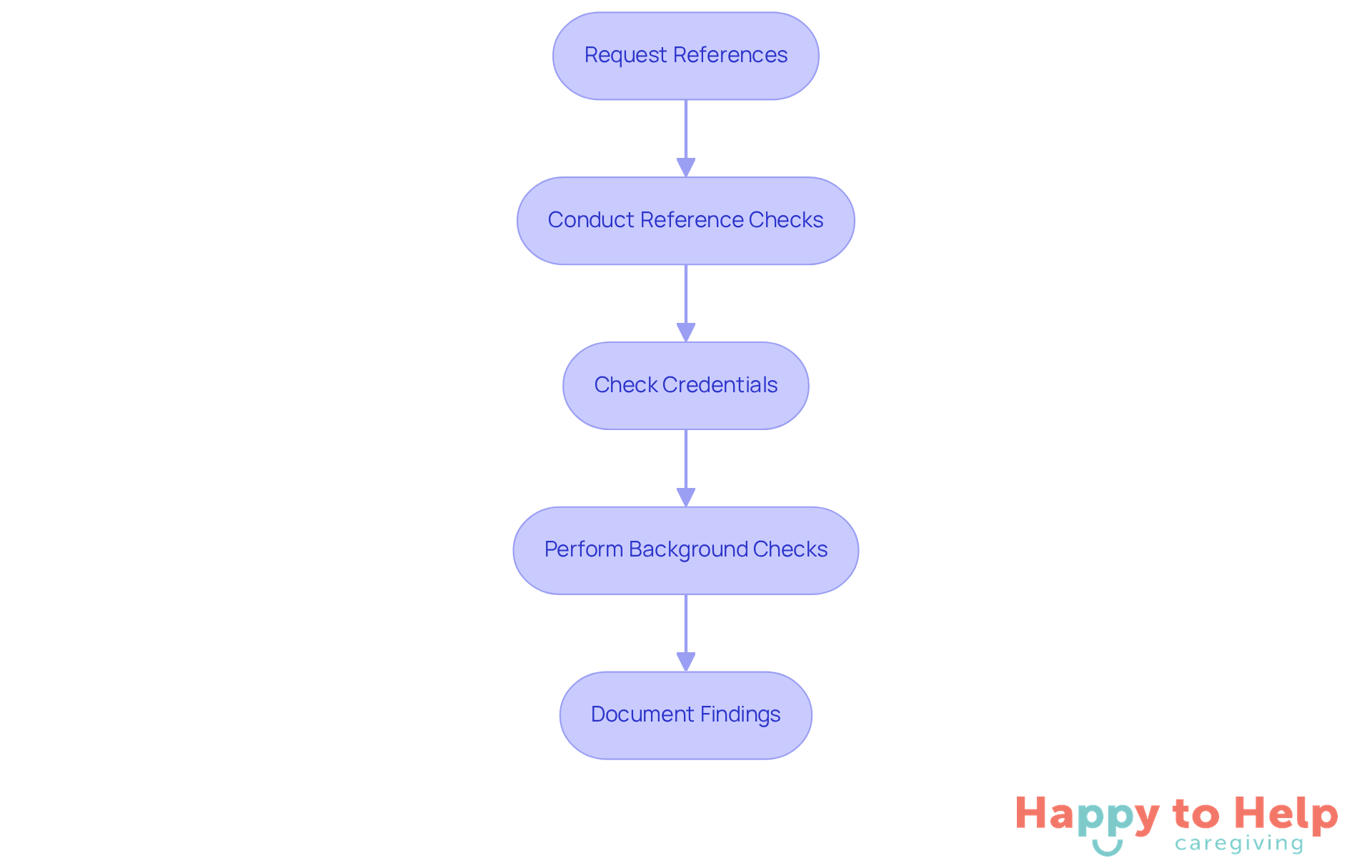
Request References: Start by asking for at least three professional references from previous employers or clients. This step is crucial because references provide insights into a professional's work ethic and reliability. As Gotham emphasizes, 'References are a valuable source of information about a candidate’s work ethic, reliability, and interpersonal skills, all of which are crucial for in-home caregivers near me.'
-
Conduct Reference Checks: Reach out to the provided references to assess the individual's reliability, skills, and overall performance. Effective reference checks can reveal important details about a provider's past behavior and competence, ensuring they align with your needs.
-
Check Credentials: Verify any certifications or licenses the provider claims to hold. It's essential to confirm that these credentials are current and legitimate, as around 20% of providers may lack the required qualifications. This verification process helps maintain high standards of care and compliance with regulations. As Gotham states, 'Credential verification is essential to ensure that in-home caregivers near me are qualified and capable of providing high-quality care.'
-
Perform Background Checks: Conducting a thorough background investigation is vital to uncover any potential red flags in the individual's history. This includes checking for criminal records, which can prevent hiring individuals with a history of violence or theft. Comprehensive background checks enhance security for clients and their families, ensuring that support providers are both reliable and skilled.
-
Document Findings: Keep a detailed record of all reference checks and verified credentials. This documentation not only provides reassurance but also serves as a valuable resource for future hiring decisions, ensuring you have a dependable reference point when assessing personnel. Additionally, consider the importance of ongoing monitoring and regular re-verification of critical information to maintain trust and safety.
Finalize Hiring and Establish Care Plans
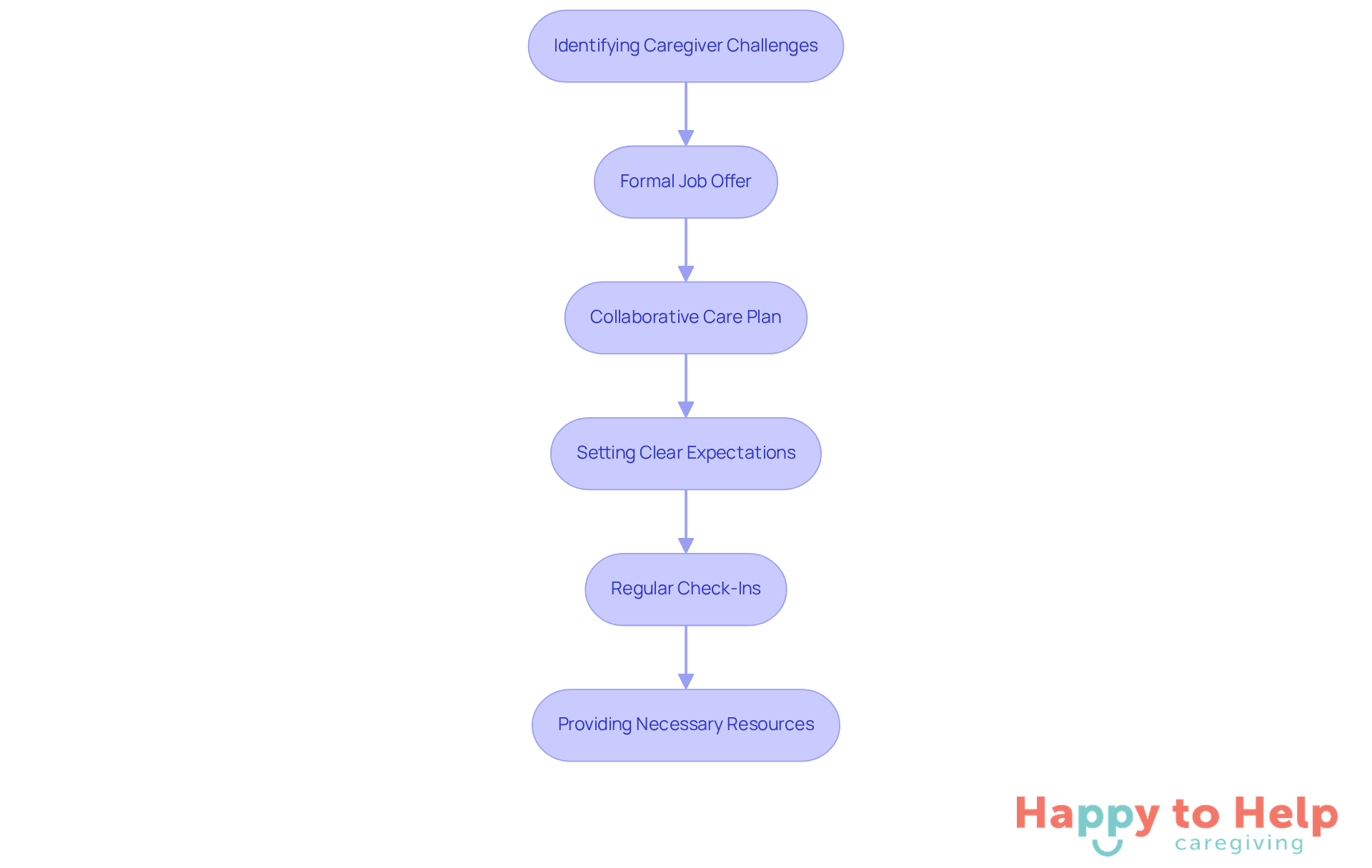
Identifying Caregiver Challenges: Caregivers often face significant challenges in managing their responsibilities effectively. Without clear guidelines and support, they may struggle to provide the best care possible.
Formal Job Offer: Once you have selected a provider, it’s crucial to extend a formal job offer. This should include essential details about pay, hours, and responsibilities to set a solid foundation for the caregiving relationship.
Collaborative Care Plan: Work closely with the support person to develop a comprehensive care plan. This plan should outline daily tasks, schedules, and any specific medical needs, ensuring everyone is on the same page.
Setting Clear Expectations: It’s important to discuss and document expectations regarding communication, reporting, and emergency procedures. This clarity helps prevent misunderstandings and ensures a smoother caregiving experience.
Regular Check-Ins: Schedule regular check-ins to assess how the caregiving arrangement is functioning. These meetings allow for adjustments as needed, ensuring that the care provided meets the evolving needs of the individual.
Providing Necessary Resources: Ensure that the caregiver has access to all necessary resources, including medical information, emergency contacts, and household guidelines. This support is vital for effective caregiving.
Taking the Next Steps
Finding the right in-home caregiver can be a daunting task. It’s not just about filling a position; it’s about ensuring your loved one receives personalized, compassionate care tailored to their unique needs. The implications of inadequate care can be significant, affecting both the caregiver and the individual receiving care.
To navigate this process effectively, follow these steps:
- Start with a thorough assessment of care requirements. Understanding what support is necessary is crucial.
- Conduct diligent research of local services and interviews to empower informed decisions.
- Verify references and credentials to safeguard against potential risks.
- Once you’ve identified suitable candidates, formalize the hiring process and establish a clear care plan. This sets the stage for a successful caregiving relationship, ensuring that both the caregiver and your loved one feel supported.
Ultimately, the significance of this process cannot be overstated. Taking the time to follow these steps not only enhances the quality of care but also contributes to the overall well-being of your loved one. Engaging in thorough preparation and thoughtful selection of caregivers ensures they receive the respect and attention they deserve. Embrace this opportunity to make a meaningful difference in their lives by finding the right in-home caregiver who can provide the support and companionship they need.
https://iframe.tely.ai/cta/eyJhcnRpY2xlX2lkIjogIjY5NDBhMjM4MjI1ZjA3N2M1ZmMwYmY1MCIsICJjb21wYW55X2lkIjogIjY4ZWU1ZGNhNzMxNzYyNTU3ZjNjOTVjMSIsICJpbmRleCI6IG51bGwsICJ0eXBlIjogImFydGljbGUifQ==Frequently Asked Questions
What are the key daily activities that caregivers may need to assist seniors with?
Caregivers often assist seniors with daily activities such as bathing, dressing, meal preparation, and medication management.
Why is it important to consider health conditions when assessing care needs?
Considering health conditions is crucial because conditions like dementia, mobility issues, or chronic illnesses can significantly affect a senior's daily functioning and require specialized care strategies.
How can caregivers ensure they select a compatible support provider for their loved one?
Caregivers should engage their loved one in discussions about preferences regarding support providers, including factors like gender, personality traits, and shared interests, to ensure a comfortable match.
What emotional needs should caregivers assess for seniors?
Caregivers should evaluate the emotional support needs of seniors, focusing on companionship and assistance with social activities to help maintain mental well-being and reduce feelings of isolation.
What should caregivers document when assessing care needs?
Caregivers should create a comprehensive list of their loved one's needs and preferences, including legal and financial considerations, to guide the search for a suitable support provider.
What challenges do caregivers face when looking for reliable caregiving services?
Caregivers often find it daunting to identify trustworthy services due to the overwhelming number of options available, leading to stress and uncertainty about the quality of care.
What online resources can caregivers use to find local caregiver services?
Caregivers can utilize platforms like Care.com, AARP, and local caregiving directories to discover various assistance services, including in-home caregivers.
How can caregivers evaluate the reliability of caregiving agencies or providers?
Caregivers should check reviews and ratings of different agencies or independent providers to gain insights into their reliability and overall client satisfaction.
What steps can caregivers take to gather recommendations for caregiving services?
Caregivers can reach out to friends, family, or healthcare professionals for suggestions based on their experiences with local providers.
What should caregivers do when contacting local caregiving agencies?
Caregivers should inquire about the services, availability, and pricing of local agencies to assess their responsiveness and suitability for their loved one's needs.
How can caregivers organize their search for caregiving services?
Caregivers should compile a list of potential assistance services that meet their criteria for further evaluation, allowing for a structured comparison of options.
List of Sources
- Assess Care Needs and Preferences
- How to Navigate the Home Care System for Elderly Parents (https://ultimatecareny.com/resources/how-to-navigate-the-home-care-system-for-elderly-parents)
- Prevalence and Trends of Basic Activities of Daily Living Limitations in Middle-Aged and Older Adults in the United States - PMC (https://pmc.ncbi.nlm.nih.gov/articles/PMC10660458)
- Two-thirds of seniors need help doing one or more daily activities - Harvard Health (https://health.harvard.edu/blog/two-thirds-of-seniors-need-help-doing-one-or-more-daily-activities-201312136942)
- Elderly Care Statistics (https://rosewood-nursing.com/post/elderly-care-statistics)
- Nearly half of older adults worldwide struggle with daily tasks, study reveals (https://mcknights.com/news/nearly-half-of-older-adults-worldwide-struggle-with-daily-living-activities-study-reveals)
- Research Local Caregiver Services
- Caregiver Statistics: Health, Technology, and Caregiving Resources (https://caregiver.org/resource/caregiver-statistics-health-technology-and-caregiving-resources)
- Caregiving Crisis: 45% Increase in Americans Providing Care (https://aarp.org/caregiving/basics/caregiving-in-us-survey-2025)
- Family Caregiver Annual Report and Statistics | SeniorLiving.org (https://seniorliving.org/research/family-caregiver-report-statistics)
- Caregiving Statistics US 2025: Insights for Family Caregivers (https://zencaregiving.org/caregiving-statistics-us-2025)
- Caregivers in Texas find support through local resources and upcoming conference (https://cbsaustin.com/features/we-are-austin/caregivers-in-texas-find-support-through-local-resources-and-upcoming-conference)
- Conduct Interviews and Assess Compatibility
- Caregiver Statistics: Health, Technology, and Caregiving Resources (https://caregiver.org/resource/caregiver-statistics-health-technology-and-caregiving-resources)
- The Importance of Caregiver-Client Relationships in Senior Well-Being (https://homeinstead.com/home-care/usa/in/goshen/588/news-and-media/the-importance-of-caregiver-client-relationships-in-senior-well-being)
- Changes in Health Indicators Among Caregivers... (https://cdc.gov/mmwr/volumes/73/wr/mm7334a2.htm)
- Caregiver Compatibility is Key – Generations Magazine (https://generations808.com/caregiver-compatibility-is-key)
- New U.S. Workforce Report: Nearly 70% of Family Caregivers Report Difficulty Balancing Career and Caregiving Responsibilities, Spurring Long-Term Impacts to U.S. Economy (https://press.aarp.org/2024-5-16-US-Workforce-Report-70-Caregivers-Difficulty-Balancing-Career-Caregiving-Responsibilities)
- Verify References and Credentials
- The Importance of Background Checks in Homecare Hiring | Gotham Companies (https://gothamcompanies.com/2024/08/21/the-importance-of-comprehensive-background-checks-in-homecare-hiring)
- The Case For Stronger Caregiver Vetting In Home Care (https://homehealthcarenews.com/2024/10/the-case-for-stronger-caregiver-vetting-in-home-care)
- The Importance of Background Checks on In-Home Caregivers - Critical Research (https://criticalresearch.com/background-checks/importance-background-checks-home-care)
- DISA | Caregiver Screening for Safe Home Healthcare (https://disa.com/news/caregiver-background-check-best-practices)
- Finalize Hiring and Establish Care Plans
- Caregiving Crisis: 45% Increase in Americans Providing Care (https://aarp.org/caregiving/basics/caregiving-in-us-survey-2025)
- Home Health and Personal Care Aides (https://bls.gov/ooh/healthcare/home-health-aides-and-personal-care-aides.htm)
- Understanding the Direct Care Workforce (https://phinational.org/policy-research/key-facts-faq)
- Family caregivers prefer in-home care over senior living, new industry report finds (https://mcknightshomecare.com/news/family-caregivers-prefer-in-home-care-over-senior-living-new-industry-report-finds)
- Caregiver Statistics: Work and Caregiving (https://caregiver.org/resource/caregiver-statistics-work-and-caregiving)