What to Expect
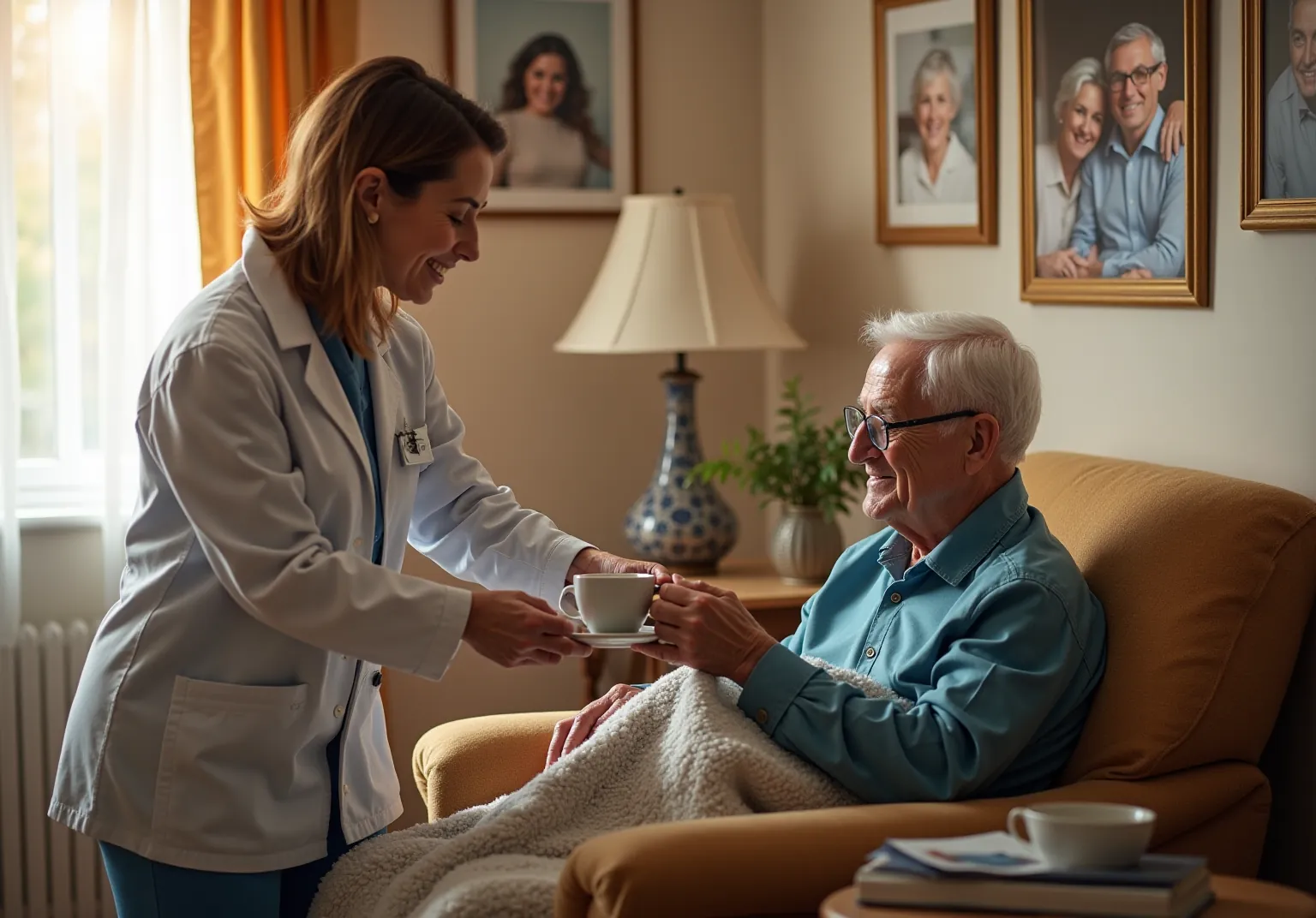
In-home nursing services offer vital medical and personal support, allowing individuals to receive care in the comfort of their own homes. This approach not only addresses physical needs but also nurtures emotional well-being.
Imagine the relief of knowing that your loved one can maintain their independence while receiving tailored care. These services encompass:
- Skilled nursing care
- Personal assistance
- Companionship
- Therapeutic support
Each category plays a crucial role in enhancing the quality of life for seniors, ensuring they feel valued and cared for.
For caregivers, the journey can often feel overwhelming. The stress and burnout that come with caring for a loved one can weigh heavily on the heart. But there is hope. In-home nursing services provide the compassionate support needed to lighten that load, allowing caregivers to breathe a little easier.
Personal stories from families who have experienced these services highlight the profound impact of compassionate care. One caregiver shared, "Having a nurse come in not only helped my mom physically but also gave me peace of mind. I could finally take a moment for myself, knowing she was in good hands."
As we navigate the challenges of caregiving, it’s essential to remember that support is available. In-home nursing services are designed to empower both seniors and their caregivers, fostering a sense of community and connection. Together, we can ensure that our loved ones receive the care they deserve, allowing them to thrive in their own homes.
What You Need to Know About Find In-Home Nursing Services Near Me:
Navigating the world of in-home nursing services can feel overwhelming for families trying to find the best care for their loved ones. It’s a journey filled with emotional challenges, and you’re not alone in feeling this way. As more individuals choose personalized support in the comfort of their homes, understanding the different types of services available becomes essential.
This guide aims to help you identify specific care needs while offering insights on how to research and evaluate local providers. What hurdles might you face when searching for the right caregiver? And how can you ensure that you make the best choice for your unique situation? Remember, it’s okay to seek help and take your time in this process. You deserve to find the right support for your family.
Understand In-Home Nursing Services
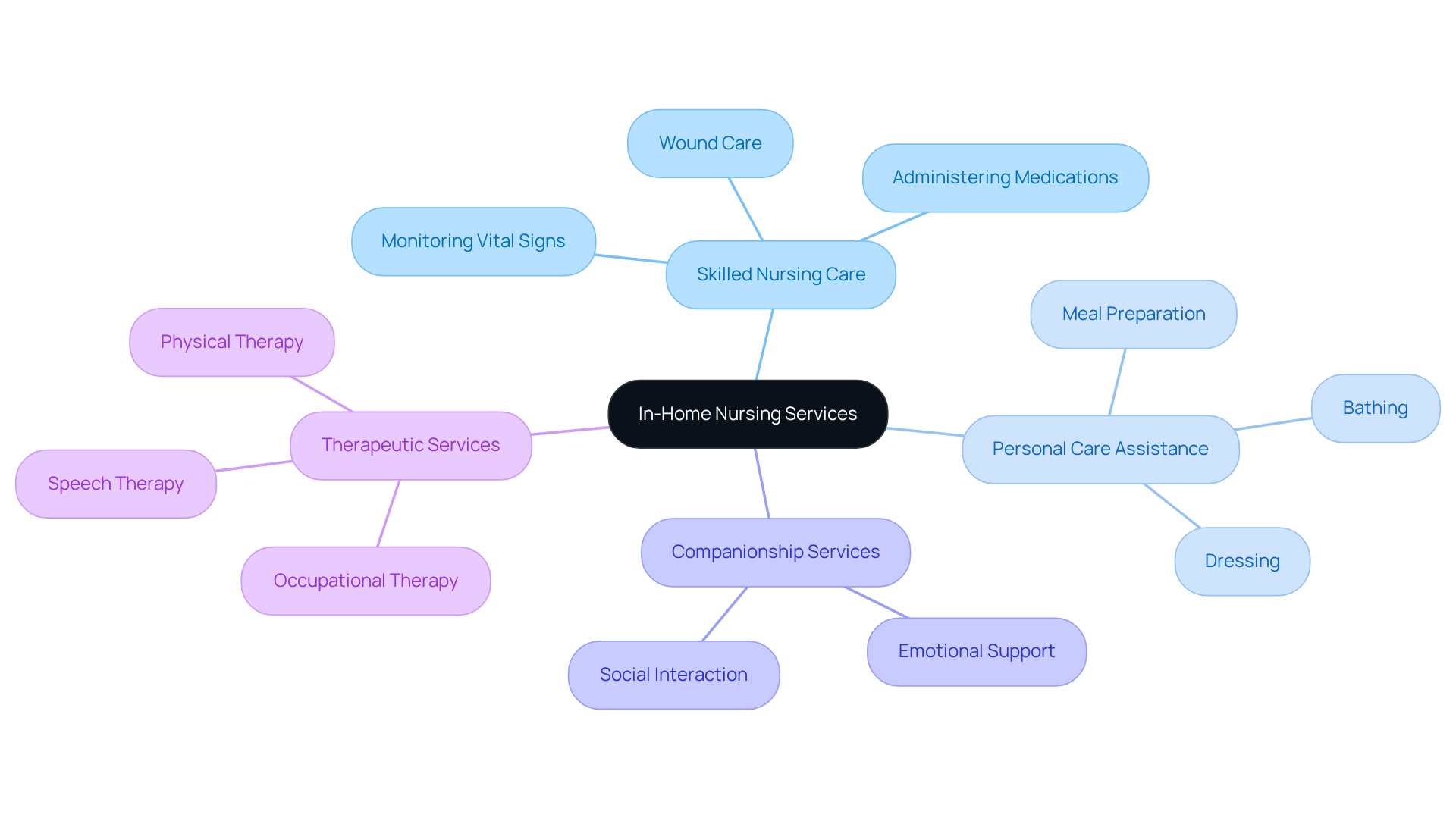
In-home nursing services near me offer a range of healthcare and personal support services right in the comfort of a patient's home. These services are designed to meet both medical and emotional needs, ensuring that loved ones receive the care they deserve.
-
Skilled Nursing Care is provided by licensed nurses who perform essential medical tasks. This includes administering medications, wound care, and monitoring vital signs. With this professional medical attention, patients can avoid hospitalization and feel secure in their own space.
-
Personal Care Assistance is another vital service. It helps with daily activities like bathing, dressing, and meal preparation. This support is crucial for maintaining the dignity and independence of seniors, allowing them to live with grace and comfort.
-
Companionship Services offer emotional support and social interaction, which are so important in combating loneliness, especially among seniors. These services help build relationships and enhance overall wellness, addressing the emotional aspects that are often overlooked in care.
-
Therapeutic Services include physical, occupational, or speech therapy aimed at aiding recovery from illness or injury. These therapies empower individuals to regain their independence and improve their quality of life.
Understanding these categories is essential for families as they assess the right level of support for their loved ones. By 2025, around 15 million Americans are expected to utilize in-home nursing services near me, reflecting a growing trend toward personalized support solutions. This enables seniors to age in place while receiving the help they need.
As highlighted by the National Council on Aging, approximately 95% of individuals aged 60 years or older have at least one chronic condition. This underscores the importance of customized in-home nursing services near me to address the diverse needs of these individuals.
In the words of one caregiver, "It's not just about the tasks; it's about being there for them, making sure they feel loved and cared for every day." This sentiment captures the essence of in-home nursing services near me—offering not just care, but also companionship and understanding.
Identify Your Care Needs
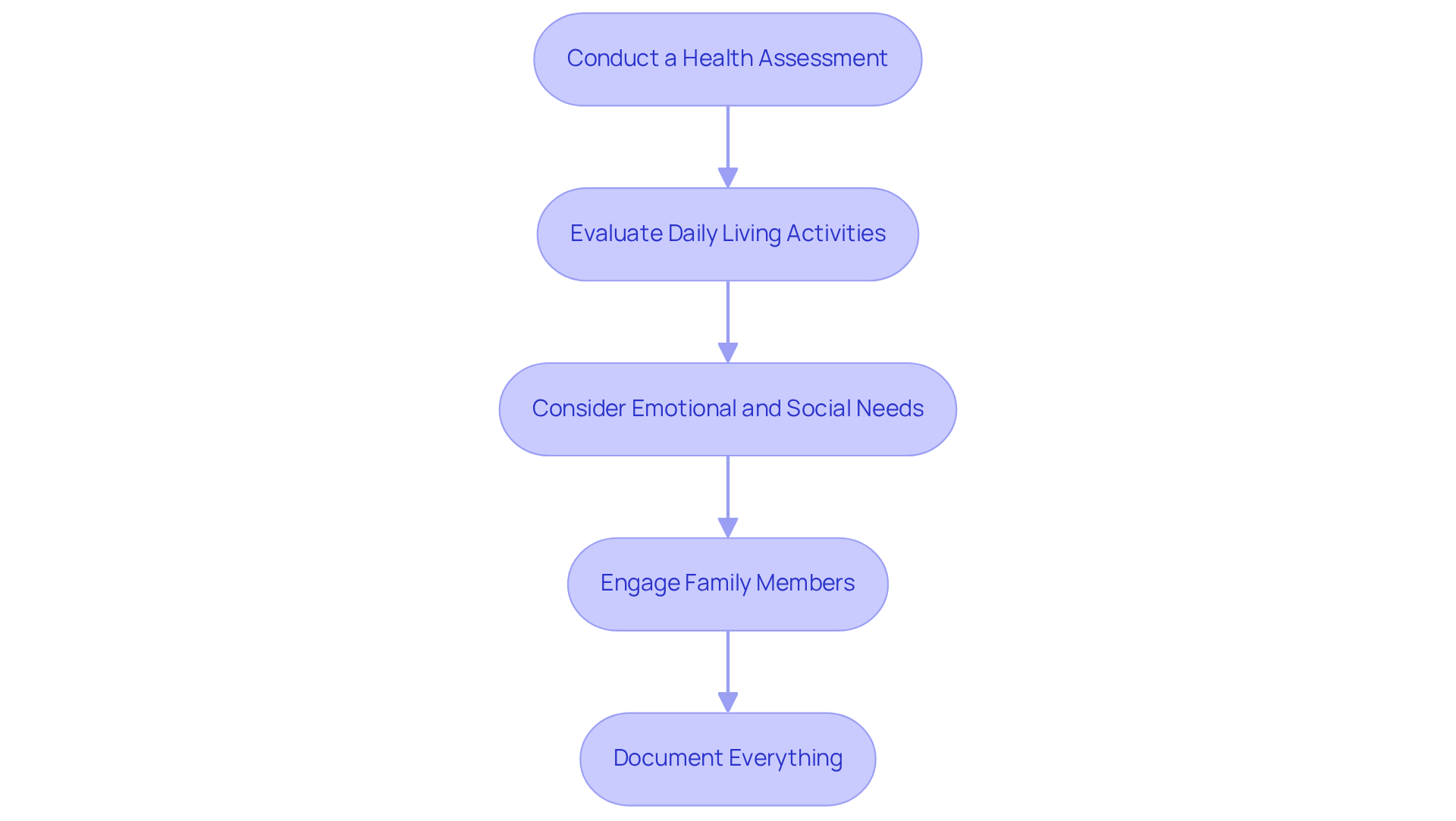
Identifying care needs for seniors can feel overwhelming, but taking it step by step can make a world of difference. Here are some essential steps to guide you through this important process:
-
Conduct a Health Assessment: Start by reviewing any existing medical conditions, medications, and recent hospitalizations. Engaging with healthcare providers can offer valuable insights into your loved one’s health status, helping you feel more informed and prepared.
-
Evaluate Daily Living Activities: Take a moment to assess which daily tasks might be challenging, like bathing, dressing, or meal preparation. It’s worth noting that recent studies show over 40% of families are actively evaluating these daily living activities to pinpoint care requirements. You’re not alone in this journey.
-
Consider Emotional and Social Needs: Don’t overlook the importance of companionship and social interaction. These elements are vital for maintaining mental health and overall well-being. As Snelling wisely points out, "It’s important to know the difference between normal memory loss that occurs with aging and signs of dementia." Understanding these nuances can help you provide the right support.
-
Engage Family Members: Collaborate with family members to gather various perspectives on your loved one’s needs and preferences. This teamwork ensures a comprehensive understanding of their circumstances, making everyone feel more connected and involved.
-
Document Everything: Compile a thorough list of identified needs to share with potential service providers. This documentation is crucial as it fosters discussions with healthcare providers and ensures that all aspects of care are addressed.
Experts emphasize that regular health evaluations are essential in determining the appropriate level of in-home assistance. They help recognize changes in health status that may require additional support. By following these steps, you can ensure that your loved ones receive the tailored support they need to thrive at home. Remember, you’re doing an incredible job, and seeking help is a sign of strength.
Research Local In-Home Nursing Providers
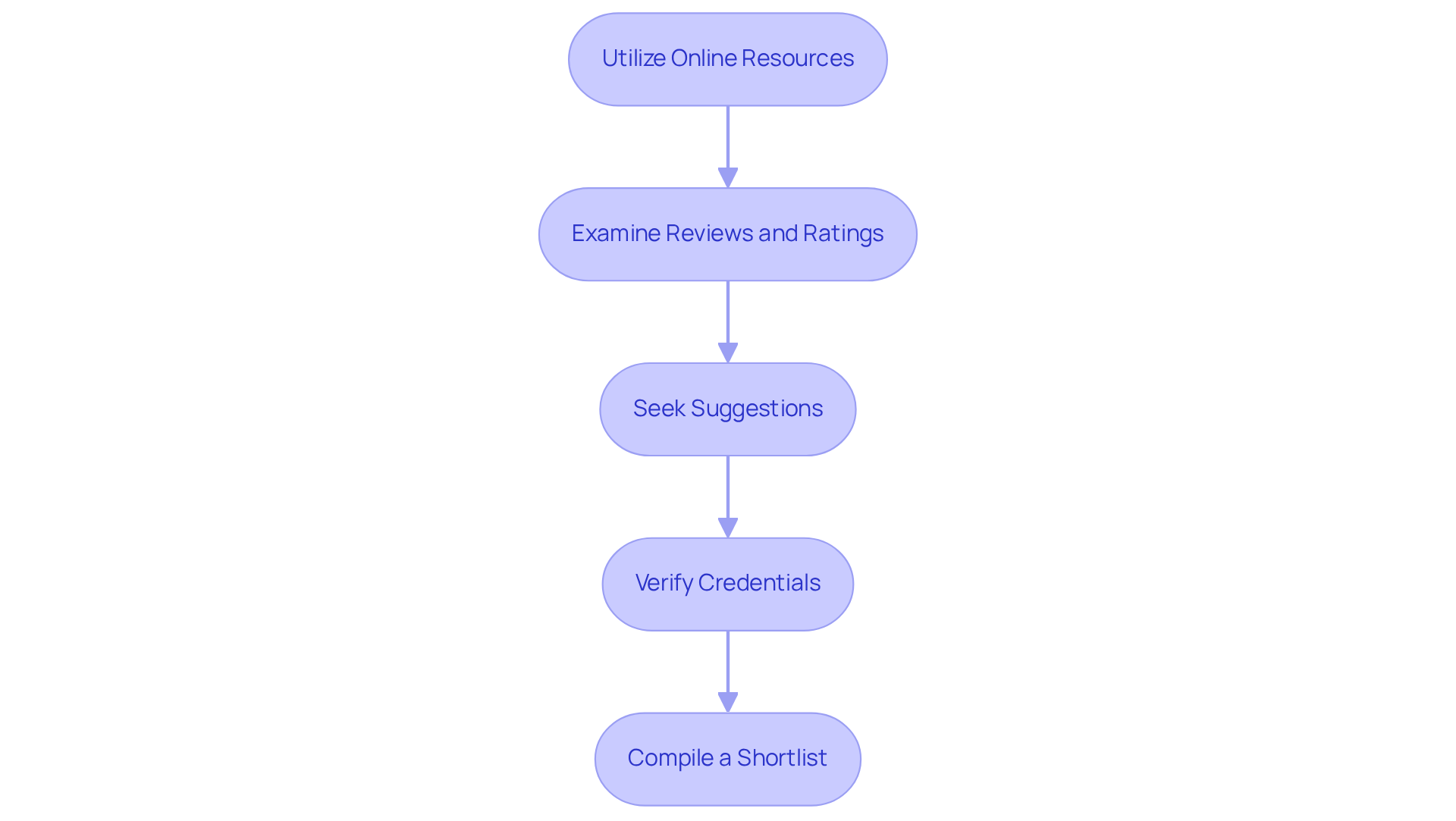
When it comes to finding in-home nursing services near me for your loved ones, it’s important to approach the process with care and understanding. Here are some steps to help you navigate this journey:
-
Utilize Online Resources: Start by exploring websites like Medicare.gov and your local health department’s site. These platforms offer extensive lists of licensed home support agencies, ensuring you have trustworthy options right from the beginning. Additionally, consider adopting a reputable Electronic Visit Verification (EVV) system to help meet state-specific requirements, providing peace of mind.
-
Examine Reviews and Ratings: Take a moment to look at platforms like Yelp and Google. They can provide valuable insights into the experiences of other families. On average, in-home nursing services near me receive ratings that can help you assess their reliability and quality. As Risa Kerslake wisely notes, "Communication between the family and the provider organization is essential to creating a schedule and plan." This highlights the importance of checking reviews to ensure a good fit.
-
Seek Suggestions: Don’t hesitate to reach out to healthcare providers, friends, or family members who have firsthand experience with in-home support. Their insights can be incredibly helpful in guiding you toward reputable providers of in-home nursing services near me who truly care.
-
Verify Credentials: It’s crucial to confirm that the providers are licensed and accredited by relevant state or national organizations. This step ensures compliance with industry standards. Also, ask about background checks for caregivers; knowing that safety and dependability are prioritized can ease your worries.
-
Compile a Shortlist: After your research, create a shortlist of potential providers for further evaluation. This will allow you to compare offerings and find the best fit for your needs. Utilizing client feedback instruments can also help assess satisfaction and measure the quality of service.
By following these steps, you can make informed decisions about in-home nursing services near me that significantly impact the well-being of your loved ones. Remember, you’re not alone in this journey; there are compassionate providers ready to support you and your family.
Evaluate and Compare Service Providers
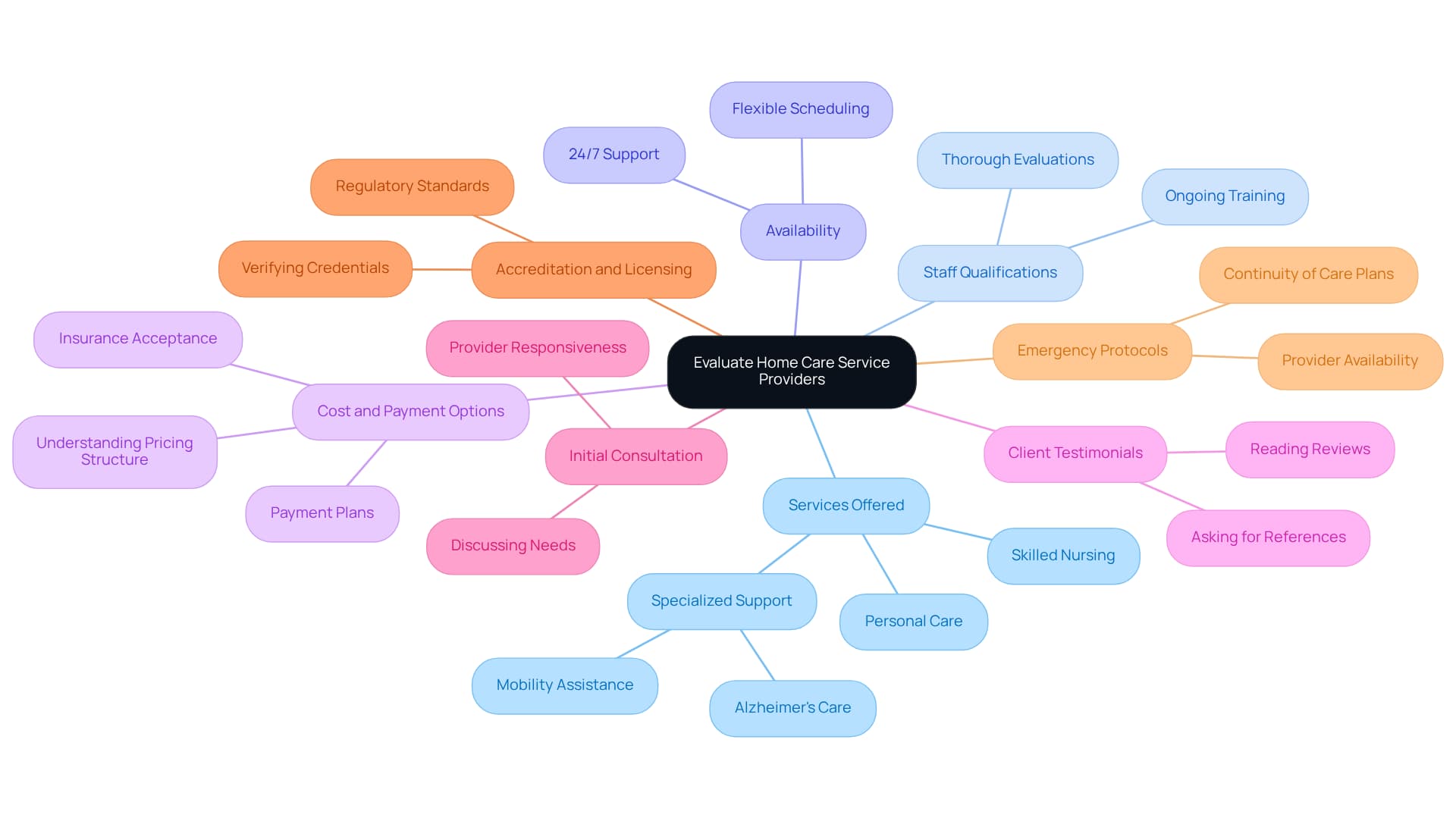
When you're looking for home care service providers, it’s important to consider a few key factors that can truly make a difference in your loved one's experience:
-
Services Offered: Make sure the provider offers the specific services you need, whether that’s skilled nursing, personal care, or specialized support for conditions like Alzheimer’s or mobility challenges. It’s about finding the right fit for your family’s unique situation.
-
Staff Qualifications: Take a moment to look into the qualifications and training of the caregivers. Agencies should conduct thorough evaluations and provide ongoing training to ensure their staff is equipped to meet diverse needs. This is crucial—after all, 91% of clients express satisfaction with their providers, underscoring the importance of having well-trained personnel.
-
Availability: Check on the provider’s availability, including flexible scheduling and 24/7 support if needed. Flexibility is key to adapting to changing care requirements, ensuring your loved one always has the support they need.
-
Cost and Payment Options: It’s essential to understand the pricing structure, including any hidden fees, and to find out if the agency accepts insurance or offers payment plans. Home health service costs can vary widely, so clarity on billing practices is vital for peace of mind.
-
Client Testimonials: Reading testimonials or asking for references can provide insight into the experiences of other families. With around 12 million Americans receiving home health assistance each year, hearing from current or former clients can offer valuable perspectives.
-
Initial Consultation: Schedule a meeting to discuss your needs and see how responsive the provider is. This first interaction can reveal a lot about the agency’s commitment to personalized care and support.
-
Accreditation and Licensing: Always verify the agency’s licensing and accreditation to ensure they meet regulatory standards. This is essential for maintaining quality service and your peace of mind.
-
Emergency Protocols: Familiarize yourself with the organization’s emergency protocols to ensure continuity of care if a provider becomes unavailable. Knowing there’s a plan in place can ease your worries.
By focusing on these criteria, families can make informed decisions about in-home nursing services near me that align with their loved ones’ needs, fostering a supportive and effective home care experience. Remember, you’re not alone in this journey; there are compassionate services ready to help.
Interview Potential Caregivers
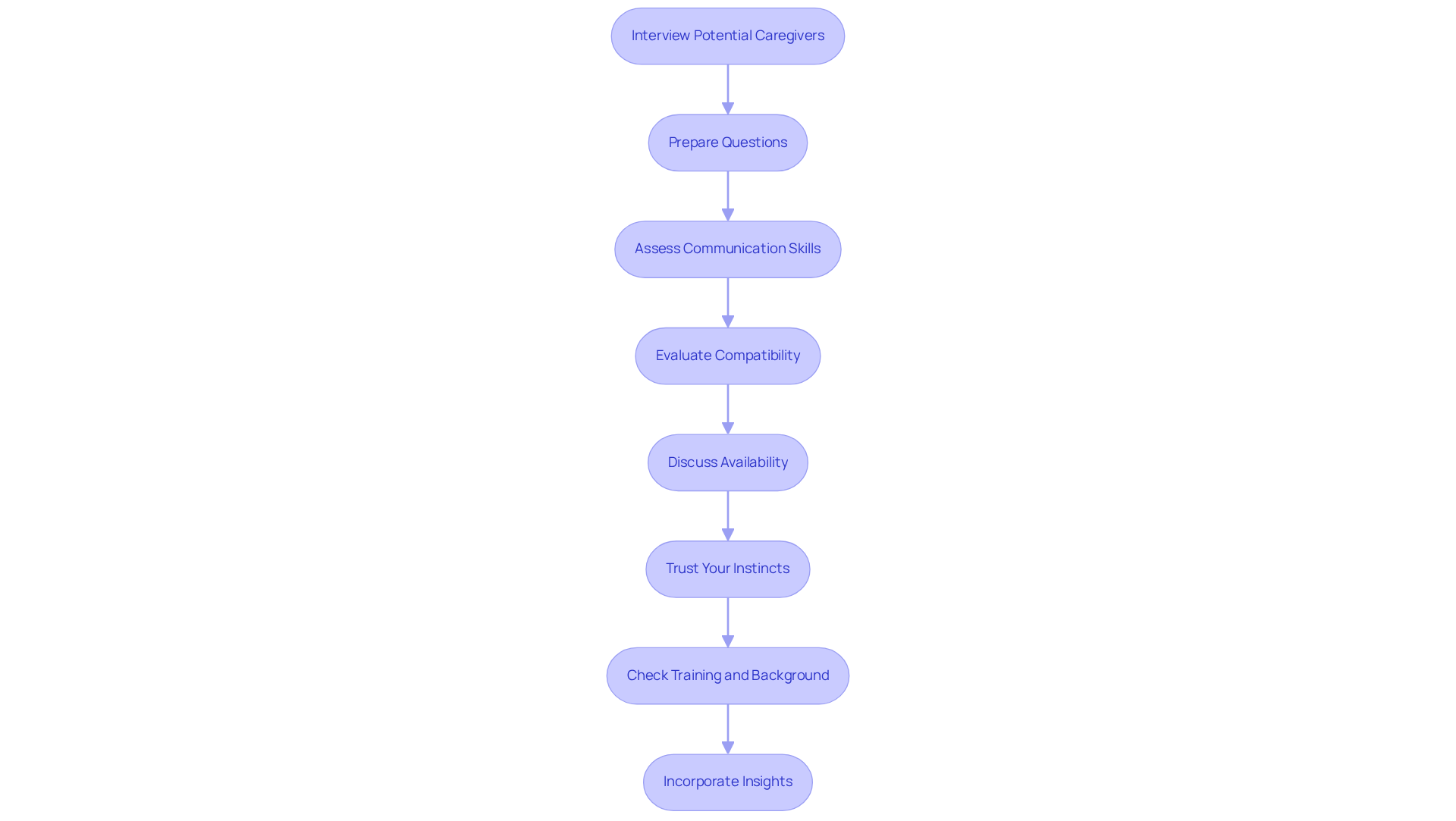
When interviewing potential caregivers, it’s important to approach the process with care and consideration. Here are some thoughtful guidelines to help you find the right fit for your loved one:
-
Prepare Questions: Start by crafting a list of questions that delve into the caregiver’s experience, skills, and how they handle specific situations relevant to your loved one’s needs. Consider asking:
- What experience do you have with [specific condition]?
- How do you handle emergencies?
- Can you provide references from previous clients?
- How do you offer emotional support, especially during tough times?
- Can you share a situation where you managed a challenging client?
-
Assess Communication Skills: Pay attention to how well the caregiver communicates. Effective communication is crucial for understanding your concerns and fostering a collaborative relationship.
-
Evaluate Compatibility: Think about the caregiver’s personality and approach to caregiving. A strong connection between the caregiver and your loved one can greatly enhance the caregiving experience. It’s worth asking about their views on pets in the home and how they manage combative or resistant behavior.
-
Discuss Availability: Make sure the caregiver’s availability aligns with your needs. Flexibility is key, so confirm they can accommodate any changes in schedule.
-
Trust Your Instincts: After the interview, take a moment to reflect on your impressions. Trust your instincts about the caregiver’s suitability for your loved one; a good fit is essential for a successful caregiving relationship.
-
Check Training and Background: Inquire about the caregiver’s training, particularly in emergency situations like CPR and dementia support. It’s also important to ensure that background checks and drug screenings have been completed, as these steps are vital for safety and reliability.
-
Incorporate Insights: Remember, caregiving is an intimate act rooted in respect, trust, and dignity. As Amanda Lambert wisely states, "Choosing the right person to care for your loved one is one of the most important decisions in the caregiving journey."
By following these guidelines, you can approach the process with confidence, knowing that you’re making a thoughtful choice for your loved one.
Your Path Forward
In-home nursing services offer a vital lifeline for families who want their loved ones to receive quality care right at home. It’s essential to understand the different types of services available—like skilled nursing care, personal assistance, companionship, and therapeutic support—so families can make informed choices that truly cater to their loved ones’ unique needs.
Throughout this journey, we’ve highlighted key strategies for identifying care needs, researching local providers, evaluating service options, and interviewing potential caregivers. Each of these steps is crucial, ensuring that the services chosen not only meet medical requirements but also nurture emotional and social well-being, fostering a holistic approach to care.
Ultimately, finding the right in-home nursing services is a collaborative effort that calls for thoughtful consideration and compassion. By taking the time to assess needs, engage with providers, and prioritize the well-being of seniors, families can create an environment where their loved ones can truly thrive. This process enhances the quality of care while reinforcing the importance of dignity, respect, and connection in the caregiving experience.
https://iframe.tely.ai/cta/eyJhcnRpY2xlX2lkIjogIjY5MGZkY2ZiOGRiM2I4Mzc2MjM0YTQ2YyIsICJjb21wYW55X2lkIjogIjY4ZWU1ZGNhNzMxNzYyNTU3ZjNjOTVjMSIsICJpbmRleCI6IG51bGwsICJ0eXBlIjogImFydGljbGUifQ==Frequently Asked Questions
What are in-home nursing services?
In-home nursing services provide a range of healthcare and personal support services in the comfort of a patient's home, addressing both medical and emotional needs.
What types of skilled nursing care are available?
Skilled nursing care includes administering medications, wound care, and monitoring vital signs, provided by licensed nurses to help patients avoid hospitalization.
What is personal care assistance?
Personal care assistance helps seniors with daily activities such as bathing, dressing, and meal preparation, promoting their dignity and independence.
How do companionship services benefit seniors?
Companionship services offer emotional support and social interaction, helping to combat loneliness and enhance overall wellness among seniors.
What are therapeutic services in in-home nursing?
Therapeutic services include physical, occupational, or speech therapy aimed at aiding recovery from illness or injury, empowering individuals to regain independence.
Why is it important to understand care needs for seniors?
Understanding care needs is essential for families to assess the right level of support for their loved ones, ensuring they receive appropriate care as they age in place.
What steps can be taken to identify care needs for seniors?
Steps include conducting a health assessment, evaluating daily living activities, considering emotional and social needs, engaging family members, and documenting everything.
How can family members contribute to identifying care needs?
Family members can collaborate to gather various perspectives on the loved one’s needs and preferences, ensuring a comprehensive understanding of their circumstances.
Why is documentation important when assessing care needs?
Documenting identified needs is crucial for discussions with potential service providers, ensuring that all aspects of care are addressed effectively.
What is the significance of regular health evaluations?
Regular health evaluations help determine the appropriate level of in-home assistance and recognize changes in health status that may require additional support.