

For families in our service areas
For families in our service areas, this guide explains dementia care and how non-medical in-home caregiving can support care planning in East Idaho, Treasure Valley & Magic Valley, Northern Wasatch, North Central West Virginia, and Northeast Ohio.
Understanding Find Local Day Care for Dementia
Navigating the complex landscape of day care options for dementia patients presents a significant challenge for caregivers. With the number of individuals affected by cognitive decline steadily increasing, it’s crucial to understand the specific needs of these patients. This complexity can lead to feelings of overwhelm and uncertainty for those seeking the best support for their loved ones.
How can caregivers ensure they find the right facility? It’s not just about meeting medical requirements; emotional well-being and safety are equally important. This guide offers a comprehensive, step-by-step approach to:
- Assessing care needs
- Researching local options
- Evaluating potential day care facilities
By following these actionable steps, caregivers can make informed decisions that enhance the quality of life for those they love.
Assess Dementia Care Needs
Assessing the needs of individuals with cognitive decline is crucial for effective caregiving. Caregivers often face significant challenges, including understanding the specific requirements of those they care for.
-
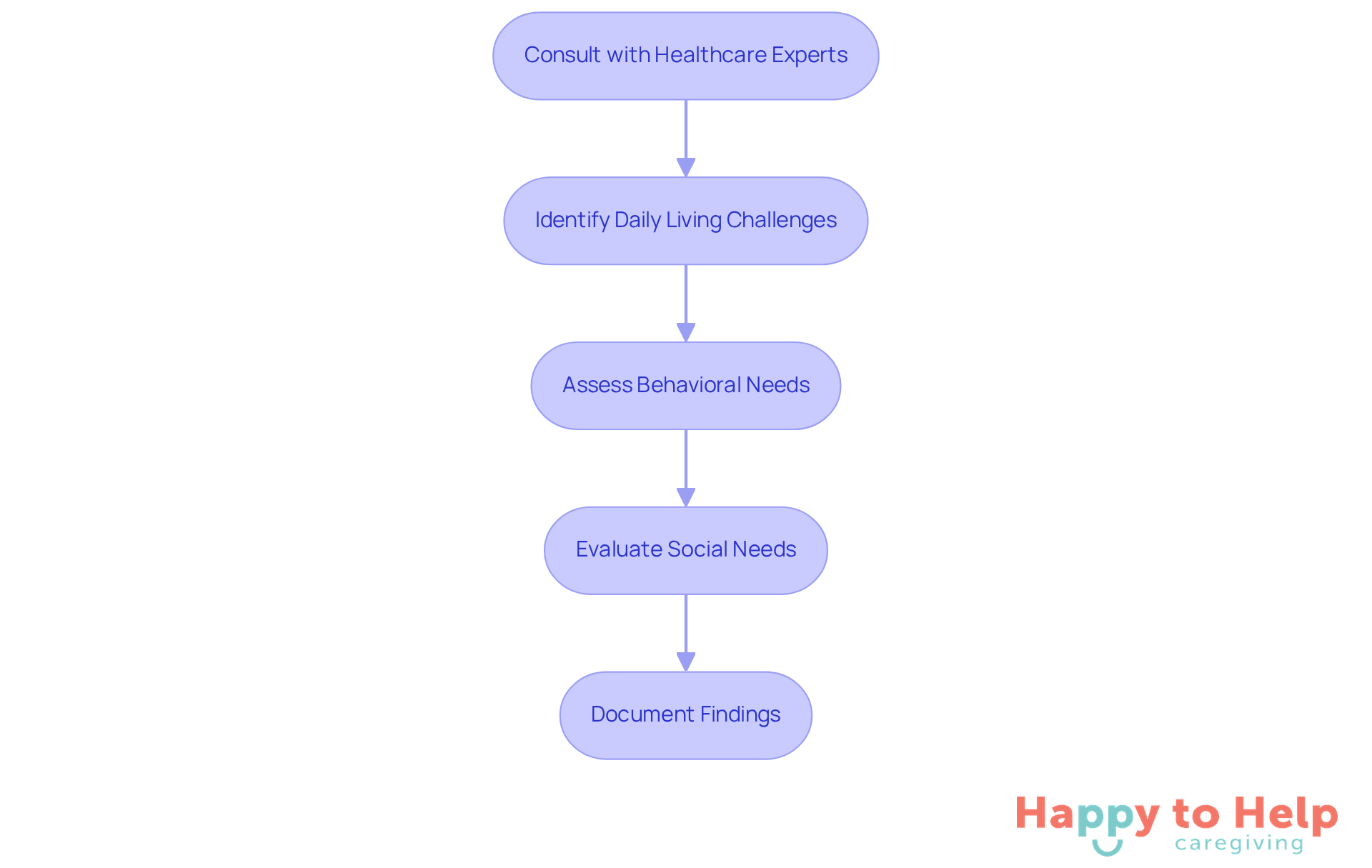
Consult with Healthcare Experts: Start by interacting with the patient’s physician or a geriatric management specialist. This collaboration helps gather essential information about the medical and cognitive needs of the individual.
-
Identify Daily Living Challenges: Observe any difficulties the individual faces with daily activities like bathing, dressing, eating, and mobility. Research shows that about 86% of older adults with dementia lack formal support, underscoring the urgency of identifying these challenges early.
-
Assess Behavioral Needs: Consider any behavioral issues, such as aggression or wandering, that may require specialized assistance. Effectively managing these behaviors is vital for ensuring safety and comfort.
-
Evaluate Social Needs: Determine how important social interaction and engagement in activities are for the individual’s overall well-being. Social engagement can significantly reduce feelings of isolation and enhance quality of life.
-
Document Findings: Compile a comprehensive list of support needs to guide your search for suitable day care for dementia patients near me. This documentation will be invaluable when discussing treatment plans with potential providers.
According to geriatric support managers, a thorough assessment of these factors is essential for developing a tailored assistance strategy that meets the unique needs of patients with memory disorders. As cognitive decline progresses, individuals typically require help with all aspects of daily living, highlighting the importance of timely and accurate evaluations. With the number of individuals living with cognitive decline expected to rise significantly, the demand for effective assessments and customized support strategies has never been more critical.
Research Local Day Care Options
Finding day care for dementia patients near me can be a daunting task for caregivers. With the increasing number of individuals affected by cognitive impairment, it’s crucial to identify reliable services that cater to their unique needs. Fortunately, there are effective strategies to help you navigate the process of searching for day care for dementia patients near me.
-
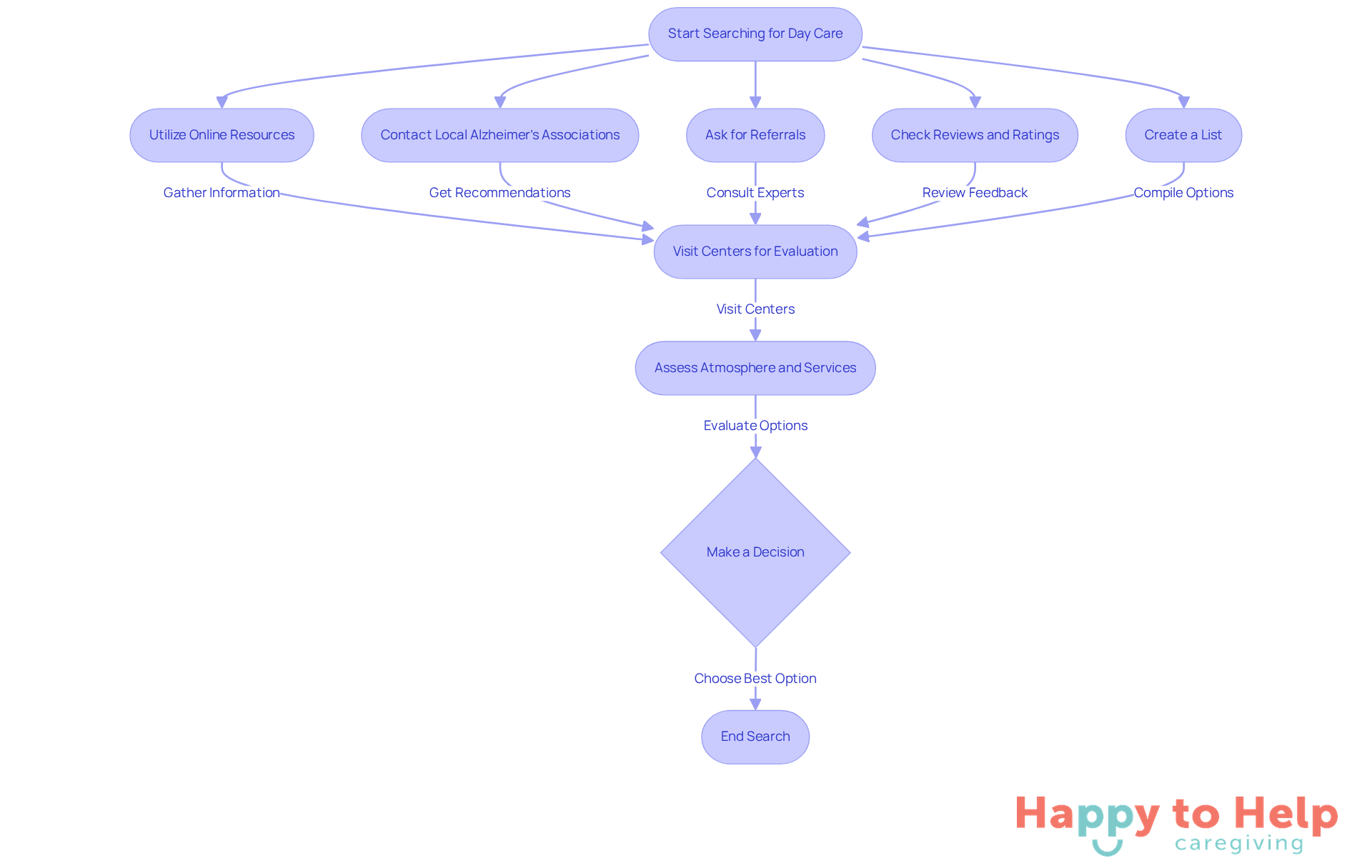
Utilize Online Resources: Start by exploring websites like Alzheimers.gov and Community Resource Finder. These platforms provide valuable information on day care for dementia patients near me, specifically designed for individuals with cognitive challenges.
-
Contact Local Alzheimer’s Associations: Local chapters of the Alzheimer’s Association can be a great resource. They often have insights into specialized options for day care for dementia patients near me and can suggest the best programs tailored to your community.
-
Ask for Referrals: Don’t hesitate to consult healthcare providers, social workers, or families who have experience with dementia care. Personal recommendations can lead you to trustworthy facilities for day care for dementia patients near me that meet your loved one’s needs.
-
Check Reviews and Ratings: Investigate online reviews and ratings of potential facilities. Feedback from other families can provide a clearer picture of the quality of care and services offered.
-
Create a List: Compile a list of potential day facilities for further evaluation. Consider visiting these centers that provide day care for dementia patients near me to assess their atmosphere, staff qualifications, and specific services, especially those focused on memory support.
With approximately 5,135 adult day services centers across the U.S., many of which emphasize cognitive support, these strategies can significantly aid in finding the right help for your loved one. Engaging with local Alzheimer’s associations can also yield tailored recommendations that align with your family’s needs. Additionally, keep in mind the median cost of adult day services, which is around $1,690 monthly, and explore potential financial aid options through Medicaid or local programs to ease the financial burden.
Evaluate Services and Amenities
When evaluating potential day care for dementia patients near me, caregivers face several challenges that can significantly impact the quality of care their loved ones receive. Understanding these challenges is crucial for making informed decisions.
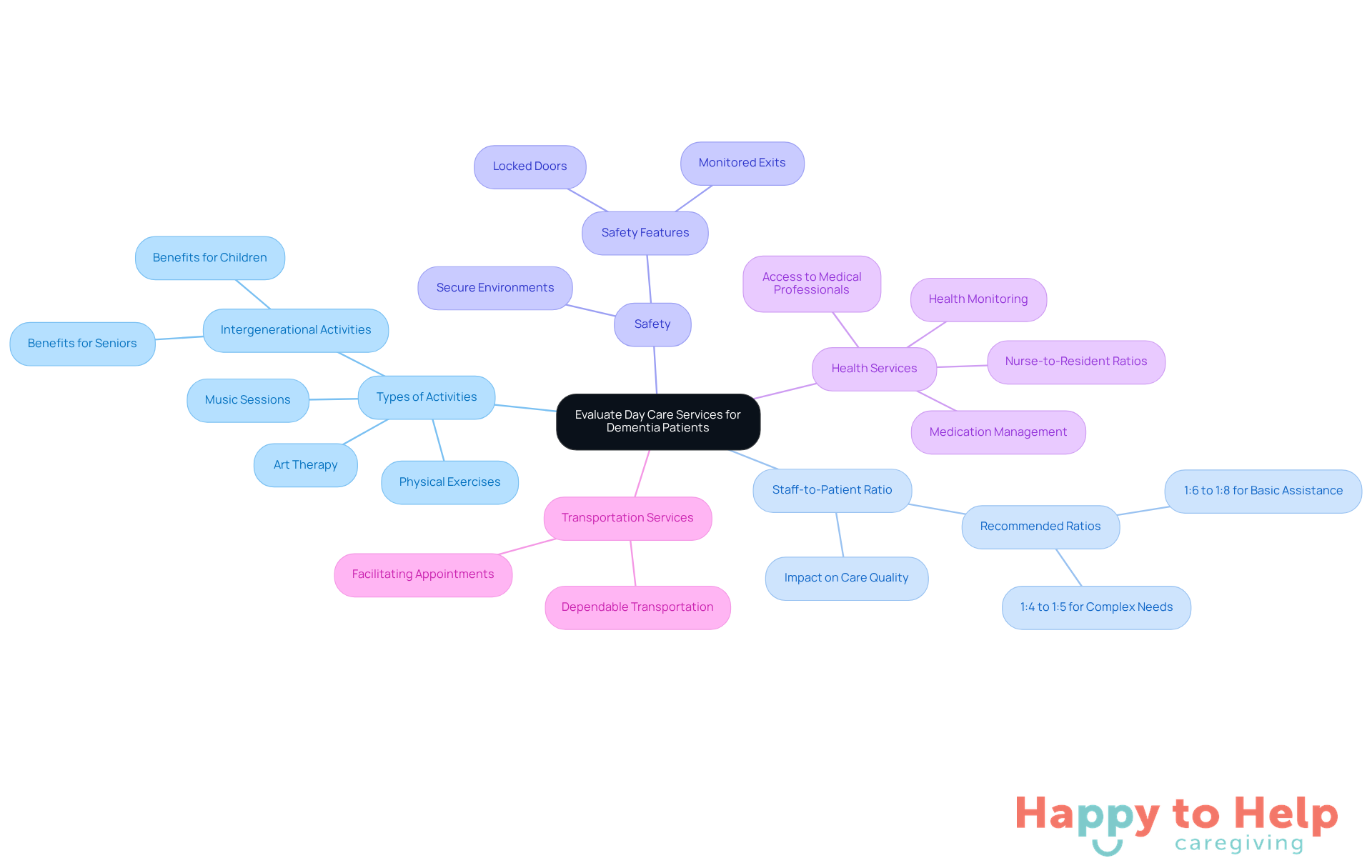
Types of Activities Offered: One major concern is the lack of stimulating activities tailored for individuals with cognitive impairments. Engaging options like art therapy, music sessions, and physical exercises not only stimulate cognitive function but also enhance emotional well-being. Facilities such as the Hearts and Minds Activity Center have successfully integrated intergenerational activities, fostering joy and purpose among seniors while benefiting children's social skills.
Staff-to-Patient Ratio: Another critical factor is the staff-to-patient ratio. A lower ratio ensures personalized attention and care. The ideal caregiver-to-resident ratio for basic assistance is one caregiver for every six to eight residents (1:6 to 1:8). For those with more complex needs, such as dementia, a ratio of one caregiver for every four to five residents (1:4 to 1:5) is recommended. Adequate staffing levels are linked to better health outcomes, reduced hospitalizations, and increased resident satisfaction.
Safety is paramount in day care for dementia patients near me. Caregivers should ensure that locations have secure environments equipped with safety features like locked doors and monitored exits to prevent wandering. A well-designed space can significantly enhance the safety and comfort of residents, allowing them to explore their surroundings without undue risk.
Health Services: Access to essential health services is another vital consideration. Confirm that the day care for dementia patients near me offers health monitoring, medication management, and access to medical professionals. Facilities with higher nurse-to-resident ratios generally deliver improved clinical results and prompt interventions, which are essential for managing the health of individuals with dementia.
Transportation Services: Finally, inquire about transportation options for getting to and from the facility. Dependable transportation can facilitate the transition for families and ensure that individuals can engage in activities and appointments without increased stress.
Visit and Observe Facilities
When selecting day care for dementia patients near me, caregivers often face significant challenges. Finding a facility that offers a day care for dementia patients near me, which provides compassionate and effective care, is crucial for the well-being of individuals with cognitive impairments.
-
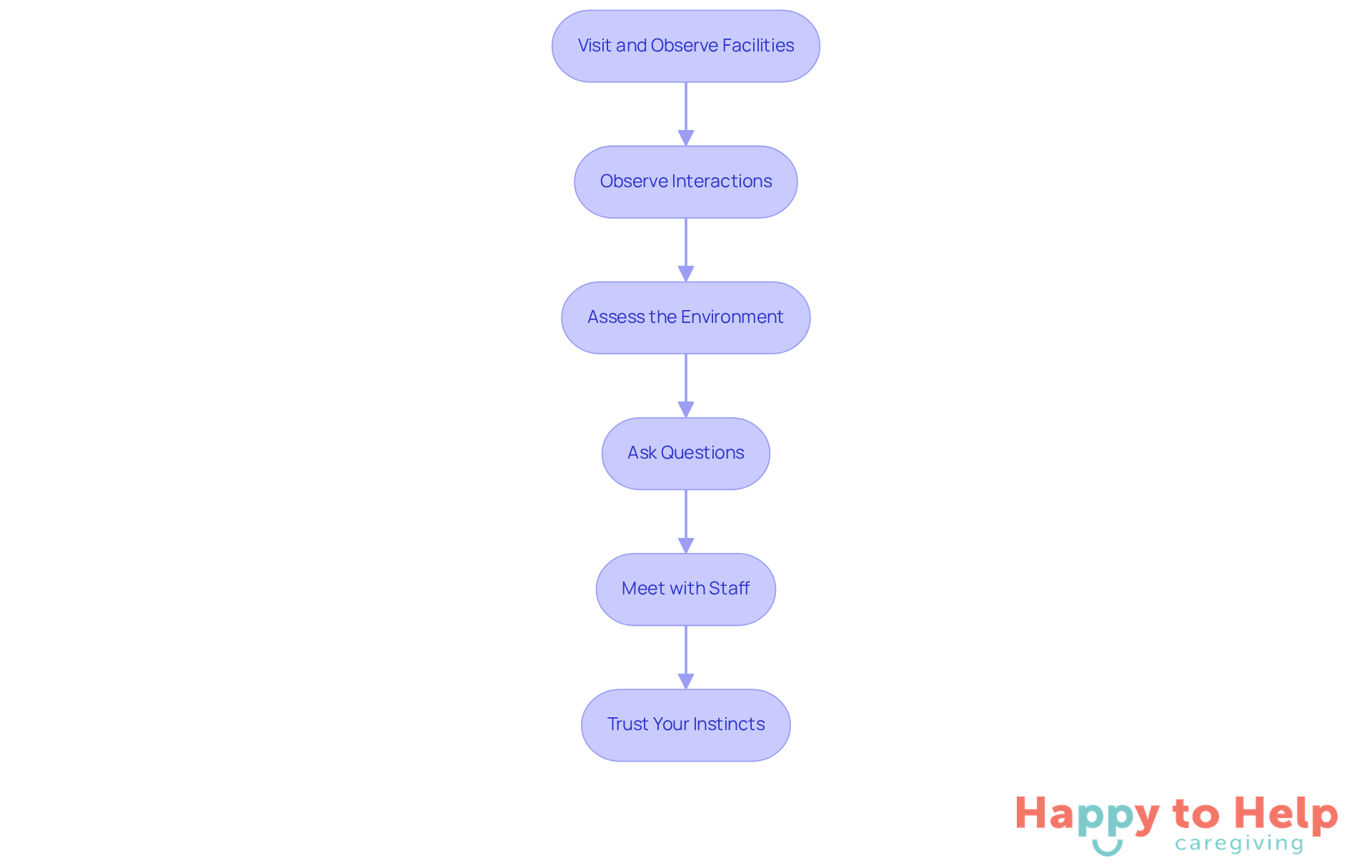
Observe Interactions: One of the first steps is to pay close attention to how staff engage with patients. Look for signs of compassion, patience, and genuine interaction. These qualities are essential for effective care.
-
Assess the Environment: Next, evaluate the facility's cleanliness, safety, and overall atmosphere. A welcoming and secure environment can significantly reduce anxiety and promote comfort. Ensure that the space is organized and free of clutter and loud noises, as these factors can lead to disorientation.
-
Ask Questions: Inquire about daily routines, emergency procedures, and strategies for managing behavioral challenges. Understanding how the center operates can provide valuable insight into the quality of service offered.
-
Meet with Staff: Engage with caregivers and management to learn about their qualifications and training in dementia care. Effective staff interactions can greatly enhance the well-being of individuals receiving care. Ask how they incorporate familiar objects to provide comfort and trigger positive memories for patients.
-
Trust Your Instincts: Finally, listen to your feelings about the facility. If something feels off or raises concerns, it may be worth exploring other options. A supportive and nurturing environment is vital for the emotional and cognitive health of individuals with cognitive impairments.
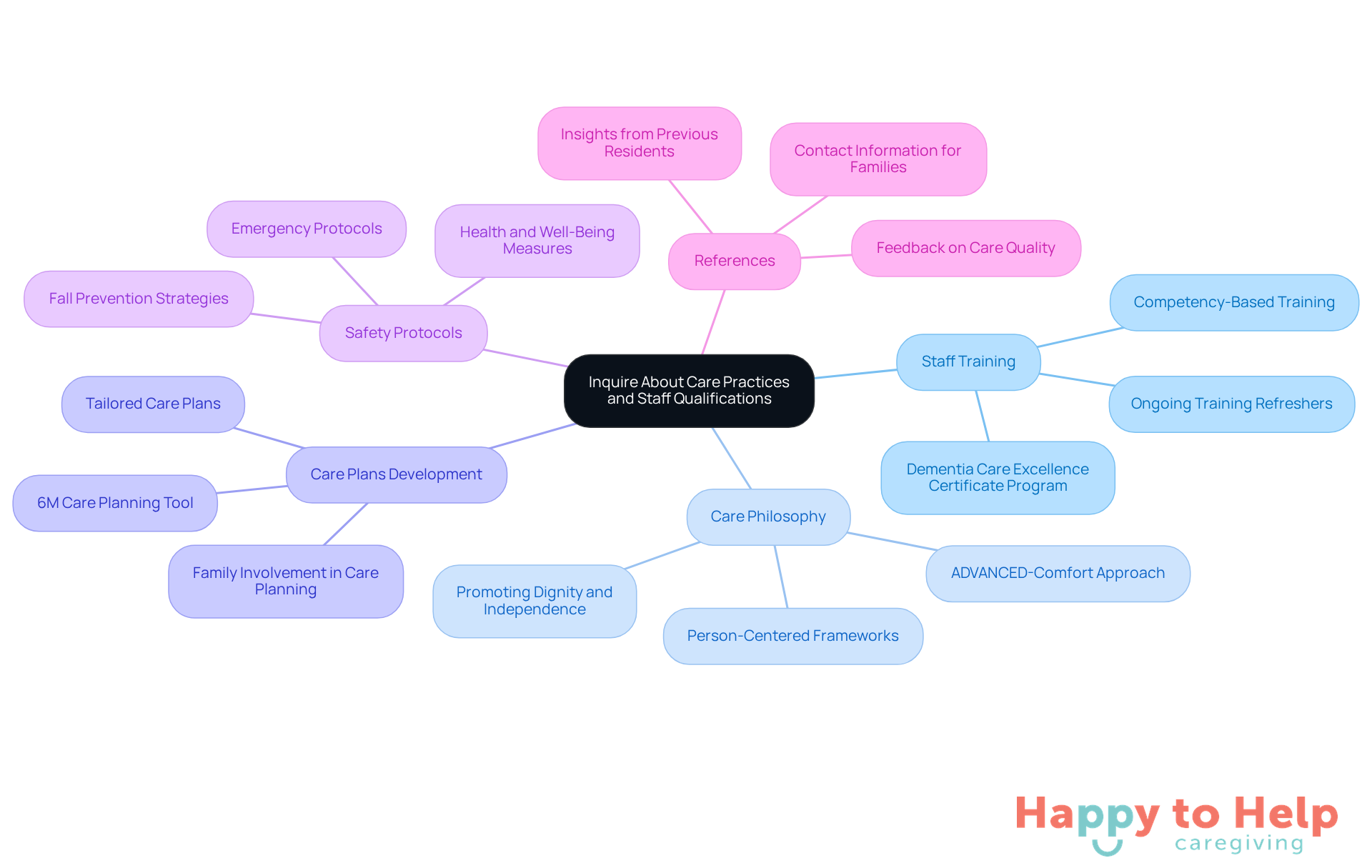
Inquire About Care Practices and Staff Qualifications
When finalizing your decision, consider these critical questions:
-
What Training Do Staff Members Receive? Ensure that caregivers at day care for dementia patients near me are specifically trained in dementia support and understand the unique requirements of individuals.
-
What is the Care Philosophy? Inquire about the facility's method of support and how they promote dignity and independence for residents.
-
How Are Care Plans Developed? Ask how tailored care plans are created and revised according to the individual's evolving needs.
-
What Safety Protocols Are in Place? Understand the measures taken to ensure the safety and well-being of all patients.
-
Can You Provide References? Request contact information for families who have used the facility to gain insights into their experiences.
Your Path Forward
Finding suitable day care for dementia patients presents a significant challenge for caregivers. This multifaceted process requires careful consideration and thorough assessment, as understanding the specific needs of individuals experiencing cognitive decline is essential for their well-being and quality of life.
The implications of inadequate care can be profound, affecting not only the individuals receiving support but also the peace of mind of their caregivers. Engaging with healthcare professionals and observing daily challenges can help caregivers develop a clear picture of the necessary support and services.
To address these challenges, several key strategies can empower caregivers in their search for local day care options:
- Utilize online resources and local associations to gather information about available facilities.
- Assess the environment and staff qualifications to ensure a safe and supportive atmosphere.
- Observe interactions and inquire about care practices to gauge the quality of care provided.
- Understand the amenities offered to ensure they meet the needs of loved ones.
Ultimately, selecting appropriate day care for dementia patients is crucial. By prioritizing thorough assessments and actively seeking reliable resources, caregivers can ensure their loved ones receive the compassionate and effective care they deserve. This process is not just about finding a facility; it’s about fostering a supportive environment that enhances the quality of life for those affected by dementia.
https://iframe.tely.ai/cta/eyJhcnRpY2xlX2lkIjogIjY5MjRmMWUwZWM0Y2FiOGU3NGVjMDBlMCIsICJjb21wYW55X2lkIjogIjY4ZWU1ZGNhNzMxNzYyNTU3ZjNjOTVjMSIsICJpbmRleCI6IG51bGwsICJ0eXBlIjogImFydGljbGUifQ==Frequently Asked Questions
Why is assessing dementia care needs important?
Assessing dementia care needs is crucial for effective caregiving as it helps caregivers understand the specific requirements of individuals with cognitive decline, ensuring they receive appropriate support.
Who should caregivers consult when assessing care needs?
Caregivers should consult the patient’s physician or a geriatric management specialist to gather essential information about the medical and cognitive needs of the individual.
What daily living challenges should caregivers identify?
Caregivers should observe difficulties the individual faces with daily activities such as bathing, dressing, eating, and mobility, as these challenges are common among older adults with dementia.
How can behavioral needs impact dementia care?
Behavioral issues, such as aggression or wandering, may require specialized assistance, and effectively managing these behaviors is vital for ensuring the individual’s safety and comfort.
Why is social interaction important for individuals with dementia?
Social interaction and engagement in activities are crucial for overall well-being, as they can significantly reduce feelings of isolation and enhance the quality of life for individuals with dementia.
What should caregivers do with their findings from the assessment?
Caregivers should document their findings to compile a comprehensive list of support needs, which will guide their search for suitable day care options for dementia patients.
What strategies can caregivers use to find local day care options for dementia patients?
Caregivers can utilize online resources, contact local Alzheimer’s associations, ask for referrals, check reviews and ratings, and create a list of potential facilities for evaluation.
What online resources can assist in finding day care for dementia patients?
Websites like Alzheimers.gov and Community Resource Finder provide valuable information specifically designed for individuals with cognitive challenges.
How can local Alzheimer’s associations help in finding day care services?
Local chapters of the Alzheimer’s Association can offer insights into specialized day care options and suggest the best programs tailored to the community’s needs.
What should caregivers consider when evaluating potential day care facilities?
Caregivers should visit the centers to assess the atmosphere, staff qualifications, and specific services, especially those focused on memory support.
What is the average cost of adult day services in the U.S.?
The median cost of adult day services is approximately $1,690 monthly.
Are there financial aid options available for dementia care?
Yes, caregivers can explore potential financial aid options through Medicaid or local programs to help ease the financial burden of adult day services.
List of Sources
- Assess Dementia Care Needs
- Risk and future burden of dementia in the United States (https://nih.gov/news-events/nih-research-matters/risk-future-burden-dementia-united-states)
- ADI - Dementia statistics (https://alzint.org/about/dementia-facts-figures/dementia-statistics)
- One in Five People with Dementia Receive No Care, Global Study Finds (https://ysph.yale.edu/news-article/one-in-five-people-with-dementia-receive-no-care-global-study-finds)
- Bridging Gaps in Dementia Care: PAs as Champions of Early Detection and Support Bridging Gaps in Dementia Care: PAs as Champions of Early Detection and Support (https://aapa.org/news-central/2025/11/bridging-gaps-in-dementia-care-pas-as-champions-of-early-detection-and-support)
- End-of-life dementia patients face burdensome interventions, study finds (https://mcknights.com/news/end-of-life-dementia-patients-face-burdensome-interventions-study-finds)
- Research Local Day Care Options
- Dementia care programs help, if caregivers can find them (https://cbsnews.com/news/alzheimers-dementia-care-programs-help-if-caregivers-can-find-them)
- What Is Adult Day Care and How Can it Help Caregivers? (https://aarp.org/caregiving/home-care/adult-day-care)
- Topic: Adult day care centers in the U.S. (https://statista.com/topics/13215/adult-day-care-centers-in-the-us?srsltid=AfmBOoojsy0KU6ihFymOFWqh4LVz6U4Ii3tspD-JJoab4ncX-pC5oAte)
- FastStats (https://cdc.gov/nchs/fastats/adsc.htm)
- Alzheimer's Disease Facts and Figures (https://alz.org/alzheimers-dementia/facts-figures)
- Evaluate Services and Amenities
- Sensory Therapy for Dementia Patients (https://health.usnews.com/senior-care/articles/sensory-therapy-for-dementia-patients)
- Adult day care can benefit older adults and their caregivers - Harvard Health (https://health.harvard.edu/staying-healthy/adult-day-care-can-benefit-older-adults-and-their-caregivers)
- The Benefits of Smaller Staff-to-Resident Ratios in Senior Care (https://thehighpointresidence.com/blog/the-benefits-of-smaller-staff-to-resident-ratios-in-senior-care)
- ‘It's magic': South Bay dual day care brings children, adults with dementia together (https://nbcbayarea.com/news/local/bay-area-proud/its-magic-south-bay-dual-daycare-brings-children-adults-with-dementia-together/3671070)
- Visit and Observe Facilities
- Dementia care education equips staff to create better interactions, outcomes (https://mcknights.com/news/dementia-care-education-equips-staff-to-create-better-interactions-outcomes)
- The Impact of a Calm Environment on Persons with Dementia (https://heartsfordementia.com/news/the-impact-of-a-calm-environment-on-persons-with-dementia)
- NYU Meyers-led Study Explores Quality of Care for People with Dementia in Adult Day Centers | NYU Rory Meyers College of Nursing (https://nursing.nyu.edu/w/news/press-release/nyu-meyers-led-study-explores-quality-care-people-dementia-adult-day-centers)
- Pilot study aims to improve staff interactions with assisted living residents living with dementia (https://mcknightsseniorliving.com/news/pilot-study-aims-to-improve-staff-interactions-with-assisted-living-residents-living-with-dementia)
- Adult day care can benefit older adults and their caregivers - Harvard Health (https://health.harvard.edu/staying-healthy/adult-day-care-can-benefit-older-adults-and-their-caregivers)
- Inquire About Care Practices and Staff Qualifications
- Senior living groups challenge staffing, training requirements in first-ever dementia care standards (https://mcknightsseniorliving.com/news/senior-living-groups-challenge-staffing-training-requirements-in-first-ever-dementia-care-standards)
- Alzheimer’s Association Dementia Care Provider Roundtable Funds Research Aimed at Improving Care Interactions in Assisted Living Communities (https://alz.org/news/2024/alzheimer-s-association-dementia-care-provider-roundtable-funds-research-aimed-at-improving-care-int)
- Dementia Care Training Across the Healthcare Continuum Is a MUST (https://careersmart.com/dementia-care-training-across-the-healthcare-continuum-is-a-must)
- Frontier, SRG and EverTrue Reimagine Dementia Care with Purpose-Driven Models (https://seniorhousingnews.com/2025/09/16/frontier-srg-and-evertrue-reimagine-dementia-care-with-purpose-driven-models)
- Nursing’s Ruth Lopez Working to Bring Dignity to Dementia Care with ADVANCED-Comfort (https://mghihp.edu/news-and-more/news/nursings-ruth-lopez-working-bring-dignity-dementia-care-advanced-comfort)