

For families in our service areas
For families in our service areas, this guide explains dementia care and how non-medical in-home caregiving can support care planning in East Idaho, Treasure Valley & Magic Valley, Northern Wasatch, North Central West Virginia, and Northeast Ohio.
The Importance of Find Local Dementia Help Near Me: A
Dementia is a complex and often misunderstood condition that touches the lives of millions, reshaping daily life for individuals and their families. The emotional toll it takes on memory and social abilities can be overwhelming. As awareness grows about the different forms of dementia, the need for effective support becomes more urgent than ever.
How can families find their way through the maze of local resources and services to get the right help for their loved ones? This guide is here to illuminate that path. We aim to offer practical steps and insights that empower caregivers, enhancing the quality of life for those affected. Together, we can navigate this journey with compassion and understanding.
Understand Dementia and Its Impact
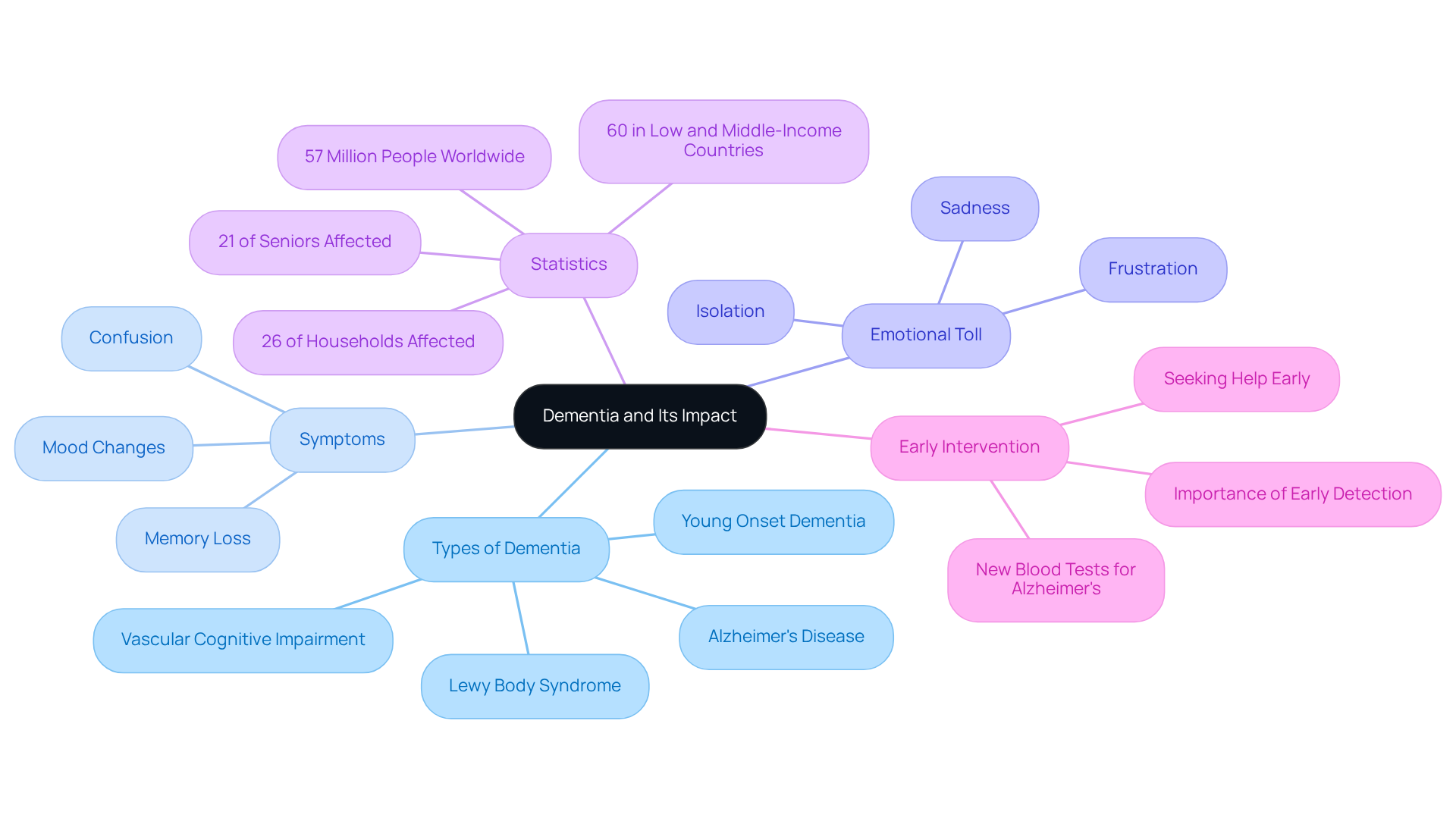
Dementia encompasses a range of brain disorders that can deeply impact memory, thinking, and social abilities, making daily life a challenge. Common forms include Alzheimer's disease, vascular cognitive impairment, and Lewy body syndrome. For caregivers, understanding the symptoms—like memory loss, confusion, and mood changes—is vital. Recognizing these signs early can pave the way for timely interventions and support.
It's also essential to grasp the emotional toll this condition takes on both the individual and their loved ones. Cognitive decline often brings feelings of frustration, sadness, and isolation. Families should educate themselves about the stages of cognitive decline, which can range from mild cognitive impairment to severe deterioration. This knowledge can help them prepare for the caregiving journey ahead.
Statistics reveal that about 21% of seniors aged 65 and older experience cognitive decline, and 26% of households include someone affected by it. This highlights the broader impact on families and communities. Additionally, 60% of individuals with cognitive decline live in low and middle-income countries, underscoring the urgent need for support systems across different socioeconomic backgrounds.
Recent research emphasizes the importance of early intervention. Studies show that new blood tests are enabling earlier detection of Alzheimer’s, which can significantly improve outcomes. By identifying symptoms early and seeking dementia help near me, families can alleviate the emotional and practical challenges posed by cognitive decline, ultimately improving the quality of life for everyone involved.
Explore Types of Dementia Support Services
Support services for individuals with cognitive impairment and their families, such as dementia help near me, encompass a variety of options designed to ease the burden on caregivers and enhance the quality of life for those they care for. These services aim to provide not just assistance, but also relief and understanding during challenging times.
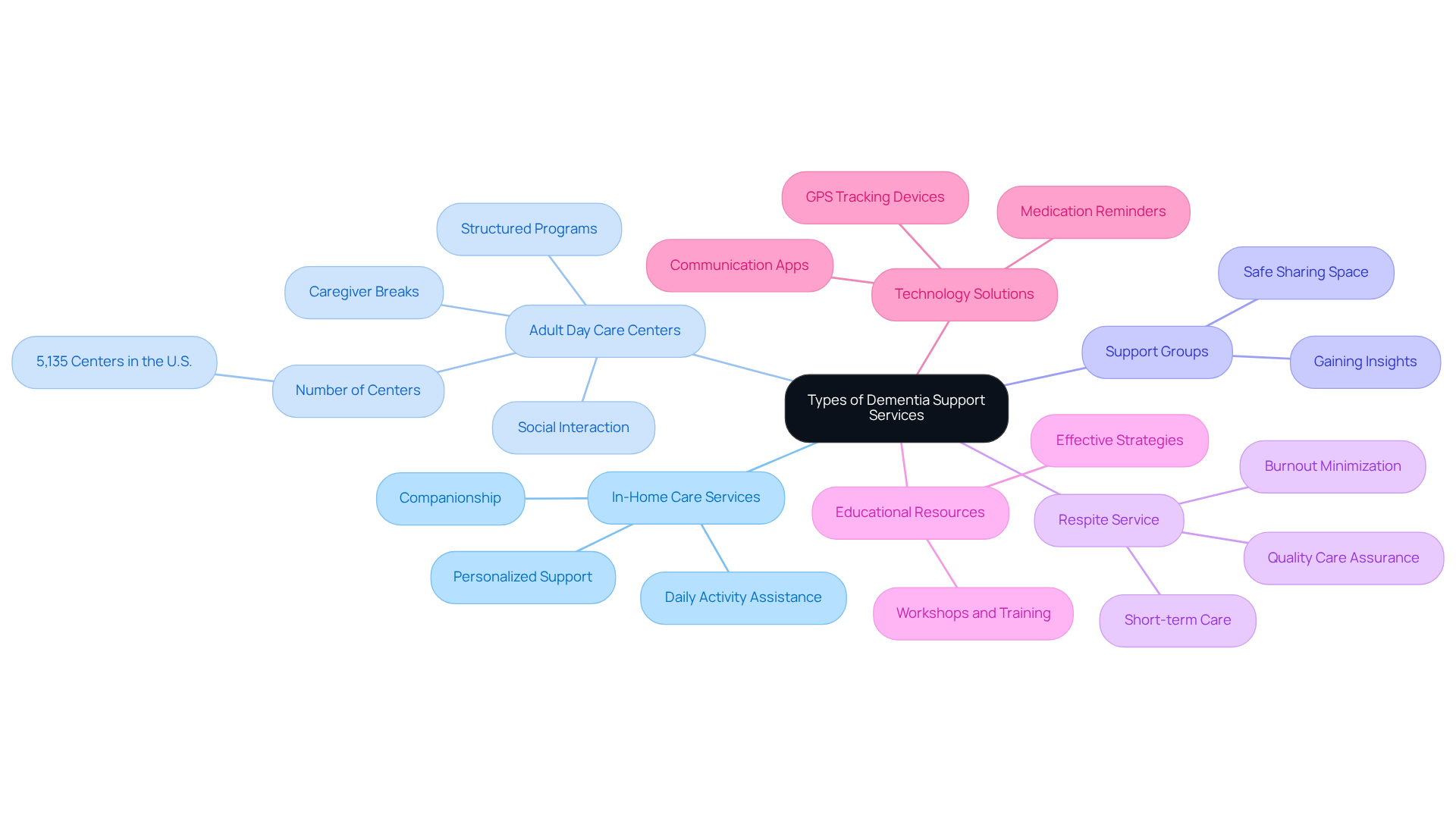
In-Home Care Services: Agencies like Happy to Help Caregiving offer personalized in-home support, including companionship, personal care, and help with daily activities. Caregivers are trained to engage clients in meaningful activities, fostering independence and enhancing overall well-being. Imagine the comfort of having dementia help near me, with someone who understands your loved one’s needs right at home.
Adult Day Care Centers: These facilities provide structured programs that promote social interaction and engagement through activities tailored for individuals with dementia. This not only enriches the lives of participants but also gives caregivers a much-needed break, allowing them to recharge. With over 5,135 adult day services centers across the U.S., families have many options to explore, ensuring they find the right fit.
Support Groups: Organizations like the Alzheimer's Association organize support groups for caregivers and their loved ones. These groups create a safe space for sharing experiences, gaining insights, and receiving dementia help near me. It’s crucial for managing the challenges of caregiving, reminding you that you’re not alone in this journey.
Respite Service: This assistance allows family members to take breaks while ensuring their loved ones receive quality care. Respite support can be arranged for just a few hours or for several days, depending on the family’s needs. This vital relief, such as dementia help near me, helps minimize burnout for those providing assistance. In 2023, support providers contributed roughly 18.4 billion hours of care to individuals with cognitive impairment, underscoring the immense dedication involved.
Educational Resources: Many organizations offer workshops and training sessions to inform caregivers about memory-related disorders. These resources equip them with effective strategies and insights, enhancing their ability to provide compassionate care. Notably, about two-thirds of those caring for individuals with cognitive decline are women, and 30% are 65 or older, highlighting the unique challenges many face.
Technology Solutions: Innovative tools like medication reminders, GPS tracking devices, and communication apps can significantly improve safety and quality of life for individuals with dementia. These technologies help caregivers oversee support more efficiently, providing peace of mind.
By exploring these varied options for dementia help near me, families can develop a comprehensive support strategy that caters to the unique needs of their loved ones. As Dr. Suzanne Salamon emphasizes, family support is essential in managing cognitive decline, highlighting the importance of utilizing available resources. Remember, you’re not alone, and there are many paths to finding the support you need.
Identify Local Resources for Dementia Care
Finding local dementia care resources can feel overwhelming, but there are steps you can take to ease the journey:
-
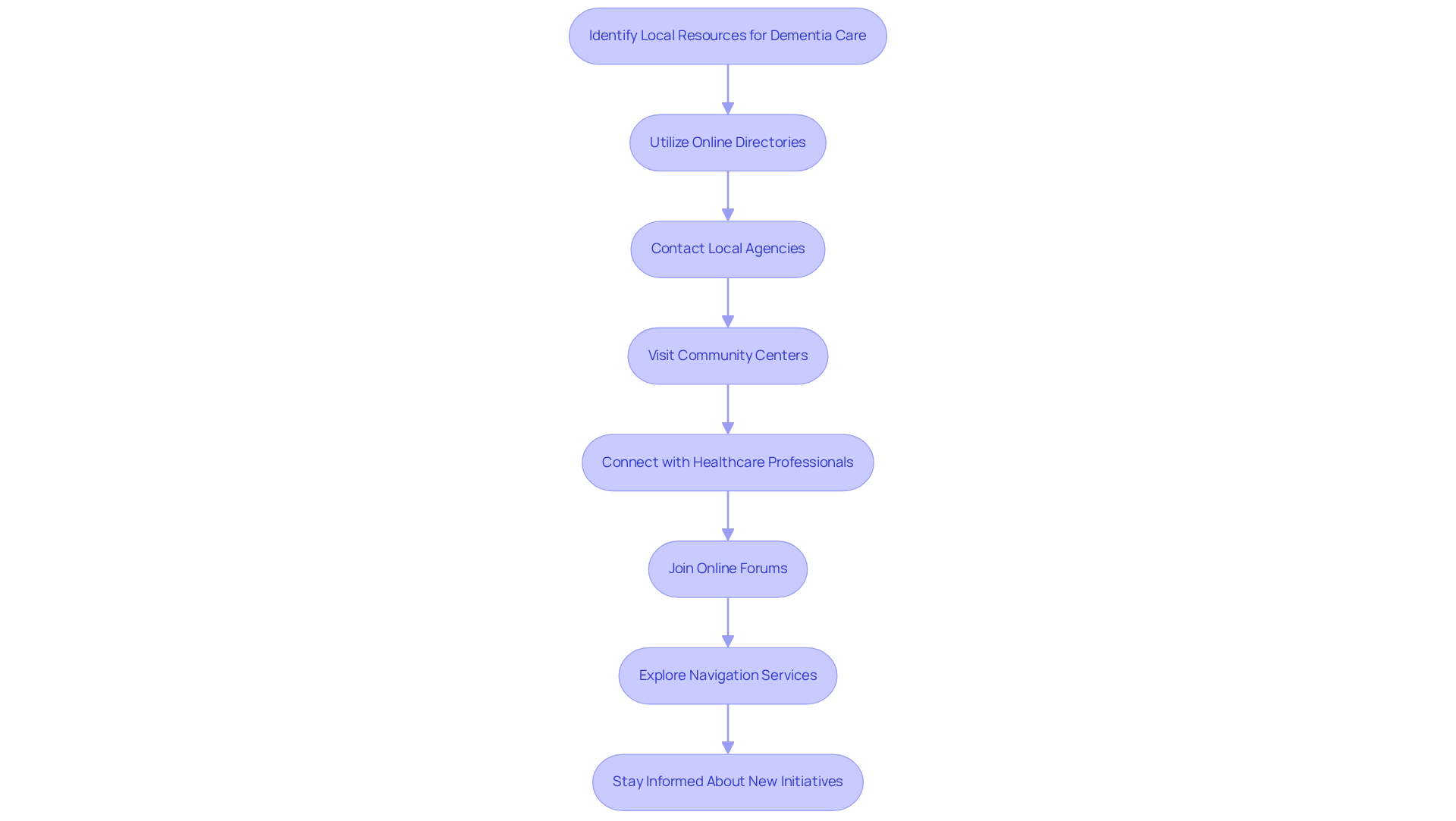
Utilize Online Directories: Websites like Alzheimers.gov and the Alzheimer's Association offer searchable databases that connect you with local services. These include support groups, assistance facilities, and in-home support options for dementia help near me. With nearly 16 million Americans caring for someone with Alzheimer's or other cognitive impairments, these directories are invaluable. Remember, around 10% of American seniors face cognitive decline, highlighting the importance of finding the right resources.
-
Contact Local Agencies: Don’t hesitate to reach out to your local Area Agency on Aging or similar organizations. They can provide essential information about services tailored to your community's needs. As the number of individuals living with cognitive decline is expected to reach 78 million by 2030, finding dementia help near me through local organizations is crucial in supporting families like yours.
-
Visit Community Centers: Many community centers offer programs and resources for individuals with cognitive impairments and their families. Take a moment to check bulletin boards or chat with staff to discover local support groups and services that can enhance your caregiving experience.
-
Connect with Healthcare Professionals: Engaging with your loved one's healthcare providers, such as doctors or social workers, can be incredibly helpful. They can recommend dementia help near me along with support services and resources for cognitive impairment. Their insights are invaluable, especially since 60% of healthcare workers feel the U.S. healthcare system falls short in helping families navigate dementia care.
-
Join Online Forums: Consider participating in online communities and forums where people share their experiences and recommendations for local resources. Websites like Reddit or specialized support forums can provide assistance and insights, helping you connect with others who understand your challenges.
-
Explore Navigation Services: It's worth noting that 97% of caregivers for individuals with cognitive impairment believe navigation services would be beneficial. These services can significantly alleviate the stress of organizing support and accessing resources.
-
Stay Informed About New Initiatives: Keep an eye on new programs like the GUIDE model, launched by the Centers for Medicare & Medicaid Services. This initiative aims to improve the management of cognitive decline through supportive services and navigation.
By actively seeking out these resources, you can ensure that you have the support and information needed to care for your loved ones effectively. This not only enhances their quality of life but also brings comfort to you as a caregiver.
Taking the Next Steps
Understanding dementia and its profound effects is crucial for caregivers and families navigating this challenging journey. It’s important to recognize symptoms early and explore the various support services available for individuals with cognitive impairment. By doing so, families can enhance the quality of life for their loved ones and alleviate some of the emotional and practical burdens that come with caregiving.
Key insights discussed include diverse types of support services, such as:
- in-home care
- adult day care centers
- support groups
- respite services
Each option serves a unique purpose, providing essential relief and resources for caregivers while ensuring that individuals with dementia receive the care they need. Utilizing local resources, like online directories and community centers, can help find tailored support in one’s area.
Ultimately, the journey of caring for someone with dementia is complex and often overwhelming. However, by actively seeking out available resources and support, families can foster a more manageable and compassionate caregiving experience. Remember, no one is alone in this journey; there are numerous paths to finding the help needed. Taking the first step toward accessing local dementia assistance can profoundly impact both caregivers and those they care for, making the journey a little less daunting.
https://iframe.tely.ai/cta/eyJhcnRpY2xlX2lkIjogIjY5MTNkZjJmN2M0NjgzZDk0ZDM2NmYyZiIsICJjb21wYW55X2lkIjogIjY4ZWU1ZGNhNzMxNzYyNTU3ZjNjOTVjMSIsICJpbmRleCI6IG51bGwsICJ0eXBlIjogImFydGljbGUifQ==Frequently Asked Questions
What is dementia and how does it affect individuals?
Dementia encompasses a range of brain disorders that significantly impact memory, thinking, and social abilities, making daily life challenging.
What are the common forms of dementia?
Common forms of dementia include Alzheimer's disease, vascular cognitive impairment, and Lewy body syndrome.
Why is it important for caregivers to understand dementia symptoms?
Understanding symptoms such as memory loss, confusion, and mood changes is vital for caregivers, as recognizing these signs early can lead to timely interventions and support.
What emotional effects does dementia have on individuals and their families?
Cognitive decline often brings feelings of frustration, sadness, and isolation for both the individual affected and their loved ones.
How can families prepare for the caregiving journey associated with dementia?
Families should educate themselves about the stages of cognitive decline, which range from mild cognitive impairment to severe deterioration, to better prepare for the caregiving journey.
What are the statistics regarding cognitive decline among seniors?
About 21% of seniors aged 65 and older experience cognitive decline, and 26% of households include someone affected by it.
What does recent research suggest about early intervention in dementia?
Recent research highlights the importance of early intervention, with new blood tests enabling earlier detection of Alzheimer’s, which can significantly improve outcomes.
How can families improve the quality of life for those affected by dementia?
By identifying symptoms early and seeking dementia help, families can alleviate emotional and practical challenges, ultimately improving the quality of life for everyone involved.