

For families in our service areas
For families in our service areas, this guide explains respite care and how non-medical in-home caregiving can support care planning in East Idaho, Treasure Valley & Magic Valley, Northern Wasatch, North Central West Virginia, and Northeast Ohio.
Understanding Find Respite Services Near Me: A
Finding the right support can be a daunting task for caregivers. They often juggle the demands of providing care with their own well-being, leading to significant stress and fatigue.
Respite services offer a vital lifeline, granting caregivers the much-needed opportunity to recharge while ensuring their loved ones continue to receive quality care. However, navigating the landscape of available options can raise questions about accessibility, costs, and the best fit for individual needs.
So, how can caregivers effectively locate and leverage these essential services? Here are some actionable tips:
- Research local respite services: Start by looking for organizations in your area that offer respite care. Many community centers and healthcare providers have resources available.
- Consider costs and funding options: Investigate whether your insurance covers respite services or if there are grants available to assist with costs.
- Assess individual needs: Think about the specific requirements of your loved one and what type of respite service would best meet those needs.
By taking these steps, caregivers can alleviate their burden and enhance their caregiving experience.
Understand Respite Care: Definition and Importance
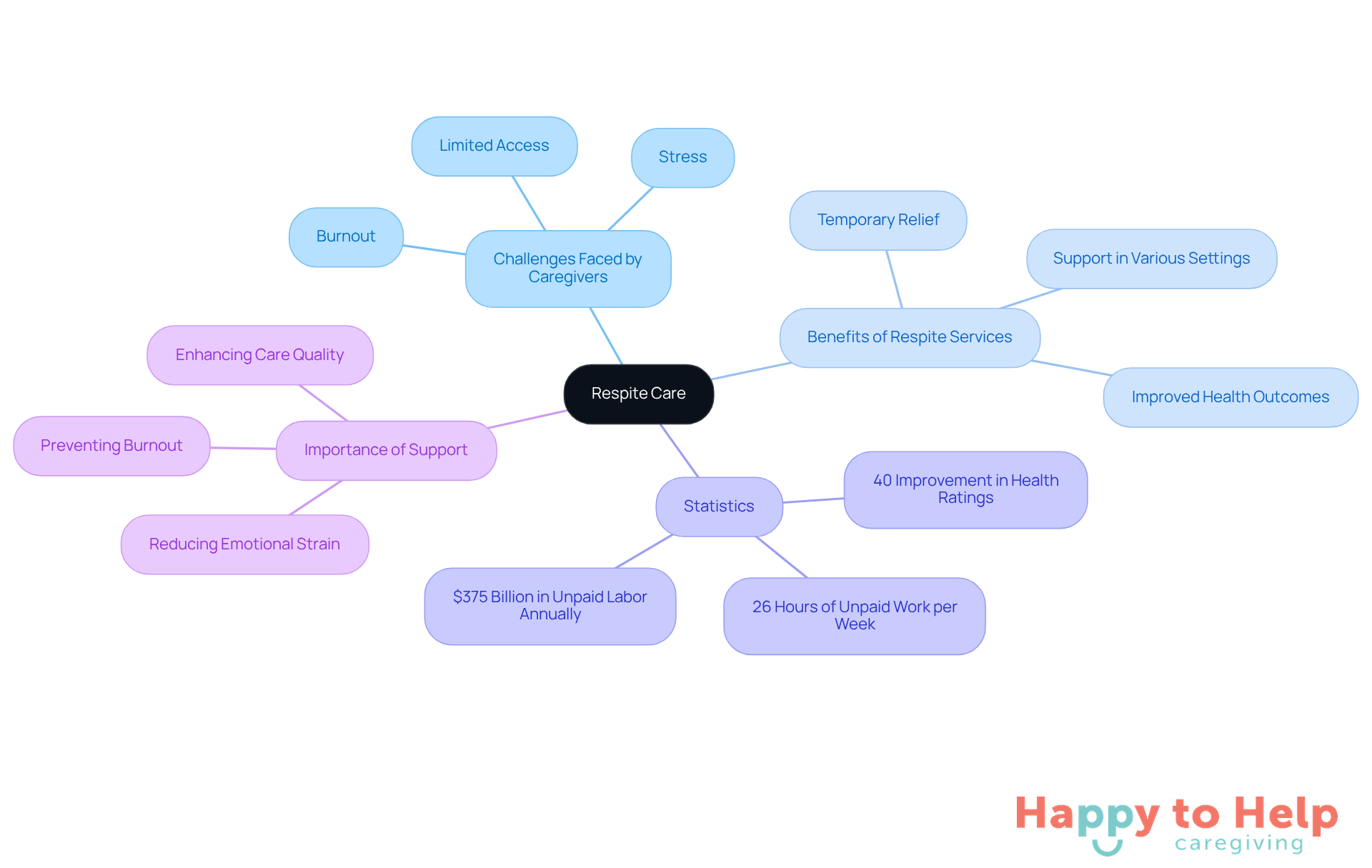
Caregivers face significant challenges, including burnout and stress, which can impact both their well-being and the quality of care they provide. The demands of caregiving often lead to emotional and physical strain, making it crucial to address these issues effectively.
Respite services near me provide essential temporary relief for primary caregivers, enabling them to recharge while ensuring their loved ones continue to receive support. This support can be provided in various settings, such as in-home assistance, adult day centers, or residential facilities. The importance of this relief cannot be overstated; it not only helps prevent caregiver burnout but also reduces stress and promotes better health outcomes for both caregivers and care recipients.
Studies show that individuals utilizing respite programs experience a significant reduction in self-reported strain over time. Approximately 40% of those who rated their health as fair or poor before receiving support now evaluate their health as good. Furthermore, research indicates that 76% of caregivers in critical need found Senior Companion relief services highly beneficial for managing personal time and household responsibilities.
Family caregivers in the U.S. average 26 hours of unpaid work each week, amounting to an estimated $375 billion in unpaid labor annually. This statistic highlights the substantial burden they bear. By recognizing temporary support as an essential resource, caregivers can enhance their ability to provide consistent and compassionate care, ultimately benefiting both themselves and their family members.
However, it is essential to acknowledge the obstacles that caregivers face, such as limited access to respite services near me, especially in remote areas, along with the emotional and financial strains they endure. Understanding these challenges is crucial to fully appreciating the importance of respite assistance.
Explore Different Types of Respite Care Services
Caregivers often face the challenge of finding suitable respite services near me to support their loved ones. This can lead to stress and burnout, making it crucial to understand the available options.
-
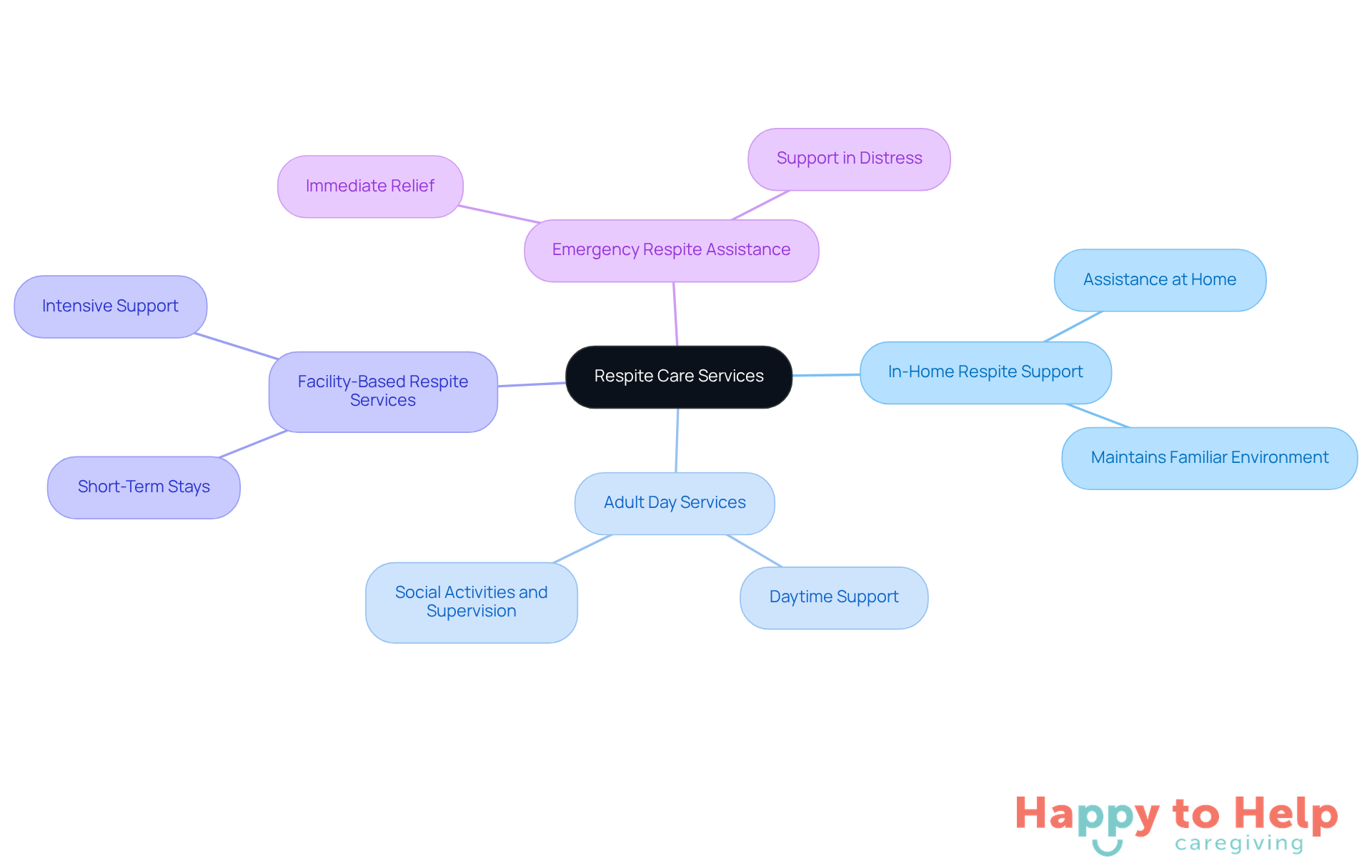
In-Home Respite Support: Caregivers can receive assistance at home, allowing them to take a much-needed break while their loved one remains in a familiar and comfortable environment.
-
Adult Day Services: These facilities offer daytime support, providing social activities and supervision for seniors or individuals with special needs, which can alleviate some of the caregiver's responsibilities.
-
Facility-Based Respite Services: For those requiring more intensive support, short-term stays in assisted living or nursing homes can be an ideal solution, ensuring that individuals receive the care they need.
-
Emergency Respite Assistance: This service is available for unexpected situations, providing immediate relief for caregivers in distress.
Understanding these options helps caregivers select the most appropriate respite services near me for their unique circumstances.
Locate Respite Services: Step-by-Step Search Strategies
Finding respite services near me can be a daunting task for caregivers, especially when balancing the needs of their loved ones with their own schedules. The challenge lies in identifying the right support that meets both the caregiver's and the care recipient's needs.
To tackle this issue, here are some practical steps you can take:
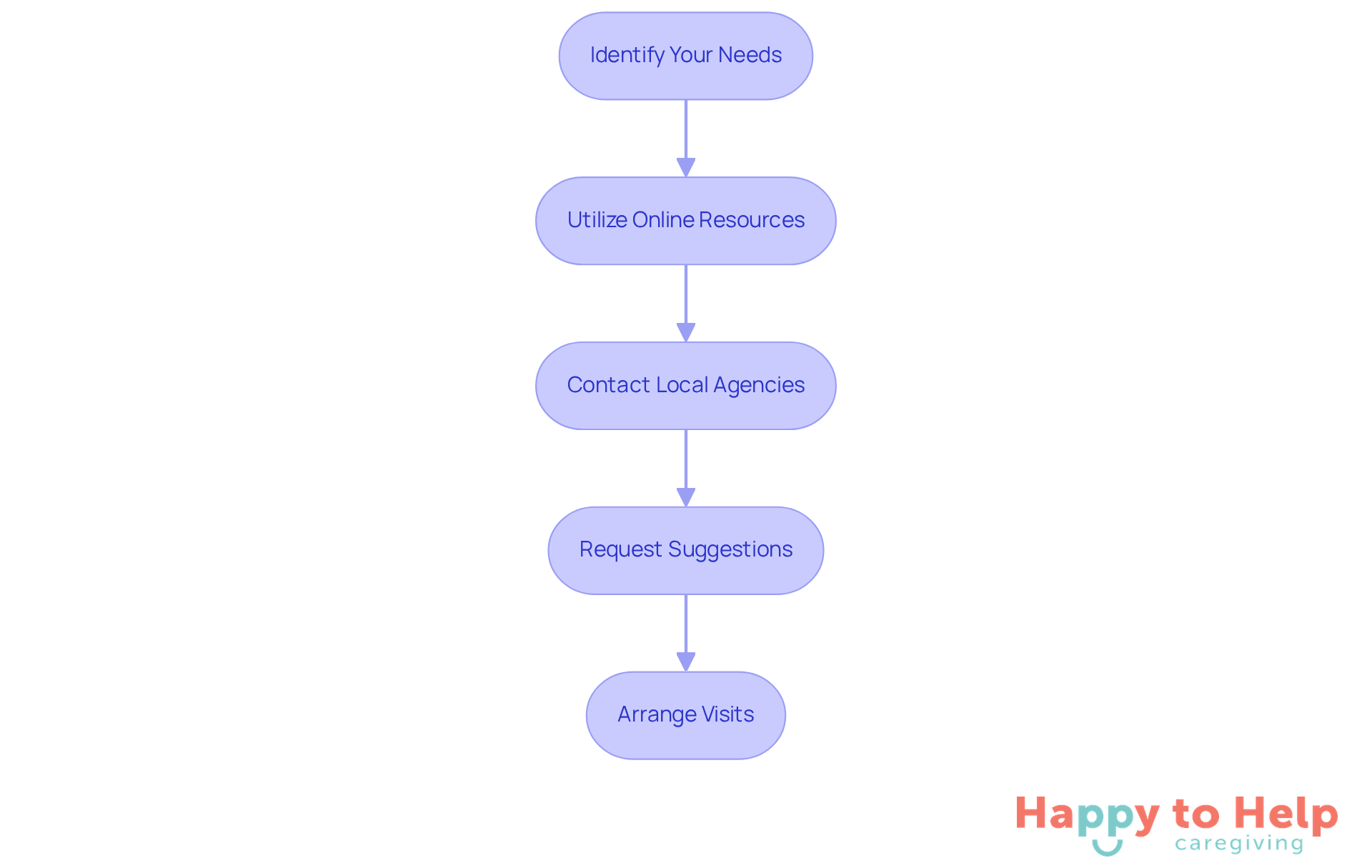
- Identify Your Needs: Start by determining the type of relief support necessary based on your loved one's requirements and your timetable.
- Utilize online resources such as the ARCH National Respite Locator Service to help you find respite services near me. Simply input your location and the type of assistance required.
- Contact local agencies to reach out to local aging organizations or community groups that may provide respite services near me or can direct you to providers.
- Request Suggestions: Consult with other support providers or healthcare professionals for advice on reliable temporary care services.
- Arrange Visits: After compiling a list of possible providers, arrange visits to evaluate their offerings and appropriateness for your loved one.
By following these steps, caregivers can effectively locate support options that meet their needs, ensuring both they and their loved ones receive the care and relief they deserve.
Understand Costs and Payment Options for Respite Care
The expenses of temporary assistance can vary significantly based on the type of support, location, and duration of assistance. This variability poses a challenge for caregivers trying to budget effectively.
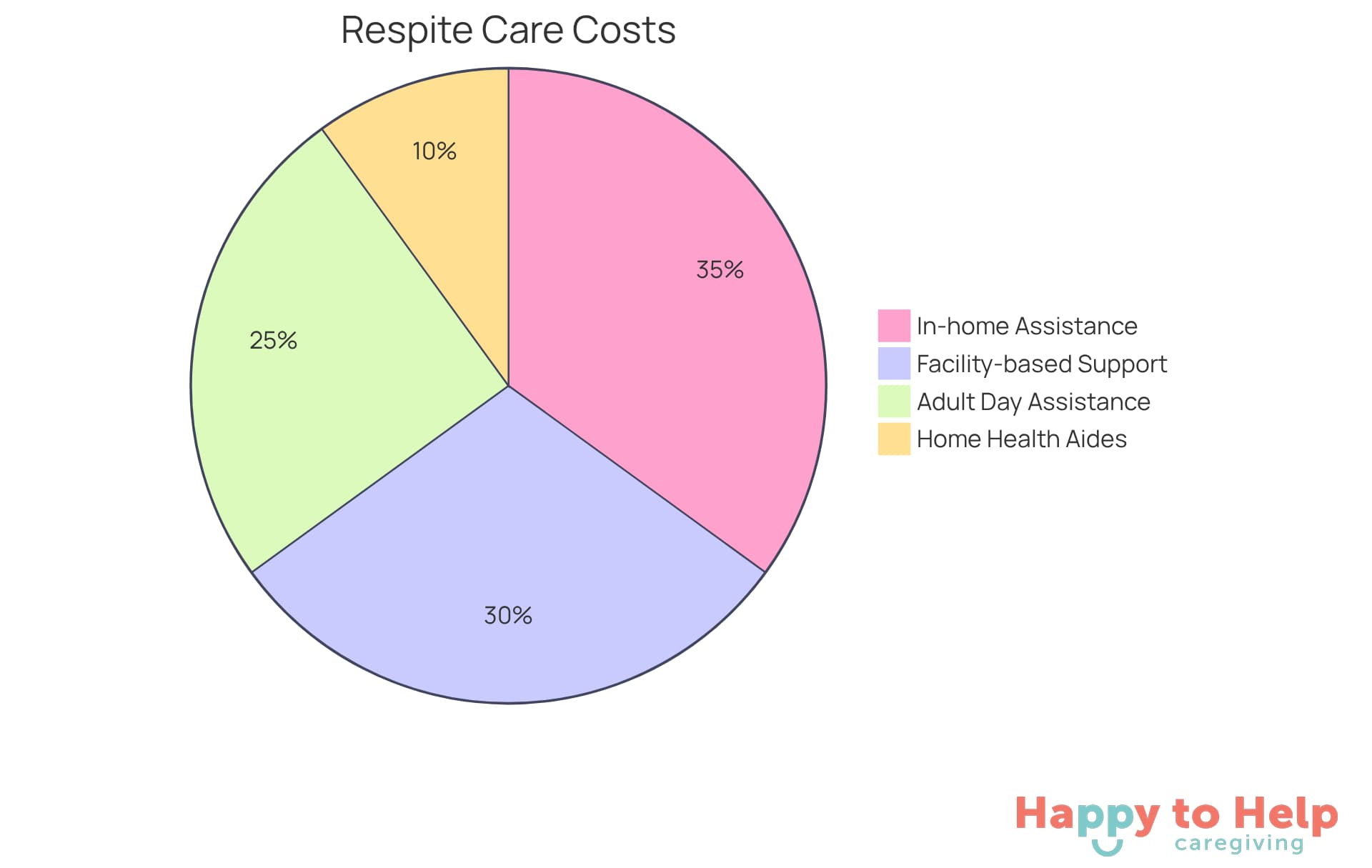
Average Expenses: In-home temporary assistance typically ranges from $15 to $40 per hour, while facility-based support can cost between $100 and $300 per day. For instance, the median daily expense for adult day assistance is approximately $95, and home health aides generally earn around $35 per hour, depending on the area. Understanding these costs is crucial for caregivers to plan their finances.
Insurance Coverage: Certain insurance plans, such as Medicare and Medicaid, may cover specific relief services. However, it’s important to note that Medicare does not cover temporary support for non-hospice situations. Coverage is generally limited to the Part A hospice benefit, which requires a terminal illness certification. Medicaid coverage for short-term assistance is often restricted and subject to strict eligibility requirements, including income and asset thresholds. Caregivers should review their policy details to understand what is covered. Alarmingly, nearly 7 in 10 Medicare beneficiaries did not compare their coverage with other Medicare options during the 2022 open enrollment period, underscoring the need for careful review of insurance options.
Caregivers should explore local initiatives or funding opportunities that provide financial aid for respite services near me. Organizations like the ARCH National Respite Network provide valuable resources, including a national locator for respite services near me, to assist families in finding funding alternatives. Additionally, state-specific Lifespan Respite Support Programs may provide vouchers or reimbursement for relief services, improving access to essential assistance.
Budgeting: Developing a financial plan that includes potential relief assistance expenses is essential. Caregivers should consider their loved one’s specific needs and the frequency of assistance required. Families often cover the cost of temporary assistance themselves, spending an average of 26% of their income on these services, which can significantly impact long-term finances. In fact, the typical family supporter spends over $7,000 each year on caregiving costs. Understanding these expenses and available financial resources can empower caregivers to make informed decisions regarding respite care.
Moving Forward with Find Respite Services Near Me: A
Finding appropriate respite services is crucial for caregivers who strive to balance their responsibilities with their own well-being. Caregiver stress and burnout are significant issues that can arise from the demands of caregiving. Respite care plays a vital role in alleviating this stress, allowing caregivers to recharge and maintain their health.
Understanding the various types of respite services available - from in-home support to facility-based options - empowers caregivers to make informed decisions tailored to their unique needs. Identifying specific needs is essential, as it helps caregivers choose the right type of support. Practical steps for locating these services can include:
- Researching local options
- Seeking recommendations
- Utilizing online resources
Financial considerations are also important when exploring respite care. Average costs and potential insurance coverage can impact a caregiver's ability to access these services. Budgeting and exploring available resources are necessary steps to ensure caregivers can obtain the support they need without jeopardizing their financial stability.
Ultimately, the journey to finding respite services is about more than just temporary relief; it’s about creating a sustainable caregiving environment that benefits both caregivers and their loved ones. By prioritizing self-care through respite services, caregivers can enhance their ability to provide compassionate care, leading to healthier and happier family dynamics. Taking the first step towards finding respite services can transform the caregiving experience, making it more manageable and fulfilling.
https://iframe.tely.ai/cta/eyJhcnRpY2xlX2lkIjogIjY5NDBhMjM2M2RiOWY3ZmNiNDY0N2VkNiIsICJjb21wYW55X2lkIjogIjY4ZWU1ZGNhNzMxNzYyNTU3ZjNjOTVjMSIsICJpbmRleCI6IG51bGwsICJ0eXBlIjogImFydGljbGUifQ==Frequently Asked Questions
What is respite care and why is it important?
Respite care provides temporary relief for primary caregivers, allowing them to recharge while ensuring their loved ones continue to receive support. It is important because it helps prevent caregiver burnout, reduces stress, and promotes better health outcomes for both caregivers and care recipients.
What types of respite services are available?
Respite services can be provided in various settings, including in-home assistance, adult day centers, and residential facilities.
How does respite care benefit caregivers?
Respite care helps caregivers manage their emotional and physical strain, leading to a significant reduction in self-reported stress. Studies show that many caregivers experience improved health and well-being after utilizing respite services.
What are the statistics regarding caregiver health after using respite services?
Approximately 40% of individuals who rated their health as fair or poor before receiving respite support now evaluate their health as good. Additionally, 76% of caregivers in critical need found Senior Companion relief services highly beneficial for managing personal time and household responsibilities.
How much time do family caregivers in the U.S. spend on caregiving?
Family caregivers in the U.S. average 26 hours of unpaid work each week, which amounts to an estimated $375 billion in unpaid labor annually.
What challenges do caregivers face in accessing respite services?
Caregivers often encounter obstacles such as limited access to respite services, especially in remote areas, as well as emotional and financial strains. Understanding these challenges is crucial to appreciating the importance of respite assistance.
List of Sources
- Understand Respite Care: Definition and Importance
- Improving Support for Family Caregivers (https://nationalacademies.org/news/improving-support-for-family-caregivers)
- These people know how to fix the caregiving crisis. Is it doable? (https://usatoday.com/story/life/health-wellness/2025/12/03/caregivers-need-respite-care-mental-health-counseling-paid-family-program-resources/87234207007)
- Respite Facts and Talking Points | ARCH National Respite Network & Resource Center (https://archrespite.org/policy/respite-facts-and-talking-points)
- Exploring the Benefits of Respite Services to Family Caregivers: Methodological Issues and Current Findings - PMC (https://pmc.ncbi.nlm.nih.gov/articles/PMC5550302)
- Congressman Nick Langworthy Introduces Bill to Support the Wellbeing of Family Caregivers (https://langworthy.house.gov/media/press-releases/congressman-nick-langworthy-introduces-bill-support-wellbeing-family)
- Explore Different Types of Respite Care Services
- Respite Care for Caregivers: Support and Relief for Families (https://seniorhelpers.com/ca/riverside/resources/blogs/2025-12-12)
- The Different Types of Respite Care (https://homeinstead.com/home-care/usa/la/carencro/347/news-and-media/different-types-of-respite-care)
- The Struggles of Family Caregivers and the Benefits of Respite Care for Elderly Loved Ones | Home Instead Goshen, IN (https://homeinstead.com/home-care/usa/in/goshen/588/news-and-media/struggles-family-caregivers-and-benefits-of-respite-care-for-elderly-loved-ones)
- Respite Care Services: Essential Support for Caregivers (https://esoregon.com/the-benefits-of-respite-care-services-for-caregiver-relief)
- Four Respite Services Selected as Innovative and Exemplary in National Search | ARCH National Respite Network & Resource Center (https://archrespite.org/four-respite-services-selected-as-innovative-and-exemplary-in-national-search-2)
- Locate Respite Services: Step-by-Step Search Strategies
- Family Caregiver Annual Report and Statistics | SeniorLiving.org (https://seniorliving.org/research/family-caregiver-report-statistics)
- Respite Services: A Critical Support for Family Caregivers (https://ltsschoices.aarp.org/resources-and-practices/respite-services-critical-support-for-family-caregivers)
- Stats, Facts and Things to Know About Respite Care (https://bethesdaseniorliving.com/senior-resources/stats-facts-and-things-to-know-about-respite-care)
- Take time for yourself: Find help with respite care - VA News (https://news.va.gov/132398/take-time-for-yourself-find-help-respite-care)
- Understand Costs and Payment Options for Respite Care
- These Medicare 2025 Changes Could Save You Money (https://verywellhealth.com/medicare-changes-2025-8721972)
- Who Pays For Respite Care? Explore Your Options (https://trualta.com/resources/blog/who-pays-for-respite-care-explore-your-options)
- Respite Care Costs in 2025 (https://seniorliving.org/respite/costs)
- Does Medicare Pay for Respite Care? (https://ncoa.org/article/does-medicare-cover-respite-care)
- Who Pays For Respite Care? [Payment Options & FAQs] (https://alwaysbestcare.com/resources/who-pays-for-respite-care)