Find Senior Dementia Care Near You: A Step-by-Step Guide
For families in our service areas
For families in our service areas, this guide explains dementia care and how non-medical in-home caregiving can support care planning in East Idaho, Treasure Valley & Magic Valley, Northern Wasatch, North Central West Virginia, and Northeast Ohio.
Why Find Senior Dementia Care Near Me: A Matters
Dementia presents a significant challenge, impacting millions of seniors and their families as they navigate the complexities of cognitive decline. This condition not only affects the individuals diagnosed but also places immense pressure on caregivers who strive to provide the best support possible. Understanding the nuances of dementia and its effects is essential for families seeking effective care options.
As caregivers face the daunting task of selecting appropriate services, they often wonder: how can they ensure their loved ones receive compassionate and effective support? This guide aims to address these concerns by exploring the essential steps to finding senior dementia care. It offers insights and practical tips designed to empower families in making informed decisions, ultimately enhancing the quality of care for their loved ones.
Understand Dementia and Its Impact on Seniors
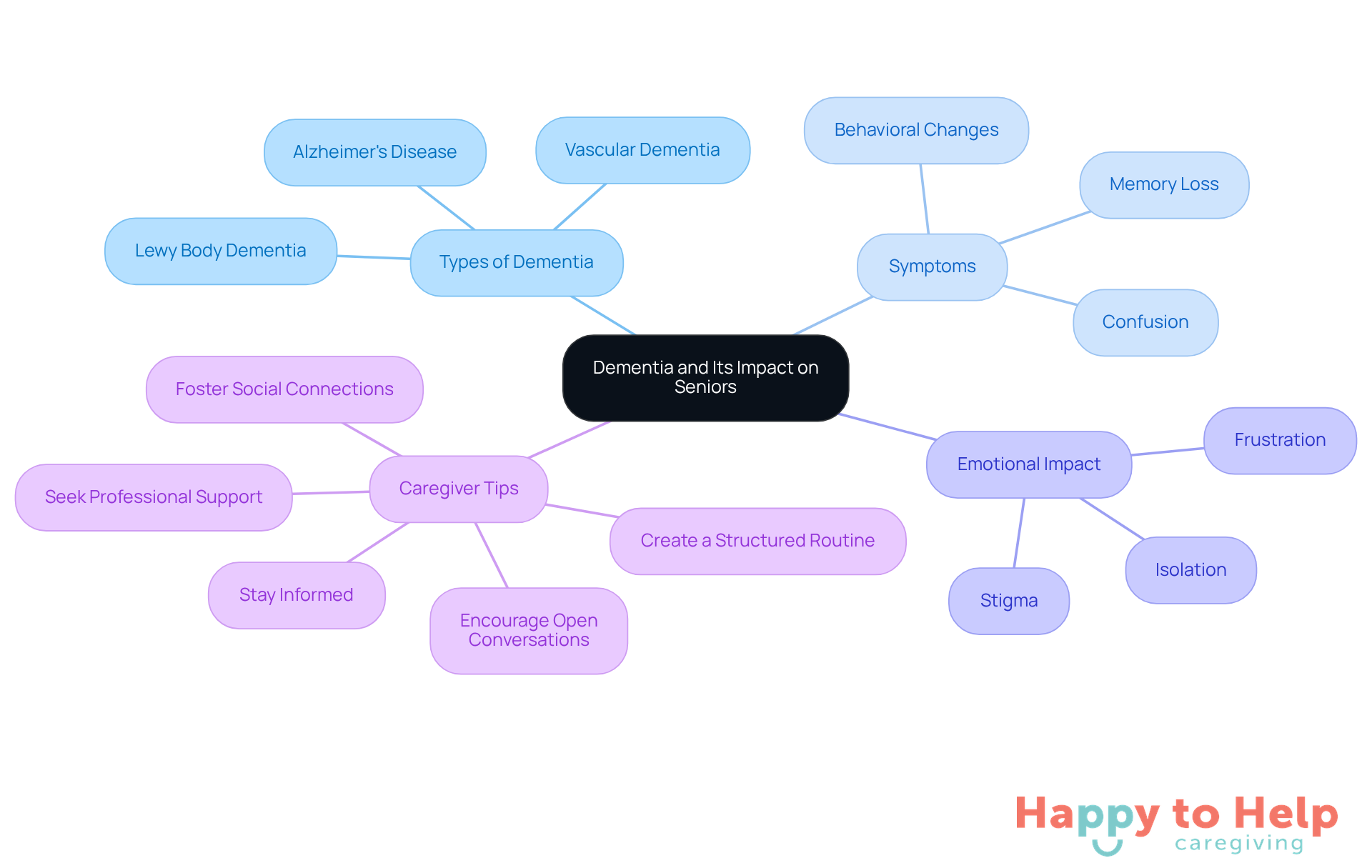
Dementia presents a significant challenge, affecting memory, thinking, and social abilities, which can drastically impact daily life. It's crucial to understand that dementia is not a normal part of aging; rather, it stems from brain degeneration. Common types include Alzheimer's disease, vascular dementia, and Lewy body dementia.
The implications of dementia are profound. Symptoms such as memory loss, confusion, and behavioral changes can lead to frustration and isolation for both individuals and their families. Early identification of these symptoms is essential, as it allows for prompt intervention and support through senior dementia care near me, ultimately improving the quality of life for seniors facing cognitive decline. Neurologists stress the importance of early detection; for example, about 1 in 9 people aged 65 and older has Alzheimer's. This statistic highlights the need for awareness regarding warning signs that should not be overlooked.
Moreover, the emotional toll of cognitive decline can be exacerbated by stigma and social 'demotion,' affecting how individuals are treated by others. As families navigate these challenges, understanding the full scope of senior dementia care near me is vital. By fostering supportive environments, caregivers can promote dignity and independence for their loved ones.
Actionable Tips for Caregivers:
- Stay informed about the different types of dementia and their symptoms.
- Encourage open conversations about cognitive health within the family.
- Seek support from healthcare professionals and local resources.
- Create a structured routine to help manage daily activities.
- Foster social connections to combat feelings of isolation.
Identify Key Factors in Choosing Dementia Care Services
When selecting dementia care services, caregivers face a significant challenge: ensuring their loved ones receive the best possible support. This decision can be overwhelming, given the variety of options available and the unique needs of each individual.
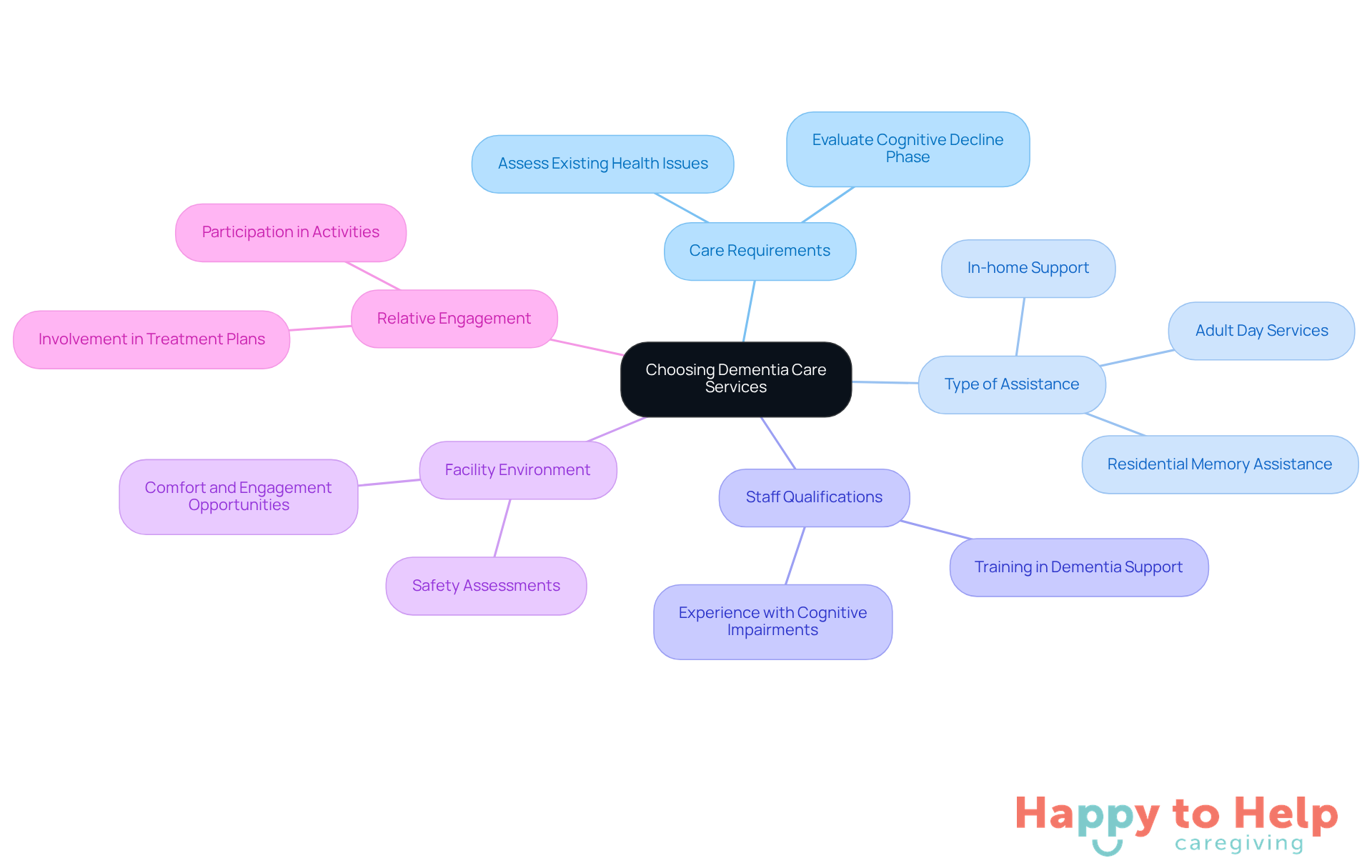
To navigate this process effectively, consider these key factors:
- Care Requirements: Evaluate the specific needs of your loved one, including the phase of cognitive decline and any existing health issues.
- Type of Assistance: Determine whether in-home support, adult day services, or residential memory assistance is most suitable for their situation.
- Staff Qualifications: Ensure that caregivers are trained in dementia support and understand the unique challenges associated with the condition.
- Facility Environment: If considering a facility, visit to assess the safety, comfort, and engagement opportunities available.
- Relative Engagement: Seek out programs that promote relative involvement in treatment plans and activities, nurturing a supportive atmosphere.
By focusing on these factors, caregivers can make informed decisions that enhance the quality of care for their loved ones.
Explore Available Services and Specializations in Dementia Care
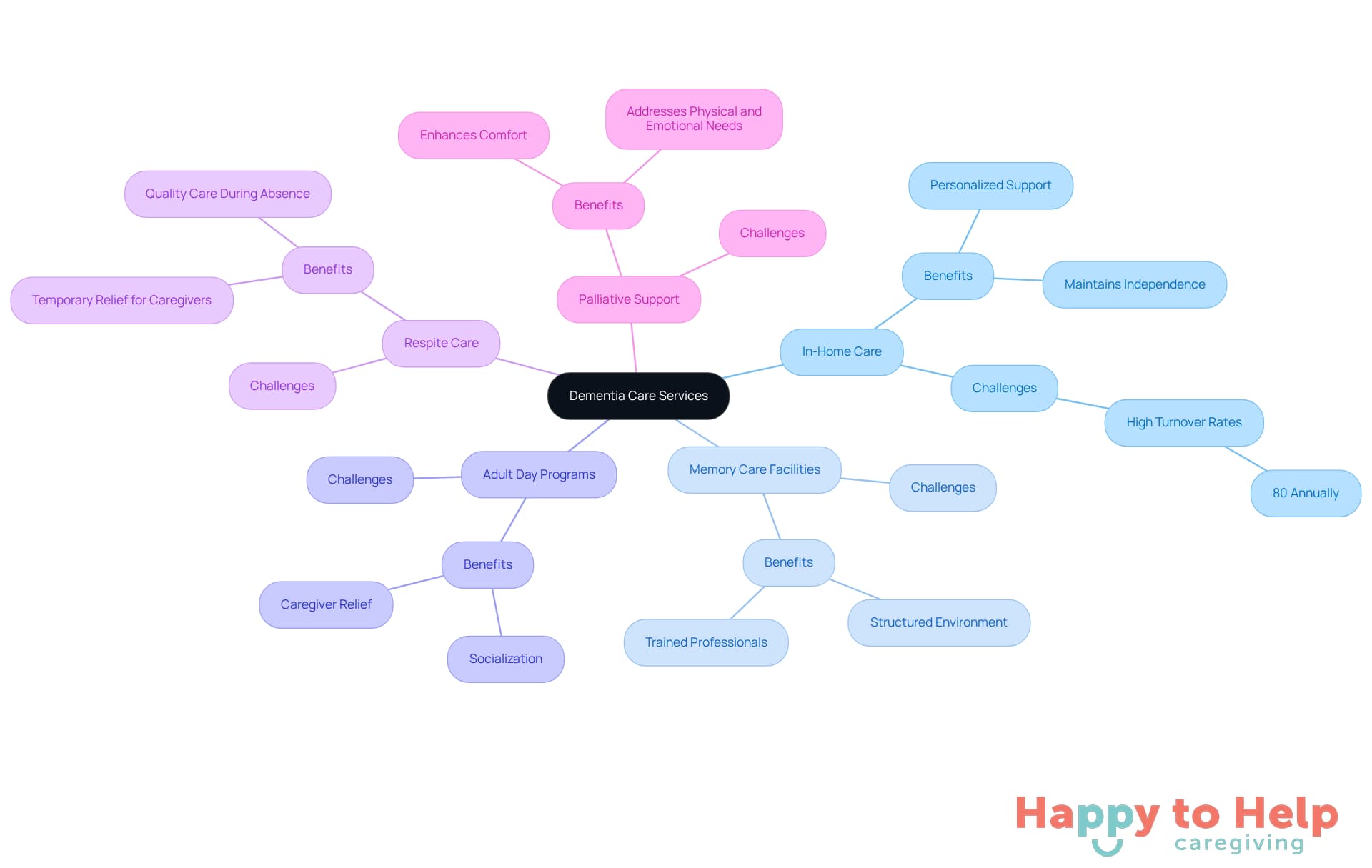
Dementia care services encompass a range of options tailored to meet the unique needs of individuals and their families. Understanding these services is crucial for making informed decisions:
-
In-Home Care: Caregivers deliver personalized support within the comfort of the senior's home, focusing on daily activities, companionship, and emotional well-being. This approach allows individuals to maintain their independence while receiving the necessary assistance. However, families should be aware that high turnover rates for direct care workers, estimated at 80% annually, can pose challenges in securing consistent care.
-
Memory Care Facilities: These specialized facilities provide structured environments specifically designed for individuals with dementia. Staffed by trained professionals, these facilities offer tailored activities that promote cognitive engagement and social interaction, ensuring residents receive comprehensive care.
-
Adult Day Programs: These programs offer daytime socialization and activities, allowing caregivers to take necessary breaks while ensuring their loved ones are engaged and safe. They serve as a valuable resource for families needing temporary support.
-
Respite Care: Temporary care services provide family caregivers with much-needed relief, ensuring that their loved ones receive quality care during their absence. This service is essential for preventing caregiver burnout and maintaining family dynamics.
-
Palliative Support: Focused on enhancing comfort and quality of life, these services address both physical and emotional needs, particularly in the advanced stages of dementia. Palliative care can significantly improve the overall well-being of patients and their families.
Statistics reveal that nearly 70% of individuals with dementia will require long-term care, highlighting the importance of understanding the available options. Furthermore, it is important to note that 70% of the total lifetime cost of caring for someone with dementia is borne by families, underscoring the financial burden associated with these decisions. While memory care facilities offer structured support, in-home care allows for a more personalized approach, often preferred by families seeking to keep their loved ones in familiar surroundings. As Dr. Alexander K. Smith notes, dementia patients may face challenges such as impaired communication and disorientation, which can complicate care decisions. Ultimately, the choice between these services should consider the specific needs of the individual and the support available to their caregivers.
Evaluate and Compare Local Caregiving Agencies
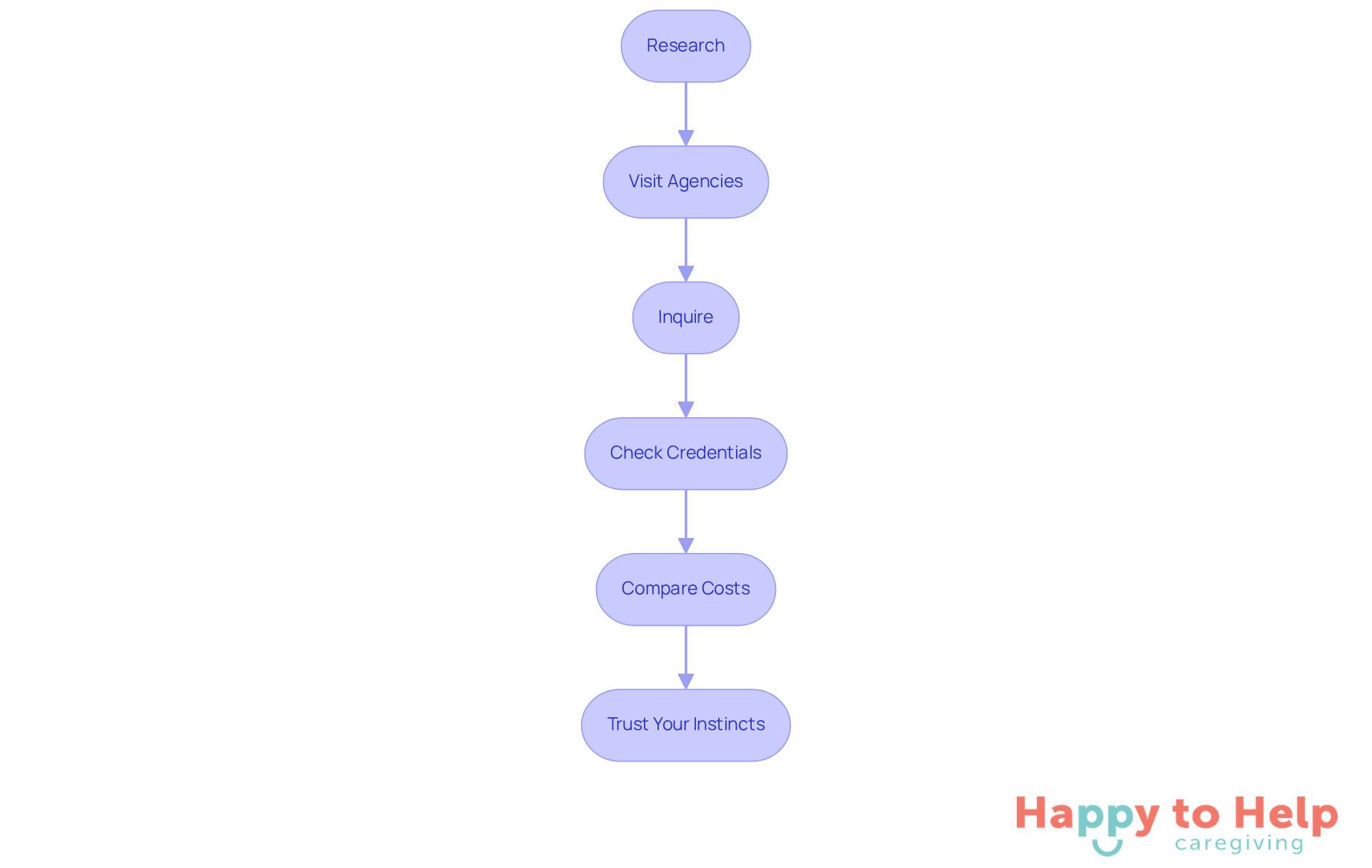
To effectively evaluate and compare local caregiving agencies, caregivers often face the challenge of finding the right support for senior dementia care near me. This can be overwhelming, given the emotional and practical implications involved. However, by following these steps, you can make an informed decision:
-
Research: Start by utilizing online platforms like Yelp or Caring.com to identify options for senior dementia care near me. Pay close attention to reviews and ratings from other families, as these insights can reveal the standard of service. For example, At Home Caregivers was recognized as the Top Dementia Care Services Company in 2023, underscoring the importance of selecting a reputable agency.
-
Visit Agencies: Arrange visits to potential agencies to observe their environment and meet the staff. Evaluate aspects such as cleanliness, safety, and how staff interact with residents. These factors can significantly impact the quality of care provided.
-
Inquire: Engage with agency representatives about caregiver training, staff-to-resident ratios, and how support plans are created and modified. Understanding these elements is crucial for ensuring your loved one receives tailored support in senior dementia care near me. As family caregiver Adkins noted, "I would worry about his safety. I would be concerned about his capability to be looked after in a manner that I would tend to him."
-
Check Credentials: Confirm that the agency is licensed and accredited, ensuring compliance with state and federal regulations. Accreditation is vital, as it reflects the agency's commitment to maintaining high standards of support. This is particularly important considering that the value of unpaid caregiver assistance was estimated at $272 billion in 2021.
-
Compare Costs: Familiarize yourself with the pricing structure and the services included. Look for transparency in billing practices and be aware of any additional fees that may arise.
-
Trust Your Instincts: Ultimately, choose an agency that aligns with your family's needs, where you feel confident that your loved one will receive compassionate and competent care. Families often express that the right agency feels like an extension of their own support system, highlighting the importance of personal connection in caregiving.
Your Path Forward
Navigating the complexities of dementia care presents a significant challenge for families. The emotional toll on caregivers and the individuals affected by dementia can be overwhelming. Finding appropriate senior dementia care services is crucial, as it directly impacts the well-being of everyone involved. By understanding the various types of dementia and the importance of early intervention, families can make informed decisions that prioritize dignity and quality of life.
Key factors in selecting the right dementia care services include:
- Evaluating care requirements
- Assessing staff qualifications
- Exploring options such as in-home care, memory care facilities, and respite care
Each aspect plays a vital role in ensuring that loved ones receive the best possible support. Researching local caregiving agencies and comparing their offerings empowers families to make choices that align with their specific needs.
Ultimately, the journey of finding senior dementia care is about more than just securing services; it’s about fostering an environment of compassion and support. Families should engage in open conversations, seek assistance from professionals, and remain proactive in their approach. By doing so, they can enhance the quality of care for their loved ones while alleviating the emotional and physical burdens often associated with caregiving.
https://iframe.tely.ai/cta/eyJhcnRpY2xlX2lkIjogIjY5MjNhMDliYzVlZWQyYmRiNTU3YmVmZSIsICJjb21wYW55X2lkIjogIjY4ZWU1ZGNhNzMxNzYyNTU3ZjNjOTVjMSIsICJpbmRleCI6IG51bGwsICJ0eXBlIjogImFydGljbGUifQ==Frequently Asked Questions
What is dementia, and how does it affect seniors?
Dementia is a significant challenge that affects memory, thinking, and social abilities, drastically impacting daily life. It is not a normal part of aging but results from brain degeneration.
What are the common types of dementia?
Common types of dementia include Alzheimer's disease, vascular dementia, and Lewy body dementia.
Why is early identification of dementia symptoms important?
Early identification of dementia symptoms is essential as it allows for prompt intervention and support, ultimately improving the quality of life for seniors facing cognitive decline.
What is the prevalence of Alzheimer's disease among seniors?
Approximately 1 in 9 people aged 65 and older has Alzheimer's disease, highlighting the need for awareness regarding warning signs.
How can dementia impact the emotional well-being of individuals and families?
The emotional toll of cognitive decline can be exacerbated by stigma and social 'demotion,' affecting how individuals are treated by others and leading to frustration and isolation for both individuals and their families.
What can caregivers do to support seniors with dementia?
Caregivers can stay informed about different types of dementia and their symptoms, encourage open conversations about cognitive health, seek support from healthcare professionals, create structured routines, and foster social connections to combat feelings of isolation.
List of Sources
- Understand Dementia and Its Impact on Seniors
- Alzheimer's Disease Facts and Figures (https://alz.org/alzheimers-dementia/facts-figures)
- The psychological and emotional impact of dementia (https://alzheimers.org.uk/get-support/help-dementia-care/understanding-supporting-person-dementia-psychological-emotional-impact)
- 10 Early Signs and Symptoms of Alzheimer’s & Dementia | alz.org (https://alz.org/alzheimers-dementia/10\_signs)
- One in Five People with Dementia Receive No Care, Global Study Finds (https://ysph.yale.edu/news-article/one-in-five-people-with-dementia-receive-no-care-global-study-finds)
- Dementia research news (https://alzheimers.org.uk/research/our-research/dementia-research-news)
- Identify Key Factors in Choosing Dementia Care Services
- Fact Sheet: Trends in Family Care for Older Americans (https://prb.org/resources/fact-sheet-trends-in-family-care-for-older-americans)
- Key Factors in Selecting a Memory Care Community (https://capstoneroyalpalm.com/blog/key-factors-in-selecting-a-memory-care-community)
- New Alzheimer’s Association Report Reveals Top Stressors for Caregivers and Lack of Care Navigation Support and Resources (https://alz.org/news/2024/new-alzheimers-association-report-reveals-top-stressors-caregivers)
- Caregiver Statistics: Demographics (https://caregiver.org/resource/caregiver-statistics-demographics)
- Caregiving Crisis: 45% Increase in Americans Providing Care (https://aarp.org/caregiving/basics/caregiving-in-us-survey-2025)
- Explore Available Services and Specializations in Dementia Care
- Alzheimer's Disease Facts and Figures (https://alz.org/alzheimers-dementia/facts-figures)
- Archive: Most Seniors with Dementia Live at Home, Despite Pain, Anxiety, Poor Health (https://ucsf.edu/news/2019/08/415106/most-seniors-dementia-live-home-despite-pain-anxiety-poor-health)
- ADI - Dementia statistics (https://alzint.org/about/dementia-facts-figures/dementia-statistics)
- New Medicare program offers much-needed relief for caregivers of dementia patients (https://finance.yahoo.com/news/new-medicare-program-offers-much-needed-relief-for-caregivers-of-dementia-patients-203450020.html)
- 28 Senior Care Statistics: In-Home & Assisted Living | Shortlister (https://myshortlister.com/insights/senior-care-statistics)
- Evaluate and Compare Local Caregiving Agencies
- Dementia care programs help, if caregivers can find them (https://cbsnews.com/news/alzheimers-dementia-care-programs-help-if-caregivers-can-find-them)
- 'More pressure on families.' Nearly half of US states are on the brink of a caregiving emergency (https://usatoday.com/story/news/health/2025/05/21/columbia-university-state-caregiving-study/83651201007)
- In Home Caregiver News • At Home Caregivers (https://athomecaregivers.com/news)
- Top Caregiver Support Organizations for Alzheimer’s and Dementia (https://everydayhealth.com/alzheimers-disease/top-caregiver-support-organizations-for-alzheimers-and-dementia)