

For families in our service areas
For families in our service areas, this guide explains caregiving and how non-medical in-home caregiving can support care planning in East Idaho, Treasure Valley & Magic Valley, Northern Wasatch, North Central West Virginia, and Northeast Ohio.
The Importance of Find the Best Care Provider: Ohana Care
In a landscape where families seek the best care for their loved ones, the choice of home care provider can feel overwhelming. Families often face a daunting array of options, from established names like Bayshore and Comfort Keepers to newer entrants like Ohana Care. Understanding the unique offerings of each provider is crucial to making an informed decision.
This article delves into the distinctive features of Ohana Care, highlighting its personalized support and compassionate approach. By examining the strengths and limitations of its competitors, we aim to provide families with the insights they need. As caregivers navigate this complex decision, several factors will guide them toward the best care provider for their needs.
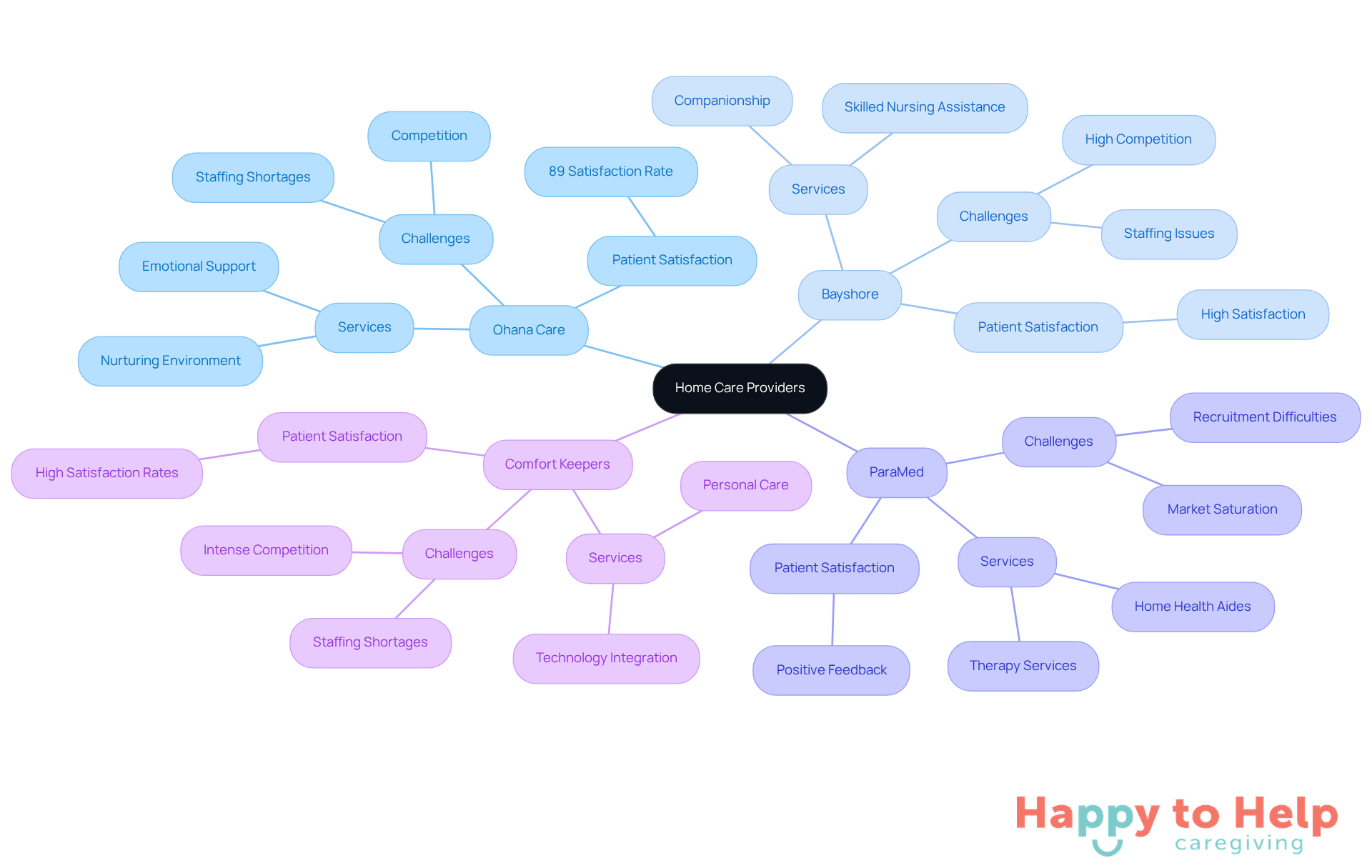
Overview of Home Care Providers: Ohana Care and Competitors
In the home assistance sector, caregivers face significant challenges, particularly in navigating a competitive landscape filled with established providers like Bayshore, ParaMed, and Comfort Keepers. These organizations offer a wide range of services, from companionship to skilled nursing assistance, but the competition can make it difficult for families to find the right support for their loved ones.
The implications of this competition are profound. While Ohana Care focuses on emotional support and a nurturing environment, rivals like Comfort Keepers leverage technology to enhance communication and coordination of care. This dynamic creates a complex environment for families seeking timely and effective support. Moreover, staffing shortages are a pressing issue, with 59% of agencies reporting difficulties in maintaining adequate personnel.
To address these challenges, families must understand the distinct attributes and advantages of the best care provider. As of 2022, 89% of patients expressed satisfaction with home healthcare services, highlighting the quality of assistance available. However, the anticipated need for 924,000 personal support aides and home health assistants between 2021 and 2031 underscores the growing demand for individualized services driven by an aging population.
In conclusion, navigating the home assistance sector requires careful consideration of the available options. Families should prioritize understanding the unique offerings of each provider and remain aware of the obstacles they face. By doing so, they can make informed decisions that ensure their loved ones receive support from the best care provider available.
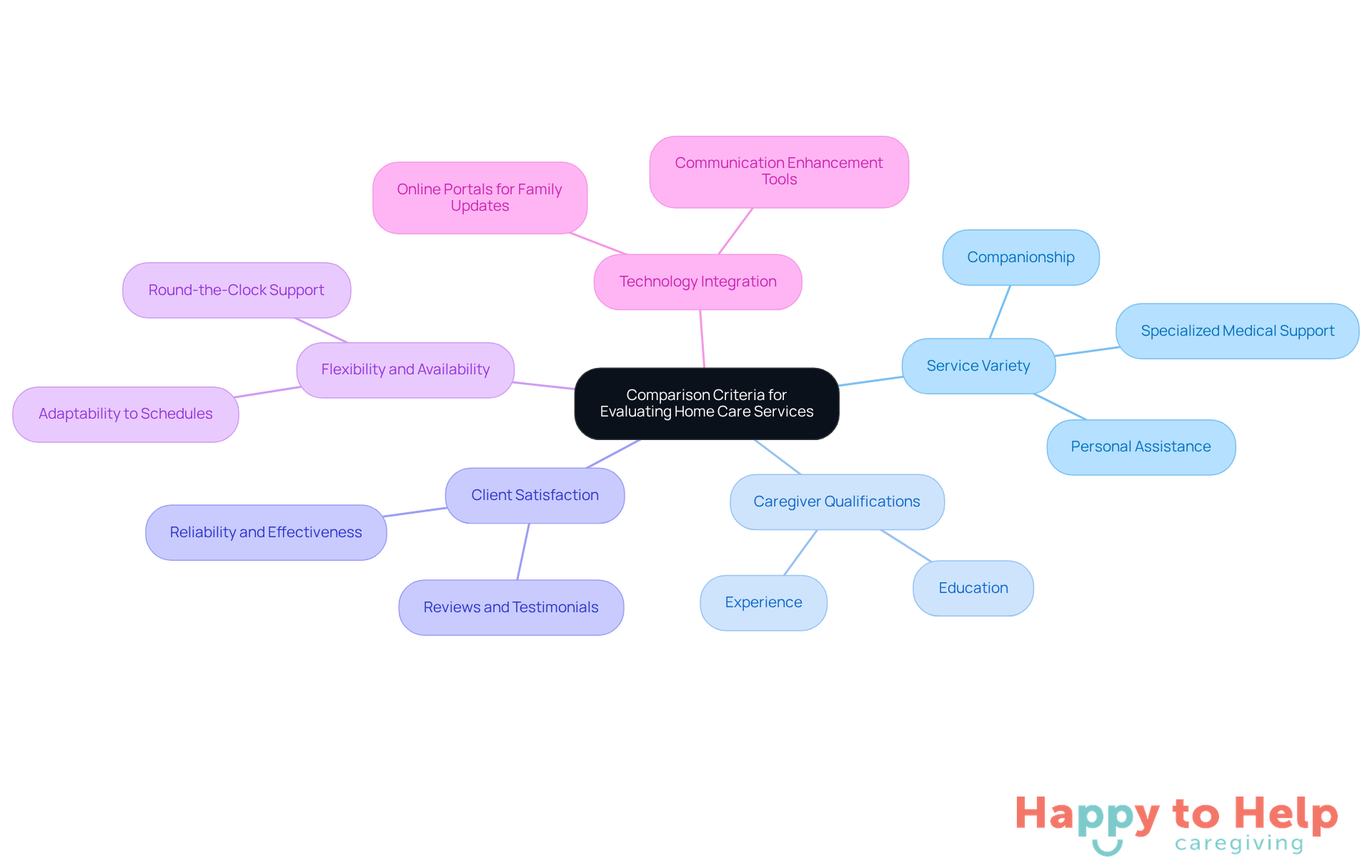
Comparison Criteria for Evaluating Home Care Services
When it comes to selecting home support services, caregivers often encounter significant challenges. Identifying the right service can be overwhelming, especially with so many options available. This decision is crucial, as it directly impacts the quality of care provided by the best care provider to loved ones.
To navigate this complexity, consider these essential criteria:
- Service Variety: Look for a range of offerings, including companionship, personal assistance, and specialized medical support.
- Caregiver Qualifications: Assess the education and experience of caregivers, as this directly influences the quality of assistance.
- Client Satisfaction: Seek out reviews and testimonials from current and past clients to gauge the reliability and effectiveness of the service.
- Flexibility and Availability: Ensure the service can adapt to different schedules and requirements, including round-the-clock support options.
- Technology Integration: Evaluate the use of technology to enhance communication and management, such as online portals for family updates.
By focusing on these criteria, the best care provider can make informed decisions that lead to better outcomes for those they care for.
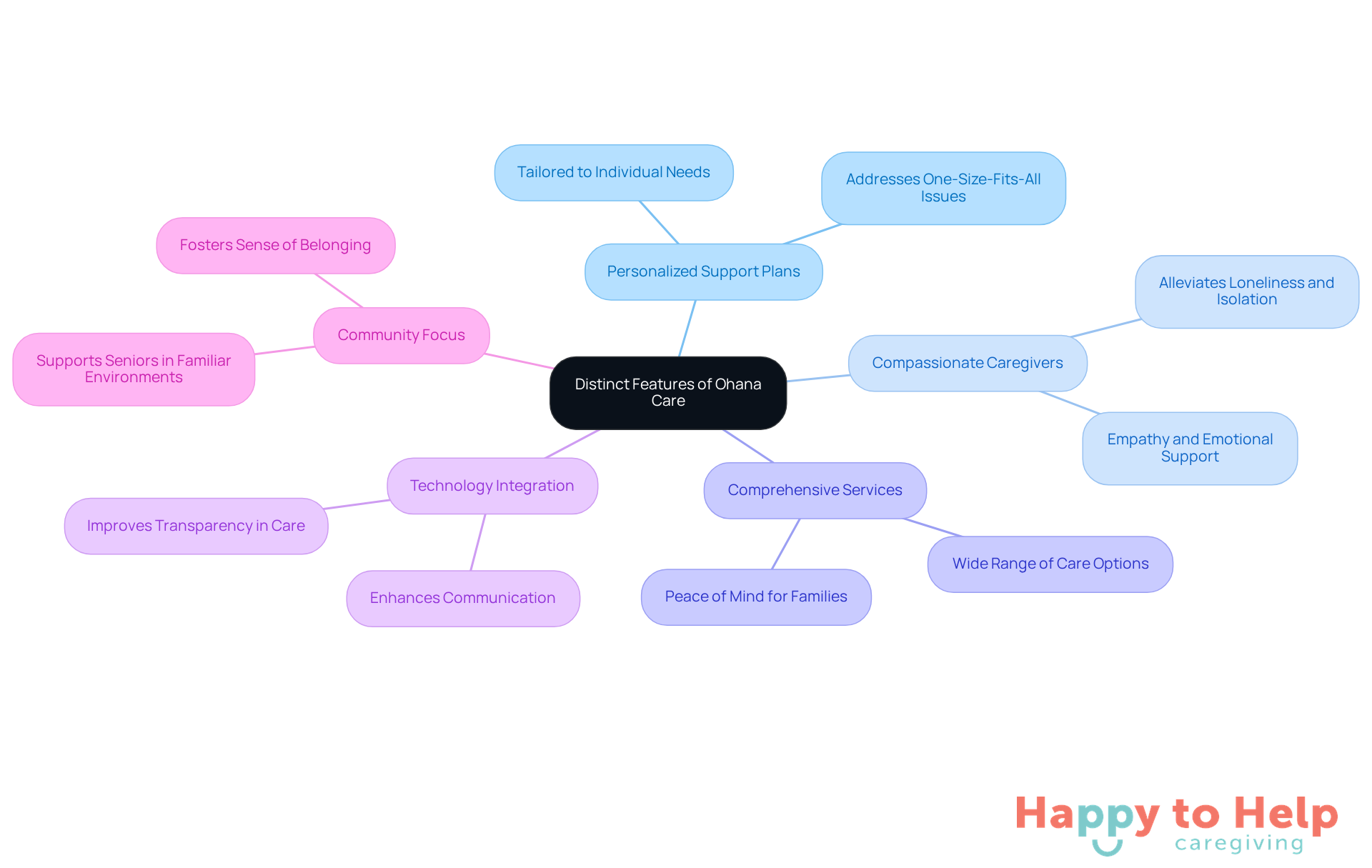
Distinct Features of Ohana Care: Services and Benefits
This organization is recognized as the best care provider due to several key features that address the challenges faced by caregivers and seniors alike.
-
Personalized Support Plans: Each client receives a customized support plan tailored to their unique needs, preferences, and routines. This approach directly addresses the problem of one-size-fits-all care, ensuring that individuals receive the attention they deserve from the best care provider.
-
Compassionate Caregivers: The organization prioritizes empathy and emotional support, ensuring caregivers are not only skilled but also compassionate. Studies indicate that when seniors feel cared for, they engage more in activities that promote their physical well-being. This emotional connection is crucial for the best care provider in alleviating feelings of loneliness and isolation, which are often experienced by seniors.
-
Comprehensive Services: The agency offers a wide range of services, including companionship, post-hospital recovery assistance, respite support, and palliative care. This variety ensures that all aspects of a senior's well-being are addressed, making it the best care provider for families seeking peace of mind.
-
Technology Integration: By employing technology, the organization enhances communication between caregivers and families, offering updates and ensuring transparency in care. This integration keeps families informed and involved, improving the overall support system offered by the best care provider for clients.
-
Community Focus: Ohana Care is committed to serving local communities, fostering a sense of belonging and support for its patrons. This community-oriented approach is vital, as it allows seniors to thrive in familiar environments surrounded by caring individuals.
The significance of compassionate caregivers as the best care provider in home assistance cannot be overstated. Statistics reveal that 76% of family caregivers spend over 40 hours per week caregiving, highlighting the need for professional support that emphasizes emotional and physical well-being. By fostering strong emotional connections, the best care provider helps alleviate feelings of loneliness and isolation. This dedication to tailored support not only enhances the quality of life for individuals but also establishes us as the best care provider, offering peace of mind for their families and enabling them to focus on nurturing meaningful relationships.
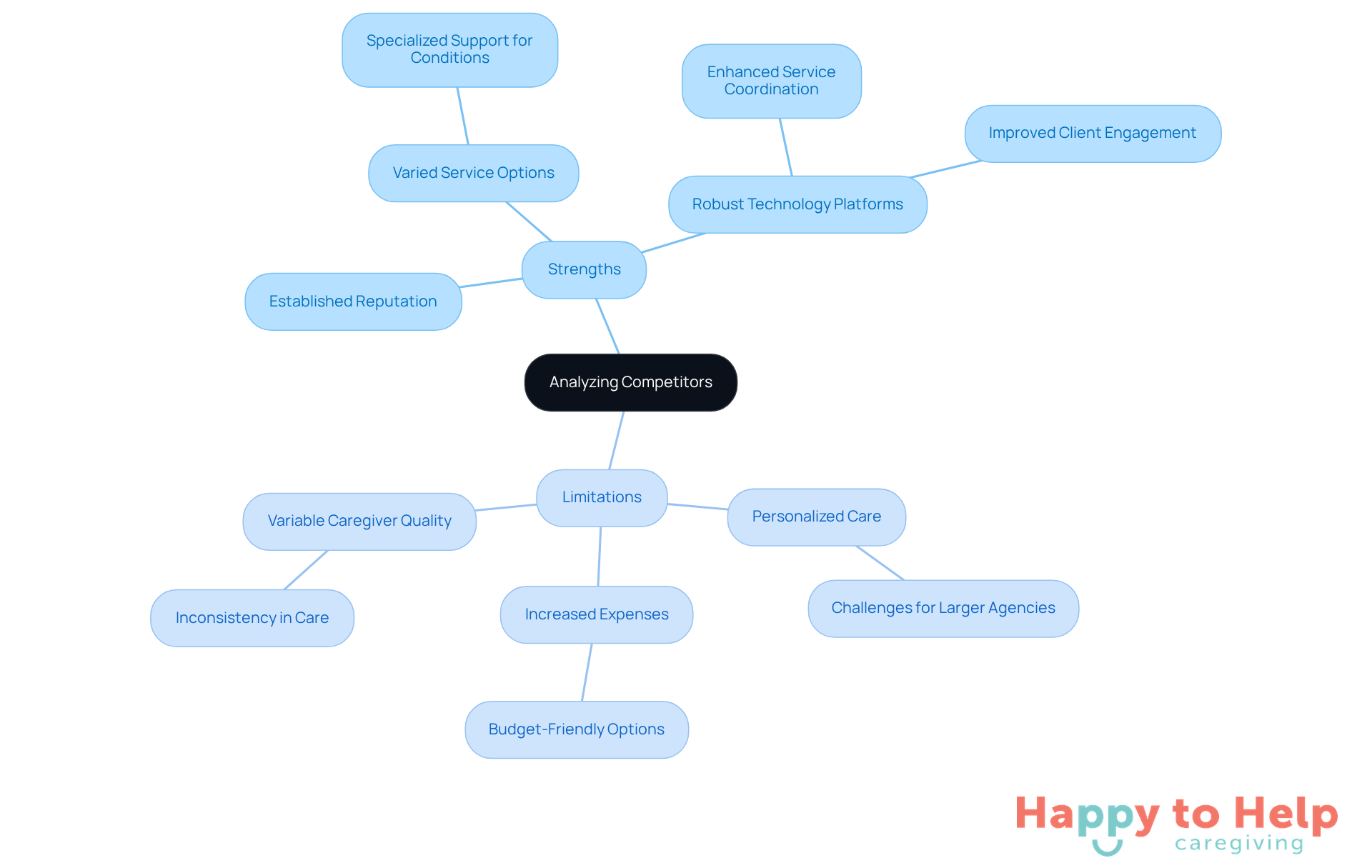
Analyzing Competitors: Strengths and Limitations of Other Providers
Problem: The caregiving market is competitive, with rivals like Bayshore and Comfort Keepers offering significant advantages.
Agitate: These competitors boast an Established Reputation, which can instill confidence in prospective customers. Many have a long-standing presence in the market, making it challenging for newer or smaller providers to compete. Additionally, they provide Varied Service Options, such as specialized support for conditions like dementia, which can attract a broader client base. Furthermore, some excel in using Robust Technology Platforms, enhancing service coordination and client engagement.
However, these advantages come with limitations. Larger agencies may struggle to deliver the same level of Personalized Care that smaller providers like Ohana Care can offer. Their Increased Expenses can also be a barrier for families seeking budget-friendly options. Moreover, the Variable Caregiver Quality associated with larger teams can impact the overall client experience, leading to inconsistency in care.
Caregivers can address these challenges by focusing on personalized service and building strong relationships with clients to become the best care provider. Emphasizing unique offerings, such as tailored care plans, can differentiate smaller providers from larger competitors. Additionally, maintaining competitive pricing and ensuring high caregiver quality can attract families looking for reliable and affordable care options.
Conclusion: Choosing the Right Home Care Provider for Your Needs
Choosing the best care provider for home assistance can be a daunting task for families. With so many options available, it’s crucial to evaluate personal needs and preferences carefully. Families often face the challenge of determining which services are essential, the importance of personalized support, and the qualifications of caregivers.
This decision can significantly impact the quality of care delivered by the best care provider. Without a thorough understanding of what each best care provider offers, families may struggle to find a match that aligns with their values and expectations. This uncertainty can lead to stress and dissatisfaction, ultimately affecting the well-being of clients.
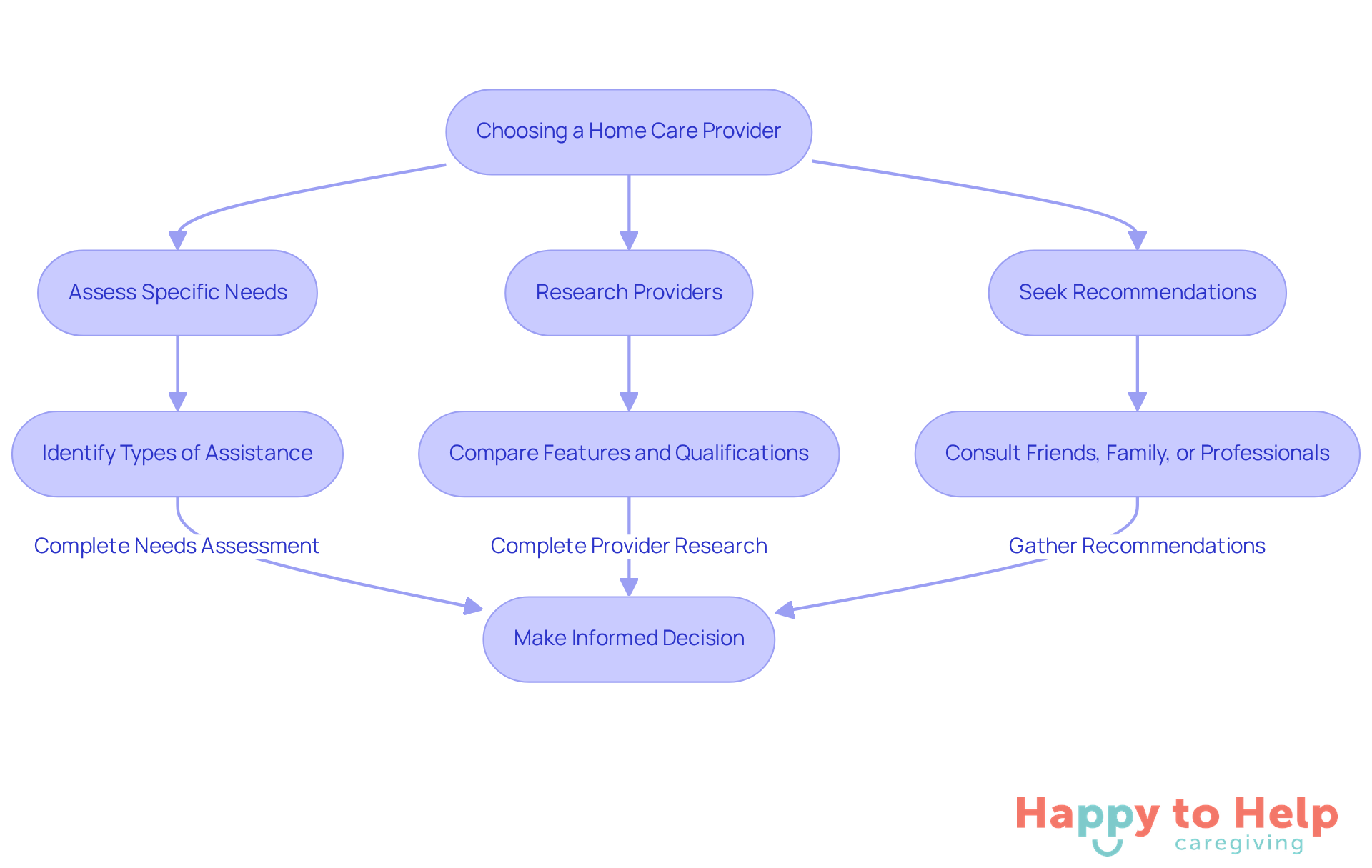
To navigate this process effectively, families should take the following steps:
- Assess specific needs: Identify the types of assistance required, whether it’s companionship, personal care, or specialized medical support.
- Research providers: Compare the distinct features of Ohana Care with its competitors, focusing on service offerings and caregiver qualifications.
- Seek recommendations: Consult with friends, family, or healthcare professionals for insights on reputable providers.
By following these actionable tips, families can make informed decisions that not only meet care needs but also enhance the quality of life for clients in the comfort of their own homes.
Key Takeaways for Caregivers
Choosing the right home care provider is a significant challenge that can greatly affect the quality of life for your loved ones. Families often face a daunting array of options, each with its own set of advantages and drawbacks. This complexity can lead to confusion and uncertainty, making it crucial to understand how providers like Ohana Care stack up against their competitors.
Ohana Care stands out with its personalized support plans, compassionate caregivers, and a strong commitment to community. However, it’s essential to also consider the strengths and limitations of other providers. Evaluating factors such as:
- Service variety
- Caregiver qualifications
- Client satisfaction
can help families make informed decisions in this intricate landscape.
To navigate these challenges effectively, families should conduct thorough research and clearly define their individual needs. Comparing available services and seeking recommendations can provide valuable insights. By prioritizing personalized care and emotional support, families can ensure their loved ones receive the compassionate assistance they deserve, ultimately enhancing their overall well-being and quality of life.
https://iframe.tely.ai/cta/eyJhcnRpY2xlX2lkIjogIjY5MjI2NTE5ZWQ5ZjEzYmMxZTVjY2E0NiIsICJjb21wYW55X2lkIjogIjY4ZWU1ZGNhNzMxNzYyNTU3ZjNjOTVjMSIsICJpbmRleCI6IG51bGwsICJ0eXBlIjogImFydGljbGUifQ==Frequently Asked Questions
What challenges do caregivers face in the home assistance sector?
Caregivers face significant challenges in navigating a competitive landscape filled with established providers, staffing shortages, and the difficulty of finding the right support for their loved ones.
What types of services do home care providers typically offer?
Home care providers offer a wide range of services, including companionship, personal assistance, and skilled nursing assistance.
How does Ohana Care differentiate itself from its competitors?
Ohana Care focuses on providing emotional support and a nurturing environment, whereas competitors like Comfort Keepers leverage technology to enhance communication and coordination of care.
What is the current state of staffing in the home care industry?
Staffing shortages are a pressing issue, with 59% of agencies reporting difficulties in maintaining adequate personnel.
What is the level of patient satisfaction with home healthcare services?
As of 2022, 89% of patients expressed satisfaction with home healthcare services, indicating a high quality of assistance available.
What is the projected demand for personal support aides and home health assistants?
There is an anticipated need for 924,000 personal support aides and home health assistants between 2021 and 2031, driven by an aging population.
What criteria should families consider when evaluating home care services?
Families should consider service variety, caregiver qualifications, client satisfaction, flexibility and availability, and technology integration.
Why is it important for families to understand the distinct attributes of home care providers?
Understanding the unique offerings of each provider helps families make informed decisions to ensure their loved ones receive the best support available.
List of Sources
- Overview of Home Care Providers: Ohana Care and Competitors
- Disruption Redefines Home-Based Care: Providers Confront Challenges, Seize New Opportunities (https://homehealthcarenews.com/2025/10/disruption-redefines-home-based-care-providers-confront-challenges-seize-new-opportunities)
- News Releases (https://hcaoa.org/news-releases.html)
- Home-Based Care Providers Adapt To A Volatile Reimbursement Landscape (https://homehealthcarenews.com/2025/11/home-based-care-providers-adapt-to-a-volatile-reimbursement-landscape)
- Home Care Statistics In 2025: Key Insights In Home Care (https://sagapixel.com/marketing/home-care-statistics)
- 10 Must-Know U.S. Home Care Industry Stats for 2025 - North American Community Hub (https://nchstats.com/us-home-care-industry-stats)
- Comparison Criteria for Evaluating Home Care Services
- U.S. News to Debut Best Home Health Ratings in 2026 (https://usnews.com/info/blogs/press-room/articles/2025-11-03/u-s-news-to-debut-best-home-health-ratings-in-2026)
- Home Care Statistics In 2025: Key Insights In Home Care (https://sagapixel.com/marketing/home-care-statistics)
- Home Health Care Trends for 2025 (https://carevoyant.com/home-health-blog/home-health-care-trends-2025)
- Home-Based Care Companies Improve Outcomes By Training Family Caregivers (https://homehealthcarenews.com/2025/10/home-based-care-companies-improve-outcomes-by-training-family-caregivers)
- 2025 home care trends include tightened EVV oversight, investments in caregiver training (https://mcknightshomecare.com/2025-home-care-trends-include-tightened-evv-oversight-investments-in-caregiver-training)
- Distinct Features of Ohana Care: Services and Benefits
- The Importance of Compassionate Care: Enhancing Quality of Life for Seniors (https://bryanskilledhomecare.com/2024/07/31/the-importance-of-compassionate-care-for-seniors-i-bryan-skilled-home-care)
- Home Care Is About Love: Why Compassion Is More Important Now | Home Care agency in New York (https://angelcareny.com/home-care-is-about-love-why-compassion-is-more-important-now)
- Customized Care at Home: The Benefits of Personalized Care Plans - VNA Health Group (https://vnahg.org/customized-care-at-home-the-benefits-of-personalized-care-plans)
- Compassion in Home Care (https://homeinstead.com/home-care/usa/la/carencro/347/news-and-media/compassion-in-home-care)
- Family Caregiving: Where Compassion Meets Complexity (https://caregiver.org/news/family-caregiving-where-compassion-meets-complexity)
- Analyzing Competitors: Strengths and Limitations of Other Providers
- Disruption Redefines Home-Based Care: Providers Confront Challenges, Seize New Opportunities (https://homehealthcarenews.com/2025/10/disruption-redefines-home-based-care-providers-confront-challenges-seize-new-opportunities)
- Top Challenges Facing Home Health Care in 2025 (https://axiscare.com/blog/challenges-in-home-health-care)
- 10 Must-Know U.S. Home Care Industry Stats for 2025 - North American Community Hub (https://nchstats.com/us-home-care-industry-stats)
- Comfort Keepers | Comfort Keepers News (https://comfortkeepers.com/articles/media-center/in-the-news)
- Respite Care for the Elderly Market Size & Opportunities, 2025-2032 (https://coherentmarketinsights.com/industry-reports/respite-care-for-the-elderly-market)
- Conclusion: Choosing the Right Home Care Provider for Your Needs
- Growing Demand for Home Care Services: Insights & Statistics (https://lovinghomecareinc.com/home-care-industry-statistics)
- 52 Eye-Opening Home Health Statistics: Insights for 2025 (https://boosthomehealth.com/home-health-statistics)
- U.S. News to Debut Best Home Health Ratings in 2026 (https://usnews.com/info/blogs/press-room/articles/2025-11-03/u-s-news-to-debut-best-home-health-ratings-in-2026)
- Home Care Statistics In 2025: Key Insights In Home Care (https://sagapixel.com/marketing/home-care-statistics)
- 2025 Home Care Statistics: Trends & Insights To Know (https://premierhcinc.com/blog/home-care-statistics)