Find the Best Caregivers Near You: 5 Essential Steps for Families

For families in our service areas
For families in our service areas, this guide explains caregiver support and how non-medical in-home caregiving can support care planning in East Idaho, Treasure Valley & Magic Valley, Northern Wasatch, North Central West Virginia & Southwestern Pennsylvania, and Northeast Ohio.
The Importance of Find the Best Caregivers Near Me: 5
Finding the right caregiver can feel like navigating a labyrinth. Families often face emotional and financial pressures when ensuring their loved ones receive the best possible support. This guide serves as a roadmap through the essential steps for identifying and hiring caregivers who not only meet specific needs but also align with family values.
How can families make informed decisions amidst a sea of options? It's crucial to safeguard the well-being of their cherished ones. This guide will help families understand the process and provide practical solutions to ease their journey.
Assess Your Caregiving Needs
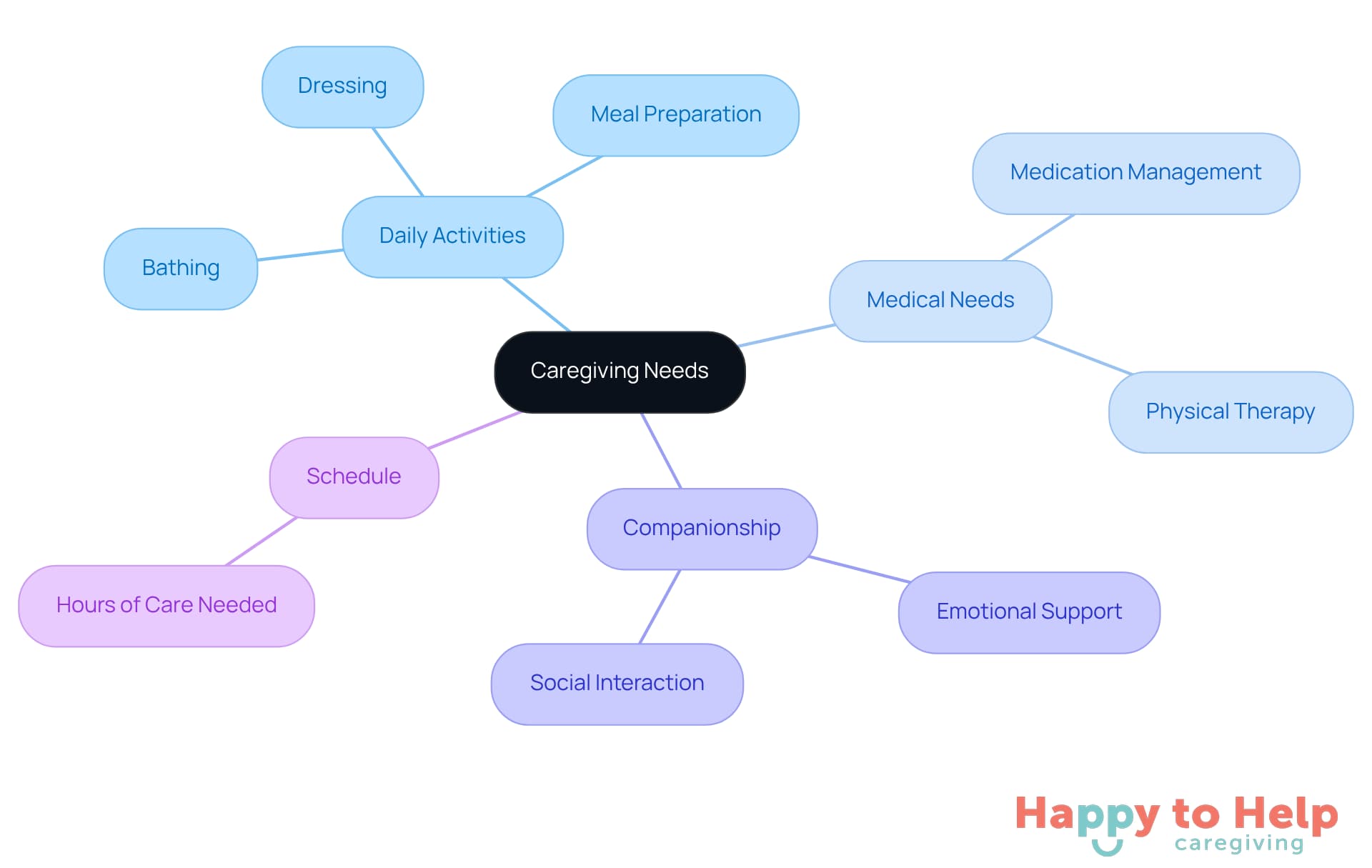
Assessing the specific requirements of your loved one is crucial for effective caregiving. Without a clear understanding of these needs, caregivers may struggle to provide the necessary support. Here are some key areas to consider:
- Daily Activities: Does your loved one need assistance with bathing, dressing, or meal preparation?
- Medical Needs: Are there health conditions that require specialized care, such as medication management or physical therapy?
- Companionship: Is emotional support or social interaction a priority for their well-being?
- Schedule: How many hours of care are needed each day or week?
Creating a comprehensive list of these needs will guide your search for a suitable support provider, ensuring that you address all aspects of care.
Research Local Caregiver Services
Finding the best caregivers near me can be challenging for those seeking support services. The emotional and financial toll of caregiving is significant; in fact, 71% of those who assist others report financial difficulties. This highlights the need for careful selection of services to ensure both practical and emotional support.
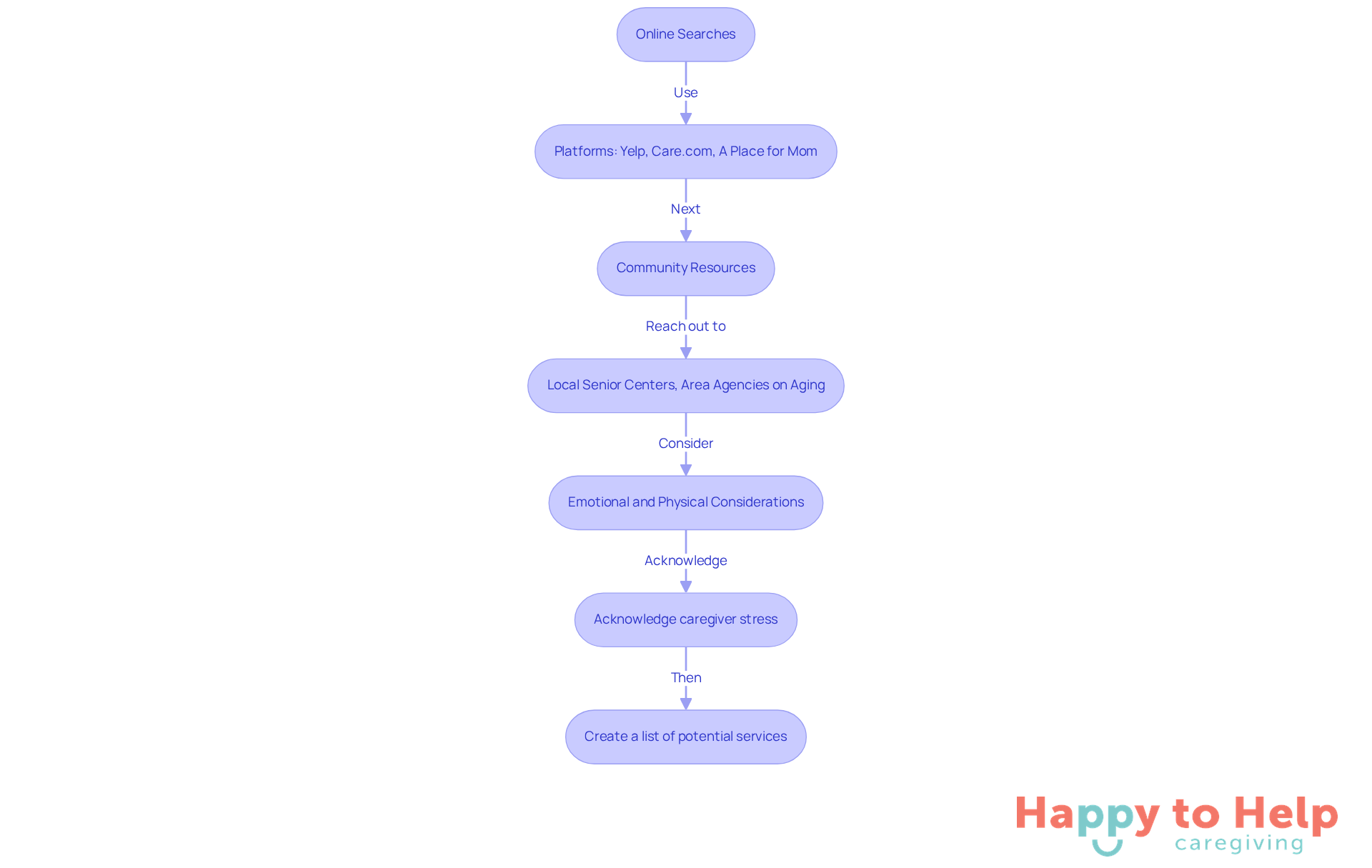
To tackle this issue, start with Online Searches. Utilize platforms like Yelp, Care.com, and A Place for Mom to find the best caregivers near me. These sites not only list services but also provide user reviews that can significantly influence family decisions. Research shows that 19% of caregivers consult online rankings or reviews, underscoring the importance of these platforms in making informed choices.
Next, tap into Community Resources. Reach out to local senior centers or Area Agencies on Aging. These organizations often have valuable insights and can recommend the best caregivers near me based on community feedback and their own experiences. Personal referrals can be extremely influential; ask friends, relatives, or healthcare providers for suggestions based on their experiences with assistance agencies. This approach can lead to discovering reliable services that may not be as visible online.
Lastly, consider the Emotional and Physical Considerations of caregiving. Many caregivers face considerable stress, and acknowledging this can help families select services that address both practical needs and emotional support.
After gathering information, create a list of potential services to investigate further, ensuring you have a variety of options to consider for your family member's care.
Evaluate Caregiver Qualifications and Compatibility
Finding the right caregiver for your loved one can be a daunting task. With so many options available, how do you ensure that the person you choose is truly qualified? This challenge can lead to stress and uncertainty for families, as the well-being of their loved ones is at stake.
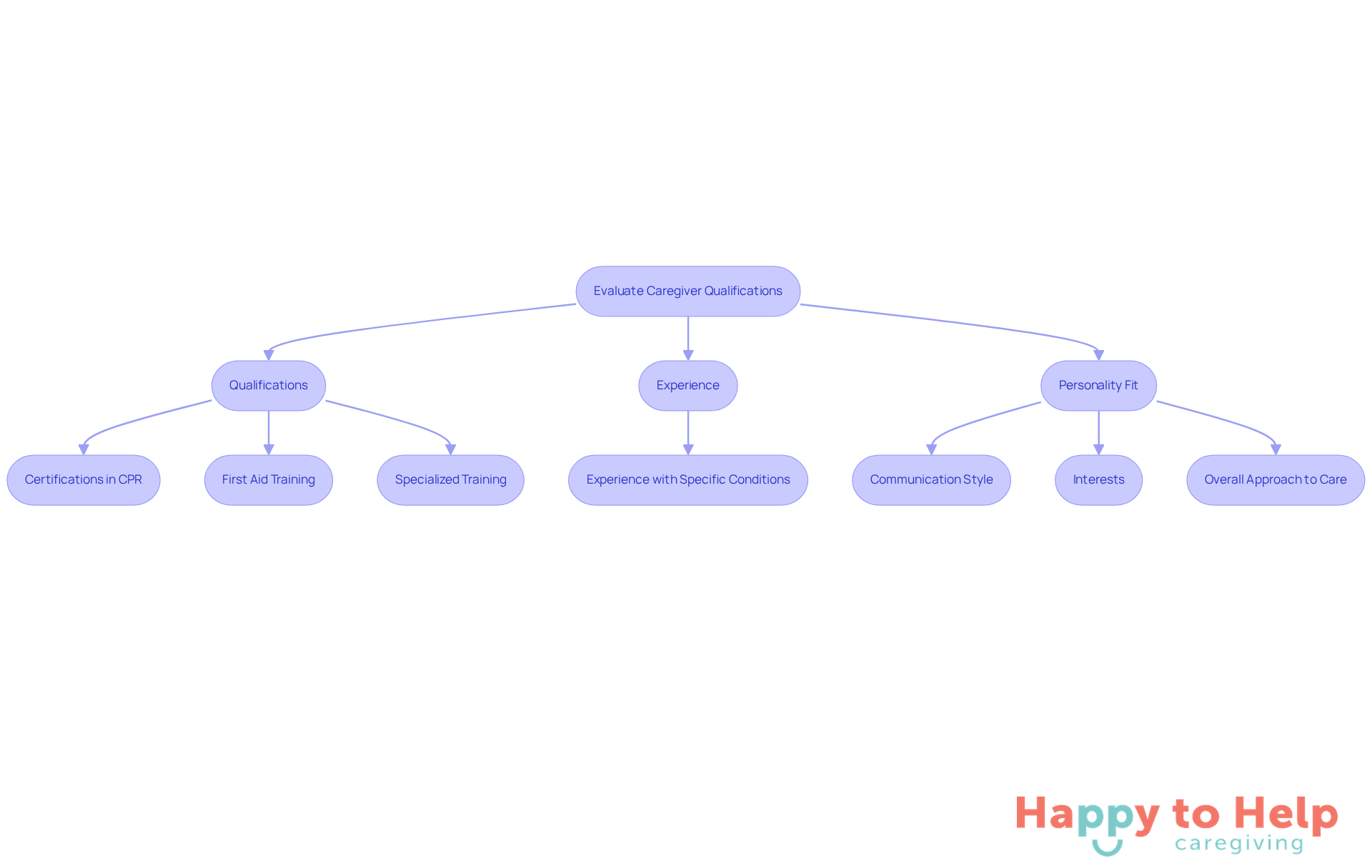
To tackle this issue, consider the following key factors when reviewing potential caregivers:
- Qualifications: Look for certifications and training in CPR, first aid, and any specialized training that aligns with your loved one's specific needs.
- Experience: Seek individuals who have experience in similar situations or with particular conditions that your family member may have.
- Personality Fit: Assess whether the caregiver's character aligns with your loved one's preferences. This includes their communication style, interests, and overall approach to care.
By conducting initial screenings based on these criteria, you can effectively shortlist candidates who meet your expectations. This proactive approach not only eases the selection process but also ensures that your loved one receives the best possible care.
Conduct Effective Caregiver Interviews
To conduct effective caregiver interviews, it’s essential to prepare a targeted list of questions that address key areas of interest:
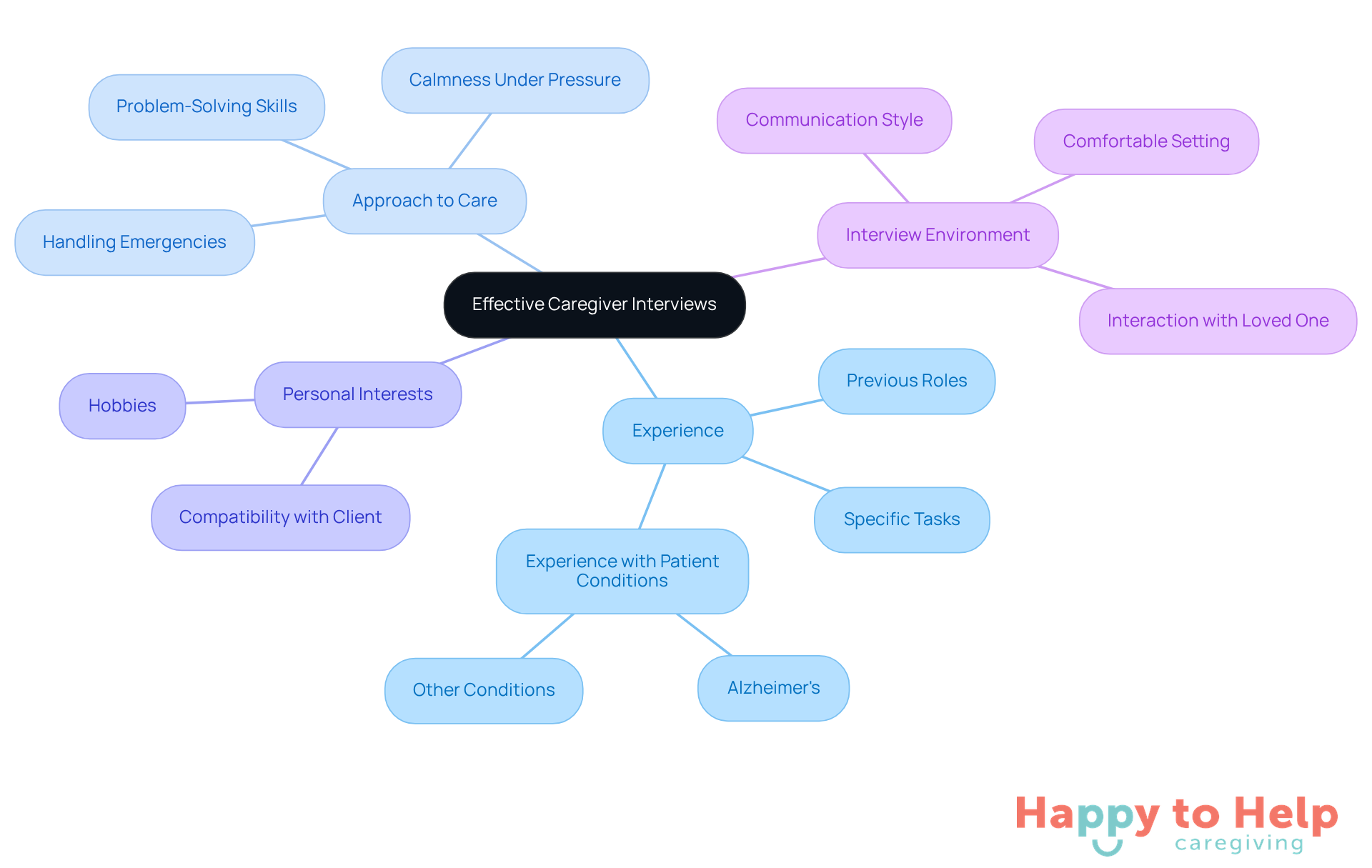
- Experience: Inquire about their previous caregiving roles, focusing on specific tasks they have performed. Understanding their background can reveal their level of expertise and suitability for your family member's needs.
- Approach to Care: Ask how they handle challenging situations or emergencies. This will provide insight into their problem-solving skills and ability to remain calm under pressure, which is vital in caregiving.
- Personal Interests: Discuss their hobbies and interests to gauge compatibility with your partner. A support person who shares similar interests can foster a stronger bond and enhance the caregiving experience.
Conduct interviews in a comfortable setting that encourages open dialogue. Observe their communication style and how they interact with your loved one, as effective communication is essential for building trust and rapport.
With 71% of caregivers facing financial struggles, ensuring that the individual feels valued and understood can lead to a more positive working relationship. Additionally, inquire about their experience with specific patient conditions, such as Alzheimer's, to ensure they are well-equipped to handle your loved one's needs. By concentrating on these elements, families can make informed choices when selecting the appropriate provider.
Check References and Reviews
Finding the best caregivers near me can be a daunting task. Families often face the problem of ensuring they select the best caregivers near me who are not only qualified but also trustworthy. Making an uninformed choice can lead to significant stress and potential issues in care quality.
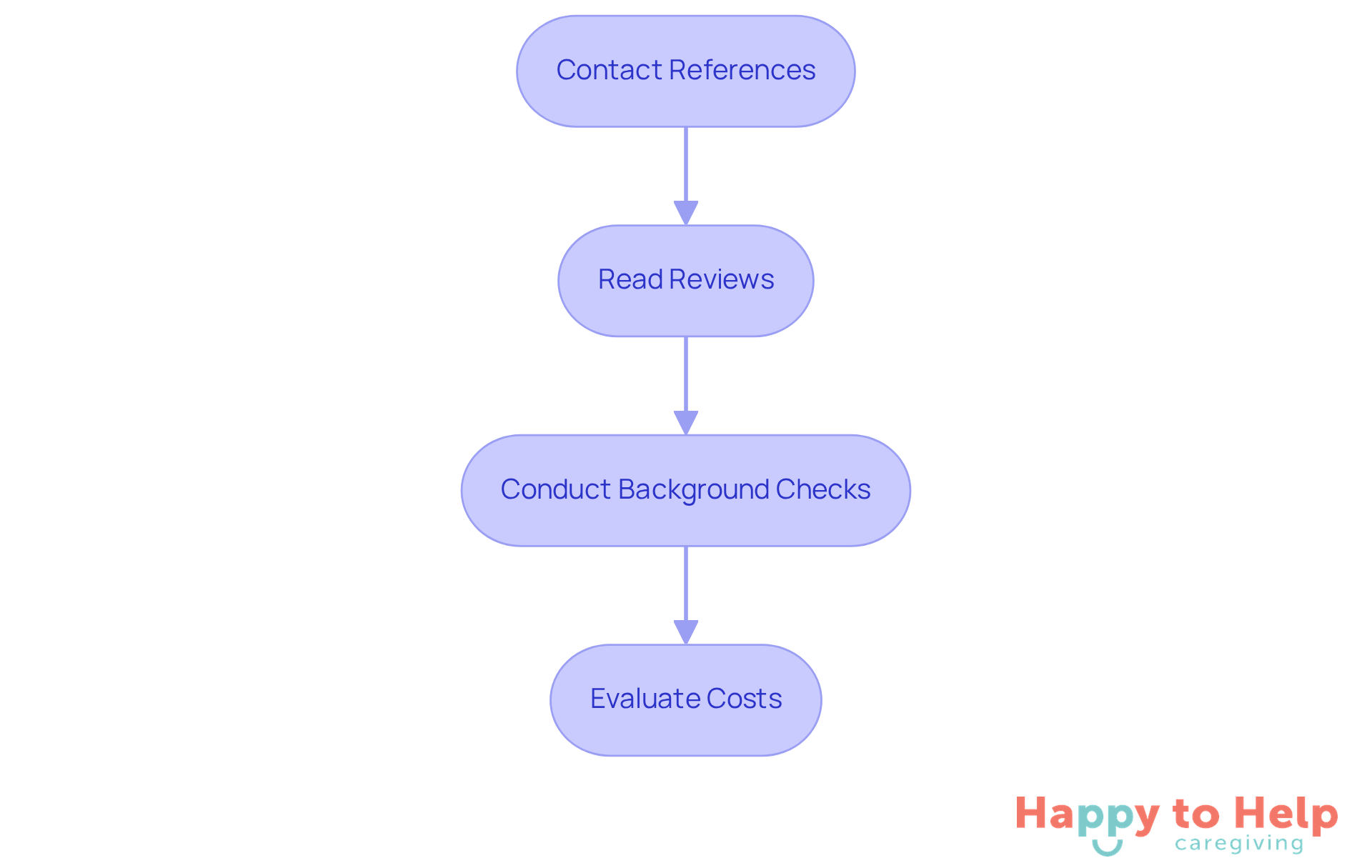
To tackle this challenge, follow these essential steps:
-
Contact References: Always request at least three references from previous employers or clients. Inquire about their experiences, reliability, and how the caregiver handled specific situations. This step is vital; studies show that confirming previous employment can significantly enhance hiring decisions, ensuring candidates possess the necessary background and experience.
-
Read Reviews: Investigate online reviews on platforms like Yelp or Care.com. Look for recurring themes in feedback, both positive and negative. Research indicates that 91% of agencies conduct state criminal background checks, which can provide reassurance when evaluating reviews. Engaging with feedback from other families can offer valuable insights into the caregiver's reliability and performance.
-
Conduct Background Checks: Implementing a thorough background check is crucial to confirm the caregiver has a clean record. While no federal laws mandate these checks, many states require them, contributing to safer home care environments. Organizations that perform comprehensive background investigations enhance their hiring assurance and reduce the risk of misconduct. Notably, 55.8% of agencies conduct federal criminal background checks, underscoring the importance of thorough vetting processes.
-
Evaluate Costs: Independent providers typically charge between $15 and $17 per hour, offering a 20% to 30% cost savings compared to agencies, which charge around $30 per hour. Understanding these expenses can help families make informed financial decisions.
By diligently following these steps, families can ensure they choose the best caregivers near me who meet their loved one's needs while aligning with their values and expectations. Additionally, documenting care requirements and budget constraints is essential to maintain focus during the hiring process.
Establish Communication and Expectations
After choosing a provider, families often face the challenge of unclear expectations and communication strategies. This can lead to misunderstandings and dissatisfaction in the caregiving experience, ultimately affecting the quality of care provided.
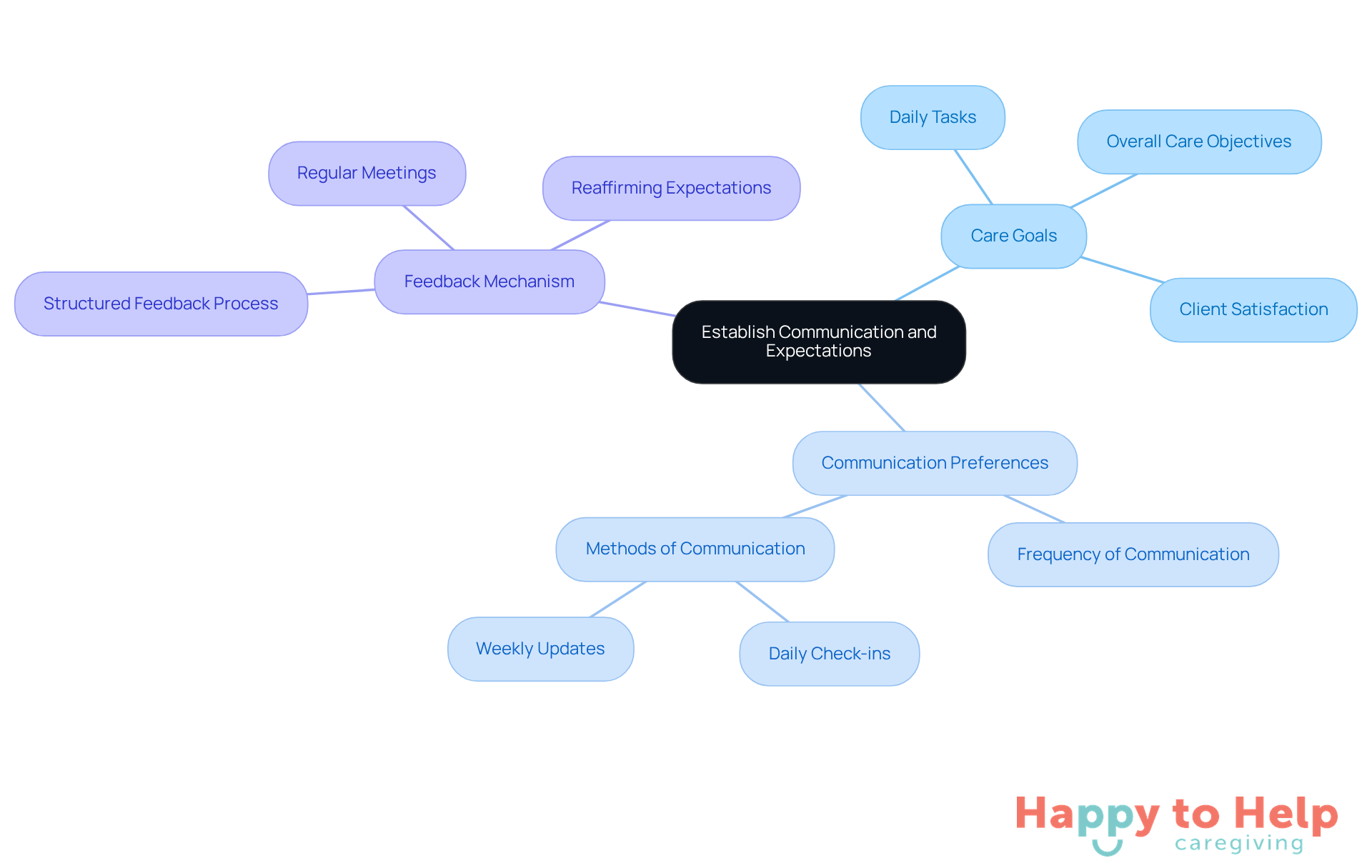
To address this issue, it’s crucial to set clear expectations right from the start. Here are some key areas to discuss:
- Care Goals: Clearly outline your expectations regarding daily tasks and overall care objectives. Research shows that establishing specific care objectives greatly enhances the performance of those providing support and client satisfaction, as it aligns their actions with the needs of the household. Approximately 42 million Americans offered unpaid assistance to individuals aged 50 and older in 2020, emphasizing the significance of effective support for those providing care.
- Communication Preferences: Decide on the frequency and methods of communication, such as daily check-ins or weekly updates. Effective communication is crucial for addressing any issues quickly and ensuring that care remains in line with the expectations of loved ones. A 2023 survey showed that over 50% of family supporters of Medicare recipients would gain from training, highlighting the necessity for clear communication and feedback systems.
- Feedback Mechanism: Establish a structured process for providing feedback to the individual responsible for care. This could involve regular meetings to discuss progress and any concerns that may arise. Research indicates that those providing support who obtain constructive feedback are more inclined to adjust their methods to better satisfy client requirements. It is also important to reaffirm expectations each time a new caregiver attends, ensuring continuity in care and communication.
By prioritizing these discussions, families can create a supportive environment that not only enhances the caregiver-client relationship but also ensures that the care provided is tailored to the unique needs of the individual receiving assistance.
Making the Right Choice
Finding the best caregivers for loved ones can be a daunting task. Families often face the challenge of ensuring that their loved ones receive the right kind of support tailored to their specific needs. This situation can lead to stress and uncertainty, making it crucial to approach the caregiver selection process thoughtfully.
To navigate this complex landscape, families should take several essential steps:
- Start by researching local caregiver services and evaluating their qualifications.
- Conduct effective interviews to gauge compatibility.
- Check references to ensure reliability.
- Establish clear communication to foster a positive relationship.
Each of these steps is vital in not only finding qualified caregivers but also in enhancing the overall caregiving experience.
Ultimately, the well-being of loved ones hinges on the quality of care they receive. Families are encouraged to take proactive steps in their search for the best caregiver services nearby. By investing time and effort into this process, they can secure the support that meets their loved ones' needs, contributing to a healthier and happier life.
https://iframe.tely.ai/cta/eyJhcnRpY2xlX2lkIjogIjY5MjY0MzlkNTA1M2U2YTE3NTJiNzdlNCIsICJjb21wYW55X2lkIjogIjY4ZWU1ZGNhNzMxNzYyNTU3ZjNjOTVjMSIsICJpbmRleCI6IG51bGwsICJ0eXBlIjogImFydGljbGUifQ==Frequently Asked Questions
Why is it important to assess caregiving needs?
Assessing caregiving needs is crucial for effective caregiving as it helps caregivers understand the specific requirements of their loved ones, enabling them to provide the necessary support.
What key areas should be considered when assessing caregiving needs?
Key areas to consider include daily activities (such as bathing, dressing, or meal preparation), medical needs (like medication management or physical therapy), companionship (emotional support or social interaction), and the schedule (how many hours of care are needed each day or week).
How can I find local caregiver services?
You can find local caregiver services through online searches on platforms like Yelp, Care.com, and A Place for Mom, which provide listings and user reviews. Additionally, reaching out to local senior centers or Area Agencies on Aging can provide valuable recommendations.
What role do community resources play in finding caregiver services?
Community resources can offer insights and recommendations based on local experiences and feedback, helping families find reliable caregivers that may not be as visible online.
How can personal referrals assist in selecting caregiver services?
Personal referrals from friends, relatives, or healthcare providers can lead to discovering trusted assistance agencies based on their own positive experiences, which can be more reliable than online searches alone.
What considerations should be taken into account regarding the emotional and physical aspects of caregiving?
Acknowledging the stress that many caregivers face is important, as it can help families select services that not only address practical needs but also provide emotional support.
What should I do after gathering information about caregiver services?
After gathering information, create a list of potential services to investigate further, ensuring you have a variety of options to consider for your family member's care.
List of Sources
- Assess Your Caregiving Needs
- National Alliance for Caregiving: Caregiving in the US 2025 Report (https://johnahartford.org/resources/view/national-alliance-for-caregiving-caregiving-in-the-us-2025-report)
- Family Caregiver Support, Education Needs Growing (https://hospicenews.com/2025/11/11/family-caregiver-support-education-needs-growing)
- Caregiving Crisis: 45% Increase in Americans Providing Care (https://aarp.org/caregiving/basics/caregiving-in-us-survey-2025)
- Caregiving in the US 2025 (https://aarp.org/pri/topics/ltss/family-caregiving/caregiving-in-the-us-2025)
- Most Americans expect to experience a long-term care event, and nearly 3 in 4 want in-home care if it happens to them - according to Northwestern Mutual Planning & Progress Study (https://news.northwesternmutual.com/2025-10-07-Most-Americans-expect-to-experience-a-long-term-care-event,-and-nearly-3-in-4-want-in-home-care-if-it-happens-to-them-according-to-Northwestern-Mutual-Planning-Progress-Study)
- Research Local Caregiver Services
- Award Winning Care with Right at Home Sacramento-Davis (https://rightathome.net/sacramento-davis)
- U.S. Caregivers' Use of Technology to Help with Caregiving (https://aarp.org/pri/topics/ltss/family-caregiving/caregiving-technology-survey)
- Caregiver Statistics: Health, Technology, and Caregiving Resources (https://caregiver.org/resource/caregiver-statistics-health-technology-and-caregiving-resources)
- The Caregiving Landscape: Data & Insights on the Caregiver Experience in the U.S. (https://caregiveraction.org/caregiver-statistics)
- Caregiver Statistics: Demographics (https://caregiver.org/resource/caregiver-statistics-demographics)
- Evaluate Caregiver Qualifications and Compatibility
- Training And Certification For Senior Caregivers (https://h2hhc.com/blog/training-and-certification-for-senior-caregivers)
- Why it’s important to recognize the work of our caregivers (https://dailynews.com/2025/02/23/why-its-important-to-recognize-the-work-of-our-caregivers)
- Caregiver Statistics: Demographics (https://caregiver.org/resource/caregiver-statistics-demographics)
- Perfect Pairings: Creating Personalized, Highly Compatible Caregiver-Client Matches to Boost Your Bottom Line | Aaniie, formerly Smartcare Software (https://aaniie.com/news/creating-personalized-highly-compatible-caregiver-client-matches-to-boost-bottom-line)
- National Alliance for Caregiving: Caregiving in the US 2025 Report (https://johnahartford.org/resources/view/national-alliance-for-caregiving-caregiving-in-the-us-2025-report)
- Conduct Effective Caregiver Interviews
- The Secrets to Successful Caregiver Interviews - HomeChoice Home Care Solutions (https://homechoicehomecare.com/careers-in-caring/the-secrets-to-successful-caregiver-interviews)
- Asking the Right Interview Questions to Find the Best-Fit Caregiver Candidates | Aaniie, formerly Smartcare Software (https://aaniie.com/news/asking-the-right-interview-questions-best-caregiver-candidates)
- Caregiver Recruitment Strategies That Work | Rellevate (https://rellevate.com/news/caregiver-recruitment-strategies)
- The Caregiving Landscape: Data & Insights on the Caregiver Experience in the U.S. (https://caregiveraction.org/caregiver-statistics)
- Caregiver Statistics: Demographics (https://caregiver.org/resource/caregiver-statistics-demographics)
- Check References and Reviews
- The Importance of Proper Caregiver Background Checks - Private Eyes Background Checks (https://privateeyesbackgroundchecks.com/the-importance-of-proper-caregiver-background-checks)
- How to Hire In-Home Caregivers: 5 Essential Steps for Families - Happy To Help (https://happytohelpcaregiving.com/how-to-hire-in-home-caregivers-5-essential-steps-for-families)
- Hiring and Screening Practices of Agencies Supplying Paid Caregivers to Older Adults - PMC (https://pmc.ncbi.nlm.nih.gov/articles/PMC3396775)
- 10 Inspiring Quotes for {Caregivers} - FirstLight Home Care (https://firstlighthomecare.com/blog/10-inspiring-quotes-for-caregivers)
- The Case For Stronger Caregiver Vetting In Home Care (https://homehealthcarenews.com/2024/10/the-case-for-stronger-caregiver-vetting-in-home-care)
- Establish Communication and Expectations
- Building a lifeline for family caregivers across the US (https://news.mit.edu/2025/ianacare-builds-lifeline-for-family-caregivers-across-us-0811)
- What Expectations Should I Set for the Caregiver? - Caring.com (https://caring.com/resources/what-expectations-should-i-set-for-the-caregiver)
- Family Caregivers Deserve Recognition — Medicare Is Starting to Listen (https://commonwealthfund.org/blog/2025/family-caregivers-deserve-recognition-medicare-starting-to-listen)
- Clearer Conversations, Better Care: New Guide Highlights Best Practices for Communicating with Older Adults (https://geron.org/News-Events/GSA-News/Press-Room/Press-Releases/clearer-conversations-better-care-new-guide-highlights-best-practices-for-communicating-with-older-adults)
- Changes in Health Indicators Among Caregivers... (https://cdc.gov/mmwr/volumes/73/wr/mm7334a2.htm)