
The Importance of Find the Best Elder Homecare Near Me: A
Finding the right elder homecare can feel overwhelming. As our loved ones age, the challenges multiply, and the emotional weight can be heavy. With the aging population on the rise, especially those aged 65 and older, many families find themselves navigating a complex landscape of care options.
This guide is here to help. It offers a compassionate approach to understanding elder care, ensuring that families can find the best support for their loved ones. We understand the stress and uncertainty that can come with this journey. How do you assess care needs? What qualifications should you look for in a caregiver? And how do you sift through the myriad of services available?
You’re not alone in this. Many caregivers share similar feelings of stress and burnout. But there are solutions and support systems in place to help you through this process. Together, we can explore the emotional and practical support available, providing you with the reassurance you need to make informed decisions for your family.
Assess Your Family Member's Unique Care Needs
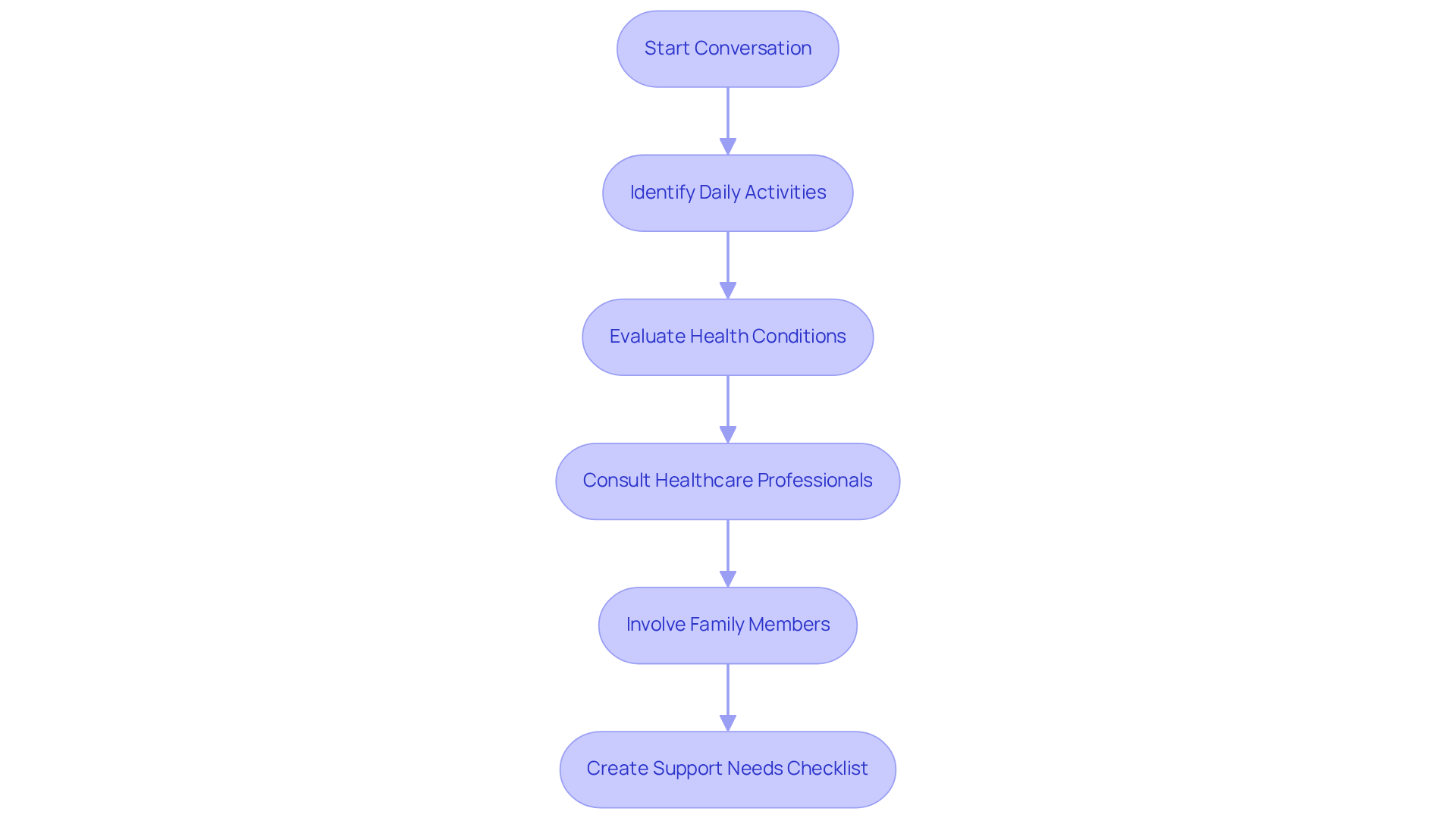
Start by having an open conversation with your family member about their daily routines and any challenges they face. This initial step is crucial in understanding their unique care needs.
-
Identify Daily Activities: Take a moment to list the activities your loved one struggles with. This could include bathing, dressing, cooking, or managing medications. Recognizing these challenges is the first step toward providing support.
-
Evaluate Health Conditions: Consider any medical conditions that may require specialized attention. Conditions like dementia, mobility issues, or chronic illnesses can significantly impact daily life. With the U.S. population aged 65 and older projected to rise from 56.1 million in 2020 to 82.1 million by 2050, understanding these conditions is more important than ever.
-
Consult Healthcare Professionals: Don’t hesitate to speak with their doctor or a geriatric management expert. These professionals can offer valuable insights into your loved one’s support needs, providing tailored assessments and recommendations that align with their health status.
-
Involve Family Members: It’s beneficial to gather input from other family members who may have noticed changes in your loved one’s behavior or capabilities. This collaborative approach fosters a comprehensive understanding of their situation, ensuring no detail is overlooked.
-
Create a Support Needs Checklist: Finally, document all your findings to develop a comprehensive checklist outlining specific support requirements. This checklist will serve as an essential tool in organizing and coordinating care, ensuring that every aspect of your loved one’s needs is addressed.
Remember, you’re not alone in this journey. By taking these steps, you’re showing your loved one that they are cared for and supported.
Research Local Elder Homecare Services
Finding the best elder homecare near me for your loved ones can feel overwhelming, but you’re not alone in this journey. Many caregivers experience stress and burnout, and it’s essential to know that support is available. Here are some steps to help you navigate this process with care and compassion:
-
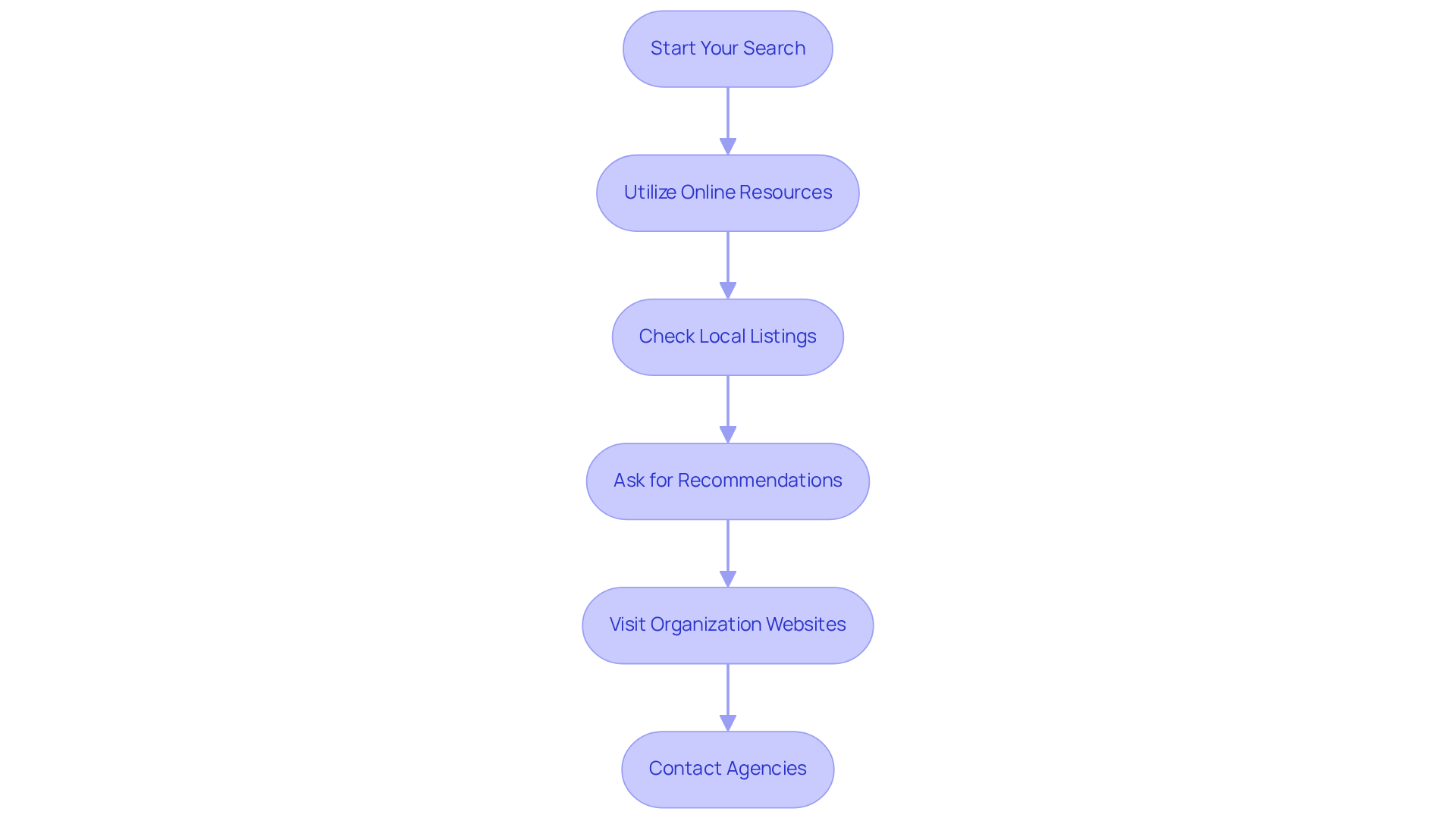
Utilize Online Resources: Start your search with trusted websites like Yelp, Caring.com, and A Place for Mom. These platforms not only list local organizations but also provide valuable reviews and ratings from other families. This feedback can help you assess the quality of care available, easing some of your worries.
-
Check local listings: Use Google Maps or local directories to compile a list of elder homecare near me services available in your area. Visualizing your options can make it easier to narrow down your choices, giving you a clearer picture of what’s available nearby.
-
Ask for Recommendations: Personal recommendations can be a lifeline. Reach out to friends, family members, or healthcare professionals who may have experience with local organizations. Their insights can guide you toward trustworthy providers who genuinely care.
-
Visit Organization Websites: Spend some time reviewing the websites of potential firms. Look for information on the services they offer, caregiver qualifications, and any specialties that align with your loved one’s specific needs. This will help you evaluate whether an organization is a good fit for your family.
-
Contact Agencies: Once you’ve created a shortlist, don’t hesitate to reach out to the agencies directly. A simple call or email can provide insight into their services, availability, and approach. This interaction can give you a sense of their responsiveness and willingness to address your concerns.
By following these steps, you can effectively research elder homecare near me, ensuring that the best support for your loved ones is found. Remember, around 12 million individuals in the U.S. currently receive home assistance, highlighting the widespread need for these services. As caregiving specialist Amy Goyer wisely states, "Before you provide care, do your research first." Taking the time to prepare is crucial for ensuring that your loved one receives the best possible care.
Evaluate Caregiver Qualifications and Experience
When evaluating caregivers, it’s important to consider several key factors to ensure the best fit for your loved one’s needs:
-
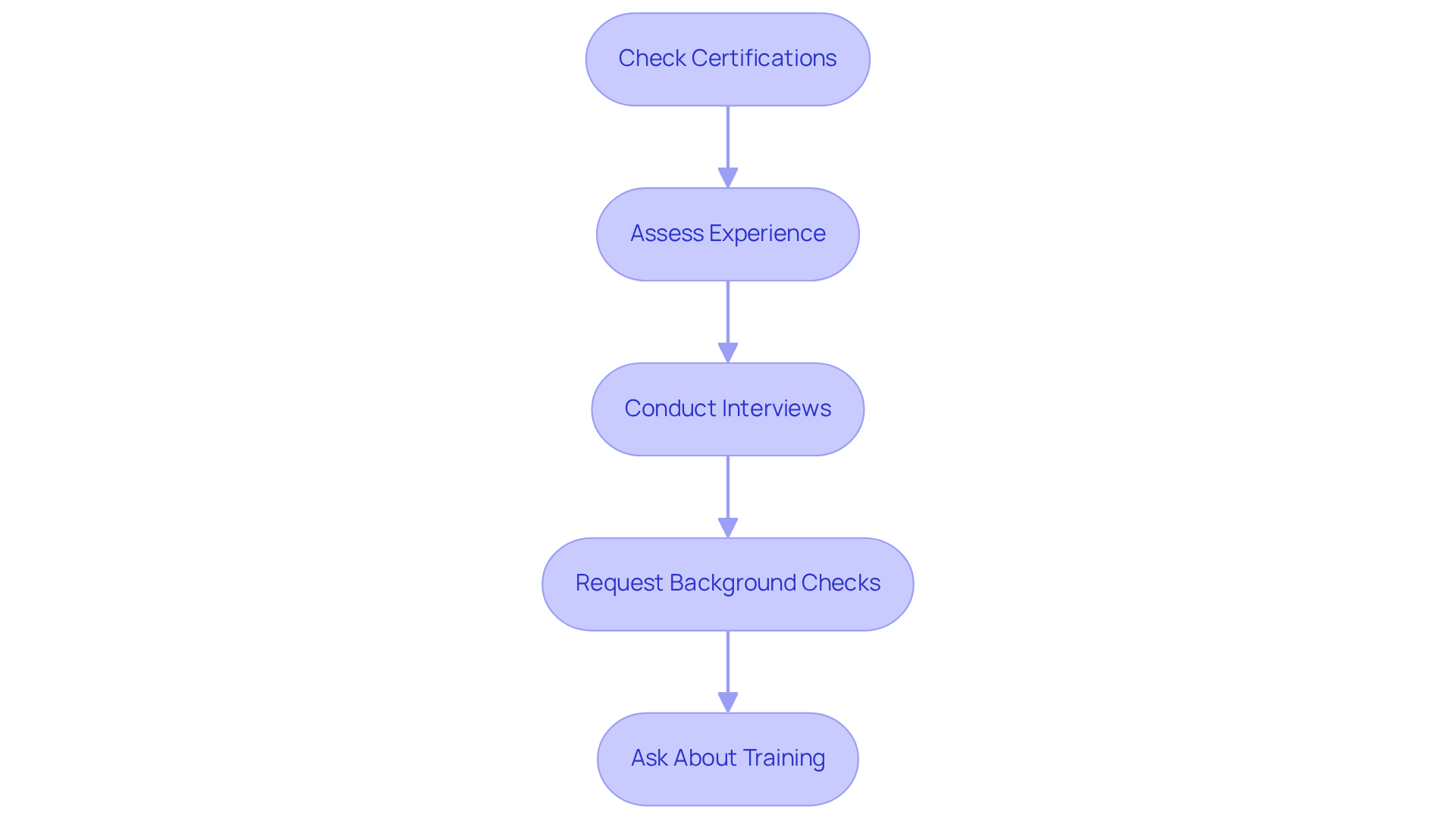
Check Certifications: It’s essential to verify that those providing care have relevant certifications, like Certified Nursing Assistant (CNA) or Home Health Aide (HHA). These credentials reflect a foundational level of training and knowledge in delivering assistance, giving you peace of mind.
-
Assess Experience: Look for providers with specific experience that aligns with your loved one’s needs, such as expertise in dementia care or post-operative support. Caregivers with an average of one year’s experience in home health agencies often bring valuable insights and skills tailored to individual requirements. Family supporters typically dedicate around 25 hours each week to caregiving tasks, highlighting the commitment and experience these individuals usually possess.
-
Conduct Interviews: Organize discussions with potential support providers to gauge their communication skills, compassion, and overall attitude towards assistance. This personal interaction can reveal how well they connect with your loved one and their ability to provide compassionate support. Emotional support is vital for the well-being of those receiving care, and providers should demonstrate their capacity to offer this.
-
Request Background Checks: Ensure that the agency conducts thorough background checks on their staff. This step is crucial for safety and reliability, especially given the rising rates of abuse against older adults, particularly since the COVID-19 pandemic. Comprehensive background checks help mitigate risks associated with worker misconduct, ensuring a safer environment for your loved one.
-
Ask About Training: Inquire about the ongoing training and support provided to caregivers. Continuous education is essential in the ever-evolving field of elder support, ensuring that caregivers stay informed about best practices and can adapt to the changing needs of their clients.
By focusing on these elements, families can make informed choices that enhance the quality of support for their loved ones.
Understand Pricing and Payment Options
Understanding pricing and payment options for homecare services can feel overwhelming, but you’re not alone in this journey. Here are some steps to help you navigate through it:
-
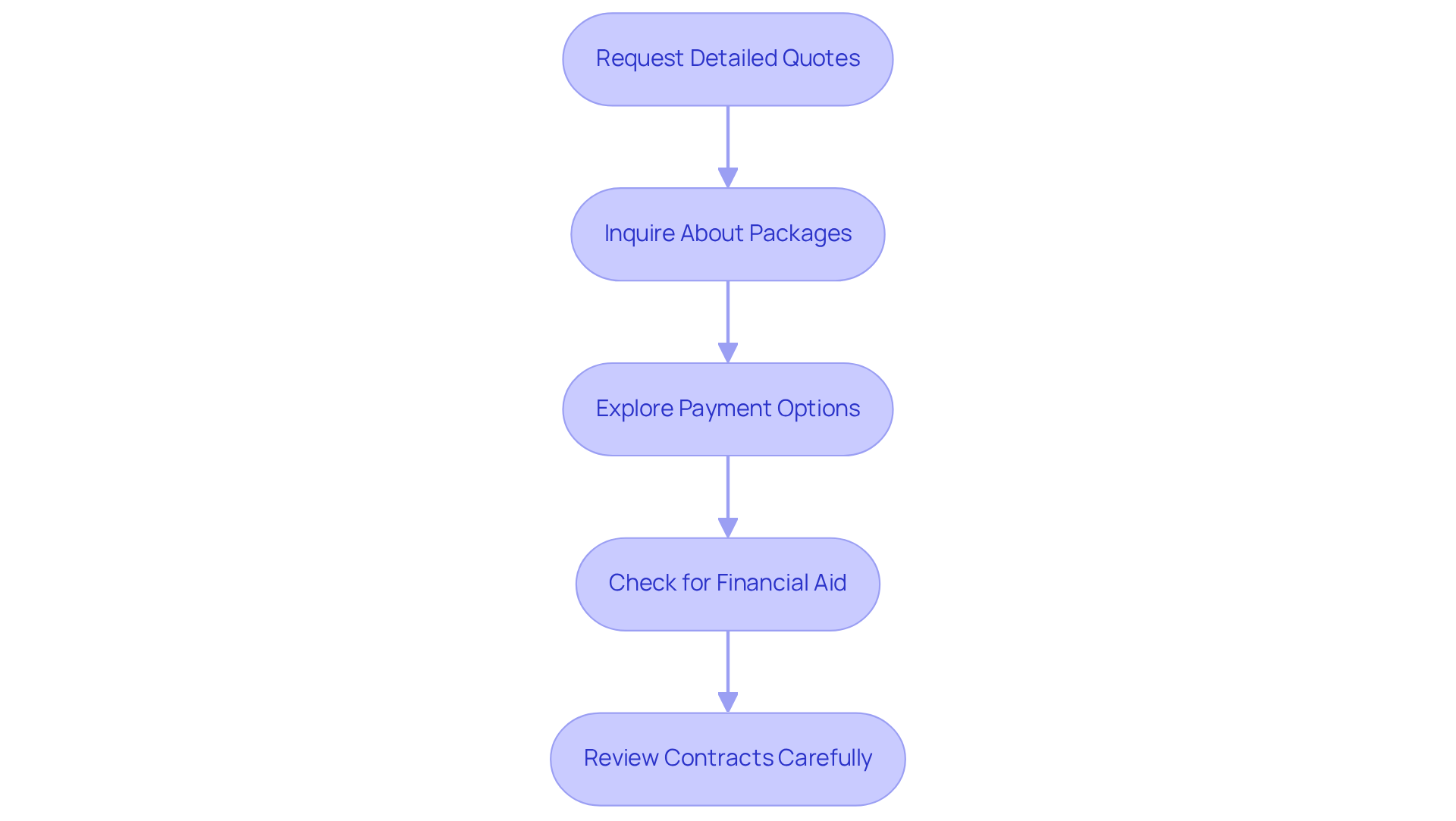
Request Detailed Quotes: Reach out to agencies for detailed pricing information. Ask about hourly rates and any additional fees. On average, families spend around $38,000 annually on in-home assistance. This figure is crucial to consider as you plan your finances, and it’s okay to take your time to understand it fully.
-
Inquire About Packages: Don’t hesitate to ask if they offer support packages. Bundling services might provide some cost savings, easing the financial strain.
-
Explore Payment Options: It’s important to discuss the payment methods they accept. Options like private pay, insurance, or government assistance programs, including Medicaid and VA benefits, can significantly help lighten the financial load.
-
Check for Financial Aid: Take a moment to research local or state programs that may offer financial assistance for homecare services. There are resources available that can provide support when you need it most.
-
Review Contracts Carefully: Before signing any agreements, make sure to review the contract thoroughly. Look for clarity on services provided, payment terms, and cancellation policies. As financial advisor Eric Tyson wisely states, "It's imperative that you shop around and make sure that you're getting the best possible deal."
Remember, it’s okay to ask questions and seek support. You’re taking a significant step in caring for your loved ones, and there are compassionate resources available to help you along the way.
Read Reviews and Gather Testimonials
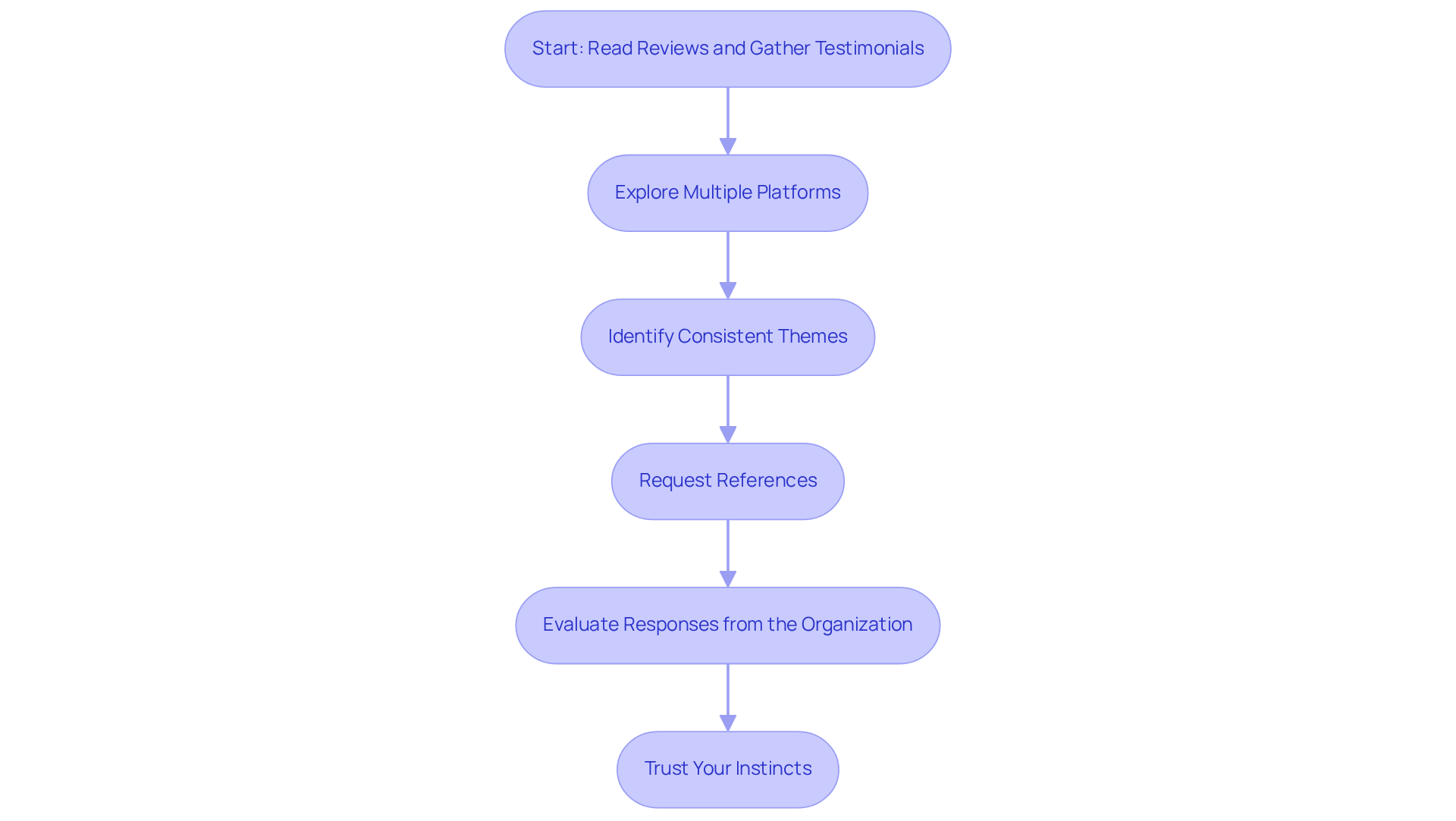
To effectively read reviews and gather testimonials, consider these compassionate strategies:
-
Explore Multiple Platforms: Take the time to look at reviews across various platforms like Yelp, Google, and Caring.com. This helps you gain a fuller picture of the organization’s reputation. Research shows that 58% of suburban patients combine patient review research with traditional referrals. This highlights the importance of a well-rounded approach to finding care.
-
Identify Consistent Themes: Pay attention to recurring themes in evaluations, focusing on caregiver professionalism, responsiveness, and overall quality of support. When feedback is consistent, it often indicates reliable service. Remember, "Authentic testimonials are full of specific details that paint a clear picture."
-
Request References: Don’t hesitate to ask the organization for references. Speaking directly with families who have used their services can provide invaluable insights into the organization’s performance and care quality. Hearing from others who have walked a similar path can be incredibly reassuring.
-
Evaluate Responses from the Organization: Notice how the organization addresses negative reviews. A thoughtful and prompt response can reflect their commitment to customer service and willingness to improve. Keep in mind that 73% of patients consider patient review content a critical factor when selecting a new healthcare provider.
-
Trust Your Instincts: After gathering all necessary information, trust your instincts about the agency’s suitability for your loved one’s needs. Your personal comfort and confidence in the choice are crucial for ensuring quality care. With 84% of consumers trusting healthcare reviews as much as personal recommendations, your informed decision can lead to better outcomes.
Moving Forward with Find the Best Elder Homecare Near Me: A
Finding the best elder homecare services is a vital endeavor that requires careful consideration and a thorough understanding of your loved one's unique needs. It’s a journey filled with emotions, and by approaching this task with empathy and diligence, families can ensure that their elderly relatives receive the appropriate support and care they truly deserve.
This article outlines a comprehensive step-by-step guide that begins with assessing individual care needs. It encourages families to:
- Research local services
- Evaluate caregiver qualifications
- Understand pricing
- Read reviews
Each of these steps is designed to empower families to make informed decisions, ensuring they find the most suitable elder homecare options available. Collaboration with healthcare professionals and family members is crucial, highlighting the need for a well-rounded approach to care.
Navigating the world of elder homecare can feel daunting. However, it’s essential to remember that support is available. By taking the time to research and assess options, families can secure quality care that enhances their loved one's quality of life. This journey reflects a commitment to their well-being and fosters a sense of dignity and respect for the aging population.
Ultimately, you’re not alone in this. Many families have walked this path, and their stories remind us of the compassion and dedication found in elder care. By choosing the right services, you’re not just providing care; you’re embracing a journey filled with love and respect for those who have given so much.
https://iframe.tely.ai/cta/eyJhcnRpY2xlX2lkIjogIjY5MWZhYzU0MDFkMDk4M2JlYjM1N2I0OCIsICJjb21wYW55X2lkIjogIjY4ZWU1ZGNhNzMxNzYyNTU3ZjNjOTVjMSIsICJpbmRleCI6IG51bGwsICJ0eXBlIjogImFydGljbGUifQ==Frequently Asked Questions
How can I assess my family member's unique care needs?
Start by having an open conversation with your family member about their daily routines and challenges. Identify daily activities they struggle with, evaluate any health conditions that may require specialized attention, consult healthcare professionals for insights, involve other family members for a comprehensive understanding, and create a support needs checklist to document your findings.
What types of daily activities should I look for when assessing care needs?
Look for activities such as bathing, dressing, cooking, and managing medications. Recognizing these challenges is essential for providing appropriate support.
Why is it important to evaluate health conditions when assessing care needs?
Evaluating health conditions like dementia, mobility issues, or chronic illnesses is important because they can significantly impact daily life. Understanding these conditions helps tailor care to meet specific needs.
How can healthcare professionals assist in assessing care needs?
Healthcare professionals, such as doctors or geriatric management experts, can provide valuable insights and tailored assessments that align with your loved one’s health status, helping you understand their support needs better.
Why should I involve other family members in the assessment process?
Involving other family members can provide additional perspectives on changes in your loved one’s behavior or capabilities, fostering a comprehensive understanding of their situation and ensuring no details are overlooked.
What is a support needs checklist, and why is it important?
A support needs checklist is a documented list of specific support requirements based on your assessments. It serves as an essential tool for organizing and coordinating care to ensure that all aspects of your loved one’s needs are addressed.
How can I find local elder homecare services?
Start by utilizing online resources like Yelp, Caring.com, and A Place for Mom to find listings and reviews. Check local directories and Google Maps, ask for personal recommendations, visit organization websites, and contact agencies directly for more information.
What should I look for when visiting elder homecare organization websites?
Look for information on the services they offer, caregiver qualifications, and any specialties that align with your loved one’s specific needs to evaluate if the organization is a good fit.
Why is it important to contact agencies directly when researching elder homecare services?
Contacting agencies allows you to gain insights into their services, availability, and approach, helping you assess their responsiveness and willingness to address your concerns.
What is the significance of preparing before providing care?
Preparing by doing thorough research is crucial to ensure that your loved one receives the best possible care, as highlighted by caregiving specialist Amy Goyer.