Find the Best Elderly Companion Near You: A Step-by-Step Guide

For families in our service areas
For families in our service areas, this guide explains companion care and how non-medical in-home caregiving can support care planning in East Idaho, Treasure Valley & Magic Valley, Northern Wasatch, North Central West Virginia, and Northeast Ohio.
What to Expect
This article serves as a heartfelt guide for finding the best elderly companion, highlighting the vital role companionship plays in enhancing seniors' emotional and mental well-being. It begins by acknowledging the emotional challenges faced by both seniors and caregivers, recognizing the profound impact that loneliness can have on one's spirit.
As we navigate the journey of selecting a suitable caregiver, it’s essential to assess the unique needs of the elderly individual. This involves thoughtful consideration and understanding, ensuring that the chosen companion can truly offer personalized and compassionate support. The process continues with interviewing candidates, where open and honest communication can foster a trusting relationship, a cornerstone of effective caregiving.
Checking references is another crucial step, as it helps to ensure that the caregiver has a history of providing nurturing care. This not only gives peace of mind but also reassures families that their loved ones are in capable hands. Ultimately, it’s about creating an environment where seniors feel valued and understood.
In conclusion, finding the right companion is a journey that requires patience and empathy. By following these key steps, families can rest assured that their elderly loved ones will receive the compassionate care they deserve, fostering a sense of connection and belonging.
What You Need to Know About Find the Best Elderly Companion Near
Elderly companionship plays a crucial role in enhancing the quality of life for seniors. It provides not just company but also emotional support and social interaction. Families seeking to enrich the lives of their elderly loved ones can explore a variety of companion care options that cater to individual needs. This ensures a fulfilling and connected existence.
However, the process of finding the right companion can often feel daunting. Families may wonder: what key factors should they consider to ensure they make the best choice? This journey is not just about finding someone to share time with; it’s about fostering a nurturing environment where seniors feel valued and understood.
The emotional challenges faced by caregivers can amplify feelings of stress and burnout, but there are compassionate solutions available.
Understand the Role of Elderly Companionship
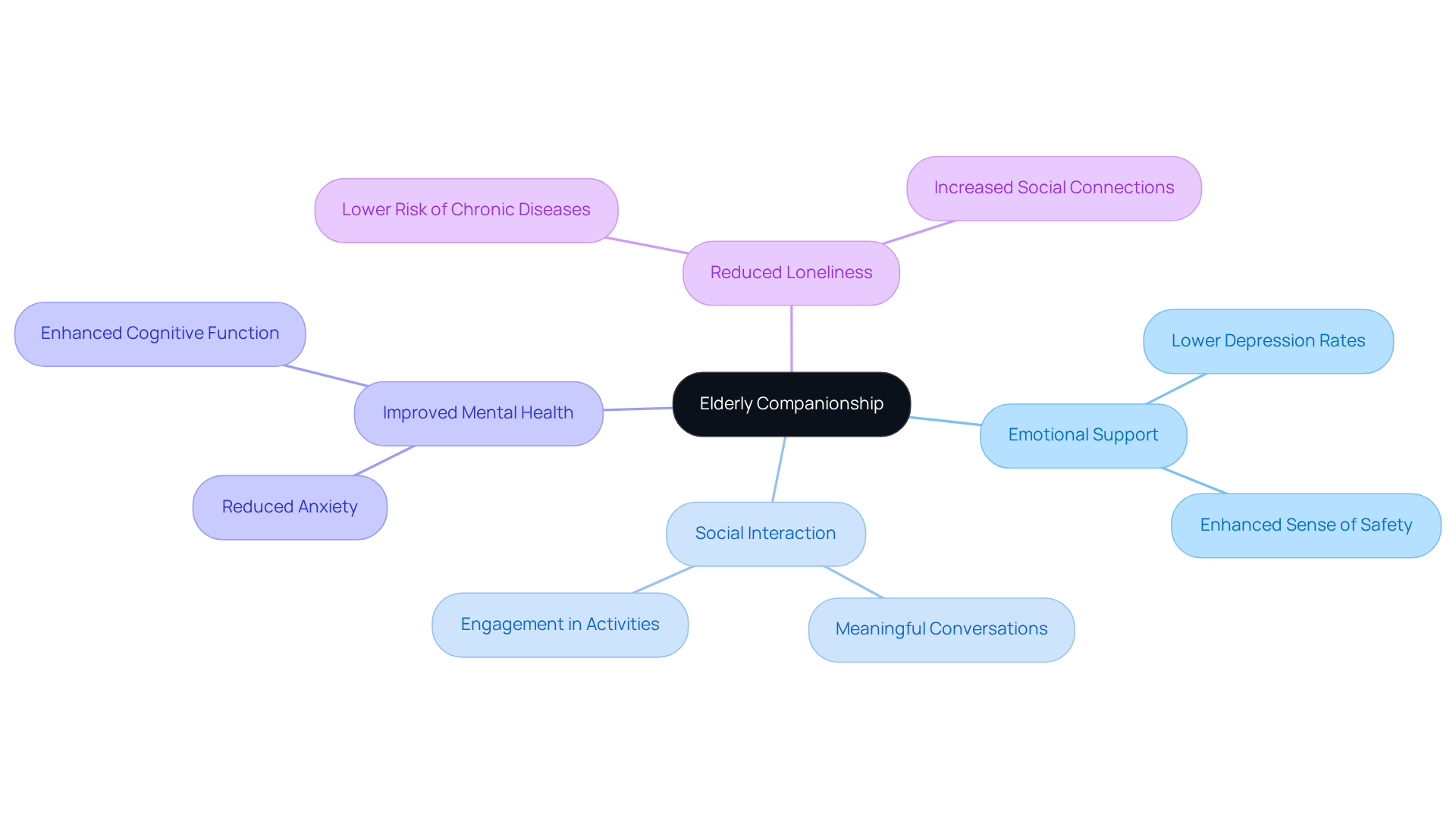
Elderly companionship, especially with an elderly companion near me, is vital in providing emotional support and social interaction for seniors who may feel isolated or lonely. Companions engage in meaningful conversations, participate in enjoyable activities, and assist seniors in maintaining their independence. This role is essential not only for combating loneliness but also for fostering improved mental health and overall well-being.
Research indicates that seniors who have regular companionship experience significantly lower rates of depression and anxiety. This highlights the profound impact social connections have on their quality of life. Studies have shown that companionship can reduce feelings of isolation, enhance cognitive function, and even lower the risk of chronic diseases associated with loneliness.
Recognizing these advantages is crucial for families seeking the right elderly companion near me for their loved ones. It ensures that seniors receive the emotional and social support they need for a fulfilling life. By prioritizing companionship, we can help our elderly relatives feel valued and connected, ultimately enriching their lives.
Evaluate Companion Care Services in Your Area
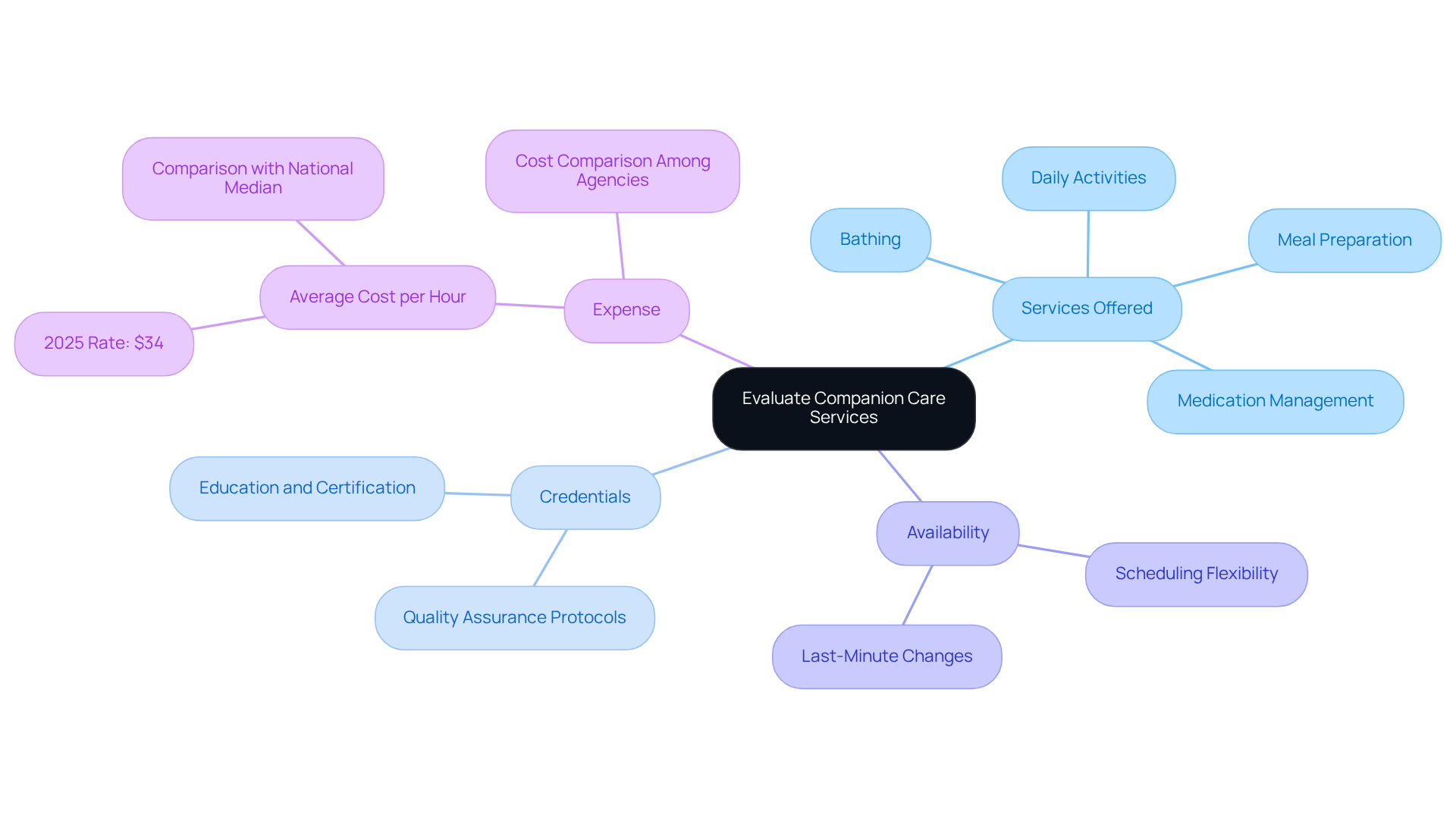
To discover the finest companion assistance services for your cherished ones, begin by exploring nearby options through online platforms, community resources, and personal recommendations. It’s essential to look for organizations that focus on elderly support and have garnered positive feedback. Here are some key factors to consider:
- Services Offered: Ensure the agency provides companionship tailored to your loved one's specific needs, such as assistance with daily activities, bathing, meal preparation, or medication management.
- Credentials: Confirm that caregivers are educated and certified in senior assistance, which is vital for ensuring quality support.
- Availability: Verify that the service can accommodate your scheduling needs, including flexibility for last-minute changes.
- Expense: In 2025, the average expense for companion assistance services is approximately $34 per hour, reflecting a slight increase from previous years. This aligns with the national median hourly rate for home health aides, which is also $34. Compare rates among agencies and understand what services are included in the pricing.
Websites like Care.com and Yelp can provide valuable insights into local options and user experiences, helping you make an informed decision. Additionally, consider seeking suggestions from friends, family, and healthcare providers for recommendations, as this can assist in identifying appropriate companion support agencies. Look for organizations that assign the same attendant to your family member, as this can foster a deeper connection and enhance the standard of care. By taking these thoughtful steps, you can ensure that your cherished one receives the compassionate and personalized support they truly deserve.
Select the Right Caregiver for Your Needs
Selecting the right caregiver for your loved one can feel overwhelming. It’s a journey filled with emotional challenges, but taking it step by step can ease the process and ensure that the needs of your elderly companion near me are met effectively.
-
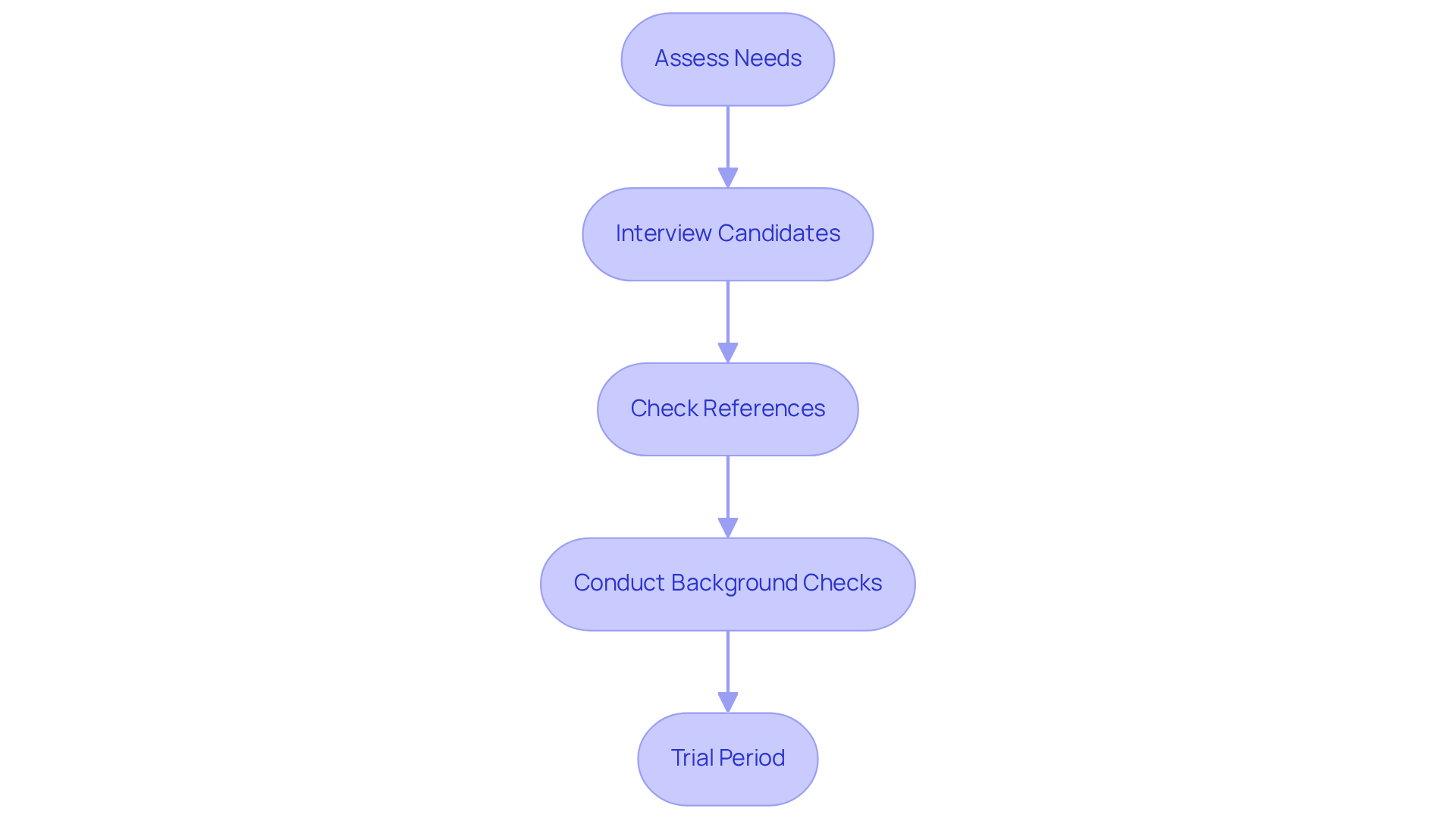
Assess Needs: Start by identifying the specific requirements of your loved one. Consider any medical conditions, mobility challenges, and personal preferences for activities. This evaluation is essential for customizing support to enhance the quality of life of my elderly companion near me. Remember, understanding their needs is the first step in providing compassionate care.
-
Interview Candidates: Prepare a thoughtful list of questions for prospective caregivers. Inquire about their experience in elderly care, availability, and their approach to companionship. For instance, understanding how they engage clients in enjoyable activities with an elderly companion near me can provide insight into their caregiving style. This is not just about qualifications; it’s about finding someone who can connect with your loved one.
-
Check References: Request references from previous clients or employers and take the time to reach out to them. This step is vital for gauging the provider's reliability and interpersonal skills, which are essential for building trust and rapport with your loved one. Hearing from others can provide peace of mind.
-
Conduct Background Checks: It is essential to perform thorough background checks on potential caregivers to ensure their trustworthiness and reliability. This step helps verify that the elderly companion near me has a clean record and meets the necessary qualifications, allowing you to feel secure in your choice.
-
Trial Period: If possible, arrange a trial phase to see how the caregiver interacts with your loved one. This allows families to evaluate compatibility and ensures that the provider can meet the emotional and physical needs of the senior before making a long-term commitment. It’s important that both parties feel comfortable having an elderly companion near me.
The typical caregiver in companion care services has about one year of experience, underscoring the importance of comprehensive screening. Establishing a long-term connection with a support provider should be based on trust and open communication, minimizing changes to provide a consistent and secure environment for seniors. Additionally, involving the senior in the decision-making process helps maintain their independence and ensures that their preferences are respected.
By following these steps, families can make informed decisions that prioritize the well-being and happiness of their loved ones. Remember, you are not alone in this journey; compassionate support is available to help you every step of the way.
Build a Trusting Relationship with Your Companion
To cultivate a trusting relationship with a companion, consider these nurturing strategies:
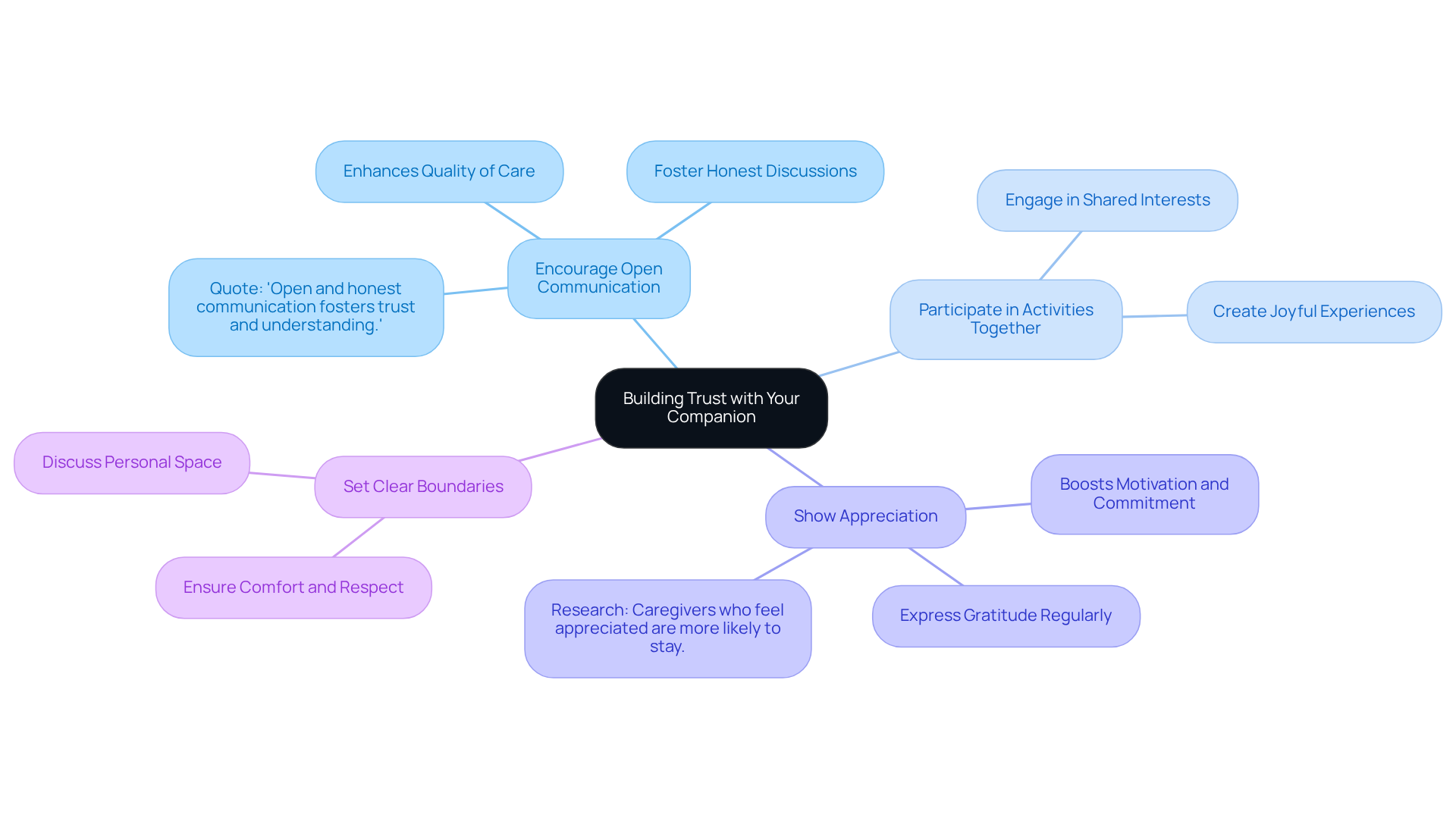
- Encourage Open Communication: Foster honest discussions about preferences, concerns, and expectations between the caregiver and the senior. Effective communication is essential; it not only builds trust but also enhances the quality of care provided. Studies show that individuals engaged in open dialogue report greater satisfaction and lower turnover rates. As William A. Dombi, President and CEO of the National Association for Home Care & Hospice, wisely states, "Open and honest communication fosters trust and understanding between the provider and the care recipient."
- Participate in Activities Together: Engage in shared interests or hobbies to deepen your bond and create joyful experiences. This not only enriches the companionship but also nurtures the emotional well-being of both parties.
- Show Appreciation: Regularly express gratitude for the individual’s efforts. Acknowledgment can significantly boost motivation and commitment, leading to a more dedicated caregiving experience. Research indicates that caregivers who feel appreciated are more likely to stay in their roles, helping to reduce the national turnover rate, which currently averages 77%.
- Set Clear Boundaries: Discuss and agree on personal space and privacy to ensure both parties feel comfortable and respected. Establishing these boundaries is crucial for maintaining a healthy relationship, allowing for a fulfilling companionship experience.
Building trust through these practices not only enhances the caregiver-senior relationship but also paves the way for finding an elderly companion near me, contributing to a more positive caregiving environment.
Making the Right Choice
Elderly companionship plays a vital role in enhancing the quality of life for seniors. It offers emotional support and social interaction that can significantly alleviate feelings of loneliness and isolation. By recognizing the importance of finding a suitable elderly companion nearby, families can ensure their loved ones receive the care and connection they need to thrive. This journey enriches the lives of seniors and provides peace of mind for families, knowing their loved ones are supported.
The article outlines essential steps in securing the right companion care services:
- Evaluating local options
- Assessing specific needs
- Interviewing potential caregivers
- Building trusting relationships
Each step is designed to facilitate informed and compassionate choices. Key considerations—such as services offered, caregiver credentials, and the importance of open communication—are emphasized as vital components in establishing a successful caregiving dynamic.
Ultimately, prioritizing companionship for the elderly is not just about addressing immediate needs; it fosters a deeper sense of belonging and well-being. By taking proactive steps to find the right elderly companion, families can contribute to a more fulfilling and enriched life for their loved ones. Embrace the opportunity to make a positive impact—seek companionship that not only meets practical needs but also nurtures the emotional and social health of seniors.
https://iframe.tely.ai/cta/eyJhcnRpY2xlX2lkIjogIjY4ZmMxMzE1OWNlYTkzMTRiMTExNjZkZCIsICJjb21wYW55X2lkIjogIjY4ZWU1ZGNhNzMxNzYyNTU3ZjNjOTVjMSIsICJpbmRleCI6IG51bGwsICJ0eXBlIjogImFydGljbGUifQ==Frequently Asked Questions
What is the role of elderly companionship?
Elderly companionship provides emotional support and social interaction for seniors, helping to combat feelings of isolation and loneliness. Companions engage in meaningful conversations, participate in enjoyable activities, and assist seniors in maintaining their independence.
How does companionship affect seniors' mental health?
Research indicates that seniors who have regular companionship experience significantly lower rates of depression and anxiety, highlighting the positive impact social connections have on their mental health and overall well-being.
What are the benefits of having an elderly companion?
Companionship can reduce feelings of isolation, enhance cognitive function, and lower the risk of chronic diseases associated with loneliness. It contributes to a more fulfilling life for seniors.
Why is it important for families to seek elderly companionship?
Families should seek elderly companionship to ensure their loved ones receive the emotional and social support they need, which can enrich their lives and help them feel valued and connected.