Find the Right Care Home for Dementia Near You: A Step-by-Step
For families in our service areas
For families in our service areas, this guide explains dementia care and how non-medical in-home caregiving can support care planning in East Idaho, Treasure Valley & Magic Valley, Northern Wasatch, North Central West Virginia, and Northeast Ohio.
What You Need to Know About Find the Right Care Home for Dementia
Navigating the complexities of dementia care presents a significant challenge for families striving to find the best environment for their loved ones. With over 55 million individuals affected by cognitive decline worldwide, it’s essential to understand the unique needs associated with various types of dementia. This understanding is crucial for making informed decisions about care options.
The implications of inadequate care can be profound, affecting not only the individuals with dementia but also their families. Families often feel overwhelmed and uncertain about what to look for in a care home. This guide aims to provide a comprehensive approach to finding the right care home, highlighting essential features and key questions that can significantly impact the quality of care.
As families embark on this journey, they must consider critical factors that ensure their loved ones receive the compassionate support they deserve. By focusing on specific needs and preferences, families can make choices that lead to better outcomes in dementia care.
Understand Dementia and Its Care Needs
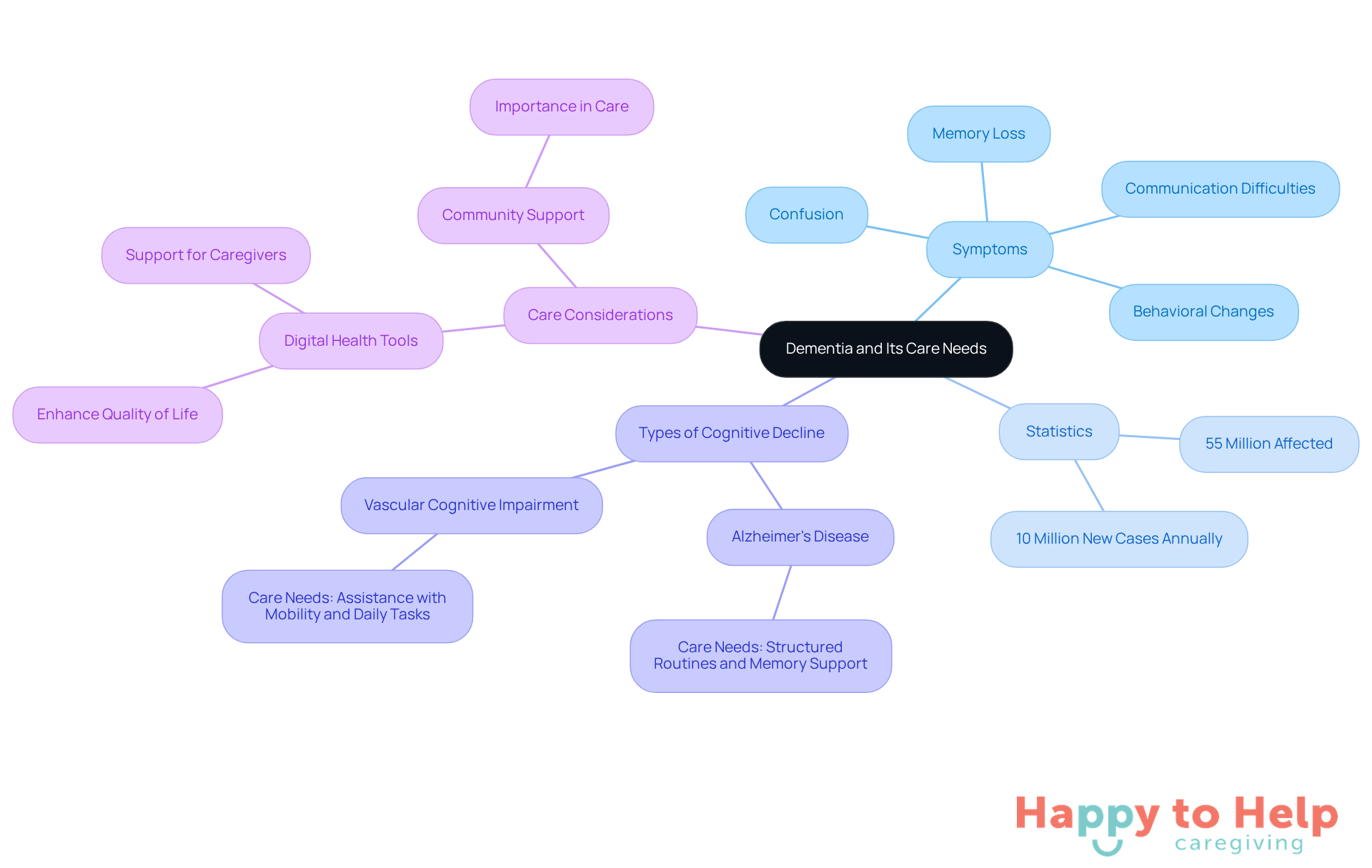
Dementia encompasses a range of symptoms that impact memory, thinking, and social abilities. It's crucial to recognize that cognitive decline isn't a single disease; rather, it's a syndrome resulting from various brain disorders, with Alzheimer's disease being the most common. Individuals experiencing cognitive decline may face challenges such as:
- Memory loss
- Confusion
- Communication difficulties
- Behavioral changes
Statistics reveal that over 55 million people worldwide are affected by cognitive decline, with nearly 10 million new cases emerging each year. This figure is projected to rise significantly as the population ages, with estimates suggesting that the number of individuals aged 80 and older will more than double by 2050. Understanding the specific type of cognitive decline a loved one is experiencing is essential for families when selecting a care home for dementia near me, as this directly influences the level of care required. For instance, someone with Alzheimer's may benefit from structured routines and memory support, while those with vascular cognitive impairment might need assistance with mobility and daily tasks.
To enhance the quality of life for individuals with cognitive impairments, integrating digital health tools into age-friendly environments with strong community support is vital. As Dr. David Novillo Ortiz noted, while digital tools cannot cure cognitive decline, they can significantly improve the quality of life for both patients and caregivers. By understanding the specific type of cognitive decline and its associated support needs, families can make informed decisions when selecting a care home for dementia near me, ensuring their loved ones receive the appropriate care and environment conducive to their well-being.
Identify Key Features of Quality Care Homes
When searching for a care home for dementia near me, caregivers face significant challenges. Finding a care home for dementia near me that meets the unique needs of individuals with cognitive impairments can be daunting. Here are some key features to consider that can help ensure the best care:
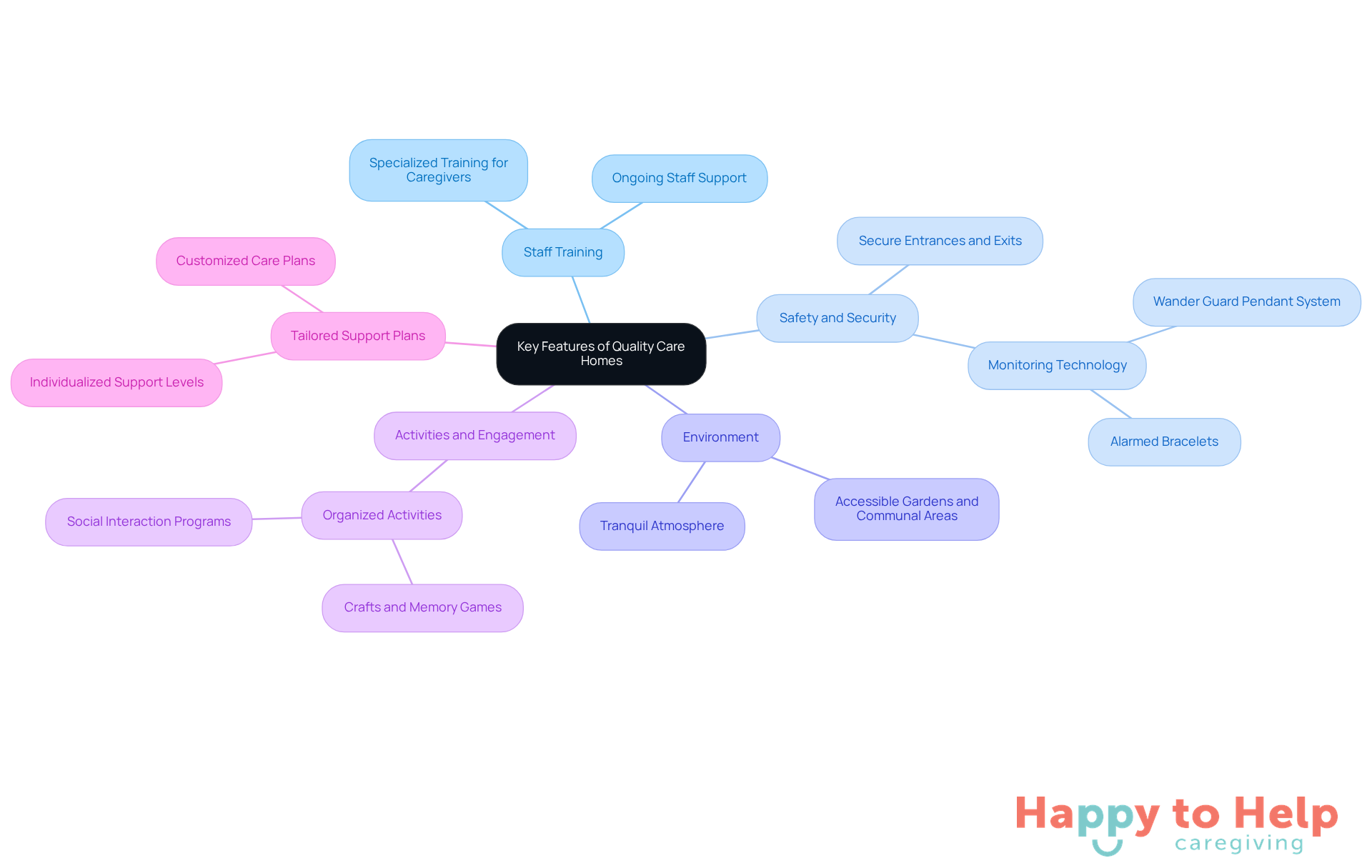
- Staff Training: Caregivers must have specialized training in supporting cognitive impairment. Understanding the distinct behaviors and needs of residents is crucial. Ongoing staff support is vital for the safety and well-being of individuals, ensuring they receive consistent and attentive care.
In a care home for dementia near me, safety and security are prioritized with secure entrances and exits to prevent wandering, which is a major concern for those with dementia. Implementing safety measures like alarmed bracelets and monitored access points in a care home for dementia near me can greatly enhance security for residents and provide peace of mind for families.
-
Environment: A tranquil, familiar atmosphere can significantly reduce confusion and anxiety. Features such as peaceful zones, accessible gardens, and cozy communal areas create a comforting environment for residents.
-
Activities and Engagement: Quality facilities offer organized activities tailored to residents' interests and cognitive abilities. Engaging programs, such as crafts and memory games, promote social interaction and stimulate mental activity, which is vital for maintaining cognitive function and reducing wandering risks.
-
Tailored Support Plans: Customized support plans that address the unique needs and preferences of each resident are essential. This ensures that individuals receive the appropriate level of support, enhancing their overall quality of life.
Research and Visit Potential Care Homes
To effectively research and evaluate potential care homes for dementia near me, caregivers face a significant challenge: finding the right facility that meets their loved one's needs. This task can be overwhelming, especially considering that around 40% of individuals in assisted living centers are affected by Alzheimer's disease or other cognitive impairments. The implications of inadequate support can be profound, impacting the well-being and dignity of those experiencing cognitive decline.
Compile a list of care homes for dementia near me that focus on providing assistance. Utilize local directories, online reviews, and recommendations from healthcare professionals to identify a care home for dementia near me as a suitable option.
-
Check Reviews and Ratings: Investigate online evaluations and ratings from current and former occupants and their families. Websites like Medicare.gov and local aging services can provide valuable insights into the quality of assistance offered.
-
Schedule Visits: Arrange visits to your top choices. During these visits, observe the environment, staff interactions, and overall atmosphere of the facility to assess its suitability for your loved one.
-
Interact with Personnel: Converse with caregivers and management to assess their understanding and methods regarding dementia support. Ask about staff-to-resident ratios and the training programs available, as these elements greatly influence the quality of support. According to elder support advisors, comprehending the staff's training and experience is essential in guaranteeing your loved one receives the best possible assistance.
-
Assess the Environment: Pay close attention to the cleanliness, safety features, and accessibility of the facility. Ensure that it feels welcoming and comfortable, fostering a sense of security for your loved one. With the national median costs for assisted living services at $5,350 monthly, it's essential to consider the overall value and quality of assistance provided.
By adhering to these guidelines, families can make informed choices that prioritize the well-being and dignity of individuals experiencing cognitive decline.

Ask Essential Questions During Your Evaluation
When evaluating potential care homes for dementia near me, families face a significant challenge: ensuring their loved ones receive the best possible support. This concern is heightened by the reality that many facilities may not meet the necessary standards for quality care.
To navigate this complex landscape, it's crucial to ask the following essential questions:
-
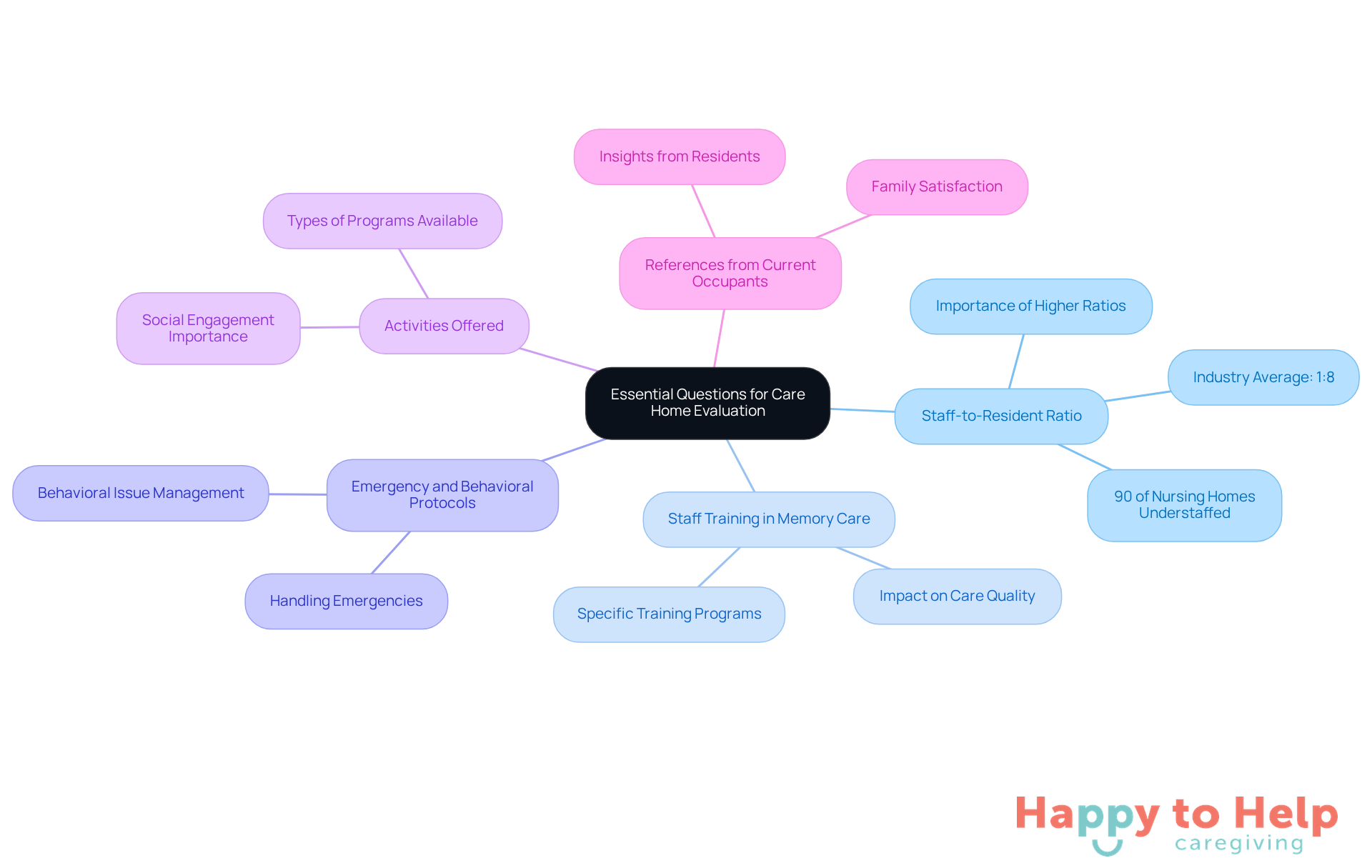
What is the staff-to-resident ratio? Understanding this ratio is vital, as a higher ratio typically indicates greater individual attention and tailored support for residents. For example, the industry average in assisted living communities is often around 1:8, meaning one caregiver oversees eight residents. However, it's important to note that nine in 10 nursing homes do not meet expected staffing levels, which can significantly impact the quality of service.
-
What training do staff members receive in memory care? Inquire about the specific training programs available for caregivers. Well-trained staff are better equipped to handle the unique challenges associated with dementia, leading to improved outcomes for individuals. According to LTCCC, adequate staffing is a key indicator of a nursing home’s quality and safety.
-
How do you handle emergencies or behavioral issues? Knowing the facility's protocols for emergencies and behavioral challenges can provide peace of mind. Effective training and clear procedures are essential for ensuring the safety and well-being of residents.
-
What activities are offered for individuals living here? Engaging in social and recreational activities is crucial for maintaining the mental and emotional well-being of residents. Ask about the types of programs available to keep individuals active and connected.
-
Can you provide references from current occupants or their families? Speaking with individuals who have firsthand experience can offer valuable insights into the facility's quality and the overall satisfaction of residents and their families.
By asking these questions, families can better assess the suitability of a care home for dementia near me for their loved ones, ensuring they receive compassionate and effective care.
Moving Forward with Find the Right Care Home for Dementia
Finding the right care home for a loved one with dementia presents a significant challenge. Dementia is not merely a single condition; it encompasses a spectrum of cognitive impairments that require specialized care. Understanding the specific needs associated with different types of dementia is crucial for families to ensure their loved ones receive appropriate support and an environment that enhances their quality of life.
The implications of this challenge are profound. Families often feel overwhelmed by the complexities of selecting a care home that meets their loved one's unique needs. Key aspects to consider include:
- Staff training
- Safety measures
- Engaging activities
- Personalized care plans
Researching potential facilities, visiting them, and asking critical questions can significantly influence the decision-making process.
To navigate these complexities effectively, families should prioritize these elements. Taking the time to understand dementia and its implications empowers caregivers to make informed choices. This journey not only ensures that individuals receive compassionate and effective care but also fosters a sense of dignity and well-being for those facing cognitive decline.
By following these guidelines, families can find a care home for dementia that truly supports their loved ones in living fulfilling lives. Remember, the right care home can make all the difference in enhancing the quality of life for individuals with dementia.
https://iframe.tely.ai/cta/eyJhcnRpY2xlX2lkIjogIjY5MjY0MzZjNTA1M2U2YTE3NTJiNzdjZSIsICJjb21wYW55X2lkIjogIjY4ZWU1ZGNhNzMxNzYyNTU3ZjNjOTVjMSIsICJpbmRleCI6IG51bGwsICJ0eXBlIjogImFydGljbGUifQ==Frequently Asked Questions
What is dementia and how does it affect individuals?
Dementia encompasses a range of symptoms that impact memory, thinking, and social abilities. It is a syndrome resulting from various brain disorders, with Alzheimer's disease being the most common.
What are some common challenges faced by individuals experiencing cognitive decline?
Individuals may face challenges such as memory loss, confusion, communication difficulties, and behavioral changes.
How prevalent is cognitive decline worldwide?
Over 55 million people worldwide are affected by cognitive decline, with nearly 10 million new cases emerging each year. This number is projected to rise significantly as the population ages.
Why is it important to understand the specific type of cognitive decline when selecting a care home?
Understanding the specific type of cognitive decline is essential for families as it directly influences the level of care required. Different types of cognitive decline, such as Alzheimer's or vascular cognitive impairment, may necessitate different support strategies.
What kind of support might individuals with Alzheimer's disease need?
Individuals with Alzheimer's may benefit from structured routines and memory support.
What is the role of digital health tools in dementia care?
Digital health tools can significantly improve the quality of life for both patients and caregivers, although they cannot cure cognitive decline. Integrating these tools into age-friendly environments with strong community support is vital.
How can families ensure their loved ones receive appropriate care for cognitive decline?
Families can make informed decisions when selecting a care home by understanding the specific type of cognitive decline and its associated support needs, ensuring the environment is conducive to their loved ones' well-being.
List of Sources
- Understand Dementia and Its Care Needs
- One in Five People with Dementia Receive No Care, Global Study Finds (https://ysph.yale.edu/news-article/one-in-five-people-with-dementia-receive-no-care-global-study-finds)
- Mayo Clinic's AI tool identifies 9 dementia types, including Alzheimer's, with one scan - Mayo Clinic News Network (https://newsnetwork.mayoclinic.org/discussion/mayo-clinics-ai-tool-identifies-9-dementia-types-including-alzheimers-with-one-scan)
- Telemedicine shows promise in improving dementia care, WHO study finds (https://who.int/europe/news/item/06-11-2025-telemedicine-shows-promise-in-improving-dementia-care--who-study-finds)
- 2025 NIH Alzheimer’s Disease and Related Dementias Research Progress Report: Advances and Achievements (https://nia.nih.gov/about/2025-nih-dementia-research-progress-report)
- UCSF Leads Statewide Efforts to Improve Dementia Care, Diagnosis (https://ucsf.edu/news/2025/06/430296/ucsf-leads-statewide-efforts-improve-dementia-care-diagnosis)
- Identify Key Features of Quality Care Homes
- New dementia training promises better communication, reduced turnover (https://mcknights.com/news/new-dementia-training-promises-better-communication-reduced-turnover)
- Safety Measures in Dementia Care Homes Give Peace of Mind to Residents' Families (https://ecumenicalretirement.org/blog/safety-measures-in-dementia-care-homes-give-peace-of-mind-to-residents-families)
- Increased staffing may only be part of improved care for nursing home residents with dementia (https://nia.nih.gov/news/increased-staffing-may-only-be-part-improved-care-nursing-home-residents-dementia)
- 9 Essential Qualities Of The Best Memory Care Homes (https://tributeseniorliving.com/essential-qualities-of-the-best-memory-care-homes)
- Research and Visit Potential Care Homes
- Dementia: New model of home care proves effective in practice (https://medicalxpress.com/news/2025-10-dementia-home-effective.html)
- Memory Care Facility Statistics (https://rosewood-nursing.com/post/memory-care-facility-statistics)
- Dementia housing without locked wards? It's a small but growing movement (https://npr.org/sections/shots-health-news/2025/11/17/nx-s1-5600877/dementia-alzheimers-care-housing-senior-living-inclusion-segregation)
- Facts & Figures (https://ahcancal.org/Assisted-Living/Facts-and-Figures/Pages/default.aspx)
- Specialized dementia care in nursing homes linked to better outcomes for residents (https://nia.nih.gov/news/specialized-dementia-care-nursing-homes-linked-better-outcomes-residents)
- Ask Essential Questions During Your Evaluation
- Nursing Home Staffing Data - NursingHome411 (https://nursinghome411.org/data/staffing)
- Managing interruptions to medicines rounds in care homes - The Health Innovation Network (https://thehealthinnovationnetwork.co.uk/case\_studies/managing-interruptions-to-medicines-rounds-in-care-homes)
- Increased staffing may only be part of improved care for nursing home residents with dementia (https://nia.nih.gov/news/increased-staffing-may-only-be-part-improved-care-nursing-home-residents-dementia)
- 27 Inspirational Quotes for Caregivers (https://ultimatecareny.com/resources/27-quotes-for-caregivers)
- Staff-to-Resident Ratios in Assisted Living (https://aplaceformom.com/caregiver-resources/articles/staff-ratio-assisted-living)