
Understanding Your Options
This article serves as a compassionate guide for families navigating the journey of finding the right caregiver office. It begins by acknowledging the emotional challenges caregivers often face, emphasizing the importance of assessing care needs. By researching local options and evaluating qualifications, families can feel empowered in their decision-making process. Conducting interviews further personalizes the experience, allowing families to connect on a deeper level with potential caregivers.
Understanding the medical, daily, and social requirements of loved ones is crucial. This comprehensive approach not only highlights the practical steps involved but also reassures families that they are making choices tailored to their unique situations. Ultimately, the goal is to foster informed decisions that reflect the specific needs of each individual, ensuring that families feel supported and cared for throughout this important process.
The Importance of Find the Right Caregiver Office Near
Finding the right caregiver for a loved one is a journey that many families embark on, often filled with uncertainties and emotional challenges. It can be overwhelming to navigate this path. Understanding the specific needs and preferences of those requiring care is the first crucial step in this process. This guide not only illuminates the way to identifying suitable caregiver offices nearby but also equips you with the tools to assess qualifications, evaluate services, and ensure compatibility.
With so many options available, it’s natural to feel stressed or unsure. How can one navigate the complexities of selecting the best caregiver office to provide the necessary support and companionship? Rest assured, you are not alone in this journey, and there are compassionate resources available to help guide you.
Assess Your Care Needs and Preferences
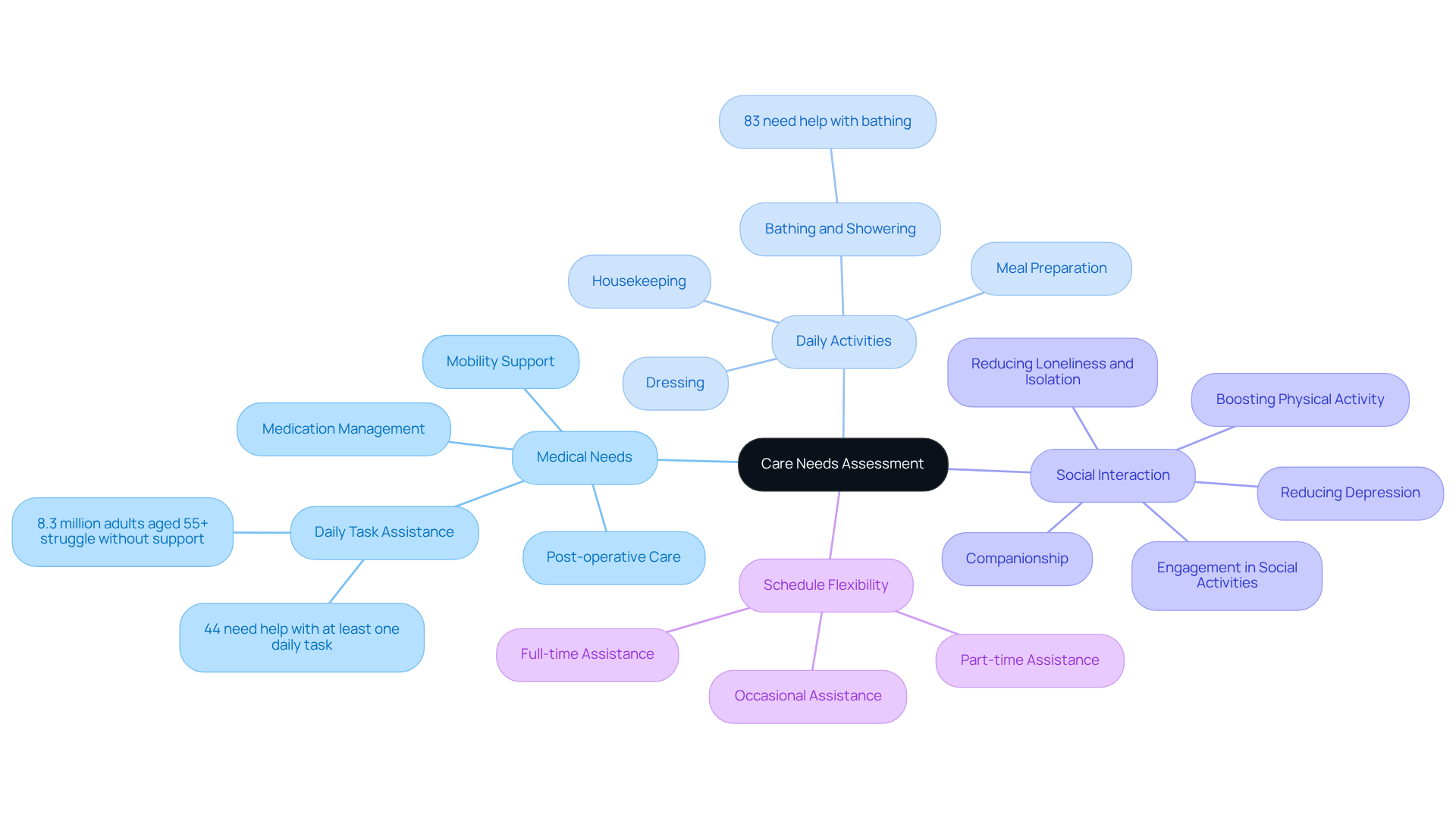
To effectively locate the appropriate caregiver services, it’s crucial to first understand the specific support needs of your loved one. Begin by considering these important factors:
- Medical Needs: Reflect on whether your loved one requires help with medication management, mobility support, or post-operative care. It’s significant to note that around 44% of individuals receiving home care need assistance with at least one daily task. This highlights the importance of addressing medical needs. In 2020, 8.3 million adults aged 55 and older struggled with daily activities without any support, underscoring the urgency of assessing these needs.
- Daily Activities: Identify which daily tasks may require assistance, such as bathing, dressing, meal preparation, or housekeeping. Notably, 83% of seniors receiving help at home specifically need support with bathing and showering.
- Social Interaction: Consider the value of companionship. Emotional support can greatly enhance quality of life. Engaging in social activities can alleviate feelings of loneliness and isolation, which many seniors experience. Research shows that social connections can boost physical activity and reduce depression, further emphasizing the importance of social interaction.
- Schedule Flexibility: Think about the level of assistance needed—whether it’s full-time, part-time, or occasional. This flexibility is vital in ensuring that support aligns with your loved one’s lifestyle and preferences.
After creating a detailed list of needs, prioritize them to simplify your search for a caregiver office near me that can effectively meet these requirements. This personalized approach not only ensures that your loved one receives the necessary support but also nurtures a sense of independence and well-being. As Dr. Howard E. LeWine emphasizes, planning for care early is essential to effectively meet the needs of seniors.
Research Local Caregiver Offices
Begin your journey toward finding assistance by tapping into both online resources and local recommendations. Here’s a thoughtful approach:
-
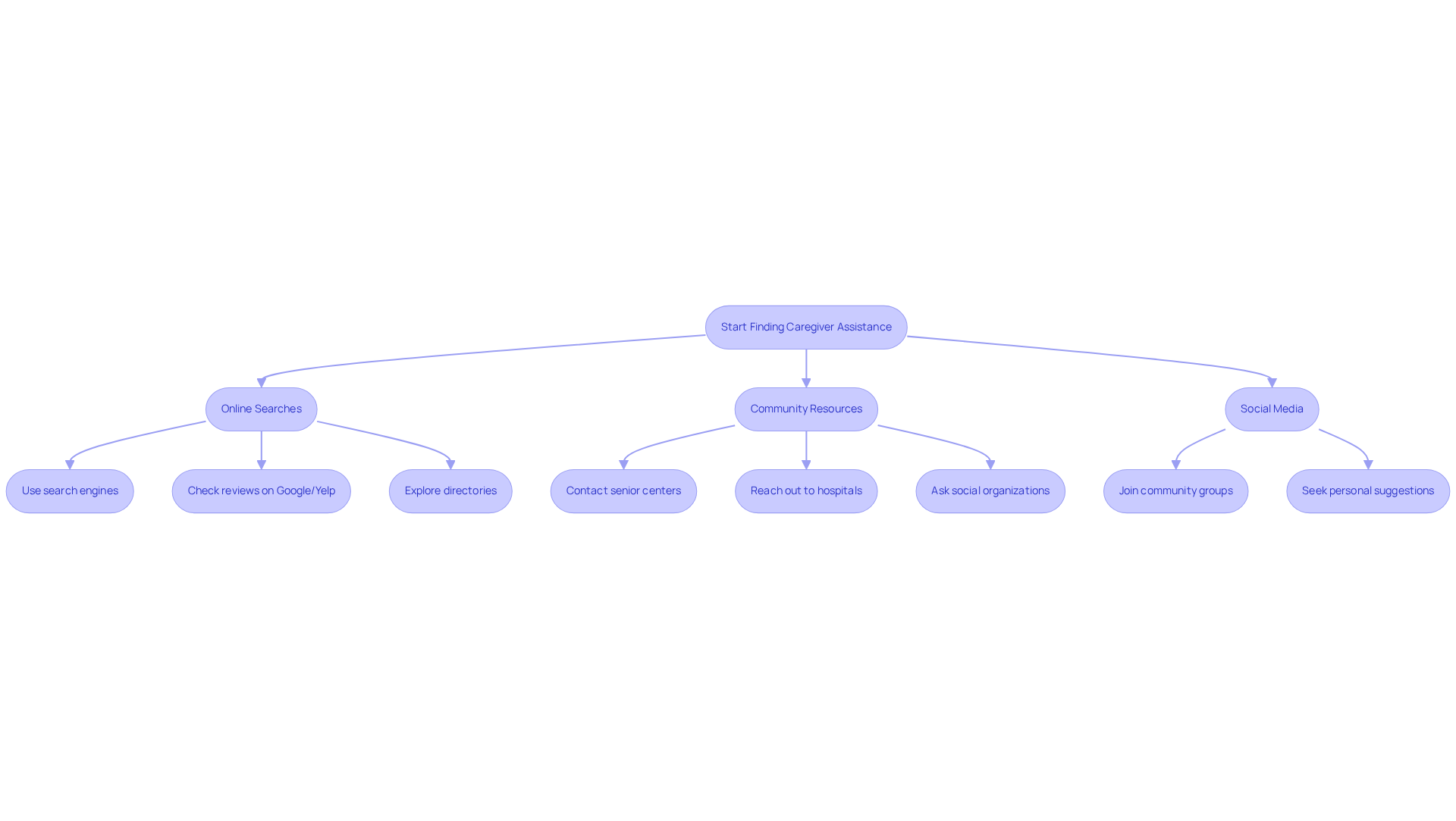
Online Searches: Start by using search engines to find caregiver offices nearby. Pay close attention to reviews and ratings on platforms like Google, Yelp, and specialized caregiving websites. These insights can reveal the quality of services available. It’s important to note that the average family caregiver spends around $7,200 each year from personal funds for caregiving expenses. This underscores the need to find reliable options that align with your budget. Take the time to explore local business directories or senior care directories that compile lists of options for a caregiver office near me. These resources often provide vital information about each provider's services and contact details.
-
Community Resources: Reach out to local senior centers, hospitals, or social organizations for trusted recommendations. These organizations typically have established relationships with reliable support providers and can help guide you to dependable choices, such as a caregiver office near me. Given the growing demand for home assistance due to an aging population, these resources can be invaluable.
-
Social Media: Connect with local community groups on platforms like Facebook. These groups can be a wonderful source for personal suggestions, as members often share their experiences and insights regarding available support options.
As you compile a list of potential support offices, remember to jot down their contact information and any relevant details about their services. This thoughtful approach will empower you to make informed decisions when selecting the right caregiver for your loved one. It’s essential to assess specific support needs before reaching out to services, ensuring that the chosen provider can meet your loved one’s unique requirements.
Evaluate Qualifications and Services Offered
When narrowing down your options for a caregiver office near me, it's essential to evaluate each one based on several key criteria that truly matter to you and your loved one.
-
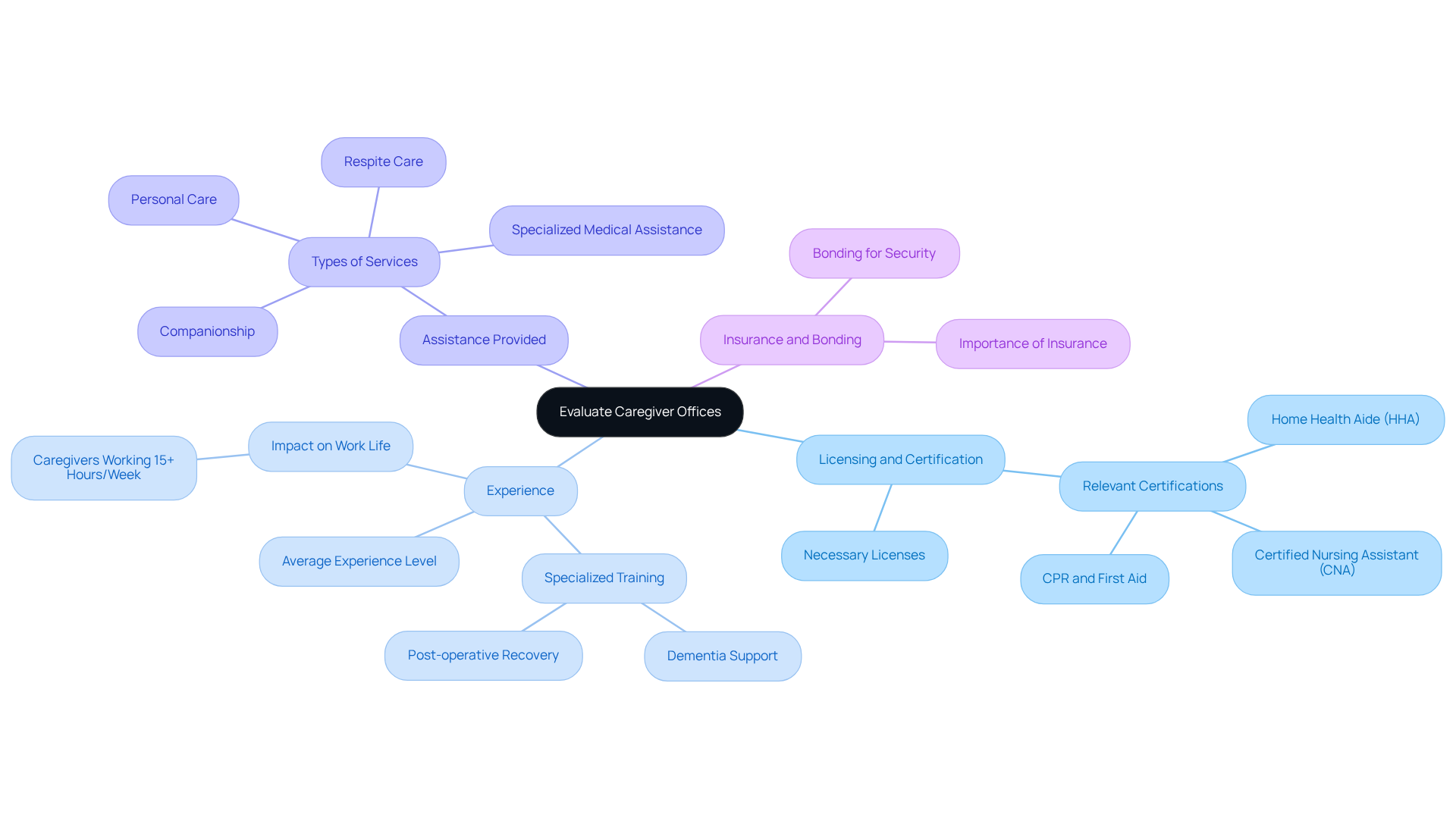
Licensing and Certification: It's vital to verify that the office holds the necessary licenses and that caregivers possess relevant certifications, such as Home Health Aide (HHA) or Certified Nursing Assistant (CNA) licenses, along with CPR or first aid. This ensures they are prepared to manage emergencies and deliver safe assistance, giving you peace of mind.
-
Experience: Inquire about the average experience level of support staff within the agency. Many providers in the home support sector have around one year of experience, but it's crucial to ask about their specific knowledge regarding conditions pertinent to your loved one. For instance, caregivers with specialized training in dementia support or post-operative recovery can significantly enhance the quality of care. Moreover, statistics reveal that caregivers working at least 15 hours per week often feel their caregiving responsibilities greatly impact their work life, underscoring the importance of their experience.
-
Assistance Provided: Take a close look at the variety of offerings available at each office. This may include companionship, personal care, respite care, or specialized medical assistance. By understanding the range of services, you can identify which caregiver office near me aligns best with your loved one's unique requirements.
-
Insurance and Bonding: Ensure that the office is insured and bonded. This protects you and your loved one in case of accidents or issues, providing a layer of security during the caregiving process.
Don't hesitate to request brochures or detailed service descriptions from each office; this will facilitate a thorough comparison of what they offer. By focusing on these criteria, you can make an informed decision that prioritizes the well-being and safety of your loved one, ensuring they receive the compassionate care they deserve.
Conduct Interviews and Assess Compatibility
Arrange interviews with the selected caregiver office near me. Conducting effective interviews can be a meaningful step in ensuring your loved one's needs are met.
-
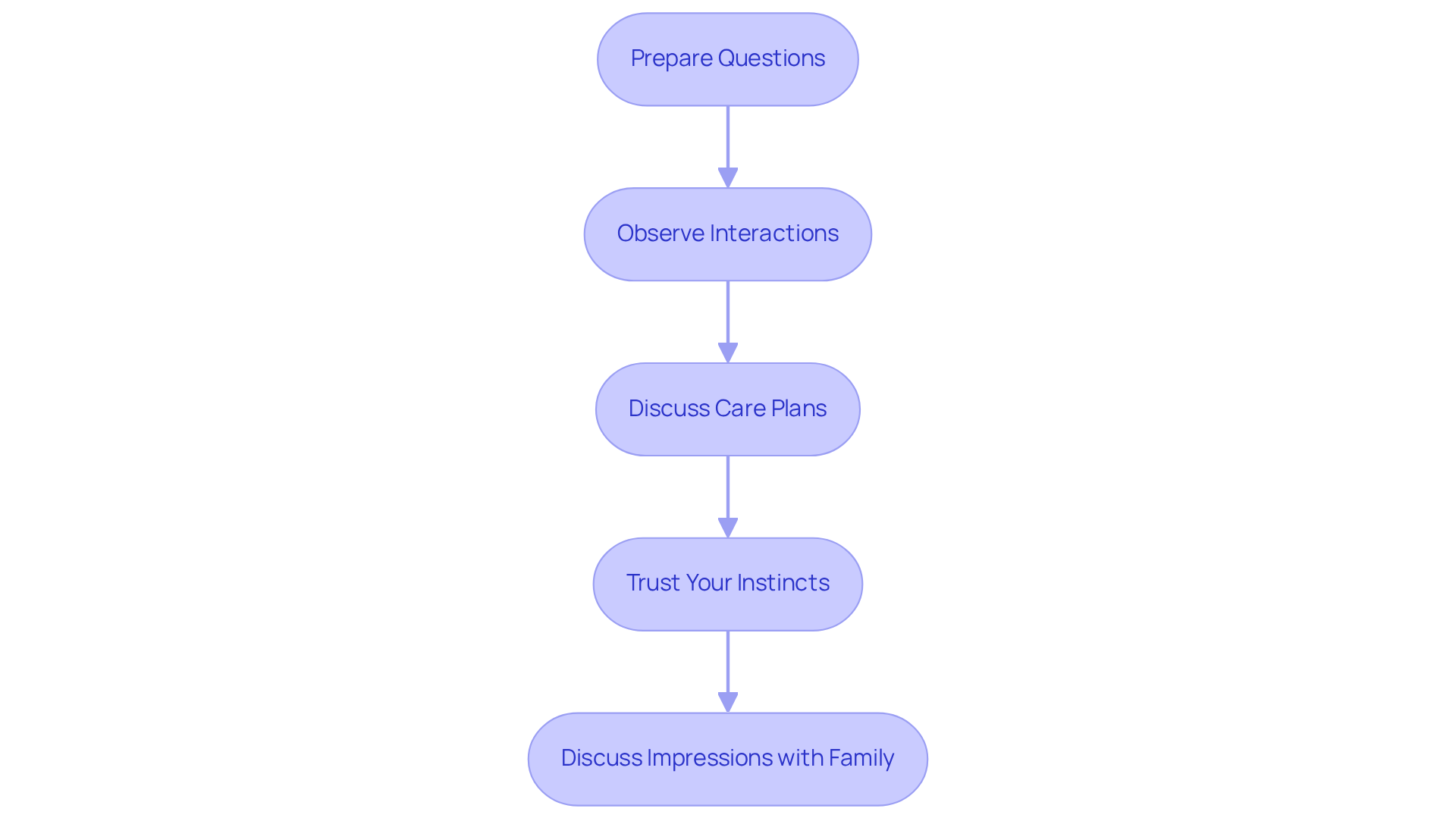
Prepare Questions: Think about the specific needs of your loved one. Create a list of questions that explore how the caregiver would handle various situations or their approach to companionship. This preparation can help you feel more at ease during the discussion.
-
Observe Interactions: During the interview, take note of how the provider interacts with your loved one. Look for signs of empathy, patience, and understanding. These qualities are essential for fostering a nurturing environment.
-
Discuss Care Plans: Engage in a conversation at the caregiver office near me about how they would tailor their care approach to suit the unique needs and preferences of your loved one. This dialogue can provide reassurance that their care will be personalized.
-
Trust Your Instincts: Pay attention to how comfortable your loved one feels with the caregiver. Compatibility is crucial for a successful caregiving relationship, and trusting your instincts can guide you in this important decision.
After the interviews, take the time to discuss your impressions with family members. Making a collective decision can create a supportive atmosphere as you move forward.
Taking the Next Steps
Finding the right caregiver office is a crucial step in ensuring your loved one receives the support they truly need. By thoughtfully assessing care requirements, exploring local options, evaluating qualifications, and engaging in meaningful interviews, families can make informed decisions that prioritize both safety and emotional well-being. This structured approach not only simplifies the search process but also nurtures a comforting environment for seniors.
Throughout this guide, we've highlighted the importance of understanding specific care needs and evaluating local resources. Key factors such as medical needs, daily activities, and the desired level of social interaction play a pivotal role in identifying suitable caregiver services. Furthermore, assessing qualifications, experience, and compatibility with potential caregivers ensures that the chosen office can provide the best possible care tailored to individual preferences.
Ultimately, the journey to find the right caregiver transcends mere assistance; it is about enhancing the quality of life for your loved one. By dedicating time to follow these steps, families can cultivate a supportive atmosphere that fosters independence and well-being. This proactive approach to caregiving underscores the profound impact that compassionate care can have on the lives of seniors, making it essential to invest the effort in finding the perfect fit.
https://iframe.tely.ai/cta/eyJhcnRpY2xlX2lkIjogIjY4ZjQyYTM0MTcxMTJiOTcwNmFlYTVhNiIsICJjb21wYW55X2lkIjogIjY4ZWU1ZGNhNzMxNzYyNTU3ZjNjOTVjMSIsICJpbmRleCI6IG51bGwsICJ0eXBlIjogImFydGljbGUifQ==Frequently Asked Questions
Why is it important to assess care needs and preferences before finding a caregiver?
Assessing care needs and preferences is crucial to ensure that the specific support requirements of your loved one are met, which helps in locating the appropriate caregiver services.
What types of medical needs should be considered when assessing care?
Consider whether your loved one requires assistance with medication management, mobility support, or post-operative care. Approximately 44% of individuals receiving home care need help with at least one daily task.
What daily activities might seniors need assistance with?
Seniors may need help with daily tasks such as bathing, dressing, meal preparation, and housekeeping. Notably, 83% of seniors receiving help at home specifically require support with bathing and showering.
How does social interaction impact seniors' well-being?
Social interaction provides emotional support that can enhance the quality of life for seniors. Engaging in social activities can alleviate feelings of loneliness and isolation, boost physical activity, and reduce depression.
What should be considered regarding schedule flexibility when assessing care needs?
It's important to think about the level of assistance required, whether it's full-time, part-time, or occasional support, to ensure that the caregiver services align with your loved one’s lifestyle and preferences.
How can prioritizing care needs help in finding a caregiver?
Creating and prioritizing a detailed list of care needs simplifies the search for a caregiver office that can effectively meet those requirements, ensuring that your loved one receives the necessary support while maintaining independence and well-being.
Why is early planning for care emphasized by experts?
Early planning for care is essential to effectively meet the needs of seniors, as it allows for a more tailored approach to their specific support requirements.