

For families in our service areas
For families in our service areas, this guide explains caregiving and how non-medical in-home caregiving can support care planning in East Idaho, Treasure Valley & Magic Valley, Northern Wasatch, North Central West Virginia, and Northeast Ohio.
Understanding Find the Right Caretaker Near Me: 4
Finding the right caretaker for a loved one can feel like navigating a complex maze, especially when the stakes are high. Families often face the daunting task of assessing unique care needs, exploring various options, and ensuring the safety and compatibility of potential caregivers. This guide outlines essential steps that simplify the search for a caretaker and empower families to make informed decisions.
The emotional weight of this responsibility can be overwhelming. Families must balance their feelings with the practical steps required to secure the best care for their loved ones. How can they effectively navigate this challenging process? This guide provides actionable solutions to help families find the right caretaker, ensuring peace of mind and quality care.
Assess Care Needs and Preferences
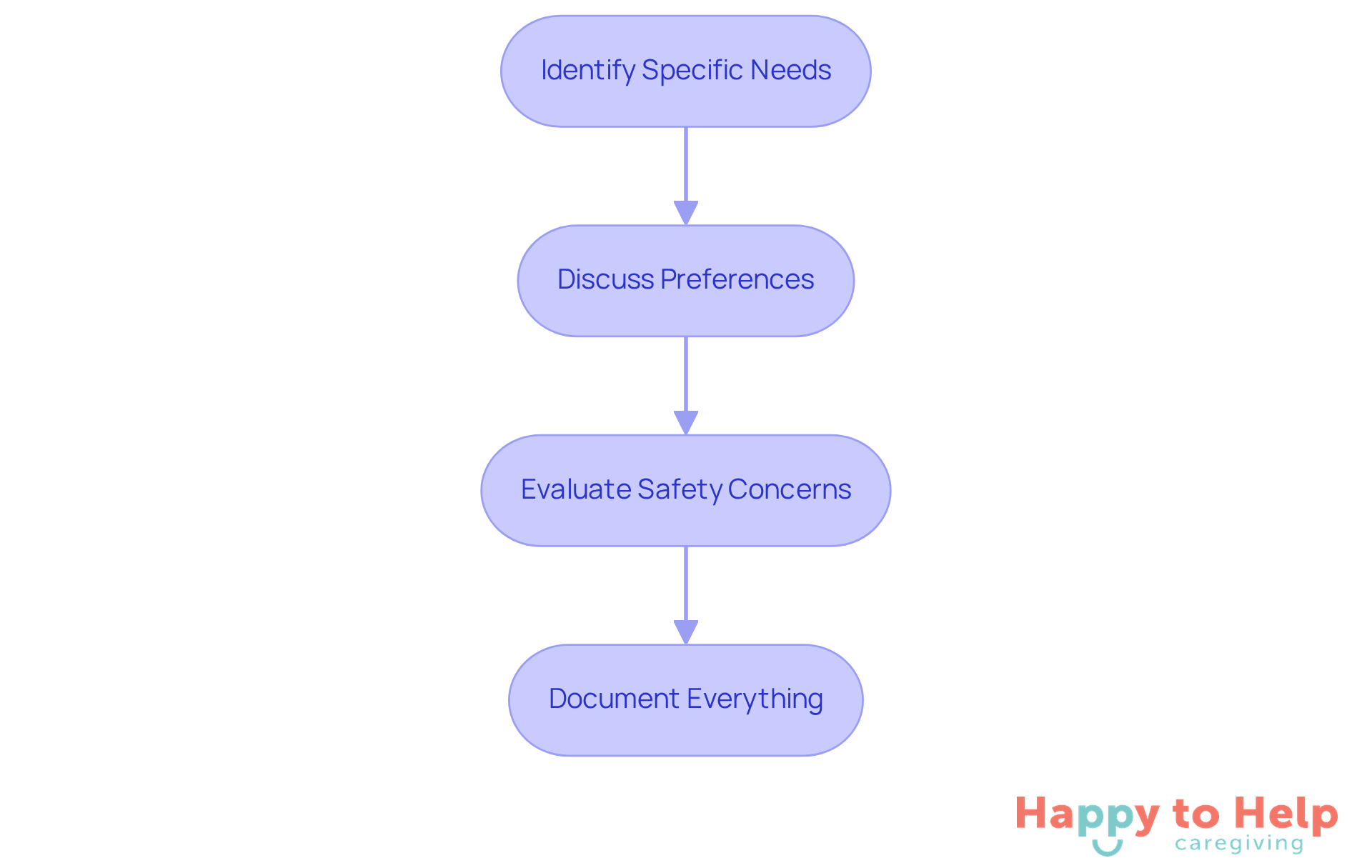
Identify Specific Needs: Caregivers often face the challenge of understanding the specific needs of their family members. Start by listing daily activities that may be difficult for them, such as bathing, dressing, meal preparation, or medication management. Notably, 85% of older adults have at least one chronic health condition, highlighting the importance of this understanding. Additionally, consider any medical conditions that require specialized care.
Discuss Preferences: Engaging your loved one in conversations about their preferences is crucial. Do they prefer a male or female attendant? What activities do they enjoy? Understanding their personality and lifestyle will aid in selecting a compatible caregiver. It's important to note that 70% of respondents prefer to remain at home with support as they age, making their input vital in this decision.
Evaluate Safety Concerns: Assessing the home environment for safety hazards is essential. Look for fall risks or the need for mobility aids. This evaluation is critical, as 56% of older adults find navigating the health care system difficult and stressful, which can impact their independence. Addressing these issues will inform the level of care needed.
Document Everything: Create a comprehensive care requirements assessment document that outlines all identified preferences and necessities. This document will serve as a reference when discussing options with a caretaker near me. As Terry Fulmer, President of The John A. Hartford Foundation, emphasizes, prioritizing the requirements and wishes of older adults is crucial when looking for a caretaker near me.
Explore Care Options Available
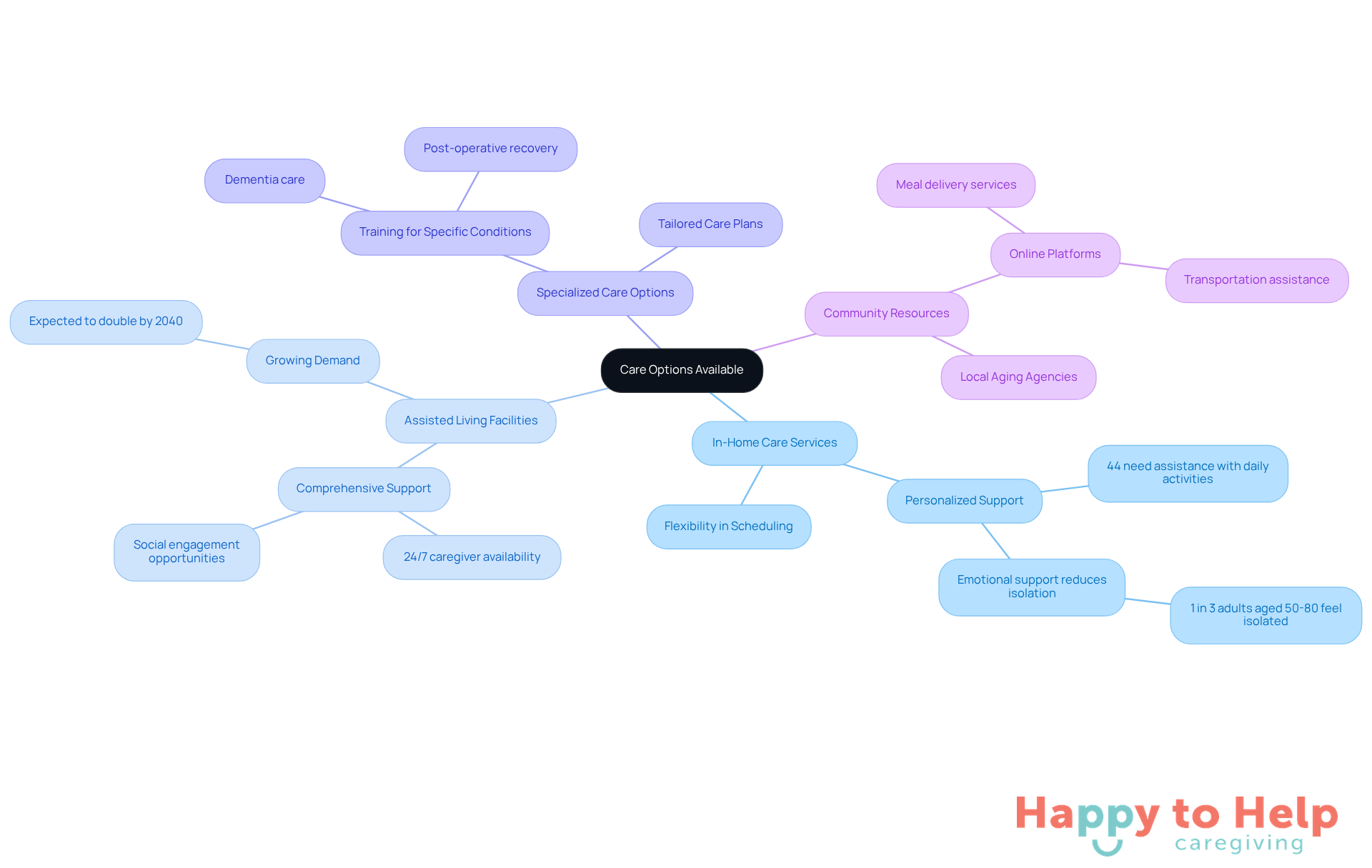
In-Home Care Services: Many families face the challenge of finding a caretaker near me for their loved ones. Researching local agencies that provide in-home care, like Happy to Help Caregiving, can help you find a caretaker near me as a great start. These agencies offer personalized services tailored to individual needs, making it easier to find a caretaker near me who allows for flexibility in scheduling. In fact, 44% of home care recipients need assistance with at least one daily activity, underscoring the importance of personalized support. Moreover, caregivers provide essential emotional support, as one in three adults aged 50-80 report feeling isolated at least some of the time.
Assisted Living Facilities: If your loved one requires more comprehensive support or social interaction, an assisted living facility might be a better fit. Families often grapple with the decision between assisted living and home care. It's crucial to weigh the benefits of 24/7 support from aides and vibrant social connections against the desire for familiarity and autonomy that in-home assistance provides. Notably, the anticipated need for assisted living arrangements is expected to more than double by 2040, indicating a growing demand for these options.
Specialized Care Options: For conditions like dementia or post-operative recovery, specialized services may be necessary. Caregivers with specific training can significantly improve outcomes for individuals with unique health needs. Tailored care plans are essential in these situations, ensuring that the specific requirements of each individual are met.
Community Resources: Don't overlook community resources such as local aging agencies or online platforms. These can help you find additional support services, including meal delivery or transportation assistance. Utilizing these resources can complement the primary care provided by agencies like Happy to Help Caregiving, enhancing your family member's overall well-being while keeping them connected to their community.
Research and Evaluate Caregivers
Problem: Finding the right caregiver for your loved one can be daunting. Without proper vetting, you risk compromising their safety and well-being.
Agitate: Imagine the stress of entrusting someone with the care of a family member, only to discover they lack the necessary qualifications or have a questionable background. This can lead to not only emotional distress but also potential harm to your loved one.
Solution: Here are some essential steps to ensure you choose the right caregiver:
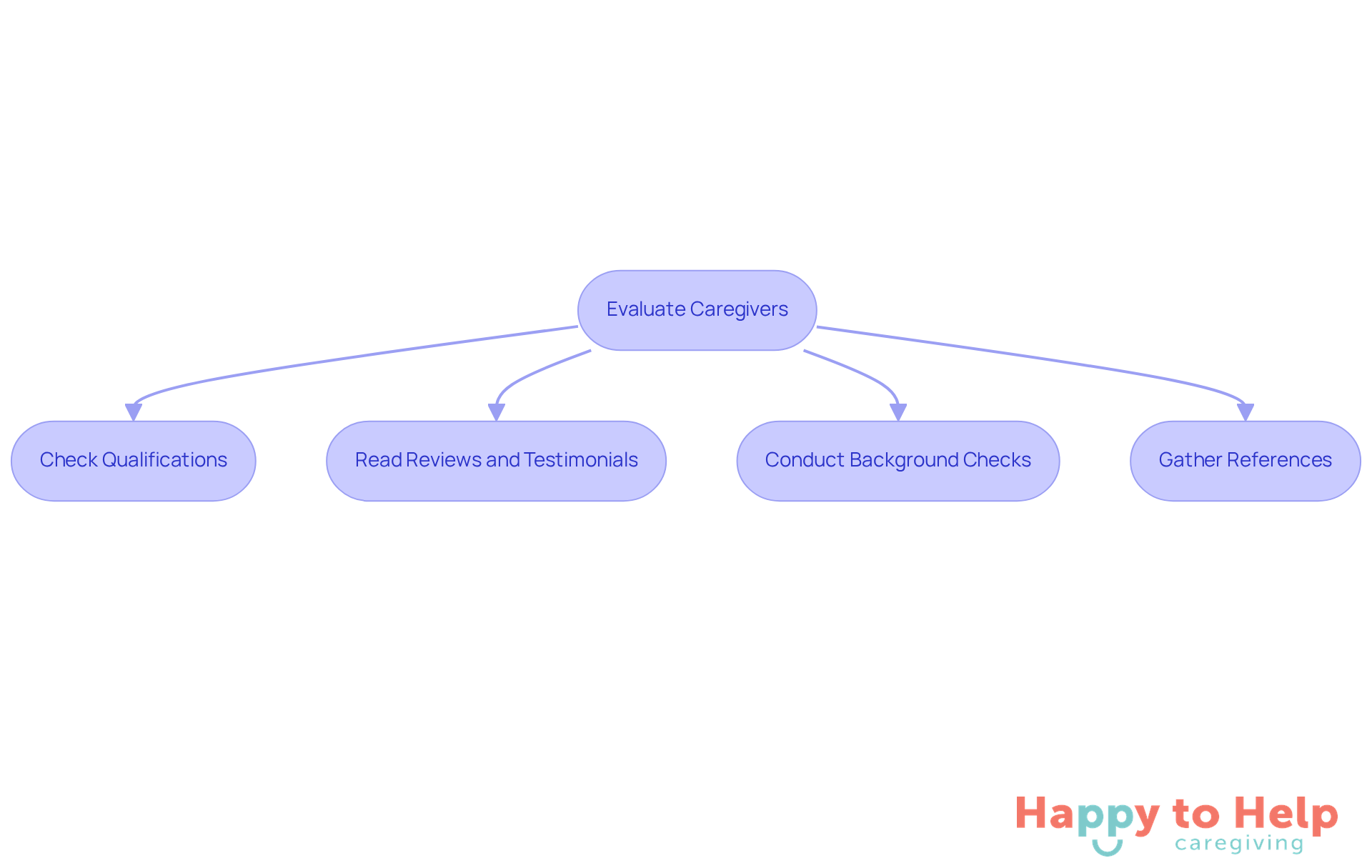
- Check Qualifications: Verify the attendant's certifications, training, and experience in senior care. Look for specialized training relevant to your loved one's needs.
- Read Reviews and Testimonials: Look for online reviews or request testimonials from former clients to assess the provider's reputation and reliability.
- Conduct Background Checks: Ensure that a thorough background check is performed, including criminal history and previous employment verification, to ensure safety.
- Gather References: Request references from past employers or clients and reach out to them to inquire about their experiences with the provider.
Interview and Screen Potential Caregivers
Identifying Caregiver Challenges: Selecting the right support provider can be daunting for caregivers. It’s crucial to ensure that the individual not only has the necessary skills but also aligns with the needs of your family member. Misalignment can lead to stress and inadequate care.
Understanding the Implications: When caregivers fail to choose the right support, it can result in emotional strain for both the caregiver and the individual receiving care. This situation can exacerbate existing challenges, making it essential to approach the selection process thoughtfully.
Practical Solutions:
-
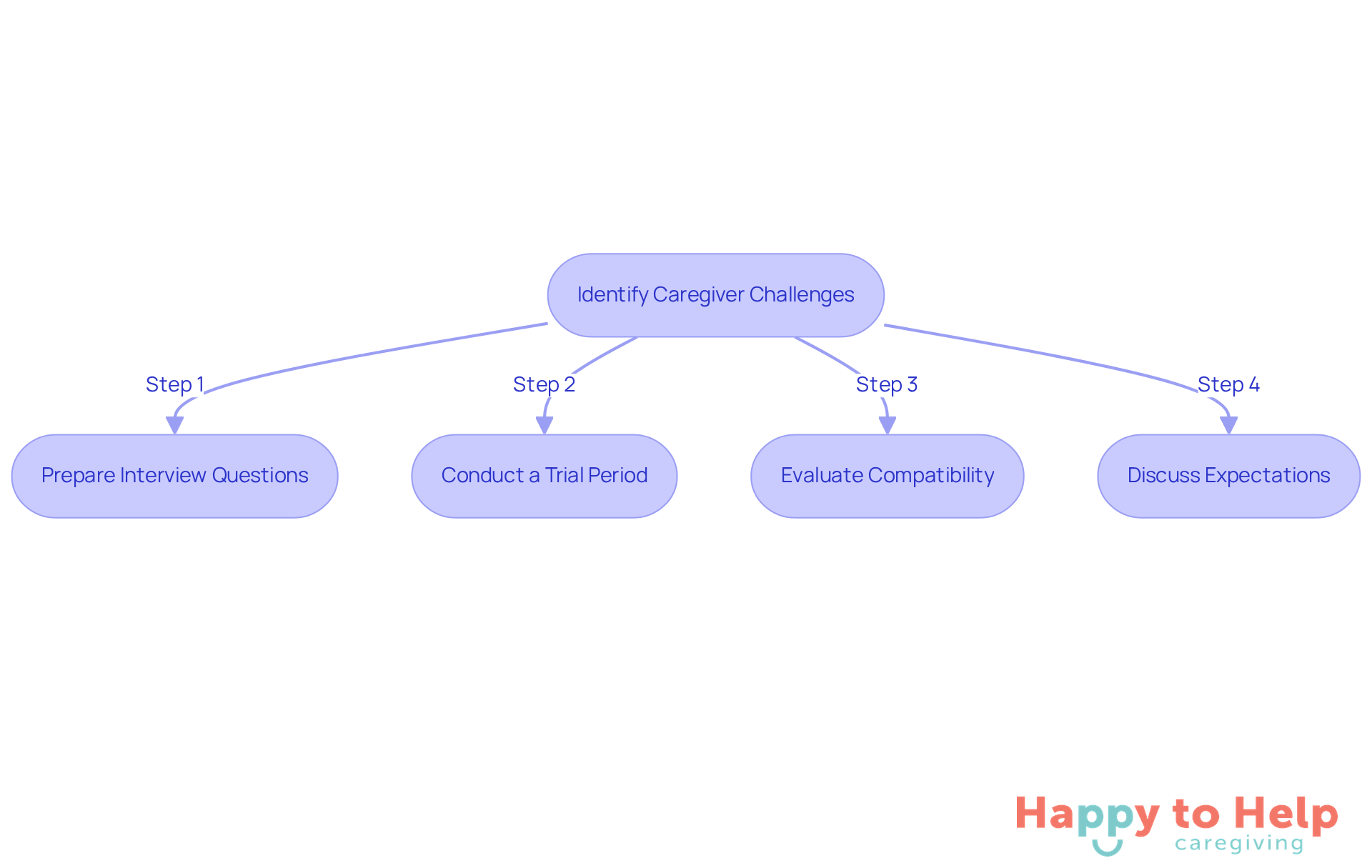
Prepare Interview Questions: Create a list of questions that address the individual's experience, approach to care, and how they manage specific situations. Examples include:
- What experience do you have with [specific condition]?
- How do you handle emergencies?
-
Conduct a Trial Period: If feasible, set up a trial phase where the support provider can work with your family member. This allows you to observe how they engage and whether they fulfill the care requirements effectively.
-
Evaluate Compatibility: Observe how the provider interacts with your family member. Look for signs of empathy, patience, and understanding.
-
Discuss Expectations: Clearly communicate your expectations regarding duties, schedules, and any specific preferences your loved one may have. Ensure that the caregiver is comfortable with these expectations.
Making the Right Choice
Finding the right caretaker for a loved one is a significant challenge that demands careful consideration and planning. Families often face the daunting task of assessing care needs, exploring various options, and researching potential caregivers. This process can be overwhelming, but it is essential for ensuring the well-being and comfort of family members.
To navigate this complex situation, families should follow four essential steps:
- Assess specific care needs and preferences: Understanding the unique requirements of the individual in need of care is crucial.
- Explore available care options: Consider in-home services, assisted living facilities, or specialized care options.
- Research and evaluate potential caregivers: Look into their qualifications, experience, and reviews from other families.
- Interview candidates effectively: Conduct thorough interviews to gauge compatibility and trustworthiness.
By taking these proactive steps, families can secure the necessary support for their loved ones while fostering a sense of dignity and respect for their preferences. Ultimately, this process leads to a more positive caregiving experience, ensuring that your loved one receives the compassionate and personalized care they deserve.
https://iframe.tely.ai/cta/eyJhcnRpY2xlX2lkIjogIjY5MjY0M2FhZGUyNDgxZjQ1MzJkZTdjOSIsICJjb21wYW55X2lkIjogIjY4ZWU1ZGNhNzMxNzYyNTU3ZjNjOTVjMSIsICJpbmRleCI6IG51bGwsICJ0eXBlIjogImFydGljbGUifQ==Frequently Asked Questions
What should caregivers do to assess the care needs of their family members?
Caregivers should start by identifying specific daily activities that may be challenging for their family members, such as bathing, dressing, meal preparation, or medication management. It's important to consider any chronic health conditions that require specialized care.
Why is it important to discuss preferences with the loved one needing care?
Engaging in conversations about preferences is crucial because it helps determine the type of caregiver that would be compatible. Understanding whether they prefer a male or female attendant and what activities they enjoy can significantly impact their satisfaction with care.
What percentage of older adults prefer to remain at home with support as they age?
Approximately 70% of older adults prefer to remain at home with support as they age, making it essential to consider their input in care decisions.
What safety concerns should caregivers evaluate in the home environment?
Caregivers should assess the home for safety hazards, such as fall risks and the need for mobility aids. This evaluation is important, as many older adults find navigating the health care system difficult, which can affect their independence.
What should caregivers document when assessing care needs?
Caregivers should create a comprehensive care requirements assessment document that outlines all identified preferences and necessities. This document will serve as a reference when discussing options with a caretaker.
Why is it important to prioritize the requirements and wishes of older adults when seeking care?
Prioritizing the requirements and wishes of older adults is crucial because it ensures that their needs and preferences are respected, leading to better care outcomes and satisfaction with the caregiver.
List of Sources
- Assess Care Needs and Preferences
- Supreme Court ruling could affect falls risk assessments, interventions for older adults (https://mcknightsseniorliving.com/news/supreme-court-ruling-could-affect-falls-risk-assessments-interventions-for-older-adults)
- Warning From Older Adults: Care for Aging in America Needs Urgent Rethinking (https://johnahartford.org/newsroom/view/warning-from-older-adults-care-for-aging-in-america-needs-urgent-rethinking)
- Bridging the Gap in Elderly Care: The Case for Comprehensive In-Home Assessment (https://reachmd.com/news/bridging-the-gap-in-elderly-care-the-case-for-comprehensive-in-home-assessment/2474101)
- New Study Finds That While Aging Seniors Prefer In-Home Care, Most Are Critically Underprepared for Future Healthcare Needs | Cross Country Healthcare, Inc. (https://ir.crosscountry.com/news-releases/news-release-details/new-study-finds-while-aging-seniors-prefer-home-care-most-are)
- Older adults prioritize social activities, inclusiveness in massive survey assessing what matters most to them (https://mcknights.com/news/older-adults-prioritize-social-activities-inclusiveness-in-massive-survey-assessing-what-matters-most-to-them)
- Explore Care Options Available
- Assisted Living vs Home Care: Key Differences and Benefits (https://fieldsseniorliving.com/assisted-living-vs-home-care)
- 2025 Home Care Statistics: Trends & Insights To Know (https://premierhcinc.com/blog/home-care-statistics)
- Assisted Living vs. Home Care: What's the Difference? (https://health.usnews.com/best-assisted-living/articles/assisted-living-versus-senior-home-care)
- Home (https://homehealthcarenews.com)
- 10 Must-Know U.S. Home Care Industry Stats for 2025 - North American Community Hub (https://nchstats.com/us-home-care-industry-stats)
- Research and Evaluate Caregivers
- Leveraging Patient Testimonials and Reviews - Valet Health™ (https://valethealth.com/leveraging-patient-testimonials-reviews-to-build-trust-and-credibility)
- LEVO Health - Online Review Statistics: Why They Matter (https://levohealth.com/online-review-statistics-why-they-matter)
- 45 Statistics on Patient Reviews for Healthcare Professionals (https://repugen.com/blog/statistics-on-patient-reviews-for-healthcare-professionals)
- Opinion | America’s Caregivers Are in Crisis (https://nytimes.com/2025/11/24/opinion/caregiving-crisis.html)
- How Patient Reviews Shape 73% of Healthcare Decisions 2025 (https://sprypt.com/blog/patient-reviews)
- Interview and Screen Potential Caregivers
- How to Choose the Right In-Home Caregiver for Your Loved One (https://homeinstead.com/home-care/usa/tx/carrollton-coppell-irving/407/news-and-media/navigating-in-home-care-tips-for-choosing-the-right-caregiver-for-your-loved-one)
- 40 Inspirational Quotes for Caregivers - Care Options for Kids (https://careoptionsforkids.com/blog/inspirational-quotes-for-caregivers)
- 104 Caregiver Quotes for Inspiration, Encouragement, & Growth (https://carex.com/blogs/resources/caregiver-quotes?srsltid=AfmBOopZ3WULjrXhlpSxTWYbvw\_az-Oo2sy2chvsKv6O6pIAw5v8DleV)
- 10 Inspiring Quotes for {Caregivers} - FirstLight Home Care (https://firstlighthomecare.com/blog/10-inspiring-quotes-for-caregivers)
- Caregiving Crisis: 45% Increase in Americans Providing Care (https://aarp.org/caregiving/basics/caregiving-in-us-survey-2025)