

For families in our service areas
For families in our service areas, this guide explains caregiver support and how non-medical in-home caregiving can support care planning in East Idaho, Treasure Valley & Magic Valley, Northern Wasatch, North Central West Virginia, and Northeast Ohio.
Why Healthy Meal Plan for Elderly: Key Matters
As the population ages, caregivers face a growing challenge: the nutritional needs of older adults are becoming increasingly complex. This situation is not just about providing food; it’s about meeting vital nutritional requirements that enhance overall well-being. Caregivers must navigate various obstacles, including decreased appetite, dietary restrictions, and social isolation.
These challenges can significantly impact the health and happiness of seniors. For instance, a decreased appetite can lead to inadequate nutrient intake, while dietary restrictions may limit food choices, making it difficult to create balanced meals. Additionally, social isolation can affect mealtime enjoyment, further complicating nutrition.
So, how can caregivers effectively address these issues? This article explores practical strategies for meal planning that empower caregivers to support seniors through tailored nutrition. By understanding the unique dietary needs of older adults and implementing thoughtful meal plans, caregivers can foster better health outcomes and enhance the quality of life for those they care for.
Understand Nutritional Needs of Older Adults
As individuals age, they face a significant problem: their bodies undergo various physiological changes that impact their nutritional needs. Older adults typically require fewer calories but more nutrients to maintain their health. This shift can lead to serious implications if not addressed properly.
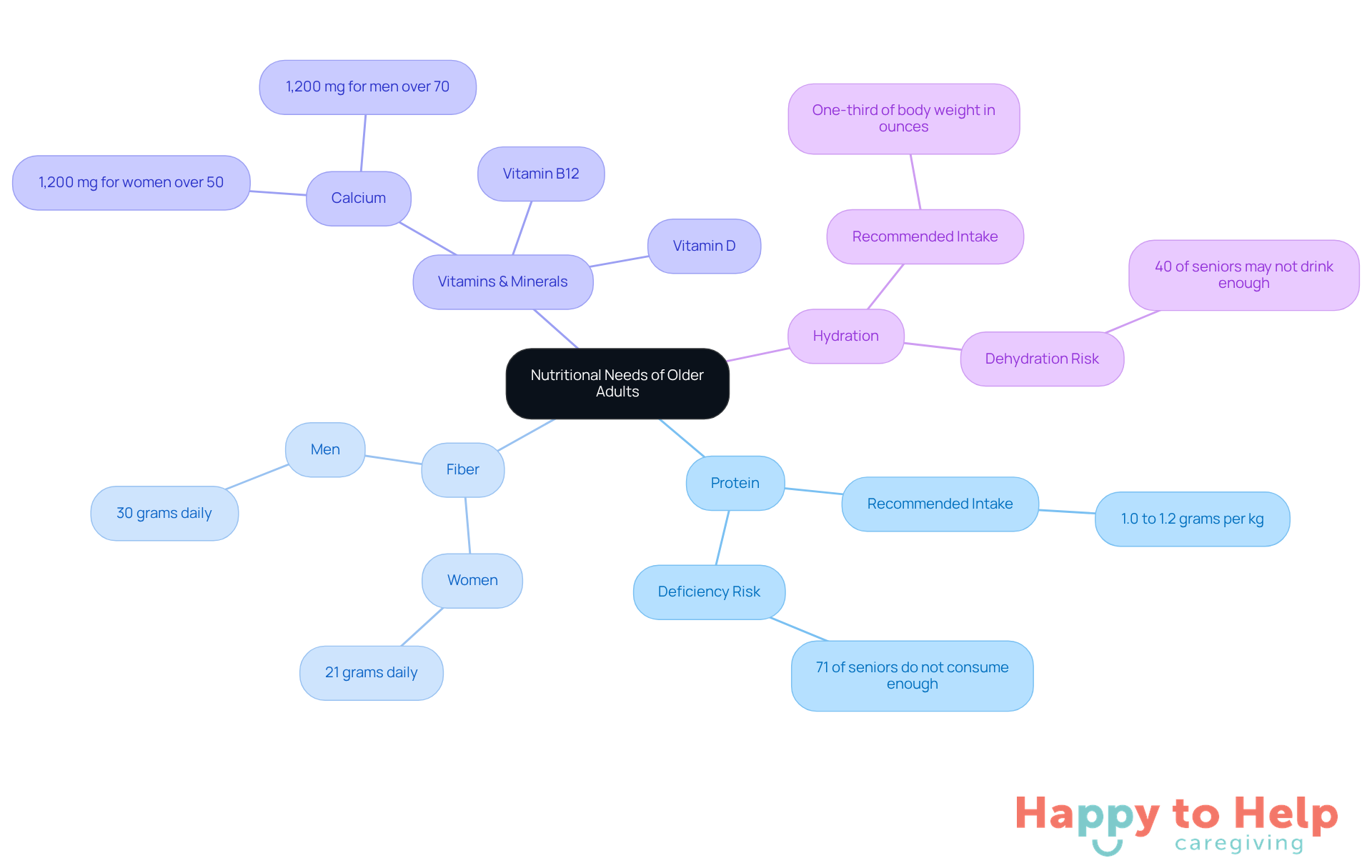
Many older adults struggle to meet their nutritional requirements. For instance, studies indicate that up to 71 percent of seniors do not consume enough protein, which is crucial for muscle maintenance and repair. To combat this, older adults should aim for 1.0 to 1.2 grams of protein per kilogram of body weight.
Another critical nutrient is fiber. It plays an essential role in digestive health, with a recommended daily intake of:
- 21 grams for women
- 30 grams for men
Adequate fiber not only supports regular bowel movements but also lowers the risk of heart disease and type 2 diabetes.
Vitamins and minerals, such as Vitamin D, Calcium, and Vitamin B12, are also vital. These nutrients contribute to bone health, immune function, and energy metabolism. Women over 50 should target 1,200 mg of calcium daily, while men over 70 should aim for the same amount to prevent deficiencies.
Hydration is another area of concern. Up to 40 percent of seniors may not drink enough water consistently, leading to dehydration and symptoms like headaches and fatigue. To ensure proper hydration, seniors should consume one-third of their body weight in ounces of water each day.
Understanding these nutritional needs allows caregivers to create a healthy meal plan for elderly people. By focusing on these key areas, caregivers can not only meet caloric requirements but also enhance the overall well-being of seniors by implementing a healthy meal plan for elderly, ensuring they receive the necessary support for a healthy lifestyle.
Explore Key Components of Elderly Meal Plans
Problem: Older adults often face challenges in meeting their nutritional needs, which can lead to health issues.
Agitate: A diminished sense of thirst and changing dietary requirements can result in inadequate hydration and nutrient intake, impacting overall well-being.
A healthy meal plan for elderly individuals can assist caregivers in ensuring that older adults receive the essential nutrients they need. Here’s a breakdown of key components to include:
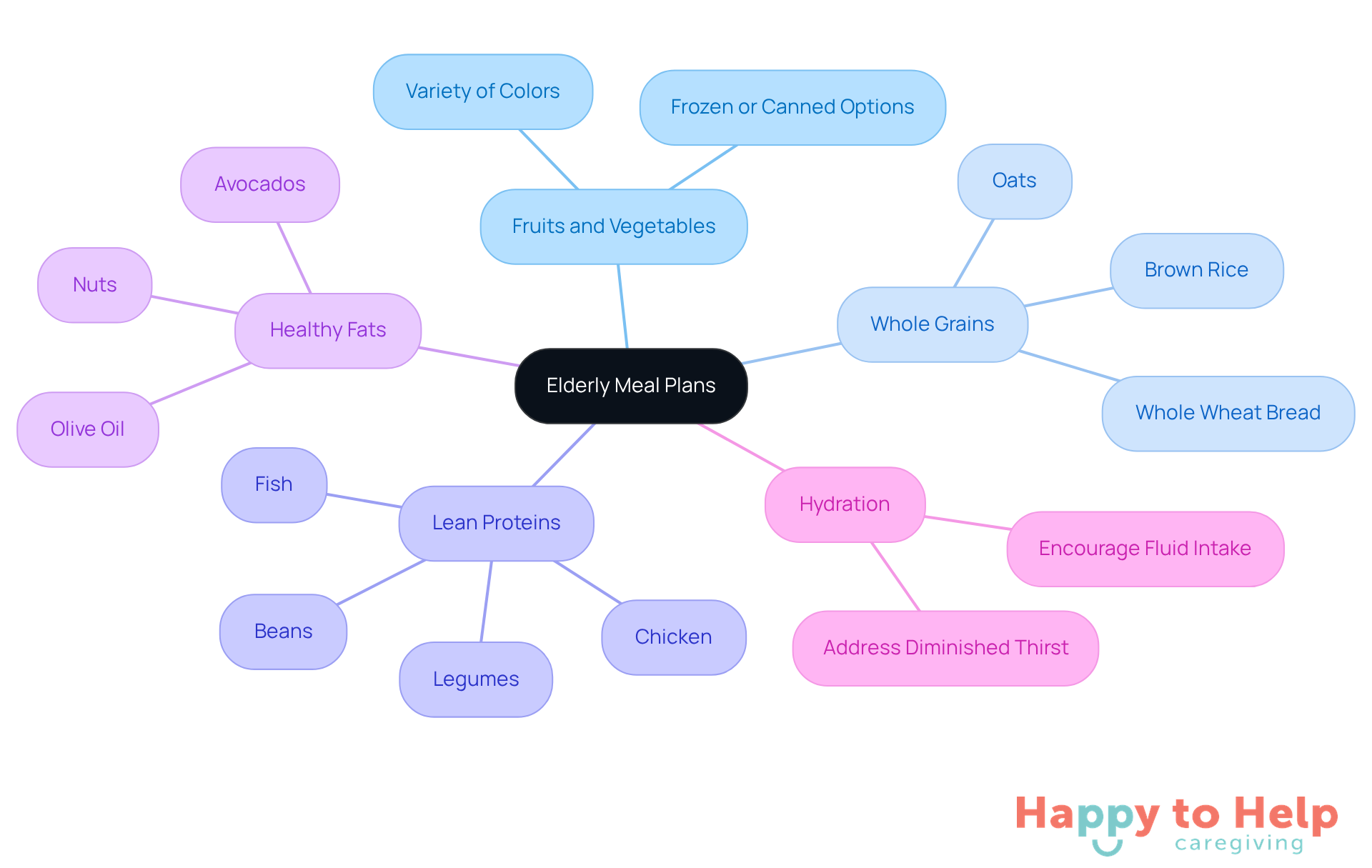
- Fruits and Vegetables: Aim for a variety of colors and types to ensure a broad spectrum of nutrients. Frozen or canned options can be convenient and nutritious.
- Whole Grains: Foods like brown rice, whole wheat bread, and oats provide essential fiber and energy.
- Lean Proteins: Incorporate sources such as chicken, fish, beans, and legumes to support muscle health.
- Healthy Fats: Include avocados, nuts, and olive oil to promote heart health.
- Hydration: Encourage fluid intake, as older adults may have a diminished sense of thirst, leading to dehydration.
These components not only fulfill nutritional requirements for a healthy meal plan for elderly but also improve the taste of dishes, making them more enjoyable.
Implement Effective Meal Planning Strategies for Seniors
Meal planning for seniors, specifically a healthy meal plan for elderly individuals, can be a challenging task for caregivers, often leading to unhealthy eating habits and malnutrition. To address this issue, caregivers can adopt several effective strategies:
-
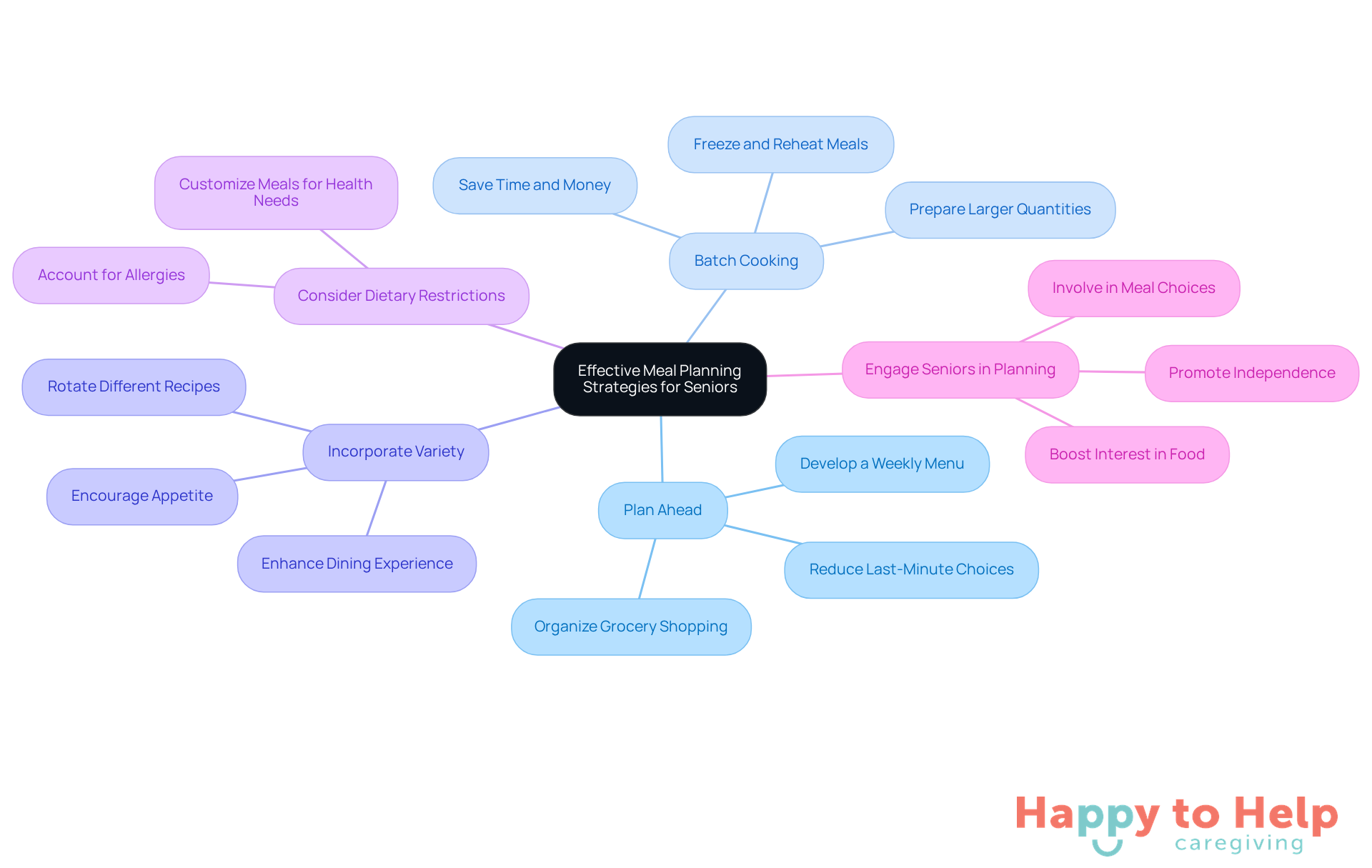
Plan Ahead: Developing a weekly menu that includes breakfast, lunch, dinner, and snacks helps organize grocery shopping and reduces last-minute unhealthy choices. Statistics show that a healthy meal plan for elderly can significantly lower the risk of malnutrition in older adults, making it an essential practice.
-
Batch Cooking: Preparing larger quantities of meals that can be frozen and reheated ensures that nutritious options are readily available. This approach minimizes the likelihood of skipping meals or resorting to unhealthy fast food. Additionally, cooking in bulk saves time and money, allowing caregivers to manage their schedules more effectively. A case study indicates that effective dietary planning enhances the independence and quality of life for older adults.
-
Incorporate Variety: Rotating different recipes keeps meals interesting and prevents monotony, which can decrease appetite. A diverse range of flavors and textures can enhance the dining experience and encourage seniors to eat more. Nutritionists emphasize that a healthy meal plan for elderly individuals, tailored to their needs, can help reduce the risk of malnutrition.
-
Consider Dietary Restrictions: It's crucial to account for any allergies or dietary restrictions, such as low-sodium or diabetic-friendly options. Customizing meals to meet these requirements is essential for maintaining health and preventing complications.
-
Engage Seniors in Planning: Involving older adults in the meal planning process caters to their preferences and encourages them to try new dishes. This engagement fosters independence and boosts their interest in food, promoting better nutrition. Experts suggest that involving seniors in meal planning can significantly improve their dietary choices and overall satisfaction with meals.
By implementing these strategies, caregivers can simplify their responsibilities while developing a healthy meal plan for elderly individuals, ultimately supporting their well-being and quality of life.
Address Challenges in Meal Planning for Seniors
Caregivers often face significant challenges when developing a healthy meal plan for elderly individuals, which can impact their overall health and well-being.
-
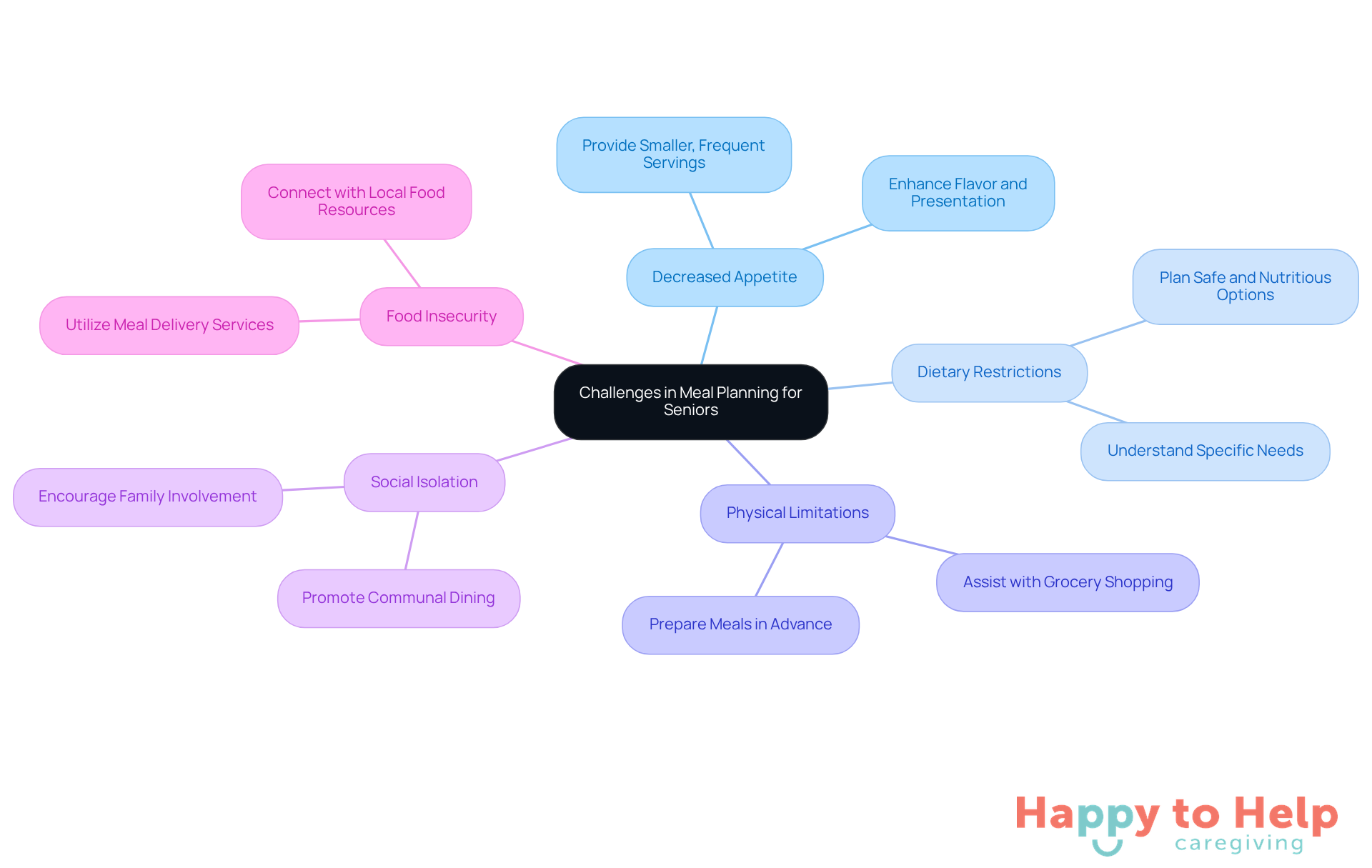
Decreased Appetite: A common issue among older adults, decreased appetite can hinder nutrient intake. Studies show that almost 30% of older adults experience diminished appetite. To combat this, caregivers should provide smaller, more frequent servings to promote intake.
-
Dietary Restrictions: Many elderly individuals have specific dietary needs due to conditions like diabetes, hypertension, or allergies. Careful planning of a healthy meal plan for elderly is essential to prevent health complications. Caregivers must understand these restrictions to create safe and nutritious options.
-
Physical Limitations: Mobility challenges can hinder older adults from shopping or cooking. Caregivers can ease this burden by assisting with grocery shopping and preparing dishes in advance, ensuring that seniors have access to nutritious food without the stress of physical exertion.
-
Social Isolation: Dining alone can reduce the drive to prepare food, leading to inadequate nutrition. Almost a third of seniors living alone spend much of their time in solitude. Promoting communal dining with family or friends can greatly enhance the dining experience, nurturing social bonds that are essential for emotional health.
-
Food Insecurity: Many older adults experience food insecurity, which can worsen health problems and lead to malnutrition. Caregivers should recognize this challenge and consider resources such as Meals on Wheels, which offer food delivery services to help alleviate hunger and ensure that seniors receive sufficient nutrition.
By acknowledging these challenges, caregivers can implement targeted strategies to ensure that older adults are provided with a healthy meal plan for elderly individuals that meets their nutritional needs while also enjoying their meals.
Your Path Forward
Creating a healthy meal plan for elderly individuals presents a significant challenge that can greatly affect their quality of life. Many caregivers struggle to ensure that seniors receive the essential nutrients necessary for maintaining their health. This issue is compounded by factors such as decreased appetite, dietary restrictions, and social isolation, which can complicate the meal planning process.
To address these challenges, caregivers can adopt effective meal planning strategies. Key components to include in meal plans are:
- Protein
- Fiber
- Vitamins
- Hydration
Planning ahead, batch cooking, and involving seniors in meal preparation can lead to nutritious and enjoyable meals tailored to their specific needs. These strategies not only meet nutritional requirements but also foster a sense of independence and well-being among older adults.
Ultimately, prioritizing a well-rounded diet for seniors is crucial. Caregivers are encouraged to take proactive steps in meal planning, recognizing the significant role that proper nutrition plays in the health and happiness of elderly individuals. By implementing these strategies and remaining mindful of the challenges, caregivers can make a meaningful difference in the lives of older adults, promoting a healthier and more fulfilling lifestyle.
https://iframe.tely.ai/cta/eyJhcnRpY2xlX2lkIjogIjY5MjUwZjk1MjhmYmExOWI5MjM1NzEzYSIsICJjb21wYW55X2lkIjogIjY4ZWU1ZGNhNzMxNzYyNTU3ZjNjOTVjMSIsICJpbmRleCI6IG51bGwsICJ0eXBlIjogImFydGljbGUifQ==Frequently Asked Questions
What changes occur in the nutritional needs of older adults?
As individuals age, their bodies undergo physiological changes that result in a need for fewer calories but more nutrients to maintain health.
What percentage of older adults struggle to meet their nutritional requirements?
Studies indicate that up to 71 percent of seniors do not consume enough protein, which is crucial for muscle maintenance and repair.
How much protein should older adults aim to consume?
Older adults should aim for 1.0 to 1.2 grams of protein per kilogram of body weight.
Why is fiber important for older adults, and what is the recommended daily intake?
Fiber is essential for digestive health and helps lower the risk of heart disease and type 2 diabetes. The recommended daily intake is 21 grams for women and 30 grams for men.
What vitamins and minerals are particularly important for older adults?
Important vitamins and minerals for older adults include Vitamin D, Calcium, and Vitamin B12, which contribute to bone health, immune function, and energy metabolism.
How much calcium should women over 50 and men over 70 consume daily?
Women over 50 should target 1,200 mg of calcium daily, while men over 70 should also aim for the same amount to prevent deficiencies.
What hydration issues do older adults face?
Up to 40 percent of seniors may not drink enough water consistently, leading to dehydration and symptoms like headaches and fatigue.
How can older adults ensure proper hydration?
Seniors should consume one-third of their body weight in ounces of water each day to ensure proper hydration.
How can caregivers support the nutritional needs of older adults?
Caregivers can create a healthy meal plan focusing on key nutritional areas to meet caloric requirements and enhance the overall well-being of seniors.
List of Sources
- Understand Nutritional Needs of Older Adults
- Findings From New Study Reinforce That Home-Delivered Meals Provide Critical Health and Social Benefits to Older Adults and Caregivers (https://mealsonwheelsamerica.org/news/findings-from-new-study-reinforce-that-home-delivered-meals-provide-critical-health-and-social-benefits-to-older-adults-and-caregivers)
- Changing nutritional needs for older adults | Penn Medicine (https://pennmedicine.org/news/changing-nutritional-needs-for-older-adults)
- This National Nutrition Month®, Let’s Promote Healthy Eating for Older Adults - News & Events | odphp.health.gov (https://odphp.health.gov/news/202503/national-nutrition-monthr-lets-promote-healthy-eating-older-adults)
- How Much Protein Do Older Adults Need and Why? (https://extension.unh.edu/blog/2025/08/how-much-protein-do-older-adults-need-why)
- The changing nutritional needs of older adults and how to meet them (https://heart.org/en/news/2024/12/18/the-changing-nutritional-needs-of-older-adults-and-how-to-meet-them)
- Explore Key Components of Elderly Meal Plans
- Meal Planning for Seniors for National Nutrition Month - Senior1Care (https://senior1care.com/nutrition-diet/meal-planning-for-seniors-for-national-nutrition-month)
- Healthy Meal Planning: Tips for Older Adults (https://nia.nih.gov/health/healthy-eating-nutrition-and-diet/healthy-meal-planning-tips-older-adults)
- This National Nutrition Month®, Let’s Promote Healthy Eating for Older Adults - News & Events | odphp.health.gov (https://odphp.health.gov/news/202503/national-nutrition-monthr-lets-promote-healthy-eating-older-adults)
- Personalized Meal Plans: The Key to Thriving in Senior Living (https://emenuchoice.com/personalized-meal-plans-the-key-to-thriving-in-senior-living)
- The changing nutritional needs of older adults and how to meet them (https://heart.org/en/news/2024/12/18/the-changing-nutritional-needs-of-older-adults-and-how-to-meet-them)
- Implement Effective Meal Planning Strategies for Seniors
- Seniors' Guide to Healthy Meal Planning on a Budget (https://seniorhelpers.com/az/west-valley/resources/blogs/seniors-guide-to-healthy-meal-planning-on-a-budget)
- Findings From New Study Reinforce That Home-Delivered Meals Provide Critical Health and Social Benefits to Older Adults and Caregivers (https://mealsonwheelsamerica.org/news/findings-from-new-study-reinforce-that-home-delivered-meals-provide-critical-health-and-social-benefits-to-older-adults-and-caregivers)
- The Benefits of Meal Planning For Older Adults (https://homeinstead.com/home-care/usa/la/carencro/347/news-and-media/the-benefits-of-meal-planning-for-older-adults)
- Meal planning is associated with food variety, diet quality and body weight status in a large sample of French adults - PMC (https://pmc.ncbi.nlm.nih.gov/articles/PMC5288891)
- How to Meal Plan for Seniors with Dietary Restrictions (https://ohioanshhc.com/news/how-to-meal-plan-for-seniors-with-dietary-restrictions)
- Address Challenges in Meal Planning for Seniors
- Helping seniors fight the growing challenge of food insecurity (https://newsroom.thecignagroup.com/helping-seniors-fight-the-growing-challenge-of-food-insecurity)
- Shutdown threatens SNAP benefits, putting seniors aging in place at risk (https://mcknightshomecare.com/news/shutdown-threatens-snap-benefits-putting-seniors-aging-in-place-at-risk)
- Issues (https://mealsonwheelsamerica.org/issues)
- By the Numbers: Aging Population by State Fact Sheets (https://mealsonwheelsamerica.org/research/aging-populations-by-state-fact-sheets)
- Meals on Wheels America and NANASP Issue Joint Statement on House Labor-HHS Appropriations Bill (https://mealsonwheelsamerica.org/news/meals-on-wheels-america-and-nanasp-issue-joint-statement-on-house-labor-hhs-appropriations-bill)