
Understanding Your Options
This article highlights best practices for family caregivers in home care aged care, focusing on the emotional challenges they face. Caregivers often experience stress and burnout, which can take a toll on their well-being. It's crucial to plan for aging in place, utilize tailored support options, and implement strategies to manage these feelings.
To support caregivers, we detail essential modifications for home safety and the benefits of community resources and respite care. These resources can provide much-needed relief and reassurance, allowing caregivers to take a step back and recharge. Additionally, we explore the role of technology in enhancing care delivery, ensuring that both seniors and their caregivers receive the support they need.
By fostering a compassionate approach and connecting caregivers with the right tools and resources, we can help them navigate this journey with confidence and comfort. Remember, you are not alone in this; support is available, and taking care of yourself is just as important as caring for your loved ones.
The Importance of Home Care Aged Care: Best Practices
As the focus on aging in place continues to grow, family caregivers are stepping up to ensure their loved ones can live safely and comfortably at home. These dedicated individuals often face emotional and practical challenges, navigating the complexities of home care. This article explores best practices that empower caregivers with the knowledge and resources they need.
Yet, amidst the demands of managing safety, accessibility, and emotional well-being, a pressing question arises: how can caregivers effectively balance their responsibilities while also prioritizing their own health? We understand the weight of this challenge and are here to offer support and guidance.
Plan for Aging in Place: Key Considerations
To effectively plan for aging in place, it’s important to consider some key factors that can truly make a difference in the lives of seniors and their families.
-
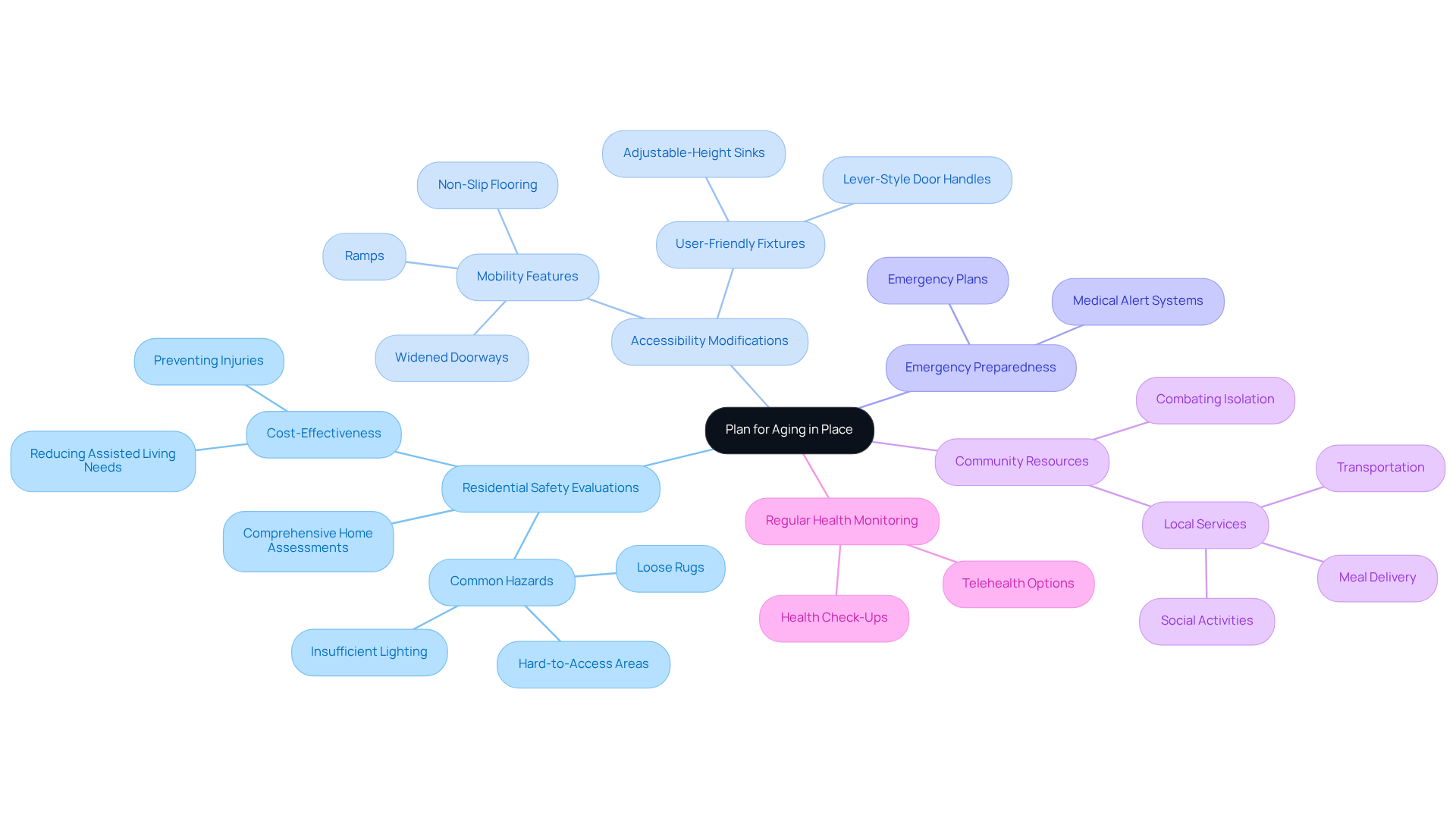
Residential Safety Evaluations: Start by performing comprehensive assessments of the home to identify potential hazards such as loose rugs, insufficient lighting, and hard-to-access areas. It's concerning to note that research indicates only 10% of American homes are truly prepared for aging in place. This highlights the importance of thorough safety evaluations. Simple modifications, like installing grab bars in bathrooms and improving lighting, can significantly enhance safety. These assessments can prevent costly injuries and reduce the need for assisted living, ultimately paying for themselves.
-
Accessibility Modifications: Next, consider equipping the residence with features that accommodate mobility challenges. This might include installing ramps, widening doorways to at least 32 inches, and opting for non-slip flooring. Lever-style door handles and adjustable-height sinks can also promote easier access, fostering independence and comfort.
-
Emergency Preparedness: It’s essential to develop a robust plan for emergencies, ensuring that emergency contacts and medical information are easily accessible. Installing medical alert systems can provide immediate assistance, which enhances peace of mind for both seniors and their families.
-
Community Resources: Identifying local services that can offer additional support, such as meal delivery, transportation, and social activities, is vital. Engaging with community resources can help combat isolation, which is crucial for maintaining mental and emotional well-being.
-
Regular Health Monitoring: Lastly, scheduling regular health check-ups and considering telehealth options can help maintain ongoing communication with healthcare providers. This proactive approach is essential for effectively managing chronic conditions and ensuring timely interventions when necessary.
By addressing these considerations, families can create a safer and more supportive environment for home care aged care, enabling seniors to age in place comfortably and confidently. Remember, you’re not alone in this journey; there are resources and support available to help every step of the way.
Explore Home Care Services: Tailored Support Options
When considering home care services, it's important to recognize the tailored support options available that can make a significant difference in the lives of both caregivers and clients.
-
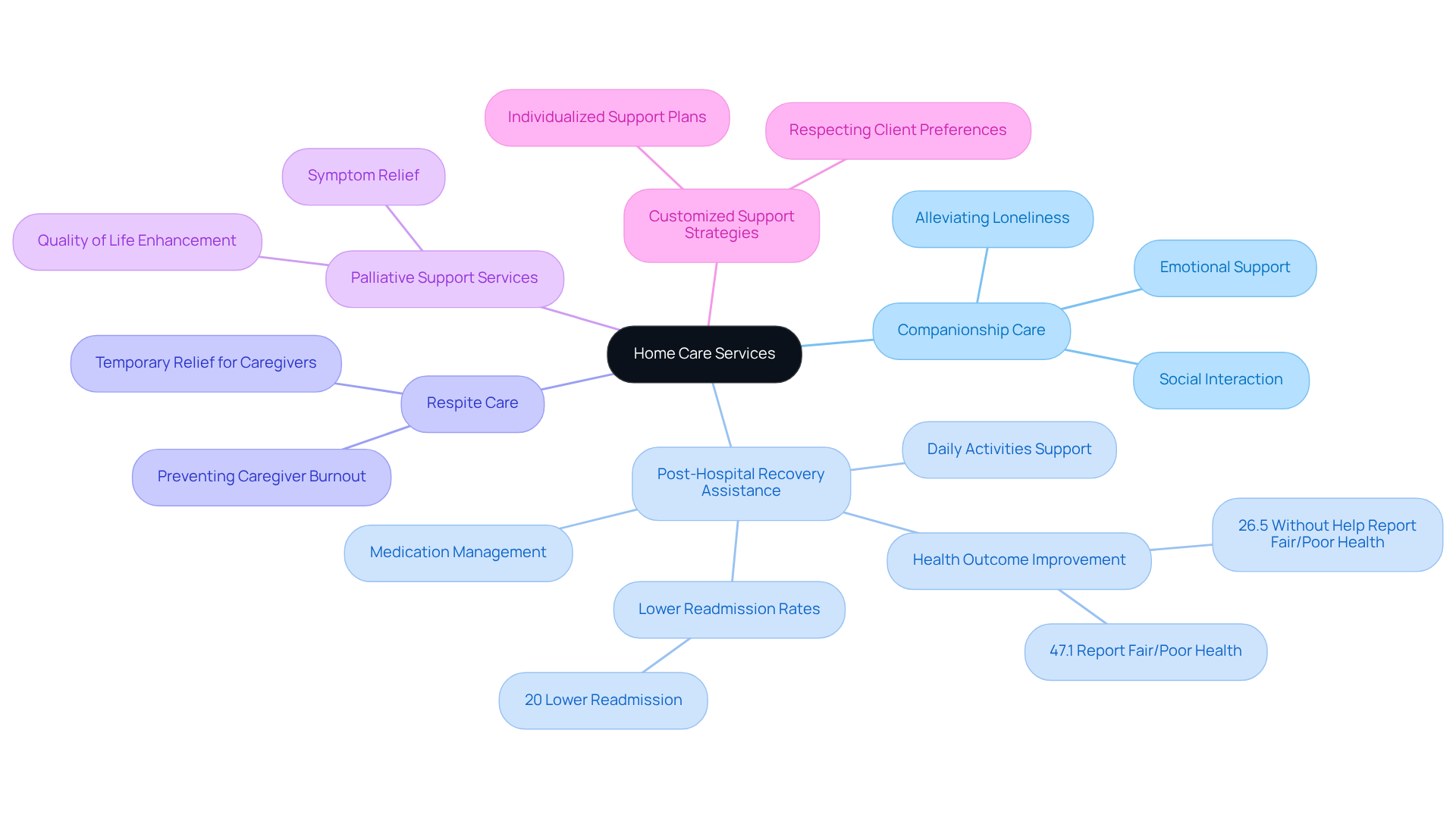
Companionship Care offers essential emotional support and social interaction, helping to alleviate feelings of loneliness and isolation. Caregivers are trained to engage clients in enjoyable activities, fostering a sense of belonging and connection that is so vital for emotional well-being.
-
Post-Hospital Recovery Assistance is another crucial service. After a hospital stay, many individuals find themselves in need of help with daily activities and medication management. These support services facilitate a smooth transition back home, allowing patients to recover in a comfortable environment. Research indicates that patients receiving in-home assistance have a 20% lower readmission rate after surgery compared to those who are treated solely in the hospital. Moreover, 47.1% of individuals receiving assistance reported fair or poor health, compared to just 26.5% of those not receiving help, underscoring the importance of home support in improving health outcomes.
-
For family caregivers, Respite Care is vital. The demands of providing care can lead to significant burnout. Respite assistance offers temporary relief, enabling caregivers to take essential breaks while ensuring their loved ones receive quality support. This service is essential for the well-being of both caregivers and those they care for.
-
Palliative Support Services focus on individuals with serious illnesses, prioritizing symptom relief and enhancing quality of life. This compassionate approach addresses both physical and emotional needs, ensuring that clients receive comprehensive support tailored to their unique situations.
-
Creating Customized Support Strategies is also key. Collaborating with providers to develop individualized support plans that reflect a person's preferences, routines, and health needs ensures that care is both effective and respectful of the client's lifestyle.
The shift towards home care aged care services is increasingly recognized as a beneficial choice for enhancing recovery and quality of life. As more patients are discharged directly to their homes, the demand for personalized at-home solutions grows. Families are encouraged to explore these options thoroughly. A study by the National Association for Home Assistance & Hospice revealed that over 90% of patients expressed satisfaction with their home support services, reinforcing the positive impact of such assistance on patient experiences and outcomes. Additionally, case studies, like that of Marc Durocher, showcase the effectiveness of post-hospital recovery assistance, illustrating how personalized care can lead to improved recovery experiences.
In conclusion, the compassionate support offered through these home care services not only addresses practical needs but also nurtures the emotional well-being of clients and their families.
Support Family Caregivers: Strategies for Managing Burnout
To effectively support family caregivers and alleviate burnout, it is essential to embrace the following strategies:
-
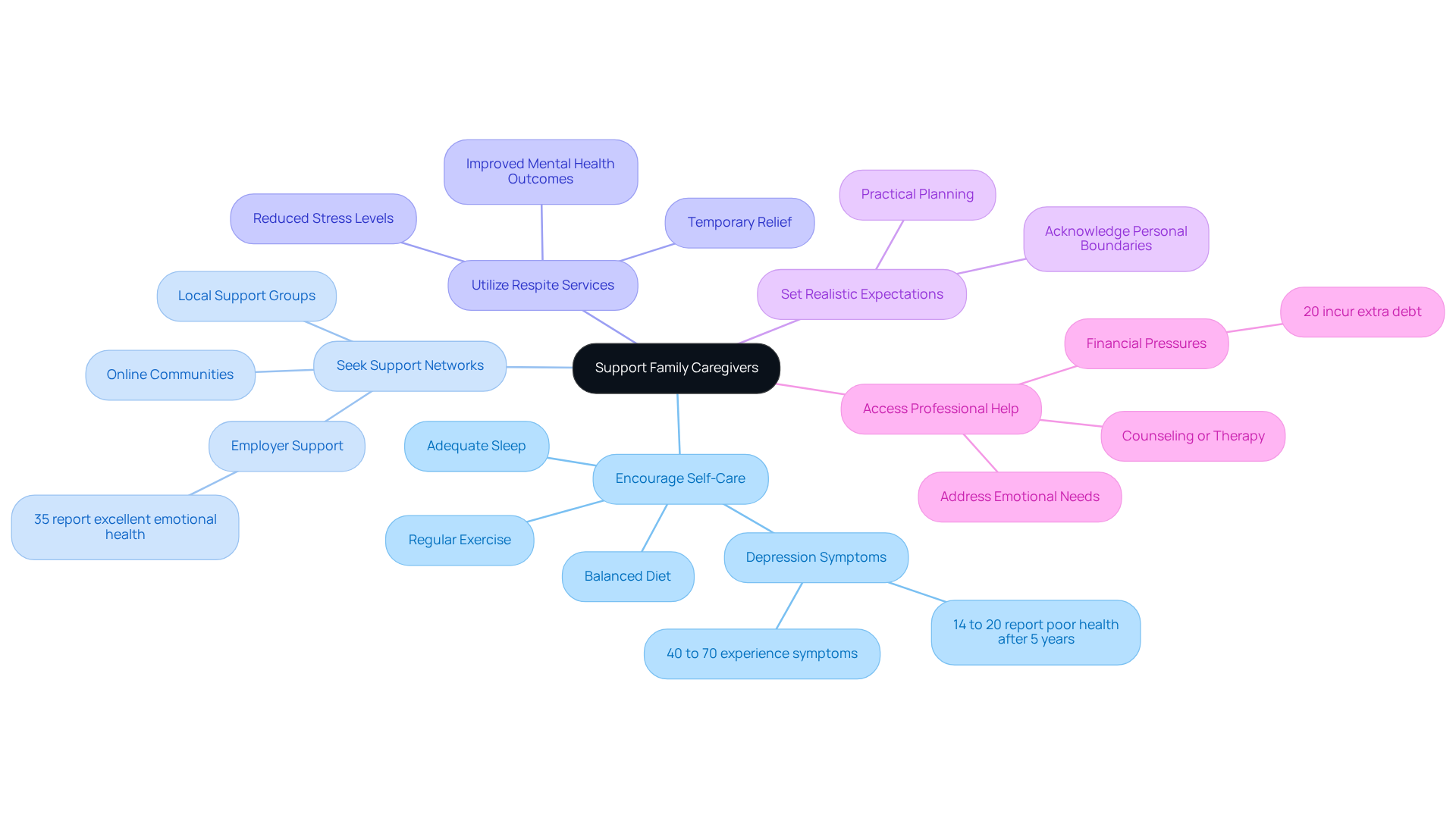
Encourage Self-Care: It is crucial for caregivers to prioritize their well-being by engaging in regular exercise, maintaining a balanced diet, and ensuring adequate sleep. Statistics reveal that 40% to 70% of family supporters experience clinically significant symptoms of depression, underscoring the importance of self-care practices for enhancing overall wellness. As noted by the National Alliance for Caregiving and AARP, "Caregivers reporting fair or poor well-being rises from 14% within the first year to 20% after 5 years or more of providing care."
-
Seek Support Networks: Connecting with local support groups or online communities offers individuals a platform to share experiences and gain insights from others facing similar challenges. Research shows that caregivers who feel supported report better emotional health, with 35% of those backed by their employers indicating 'excellent' or 'very good' emotional health.
-
Utilize Respite Services: Taking breaks is vital for those providing care. Exploring respite services allows caregivers to rejuvenate, which is essential for sustaining their ability to assist others. Case studies indicate that those who utilize respite services experience reduced stress levels and improved mental health outcomes. For instance, respite support provides temporary relief for primary providers, granting them time to relax or engage with others.
-
Set Realistic Expectations: Acknowledging personal boundaries and setting attainable goals can help caregivers avoid feelings of overwhelm. Many providers, especially those juggling multiple responsibilities, find that practical planning alleviates stress and enhances their caregiving experience.
-
Access Professional Help: When stress becomes unmanageable, seeking professional counseling or therapy can be beneficial. A significant number of caregivers report that their well-being has declined due to caregiving responsibilities, making it crucial to address emotional needs proactively. Counseling can offer essential coping strategies and emotional support. Additionally, it's important to recognize that 20% of caregivers have incurred extra debt due to their responsibilities, highlighting the financial pressures they may face.
By implementing these strategies, family supporters can navigate their duties more effectively while prioritizing their own wellness and well-being.
Enhance Care Delivery: Leverage Communication and Technology
To enhance care delivery, caregivers can truly benefit from communication and technology through several effective methods:
-
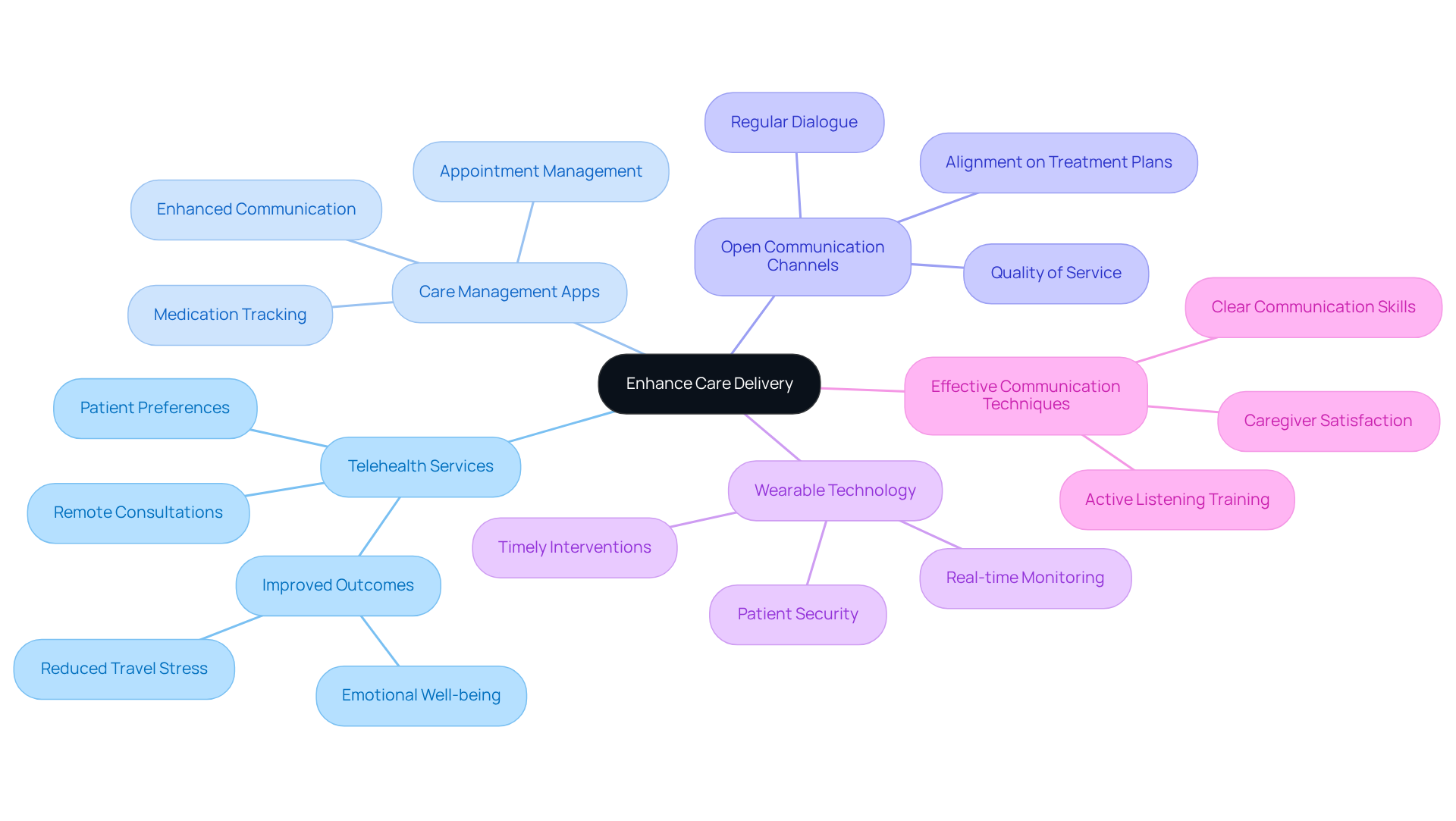
Utilize Telehealth Services: Telehealth offers a comforting option for remote consultations with healthcare providers, allowing family members to manage their loved ones' health more efficiently, without the stress of frequent travel. Research indicates that telehealth can significantly improve outcomes for caregivers, providing a support system that nurtures emotional well-being and alleviates stress. As Simen A Steindal notes, telehealth allows patients to remain at home as much as possible, which enhances home care aged care by fostering a reassuring sense of security.
-
Implement Care Management Apps: Care management applications serve as invaluable tools for caregivers, enabling them to track medications, appointments, and daily activities. These apps help ensure that vital tasks are not overlooked, contributing to improved health outcomes. For instance, caregivers using these apps have reported notable advancements in their ability to manage care effectively, with many experiencing enhanced communication with healthcare professionals. In fact, 20% of studies highlighted significant improvements in caregiving abilities among intervention providers.
-
Establish Open Communication Channels: Regular, heartfelt dialogue among providers, family members, and healthcare professionals is essential. This ensures that everyone is aligned on treatment plans and any changes in medical conditions. Effective communication in home care aged care has been demonstrated to ease the burden on caregivers and enhance the overall quality of service, fostering a more supportive environment.
-
Incorporate Wearable Technology: Wearable devices that monitor health metrics provide real-time information to support personnel and healthcare providers. This technology enables timely interventions, which can be crucial in managing chronic conditions and preventing hospitalizations. Studies emphasize that patients using such technology often express feeling more secure and connected to their support team, reinforcing the importance of these tools.
-
Educate on Effective Communication Techniques: Training support providers in active listening and clear communication can nurture better relationships with their loved ones and healthcare professionals. Enhanced communication skills have been associated with greater caregiver satisfaction and diminished feelings of isolation, ultimately leading to richer care experiences for both caregivers and care recipients.
Taking the Next Steps
Planning for the future of aging in place is essential for ensuring that seniors can live comfortably and safely in their own homes. By conducting thorough residential safety evaluations, implementing accessibility modifications, and preparing for emergencies, families can create a supportive environment that fosters independence. It’s important to leverage community resources and maintain regular health monitoring to enhance the quality of life for seniors.
Key insights reveal the importance of tailored home care services, such as:
- Companionship care
- Post-hospital recovery assistance
- Respite care
These services significantly improve health outcomes and emotional well-being for both caregivers and clients. Supporting family caregivers is vital; strategies like:
- Self-care
- Building support networks
- Utilizing respite services
can help manage stress and prevent burnout. Moreover, advancements in communication and technology, such as telehealth and care management apps, enhance care delivery and streamline the caregiving process.
Ultimately, embracing these best practices benefits not only seniors but also empowers family caregivers to provide the best possible support. By prioritizing safety, accessibility, and emotional well-being, families can ensure that their loved ones age in place with dignity and comfort. The journey of caregiving can be challenging, but with the right resources and strategies in place, it can also be a rewarding experience that strengthens family bonds and enriches lives.
https://iframe.tely.ai/cta/eyJhcnRpY2xlX2lkIjogIjY4ZjU3YzNhMTQ3YjU2ZjgyYjY3ZGY1OSIsICJjb21wYW55X2lkIjogIjY4ZWU1ZGNhNzMxNzYyNTU3ZjNjOTVjMSIsICJpbmRleCI6IG51bGwsICJ0eXBlIjogImFydGljbGUifQ==Frequently Asked Questions
What is meant by "aging in place"?
Aging in place refers to the ability of seniors to live independently and comfortably in their own homes as they age, rather than moving to assisted living facilities.
Why are residential safety evaluations important for aging in place?
Residential safety evaluations are crucial because they identify potential hazards in the home, such as loose rugs and insufficient lighting. Research shows that only 10% of American homes are truly prepared for aging in place, highlighting the need for thorough assessments to prevent injuries and reduce the need for assisted living.
What modifications can enhance home safety for seniors?
Simple modifications that can enhance safety include installing grab bars in bathrooms, improving lighting, and making other adjustments to prevent falls and injuries.
What accessibility modifications should be considered for seniors?
Accessibility modifications may include installing ramps, widening doorways to at least 32 inches, using non-slip flooring, and adding lever-style door handles and adjustable-height sinks to promote easier access.
How can seniors prepare for emergencies at home?
Seniors can prepare for emergencies by developing a robust plan that includes easily accessible emergency contacts and medical information, as well as installing medical alert systems for immediate assistance.
What community resources can assist seniors aging in place?
Community resources that can assist seniors include meal delivery services, transportation options, and social activities, all of which help combat isolation and support mental and emotional well-being.
Why is regular health monitoring important for seniors?
Regular health monitoring is important for maintaining ongoing communication with healthcare providers, managing chronic conditions, and ensuring timely interventions when necessary. Scheduling regular check-ups and considering telehealth options can enhance this process.
How can families support seniors in aging in place?
Families can support seniors by addressing safety and accessibility concerns, preparing for emergencies, utilizing community resources, and ensuring regular health monitoring to create a safer and more supportive environment for home care.