The Importance of Home Health Care Givers vs. Traditional
The landscape of healthcare is evolving, presenting a significant challenge: the shift towards personalized care that truly resonates with patients' needs and preferences. Millions of Americans are increasingly opting for home health care services instead of traditional facilities, highlighting the benefits of receiving medical attention in the comfort of one’s own home. However, this transition raises important questions:
- What are the key differences between home health care and traditional care?
- How do these choices impact patients and their families?
Understanding these dynamics is crucial for making informed decisions about care approaches that can significantly affect well-being and recovery. By recognizing the unique advantages of home health care, caregivers can better navigate the complexities of this evolving landscape.
Defining Home Health Care and Traditional Care
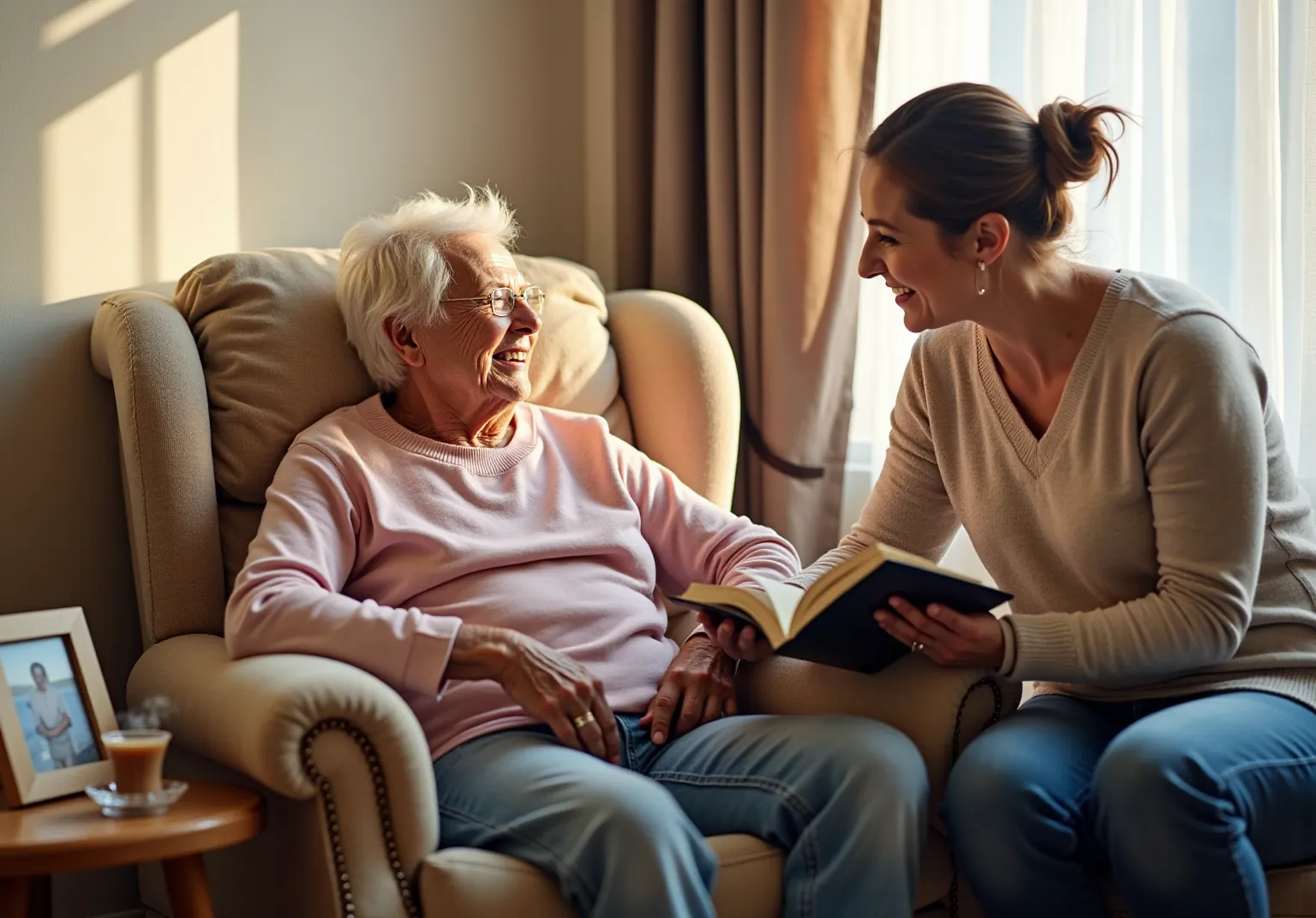
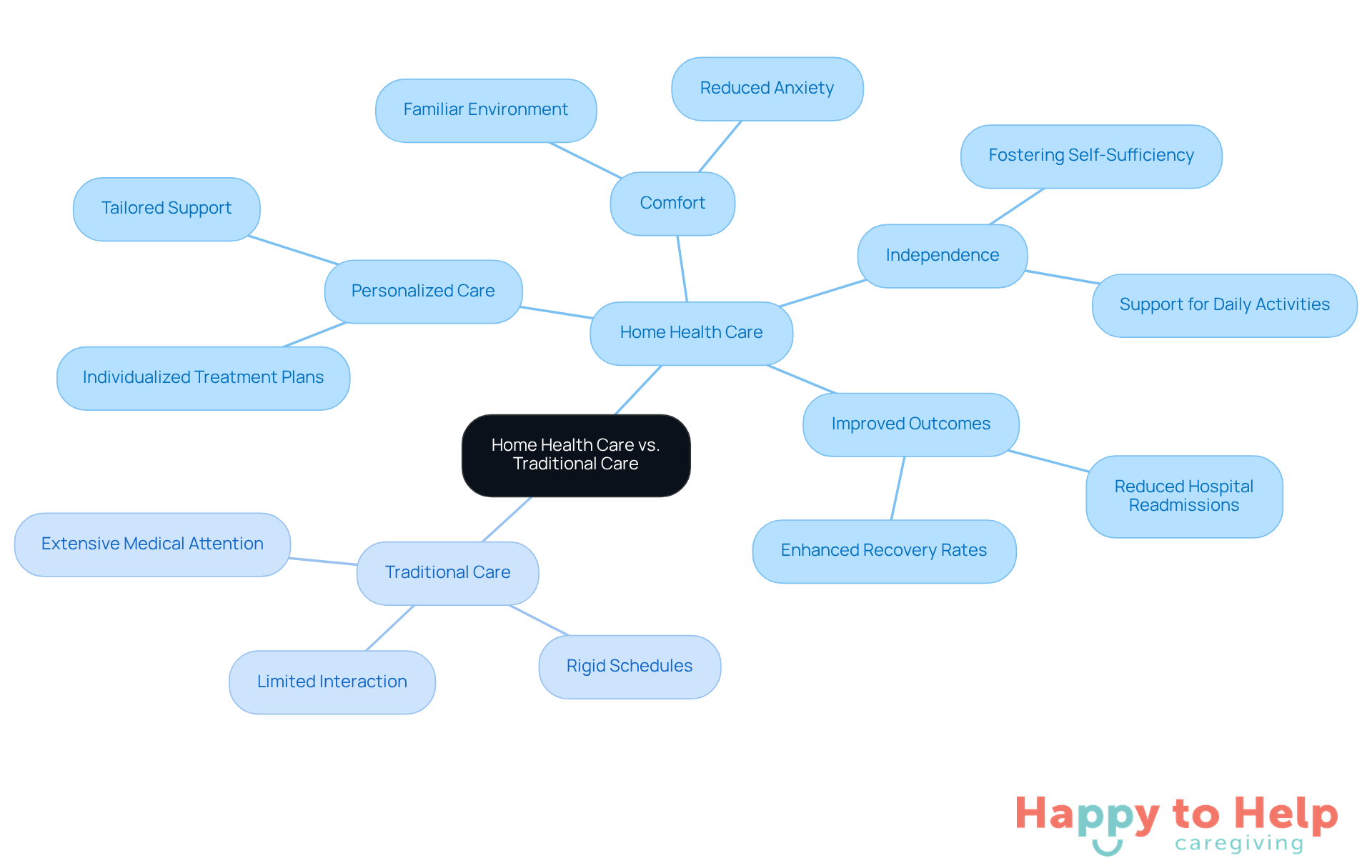
In-home medical services address a significant problem in healthcare: the lack of personalized care in traditional settings. Patients often receive extensive medical attention in hospitals or nursing facilities, but this can come at the cost of comfort and flexibility. The rigid schedules and limited interaction in these environments can hinder recovery and overall well-being.
As of 2025, approximately 12 million Americans are opting for domestic support services each year. This shift indicates a growing preference for customized assistance that fosters independence and comfort in familiar surroundings. Current trends show a notable movement towards residential medical services, driven by the recognition of their advantages, such as improved patient outcomes and reduced hospital readmissions.
Healthcare experts emphasize that in-home services not only enhance recovery but also promote a sense of safety and wellness for patients. This makes them an essential component of modern medical practice. By choosing in-home medical services, home health care givers can deliver a more personalized approach that meets the unique needs of each patient, ultimately leading to better health results.
Services Offered by Home Health Caregivers
Home health providers face a significant challenge: the lack of personalized care in conventional treatment centers. While these centers may offer medical services, they often miss the individualized approach that home caregivers provide. This gap can lead to a diminished quality of life for clients, as emotional support and companionship are crucial for mental well-being.
In contrast, home health care givers provide a range of customized options, including skilled nursing, physical therapy, medication supervision, and personal assistance. These services not only promote independence but also enhance the overall quality of life for clients. For instance, while a nursing home may provide 24/7 medical supervision, it may not deliver the same level of emotional support that home caregivers can offer.
To address these challenges, caregivers should consider the following actionable solutions:
- Choose home health services that prioritize personalized care.
- Foster emotional connections between caregivers and clients to improve mental health.
- Encourage independence through tailored support that meets individual needs.
By focusing on these strategies, caregivers can significantly improve the quality of care and emotional well-being for their clients.
Comparing Challenges and Benefits of Each Care Approach
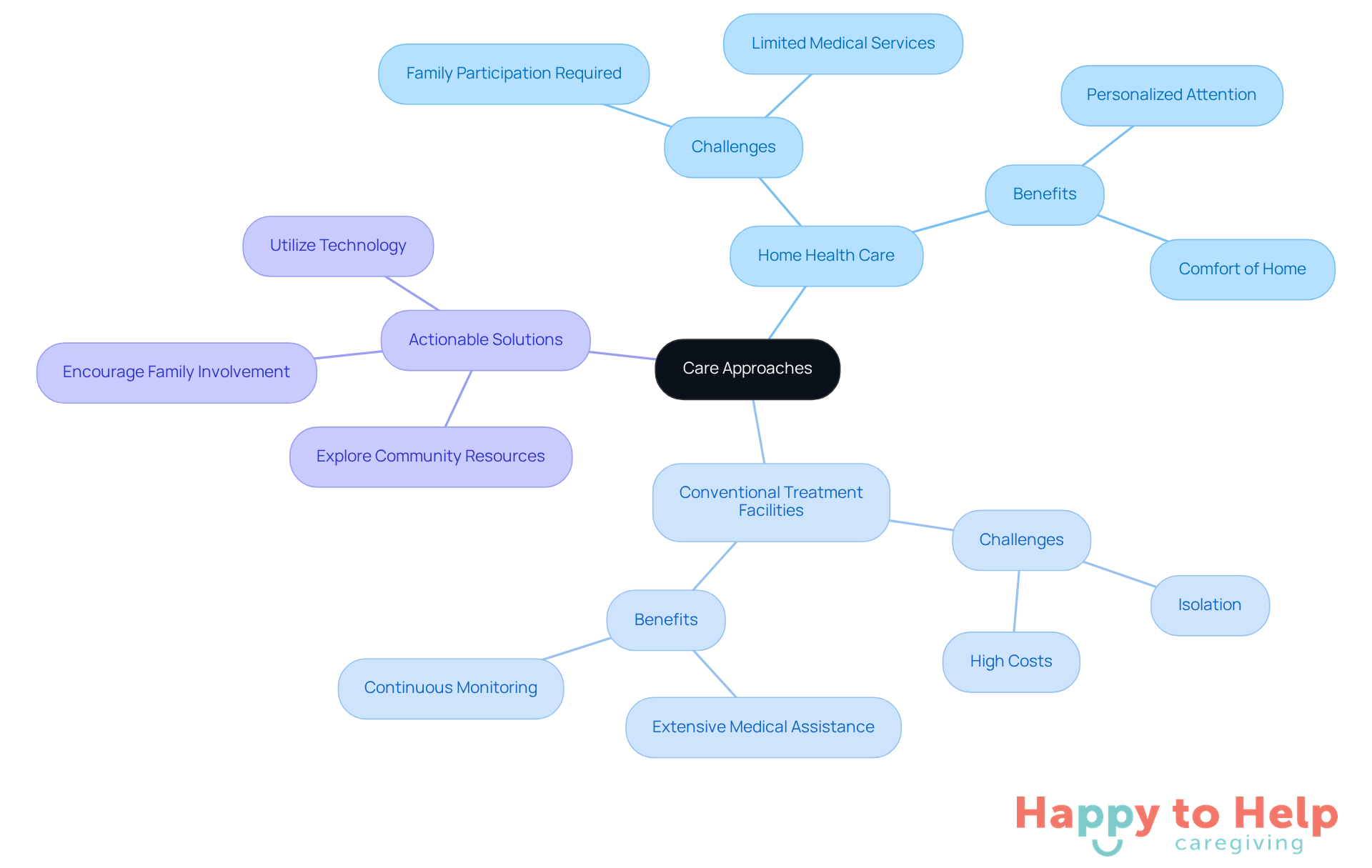
Home health care givers encounter significant challenges when providing home health services. While they offer personalized attention and the comfort of a familiar environment, they can also require family participation in coordination and may have limitations in medical services. This can lead to feelings of frustration and overwhelm for caregivers trying to manage these responsibilities.
On the other hand, conventional treatment facilities provide extensive medical assistance and continuous monitoring. However, this often results in feelings of isolation for patients and may not effectively address their emotional needs. Additionally, the higher costs associated with traditional services, due to facility overhead and staffing requirements, can add financial strain on families.
To navigate these challenges, caregivers can consider the following actionable solutions:
- Encourage family involvement in care coordination to alleviate some of the burdens.
- Explore community resources that provide support services tailored to home health care givers.
- Utilize technology for remote monitoring and communication with healthcare providers, ensuring patients receive the necessary medical attention without the need for constant facility visits.
By implementing these strategies, caregivers can enhance the quality of care while managing the complexities of home health services.
Emotional and Logistical Considerations for Families
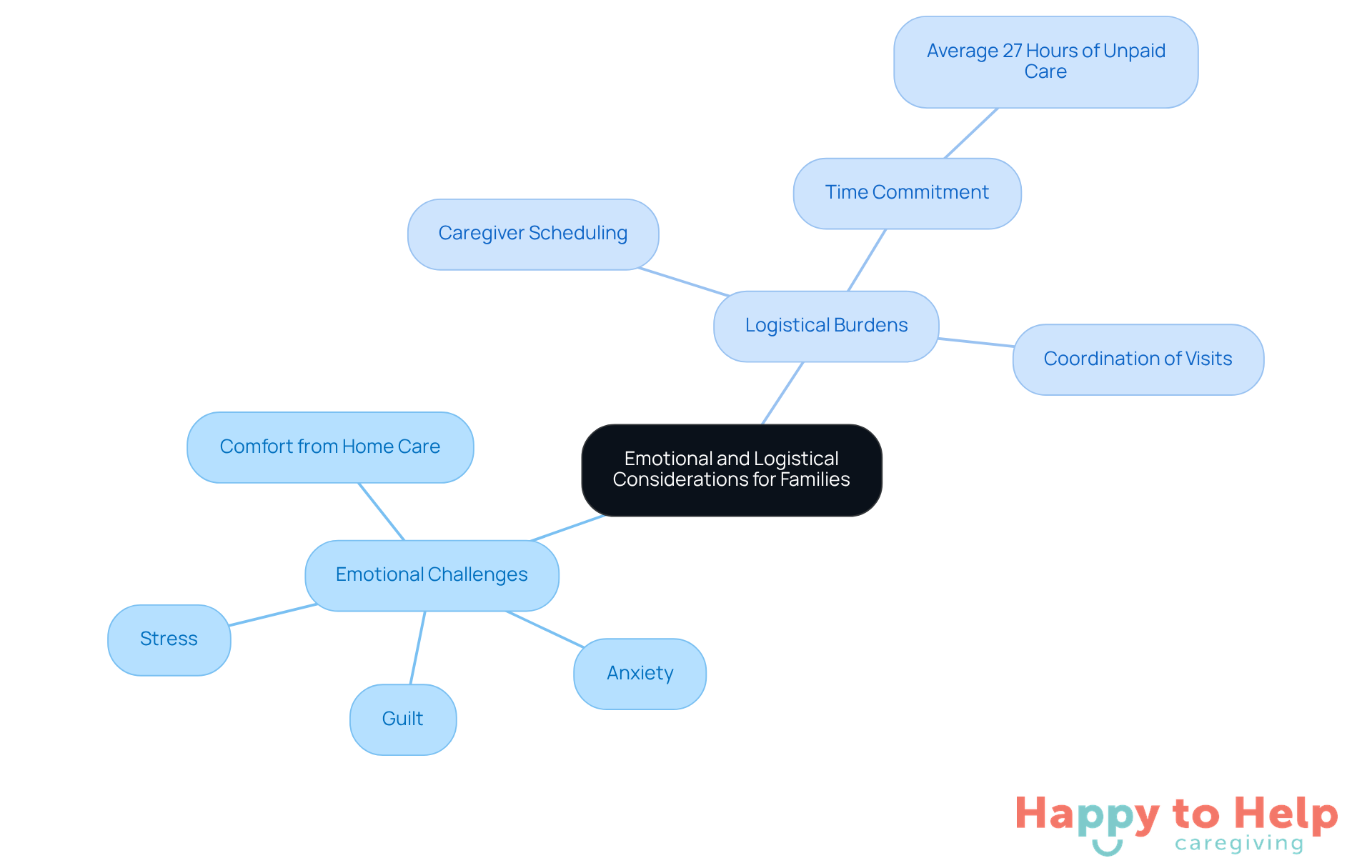
Families often encounter significant emotional challenges when transitioning to domestic support or conventional assistance environments. This situation can lead to feelings of stress and anxiety, as loved ones may struggle with the change. Home health care givers provide a comforting solution, allowing individuals to remain in familiar surroundings, which can enhance emotional well-being. Home health care givers frequently report that their loved ones' recovery and comfort are profoundly impacted by being at home.
However, opting for home health assistance can also place additional logistical burdens on families. Coordinating caregiver schedules and managing visits can become overwhelming. For instance, family caregivers typically provide an average of 27 hours of unpaid assistance each week, highlighting the substantial time commitment involved. Conversely, while conventional support can alleviate daily caregiving responsibilities, it may evoke feelings of guilt or sadness due to the physical distance from loved ones.
Understanding these emotional and logistical factors is crucial for families navigating their caregiving journey. It ensures they are prepared for the complexities associated with both care models. As Debra Barrett emphasizes, prioritizing family caregiver mental health is essential to mitigate burnout and strengthen family bonds. By recognizing the challenges and implementing supportive strategies, families can foster a healthier caregiving environment.
Key Takeaways for Caregivers
The exploration of home health care versus traditional care highlights a significant problem: the emotional neglect often found in traditional facilities. While these facilities excel in medical supervision, they frequently overlook the emotional needs of patients, leading to feelings of isolation and distress. This issue not only affects patient satisfaction but can also hinder recovery and overall well-being.
The implications of this emotional neglect are profound. Patients in traditional care settings may feel disconnected and unsupported, which can exacerbate their health challenges. In contrast, home health care offers a more personalized and flexible approach, prioritizing comfort and emotional support. This shift underscores a growing recognition of the importance of individualized care in enhancing patient outcomes.
So, what can caregivers do? Embracing home health care can be a practical solution. This model provides tailored services that foster independence and emotional wellness, allowing patients to recover in a nurturing environment. Families should carefully consider the benefits of home health care, recognizing that it can significantly impact the health and happiness of their loved ones.
In conclusion, the choice between home health care and traditional care is not just about where services are provided; it’s about the quality of care and support patients receive. By weighing these considerations and opting for a more personalized approach, families can enhance recovery and enrich the overall caregiving experience. This thoughtful decision-making process is crucial for navigating the complexities of caregiving.
https://iframe.tely.ai/cta/eyJhcnRpY2xlX2lkIjogIjY5MjEwYWIwY2ZiZmM5YjZmMWU5MGZjMSIsICJjb21wYW55X2lkIjogIjY4ZWU1ZGNhNzMxNzYyNTU3ZjNjOTVjMSIsICJpbmRleCI6IG51bGwsICJ0eXBlIjogImFydGljbGUifQ==Frequently Asked Questions
What is home health care?
Home health care refers to in-home medical services that provide personalized care to patients, addressing their unique needs in a comfortable and familiar environment.
How does home health care differ from traditional care?
Unlike traditional care, which often takes place in hospitals or nursing facilities with rigid schedules and limited interaction, home health care offers more flexibility and personalized attention, fostering independence and comfort for patients.
Why are more Americans opting for home health care?
As of 2025, approximately 12 million Americans are choosing domestic support services each year due to a growing preference for customized assistance that improves comfort and promotes better recovery outcomes.
What are the benefits of in-home medical services?
In-home medical services improve patient outcomes, reduce hospital readmissions, enhance recovery, and promote a sense of safety and wellness for patients.
How do healthcare experts view home health care?
Healthcare experts emphasize that home health care is an essential component of modern medical practice, as it allows for a more personalized approach to meet the unique needs of each patient.
List of Sources
- Defining Home Health Care and Traditional Care
- Home Healthcare Statistics and Facts (2025) (https://media.market.us/home-healthcare-statistics)
- 2025 Home Care Statistics: Trends & Insights To Know (https://premierhcinc.com/blog/home-care-statistics)
- The Future of Private Home Care: What to Expect in 2025 (https://anodyne-services.com/2024/08/14/the-future-of-private-home-care-what-to-expect-in-2025)
- 52 Eye-Opening Home Health Statistics: Insights for 2025 (https://boosthomehealth.com/home-health-statistics)
- How Medicare Advantage Changed Home Health Care Use (https://ldi.upenn.edu/our-work/research-updates/how-medicare-advantage-changed-home-health-care-use)
- Services Offered by Home Health Caregivers
- The senior population is booming. Caregiving is struggling to keep up (https://cnbc.com/2025/11/21/senior-caregiving-labor.html)
- Home Health Care Trends for 2025 (https://carevoyant.com/home-health-blog/home-health-care-trends-2025)
- State of home care in 2025 (https://mcknightshomecare.com/state-of-home-care-in-2025)
- News Releases (https://hcaoa.org/news-releases.html)
- Home (https://homehealthcarenews.com)
- Comparing Challenges and Benefits of Each Care Approach
- Cost of Home Care vs. Nursing Homes (https://aplaceformom.com/caregiver-resources/articles/home-care-vs-nursing-home-costs)
- 52 Eye-Opening Home Health Statistics: Insights for 2025 (https://boosthomehealth.com/home-health-statistics)
- Home Care Impact on Recovery of Patient (A Statistics Report) (https://lovinghomecareinc.com/home-care-recovery-statistics)
- Patient safety in home health care: a grounded theory study - BMC Health Services Research (https://bmchealthservres.biomedcentral.com/articles/10.1186/s12913-023-09458-9)
- Disruption Redefines Home-Based Care: Providers Confront Challenges, Seize New Opportunities (https://homehealthcarenews.com/2025/10/disruption-redefines-home-based-care-providers-confront-challenges-seize-new-opportunities)
- Emotional and Logistical Considerations for Families
- Caregiving’s Mental Health Crisis (https://forbes.com/sites/otsuka/2025/10/02/caregivings-mental-health-crisis)
- 'Hospital-at-home' trend means family members must be caregivers — ready or not (https://npr.org/sections/health-shots/2023/07/18/1188058399/hospital-at-home-caregivers-family-stress)
- Family Caregiver Support, Education Needs Growing (https://hospicenews.com/2025/11/11/family-caregiver-support-education-needs-growing)
- New Report Reveals Crisis Point for America’s 63 million Family Caregivers (https://press.aarp.org/2025-07-24-New-Report-Reveals-Crisis-Point-for-Americas-63-million-Family-Caregivers)