How Much D3 for Seniors: Essential Steps for Caregivers

For families in our service areas
For families in our service areas, this guide explains caregiver support and how non-medical in-home caregiving can support care planning in East Idaho, Treasure Valley & Magic Valley, Northern Wasatch, North Central West Virginia, and Northeast Ohio.
What You Need to Know About How Much D3
Understanding the critical role of vitamin D3 in promoting health and well-being among seniors is essential for caregivers. Many elderly individuals face deficiencies due to limited sun exposure and dietary restrictions. This raises an important question: how much D3 is necessary for optimal health?
Vitamin D3 deficiency can lead to serious health issues, including weakened bones and increased risk of chronic diseases. Caregivers must recognize the implications of these deficiencies, as they can significantly impact the quality of life for older adults. With this in mind, it becomes crucial to explore actionable strategies that ensure seniors receive adequate vitamin D3.
To address this challenge, caregivers can implement several practical solutions:
- Incorporating dietary sources rich in vitamin D3, such as fatty fish, egg yolks, and fortified foods, can help boost levels.
- Considering supplementation may be necessary for those who struggle to meet their needs through diet alone.
- Being aware of potential risks and challenges associated with supplementation, such as dosage and interactions with other medications.
Navigating the complexities of vitamin D3 requirements can enhance the quality of life for seniors. By understanding the importance of this nutrient and taking proactive steps, caregivers can play a vital role in promoting the health and well-being of older adults.
Understand the Importance of Vitamin D3 for Seniors
Cholecalciferol, or D3, is essential for maintaining bone health, muscle function, and overall well-being in older adults. However, many elderly individuals face a significant problem: they often do not receive enough D3, raising questions about how much D3 for seniors is needed due to limited sun exposure and inadequate dietary intake. This deficiency can lead to serious health issues, including osteoporosis and fractures, as well as mood disorders like depression and cognitive decline.
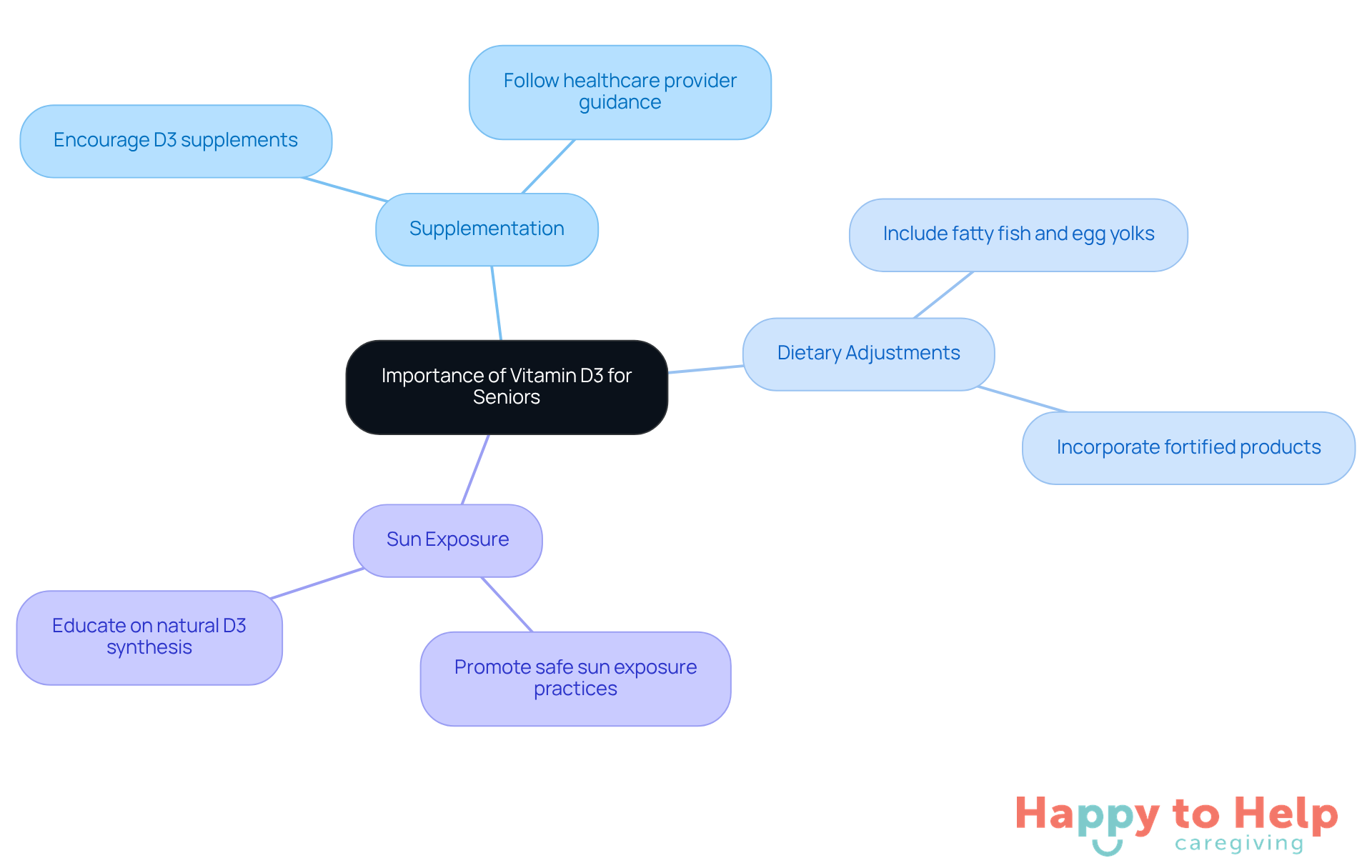
To address this issue, caregivers should consider the following actionable solutions:
- Supplementation: Encourage the use of D3 supplements to help meet the recommended daily intake.
- Dietary Adjustments: Incorporate foods rich in D3, such as fatty fish, egg yolks, and fortified products, into the diets of older adults.
- Sun Exposure: Promote safe sun exposure practices, allowing for natural D3 synthesis.
By recognizing the importance of D3 and implementing these strategies, caregivers can significantly enhance the health and quality of life for older adults.
Identify Factors Affecting Vitamin D3 Requirements
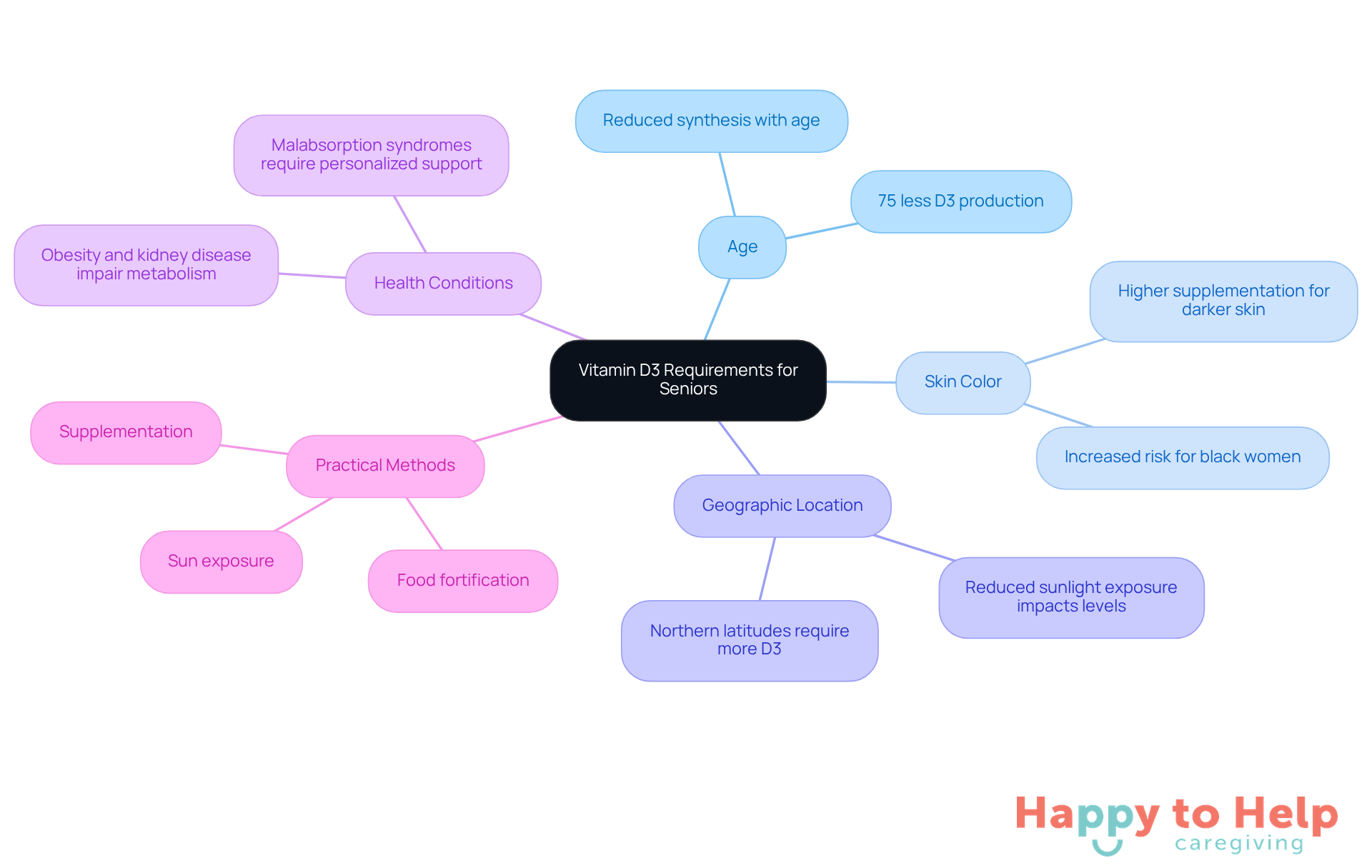
Several factors significantly influence the Vitamin D3 requirements for seniors, presenting a challenge for caregivers:
Problem: As individuals age, their skin's ability to synthesize Vitamin D3 from sunlight diminishes. Research suggests that older adults may generate up to 75% less D3 compared to younger individuals, resulting in heightened vulnerability to deficiency. The suggested daily intake for Vitamin D is between 600 to 800 IU for older adults.
Agitate: Additionally, skin color plays a crucial role in D3 production. Darker skin tones, which contain more melanin, can diminish the skin's capacity to produce D3, necessitating higher supplementation levels for individuals with deeper complexions. Notably, research indicates that black women are at a greater risk of D deficiency compared to white women, emphasizing a major public health issue. Geographic location also matters; seniors living in northern latitudes or areas with reduced sunlight exposure may need increased amounts of D3. For example, studies show that people in these regions frequently have reduced serum levels of 25-hydroxyvitamin D, suggesting a requirement for enhanced intake.
Solution: Various health conditions, such as obesity, kidney disease, and malabsorption syndromes, can impair D3 metabolism. These circumstances may require personalized support approaches to ensure sufficient D3 levels. Caregivers should also be aware that vitamin D intake could potentially increase the incidence of kidney stones, although the risk is considered low when adhering to recommended doses.
Caregivers should thoughtfully evaluate these factors when determining how much D3 for seniors, as individual needs can differ greatly. Practical methods for preventing D deficiency include:
- Sun exposure
- Food fortification
- Supplementation
These strategies are vital for sustaining optimal health in older adults.
Assess Current Vitamin D3 Levels
Vitamin D deficiency is a common issue among seniors, raising the question of how much D3 for seniors is necessary to prevent various health problems. Caregivers need to be vigilant about this deficiency to ensure the well-being of their loved ones.
Without adequate Vitamin D, seniors may question how much D3 for seniors is needed to prevent fatigue, muscle weakness, and bone pain, which can significantly impact their quality of life. Recognizing these signs is crucial for timely intervention.
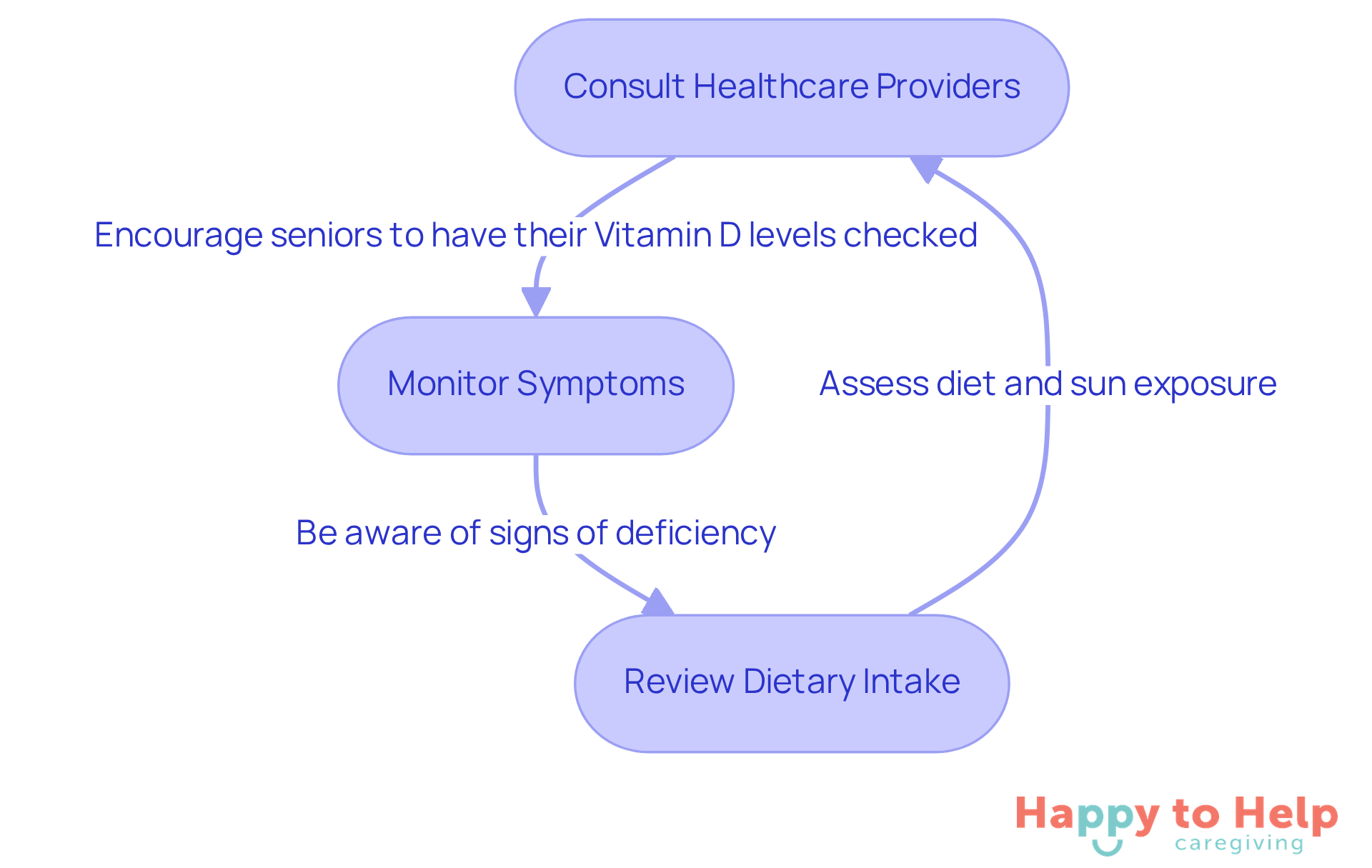
Solution: Here are some actionable steps caregivers can take to assess Vitamin D3 levels:
- Consult Healthcare Providers: Encourage seniors to have their Vitamin D levels checked through a blood test, specifically measuring 25-hydroxyvitamin D.
- Monitor Symptoms: Be aware of signs of deficiency, such as fatigue, muscle weakness, or bone pain.
- Review Dietary Intake: Assess the senior's diet for D-rich foods and consider their sun exposure habits. Regular assessments can help adjust supplementation as needed.
Review Recommended Daily Allowances for Seniors
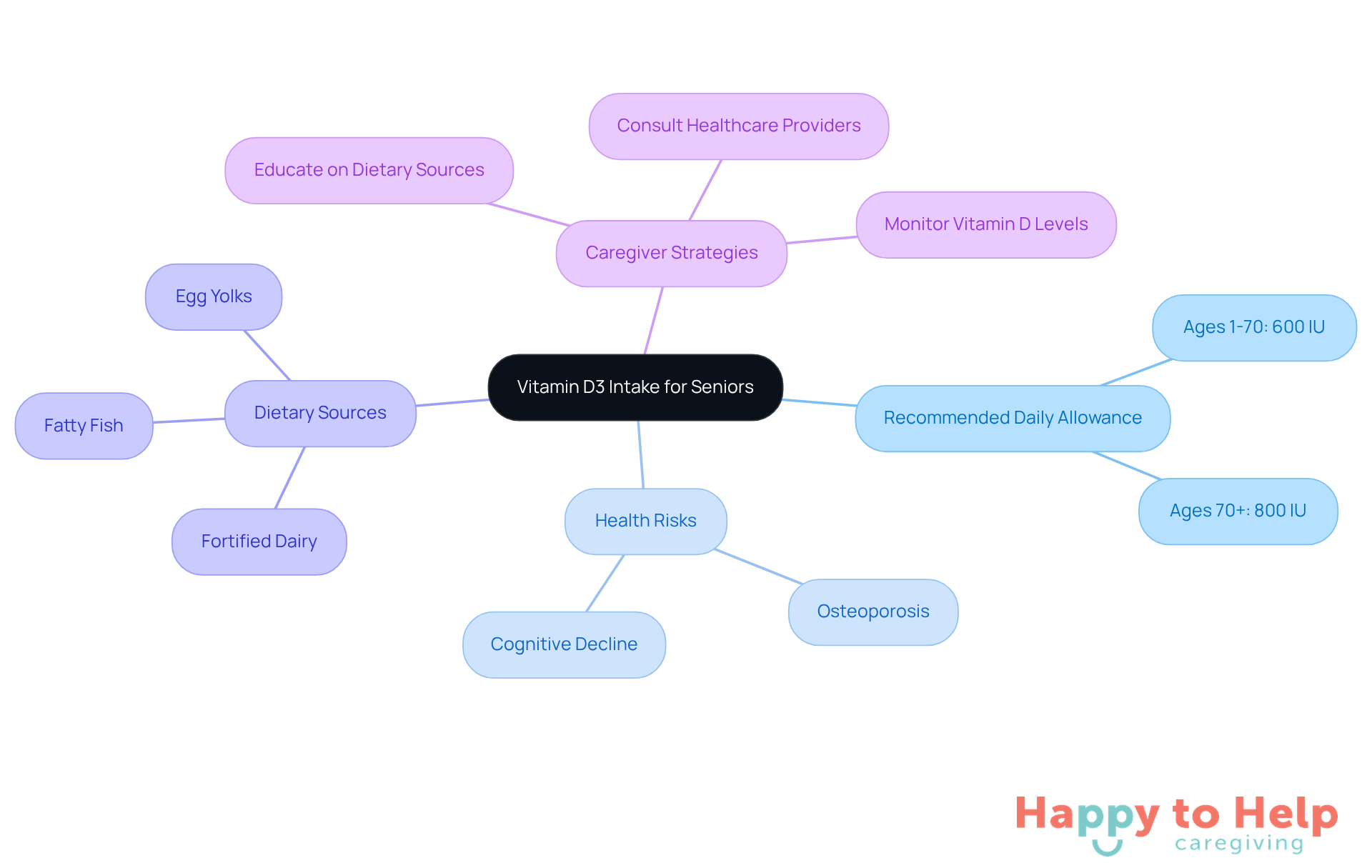
Many seniors struggle to understand how much D3 for seniors is necessary to meet their daily vitamin intake, which is crucial for their health. The National Academy of Medicine states that the recommended daily intake (RDA) for adults aged 1 to 70 years is 600 IU (15 mcg), but for those over 70, it increases to 800 IU (20 mcg) daily, prompting the question of how much D3 for seniors. This adjustment is essential because older adults often have reduced skin efficiency in producing vitamin D from sunlight and may face dietary restrictions.
Without adequate vitamin D3, seniors are at risk for serious health issues, including osteoporosis and cognitive decline, highlighting the importance of knowing how much D3 for seniors. Caregivers must recognize the importance of ensuring that older adults meet these minimum requirements. The U.S. Preventive Services Task Force emphasizes that sufficient vitamin D intake is vital for fracture prevention, particularly in older individuals.
Caregivers can help seniors achieve their vitamin D3 goals by educating them on how much D3 for seniors can be obtained through a combination of dietary sources, sunlight exposure, and supplementation. Foods rich in vitamin D, such as fortified dairy products, fatty fish, and egg yolks, should be included in their diets. For those with specific health conditions or limited sun exposure, consulting healthcare providers for tailored recommendations is crucial.
Real-life examples underscore the importance of sufficient D3 intake in elderly care. A study involving frail individuals aged 65 and above found that how much D3 for seniors, specifically 800 IU of daily supplementation, significantly improved their overall well-being and reduced fracture risk. This highlights the critical role caregivers play in promoting adequate D3 consumption, ultimately supporting the health and autonomy of seniors.
Explore Sources of Vitamin D3
Elderly individuals often face the challenge of Vitamin D deficiency, which can significantly impact their health and well-being. This deficiency can lead to various health issues, including weakened bones and a compromised immune system. Caregivers play a crucial role in addressing this problem by ensuring that older adults receive adequate Vitamin D from various sources.
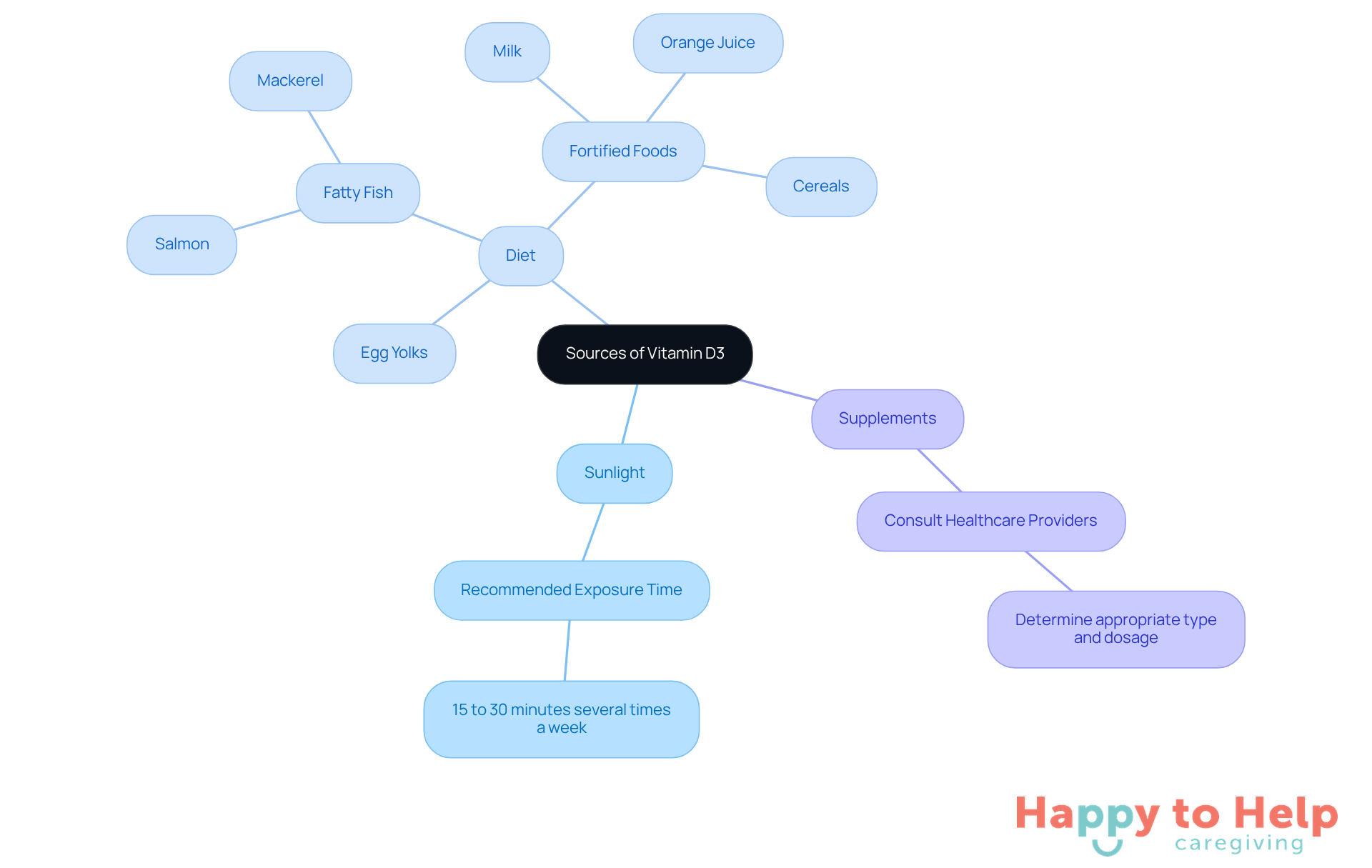
Sunlight: Encourage safe sun exposure for about 15 to 30 minutes several times a week. The exact duration may vary based on skin type and geographic location, but this practice can greatly enhance Vitamin D levels.
Diet: Incorporate foods rich in Vitamin D3 into daily meals. Recommended options include:
- Fatty fish like salmon and mackerel, which are excellent natural sources.
- Fortified foods such as milk, orange juice, and cereals, which can help meet daily requirements.
- Egg yolks, which also provide a modest amount of Vitamin D.
Supplements: If dietary intake and sunlight exposure are insufficient, Vitamin D3 supplements may be necessary. Caregivers should consult healthcare providers to determine how much D3 for seniors is the appropriate type and dosage tailored to individual needs.
By focusing on these resources, caregivers can effectively assist older adults in understanding how much D3 for seniors is needed to promote overall wellness and vitality.
Recognize Risks and Side Effects of Vitamin D3
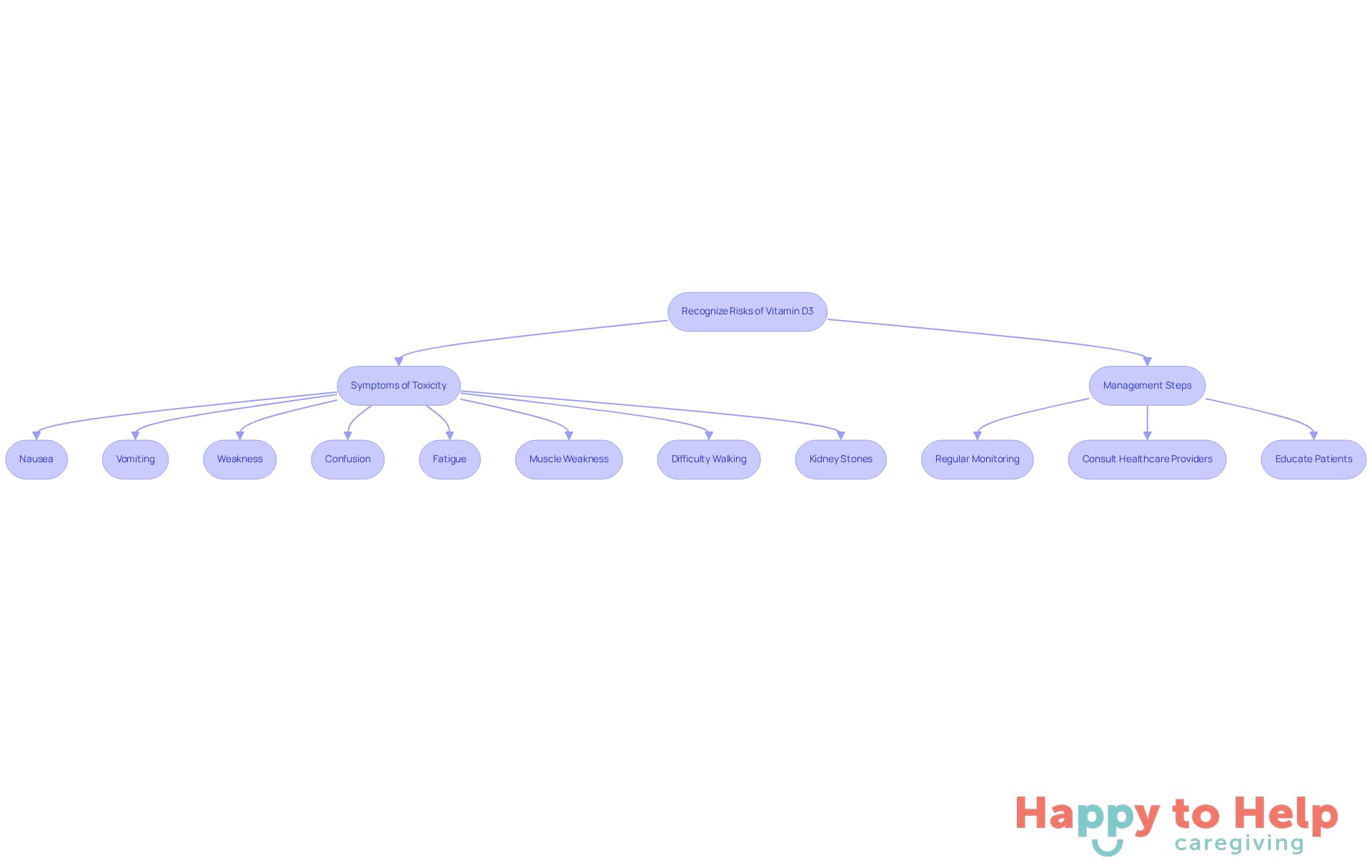
Vitamin D is essential for well-being, but it's important to know how much D3 for seniors to consume, as excessive intake can lead to toxicity. Caregivers need to be aware of the symptoms of toxicity, which include:
- Nausea
- Vomiting
- Weakness
- Confusion
- Fatigue
In severe cases, symptoms may escalate to:
- Muscle weakness
- Difficulty walking
- Kidney stones due to hypercalcemia, a condition marked by elevated calcium levels in the blood.
Toxicity typically arises from excessive intake of supplements or prescription drugs, while dietary sources rarely cause issues.
The safe upper limit for adults is generally considered to be 4,000 IU per day. Exceeding this threshold can result in serious health complications, such as:
- Acute renal failure
- Abnormal heart rhythms
Alarmingly, research shows that even doses as low as 2,000 IU per day can trigger toxic symptoms in susceptible individuals. Between 2000 and 2014, there were 25,397 reported cases of vitamin D toxicity, highlighting the need for vigilance among caregivers.
To manage and mitigate these risks, regular monitoring of vitamin D levels and consultation with healthcare providers are crucial. For instance, a case study underscored the importance of educating patients about the risks associated with excessive vitamin D supplement use, especially for those on high doses. Treatment for vitamin D toxicity primarily focuses on lowering calcium levels in the blood. This proactive approach can help prevent toxicity and ensure the well-being of older adults in care by addressing how much D3 for seniors is needed.
Troubleshoot Common Vitamin D3 Challenges
Caregivers frequently encounter challenges in ensuring that elderly individuals receive adequate guidance on how much D3 for seniors. Here are some common issues and effective solutions:
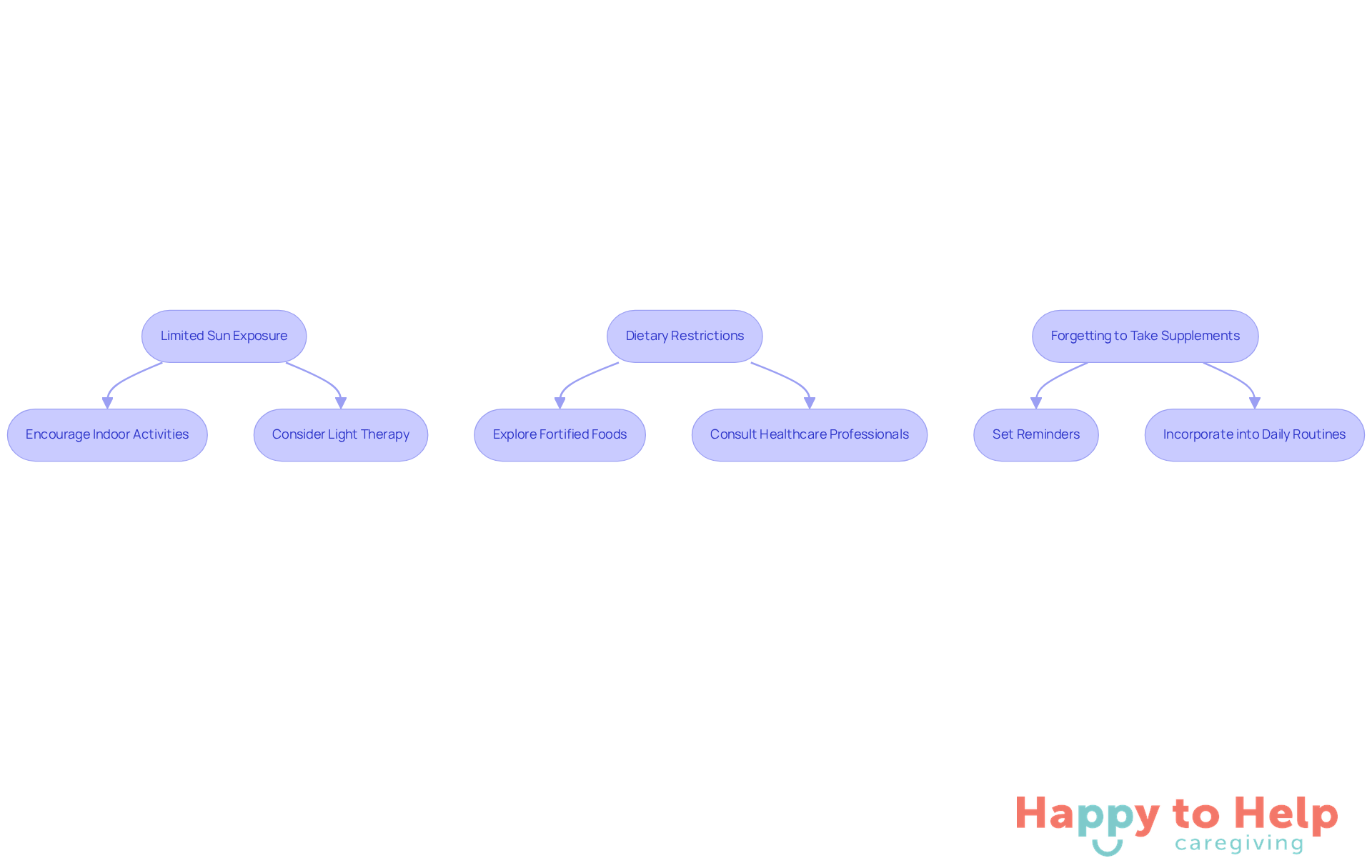
- Limited Sun Exposure Due to Mobility Issues: Many seniors struggle to get enough sunlight, which is essential for natural Vitamin D synthesis. Encouraging indoor activities near windows can help maximize sunlight exposure. Additionally, light therapy options can simulate sunlight, providing a beneficial alternative. Statistics show that over 40% of adults aged 20 and older are vitamin D deficient, with even higher rates among the elderly, making this a significant concern.
Seniors may face dietary restrictions that limit how much D3 for seniors they can consume. Caregivers should explore fortified foods, such as cereals and dairy products, to help bridge the gap. Consulting with healthcare professionals about suitable dietary additions can ensure that older adults meet their nutritional needs. It's important to note that the U.S. Preventive Services Task Force advises against relying solely on vitamin D supplementation for preventing falls and fractures, emphasizing the need for a comprehensive health approach.
- Forgetting to Take Supplements: It's common for seniors to forget their supplements. Caregivers can set reminders or incorporate how much D3 for seniors into daily routines, such as taking it with meals. Frequent discussions about the importance of D3 can enhance compliance and understanding. Dr. Meryl LeBoff, a specialist in the field, emphasizes that while adding nutrients can be beneficial, it should not be the only strategy for preventing issues related to vitamin D deficiency.
These strategies not only address the practical aspects of Vitamin D3 consumption but also foster a supportive environment that encourages older adults to prioritize their well-being. Additionally, caregivers should be mindful of the potential risks associated with vitamin D supplementation, such as an increased risk of kidney stones, which is a critical consideration in managing seniors' health.
Making the Right Choice
Understanding the critical role of Vitamin D3 in senior health is essential for caregivers aiming to enhance the well-being of older adults. Many seniors face a significant problem: Vitamin D3 deficiency. This vital nutrient supports bone strength, muscle function, and overall mental health, yet many older adults are at risk due to limited sun exposure and dietary challenges.
The implications of this deficiency can be severe, affecting not just physical health but also mental well-being. Caregivers must recognize that by implementing effective strategies - such as supplementation, dietary adjustments, and safe sun practices - they can significantly improve health outcomes for the elderly.
Assessing individual Vitamin D3 needs is crucial, as these can vary based on factors like age, skin color, geographic location, and existing health conditions. Caregivers should be proactive in ensuring that seniors receive adequate Vitamin D3 through a combination of food sources, sunlight, and supplements. However, they must also be vigilant about the potential risks associated with excessive intake. Regular monitoring and consultation with healthcare providers are vital steps in this process.
Ultimately, prioritizing Vitamin D3 intake is not just about meeting daily allowances; it’s about fostering a healthier, more vibrant life for seniors. Caregivers are encouraged to take actionable steps to ensure that older adults thrive. This reinforces the significance of adequate Vitamin D3 consumption in promoting longevity and quality of life. By advocating for proper nutrition and health practices, caregivers can make a profound difference in the lives of those they support.
https://iframe.tely.ai/cta/eyJhcnRpY2xlX2lkIjogIjY5NDBhMjMxMjI1ZjA3N2M1ZmMwYmY0OCIsICJjb21wYW55X2lkIjogIjY4ZWU1ZGNhNzMxNzYyNTU3ZjNjOTVjMSIsICJpbmRleCI6IG51bGwsICJ0eXBlIjogImFydGljbGUifQ==Frequently Asked Questions
What is Vitamin D3 and why is it important for seniors?
Vitamin D3, or cholecalciferol, is essential for maintaining bone health, muscle function, and overall well-being in older adults. It helps prevent serious health issues such as osteoporosis, fractures, mood disorders like depression, and cognitive decline.
Why do many seniors have a Vitamin D3 deficiency?
Many elderly individuals often do not receive enough Vitamin D3 due to limited sun exposure and inadequate dietary intake, leading to a higher risk of deficiency.
What is the recommended daily intake of Vitamin D for seniors?
The suggested daily intake of Vitamin D for older adults is between 600 to 800 IU.
What factors affect Vitamin D3 requirements in seniors?
Factors that influence Vitamin D3 requirements include age-related changes in skin's ability to synthesize D3, skin color (with darker skin tones producing less D3), geographic location (especially for those in northern latitudes with reduced sunlight), and certain health conditions like obesity, kidney disease, and malabsorption syndromes.
What are some actionable solutions for addressing Vitamin D3 deficiency in seniors?
Solutions include encouraging D3 supplementation, incorporating foods rich in D3 (such as fatty fish, egg yolks, and fortified products) into their diets, and promoting safe sun exposure practices.
How does skin color impact Vitamin D3 production?
Skin color plays a crucial role in D3 production; individuals with darker skin tones, which contain more melanin, may require higher supplementation levels due to reduced capacity to produce D3.
Are there any risks associated with Vitamin D intake?
While vitamin D intake could potentially increase the incidence of kidney stones, the risk is considered low when adhering to recommended doses.
What strategies can caregivers implement to prevent Vitamin D deficiency in seniors?
Caregivers can promote sun exposure, encourage food fortification, and recommend supplementation to help maintain optimal Vitamin D levels in older adults.
List of Sources
- Understand the Importance of Vitamin D3 for Seniors
- Cost-effectiveness of vitamin D3 supplementation in older adults with vitamin D deficiency in Ireland (https://nutrition.bmj.com/content/early/2022/05/25/bmjnph-2021-000382)
- Popular vitamin won’t prevent a fall or fracture in older adults, health panel says. But here’s what can help | CNN (https://cnn.com/2024/12/17/health/vitamin-d-calcium-falls-uspstf-wellness)
- Roundup: Caution Urged on Use of Vitamin D, Calcium Supplements for Older Adults; and More News (https://baptisthealth.net/baptist-health-news/caution-urged-on-use-of-vitamin-d-and-calcium-supplements-for-older-adults)
- Vitamin D supplements may lower blood pressure in older people with obesity (https://endocrine.org/news-and-advocacy/news-room/2024/vitamin-d-supplements-may-lower-blood-pressure-in-older-people-with-obesity)
- Vitamin D Supplements Show Signs of Protection Against Biological Aging | Mass General Brigham (https://massgeneralbrigham.org/en/about/newsroom/press-releases/vitamin-d-supplements-show-signs-of-protection-against-biological-aging)
- Identify Factors Affecting Vitamin D3 Requirements
- Popular vitamin won’t prevent a fall or fracture in older adults, health panel says. But here’s what can help | CNN (https://cnn.com/2024/12/17/health/vitamin-d-calcium-falls-uspstf-wellness)
- Vitamin D in the older population: a consensus statement - PMC (https://pmc.ncbi.nlm.nih.gov/articles/PMC9607753)
- Vitamin D deficiency among older women with and without disability (https://sciencedirect.com/science/article/pii/S0002916523069162)
- Older adults at risk of vitamin D deficiency (https://uclahealth.org/news/article/older-adults-risk-vitamin-d-deficiency)
- Assess Current Vitamin D3 Levels
- Heart attack risk halved in adults with heart disease taking tailored vitamin D doses (https://newsroom.heart.org/news/heart-attack-risk-halved-in-adults-with-heart-disease-taking-tailored-vitamin-d-doses)
- Prevalence of vitamin D deficiency in seniors – A retrospective study (https://sciencedirect.com/science/article/pii/S2405457723005387)
- Older adults at risk of vitamin D deficiency (https://uclahealth.org/news/article/older-adults-risk-vitamin-d-deficiency)
- Clinical Identification of Hypovitaminosis D among Elderly Attending Primary Care Centre in Saudi Arabia - PMC (https://pmc.ncbi.nlm.nih.gov/articles/PMC9581707)
- Endocrine Society Guideline recommends healthy adults under the age of 75 take the recommended daily allowance of vitamin D (https://endocrine.org/news-and-advocacy/news-room/2024/endocrine-society-recommends-healthy-adults-take-the-recommended-daily-allowance-of-vitamin-d)
- Review Recommended Daily Allowances for Seniors
- What to Know About Vitamin D Dosage for Older Adults (https://webmd.com/healthy-aging/what-to-know-about-vitamin-d-dosage-for-older-adults)
- Office of Dietary Supplements - Vitamin D (https://ods.od.nih.gov/factsheets/VitaminD-HealthProfessional)
- Common daily vitamin shown to slow aging process over 4-year period (https://foxnews.com/health/common-daily-vitamin-shown-slow-aging-process-over-four-year-period)
- Endocrine Society Guideline recommends healthy adults under the age of 75 take the recommended daily allowance of vitamin D (https://endocrine.org/news-and-advocacy/news-room/2024/endocrine-society-recommends-healthy-adults-take-the-recommended-daily-allowance-of-vitamin-d)
- Explore Sources of Vitamin D3
- Cost-effectiveness of vitamin D3 supplementation in older adults with vitamin D deficiency in Ireland (https://nutrition.bmj.com/content/early/2022/05/25/bmjnph-2021-000382)
- Roundup: Caution Urged on Use of Vitamin D, Calcium Supplements for Older Adults; and More News (https://baptisthealth.net/baptist-health-news/caution-urged-on-use-of-vitamin-d-and-calcium-supplements-for-older-adults)
- Vitamin D supplements may lower blood pressure in older people with obesity (https://endocrine.org/news-and-advocacy/news-room/2024/vitamin-d-supplements-may-lower-blood-pressure-in-older-people-with-obesity)
- Older adults at risk of vitamin D deficiency (https://uclahealth.org/news/article/older-adults-risk-vitamin-d-deficiency)
- Recognize Risks and Side Effects of Vitamin D3
- Study Finds No Benefit, Possible Harm to Seniors’ Fall Risks with Higher Doses of Vitamin D (https://hopkinsmedicine.org/news/newsroom/news-releases/2020/12/study-finds-no-benefit-possible-harm-to-seniors-fall-risks-with-higher-doses-of-vitamin-d)
- Vitamin D toxicity: What if you get too much? (https://mayoclinic.org/healthy-lifestyle/nutrition-and-healthy-eating/expert-answers/vitamin-d-toxicity/faq-20058108)
- Vitamin D toxicity (https://my.clevelandclinic.org/health/diseases/24750-vitamin-d-toxicity-hypervitaminosis-d)
- Roundup: Caution Urged on Use of Vitamin D, Calcium Supplements for Older Adults; and More News (https://baptisthealth.net/baptist-health-news/caution-urged-on-use-of-vitamin-d-and-calcium-supplements-for-older-adults)
- Vitamin D Toxicity - StatPearls - NCBI Bookshelf (https://ncbi.nlm.nih.gov/books/NBK557876)
- Troubleshoot Common Vitamin D3 Challenges
- Popular vitamin won’t prevent a fall or fracture in older adults, health panel says. But here’s what can help | CNN (https://cnn.com/2024/12/17/health/vitamin-d-calcium-falls-uspstf-wellness)
- Vitamin D Supplements Show Signs of Protection Against Biological Aging | Mass General Brigham (https://massgeneralbrigham.org/en/about/newsroom/press-releases/vitamin-d-supplements-show-signs-of-protection-against-biological-aging)
- Roundup: Caution Urged on Use of Vitamin D, Calcium Supplements for Older Adults; and More News (https://baptisthealth.net/baptist-health-news/caution-urged-on-use-of-vitamin-d-and-calcium-supplements-for-older-adults)
- Understanding the Endocrine Impact of Vitamin D, Calcium Deficiency in the Elderly (https://consultqd.clevelandclinic.org/understanding-the-endocrine-impact-of-vitamin-d-calcium-deficiency-in-the-elderly)
- Vitamin D supplements may lower blood pressure in older people with obesity (https://endocrine.org/news-and-advocacy/news-room/2024/vitamin-d-supplements-may-lower-blood-pressure-in-older-people-with-obesity)