How Much Do I Pay a Live-In Caregiver? Key Steps to Determine

For families in our service areas
For families in our service areas, this guide explains caregiver support and how non-medical in-home caregiving can support care planning in East Idaho, Treasure Valley & Magic Valley, Northern Wasatch, North Central West Virginia, and Northeast Ohio.
Why How Much Do I Pay a Live-In Caregiver? Matters
Navigating the financial implications of hiring a live-in caregiver can be daunting for families. With various types of caregivers available, each offering different services and expertise, finding the right fit is essential for both emotional and financial well-being.
Families often struggle to assess their budget and negotiate fair compensation while ensuring quality care for their loved ones. This challenge can lead to stress and uncertainty, making it crucial to approach the decision with clarity.
This guide provides essential steps and considerations for determining how much to pay a live-in caregiver. By breaking down the process, we aim to empower families with the knowledge they need to make informed decisions, ensuring both quality care and financial peace of mind.
Understand the Types of Live-In Caregivers
Caregiving can be a challenging journey, often leading to significant stress for family members. Many caregivers face emotional and financial burdens, which can adversely affect their well-being. In fact, 40% of caregivers report that their responsibilities increase their stress levels. Understanding the types of live-in caregivers available can help alleviate some of this pressure.
-
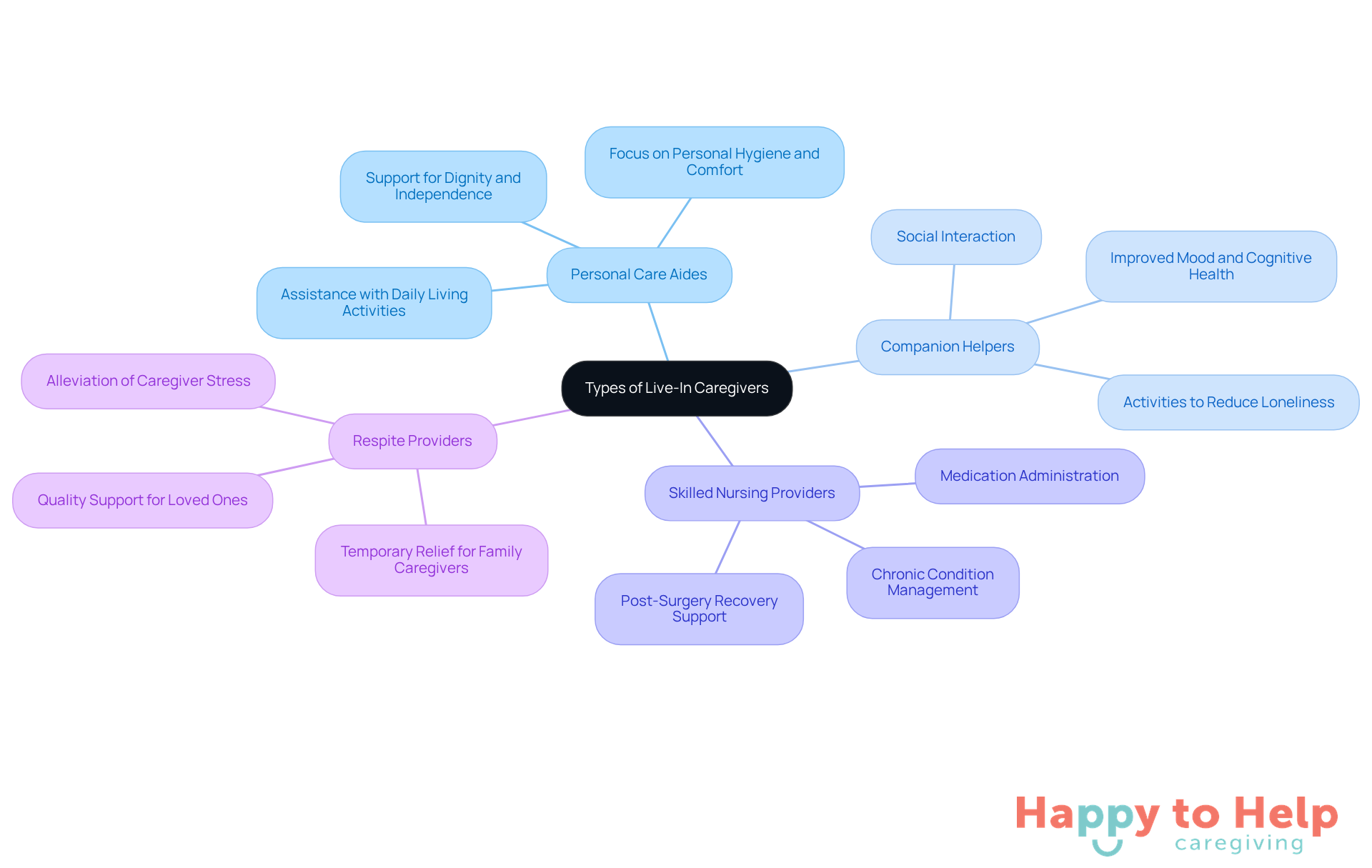
Personal Care Aides are crucial in assisting with daily living activities like bathing, dressing, and meal preparation. They focus on personal hygiene and comfort, ensuring clients maintain their dignity and independence. This type of support is vital, as personal care aides represent a significant portion of the home care industry.
-
Companion Helpers provide essential social interaction, engaging clients in activities that reduce loneliness and isolation. Regular companionship can lead to better mood, reduced stress, and improved cognitive health for seniors.
-
For those with medical needs, Skilled Nursing Providers are available to administer medications, manage chronic conditions, and monitor health. Their expertise is particularly important for clients recovering from surgery or dealing with complex health issues.
-
Respite Providers offer temporary relief for family caregivers, allowing them to take necessary breaks while ensuring their loved ones receive quality support. This type of assistance is crucial, as family caregivers often experience high levels of stress.
Recognizing these caregiver types helps families select the right support based on their loved one's needs. Additionally, it's important to note that 90% of family caregivers provide some form of financial assistance, highlighting the financial implications of caregiving. Personal support aides not only assist with daily tasks but also enhance emotional well-being through companionship. Given that personal support assistance is the most frequently utilized home health service, it underscores the vital role these aides play in the caregiving landscape.
Explore Factors Influencing Caregiver Rates
Several factors can influence how much do I pay a live-in caregiver, which presents a challenge for families seeking affordable care solutions.
-
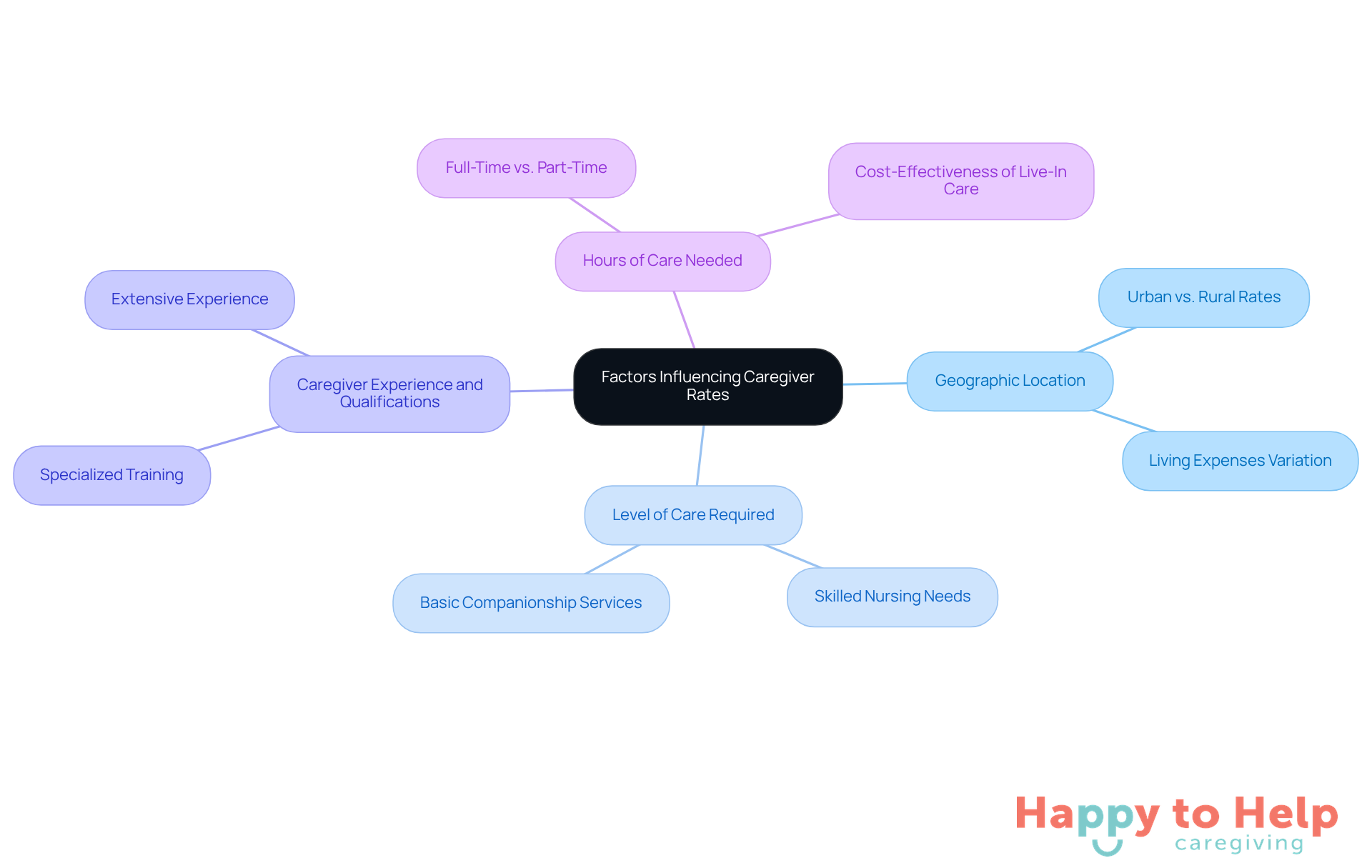
Geographic Location: Caregiver rates differ considerably by area due to variations in living expenses and demand for services. Urban areas typically have higher rates than rural locations, which can strain family budgets.
-
Level of Care Required: More complex care needs, such as those requiring skilled nursing, generally involve higher expenses compared to basic companionship services. This can create financial pressure for families who may not anticipate these costs.
-
Caregiver Experience and Qualifications: Caregivers with specialized training or extensive experience may charge higher rates. Families should carefully consider the qualifications of potential support providers when budgeting, as investing in skilled caregivers can lead to better care outcomes.
-
Hours of Care Needed: The total number of hours a helper is required to work can also influence overall expenses. Full-time live-in assistance may be more cost-effective than employing several aides for part-time shifts, making it essential for families to evaluate their needs.
By understanding these factors, families can better anticipate expenses and negotiate effectively with potential caregivers about how much do I pay a live-in caregiver. This proactive approach can lead to more informed decisions and ultimately better care.
Assess Your Budget and Care Needs
To effectively assess your budget and care needs, follow these steps:
-
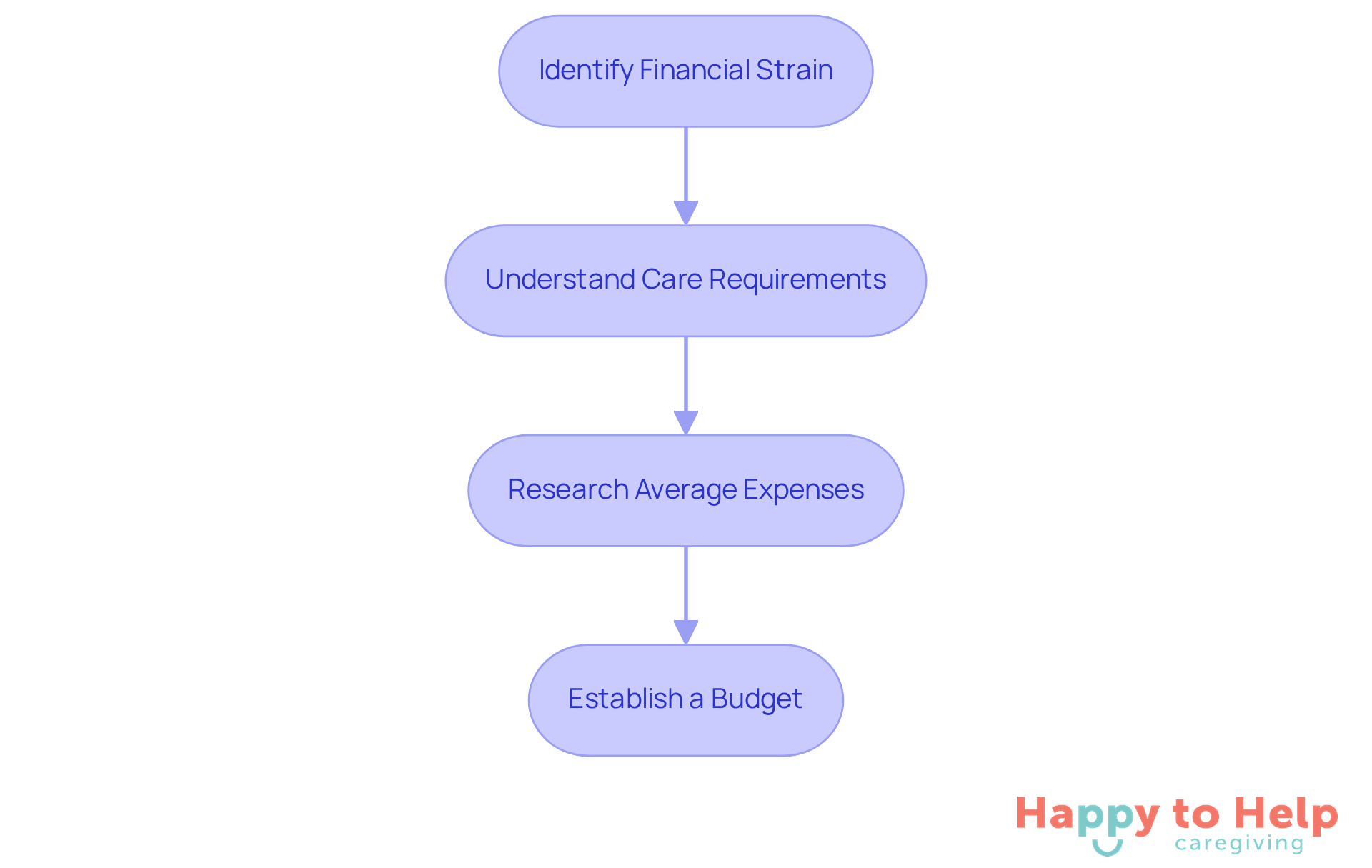
Problem: Financial Strain on Caregivers
Many caregivers face significant financial burdens. Almost 50% report financial effects, including debt and reduced savings. Caregivers spend an average of $7,200 per year from their own income on caregiving expenses, highlighting the need for careful financial planning. -
Agitate: Understanding Care Requirements
Evaluating the specific needs of your loved one is crucial. Consider their daily activities, medical requirements, and any personal care support they may need. The typical caregiver allocates about 27 hours each week to caregiving duties, with 24% providing over 40 hours weekly. This substantial time commitment can add to the strain, making financial planning even more essential. -
Solution: Research Average Expenses
Investigate the average costs of live-in caregivers in your area. For instance, in California, when asking how much do I pay a live-in caregiver, the median monthly expense for 40 hours of in-home assistance is projected to be around $6,620 for homemaker services and approximately $6,804 for home health aide services in 2025. The national median in-home care expense is about $33 per hour, which can help families understand how much do I pay a live-in caregiver when considering in-home care. -
Establish a Budget
With your financial resources and typical expenses in mind, create a budget detailing how much you can allocate for caregiving services each month. Families often face significant out-of-pocket expenses, averaging $7,200 annually, so a well-planned budget is essential for managing these costs effectively.
By taking these steps, families can ensure they are financially prepared to employ the appropriate support person for their loved one, ultimately enhancing their quality of life and well-being.
Discuss Pay with Potential Caregivers
When discussing pay with potential caregivers, it’s essential to address a common problem: unclear compensation expectations can lead to misunderstandings and dissatisfaction. Families often struggle to understand how much do I pay a live-in caregiver in a way that reflects the caregiver's responsibilities and market standards.
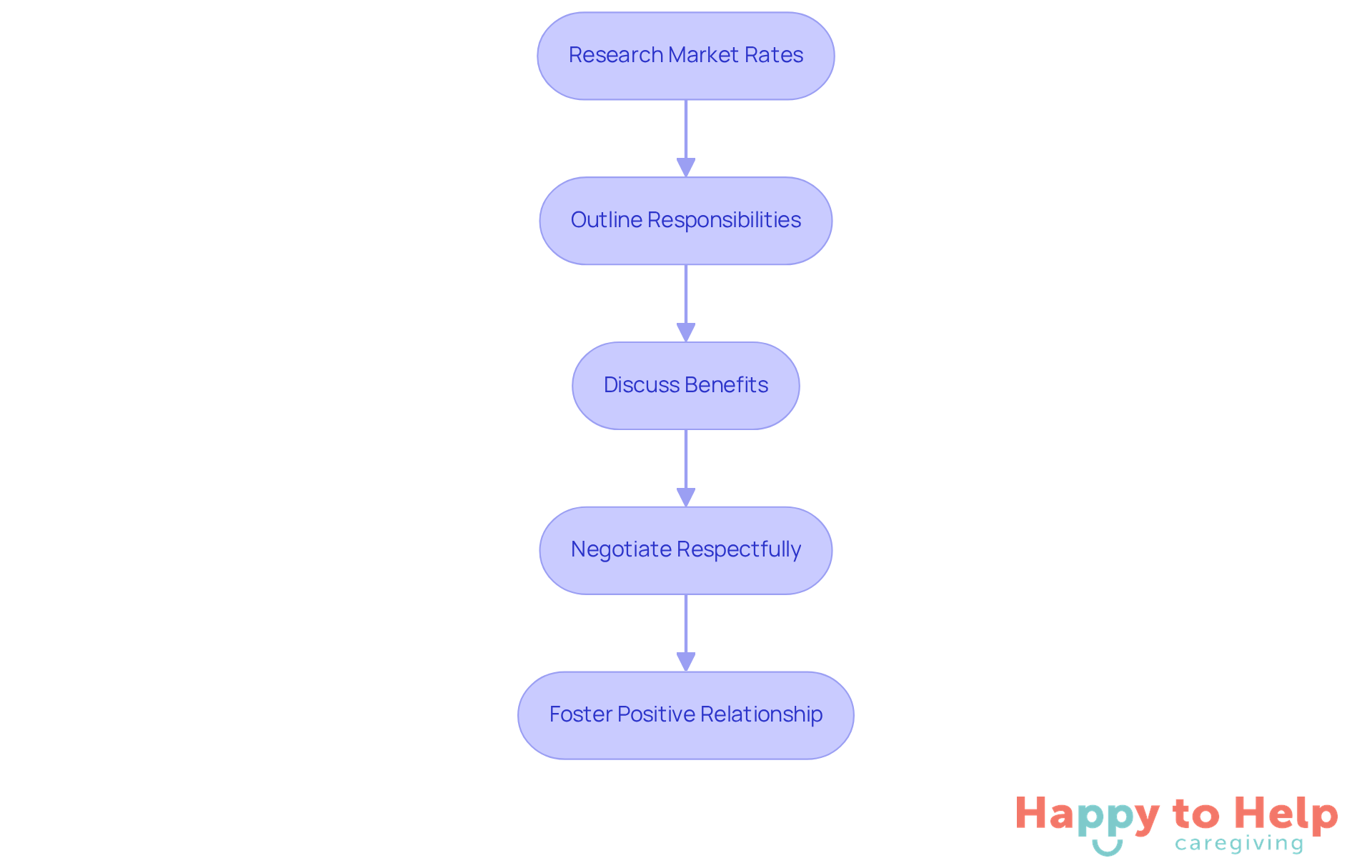
To tackle this issue, start by researching market rates. Familiarize yourself with how much do I pay a live-in caregiver in your area. This knowledge empowers you to determine how much do I pay a live-in caregiver while setting a reasonable offer that aligns with industry standards.
Next, be transparent about expectations. Clearly outline the responsibilities and expectations you have for the caregiver. This includes daily tasks, hours of work, and any special requirements. By doing so, you minimize the risk of miscommunication and ensure both parties are on the same page.
Additionally, don’t forget to discuss benefits. Beyond salary, consider other perks like paid time off, health insurance, or reimbursement for expenses such as transportation or meals. These benefits can significantly enhance the caregiver's overall compensation package.
Finally, negotiate respectfully. Approach the conversation with openness and respect. Listen to the caregiver's needs and concerns, and work together to find a compromise that satisfies both sides.
By following these steps, families can foster a positive relationship with their caregiver from the outset, ensuring a smoother caregiving experience.
Moving Forward with How Much Do I Pay a Live-In Caregiver?
Understanding the costs associated with hiring a live-in caregiver can be a significant challenge for families. Without a clear grasp of the different types of caregivers and their specific roles, families may struggle to make informed decisions that truly cater to the unique needs of their loved ones. This lack of knowledge can lead to increased stress and a less than optimal caregiving experience.
Key factors influencing caregiver rates include:
- Geographic location
- The level of care required
- Caregiver experience
- The total hours needed
Recognizing these elements is essential; it allows families to anticipate expenses, create realistic budgets, and negotiate effectively with potential caregivers. Open communication about pay and expectations is crucial, as it fosters a positive relationship and ensures both parties are aligned on responsibilities and compensation.
To address these challenges, families should invest time in understanding caregiver costs and planning effectively. This proactive approach can lead to better care outcomes and an improved quality of life for those in need. Families are encouraged to consider not only the financial implications but also the emotional and social benefits that a well-matched caregiver can provide. By taking these steps, families can significantly ease the burden of caregiving and enhance the well-being of both caregivers and their clients.
https://iframe.tely.ai/cta/eyJhcnRpY2xlX2lkIjogIjY5MjNhMGNhMWRmODM1M2QyMjg0NTk2ZSIsICJjb21wYW55X2lkIjogIjY4ZWU1ZGNhNzMxNzYyNTU3ZjNjOTVjMSIsICJpbmRleCI6IG51bGwsICJ0eXBlIjogImFydGljbGUifQ==Frequently Asked Questions
What are the main types of live-in caregivers?
The main types of live-in caregivers include Personal Care Aides, Companion Helpers, Skilled Nursing Providers, and Respite Providers.
What do Personal Care Aides do?
Personal Care Aides assist with daily living activities such as bathing, dressing, and meal preparation, focusing on personal hygiene and comfort to help clients maintain their dignity and independence.
How do Companion Helpers benefit clients?
Companion Helpers provide essential social interaction, engaging clients in activities that reduce loneliness and isolation, which can lead to better mood, reduced stress, and improved cognitive health for seniors.
What services do Skilled Nursing Providers offer?
Skilled Nursing Providers administer medications, manage chronic conditions, and monitor health, making them particularly important for clients recovering from surgery or dealing with complex health issues.
What is the role of Respite Providers?
Respite Providers offer temporary relief for family caregivers, allowing them to take necessary breaks while ensuring their loved ones receive quality support.
Why is understanding the types of caregivers important for families?
Understanding the types of caregivers helps families select the right support based on their loved one's needs, which can alleviate stress for family members.
What financial implications are associated with caregiving?
90% of family caregivers provide some form of financial assistance, highlighting the financial burdens that caregiving can impose.
Why are Personal Support Aides significant in home care?
Personal Support Aides not only assist with daily tasks but also enhance emotional well-being through companionship, making them the most frequently utilized home health service.
List of Sources
- Understand the Types of Live-In Caregivers
- The Caregiving Landscape: Data & Insights on the Caregiver Experience in the U.S. (https://caregiveraction.org/caregiver-statistics)
- Types of Home Care Services in 2025 (https://websterhc.com/breaking-down-the-different-types-of-home-care-services-in-2025)
- Companion Care vs. Personal Care | What's the Difference (https://corewoodcare.com/news/personal-vs-companion-care)
- A Better Solution Home Care (https://abs.care/Companionship-Care-vs-Personal-Care-What-s-the-Difference-in-Senior-Home-Care)
- Caregiver Statistics: Demographics (https://caregiver.org/resource/caregiver-statistics-demographics)
- Explore Factors Influencing Caregiver Rates
- New Report Reveals Crisis Point for America’s 63 million Family Caregivers (https://press.aarp.org/2025-07-24-New-Report-Reveals-Crisis-Point-for-Americas-63-million-Family-Caregivers)
- Caregiving Industry Trends in 2025: Key Insights - Family Resource Home Care (https://jobs.familyresourcehomecare.com/caregiving-industry-trends-2025)
- Home Care Costs in 2025: A State-by-State Guide (https://aplaceformom.com/caregiver-resources/articles/in-home-care-costs)
- Cost of Long Term Care by State | Cost of Care Report | Carescout (https://carescout.com/cost-of-care)
- At Home Care Pricing: Essential Industry Statistics for 2025 - Assisting Hands Rockford (https://assistinghands.com/100/illinois/rockford/blog/at-home-care-pricing-essential-industry-statistics-for-2025)
- Assess Your Budget and Care Needs
- Home Care Costs in 2025: A State-by-State Guide (https://aplaceformom.com/caregiver-resources/articles/in-home-care-costs)
- Cost of In-Home Care in California (2025) + 11 Ways to Pay (https://lovinghomecareinc.com/blog/cost-of-in-home-care-california)
- Caregiving Statistics US 2025: Insights for Family Caregivers (https://zencaregiving.org/caregiving-statistics-us-2025)
- Federal budget committee greenlights millions in spending for family caregivers, respite services (https://mcknightshomecare.com/news/federal-budget-committee-greenlights-millions-in-spending-for-family-caregivers-respite-services)
- The 2025-26 Budget: In-Home Supportive Services (https://lao.ca.gov/Publications/Report/5009)
- Discuss Pay with Potential Caregivers
- DOL Proposes Rule to Reinstate Companionship & Live-in Exemptions from Minimum Wage and Overtime for Third-Party Employers | Littler (https://littler.com/news-analysis/asap/dol-proposes-rule-reinstate-companionship-live-exemptions-minimum-wage-and)
- Caregiver Pay in 2025: Average Salary by State & Role (https://goinstacare.com/blogs/caregiver-salaries-2025-role-state-guide)
- Demand for California caregivers is rising, but their pay isn’t. Lawmakers hope to change that. (https://calmatters.org/california-divide/2023/07/california-caregivers)
- Home Care Workers Speak Out Across California: “Family Values Start with Valuing Caregivers” - SEIU2015 (https://seiu2015.org/home-care-workers-speak-out-across-california-family-values-start-with-valuing-caregivers)
- The senior population is booming. Caregiving is struggling to keep up (https://cnbc.com/2025/11/21/senior-caregiving-labor.html)