

For families in our service areas
For families in our service areas, this guide explains caregiver support and how non-medical in-home caregiving can support care planning in East Idaho, Treasure Valley & Magic Valley, Northern Wasatch, North Central West Virginia, and Northeast Ohio.
What You Need to Know About How Much Does a Caregiver Make? Key
Understanding the financial landscape of caregiving can be overwhelming for families. It’s a journey filled with emotions, as they seek the best support for their loved ones. Caregiver salaries can vary widely, influenced by factors like location, experience, and the specific type of care needed. As families navigate these complexities, they often find themselves asking: how can they ensure fair compensation while also securing the quality care their relatives truly deserve?
This article aims to shed light on the intricacies of caregiver pay. We’ll explore the emotional challenges families face, amplifying the feelings of stress and burnout that often accompany these decisions. But don’t worry; we’re here to provide valuable insights and practical tips to help families make informed choices in this challenging and evolving market. Together, we can find a path that honors both the caregivers and those they care for.
Explore Factors Influencing Caregiver Salaries
Understanding how much does a caregiver make can help families navigate the complexities of caregiver salaries, which can vary significantly based on several key factors.
-
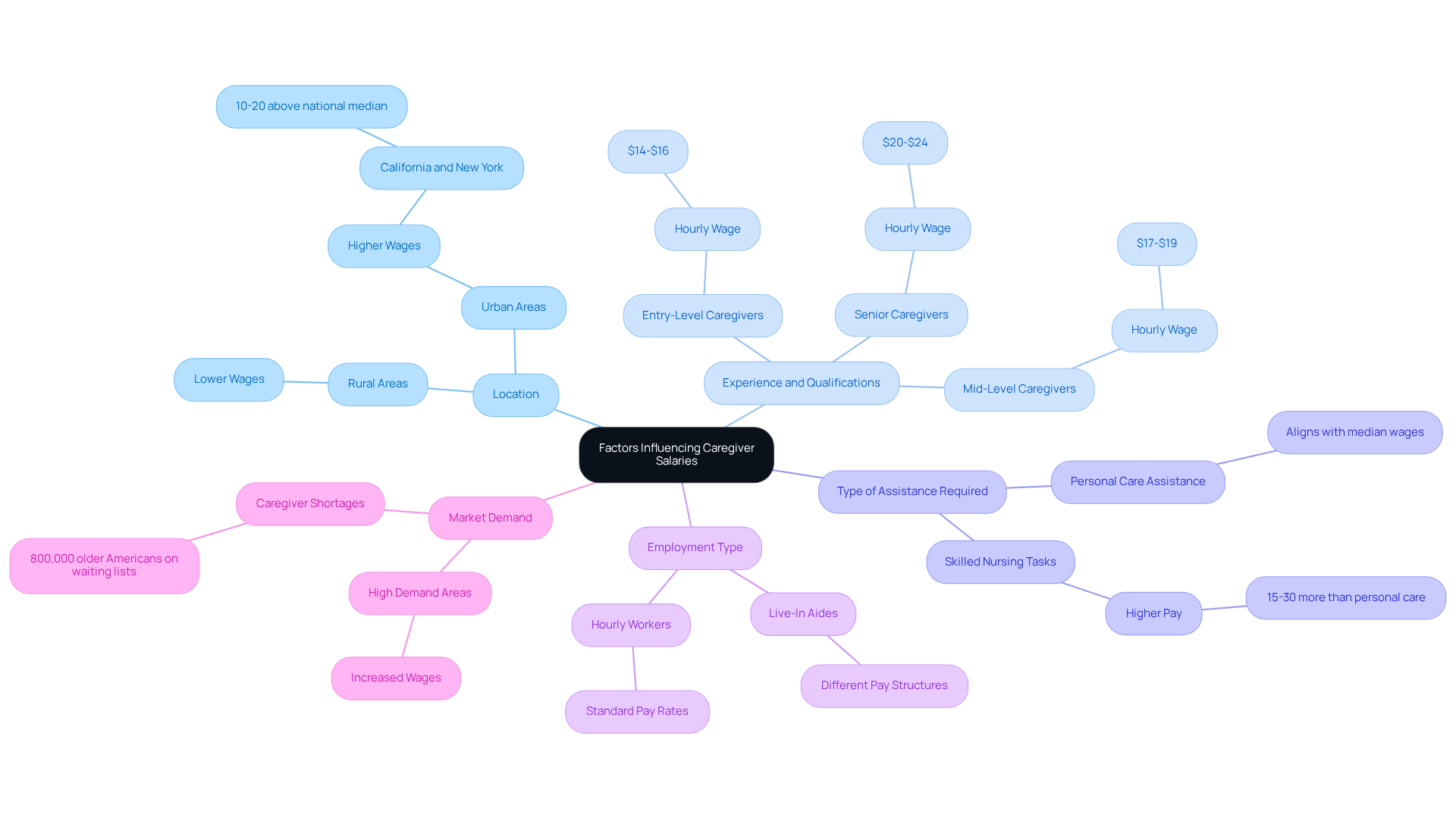
Location: Geographic location plays a crucial role in salary differences. Urban areas often offer higher wages due to increased living costs and a greater demand for caregiving services. For instance, states like California and New York provide wages that are 10-20% above the national median, reflecting their higher living expenses. As JR Ricker notes, "States with higher living costs like California and New York tend to offer hourly wages 10-20% above the national median."
-
Experience and Qualifications: Caregivers with more experience or specialized training, such as certifications in dementia care, often command higher pay rates. Entry-level support workers typically earn between $14 and $16 per hour, while those with 3-5 years of experience can earn around $17 to $19 per hour. Senior caregivers, particularly those with over six years of experience or specialized skills, may earn between $20 and $24 per hour. This progression reflects the dedication and expertise that caregivers bring to their roles.
-
Type of Assistance Required: The complexity of support needed also influences salary. Caregivers providing skilled nursing tasks, such as medication administration, can earn 15-30% more than those offering personal care assistance, which generally aligns with median wages. This distinction highlights the varying levels of care that families may require.
-
Employment Type: Live-in aides may have different pay structures compared to hourly workers, often reflecting the additional responsibilities and availability required. This can lead to variations in compensation based on the nature of the caregiving arrangement, emphasizing the importance of finding the right fit for each family's needs.
-
Market Demand: In areas with a strong need for support workers, wages may rise as agencies and families vie for qualified professionals. The shortage of support staff, worsened by the aging population, has resulted in higher wages in many regions. Approximately 800,000 older Americans requiring subsidized assistance are on waiting lists due to a lack of available workers, underscoring the challenges families encounter in securing support.
Comprehending these elements is essential for families as they manage the intricacies of support provider remuneration and strive to guarantee high-quality assistance for their relatives, particularly in understanding how much does a caregiver make. With 43.5 million providers currently assisting their loved ones in the United States, understanding the dynamics of support worker compensation is crucial for effective planning. Furthermore, 61% of family supporters are also employed, which increases the complexity of handling care duties.
By recognizing these factors, families can better appreciate the value of caregivers and the essential role they play in providing compassionate support.
Analyze Salary Ranges for Caregivers in Canada
In Canada, the compensation for support workers varies significantly across provinces and cities, and understanding these differences is crucial for families seeking in-home caregiving options. Here are some key insights that can help you navigate this landscape:
-
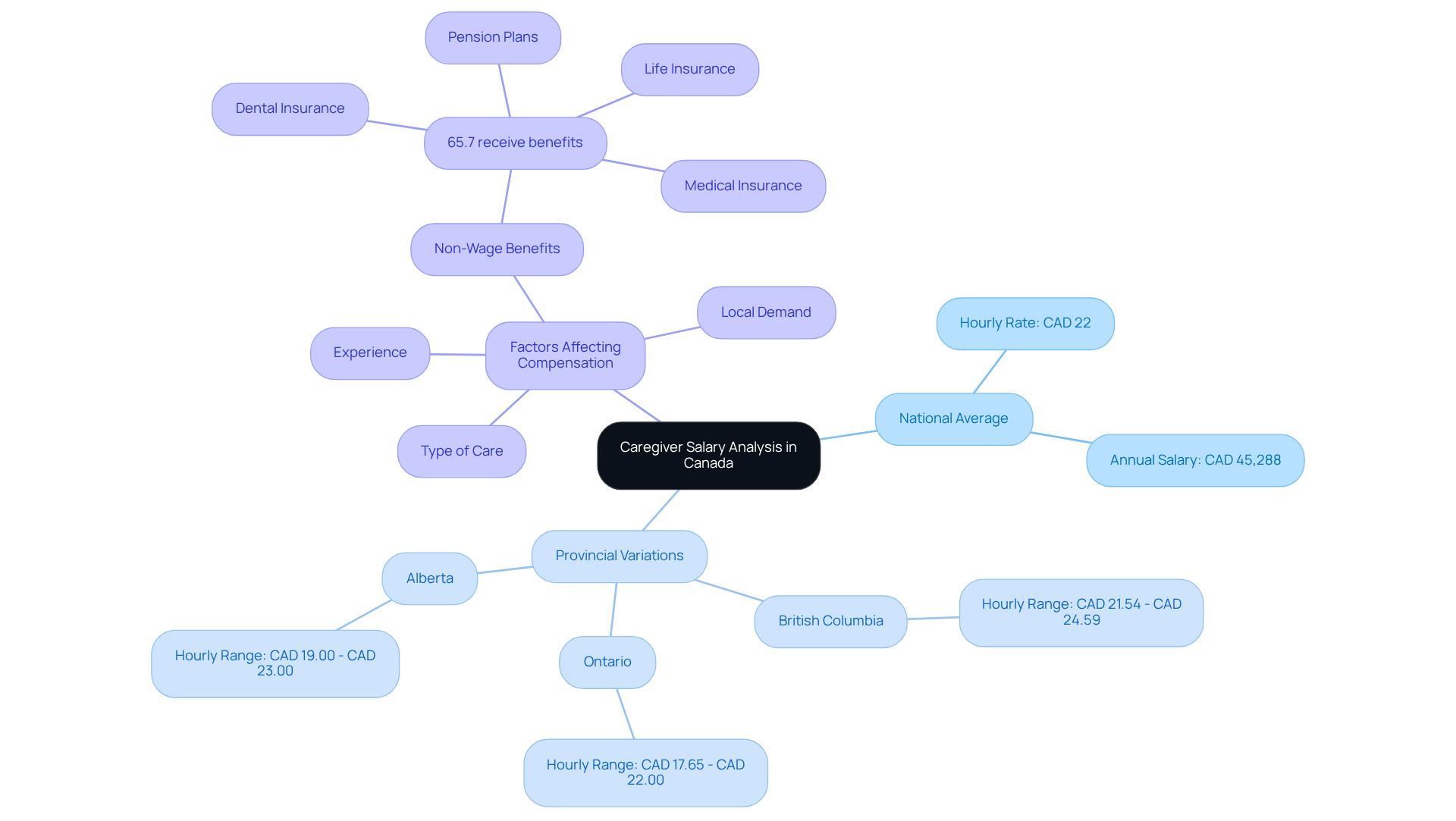
National Average: On average, caregivers in Canada earn about CAD 22 per hour, translating to annual salaries around CAD 45,288. The compensation for support workers typically ranges from CAD 34,509 to CAD 52,579.
-
Provincial Variations:
- British Columbia: Caregivers can earn between CAD 21.54 and CAD 24.59 per hour, depending on the city.
- Ontario: Average wages range from CAD 17.65 to CAD 22.00 per hour.
- Alberta: Caregivers generally earn between CAD 19.00 and CAD 23.00 per hour.
-
Factors Affecting Compensation: Just like in the U.S., various factors such as experience, the type of care provided, and local demand play a significant role in determining earnings for workers in Canada. Additionally, it’s heartening to note that 65.7% of caregivers receive at least one type of non-wage benefit, which may include employer-sponsored pension plans, dental, medical, and life insurance.
Understanding how much does a caregiver make is essential for families as they evaluate caregiving alternatives. It helps in setting realistic expectations for budgeting and planning, ensuring that you can provide the best care possible for your loved ones. Remember, you’re not alone in this journey; there are compassionate caregivers ready to support you and your family.
Differentiate Between Caregiver Roles and Their Salaries
Caregiver roles encompass a range of responsibilities, each tied to distinct salary expectations that reflect the vital support they provide:
-
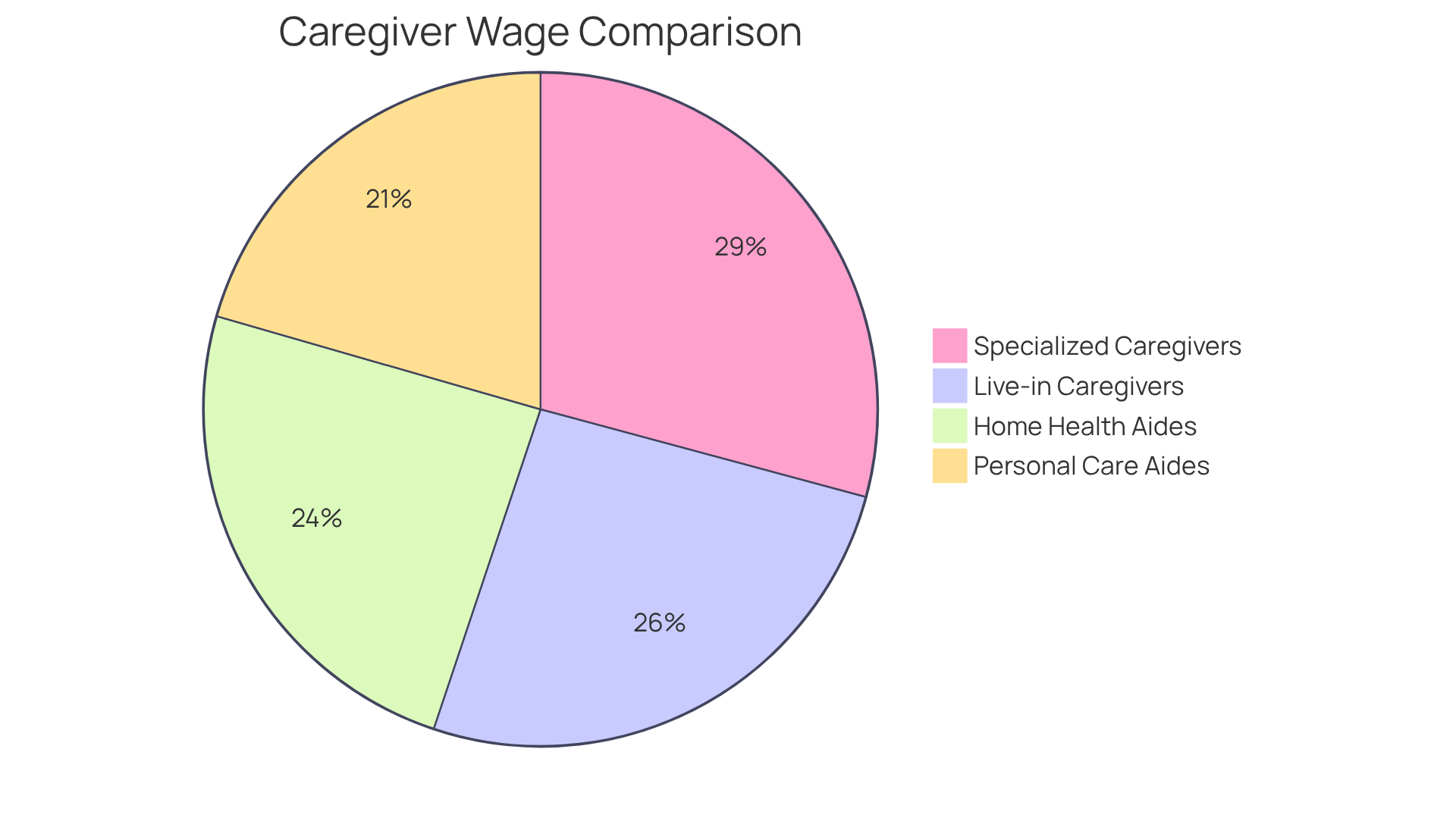
Personal Care Aides: These dedicated professionals assist clients with daily living activities, earning an average of CAD 19.00 per hour. Their role is crucial in helping individuals maintain independence and a quality of life that everyone deserves.
-
Home Health Aides: Delivering more specialized medical assistance, home health aides typically earn between CAD 20.00 and CAD 25.00 per hour, which prompts the inquiry of how much does a caregiver make. Their responsibilities may include monitoring vital signs and assisting with medication management, which requires a higher level of training and expertise. This specialized care can make a significant difference in the lives of those they serve.
-
When considering how much does a caregiver make, live-in caregivers are often compensated with a flat rate for their availability and average CAD 24.00 per hour. This rate can vary depending on the intricacy of assistance needed, making it essential for families to understand the specific requirements of their loved ones. The comfort and security they provide are invaluable.
-
Specialized Caregivers: Individuals with certifications in fields such as palliative support or dementia assistance command higher wages, reflecting their advanced skills and the critical nature of their work. This specialization not only enhances the standard of service offered but also significantly influences how much a caregiver makes.
Looking ahead to 2025, the compensation landscape for personal support assistants is expected to evolve. With a continuous demand for skilled providers, competitive earnings are on the horizon. In May 2024, it was reported that how much does a caregiver make is a median yearly salary of $34,900 for home health and personal support aides. Families should be aware of how much does a caregiver make, particularly regarding the anticipated rise in hourly rates and the average sign-on bonus of $2,304. As the industry adapts to the increasing demands of an aging population, it is crucial to stay informed about how much does a caregiver make in terms of payment expectations. This knowledge empowers families to ensure they can offer sufficient compensation for the quality care their loved ones deserve.
Negotiate Caregiver Salaries and Understand Contracts
Negotiating caregiver salaries and understanding contracts can feel overwhelming, but with the right approach, it can be a more manageable process:
-
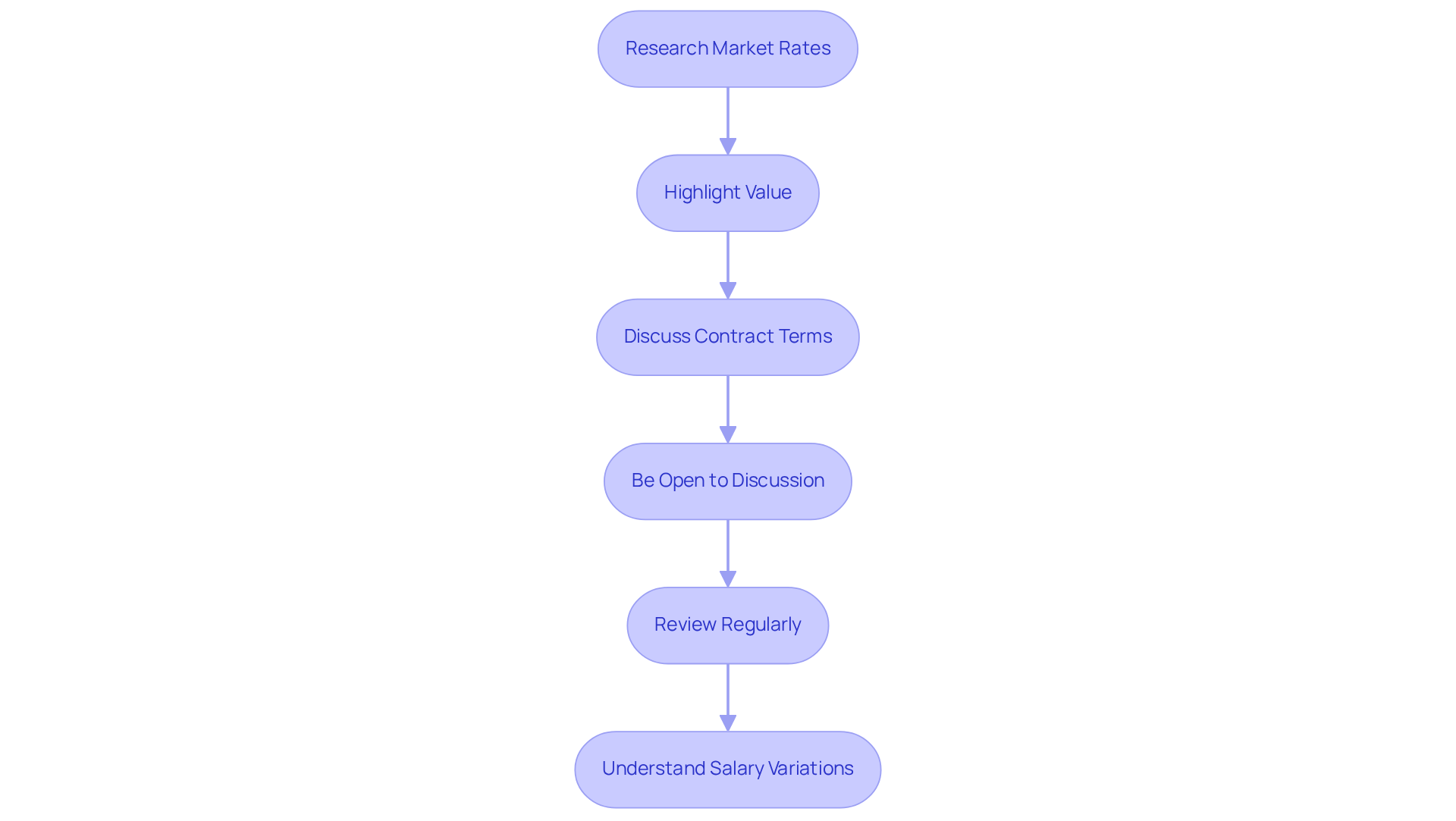
Research Market Rates: Families should start by looking into local caregiver rates. These can vary widely based on location and the caregiver's qualifications. Knowing the market helps establish a baseline for discussions, ensuring families are informed about competitive compensation. It's important to note that 47% of caregivers earn less than $50,000 annually, highlighting the financial challenges many face.
-
Highlight Value: When discussing salary, it's essential to emphasize the caregiver's experience and specialized skills. For example, caregivers trained in palliative support or post-hospital recovery often command higher rates due to their expertise. This recognition of value can make a significant difference in negotiations.
-
Discuss Contract Terms: A clear contract is vital. It should outline responsibilities, payment terms, and any additional benefits, like mileage reimbursement or flexible scheduling options. Given that 34% of caregivers leave their jobs due to inflexible hours, this aspect is crucial. Clarity helps prevent misunderstandings and ensures both families and caregivers are aligned on expectations.
-
Be Open to Discussion: Approach negotiations as a collaborative conversation. Focus on mutual goals and the quality of care provided. This mindset fosters a positive connection between families and caregivers, enhancing the caregiving experience. As Victor Kiam wisely said, "Information is a negotiator’s greatest weapon," reminding families to be well-informed during salary discussions.
-
Review Regularly: Contracts should be revisited periodically to ensure they remain fair and relevant to the evolving role of the caregiver. Regular assessments can help adjust to changes in support needs or caregiver availability, nurturing a supportive atmosphere for everyone involved.
In 2025, understanding support provider contracts is more important than ever, as the landscape of assistance continues to change. Families should also recognize how much does a caregiver make, as the average salary for caregivers can vary significantly, with many earning between $25,000 and $40,000 annually, depending on their experience and the complexity of care required. Real-world examples of successful caregiver contract negotiations often emphasize the importance of clear communication and mutual respect, leading to positive outcomes for both caregivers and families.
Your Path Forward
Understanding caregiver salaries is crucial for families who want the best support for their loved ones. The compensation for caregivers is shaped by various factors, such as location, experience, the type of assistance needed, employment type, and market demand. Recognizing these elements helps set realistic expectations and highlights the importance of fair compensation for the invaluable services caregivers provide.
Geographic location can greatly influence wages, with urban areas often offering higher pay due to increased living costs. Moreover, the level of experience and specialized training significantly impacts salary ranges; caregivers with advanced skills typically command higher rates. The complexity of care required and the nature of employment-whether live-in or hourly-also contribute to variations in compensation. As the demand for skilled caregivers continues to grow, understanding these dynamics becomes essential for families exploring their caregiving options.
In light of these insights, it’s vital for families to advocate for fair caregiver salaries and engage in open discussions about compensation and contracts. By staying informed about current salary averages and the factors that influence wages, families can ensure they provide adequate support not just for their loved ones but also for the dedicated caregivers who make a meaningful difference in their lives. Embracing this knowledge empowers families to build respectful relationships with caregivers, ultimately enhancing the quality of care provided.
https://iframe.tely.ai/cta/eyJhcnRpY2xlX2lkIjogIjY5MWZhYzY4YzQ4NjU1NjRkNDliYzY1OSIsICJjb21wYW55X2lkIjogIjY4ZWU1ZGNhNzMxNzYyNTU3ZjNjOTVjMSIsICJpbmRleCI6IG51bGwsICJ0eXBlIjogImFydGljbGUifQ==Frequently Asked Questions
What factors influence caregiver salaries?
Caregiver salaries are influenced by geographic location, experience and qualifications, the type of assistance required, employment type, and market demand.
How does geographic location affect caregiver wages?
Urban areas typically offer higher wages due to increased living costs and demand for caregiving services. States like California and New York pay wages that are 10-20% above the national median.
How does experience impact caregiver pay?
Caregivers with more experience or specialized training earn higher rates. Entry-level workers earn between $14 and $16 per hour, while those with 3-5 years of experience earn around $17 to $19 per hour. Senior caregivers can earn between $20 and $24 per hour.
Does the type of assistance required affect caregiver salaries?
Yes, caregivers providing skilled nursing tasks, such as medication administration, can earn 15-30% more than those offering personal care assistance.
How does employment type influence caregiver compensation?
Live-in aides may have different pay structures compared to hourly workers, often reflecting the additional responsibilities and availability required.
What role does market demand play in caregiver wages?
In areas with a high demand for support workers, wages may increase as agencies and families compete for qualified professionals. A shortage of support staff has led to higher wages in many regions.
Why is understanding caregiver salaries important for families?
Understanding caregiver salaries helps families navigate the complexities of support provider remuneration and ensures they can secure high-quality assistance for their loved ones.