

For families in our service areas
For families in our service areas, this guide explains home care and how non-medical in-home caregiving can support care planning in East Idaho, Treasure Valley & Magic Valley, Northern Wasatch, North Central West Virginia, and Northeast Ohio.
What You Need to Know About How Much Does Private Duty Home Care
As families navigate the complexities of caregiving, they face a significant challenge: the rising costs associated with private duty home care. With more individuals seeking non-medical support to maintain their independence at home, understanding the financial implications is crucial.
The increasing demand for these services can strain family budgets, making it essential to explore the various factors influencing the cost of private duty home care. Families must consider not only the types of services available but also how to manage expenses effectively.
So, how can families balance the need for quality care with the realities of their budgets? This article will delve into practical strategies that caregivers can implement to navigate this ever-evolving landscape.
Understand Private Duty Home Care Basics
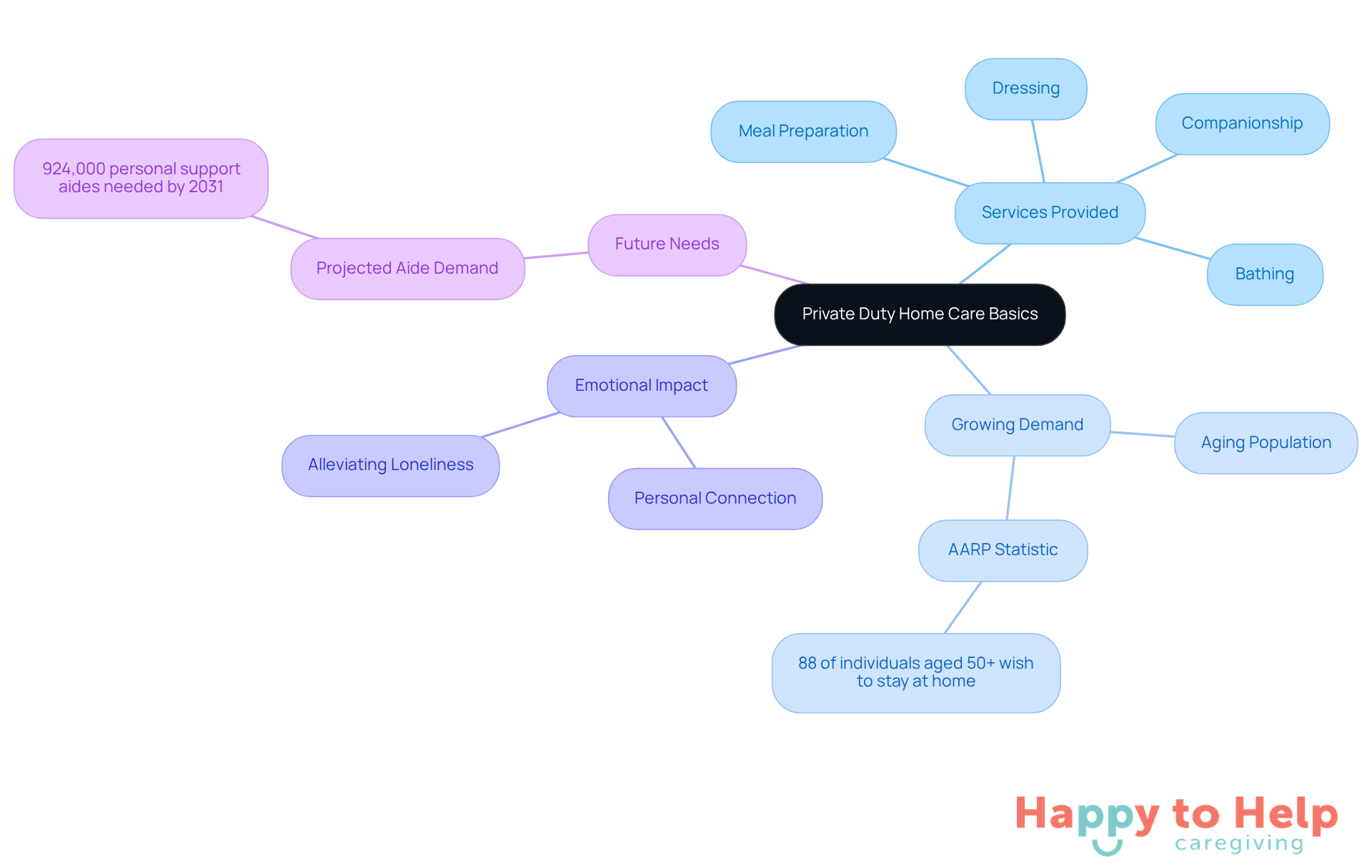
Private duty in-home assistance addresses a pressing need for non-medical support in clients' residences, focusing on daily living activities. This type of assistance is essential for individuals who require help with tasks like bathing, dressing, meal preparation, and companionship. Unlike residential health services that provide medical care, private duty support emphasizes personal help, aiming to enhance clients' quality of life. Understanding this distinction is vital for families exploring in-home support options for their loved ones.
The growing demand for private duty assistance is driven by an aging population and seniors' desire to remain in their homes. According to AARP, "88% of individuals aged 50+ wish to stay in their residences for as long as they can," highlighting the need for accessible and tailored support solutions. With the domestic support sector currently valued at $137.2 billion and projected to grow significantly, many are asking how much does private duty home care cost, especially with an expected 21% increase in health and personal aides from 2023 to 2033.
Private duty home care services profoundly impact clients' lives, and understanding how much does private duty home care cost can highlight the value of the physical assistance and emotional support they provide in alleviating loneliness and isolation. As noted by Phoenix Home Care & Hospice, "Private duty caregivers become like honorary members of your household," showcasing the personal connection caregivers establish with clients. This personalized approach fosters security and comfort, making it a crucial consideration for families navigating caregiving complexities.
Moreover, there is an anticipated need for 924,000 personal support aides and health aides from 2021 to 2031, underscoring the urgency and importance of private duty assistance in meeting future demands. As the landscape of domestic assistance evolves, understanding the differences between private duty support and residential health services becomes increasingly important for informed decision-making.
Identify Types of Care Services Offered
Caring for a loved one at home can be a daunting task, often leaving caregivers feeling overwhelmed. The challenges they face can lead to feelings of isolation and stress, making it essential to understand the support options available.
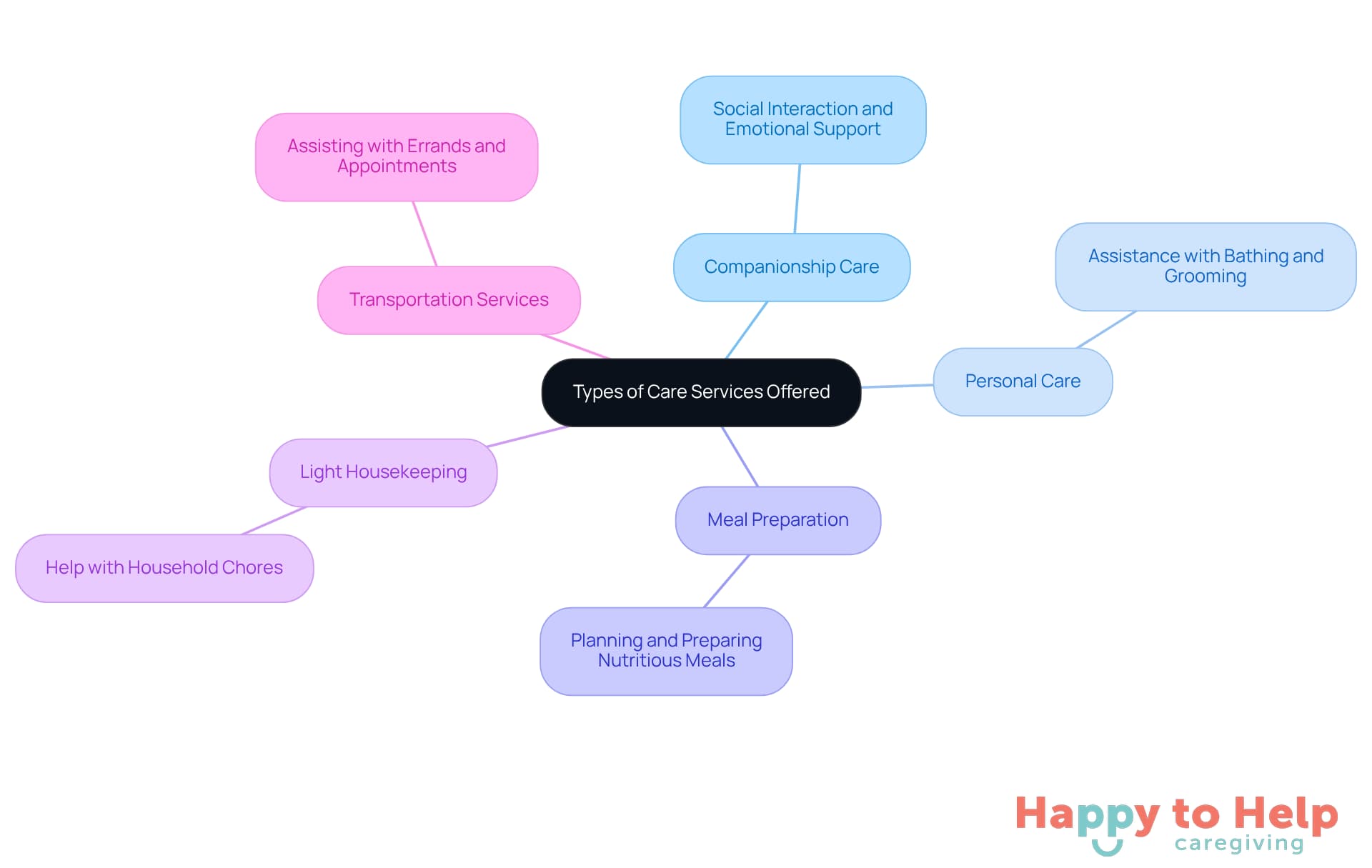
To address these challenges, here are some common types of private duty at-home assistance:
- Companionship Care: This service provides social interaction and emotional support, helping to alleviate feelings of loneliness.
- Personal Care: Assistance with bathing, grooming, and other personal hygiene tasks ensures that individuals maintain their dignity and comfort.
- Meal Preparation: Planning and preparing nutritious meals tailored to dietary needs is crucial for overall health.
- Light Housekeeping: Help with household chores, such as laundry and cleaning, can relieve some of the daily burdens on caregivers.
- Transportation Services: Assisting clients with errands and appointments ensures they remain engaged and active in their communities.
Understanding these offerings is vital for families to assess the level of support needed and determine how much does private duty home care cost in relation to their budget. By exploring these options, caregivers can find the right balance of assistance, ultimately enhancing the quality of life for both themselves and their loved ones.
Evaluate Key Factors Affecting Pricing
Several key factors significantly influence how much does private duty home care cost, presenting a challenge for families seeking care for their loved ones.
-
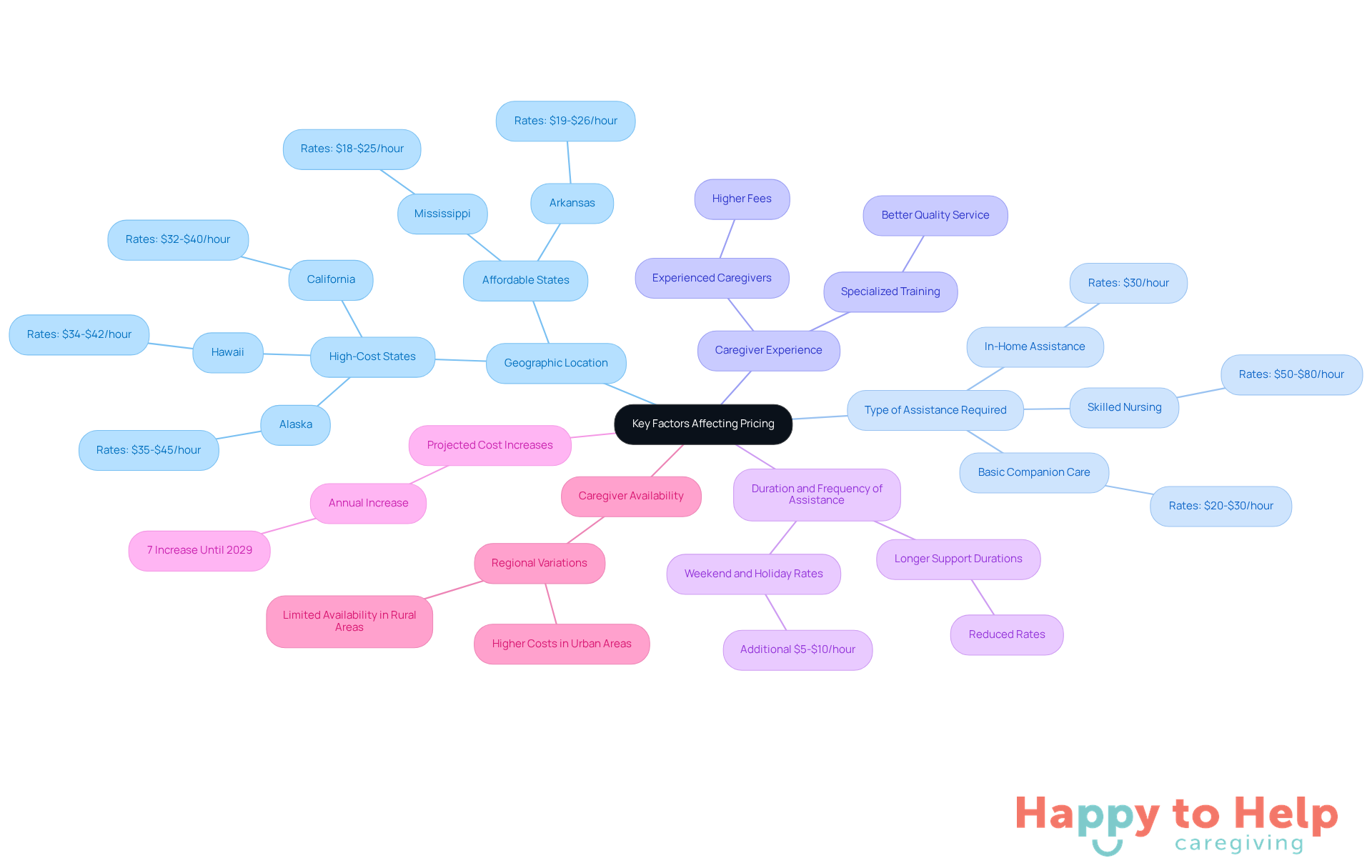
Geographic Location: Home care costs can vary dramatically based on location. Urban regions usually require higher rates due to elevated living costs and heightened demand for amenities. For instance, states like Alaska and California often see rates ranging from $32 to $45 per hour, while more affordable options can be found in states like Mississippi and Arkansas, where rates start as low as $18 per hour.
-
Type of Assistance Required: The complexity of support needed plays a crucial role in determining costs. Specialized assistance, such as skilled nursing, can range from $50 to $80 per hour, while basic companionship options are more economical, typically costing between $20 and $30 per hour. Basic in-home assistance services start at around $30 per hour. To understand how much does private duty home care cost, families should assess the specific needs of their loved ones and the potential financial implications.
-
Caregiver Experience and Qualifications: The experience and training of caregivers can also affect pricing. More experienced providers may demand higher fees because of their knowledge, which can be especially advantageous for clients needing specialized assistance. This investment in skilled professionals often results in better quality service and improved outcomes for clients.
-
Duration and Frequency of Assistance: The total hours of support needed each week can influence overall costs. Families may discover that longer support durations result in reduced rates, making it more cost-effective to organize for extended assistance rather than occasional visits. Additionally, weekend and holiday rates typically add $5 to $10 per hour to standard fees.
-
Projected Cost Increases: Families should also be aware that the average expense for residential assistance is anticipated to rise by 7% each year until 2029, which can greatly affect long-term financial planning.
-
Caregiver Availability and Regional Variations: The availability of caregivers and regional differences can further influence pricing structures, with metropolitan areas often facing higher costs due to increased demand and operational expenses.
By comprehending these elements, households can better understand how much does private duty home care cost, allowing them to maneuver the pricing environment more efficiently and make knowledgeable choices that correspond with their financial abilities and support requirements.
Analyze Hourly Care Costs
In 2025, families face a significant challenge in understanding how much does private duty home care cost, with the typical hourly expense for private duty home assistance ranging from $25 to $35. This cost varies based on the type of support and geographical area, making it essential for families to understand their options:
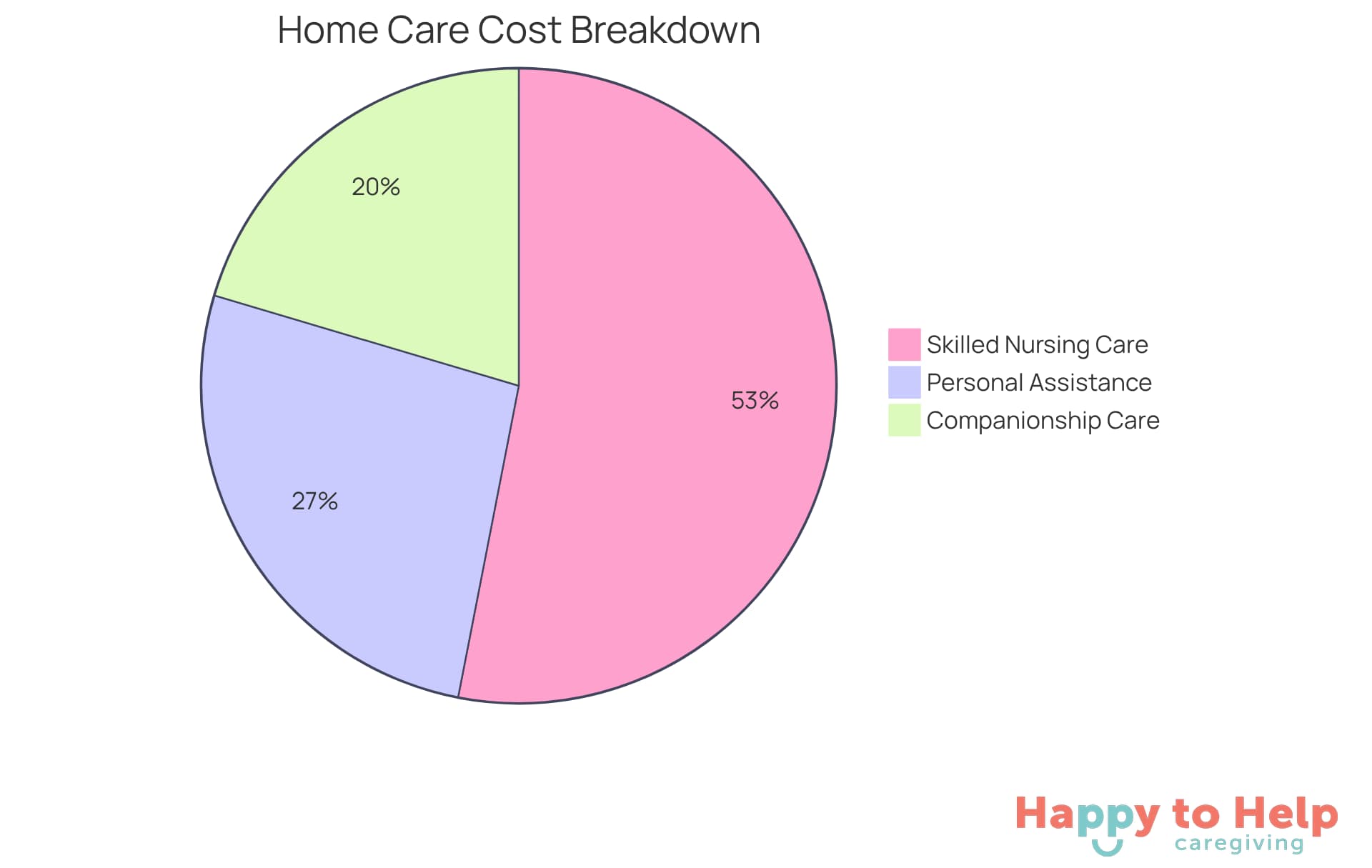
- Companionship Care: Typically costs between $20 and $30 per hour, making it one of the more affordable options for families seeking support for their loved ones.
- Personal Assistance: Generally ranges from $25 to $40 per hour, reflecting the additional help provided with daily activities.
- Skilled Nursing Care: This option is significantly more costly, often priced between $50 and $80 per hour, due to the specialized training and medical expertise needed.
Moreover, families should be aware that caregiver salaries have risen considerably by 60-100 percent since the pandemic. This increase directly impacts overall home assistance expenses. Additionally, urgent assistance options may incur extra fees, typically raising rates by 20-30%.
To navigate these rising costs, households are encouraged to inquire about how much does private duty home care cost by obtaining quotes from multiple providers. This approach not only helps in understanding the specific offerings included in the hourly rate but also supports families in making informed choices that align with their budget and requirements.
Explore Payment Options for Home Care
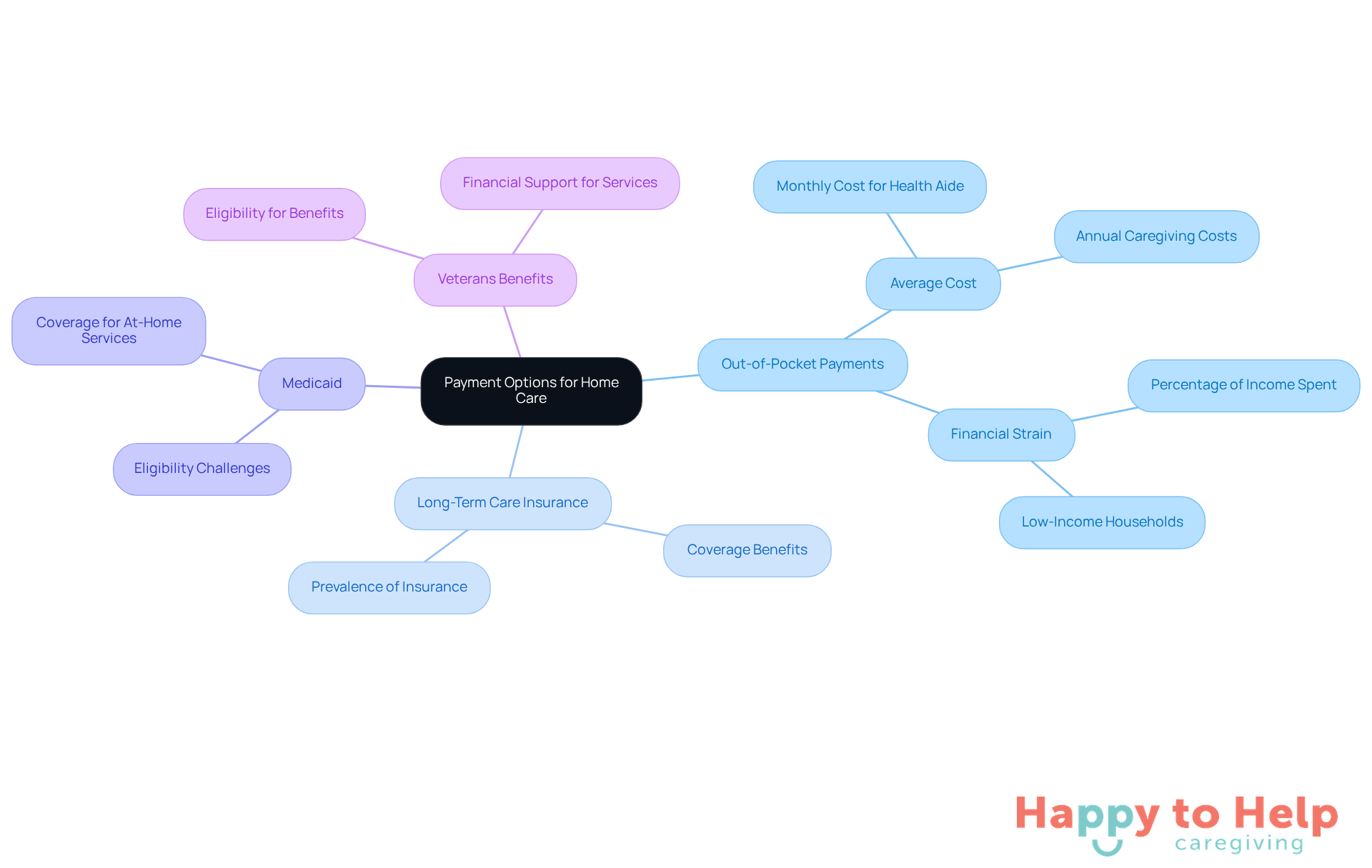
Families face significant challenges when it comes to understanding how much does private duty home care cost, which can lead to financial strain and stress. Many families find themselves in a tough spot, needing assistance but unsure of how much does private duty home care cost. The average caregiver spends about $7,200 each year on caregiving costs, and a staggering 90% of family caregivers provide some form of financial support for their loved ones. This highlights the extensive financial impact on families, making it crucial to explore available options.
-
Out-of-Pocket Payments: A common choice for many families is to pay directly for services using personal savings or income. While this allows for immediate access to assistance, it can quickly become a financial burden. With the typical cost for a health aide rising to around $6,300 monthly, families must carefully consider how much does private duty home care cost when planning their financial strategies.
-
Long-Term Care Insurance: This type of insurance can significantly alleviate the financial pressure of in-home assistance. Depending on the policy, it may cover some or all expenses related to domestic help. In 2020, approximately 7.5 million Americans had some form of long-term support insurance coverage, underscoring its growing importance in financial planning for care.
-
Medicaid: In some states, Medicaid provides coverage for specific at-home services for eligible individuals. However, navigating the strict eligibility requirements can be challenging, often leaving low-income individuals without adequate support. Alarmingly, 52% of those paying out-of-pocket for home assistance had incomes below 200% of the federal poverty line, illustrating the financial hurdles faced by low-income households.
-
Veterans Benefits: Veterans and their families may qualify for benefits that help cover the costs of in-home assistance. These benefits can be vital for those who have served in the military, offering essential financial support for necessary services.
Understanding how much does private duty home care cost is essential for families as they develop a financial plan that meets their loved one's care needs. With the rising costs associated with home care, exploring all available resources is crucial for ensuring sustainable support. Additionally, 51% of individuals with dementia who pay out-of-pocket for assistance spend over $1,000 monthly, further emphasizing the financial strain on families, particularly those caring for loved ones with dementia. The growing trend of adults balancing work and caregiving responsibilities-currently affecting 1 in 5 adults-illustrates the increasing challenges faced by caregivers.
Discover Strategies to Reduce Care Costs
Managing how much does private duty home care cost can be a significant challenge for families. As the demand for home care continues to rise, understanding how much does private duty home care cost is crucial for providing the best support for loved ones.
Families often face financial strain due to how much private duty home care cost. Reports indicate that the long-term support services bill is expected to reach $379 billion by 2050, highlighting the urgency of addressing these expenses.
This financial pressure can lead to difficult decisions about how much private duty home care costs and the level of care that can be provided. Families may feel overwhelmed, especially as the need for assistance grows, with a demand for 200,000 new direct-support workers each year.
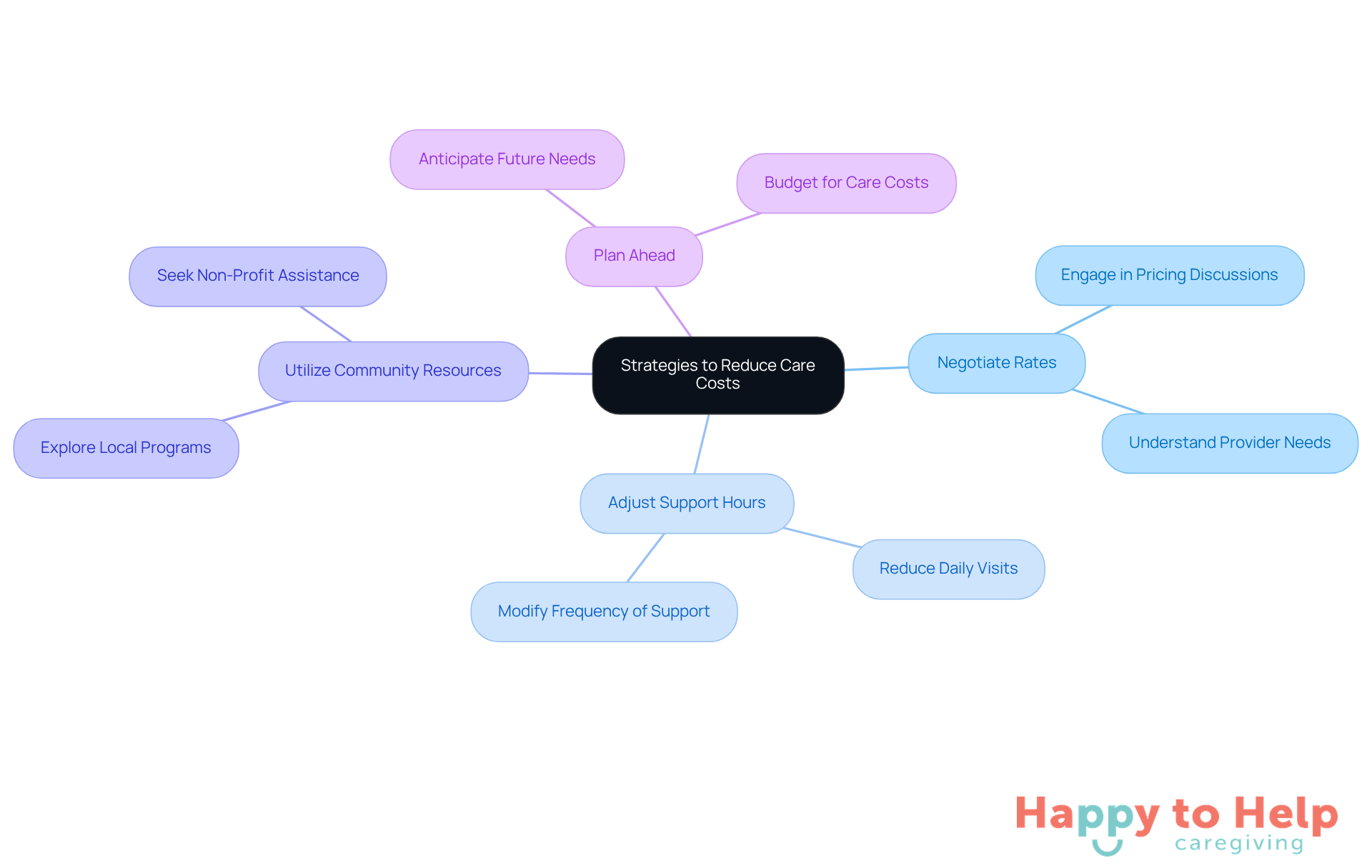
Solution: Fortunately, there are several strategic approaches families can adopt to effectively manage and reduce these costs:
- Negotiate Rates: Engaging in discussions about pricing with care providers can yield favorable outcomes. Many providers are open to negotiation, especially when they understand the specific needs of the family. Understanding how much does private duty home care cost can help in recognizing the financial pressures on home support providers, leading to more productive negotiations.
- Adjust Support Hours: Modifying the number of support hours or the frequency of visits can lead to substantial savings. For instance, households might consider reducing daily visits to a few times a week, ensuring essential support while lowering overall expenses. Research shows that households can save considerably on how much does private duty home care cost by decreasing support hours, which eases the financial strain.
- Utilize Community Resources: Exploring local programs or non-profit organizations that offer assistance or subsidized support can provide additional financial relief. Numerous communities possess resources aimed at assisting households in need of assistance services.
- Plan Ahead: Anticipating future support requirements and budgeting appropriately can help households avoid unforeseen costs. By preparing for possible alterations in support needs, families can make informed choices regarding how much does private duty home care cost that align with their financial capacities.
By applying these strategies, families can preserve the standard of service while managing their financial obligations effectively. Understanding these approaches will empower families to navigate the complexities of home care costs.
Making the Right Choice
Understanding the costs associated with private duty home care is crucial for families seeking support for their loved ones. The challenge lies in the fact that this type of care not only addresses essential daily living activities but also enhances the quality of life for clients through personalized assistance. As demand for such services rises, particularly among the aging population, grasping the financial implications becomes increasingly important.
Key factors influencing the cost of private duty home care include:
- Geographic location
- The type of assistance required
- Caregiver experience
- The duration of care
Families must navigate these variables to make informed decisions that align with their needs and budgets. Additionally, exploring payment options such as long-term care insurance, Medicaid, and negotiating rates can significantly ease the financial burden.
To further alleviate costs, families can consider:
- Adjusting support hours
- Utilizing community resources
These strategies can provide much-needed relief while ensuring that loved ones receive the care they deserve.
Ultimately, investing time in understanding how much private duty home care costs and exploring various financial resources empowers families to provide the best possible support. By taking proactive steps to manage these expenses, families can maintain financial stability while ensuring their loved ones receive the necessary care.
https://iframe.tely.ai/cta/eyJhcnRpY2xlX2lkIjogIjY5MjI0ZjczZmViYTIxODdjZTM2NWJkOCIsICJjb21wYW55X2lkIjogIjY4ZWU1ZGNhNzMxNzYyNTU3ZjNjOTVjMSIsICJpbmRleCI6IG51bGwsICJ0eXBlIjogImFydGljbGUifQ==Frequently Asked Questions
What is private duty home care?
Private duty home care provides non-medical support for individuals in their residences, focusing on daily living activities such as bathing, dressing, meal preparation, and companionship.
How does private duty home care differ from residential health services?
Unlike residential health services that offer medical care, private duty home care emphasizes personal assistance to enhance clients' quality of life without medical intervention.
Why is there a growing demand for private duty home care?
The demand is increasing due to an aging population and seniors' desire to remain in their homes, with 88% of individuals aged 50+ wanting to stay in their residences for as long as possible.
What is the current market value of the domestic support sector?
The domestic support sector is currently valued at $137.2 billion and is projected to grow significantly in the coming years.
What types of services are included in private duty home care?
Common types of services include companionship care, personal care, meal preparation, light housekeeping, and transportation services.
How do private duty caregivers impact clients' lives?
Private duty caregivers provide physical assistance and emotional support, helping to alleviate loneliness and fostering a personal connection that enhances security and comfort for clients.
What is the projected need for personal support aides and health aides in the coming years?
There is an anticipated need for 924,000 personal support aides and health aides from 2021 to 2031, highlighting the importance of private duty assistance.
How can families assess the level of support needed for their loved ones?
Families can evaluate the types of care services offered, such as companionship, personal care, meal preparation, housekeeping, and transportation, to determine the appropriate level of support and related costs.
List of Sources
- Understand Private Duty Home Care Basics
- 10 Must-Know U.S. Home Care Industry Stats for 2025 - North American Community Hub (https://nchstats.com/us-home-care-industry-stats)
- Home Care Statistics In 2025: Key Insights In Home Care (https://sagapixel.com/marketing/home-care-statistics)
- Flexible Private Caregiving for Evolving Daily Needs (https://phoenixhomehc.com/news/how-does-private-duty-caregiving-adapt-to-my-loved-ones-needs)
- Home Care Industry Overview and Statistics (https://ankota.com/home-care-industry-overview-and-statistics)
- Identify Types of Care Services Offered
- FastStats (https://cdc.gov/nchs/fastats/home-health-care.htm)
- Home Care Industry Overview and Statistics (https://ankota.com/home-care-industry-overview-and-statistics)
- ‘Groundbreaking’ companionship exemption to give home care agencies better flexibility, attorney says (https://mcknightshomecare.com/news/groundbreaking-companionship-exemption-to-give-home-care-agencies-better-flexibility-attorney-says)
- Home Health Care Trends for 2025 (https://carevoyant.com/home-health-blog/home-health-care-trends-2025)
- The Future of Private Home Care: What to Expect in 2025 (https://anodyne-services.com/2024/08/14/the-future-of-private-home-care-what-to-expect-in-2025)
- Evaluate Key Factors Affecting Pricing
- The Hidden Costs of Aging in Place | Village Caregiving (https://villagecaregiving.com/blog/the-hidden-costs-of-aging-in-place)
- Average Home Care Services Cost Guide for 2025 - Home Health Care of South Florida - West Palm Beach, Broward Home Health Care Agency (https://focusfamilycare.com/average-cost-of-home-care-services)
- Geography Matters: Location plays key role in long-term care cost (https://insurancenewsnet.com/innarticle/geography-matters-location-plays-key-role-in-long-term-care-cost)
- At Home Care Pricing: Essential Industry Statistics for 2025 - Assisting Hands Rockford (https://assistinghands.com/100/illinois/rockford/blog/at-home-care-pricing-essential-industry-statistics-for-2025)
- In-Home Nursing Care Cost (https://ultimatecareny.com/resources/in-home-nursing-care-cost)
- Analyze Hourly Care Costs
- Home Care in St. Louis by StaffLink | Senior Care | Home Health Care (https://stafflinkusa.com/what-is-the-hourly-cost-for-home-health-in-2025)
- Home Care Costs in 2025: A State-by-State Guide (https://aplaceformom.com/caregiver-resources/articles/in-home-care-costs)
- Understanding the Cost and Value of Home Care in 2025 (https://assistinghands.com/135/texas/nesanantonio/blog/understanding-the-cost-and-value-of-home-care-in-2025)
- How Much Does In-Home Care Cost in 2025? A State-by-State Guide - Elder Answers (https://elder-answers.com/how-does-in-home-care-cost-in-2025)
- Average Home Care Services Cost Guide for 2025 - Home Health Care of South Florida - West Palm Beach, Broward Home Health Care Agency (https://focusfamilycare.com/average-cost-of-home-care-services)
- Explore Payment Options for Home Care
- Long-term care costs can be a 'huge problem,' experts say. Here's why (https://cnbc.com/2025/05/17/why-long-term-care-costs-can-be-a-huge-problem.html)
- The Caregiving Landscape: Data & Insights on the Caregiver Experience in the U.S. (https://caregiveraction.org/caregiver-statistics)
- Paying for home care out-of-pocket is common and costly across the income spectrum among older adults - PMC (https://pmc.ncbi.nlm.nih.gov/articles/PMC11736716)
- Home Care News Brief: September 17, 2025 (https://members.homecarefla.org/news/Details/home-care-news-brief-september-17-2025-289036)
- Discover Strategies to Reduce Care Costs
- Home-Based Care Providers Adapt To A Volatile Reimbursement Landscape (https://homehealthcarenews.com/2025/11/home-based-care-providers-adapt-to-a-volatile-reimbursement-landscape)
- At Home Care Pricing: Essential Industry Statistics for 2025 - Assisting Hands Rockford (https://assistinghands.com/100/illinois/rockford/blog/at-home-care-pricing-essential-industry-statistics-for-2025)
- Medicaid Home Care Cuts Could Cost States $1 Billion Over 5 Years (https://homehealthcarenews.com/2025/10/medicaid-home-care-cuts-could-cost-states-1-billion-over-5-years)
- 2025 Budget Impacts: House Bill Would Cut Assistance and Raise Costs for Seniors (https://cbpp.org/research/federal-budget/2025-budget-impacts-house-bill-would-cut-assistance-and-raise-costs-for)