
For families in our service areas
For families in our service areas, this guide explains caregiving and how non-medical in-home caregiving can support care planning in East Idaho, Treasure Valley & Magic Valley, Northern Wasatch, North Central West Virginia, and Northeast Ohio.
Why How Much Vitamin D3 Should an Elderly Matters
Vitamin D3 is vital for the health of elderly individuals, yet many struggle to maintain adequate levels. Factors such as limited sun exposure and dietary restrictions contribute to this challenge. This guide explores the essential dosage of vitamin D3 that seniors should consider to combat deficiency and improve their overall well-being.
The implications of vitamin D3 deficiency can be serious, leading to weakened bones and increased risk of chronic diseases. Caregivers often face the dilemma of navigating varying recommendations and understanding the potential risks associated with both deficiency and excessive intake. So, how can they ensure that elderly individuals receive the right amount for optimal health?
To address this issue, caregivers should consider the following actionable solutions:
- Consult healthcare professionals to determine the appropriate dosage based on individual health needs.
- Encourage safe sun exposure when possible, as this is a natural source of vitamin D.
- Incorporate vitamin D-rich foods into the diet, such as fatty fish, fortified dairy products, and egg yolks.
By taking these steps, caregivers can help ensure that elderly individuals maintain healthy vitamin D3 levels, ultimately enhancing their quality of life.
Understand the Importance of Vitamin D3 for Seniors
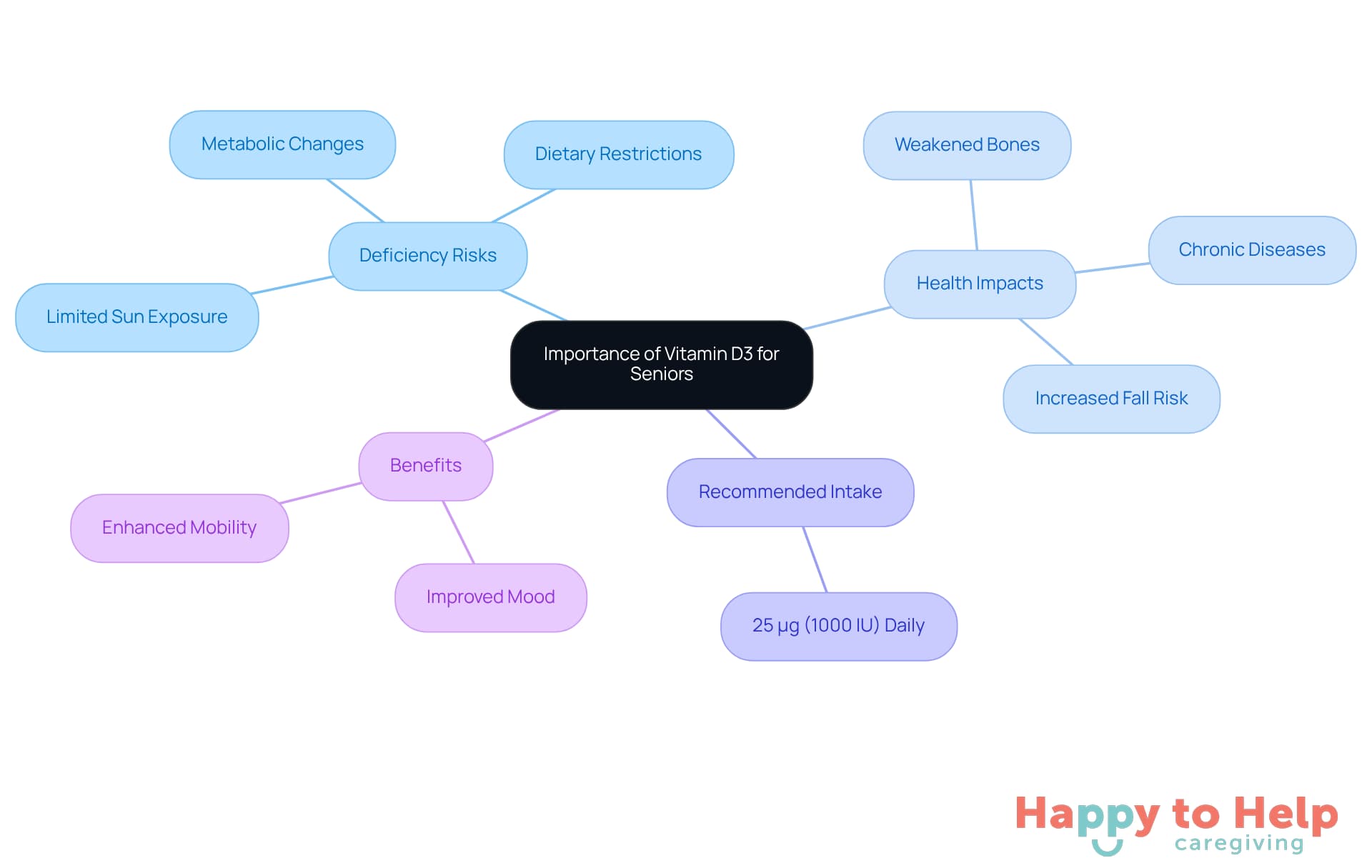
Vitamin D deficiency is a significant concern for seniors, impacting their overall health and well-being. Many older adults face a higher risk of this deficiency due to limited sun exposure, dietary restrictions, and age-related metabolic changes. This deficiency can lead to serious health issues, including weakened bones, increased susceptibility to chronic diseases, and diminished immune function.
Research indicates that nearly 40% of nursing home residents have insufficient levels of vitamin D, which can contribute to osteoporosis and cardiovascular conditions. Moreover, inadequate vitamin D can affect muscle strength, increasing the risk of falls and fractures-major concerns for the elderly. Therefore, addressing this deficiency is crucial for maintaining their health and independence.
To combat vitamin D deficiency, caregivers should ensure that seniors understand how much vitamin D3 an elderly person should take, or cholecalciferol. A daily intake of 25 μg (1000 IU) has been shown to effectively address deficiencies in this population, leading to inquiries about how much vitamin D3 an elderly person should take. Regular monitoring of vitamin D levels is essential, and tailored supplementation strategies can help meet the unique needs of elderly individuals.
In addition to improving bone density and strength, sufficient D3 intake can enhance mood and overall well-being. By prioritizing vitamin D, caregivers can significantly contribute to the health and quality of life of seniors, helping them maintain mobility and independence.
Identify Factors Affecting Vitamin D3 Dosage
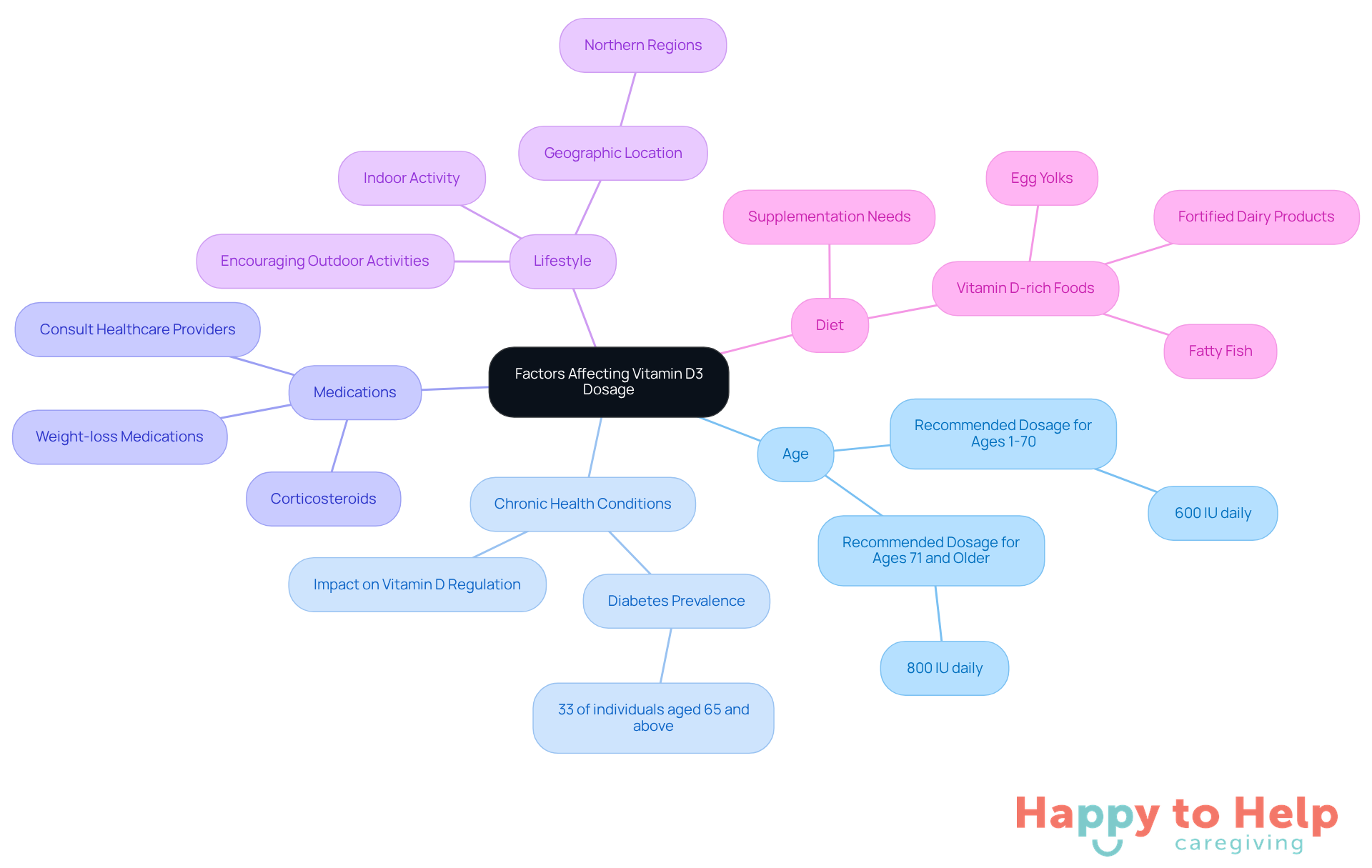
Vitamin D deficiency poses a significant challenge for seniors, raising concerns about how much vitamin D3 should an elderly person take to maintain their overall health and well-being. As individuals age, their skin's ability to synthesize Vitamin D diminishes, which raises concerns about how much vitamin D3 should an elderly person take to avoid deficiency. For those aged 71 and older, how much vitamin D3 should an elderly person take is recommended at 800 IU daily, compared to 600 IU for those aged 1-70. This discrepancy highlights the need for increased awareness among caregivers.
Chronic health conditions further complicate the situation. Approximately 33% of individuals aged 65 and above have diabetes, which can interfere with Vitamin D regulation and raise the question of how much vitamin D3 should an elderly person take. Additionally, over 40% of adults aged 20 years and older are reported to be vitamin D deficient, underscoring the heightened risk for seniors. Caregivers must recognize these health factors to ensure adequate Vitamin D intake.
Certain medications can also hinder Vitamin D absorption or metabolism. For instance, corticosteroids and weight-loss medications may impede the body's ability to utilize this essential nutrient effectively. Caregivers should consult healthcare providers to adjust dosages accordingly.
Moreover, lifestyle choices and geographic location play a crucial role in Vitamin D synthesis. Seniors who spend more time indoors or live in northern regions may need to consider how much vitamin D3 should an elderly person take to compensate for reduced sun exposure. Caregivers should encourage outdoor activities when possible and consider supplementation as needed.
Diet is another critical factor. Seniors with limited access to Vitamin D-rich foods, such as fatty fish, fortified dairy products, and egg yolks, may need additional supplementation. Caregivers can help by providing dietary guidance and ensuring access to these essential foods.
To address vitamin D deficiency, first-line therapy typically includes oral vitamin D3 and calcium supplements, leading to the important consideration of how much vitamin D3 should an elderly person take. These are vital for managing deficiency and promoting overall health. Understanding the broader endocrine effects of Vitamin D deficiency is essential, as it can lead to secondary hyperparathyroidism, osteoporosis, and muscle weakness, particularly in older adults. By recognizing these challenges and implementing practical solutions, caregivers can significantly improve the health outcomes for seniors.
Assess Current Vitamin D3 Levels Through Testing
It is crucial to assess how much vitamin d3 should an elderly person take, as deficiency can lead to serious health issues. A common problem is that many seniors do not get enough Vitamin D, raising concerns about how much vitamin d3 should an elderly person take to maintain their overall well-being.
To address this, caregivers should consider the following steps:
- Consult a Healthcare Provider: Start by discussing any concerns about Vitamin D levels with a doctor. They can recommend appropriate testing to determine if supplementation is necessary.
- Get Tested: A simple blood test measures the amount of 25-hydroxyvitamin D in the bloodstream. Ideal levels are typically between 30-100 ng/mL. Knowing these values can help in making informed decisions about health.
- Interpret Results: After testing, your healthcare provider can interpret the results. Values below 20 ng/mL indicate a deficiency, while levels above 100 ng/mL may suggest toxicity. Based on these findings, they can recommend how much vitamin d3 should an elderly person take as well as suitable dietary changes.

Follow Recommended Dosage Guidelines for Vitamin D3
Determining how much vitamin D3 should an elderly person take is crucial for maintaining health, particularly in older adults. However, many elderly individuals may not be getting enough, raising the question of how much vitamin D3 should an elderly person take.
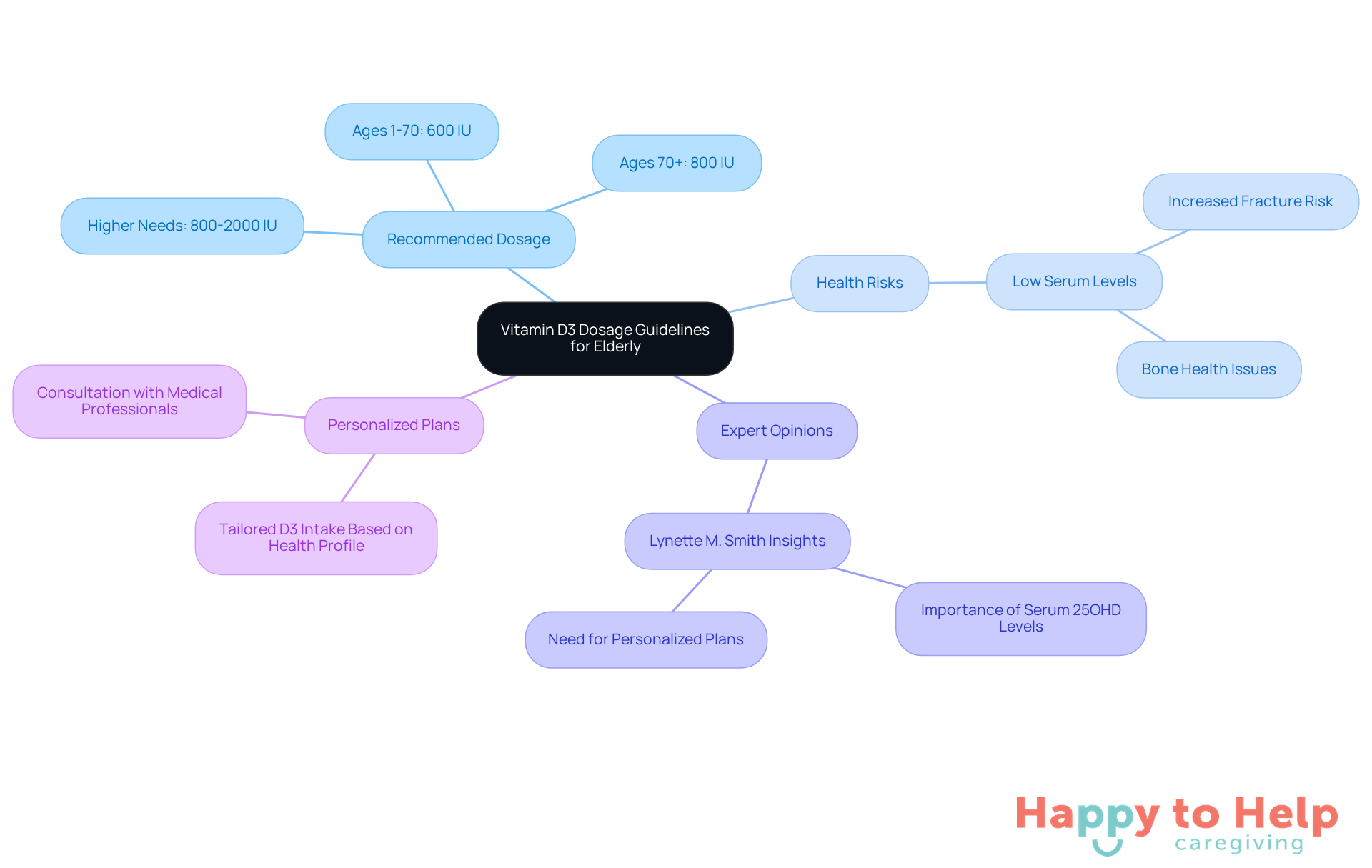
Problem: Current guidelines suggest that adults aged 1-70 years should consume 600 IU (15 mcg) per day, while those over 70 years should aim for 800 IU (20 mcg) daily. Yet, studies indicate that numerous older adults might need to assess how much vitamin D3 should an elderly person take, with higher amounts ranging from 800 to 2000 IU each day, especially if they have low serum concentrations of vitamin D or specific medical conditions.
Agitate: For instance, older adults with serum 25-hydroxyvitamin D (25OHD) levels below 20 ng/ml (50 nmol/l) face an increased risk of bone health issues, including fractures. Clinical trials have shown that combining D3 intake with calcium significantly reduces fracture risk, underscoring the importance of adequate consumption.
Experts stress the need for personalized enhancement plans, which may include guidance on how much vitamin D3 should an elderly person take. Lynette M. Smith, an Associate Professor at the University of Nebraska Medical Center, emphasizes assessing serum concentrations to tailor D3 intake to each individual's unique health profile. The U.S. Preventive Services Task Force notes that while vitamin D supplementation alone may not prevent falls or fractures in older adults living in the community, maintaining sufficient levels is vital for overall well-being.
As we approach 2025, it’s essential for caregivers and families to consult medical professionals to find out how much vitamin D3 should an elderly person take. This ensures that elderly individuals receive the support they need for optimal health and well-being.
Recognize Safety Concerns and Side Effects of Vitamin D3
It is important to know how much vitamin D3 should an elderly person take, as it is crucial for maintaining their well-being. However, excessive consumption can lead to severe toxicity, posing significant health risks. Here are some key safety concerns:
- Hypercalcemia: High levels of Vitamin D can cause hypercalcemia, which is characterized by elevated calcium levels in the blood. This condition may lead to symptoms like nausea, vomiting, weakness, and serious complications such as kidney stones and abnormal heart rhythms.
- Recommended Limits: For adults, the upper limit is generally set at 4,000 IU (100 mcg) per day. Consistently exceeding this amount can result in harmful health effects, significantly increasing the risk of negative outcomes.
- Monitoring: Regular blood tests are essential for tracking Vitamin D levels, ensuring they stay within a safe range. If symptoms of toxicity arise - such as confusion, gastrointestinal distress, or excessive thirst - immediate medical attention is necessary.
Real-world examples highlight the consequences of D3 toxicity in elderly patients. Excessive intake can lead to symptoms like muscle weakness, frequent urination, and dehydration, resulting in complications such as kidney stones or abnormal heart rhythms. Experts emphasize that while Vitamin D is vital for bone health and immune function, caregivers must be aware of consumption levels to prevent toxicity. Seniors, particularly those with underlying health conditions, should consult healthcare providers to understand how much vitamin D3 should an elderly person take before starting supplements. This ensures that their Vitamin D3 supplementation is tailored appropriately, allowing them to enjoy the benefits without jeopardizing their health.

Taking the Next Steps
Understanding the appropriate intake of vitamin D3 for seniors is crucial. Many elderly individuals face challenges such as reduced sun exposure, dietary restrictions, and metabolic changes, which can lead to serious health issues if vitamin D3 levels are inadequate. This deficiency can significantly impact bone health, muscle strength, and immune function.
To address this problem, caregivers must recognize the importance of personalized vitamin D3 supplementation. Recommendations suggest a daily intake of 800 IU for those over 70, but many may require higher amounts based on their health conditions. Regular testing of vitamin D levels is essential to tailor these recommendations effectively. Additionally, awareness of safety concerns and potential toxicity highlights the need for careful monitoring and consultation with healthcare providers.
Caregivers and family members can take proactive steps to ensure seniors achieve optimal health. Here are some actionable tips:
- Assess current vitamin D levels regularly.
- Understand dietary needs and restrictions.
- Adhere to recommended guidelines for supplementation.
Prioritizing vitamin D3 not only enhances physical health but also supports emotional and mental wellness. By taking these steps, caregivers can help elderly individuals maintain their independence and improve their quality of life.
https://iframe.tely.ai/cta/eyJhcnRpY2xlX2lkIjogIjY5NDBhMjFkNGFiMmI4OGM4M2NiZjVhMSIsICJjb21wYW55X2lkIjogIjY4ZWU1ZGNhNzMxNzYyNTU3ZjNjOTVjMSIsICJpbmRleCI6IG51bGwsICJ0eXBlIjogImFydGljbGUifQ==Frequently Asked Questions
Why is vitamin D3 important for seniors?
Vitamin D3 is crucial for seniors as it helps maintain overall health and well-being, preventing issues such as weakened bones, increased risk of chronic diseases, and diminished immune function.
What are the risks associated with vitamin D deficiency in older adults?
Risks of vitamin D deficiency in seniors include osteoporosis, cardiovascular conditions, decreased muscle strength, and an increased risk of falls and fractures.
How common is vitamin D deficiency among nursing home residents?
Research indicates that nearly 40% of nursing home residents have insufficient levels of vitamin D.
What is the recommended daily intake of vitamin D3 for seniors?
For seniors aged 71 and older, the recommended daily intake of vitamin D3 is 800 IU, while those aged 1-70 should take 600 IU.
What factors can affect vitamin D3 dosage for seniors?
Factors affecting vitamin D3 dosage for seniors include age, chronic health conditions (like diabetes), medications that hinder absorption, lifestyle choices, geographic location, and diet.
How can caregivers help seniors maintain adequate vitamin D levels?
Caregivers can help by ensuring seniors understand the importance of vitamin D, monitoring their levels, promoting outdoor activities, providing access to vitamin D-rich foods, and considering supplementation as needed.
What are some dietary sources of vitamin D?
Dietary sources of vitamin D include fatty fish, fortified dairy products, and egg yolks.
What is the typical first-line therapy for addressing vitamin D deficiency in seniors?
The first-line therapy for addressing vitamin D deficiency typically includes oral vitamin D3 and calcium supplements.
List of Sources
- Understand the Importance of Vitamin D3 for Seniors
- Roundup: Caution Urged on Use of Vitamin D, Calcium Supplements for Older Adults; and More News (https://baptisthealth.net/baptist-health-news/caution-urged-on-use-of-vitamin-d-and-calcium-supplements-for-older-adults)
- Popular vitamin won’t prevent a fall or fracture in older adults, health panel says. But here’s what can help | CNN (https://cnn.com/2024/12/17/health/vitamin-d-calcium-falls-uspstf-wellness)
- Prevalence of vitamin D deficiency in seniors – A retrospective study (https://sciencedirect.com/science/article/pii/S2405457723005387)
- Vitamin D supplements may lower blood pressure in older people with obesity (https://endocrine.org/news-and-advocacy/news-room/2024/vitamin-d-supplements-may-lower-blood-pressure-in-older-people-with-obesity)
- Taking vitamin D is unlikely to prevent falls or fractures. Here's what it does (https://npr.org/sections/shots-health-news/2024/12/17/nx-s1-5230334/vitamin-d-fractures-falls-bone-health)
- Identify Factors Affecting Vitamin D3 Dosage
- Vitamin D supplements may lower blood pressure in older people with obesity (https://endocrine.org/news-and-advocacy/news-room/2024/vitamin-d-supplements-may-lower-blood-pressure-in-older-people-with-obesity)
- What to Know About Vitamin D Dosage for Older Adults (https://webmd.com/healthy-aging/what-to-know-about-vitamin-d-dosage-for-older-adults)
- Understanding the Endocrine Impact of Vitamin D, Calcium Deficiency in the Elderly (https://consultqd.clevelandclinic.org/understanding-the-endocrine-impact-of-vitamin-d-calcium-deficiency-in-the-elderly)
- Quotes on the State of Vitamin D Science, Reference to IOM Report - GrassrootsHealth (https://grassrootshealth.net/quotes-on-the-state-of-vitamin-d-science-reference-to-iom-report)
- Assess Current Vitamin D3 Levels Through Testing
- The Global Prevalence of Vitamin D Deficiency in the Elderly: A Meta-analysis - PMC (https://pmc.ncbi.nlm.nih.gov/articles/PMC10899554)
- Older adults at risk of vitamin D deficiency (https://uclahealth.org/news/article/older-adults-risk-vitamin-d-deficiency)
- Endocrine Society Guideline recommends healthy adults under the age of 75 take the recommended daily allowance of vitamin D (https://endocrine.org/news-and-advocacy/news-room/2024/endocrine-society-recommends-healthy-adults-take-the-recommended-daily-allowance-of-vitamin-d)
- Frontiers | Prevalence of vitamin D deficiency and associated risk of all-cause and cause-specific mortality among middle-aged and older adults in the United States (https://frontiersin.org/journals/nutrition/articles/10.3389/fnut.2023.1163737/full)
- Prevalence of vitamin D deficiency in seniors – A retrospective study (https://sciencedirect.com/science/article/pii/S2405457723005387)
- Follow Recommended Dosage Guidelines for Vitamin D3
- Dietary vitamin D Intake for the elderly population: update on the Recommended Dietary Allowance (RDA) for vitamin D - PMC (https://pmc.ncbi.nlm.nih.gov/articles/PMC5821124)
- What to Know About Vitamin D Dosage for Older Adults (https://webmd.com/healthy-aging/what-to-know-about-vitamin-d-dosage-for-older-adults)
- Draft Recommendation: Vitamin D, Calcium, or Combined Supplementation for the Primary Prevention of Falls and Fractures in Community-Dwelling Adults: Preventive Medication | United States Preventive Services Taskforce (https://uspreventiveservicestaskforce.org/uspstf/draft-recommendation/vitamin-d-calcium-combined-supplementation-primary-prevention-falls-fractures-communitydwelling-adults)
- Recognize Safety Concerns and Side Effects of Vitamin D3
- Side effects of excess vitamin D (https://blog.swedish.org/swedish-blog/side-effects-of-excess-vitamin-d)
- Vitamin D toxicity: What if you get too much? (https://mayoclinic.org/healthy-lifestyle/nutrition-and-healthy-eating/expert-answers/vitamin-d-toxicity/faq-20058108)
- Vitamin D toxicity (https://my.clevelandclinic.org/health/diseases/24750-vitamin-d-toxicity-hypervitaminosis-d)
- Vitamin D Toxicity - StatPearls - NCBI Bookshelf (https://ncbi.nlm.nih.gov/books/NBK557876)