What You Need to Know About How Much Water Should an Older Woman
Understanding the hydration needs of older women is essential for promoting their health and well-being. Many seniors inadvertently fall short of the recommended daily fluid intake as age diminishes their sense of thirst. This can lead to serious health risks, such as cognitive decline and urinary tract infections.
Caregivers face the critical challenge of ensuring that older women stay adequately hydrated. What steps can they take to effectively monitor and encourage fluid consumption among the elderly? Recognizing the subtle signs of dehydration before it escalates into a serious health concern is vital.
To address these issues, caregivers can implement practical strategies:
- Regularly offering water
- Setting reminders for fluid intake
- Incorporating hydrating foods into meals
Additionally, being aware of the signs of dehydration - like dry mouth, fatigue, or confusion - can enable caregivers to act swiftly and prevent complications.
Understand the Importance of Hydration for Older Women
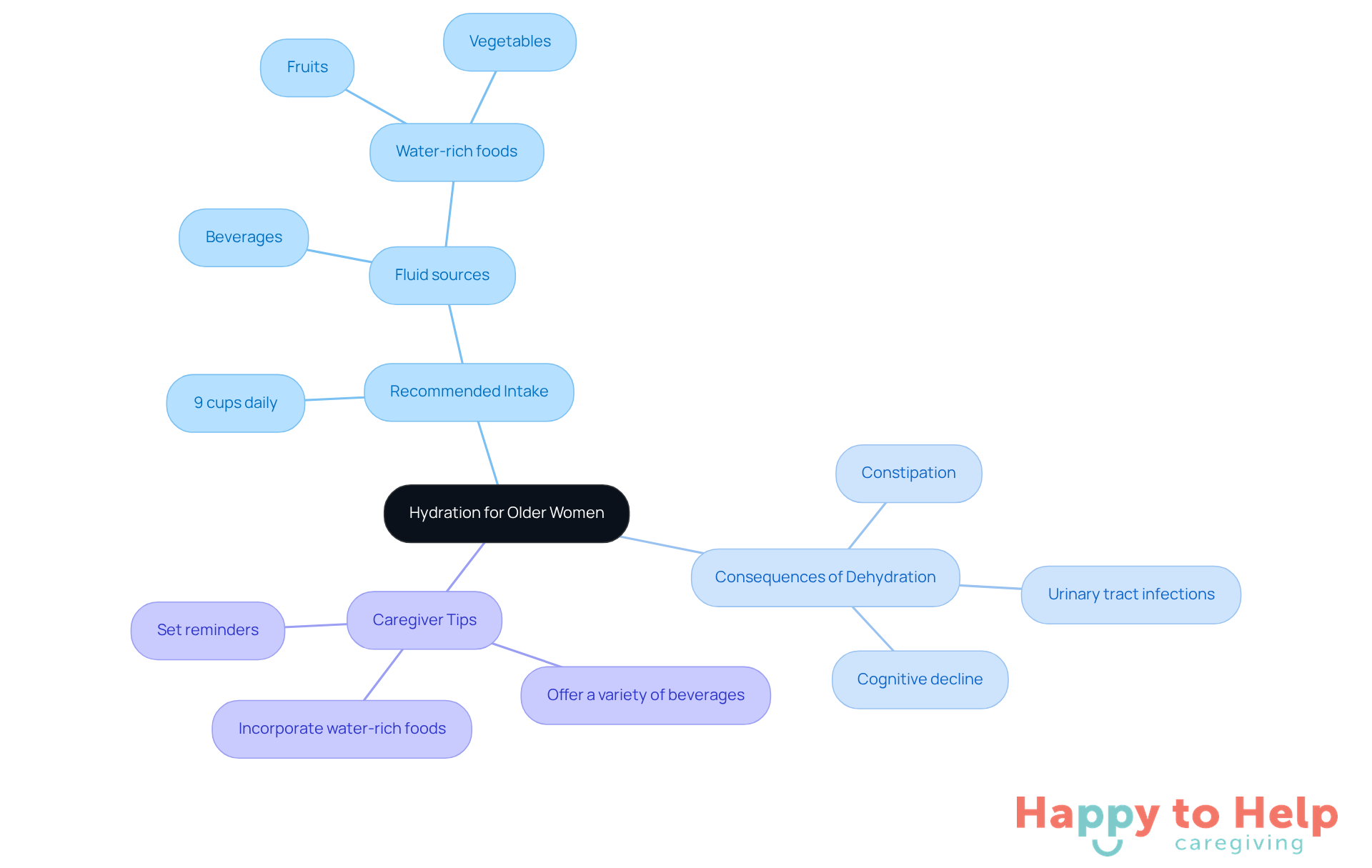
Understanding how much water should an older woman drink a day is crucial for maintaining health. As we age, our bodies undergo changes that can affect fluid levels. One significant issue is that older adults often experience a diminished sense of thirst, leading to inadequate fluid intake. This lack of hydration can have serious consequences, including urinary tract infections, constipation, and cognitive decline.
According to the National Academy of Medicine, women aged 51 and older should aim for about 9 cups (2.2 liters) of fluids daily, which is relevant to understanding how much water should an older woman drink a day, including all liquids, beverages, and moisture from food. Alarmingly, around fifty percent of individuals worldwide do not meet these daily fluid intake guidelines. As Ana Reisdorf, a Registered Dietitian Nutritionist, points out, "Dehydration poses a serious risk because it can happen faster than younger adults."
To combat this issue, caregivers should actively monitor and encourage fluid consumption among senior women, particularly regarding how much water should an older woman drink a day. Here are some practical tips:
- Offer a variety of beverages to make hydration more appealing.
- Incorporate water-rich foods like fruits and vegetables into meals.
- Set regular reminders for seniors to drink fluids throughout the day.
By promoting adequate hydration, caregivers can help improve the overall well-being of senior women, ensuring they remain healthy and vibrant.
Identify Factors Influencing Daily Water Intake
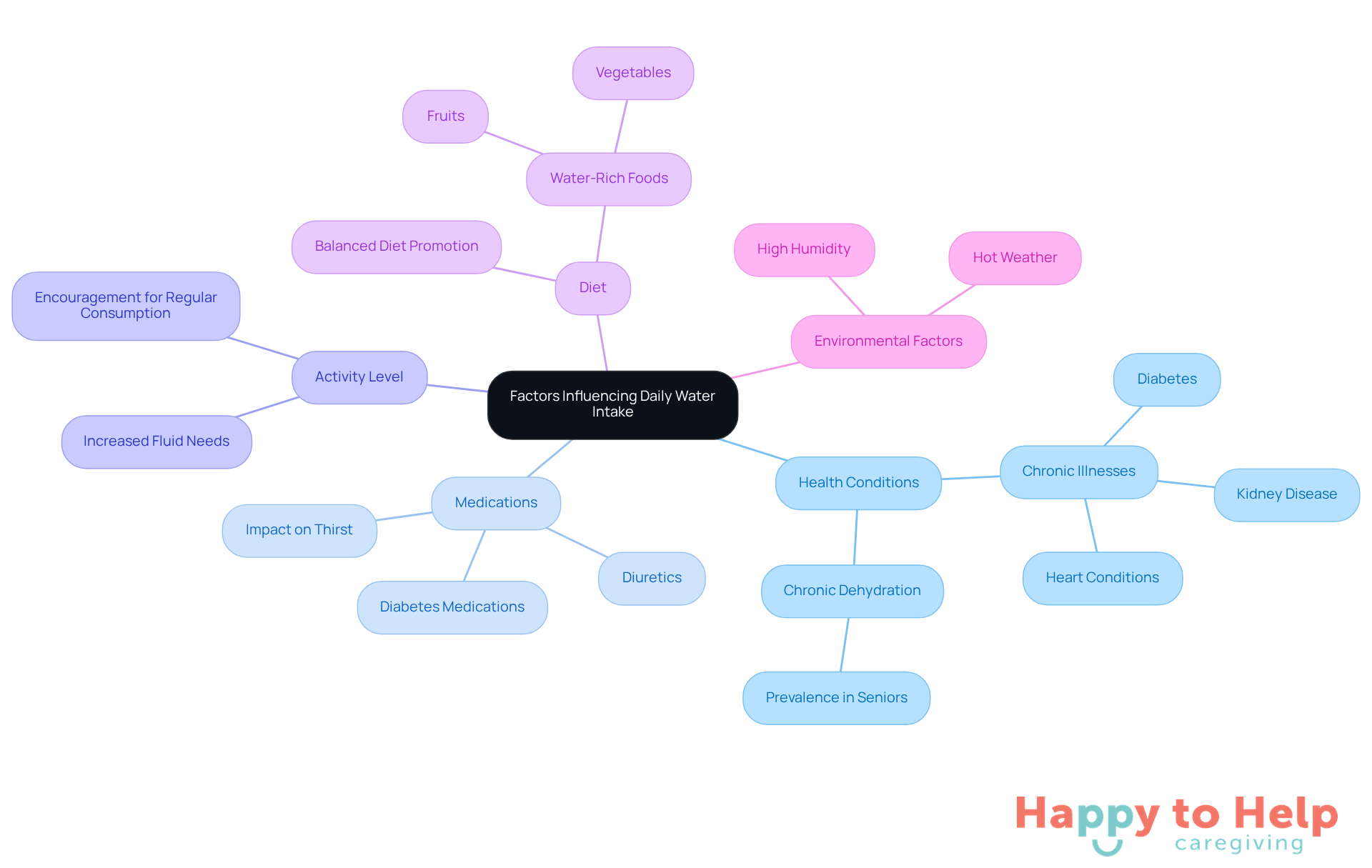
Several factors significantly influence how much water an older woman should drink a day, particularly for those with chronic health conditions.
Problem: Health Conditions
Chronic illnesses like diabetes, kidney disease, and heart conditions can greatly affect hydration needs. For example, individuals with kidney issues may face intake limitations, while those with diabetes might need to increase their hydration to counteract elevated blood sugar levels, which can lead to increased urination and fluid loss. Alarmingly, up to 40% of senior adults experience chronic dehydration, underscoring the need for vigilant hydration monitoring.
Agitate: Medications
Many medications, particularly diuretics, can exacerbate fluid loss, making it crucial for older women to consume more beverages to stay hydrated. This is particularly important for those managing chronic conditions, as certain medications can disrupt the body's natural moisture balance. As noted, "When you start to feel parched, your brain tells you to drink. But the sense of thirst naturally weakens with age."
Solution: Activity Level
An active lifestyle demands increased fluid intake to replenish moisture lost through sweat. Caregivers should encourage regular fluid consumption, especially during physical activities, to prevent dehydration. Aiming for how much water an older woman should drink a day, which is typically 6-8 cups (48-64 ounces), is a solid baseline, but adjustments may be necessary based on heat and activity levels.
Solution: Diet
Incorporating water-rich foods like fruits and vegetables into the diet can significantly boost hydration. Caregivers should promote a balanced diet that includes these items, as they not only aid in hydration but also provide essential nutrients.
Solution: Environmental Factors
Hot weather or high humidity can lead to increased fluid loss, necessitating adjustments in water intake. During warmer months, seniors may need to drink more to compensate for additional fluid loss through perspiration.
By carefully evaluating these factors, caregivers can develop a tailored fluid intake strategy that meets the specific needs of senior women, ensuring they remain healthy and properly hydrated.
Implement Strategies to Ensure Adequate Hydration
A significant challenge for older women is maintaining adequate hydration, which raises the question of how much water should an older woman drink a day, a concern often overlooked by caregivers. It is important to consider how much water should an older woman drink a day, as dehydration can lead to serious health issues, including confusion, urinary tract infections, and even hospitalization. Therefore, it’s crucial for caregivers to implement effective strategies to promote hydration.
To tackle this issue, caregivers can:
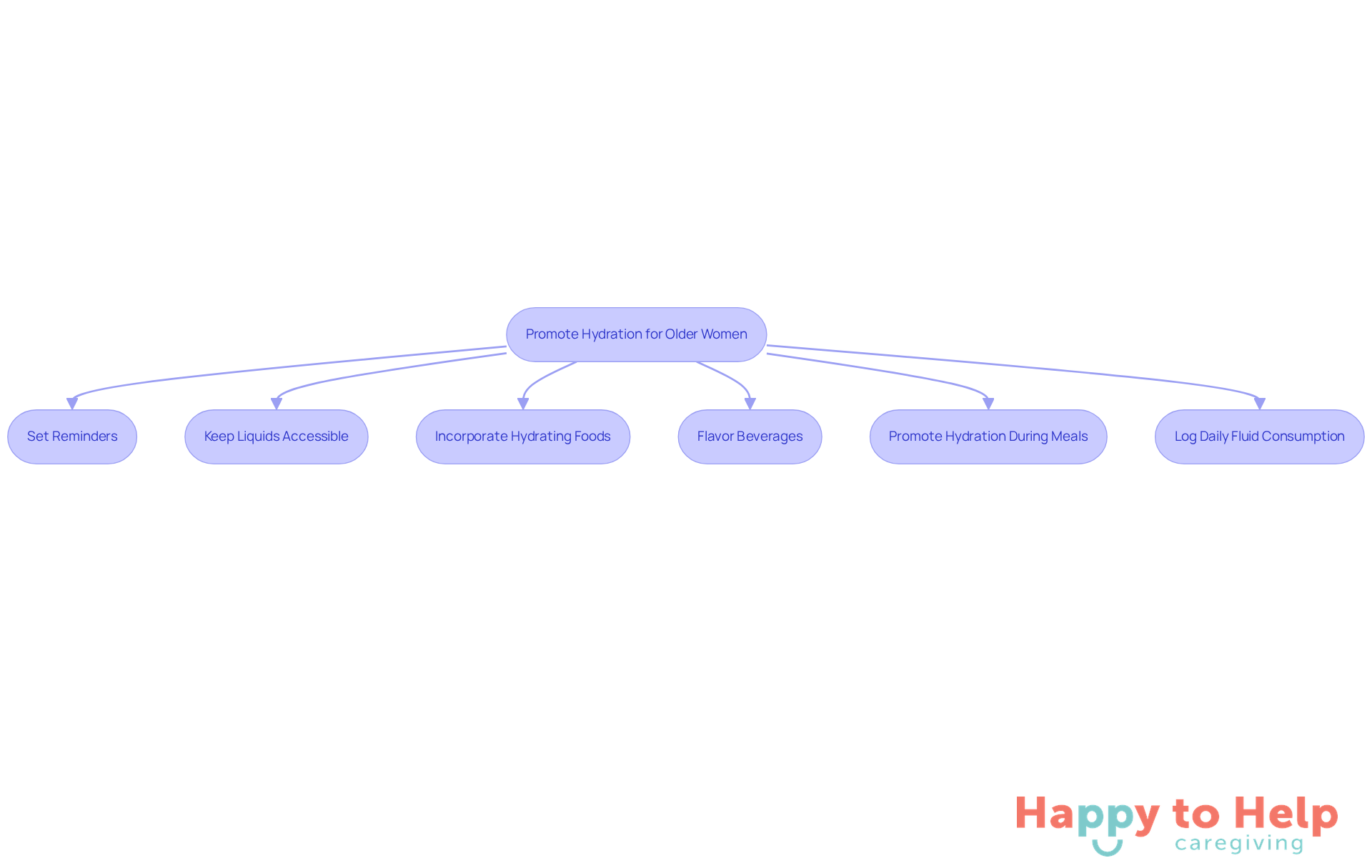
- Set reminders using alarms or timers to prompt clients to drink water throughout the day, especially if they tend to forget.
- Keep liquids accessible; placing bottles or cups in easily reachable locations encourages frequent sipping.
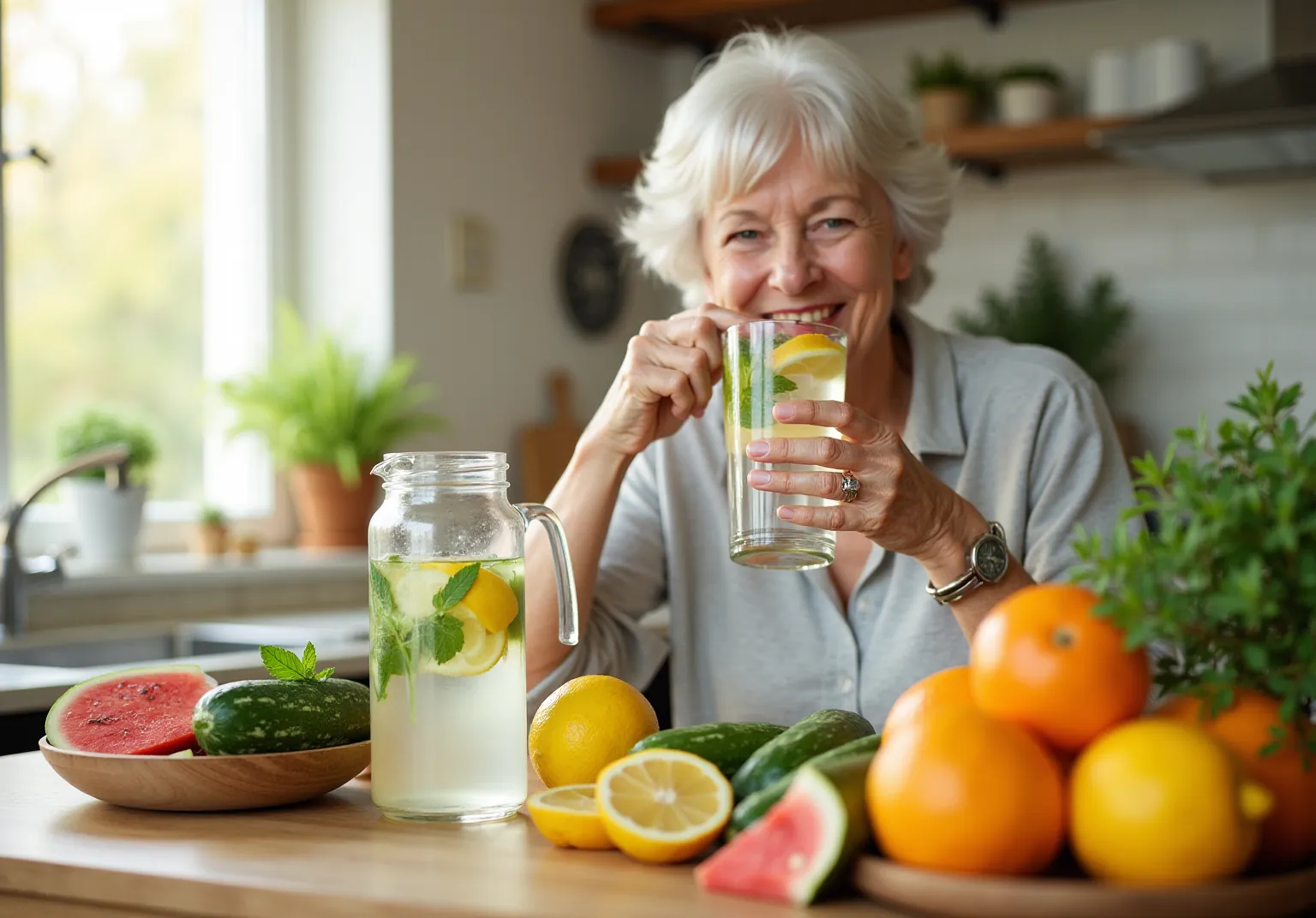
- Incorporate hydrating foods into meals; fruits and vegetables with high moisture content, such as cucumbers, watermelon, and oranges, are excellent choices.
- If clients find plain liquids unappealing, consider flavoring beverages with slices of lemon, cucumber, or mint to make drinking more enjoyable.
- Promote hydration during meals; reminding clients to drink water with every meal and snack can significantly boost their overall beverage intake.
- Keep a log of daily fluid consumption to monitor moisture levels and adjust strategies as needed.
By actively promoting these strategies, caregivers can significantly enhance hydration among senior women, answering the important question of how much water should an older woman drink a day, ultimately improving their health and well-being.
Recognize Symptoms of Dehydration and Take Action
Caregivers face a significant challenge in recognizing how much water should an older woman drink a day to prevent dehydration in senior adults. This issue is often subtle yet crucial, as knowing how much water should an older woman drink a day can help prevent dehydration and serious health complications.
Key Symptoms to Watch For:
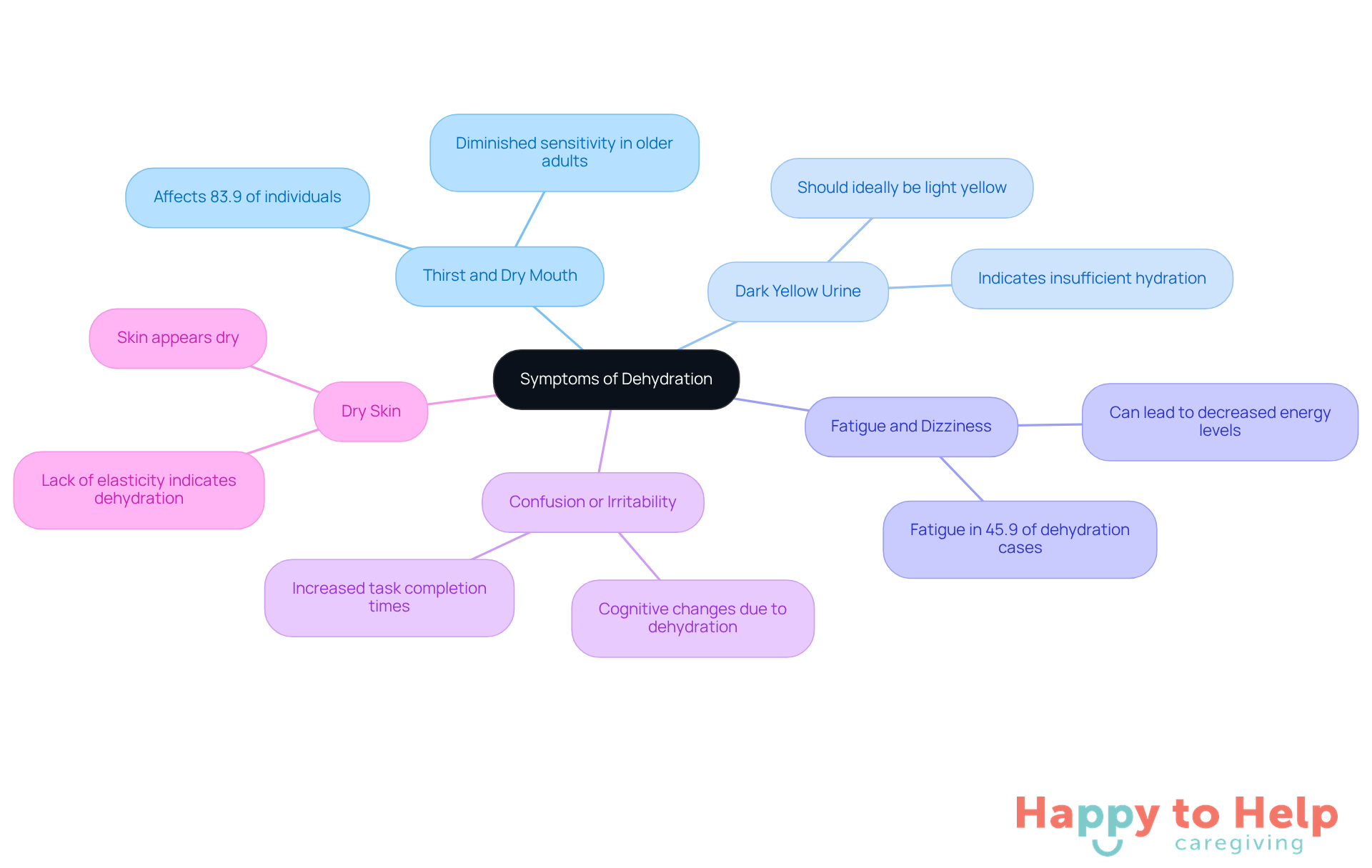
- Thirst and Dry Mouth: Often the first signs that the body needs more fluids. Many older adults may not recognize their thirst due to diminished sensitivity.
- Dark Yellow Urine: Concentrated urine indicates insufficient hydration; ideally, urine should be light yellow.
- Fatigue and Dizziness: These symptoms can arise when the body lacks adequate fluids, leading to decreased energy levels and balance issues. Research shows that fatigue is a symptom in approximately 45.9% of dehydration cases.
- Confusion or Irritability: Cognitive changes, such as confusion or increased irritability, can occur with dehydration, especially in seniors who may already be vulnerable to cognitive decline. Asher Rosinger emphasizes the importance of fluid consumption for cognitive performance, noting that dehydration can result in longer task completion times and increased errors.
- Dry Skin: Skin that lacks elasticity or appears dry can indicate dehydration, as the body prioritizes moisture for vital organs.
If caregivers observe any of these symptoms, they should encourage the individual to drink fluids immediately, keeping in mind how much water should an older woman drink a day. In severe cases, where symptoms persist or worsen, seeking medical attention is crucial.
Dehydration affects 16% to 21% of individuals, highlighting its prevalence. It can lead to serious health complications, including urinary tract infections and an increased risk of falls, particularly among seniors. Additionally, psychological barriers, such as the fear of overnight incontinence, can hinder hydration efforts in older adults.
By being proactive and attentive, caregivers can significantly mitigate the risks associated with dehydration by understanding how much water should an older woman drink a day to ensure the well-being of those in their care.
Moving Forward with How Much Water Should an Older Woman
Understanding the appropriate hydration levels for older women is vital for their overall health and well-being. As age-related changes can reduce the sense of thirst and increase the risk of dehydration, caregivers face a significant challenge in ensuring that seniors receive adequate fluid intake. This issue not only poses serious health risks but also affects the quality of life for older women.
To address this problem, it’s essential to recognize the recommended daily fluid intake of approximately 9 cups. Various factors influence hydration needs, including health conditions and activity levels. Caregivers can implement practical strategies to promote better hydration, such as:
- Recognizing the symptoms of dehydration
- Adjusting fluid intake accordingly
Prioritizing hydration in older adults is crucial for preventing health complications and fostering a healthier, more vibrant lifestyle. Caregivers are encouraged to adopt proactive measures, such as:
- Monitoring fluid intake
- Being attentive to symptoms of dehydration
By doing so, they can ensure that older women remain hydrated and enjoy the myriad benefits that come with it.
https://iframe.tely.ai/cta/eyJhcnRpY2xlX2lkIjogIjY5M2Y1MDdhMTQ3ZTIwZjE1ODJjOWRkMiIsICJjb21wYW55X2lkIjogIjY4ZWU1ZGNhNzMxNzYyNTU3ZjNjOTVjMSIsICJpbmRleCI6IG51bGwsICJ0eXBlIjogImFydGljbGUifQ==Frequently Asked Questions
Why is hydration important for older women?
Hydration is crucial for older women as it helps maintain health and prevents serious issues such as urinary tract infections, constipation, and cognitive decline, which can arise from inadequate fluid intake.
How much water should an older woman drink each day?
According to the National Academy of Medicine, women aged 51 and older should aim for about 9 cups (2.2 liters) of fluids daily, which includes all liquids, beverages, and moisture from food.
What challenges do older adults face regarding hydration?
Older adults often experience a diminished sense of thirst, which can lead to inadequate fluid intake and increase the risk of dehydration.
What are the risks associated with dehydration in older women?
Dehydration can happen more quickly in older adults and poses serious risks, including increased likelihood of urinary tract infections, constipation, and cognitive decline.
How can caregivers help older women maintain proper hydration?
Caregivers can help by actively monitoring and encouraging fluid consumption, offering a variety of appealing beverages, incorporating water-rich foods into meals, and setting regular reminders for seniors to drink fluids throughout the day.
List of Sources
- Understand the Importance of Hydration for Older Women
- The challenge with hydration for the elderly (https://nzmp.com/global/en/news/hydration-for-elderly.html)
- Good hydration linked to healthy aging (https://nhlbi.nih.gov/news/2023/good-hydration-linked-healthy-aging)
- Hydration can significantly impact your physical health, study finds | CNN (https://cnn.com/2023/01/02/health/hydration-disease-aging-death-risk-study-wellness)
- Poor hydration linked to early aging and chronic disease, 25-year study finds (https://nbcnews.com/health/health-news/poor-hydration-linked-early-aging-chronic-disease-study-rcna63741)
- Identify Factors Influencing Daily Water Intake
- Hydration and older adults: Why water matters more as you age (https://uclahealth.org/news/article/hydration-and-older-adults-why-water-matters-more-you-age)
- Hydration Tips for Older Adults This Summer | Glacial Ridge Health System (https://glacialridge.org/why-summer-hydration-matters-older-adults)
- (https://belleviecare.co.uk/support-advice/60-elderly-care-quotes-to-lift-your-spirits)
- Chronic Illness Quotes: From Inner Strength to Laughter - Mission:Cure (https://mission-cure.org/chronic-illness-quotes-from-inner-strength-to-laughter)
- 18 Emotional Quotes About Strong Women That Can Get You Through Just About Anything (https://creakyjoints.org/support/strong-women-quotes)
- Implement Strategies to Ensure Adequate Hydration
- Hydration and older adults: Why water matters more as you age (https://uclahealth.org/news/article/hydration-and-older-adults-why-water-matters-more-you-age)
- Interventions to Improve Hydration in Older Adults: A Systematic Review and Meta-Analysis (https://mdpi.com/2072-6643/13/10/3640)
- 4 Hydration Tips for Older Adults | Home Health Care (https://phoenixhomehc.com/news/hydration-tips-for-older-adults)
- Seniors Should Boost Their Water Intake; Here Are 6 Ways (https://morningstarseniorliving.com/seniors-should-boost-their-water-intake-here-are-6-ways)
- The Importance of Hydration for Older Adults (https://ncoa.org/article/how-to-stay-hydrated-for-better-health)
- Recognize Symptoms of Dehydration and Take Action
- Dehydration in middle-aged and older adults may lead to attention challenges | Penn State University (https://psu.edu/news/health-and-human-development/story/dehydration-middle-aged-and-older-adults-may-lead-attention)
- Study finds a lack of adequate hydration among the elderly (https://uclahealth.org/news/release/study-finds-a-lack-of-adequate-hydration-among-the-elderly)
- Dehydration Statistics and Facts (2025) (https://media.market.us/dehydration-statistics)
- How Older Adults Can Avoid Dehydration (https://umms.org/bwmc/news/2021/how-older-adults-can-avoid-dehydration)
- Study finds a lack of adequate hydration among the elderly (https://newsroom.ucla.edu/releases/study-finds-a-lack-of-adequate-hydration-among-the-elderly)