

For families in our service areas
For families in our service areas, this guide explains caregiver support and how non-medical in-home caregiving can support care planning in East Idaho, Treasure Valley & Magic Valley, Northern Wasatch, North Central West Virginia, and Northeast Ohio.
Why How Much Water Should Seniors Drink? Matters
Hydration is a critical yet often overlooked aspect of health for seniors. Many face chronic dehydration, which can lead to severe health complications. Understanding how much water seniors should drink is essential for caregivers who play a vital role in promoting proper fluid intake.
Recommendations suggest that older adults consume between 9 to 13 cups of beverages daily. However, the challenge lies in overcoming the natural decline in thirst perception and addressing various factors that influence hydration. Caregivers must recognize these obstacles to ensure seniors stay hydrated and healthy.
What strategies can caregivers implement? Here are some actionable tips:
- Encourage regular fluid intake by offering water at meals and snacks.
- Use reminders, such as alarms or notes, to prompt seniors to drink.
- Provide a variety of beverages to make hydration more appealing.
By understanding the importance of hydration and actively promoting fluid intake, caregivers can significantly improve the health and well-being of seniors.
Understand the Importance of Hydration for Seniors
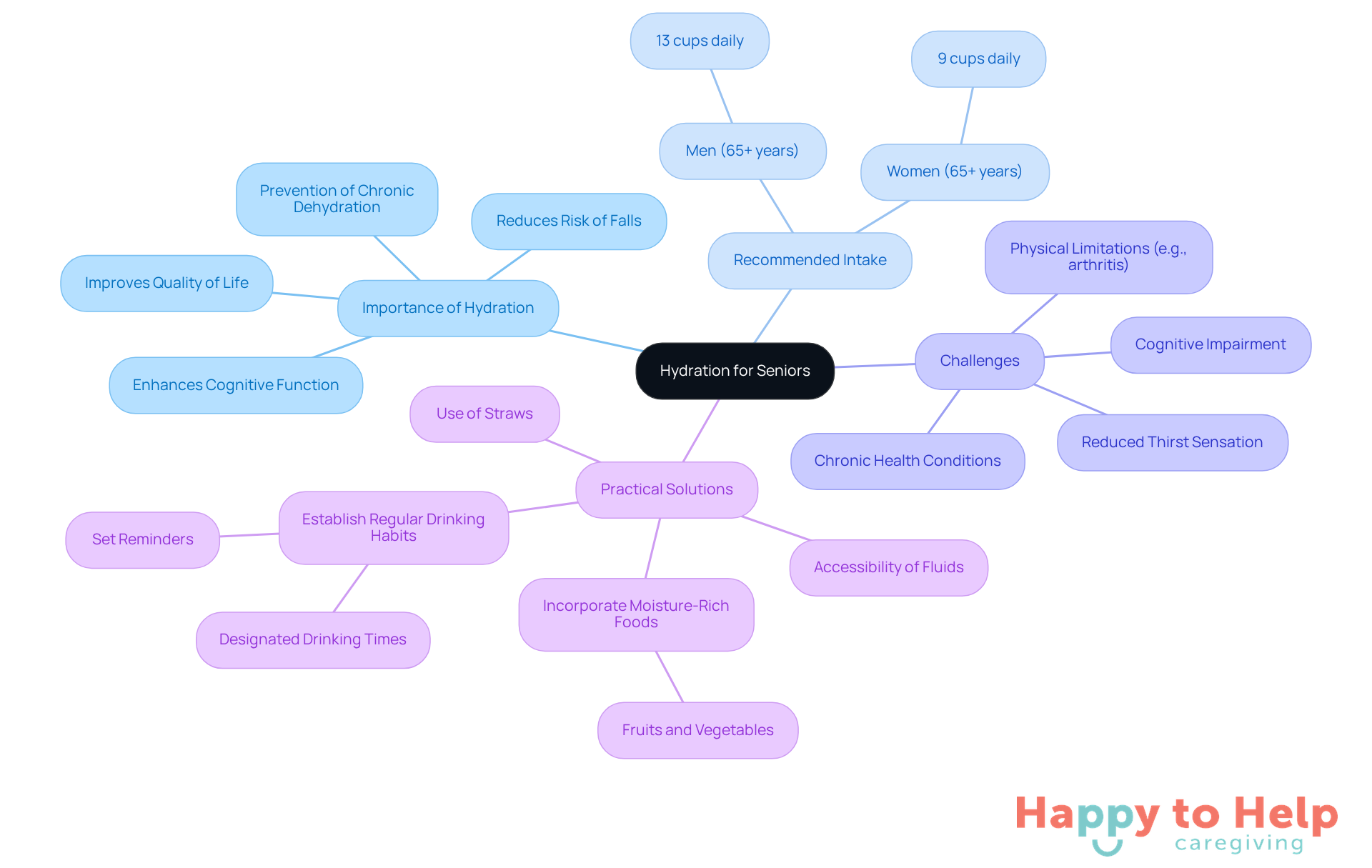
Hydration is a significant concern for seniors, raising the question of how much water should seniors drink, as many face chronic dehydration. This condition can lead to serious health issues, including increased hospital stays and readmission rates. The National Academy of Medicine provides guidance on how much water seniors should drink, recommending that men aged 65 and older consume about 13 cups of beverages daily, while women should aim for around 9 cups. However, older adults often have a reduced sense of thirst, so it's important to understand how much water should seniors drink and for caregivers to actively encourage fluid intake.
To combat this issue, caregivers can implement several practical solutions:
- Ensure that fluids are easily accessible throughout the day.
- Incorporate moisture-rich foods, such as fruits and vegetables, to help boost hydration levels.
- Establish regular drinking habits, like setting reminders or having designated drinking times, to assist in maintaining adequate fluid intake.
- Consider physical limitations, such as arthritis, which may prevent seniors from accessing water easily.
Research indicates that adequate fluid intake not only enhances cognitive function but also reduces the risk of falls and improves overall quality of life. Moreover, studies suggest that staying hydrated may delay the aging process and help prevent chronic illnesses. Personalized fluid plans tailored to each elderly individual's health needs are essential for determining how much water should seniors drink for effective hydration management.
It's alarming that up to 40% of older adults experience chronic dehydration. Caregivers can simplify the hydration process by using straws, which can encourage liquid consumption without requiring much effort. By taking these steps, caregivers can play a vital role in ensuring that seniors remain hydrated and healthy.
Identify Factors Affecting Water Intake
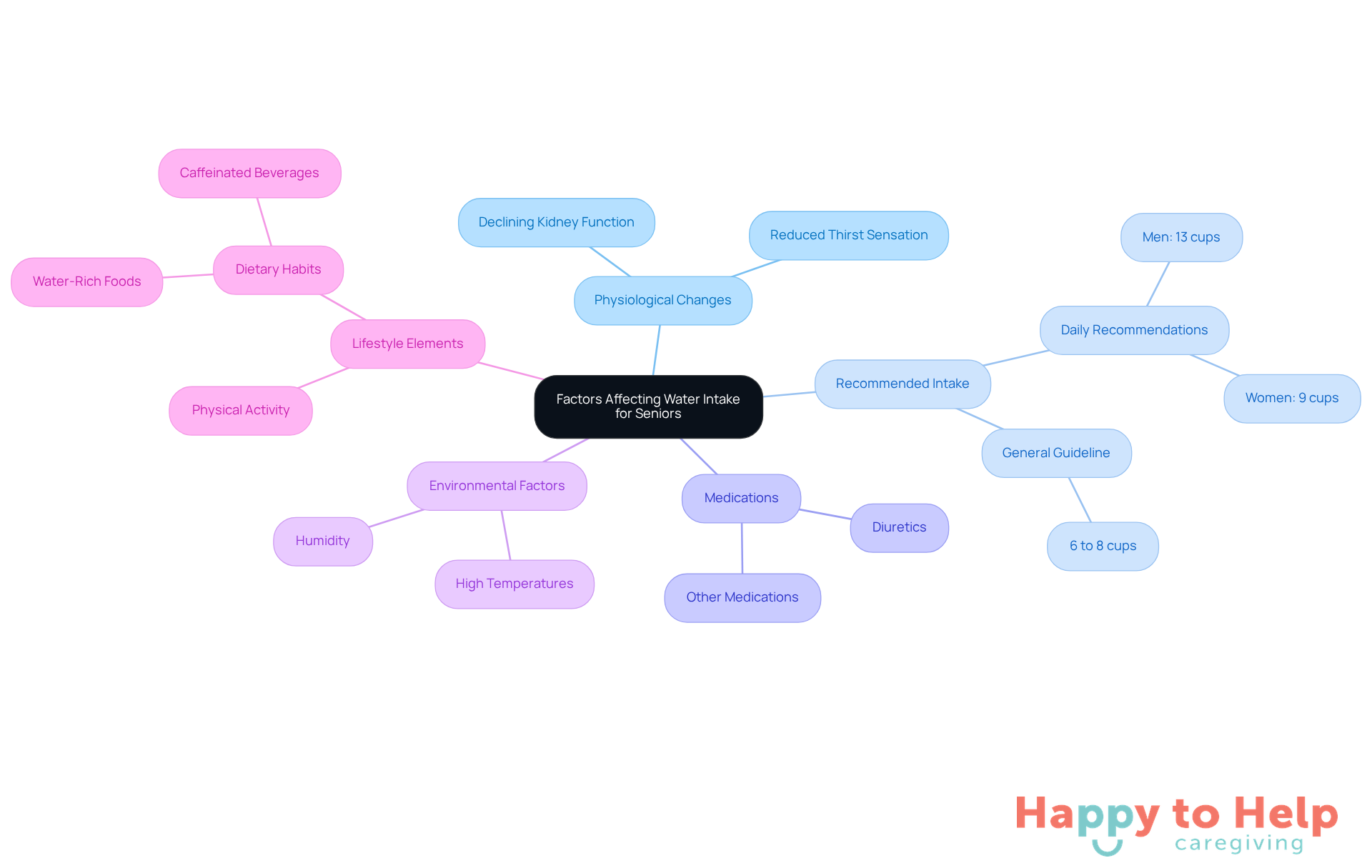
Dehydration is a significant concern for seniors, leading to questions about how much water should seniors drink, as several factors affect their fluid requirements. Age-related physiological changes, such as a reduced thirst sensation and declining kidney function, can lead to insufficient beverage consumption. Alarmingly, research indicates that up to 40% of adults over 65 experience persistent dehydration. This highlights the critical need for caregivers to closely monitor fluid intake.
The recommended daily beverage consumption is 13 cups for men and 9 cups for women aged 65 and above, raising the question of how much water should seniors drink. Caregivers should aim for these targets when assessing hydration needs. Additionally, medications, particularly diuretics, can exacerbate fluid loss, necessitating an increased intake of beverages to maintain adequate moisture levels. Environmental factors, like high temperatures, along with lifestyle elements such as physical activity and dietary habits, further influence fluid requirements.
To encourage older adults to drink more liquids, caregivers can implement practical strategies. For instance:
- Adding pieces of fruit to beverages
- Setting up hydration stations
By carefully evaluating these factors, caregivers can determine how much water seniors should drink to tailor hydration strategies that meet the specific needs of each individual, ultimately promoting optimal health and well-being.
Implement Strategies to Increase Water Consumption
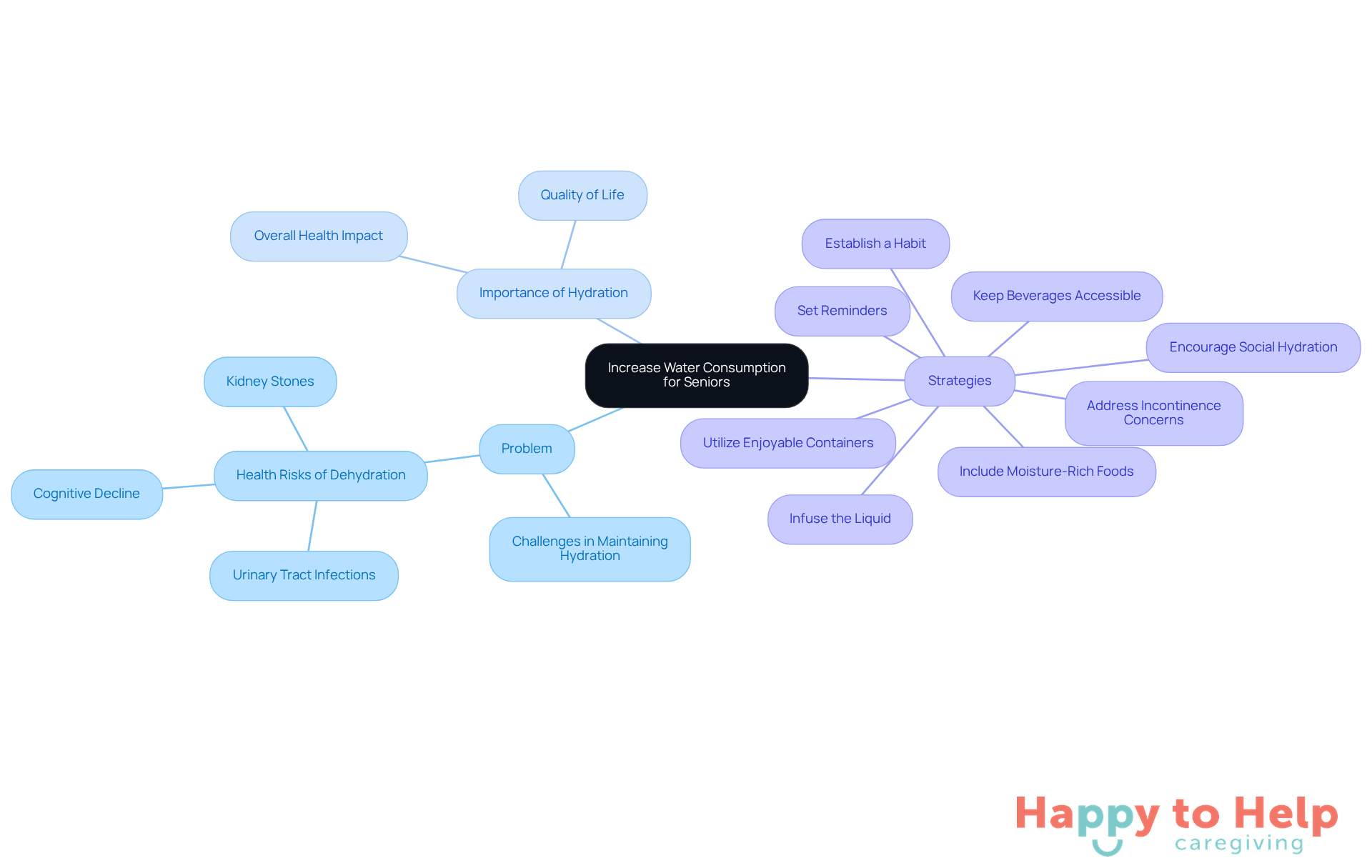
Problem: Many seniors struggle to maintain adequate hydration, highlighting the importance of understanding how much water should seniors drink to avoid serious health issues. Caregivers play a crucial role in addressing this challenge, as older adults may not recognize their hydration needs or may avoid drinking due to concerns about incontinence.
It is important to know how much water should seniors drink, as insufficient fluid intake can result in dehydration, impacting overall health and quality of life. This is particularly concerning for seniors, who may already face various health challenges. Without proper hydration, seniors risk complications such as urinary tract infections, kidney stones, and even cognitive decline, which highlights the importance of understanding how much water should seniors drink.
Solution: Caregivers can implement several effective strategies to boost water consumption among seniors:
- Keep Beverages Accessible: Ensure that drinks are always within easy reach to encourage frequent sipping.
- Infuse the Liquid: Enhance the appeal of plain water by adding slices of lemon, cucumber, or berries, which can significantly boost fluid intake.
- Include Moisture-Rich Foods: Encourage the consumption of fruits and vegetables with high moisture content, like watermelon, cucumbers, and oranges, along with soups, smoothies, and gelatin-based desserts.
- Set Reminders: Utilize alarms or sticky notes to remind elderly individuals how much water should seniors drink regularly throughout the day, as scheduled intake is often more effective than waiting for thirst signals.
- Establish a Habit: Motivate older adults to consume beverages during meals and snacks, creating a regular hydration practice.
- Utilize Enjoyable Containers: Appealing cups or bottles can enhance the drinking experience, encouraging older adults to take in more beverages.
- Address Incontinence Concerns: Discuss how much water seniors should drink and the fears related to incontinence that may discourage older adults from drinking enough water, reassuring them that staying hydrated is essential for their health.
- Encourage Social Hydration: Involve older adults in social activities, such as having tea with friends, to promote fluid intake in a relaxed setting.
Incorporating these strategies not only helps maintain adequate hydration but also enhances the overall quality of life for older adults, addressing the common challenges they face in recognizing their hydration needs.
Recognize Symptoms of Dehydration in Seniors
Caregivers face a significant challenge in understanding how much water seniors should drink to avoid dehydration. Early recognition of this issue is crucial, as it can greatly impact health outcomes.
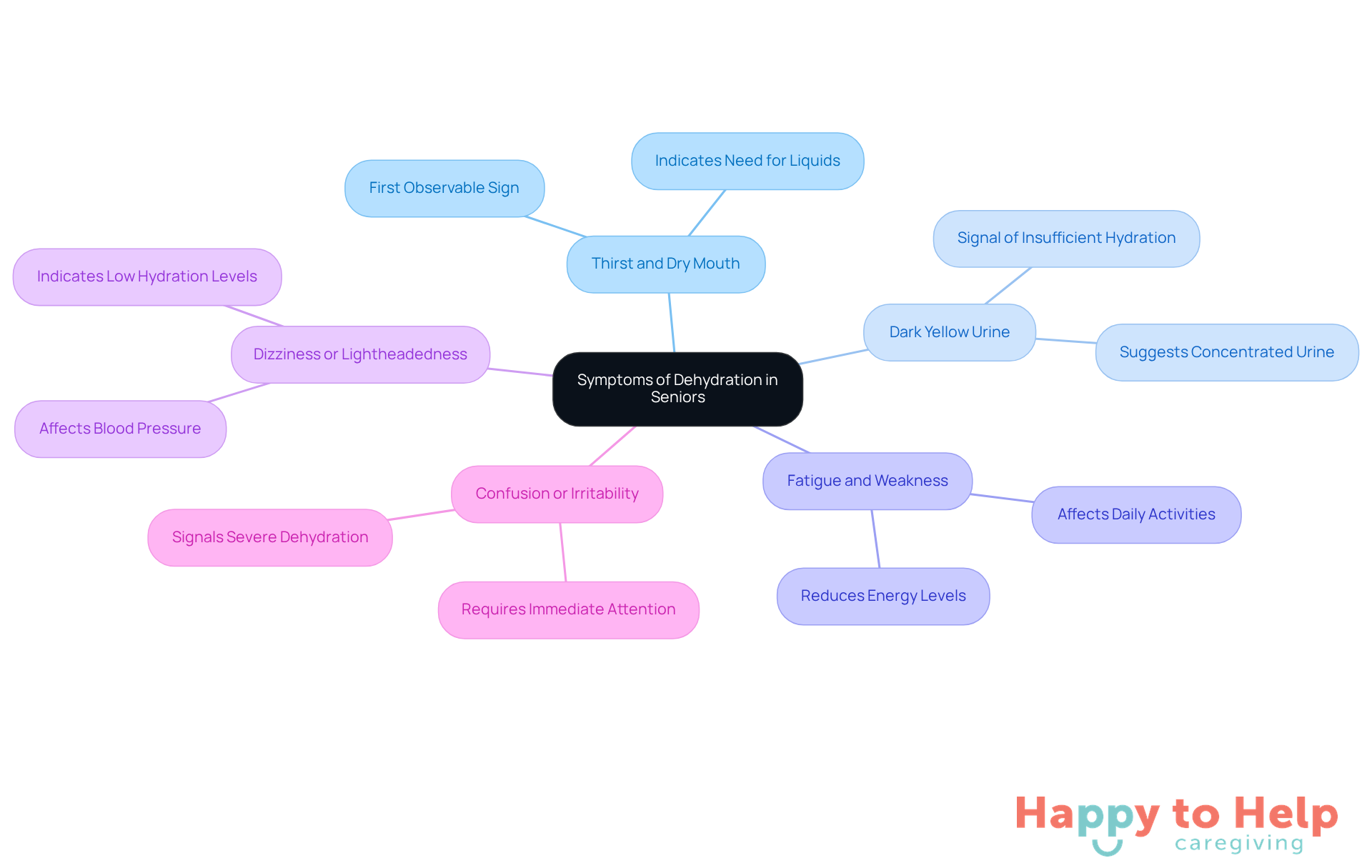
Key Indicators of Dehydration:
- Thirst and Dry Mouth: Often the first observable sign, indicating the body's need for liquids.
- Dark Yellow Urine: A clear signal of insufficient hydration, suggesting concentrated urine.
- Fatigue and Weakness: Dehydration can reduce energy levels, making daily activities more difficult.
- Dizziness or Lightheadedness: Especially when standing up quickly, this may indicate low hydration levels affecting blood pressure.
- Confusion or Irritability: Changes in mental status can signal severe dehydration, requiring immediate attention.
In practical terms, caregivers can effectively combat dehydration by promoting regular beverage consumption and offering a variety of drinks, while also addressing how much water seniors should drink and incorporating hydrating foods like fruits and soups into meals. If any of these symptoms are observed, caregivers should encourage fluid intake promptly and consult a healthcare professional if symptoms persist.
Awareness of these signs is vital. Studies show that nearly 19% of community-dwelling older adults experience dehydration, which can lead to serious health complications if not addressed. Moreover, dehydration is linked to increased mortality rates and acute kidney injury, highlighting the need for vigilance among caregivers. Regular monitoring of hydration status is essential to mitigate these risks.
Taking the Next Steps
Understanding how much water seniors should drink is crucial for maintaining their health and well-being. Inadequate hydration can lead to serious health complications, diminishing overall quality of life. Given the unique challenges faced by older adults, caregivers play an essential role in fostering proper hydration habits and ensuring that seniors meet their fluid intake needs.
The recommended daily water intake for seniors is around 13 cups for men and 9 cups for women. However, several factors can affect hydration, including reduced thirst sensation, medications, and environmental conditions. Caregivers can implement practical strategies to combat dehydration, such as:
- Making beverages accessible
- Incorporating moisture-rich foods
- Establishing regular drinking habits
Recognizing the signs of dehydration and responding promptly can significantly improve health outcomes for seniors. Caregivers are encouraged to remain vigilant in promoting fluid intake and to be proactive in addressing any signs of dehydration.
Ultimately, prioritizing hydration is not just about meeting a daily recommendation; it is about enhancing the quality of life and supporting the well-being of older adults. By implementing thoughtful strategies and fostering an environment that encourages regular drinking, caregivers can help ensure that seniors stay healthy, active, and hydrated.
https://iframe.tely.ai/cta/eyJhcnRpY2xlX2lkIjogIjY5MjI2NTAwMjcyNDliYTNkMmMzZTVhNSIsICJjb21wYW55X2lkIjogIjY4ZWU1ZGNhNzMxNzYyNTU3ZjNjOTVjMSIsICJpbmRleCI6IG51bGwsICJ0eXBlIjogImFydGljbGUifQ==Frequently Asked Questions
Why is hydration important for seniors?
Hydration is crucial for seniors as it helps prevent chronic dehydration, which can lead to serious health issues, increased hospital stays, and higher readmission rates.
How much water should seniors drink daily?
The National Academy of Medicine recommends that men aged 65 and older consume about 13 cups of beverages daily, while women should aim for around 9 cups.
Why do many seniors struggle with hydration?
Many older adults have a reduced sense of thirst, which can lead to inadequate fluid intake and chronic dehydration.
What practical solutions can caregivers implement to help seniors stay hydrated?
Caregivers can ensure fluids are easily accessible, incorporate moisture-rich foods, establish regular drinking habits, and consider physical limitations that may affect fluid intake.
What are the benefits of adequate fluid intake for seniors?
Adequate fluid intake enhances cognitive function, reduces the risk of falls, improves overall quality of life, may delay the aging process, and helps prevent chronic illnesses.
How can caregivers encourage seniors to drink more fluids?
Caregivers can use straws to simplify drinking, set reminders for regular drinking times, and make fluids easily accessible throughout the day.
What is the prevalence of chronic dehydration among older adults?
Up to 40% of older adults experience chronic dehydration, highlighting the importance of effective hydration management.
Why are personalized fluid plans important for seniors?
Personalized fluid plans are essential for determining the appropriate amount of water each elderly individual needs based on their health requirements, ensuring effective hydration management.
List of Sources
- Understand the Importance of Hydration for Seniors
- Drink up: The importance of staying hydrated for seniors (https://morningjournalnews.com/news/local-news/2025/05/drink-up-the-importance-of-staying-hydrated-for-seniors)
- Hydration and older adults: Why water matters more as you age (https://uclahealth.org/news/article/hydration-and-older-adults-why-water-matters-more-you-age)
- Hydration Status in Older Adults: Current Knowledge and Future Challenges - PMC (https://pmc.ncbi.nlm.nih.gov/articles/PMC10255140)
- Good hydration linked to healthy aging (https://nhlbi.nih.gov/news/2023/good-hydration-linked-healthy-aging)
- Hydration can significantly impact your physical health, study finds | CNN (https://cnn.com/2023/01/02/health/hydration-disease-aging-death-risk-study-wellness)
- Identify Factors Affecting Water Intake
- Seniors Should Boost Their Water Intake; Here Are 6 Ways (https://morningstarseniorliving.com/seniors-should-boost-their-water-intake-here-are-6-ways)
- Hydration and older adults: Why water matters more as you age (https://uclahealth.org/news/article/hydration-and-older-adults-why-water-matters-more-you-age)
- The Connection Between Age and Dehydration Risk (https://health.clevelandclinic.org/drink-up-dehydration-is-an-often-overlooked-health-risk-for-seniors)
- Link between hydration and aging (https://nih.gov/news-events/nih-research-matters/link-between-hydration-aging)
- Implement Strategies to Increase Water Consumption
- 4 Hydration Tips for Older Adults | Home Health Care (https://phoenixhomehc.com/news/hydration-tips-for-older-adults)
- Seniors Should Boost Their Water Intake; Here Are 6 Ways (https://morningstarseniorliving.com/seniors-should-boost-their-water-intake-here-are-6-ways)
- Caregivers Give Tips on Keeping Older Adults Hydrated - GoodRx (https://goodrx.com/health-topic/senior-health/hydration-tips-for-seniors?srsltid=AfmBOop29WDjaUCTyJ9UZwed1EPWeZm2uH2oEzlhH7QAYtT4PwK8UzX6)
- Tips for Water Intake for Older Adults (https://webmd.com/healthy-aging/tips-for-water-intake-for-older-adults)
- Tips for drinking more water (https://mayoclinichealthsystem.org/hometown-health/speaking-of-health/tips-for-drinking-more-water)
- Recognize Symptoms of Dehydration in Seniors
- Dehydration in middle-aged and older adults may lead to attention challenges | Penn State University (https://psu.edu/news/health-and-human-development/story/dehydration-middle-aged-and-older-adults-may-lead-attention)
- Study finds a lack of adequate hydration among the elderly (https://newsroom.ucla.edu/releases/study-finds-a-lack-of-adequate-hydration-among-the-elderly)
- How Older Adults Can Avoid Dehydration (https://umms.org/bwmc/news/2021/how-older-adults-can-avoid-dehydration)
- Dehydration and clinical outcome in hospitalised older adults: A cohort study (https://sciencedirect.com/science/article/abs/pii/S1878764916301838)