How to Be a Caregiver for Elderly: Essential Steps for Success
For families in our service areas
For families in our service areas, this guide explains caregiver support and how non-medical in-home caregiving can support care planning in East Idaho, Treasure Valley & Magic Valley, Northern Wasatch, North Central West Virginia, and Northeast Ohio.
The Importance of Be a Caregiver for Elderly: Essential
Understanding the complexities of caregiving for the elderly is crucial as our population ages rapidly. Caregivers face significant challenges, including balancing their own needs with the demands of providing compassionate and competent care. This can lead to stress and burnout, impacting both the caregiver and the loved one receiving care.
To navigate these challenges, caregivers can implement practical strategies. First, mastering essential caregiving tasks is vital. This includes understanding medical needs and daily living assistance. Additionally, fostering effective communication with healthcare providers can ensure that caregivers are well-informed and supported.
Moreover, prioritizing self-care is essential to prevent burnout. Caregivers should:
- Schedule regular breaks
- Seek support from peers
- Engage in activities that promote their well-being
By embracing these strategies, caregivers can enhance their ability to provide effective support while also taking care of themselves.
Understand the Caregiver Role and Responsibilities
As a caregiver, understanding how to be a caregiver for elderly individuals can help you face the significant challenges in supporting them with their daily needs. These challenges can lead to feelings of overwhelm and uncertainty about how best to provide care. Understanding how to be a caregiver for elderly can help you navigate these difficulties effectively.
-
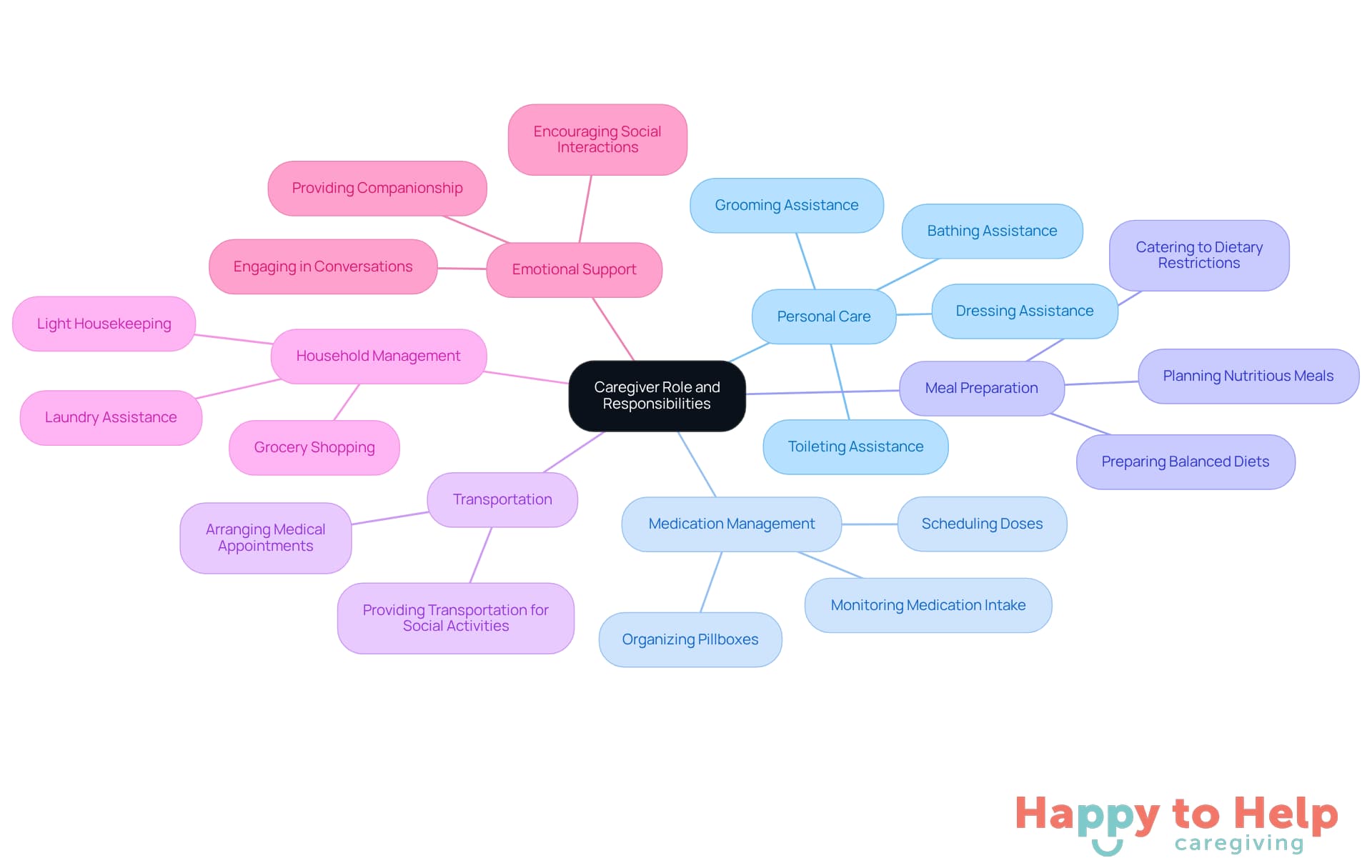
Personal Care: Assisting with bathing, dressing, grooming, and toileting is essential. This not only ensures hygiene but also promotes dignity and comfort for the individual.
-
Medication Management: It's crucial to ensure medications are taken as prescribed. Organizing pillboxes and scheduling doses can prevent missed medications, which can have serious health implications.
-
Meal Preparation: Planning and preparing nutritious meals that cater to dietary restrictions is vital for maintaining health. A well-balanced diet can significantly impact the well-being of elderly individuals.
-
Transportation: Providing or arranging transportation for medical appointments and social activities helps maintain their independence and connection to the community.
-
Household Management: Assisting with light housekeeping, laundry, and grocery shopping can alleviate stress for both you and the individual you care for, creating a more comfortable living environment.
-
Emotional Support: Engaging in conversations, providing companionship, and encouraging social interactions are key to combating loneliness, which is a common issue among the elderly.
By understanding how to be a caregiver for elderly, you can create a structured approach to caregiving, ensuring that the needs of your loved one are met effectively.
Master Essential Caregiving Tasks and Activities
Being an effective caregiver involves mastering several essential tasks, each of which presents unique challenges:
-
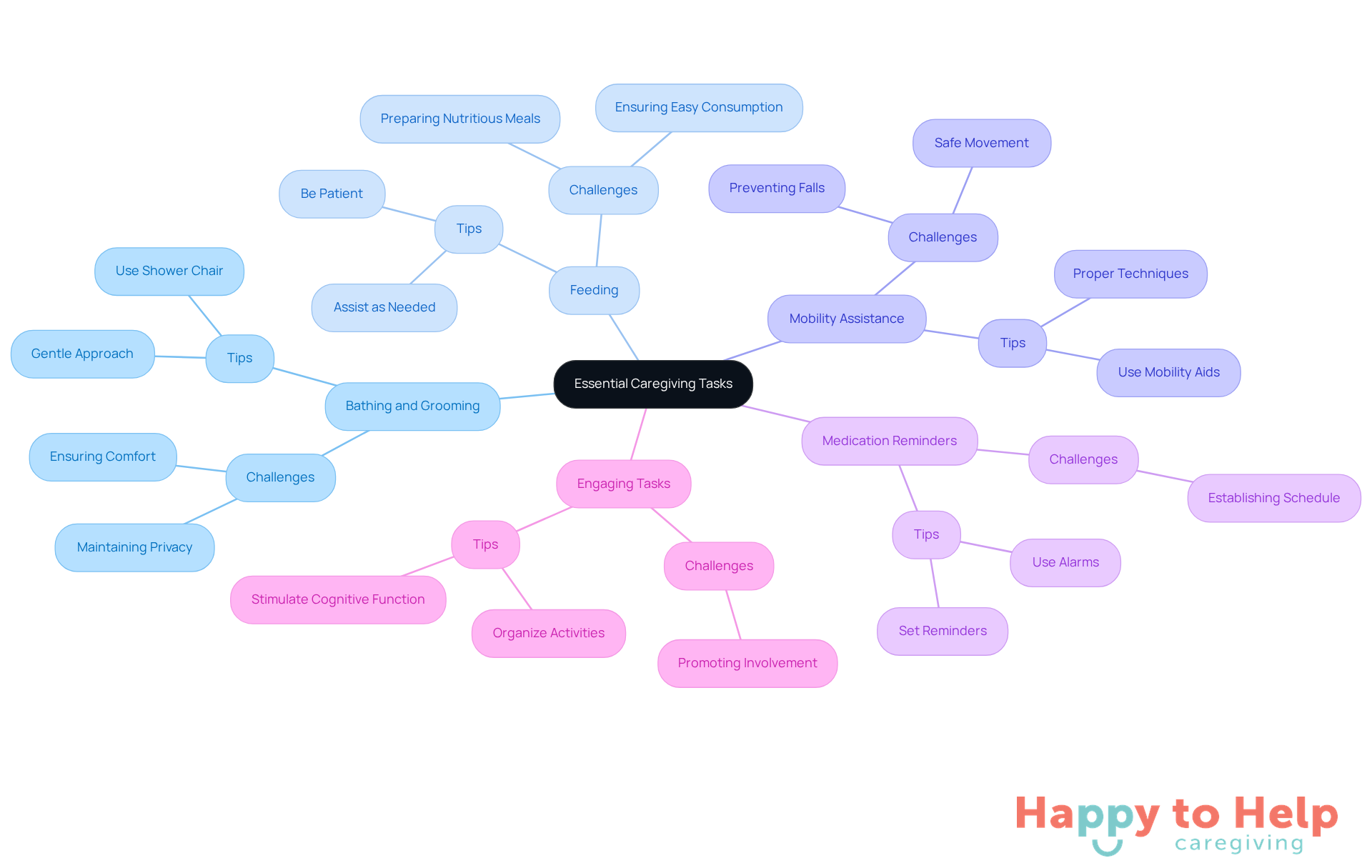
Bathing and Grooming: Caregivers often struggle with ensuring comfort and privacy during these tasks. Approaching them gently is crucial. Utilizing a shower chair can enhance safety and comfort during bathing.
-
Feeding: Preparing nutritious meals that are easy to consume can be a challenge. Patience is key; assisting as needed ensures proper nutrition.
-
Mobility Assistance: Facilitating safe movement around the home is vital. Mobility aids like walkers or canes can help, but caregivers must be aware of proper techniques to prevent falls and injuries. As noted by occupational therapists, "Using the right mobility aids can significantly reduce the risk of falls, which is crucial for maintaining independence in seniors."
-
Medication Reminders: Establishing a clear medication schedule can be daunting. Utilizing alarms or reminders helps clients adhere to their prescriptions effectively.
-
Engaging Tasks: Organizing pursuits that promote mental and physical involvement is essential. Activities like puzzles, reading, or light exercises stimulate cognitive function and enhance emotional well-being. In fact, more than half of family supporters express a sense of meaning or purpose from their caregiving role, highlighting the emotional benefits of interacting with loved ones.
By mastering these tasks, caregivers can significantly improve the quality of care they provide, fostering a supportive and nurturing environment for their loved ones. Remember, caregiving is not just about the tasks; it’s about the connection and support you offer.
Implement Self-Care Strategies to Prevent Burnout
Understanding how to be a caregiver for elderly individuals is crucial to prevent caregiver burnout, which can significantly affect the quality of care provided. When caregivers overcommit without taking time for themselves, they risk their own well-being, which can lead to exhaustion and decreased effectiveness in their roles. To combat this, implementing self-care strategies is essential.
-
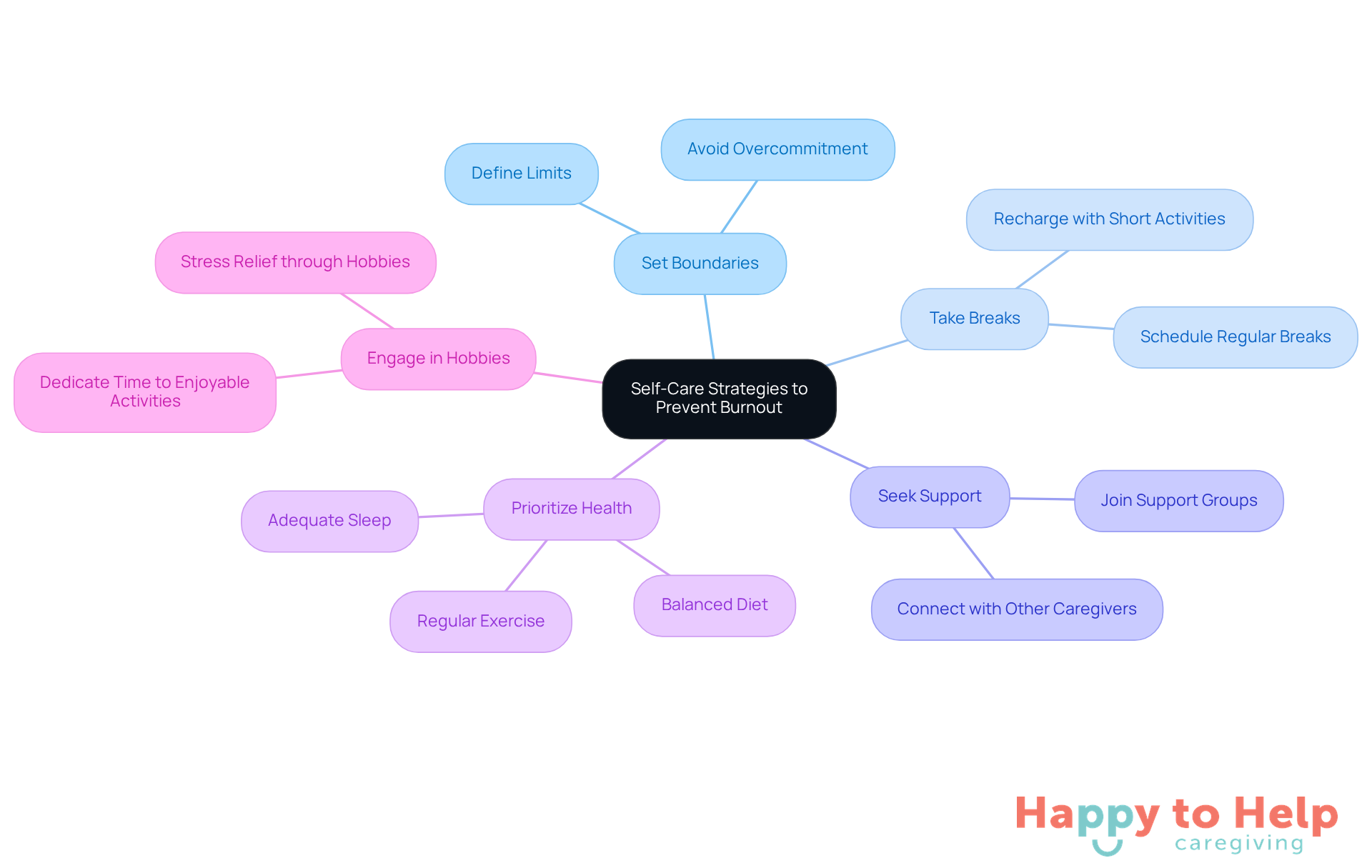
Set Boundaries: Clearly define your limits regarding time and energy to avoid overcommitting. This helps maintain a healthy balance between caregiving and personal time.
-
Take Breaks: Schedule regular breaks to recharge, even if it's just a short walk or a quiet moment. These pauses can significantly improve your mental clarity and emotional resilience.
-
Seek Support: Connect with other individuals providing care or support groups to share experiences and advice. Engaging with others in similar situations can provide comfort and practical insights.
-
Prioritize Health: Maintain a balanced diet, exercise regularly, and ensure you get enough sleep. Understanding how to be a caregiver for elderly requires taking care of your physical health, which is crucial for sustaining your caregiving abilities.
-
Engage in Hobbies: Make time for activities you enjoy to relieve stress and promote happiness. Hobbies can serve as a vital outlet for relaxation and joy.
By prioritizing your well-being, you will be better equipped to understand how to be a caregiver for elderly and provide compassionate care.
Communicate Effectively with Healthcare Providers
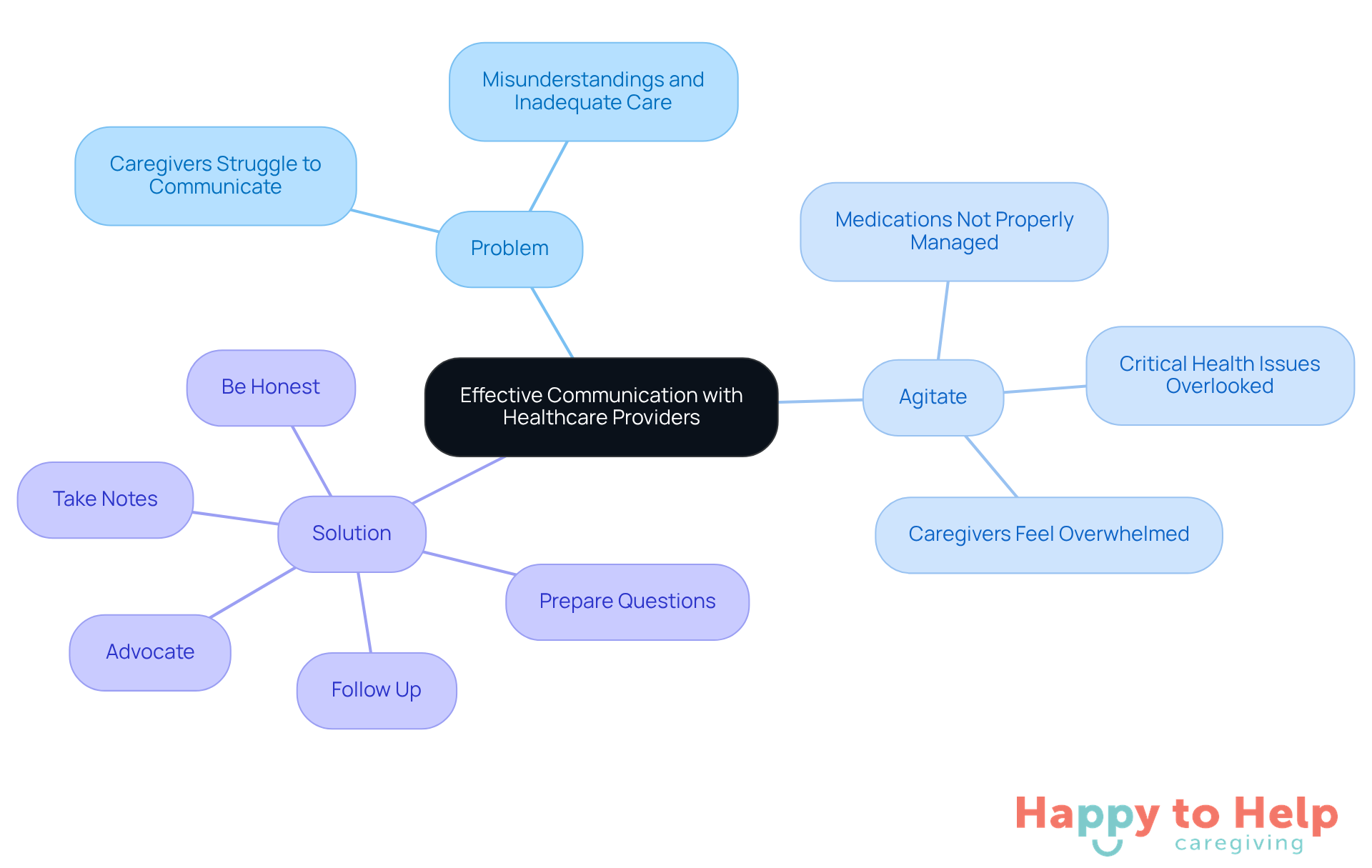
Problem: Caregivers often struggle to communicate effectively with healthcare providers, which can lead to misunderstandings and inadequate care for their loved ones.
Agitate: This lack of communication can result in critical health issues being overlooked, medications not being properly managed, and caregivers feeling overwhelmed and unsupported in their roles.
Solution: To enhance communication with healthcare providers, caregivers should adopt the following strategies:
- Prepare Questions: Before appointments, compile a list of questions or concerns regarding your loved one's health. This preparation ensures that critical issues are addressed during the visit.
- Be Honest: Transparency is vital. Share all pertinent information about the patient's condition, medications, and any noticeable changes in behavior or health. This honesty helps healthcare providers make informed decisions.
- Take Notes: During appointments, jot down key information and instructions. This practice aids in retaining important details and facilitates better follow-up care.
- Follow Up: If questions arise after the appointment, do not hesitate to contact the healthcare provider for clarification. Ongoing communication is crucial for effective care management.
- Advocate: Be ready to support your loved one’s needs. This includes ensuring they receive appropriate care and that their preferences are respected.
Effective communication can significantly enhance the quality of care your loved one receives. By developing these skills, caregivers can play a pivotal role in navigating the healthcare system and ensuring their loved ones' needs are met.
Making the Right Choice
Being a caregiver for elderly individuals presents a range of essential responsibilities that directly impact their well-being and dignity. Caregivers often face challenges such as managing personal care, medication, and emotional support, which can be overwhelming. Without proper strategies, these responsibilities can lead to caregiver burnout, affecting both their health and the quality of care provided.
To address these challenges, caregivers must prioritize self-care and effective communication with healthcare providers. Implementing self-care strategies is crucial; it helps prevent burnout and ensures caregivers can continue to provide compassionate care. Additionally, fostering open communication with healthcare professionals strengthens the caregiving process, ensuring that medical needs are met and caregivers feel supported.
Ultimately, being a caregiver is a multifaceted role that demands dedication and resilience. By focusing on education regarding caregiving practices and self-care, caregivers can enhance their effectiveness and find fulfillment in their vital role. Embracing these essential steps not only improves the caregiving experience but also fosters a deeper connection and understanding between caregivers and those they support.
https://iframe.tely.ai/cta/eyJhcnRpY2xlX2lkIjogIjY5MjY2NjE3YWFmZGI2YmE4OTcyMjk0YiIsICJjb21wYW55X2lkIjogIjY4ZWU1ZGNhNzMxNzYyNTU3ZjNjOTVjMSIsICJpbmRleCI6IG51bGwsICJ0eXBlIjogImFydGljbGUifQ==Frequently Asked Questions
What is the role of a caregiver for elderly individuals?
The role of a caregiver for elderly individuals involves providing support with daily needs, which can include personal care, medication management, meal preparation, transportation, household management, and emotional support.
What are some personal care responsibilities of a caregiver?
Personal care responsibilities include assisting with bathing, dressing, grooming, and toileting, which help ensure hygiene, dignity, and comfort for the individual.
How can a caregiver manage medications for elderly individuals?
A caregiver can manage medications by ensuring they are taken as prescribed, organizing pillboxes, and scheduling doses to prevent missed medications, which can have serious health implications.
Why is meal preparation important for elderly individuals?
Meal preparation is important because planning and preparing nutritious meals that cater to dietary restrictions can significantly impact the health and well-being of elderly individuals.
What transportation needs might a caregiver address?
A caregiver may provide or arrange transportation for medical appointments and social activities to help maintain the elderly individual's independence and connection to the community.
What household management tasks can a caregiver assist with?
A caregiver can assist with light housekeeping, laundry, and grocery shopping to alleviate stress for both themselves and the individual they care for, creating a more comfortable living environment.
How can a caregiver provide emotional support to elderly individuals?
A caregiver can provide emotional support by engaging in conversations, offering companionship, and encouraging social interactions to combat loneliness, which is a common issue among the elderly.
How can understanding the caregiver role help in providing care?
Understanding the caregiver role helps create a structured approach to caregiving, ensuring that the needs of the elderly individual are met effectively and reducing feelings of overwhelm and uncertainty for the caregiver.
List of Sources
- Understand the Caregiver Role and Responsibilities
- The Duties of a Caregiver - Don’t Think it’s Easy (https://ltcnews.com/articles/the-duties-of-a-caregiver-dont-think-its-easy)
- 10 Common Caregiving Tasks to Do for Your Older Loved One (https://health.usnews.com/senior-care/caregiving/articles/common-caregiver-duties)
- Caregiver Responsibilities – 5 Duties You May Not Have Thought Of - UDS Foundation (https://udservices.org/caregiver-responsibilities-5-duties-you-may-not-have-thought-of)
- Caregiving Crisis: 45% Increase in Americans Providing Care (https://aarp.org/caregiving/basics/caregiving-in-us-survey-2025)
- National Alliance for Caregiving: Caregiving in the US 2025 Report (https://johnahartford.org/resources/view/national-alliance-for-caregiving-caregiving-in-the-us-2025-report)
- Master Essential Caregiving Tasks and Activities
- She cares for her aging parents full time. That requires taking care of herself, too (https://npr.org/2025/11/20/nx-s1-5522341/unpaid-caregivers-elderly-support)
- Honoring America’s Family Caregivers, the Unseen Workforce Behind Our Health System - Medicare Rights Center (https://medicarerights.org/medicare-watch/2025/11/25/honoring-americas-family-caregivers-the-unseen-workforce-behind-our-health-system)
- National Alliance for Caregiving: Caregiving in the US 2025 Report (https://johnahartford.org/resources/view/national-alliance-for-caregiving-caregiving-in-the-us-2025-report)
- Opinion | America’s Caregivers Are in Crisis (https://nytimes.com/2025/11/24/opinion/caregiving-crisis.html)
- An Aging America Needs a Stronger Care Workforce - National Skills Coalition (https://nationalskillscoalition.org/blog/news/an-aging-america-needs-a-stronger-care-workforce)
- Implement Self-Care Strategies to Prevent Burnout
- Preventing and managing caregiver burnout (https://mdanderson.org/cancerwise/preventing-and-managing-caregiver-burnout.h00-159777234.html)
- New Report Reveals Crisis Point for America’s 63 million Family Caregivers (https://press.aarp.org/2025-07-24-New-Report-Reveals-Crisis-Point-for-Americas-63-million-Family-Caregivers)
- Opinion | America’s Caregivers Are in Crisis (https://nytimes.com/2025/11/24/opinion/caregiving-crisis.html)
- Caregiver Burnout and Strategies to Help (https://health.usnews.com/senior-care/articles/caregiver-burnout-and-strategies-to-help)
- News & Information (https://wellnessalliance.org/resources-and-tools/news-and-information/2025/11/10/national-family-caregivers-month--preventing-caregiver-burnout)
- Communicate Effectively with Healthcare Providers
- Effects of Poor Communication in Healthcare - 2025 Update (https://hipaajournal.com/effects-of-poor-communication-in-healthcare)
- Effective Communication in Primary Care Teams (https://news-medical.net/health/Effective-Communication-in-Primary-Care-Teams.aspx)
- Miscommunication Between Health Workers Puts Patients At Risk Regularly (https://usnews.com/news/health-news/articles/2025-04-15/miscommunication-between-health-workers-puts-patients-at-risk-regularly)
- How To Prepare for a Doctor's Appointment (https://nia.nih.gov/health/medical-care-and-appointments/how-prepare-doctors-appointment)
- Reducing Handoff Communication Failures and Inequities in Healthcare | Joint Commission (https://jointcommission.org/en-us/knowledge-library/news/2024-08-reducing-handoff-communication-failures-and-inequities-in-healthcare)