How to Be a Good Caregiver for the Elderly: Essential Steps

For families in our service areas
For families in our service areas, this guide explains caregiver support and how non-medical in-home caregiving can support care planning in East Idaho, Treasure Valley & Magic Valley, Northern Wasatch, North Central West Virginia, and Northeast Ohio.
What You Need to Know About Be a Good Caregiver for the Elderly:
Navigating the complexities of caregiving for the elderly presents significant challenges. As the population ages, the demand for compassionate and skilled caregivers continues to rise. This increasing need highlights the critical importance of understanding the multifaceted roles caregivers play.
However, the emotional and physical demands of caregiving can quickly become overwhelming. Caregivers often face stress, burnout, and feelings of isolation, which can impact their ability to provide quality care. Understanding these implications is essential for both caregivers and those they serve.
To address these challenges, caregivers can implement several practical strategies:
- Establishing a support network can provide emotional relief and practical assistance.
- Setting clear boundaries and prioritizing self-care are vital steps in maintaining one’s well-being.
By exploring these intricacies of caregiver responsibilities and skills, caregivers can foster a nurturing environment for themselves and those they care for.
Understand the Role of a Caregiver
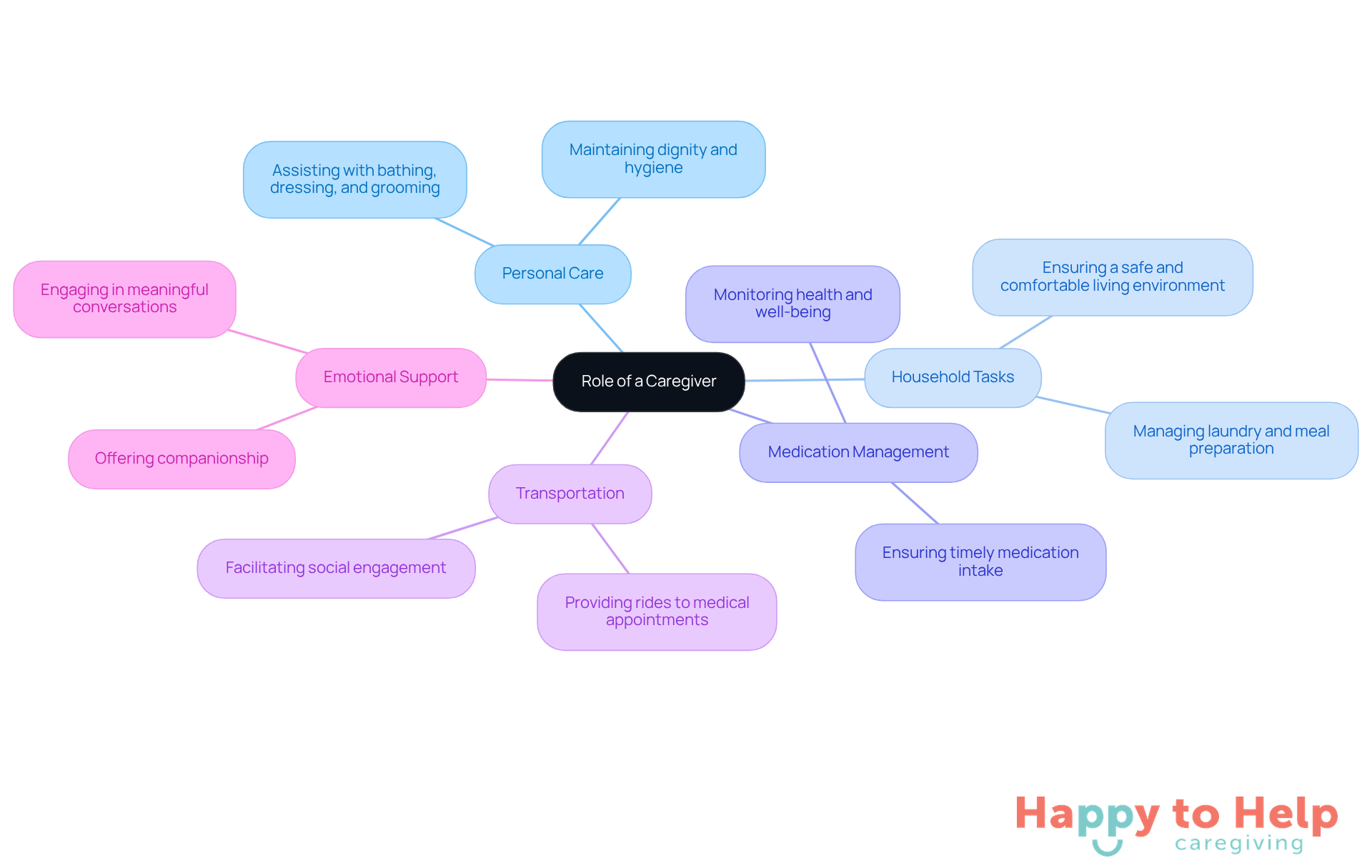
Understanding how to be a good caregiver for elderly involves navigating a unique set of challenges. Caregivers often juggle multiple responsibilities, which can lead to feelings of overwhelm. Understanding these responsibilities is crucial for providing the best care possible.
-
Personal Care: This includes assisting clients with bathing, dressing, and grooming. It’s essential for maintaining their dignity and hygiene.
-
Household Tasks: Caregivers manage laundry, meal preparation, and cleaning. These tasks ensure a safe and comfortable living environment.
-
Medication Management: Ensuring that individuals take their medications on time and as prescribed is vital for their health and well-being.
-
Transportation: Providing rides to medical appointments or social activities helps clients stay connected and engaged.
-
Emotional Support: Offering companionship and engaging in meaningful conversations can combat loneliness, which is a common issue among those receiving care.
By recognizing these responsibilities, caregivers can better prepare themselves for how to be a good caregiver for elderly and the challenges that lie ahead. Implementing these strategies fosters a supportive atmosphere for those they assist.
Develop Essential Caregiver Skills
To excel as a caregiver, one must learn how to be a good caregiver for elderly by addressing several key challenges that can impact the quality of care provided.
Problem: Caregivers often struggle with various skills that are crucial for effective support.
Agitation: Without strong communication, empathy, observation, time management, and problem-solving abilities, caregivers may find it difficult to build trust with clients and their families. This can lead to misunderstandings, emotional distress, and inadequate care, ultimately affecting the well-being of those they serve.
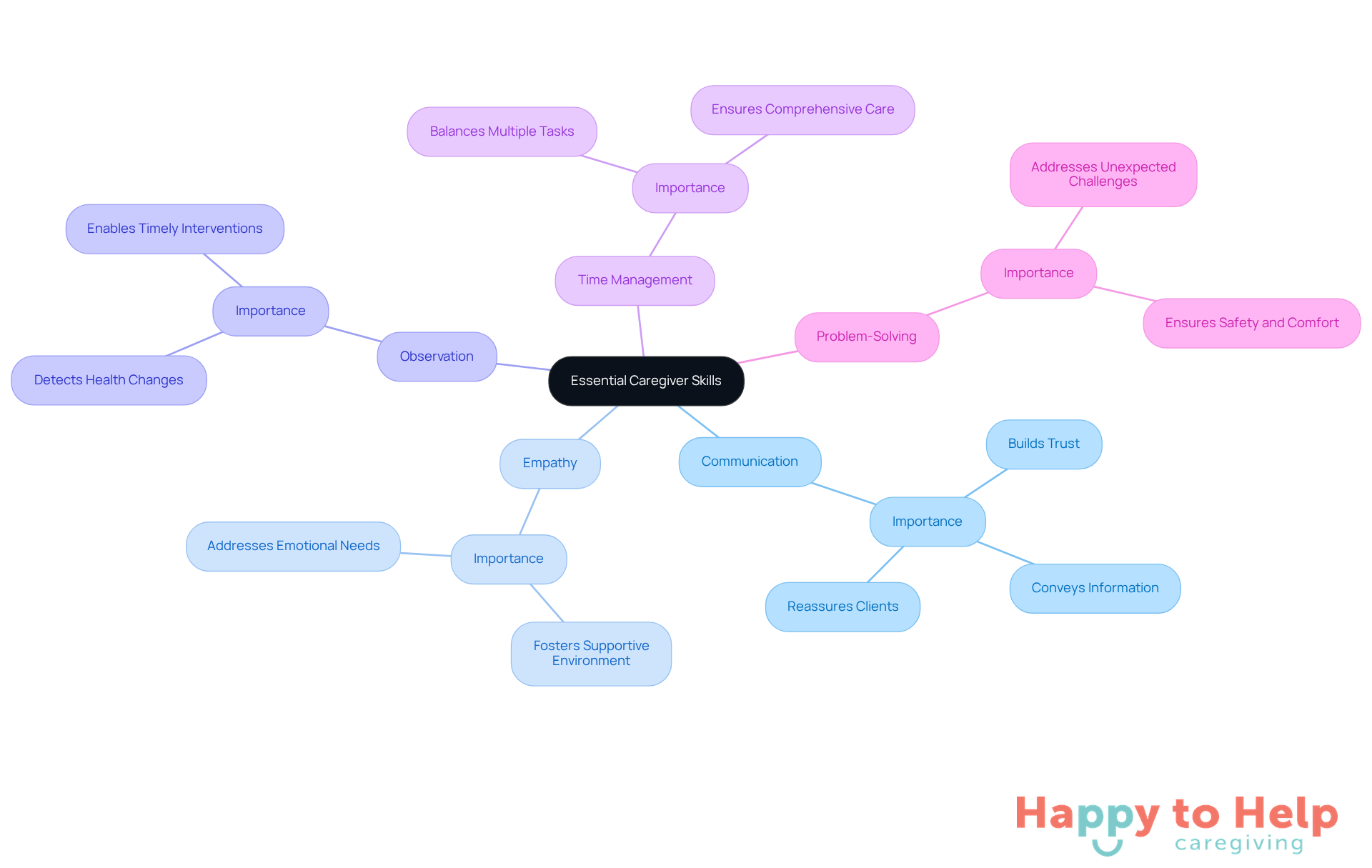
Solution: Here are essential skills caregivers should cultivate:
- Communication: Clear and compassionate communication is vital for building trust and understanding with clients and their families. It not only conveys information but also reassures customers, making them feel valued and heard.
- Empathy: The capacity to understand and share the feelings of individuals fosters a supportive environment. Empathetic providers can connect on a deeper level, which is crucial for addressing emotional needs and enhancing the overall support experience.
- Observation: Sharp observation abilities are crucial for detecting changes in a person's health or mood. This attentiveness enables timely interventions, significantly impacting the well-being of those in your care.
- Time Management: Balancing multiple tasks efficiently is crucial in caregiving. Support providers dedicate an average of 24.4 hours each week to delivering assistance, making efficient time management essential to ensure that all elements of care are covered without overburdening the provider or the individual receiving care.
- Problem-Solving: The ability to think on your feet and address unexpected challenges is a valuable asset. Caregivers often encounter situations that require quick, effective solutions to ensure the safety and comfort of their clients.
Participating in training programs or workshops can further enhance these skills, teaching support providers how to be a good caregiver for elderly and equipping them with the tools needed to deliver high-quality care. Many current training programs emphasize the importance of communication and empathy, recognizing that these skills are foundational to successful caregiver-client relationships. Furthermore, those providing care should acknowledge the emotional support aspect of their role, which involves offering companionship and engaging in significant discussions, as these factors are essential for cultivating a positive caregiving atmosphere.
Find and Select the Right Caregiver
Finding the right caregiver for your loved one can be a daunting task. The challenge lies in understanding how to be a good caregiver for elderly individuals, as this ensures that their specific needs are met and can significantly impact their quality of life.
-
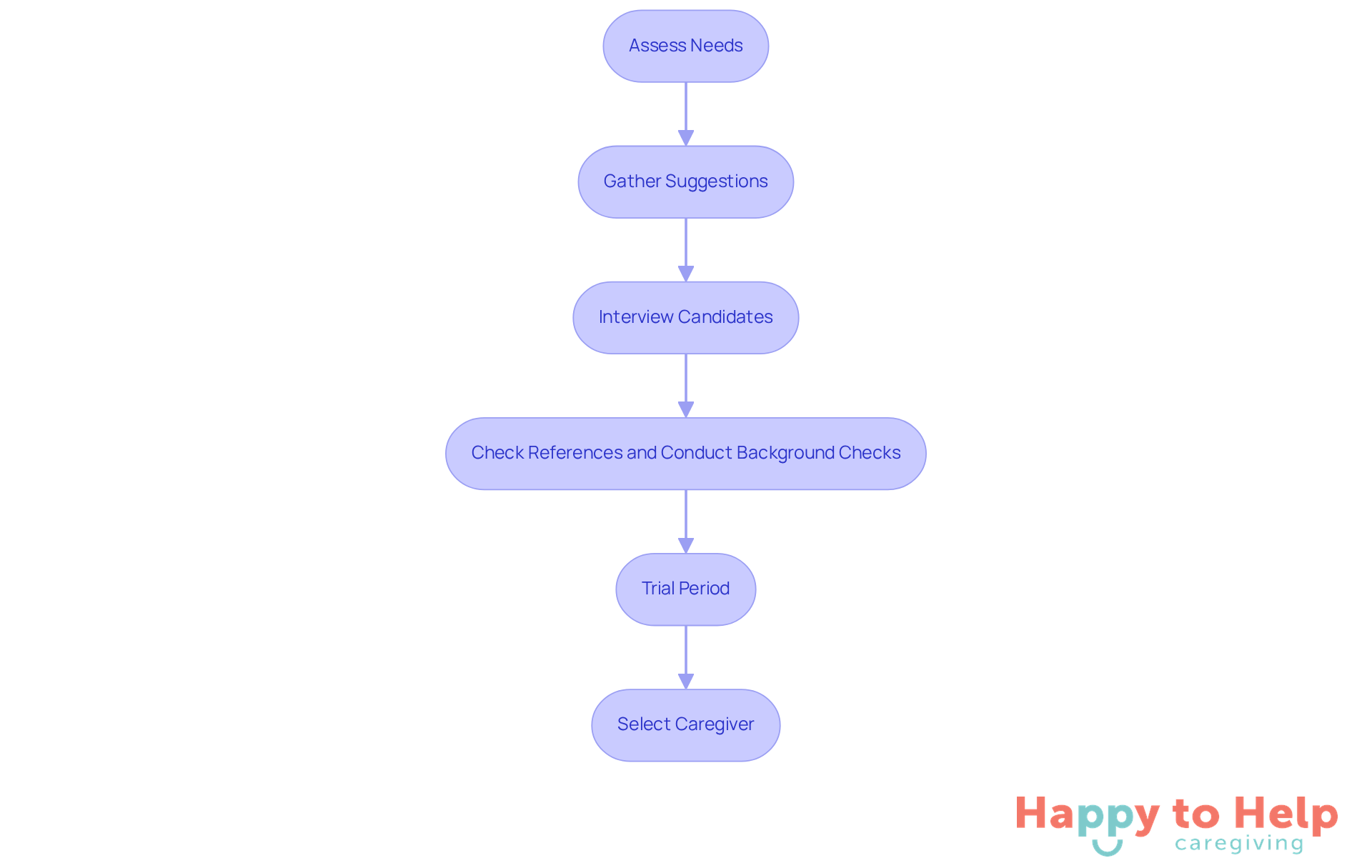
Assess Needs: Start by identifying the specific needs of the elderly individual. This includes evaluating medical requirements, assistance with daily living activities, and emotional support. Understanding these needs is crucial for selecting the right provider.
-
Gather Suggestions: Reach out to friends, family, and healthcare professionals for recommendations on trustworthy attendants or agencies. Personal referrals can provide valuable insights into the reliability and approach of potential caregivers.
-
Interview Candidates: Conduct thorough interviews with prospective assistants. Focus on their experience, caregiving philosophy, and how well they connect with your loved one. This step is essential for determining compatibility and ensuring a comfortable environment.
-
Check References and Conduct Background Checks: Always verify references to confirm the individual’s history of reliability and compassion. Conducting background checks is also vital to ensure the provider's credentials and clean criminal record. This step helps establish trust and guarantees that the individual has a proven history of delivering quality care.
-
Trial Period: If possible, arrange a trial phase to observe how the attendant interacts with your loved one. This allows both parties to assess compatibility and make necessary adjustments before committing to a long-term arrangement. It also empowers seniors by involving them in the decision-making process.
By following this structured approach, you can discover how to be a good caregiver for elderly individuals, ensuring that the caregiver you choose is not only qualified but also aligns well with your family's needs, fostering a supportive and nurturing environment for your loved one.
Manage Caregiver Challenges Effectively
Managing challenges in caregiving involves several key strategies:
Problem: Recognizing Burnout
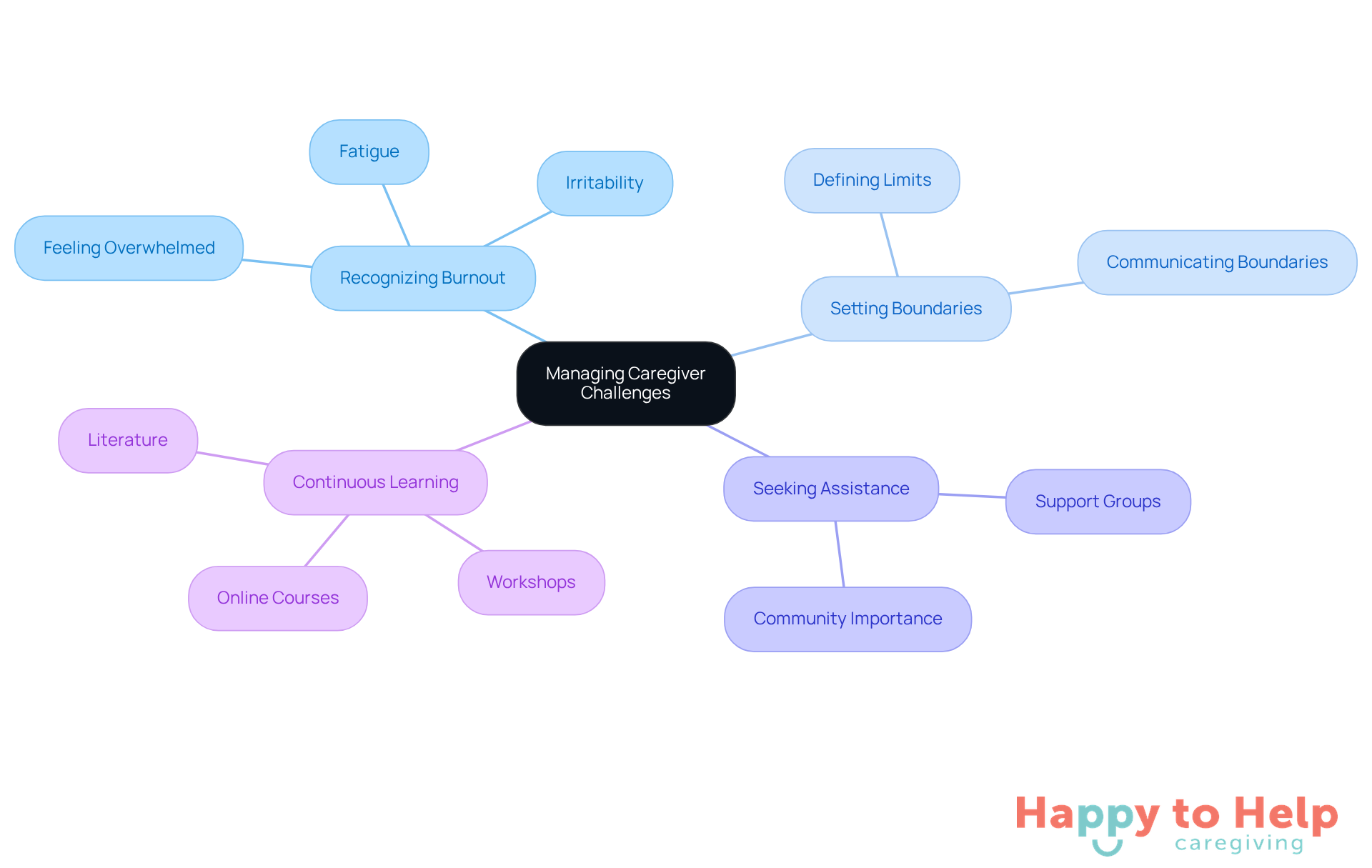
Caregiver burnout is a significant concern, with nearly 40% of caregivers admitting they rarely or never feel at ease. Signs include fatigue, irritability, and feelings of being overwhelmed. This emotional strain can lead to serious implications for both caregivers and those they care for.
Agitate:
Frequent pauses and seeking assistance can help alleviate these emotions, enabling caregivers to rejuvenate and sustain their well-being. According to the Family Caregiver Alliance, the overall median prevalence of support provider burden among informal helpers is 49.26%, highlighting the significance of acknowledging and tackling burnout.
Solution: Setting Boundaries
Establishing clear boundaries is crucial for maintaining a healthy work-life balance. This includes defining the limits of your caregiving role and communicating these boundaries to clients and their families. Mental health professionals emphasize that understanding how to be a good caregiver for elderly includes setting boundaries to prevent emotional exhaustion and promote a sustainable caregiving experience. As Jason Resendez, President and CEO of the National Alliance for Caregiving, states, "It's past time for a national reckoning with how we value support in this country-and for Congress, states, and employers to act with policies that reflect the essential role family providers play in our society."
Solution: Seeking Assistance
Participating in assistance groups for caregivers can be invaluable. These groups provide a platform for sharing experiences, offering emotional relief, and gaining practical advice. Research indicates that individuals who engage in assistance groups report reduced levels of stress and enhanced mental health results. For example, Jerry Bishop, a long-time caretaker, describes assistance groups as a lifeline, emphasizing the significance of community in managing caregiving difficulties. Research suggests that almost 40% of those providing care experience physical strain from their responsibilities, making support networks vital.
Solution: Continuous Learning
Staying informed about best practices in caregiving through workshops, online courses, and literature is essential. This continuous education enables support providers to manage challenges more effectively and improves the quality of care they deliver.
By proactively addressing these challenges, caregivers can enhance their experience and provide better support to those in their care.
Key Takeaways for Caregivers
Being a good caregiver for the elderly presents a significant challenge. Caregivers often face unique responsibilities that can lead to feelings of overwhelm and burnout. Recognizing the importance of these duties is crucial for providing exceptional care and enhancing the quality of life for elderly individuals.
Key challenges include:
- Personal Care: Ensuring that daily needs are met.
- Emotional Support: Providing companionship and understanding.
- Medication Management: Keeping track of prescriptions and dosages.
To address these challenges, caregivers must develop essential skills such as communication, empathy, and problem-solving. Selecting the right caregiver involves careful assessment of needs, thorough interviews, and reference checks. Additionally, managing caregiver challenges, like burnout, requires setting boundaries and seeking support to maintain well-being while delivering high-quality care.
Ultimately, caregivers play an indispensable role in fostering a nurturing environment for the elderly. By implementing these strategies and committing to continuous learning, caregivers can enhance their skills and enrich the lives of those they serve. Embracing this responsibility with compassion and diligence leads to transformative experiences for both caregivers and the elderly, making it essential to prioritize their well-being and support systems.
https://iframe.tely.ai/cta/eyJhcnRpY2xlX2lkIjogIjY5MjI0ZjdlNGZjYWRhOTUwOGRlNDQyMSIsICJjb21wYW55X2lkIjogIjY4ZWU1ZGNhNzMxNzYyNTU3ZjNjOTVjMSIsICJpbmRleCI6IG51bGwsICJ0eXBlIjogImFydGljbGUifQ==Frequently Asked Questions
What is the role of a caregiver for the elderly?
A caregiver for the elderly is responsible for providing personal care, managing household tasks, overseeing medication management, offering transportation, and providing emotional support.
What does personal care involve?
Personal care involves assisting clients with bathing, dressing, and grooming to maintain their dignity and hygiene.
What household tasks do caregivers manage?
Caregivers manage tasks such as laundry, meal preparation, and cleaning to ensure a safe and comfortable living environment.
Why is medication management important for caregivers?
Medication management is vital because it ensures that individuals take their medications on time and as prescribed, which is crucial for their health and well-being.
How do caregivers assist with transportation?
Caregivers provide rides to medical appointments or social activities, helping clients stay connected and engaged.
What role does emotional support play in caregiving?
Emotional support involves offering companionship and engaging in meaningful conversations, which can help combat loneliness among those receiving care.
How can caregivers prepare for their responsibilities?
By recognizing their responsibilities and implementing strategies to address them, caregivers can better prepare themselves for the challenges of caregiving and foster a supportive atmosphere for those they assist.
List of Sources
- Understand the Role of a Caregiver
- It’s Time to Care for Caregivers: Senator Markey Announces Comprehensive Family Caregiving Legislative Agenda | U.S. Senator Ed Markey of Massachusetts (https://markey.senate.gov/news/press-releases/11/20/2025/its-time-to-care-for-caregivers-senator-markey-announces-comprehensive-family-caregiving-legislative-agenda)
- New Report Reveals Crisis Point for America’s 63 million Family Caregivers (https://press.aarp.org/2025-07-24-New-Report-Reveals-Crisis-Point-for-Americas-63-million-Family-Caregivers)
- Caregiver Statistics: Demographics (https://caregiver.org/resource/caregiver-statistics-demographics)
- The declining population will make it even harder to care for elders (https://npr.org/2025/11/02/nx-s1-5535648/population-elderly-caregivers)
- Develop Essential Caregiver Skills
- Caregiving in the US 2025 (https://aarp.org/pri/topics/ltss/family-caregiving/caregiving-in-the-us-2025)
- Improving Practice: New Training to Support Diverse Family Caregivers (https://caregiver.org/news/improving-practice-new-training-to-support-diverse-family-caregivers)
- What to expect when you become a caregiver– and how to cope with the challenges (https://heart.org/en/news/2025/11/20/what-to-expect-when-you-become-a-caregiver-and-how-to-cope-with-the-challenges)
- The Ultimate Guide to Being a Successful Caregiver in 2025 – Skills, Tips & Support (https://comforcare.com/north-carolina/greensboro/resources/blog/the-ultimate-guide-to-being-a-successful-caregiver-in-2025-skills-tips-support)
- Caregiver Statistics: Demographics (https://caregiver.org/resource/caregiver-statistics-demographics)
- Find and Select the Right Caregiver
- 7 Tips to Help Older Adults Choose the Right Caregiver | American Bankers Association (https://aba.com/news-research/analysis-guides/7-tips-to-help-older-adults-choose-the-right-caregiver)
- 7 Tips on Choosing the Right Caregiver • ScrippsAMG (https://scrippsamg.com/7-tips-on-choosing-caregiver)
- Tips for Hiring the Right Caregiver (https://ncoa.org/article/how-do-i-find-a-good-caregiver-a-step-by-step-guide)
- Choosing the Right Caregiver - UDS Foundation (https://udservices.org/choosing-the-right-caregiver)
- Tips for Choosing the Right In-Home Caregiver (https://visitingangels.com/lutz/news-info/tips-for-choosing-the-right-in-home-caregiver/24672)
- Manage Caregiver Challenges Effectively
- Caregiving can be a tough, lonely mission. One daughter found ways to reconnect (https://npr.org/sections/shots-health-news/2024/10/31/nx-s1-5172517/caregiver-caregiving-isolation-burnout-resources)
- Prevalence of depression, anxiety, burden, burnout, and stress in informal caregivers: An umbrella review of meta-analyses (https://sciencedirect.com/science/article/pii/S2950307825000785)
- New Report Reveals Crisis Point for America’s 63 million Family Caregivers (https://press.aarp.org/2025-07-24-New-Report-Reveals-Crisis-Point-for-Americas-63-million-Family-Caregivers)
- Caregiver Burnout and Stress Statistics (https://aplaceformom.com/senior-living-data/articles/caregiver-burnout-statistics)
- Caregiver Burnout and Strategies to Help (https://health.usnews.com/senior-care/articles/caregiver-burnout-and-strategies-to-help)