For families in our service areas
For families in our service areas, this guide explains dementia care and how non-medical in-home caregiving can support care planning in East Idaho, Treasure Valley & Magic Valley, Northern Wasatch, North Central West Virginia, and Northeast Ohio.
The Importance of Calm Down a Dementia Patient: 4
Dementia-related agitation presents a significant challenge for both patients and caregivers. This distressing experience often leads to increased anxiety and confusion, making it difficult for caregivers to provide the necessary support. Understanding the underlying triggers of this unrest is essential for caregivers who aim to offer effective comfort.
However, recognizing these signs is only part of the solution. Caregivers must also implement practical techniques to calm an agitated dementia patient. This guide explores essential steps that empower caregivers to create a nurturing environment and utilize calming strategies. By doing so, they can enhance the well-being of those they care for, ultimately fostering a more peaceful atmosphere.
Understand Dementia-Related Agitation
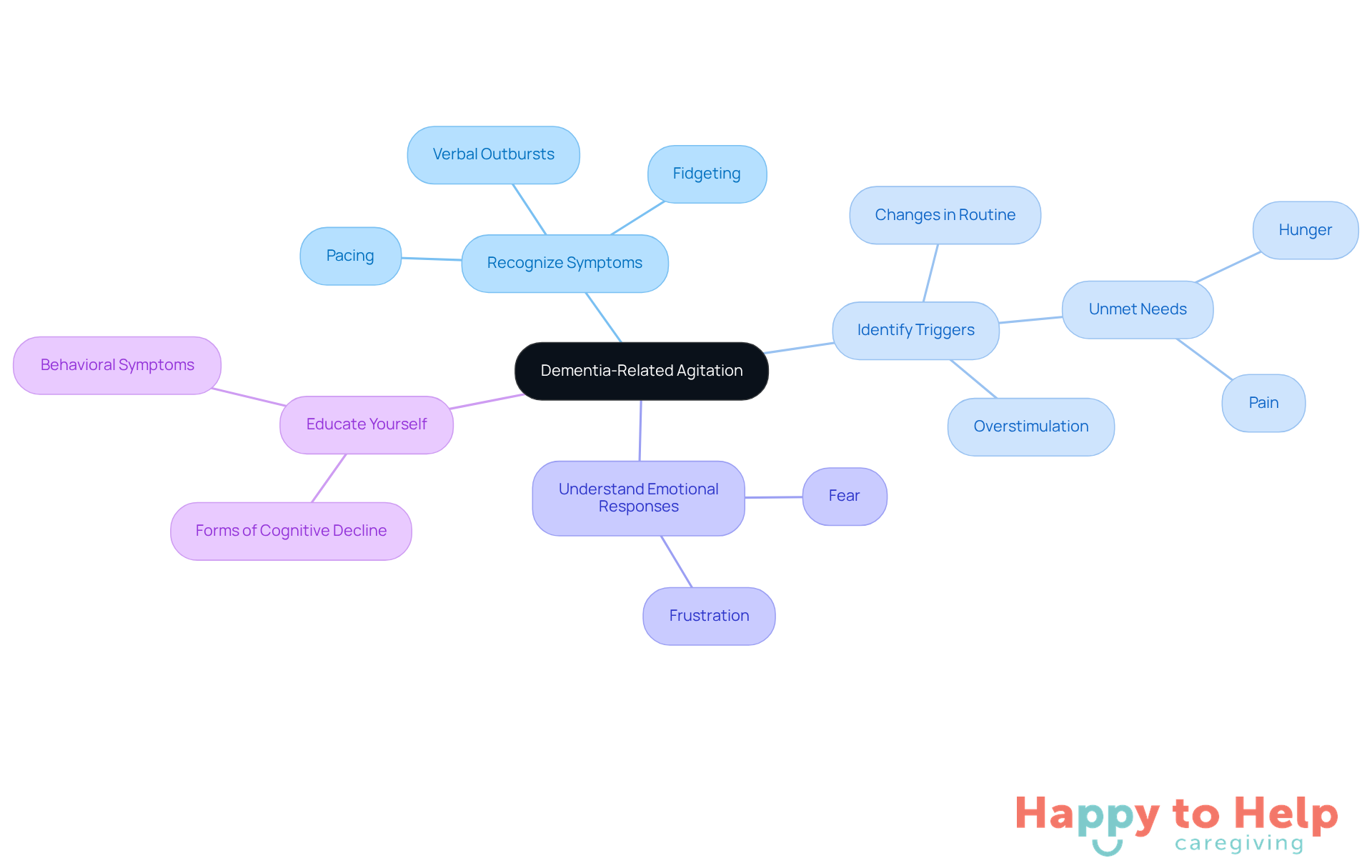
Dementia-related unrest can manifest as restlessness, irritability, or aggression, often triggered by environmental factors, discomfort, or confusion. This unrest poses significant challenges for caregivers, highlighting the importance of knowing how to calm down a dementia patient by understanding these triggers.
-
Recognize Symptoms: Caregivers should be vigilant for signs such as pacing, fidgeting, or verbal outbursts. These behaviors often indicate discomfort or distress, which can teach caregivers how to calm down a dementia patient by signaling the need for intervention.
-
Identify Triggers: Common triggers include changes in routine, overstimulation, or unmet needs like hunger or pain. Keeping a diary of behaviors can help caregivers identify patterns and anticipate potential unrest.
-
Understand Emotional Responses: Individuals with cognitive impairment may struggle to express their feelings clearly. They might experience fear or frustration, leading to restlessness. Acknowledging these emotions is vital for effective communication and care, particularly in understanding how to calm down a dementia patient.
-
Educate Yourself: Familiarizing yourself with the various forms of cognitive decline and their specific behavioral symptoms empowers caregivers to respond more effectively. This knowledge is essential for providing the best support possible.
Implement Calming Techniques
Agitation in dementia patients poses a significant challenge for caregivers. Statistics indicate that between 48% and 82% of nursing home inhabitants with cognitive impairment display signs of restlessness. This unrest can lead to increased distress for both the individual and the caregiver, highlighting the importance of understanding how to calm down a dementia patient with effective techniques.
To address this issue, caregivers can implement several strategies:
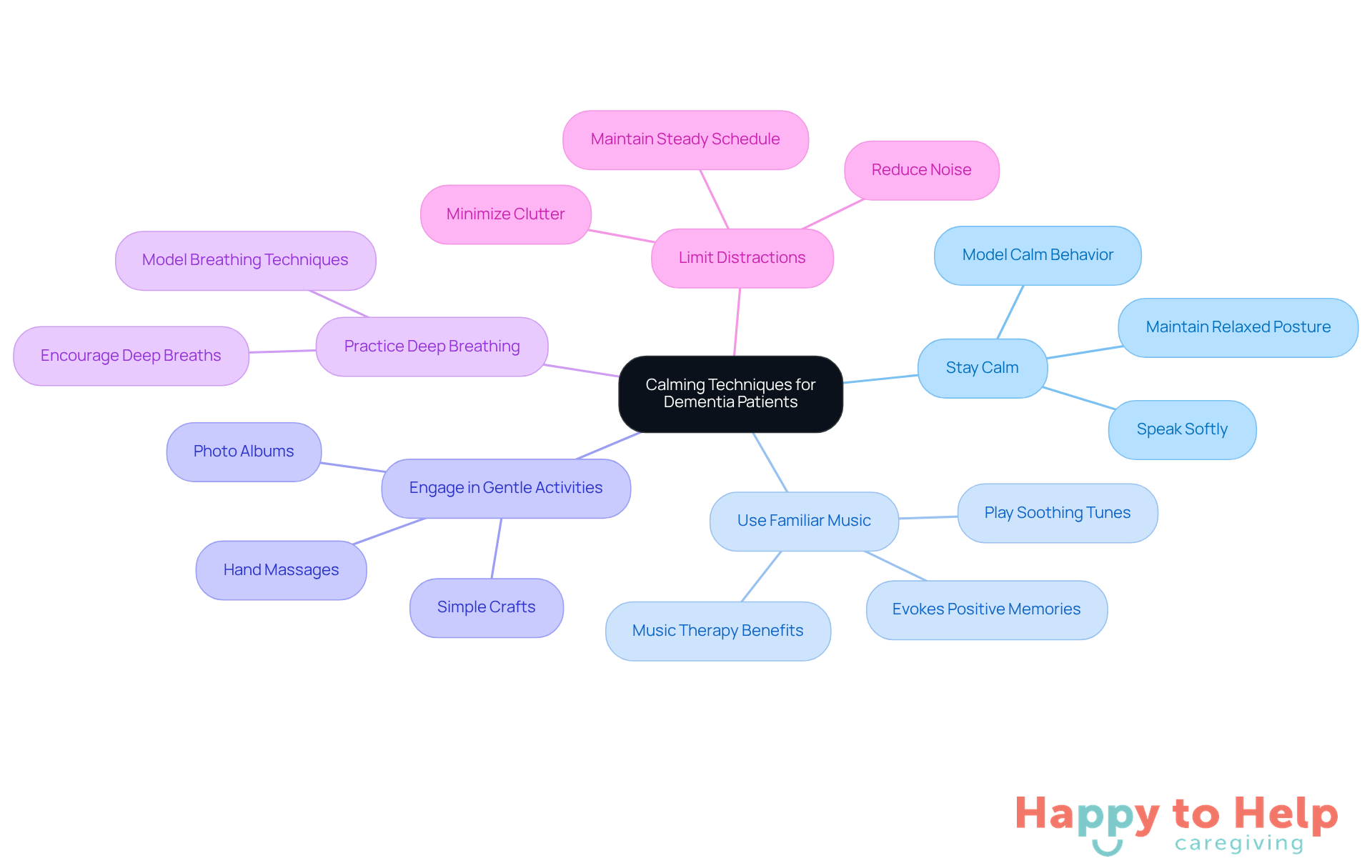
- Stay Calm: Your demeanor sets the tone for the interaction. Speaking softly and maintaining a relaxed posture can help the individual feel safe and secure. As specialists point out, "the interpersonal interactions of care staff must be such that individuals with cognitive impairment are understood, especially regarding their emotions."
- Use Familiar Music: Playing soothing music or familiar tunes can evoke positive memories and significantly reduce anxiety. Studies show that music therapy can improve involvement and adherence in dementia patients, making it a powerful method for soothing unrest. A study found that agitation disruptiveness decreased significantly during music therapy sessions.
- Engage in Gentle Activities: Activities such as hand massages, simple crafts, or looking through photo albums can redirect focus and provide comfort. Engaging in enjoyable activities together fosters a sense of connection and can alleviate feelings of restlessness.
- Practice Deep Breathing: Encourage the person to take deep breaths. You can model this behavior by breathing slowly and deeply yourself, which can help create a calming atmosphere.
- Limit Distractions: Reducing noise and clutter in the environment is crucial. A calm, quiet environment can significantly reduce unrest, allowing the individual to feel more at ease. Furthermore, keeping a steady daily schedule can aid in avoiding distress, especially during periods when symptoms might intensify, like during sundowning.
By applying these methods, caregivers can foster a nurturing atmosphere that reduces distress and improves the overall wellness of those with cognitive decline, including understanding how to calm down a dementia patient.
Create a Supportive Environment
A carefully crafted setting plays a vital role in understanding how to calm down a dementia patient. Caregivers often face significant challenges in creating an environment that supports these individuals and learning how to calm down a dementia patient, leading to increased anxiety and confusion. Here are essential steps to foster a supportive atmosphere:
-
Maintain Consistency: Establishing a daily routine for activities such as meals, bathing, and bedtime is vital. Predictability in these routines can significantly reduce anxiety and promote a sense of security. Studies indicate that maintaining familiar schedules can decrease behavioral problems by up to 40%. Abrupt alterations in routines can result in a 33% rise in distress among individuals with cognitive impairment in the short term, emphasizing the significance of consistency.
-
Optimize Lighting: Ensure that spaces are well-lit during the day and softly illuminated at night. Adequate lighting not only improves visibility but also helps avoid confusion and disorientation, which are frequent challenges for people with dementia. Consistent and adequate lighting can improve overall safety and comfort.
-
Declutter Spaces: Removing unnecessary items that may cause confusion or anxiety is essential. A tidy environment nurtures a sense of calm and enables people to concentrate on familiar elements, decreasing the chances of agitation.
-
Incorporate Familiar Items: Surrounding the person with familiar objects, photos, and mementos can evoke positive memories and sensations of safety. Personalizing spaces with these items reinforces emotional connections and enhances comfort.
-
Create Quiet Zones: Designate areas in the home where a person can retreat when feeling overwhelmed. These quiet zones should be free from noise and distractions, offering a safe haven for those learning how to calm down a dementia patient through relaxation and reflection.
-
Caregiver Self-Care: Caregivers must also prioritize their own well-being to effectively support their loved ones. Taking time for self-care can enhance the caregiver's ability to provide compassionate and attentive care.
-
Involve the Individual: Involving the person with dementia in the adaptation process helps preserve their autonomy and dignity, contributing positively to their emotional well-being.

Assess and Adjust Strategies
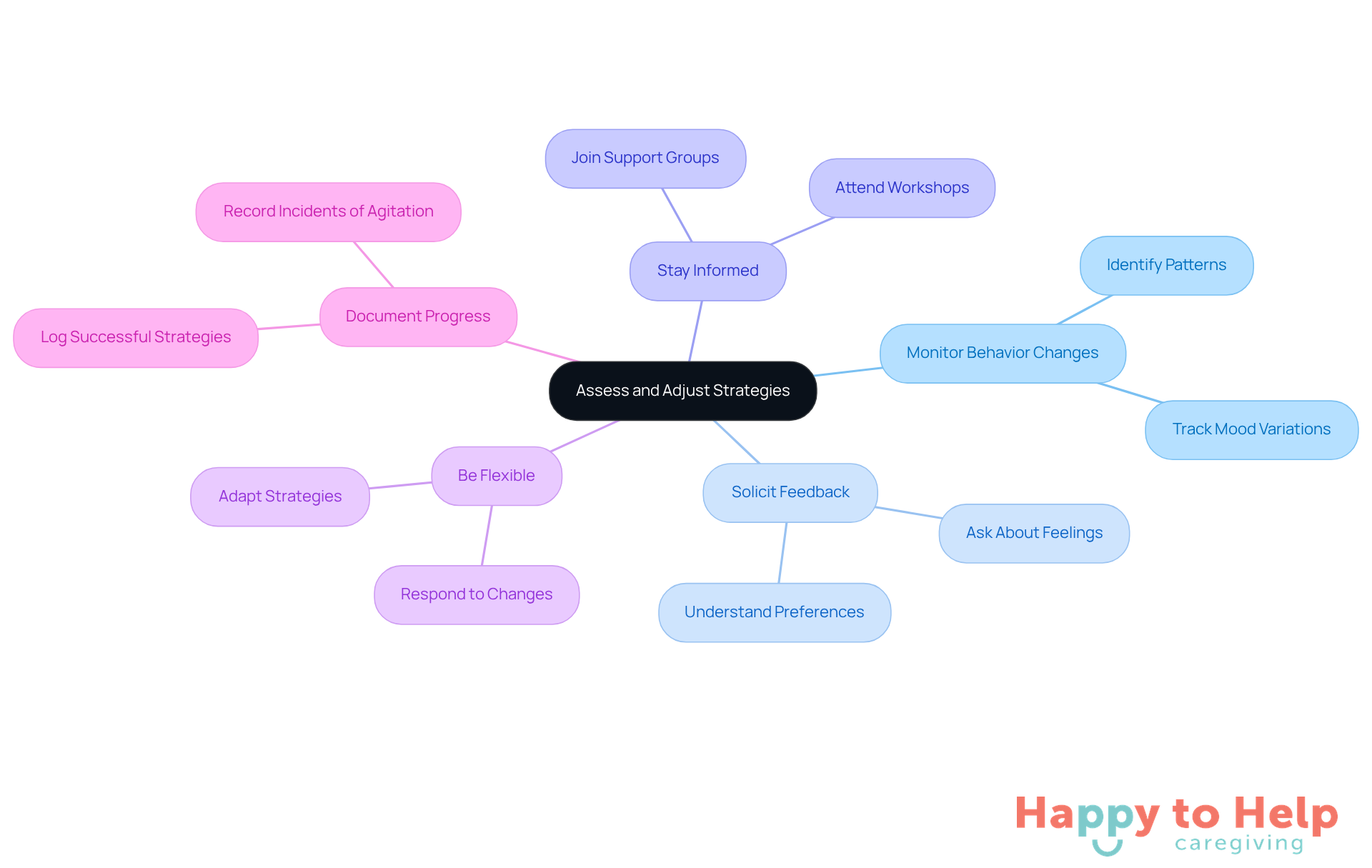
Caregiving presents unique challenges, as it is not a one-size-fits-all approach. Regularly assessing the effectiveness of your strategies is crucial to providing the best care possible.
-
Monitor Behavior Changes: Keep track of any changes in the individual’s behavior or mood. Note what strategies worked and what didn’t. This awareness can help you identify patterns and adjust your approach accordingly.
-
Solicit Feedback: If possible, ask the individual about their feelings and preferences. Understanding their perspective can guide adjustments and improve their overall experience.
-
Stay Informed: Keep up with the latest research and techniques in dementia care. Attend workshops or support groups to learn from other caregivers. This ongoing education can enhance your caregiving skills.
-
Be Flexible: Be prepared to change your approach as needed. What works one day may not work the next, so adaptability is key to effective caregiving.
-
Document Progress: Maintain a log of successful strategies and any incidents of agitation. This documentation can help refine care plans and improve communication with healthcare professionals.
Your Path Forward
Understanding how to calm down a dementia patient is crucial for caregivers who aim to provide compassionate and effective care. Dementia-related agitation presents unique challenges that can significantly impact both the patient and the caregiver. By recognizing these challenges and employing targeted strategies, caregivers can foster a supportive environment that enhances the well-being of those they care for.
Recognizing symptoms and identifying triggers are essential steps in managing agitation in dementia patients. Caregivers must understand emotional responses to better address these challenges. Implementing calming techniques can make a significant difference. For instance:
- Maintain a calm demeanor.
- Utilize familiar music.
- Create a structured environment.
These strategies can help reduce distress and promote a sense of security. Caregivers should continuously assess and adjust their approaches, ensuring they remain responsive to the evolving needs of the individual.
Ultimately, caregiving is not just about managing symptoms; it’s about fostering a nurturing atmosphere that promotes dignity and connection. By prioritizing education, self-care, and adaptability, caregivers can make a meaningful difference in the lives of dementia patients. This commitment enhances their quality of life and reinforces the importance of understanding and compassion in care.
https://iframe.tely.ai/cta/eyJhcnRpY2xlX2lkIjogIjY5NDBhMjMyOTc5ZjhiMGM0MmQzYjU3ZSIsICJjb21wYW55X2lkIjogIjY4ZWU1ZGNhNzMxNzYyNTU3ZjNjOTVjMSIsICJpbmRleCI6IG51bGwsICJ0eXBlIjogImFydGljbGUifQ==Frequently Asked Questions
What is dementia-related agitation?
Dementia-related agitation is unrest that can manifest as restlessness, irritability, or aggression, often triggered by environmental factors, discomfort, or confusion.
What are common symptoms of agitation in dementia patients?
Common symptoms include pacing, fidgeting, and verbal outbursts, which often indicate discomfort or distress.
What triggers dementia-related agitation?
Common triggers include changes in routine, overstimulation, and unmet needs such as hunger or pain.
How can caregivers identify triggers of agitation?
Caregivers can keep a diary of behaviors to identify patterns and anticipate potential unrest in dementia patients.
Why is it important to understand emotional responses in dementia patients?
Individuals with cognitive impairment may struggle to express their feelings clearly, often experiencing fear or frustration, which can lead to restlessness. Acknowledging these emotions is vital for effective communication and care.
How can caregivers educate themselves about dementia?
Caregivers can familiarize themselves with the various forms of cognitive decline and their specific behavioral symptoms to respond more effectively and provide better support.
List of Sources
- Implement Calming Techniques
- Non-drug therapies show real promise in calming agitation in Alzheimer’s (https://news-medical.net/news/20250528/Non-drug-therapies-show-real-promise-in-calming-agitation-in-Alzheimere28099s.aspx)
- Individual music therapy for agitation in dementia: an exploratory randomized controlled trial - PMC (https://pmc.ncbi.nlm.nih.gov/articles/PMC4685573)
- How Music Can Ease the Agitation of Alzheimer’s (https://alzinfo.org/articles/prevention/how-music-can-ease-the-agitation-of-alzheimers)
- Coping With Agitation, Aggression, and Sundowning in Alzheimer's Disease (https://nia.nih.gov/health/alzheimers-changes-behavior-and-communication/coping-agitation-aggression-and-sundowning)
- Create a Supportive Environment
- Possible Consequences of Intervening in the Routines of Individuals with Dementia (https://beynex.com/blogs/possible-consequences-of-intervening-in-the-routines-of-individuals-with-dementia)
- Changing indoor environments could improve sleep for people living with dementia (https://news-medical.net/news/20250909/Changing-indoor-environments-could-improve-sleep-for-people-living-with-dementia.aspx)
- Adapting Home Environments for Patients with Dementia: Practical Tips and Strategies (https://vnahg.org/adapting-home-environments-for-patients-with-dementia-practical-tips-and-strategies)
- Creating a safe and supportive environment for individuals with Alzheimer’s and dementia | Skills for Health (https://skillsforhealth.org.uk/article/creating-a-safe-and-supportive-environment-for-individuals-with-alzheimers-and-dementia)
- Creating Supportive Outdoor Spaces for Dementia Care (https://heartsfordementia.com/news/creating-supportive-outdoor-spaces-for-dementia-care)