Understanding Calm Down Someone with Dementia: 8
Understanding how to effectively calm someone with dementia is crucial for caregivers facing the challenges of cognitive decline. Agitation and aggression can stem from various triggers, such as physical discomfort and environmental stressors. This situation presents caregivers with a unique opportunity to create a more peaceful and supportive atmosphere.
What strategies can caregivers employ to manage these challenging behaviors? It's essential to not only address the immediate issues but also enhance the emotional well-being of both the caregiver and the individual in their care. By implementing effective techniques, caregivers can foster a more harmonious environment, ultimately benefiting everyone involved.
Understand the Causes of Agitation and Aggression
Caregivers face significant challenges when dealing with agitation and aggression in individuals with cognitive decline, prompting the question of how do you calm down someone with dementia. These behaviors can stem from various factors, each contributing to the distress experienced by the patient and their loved ones.
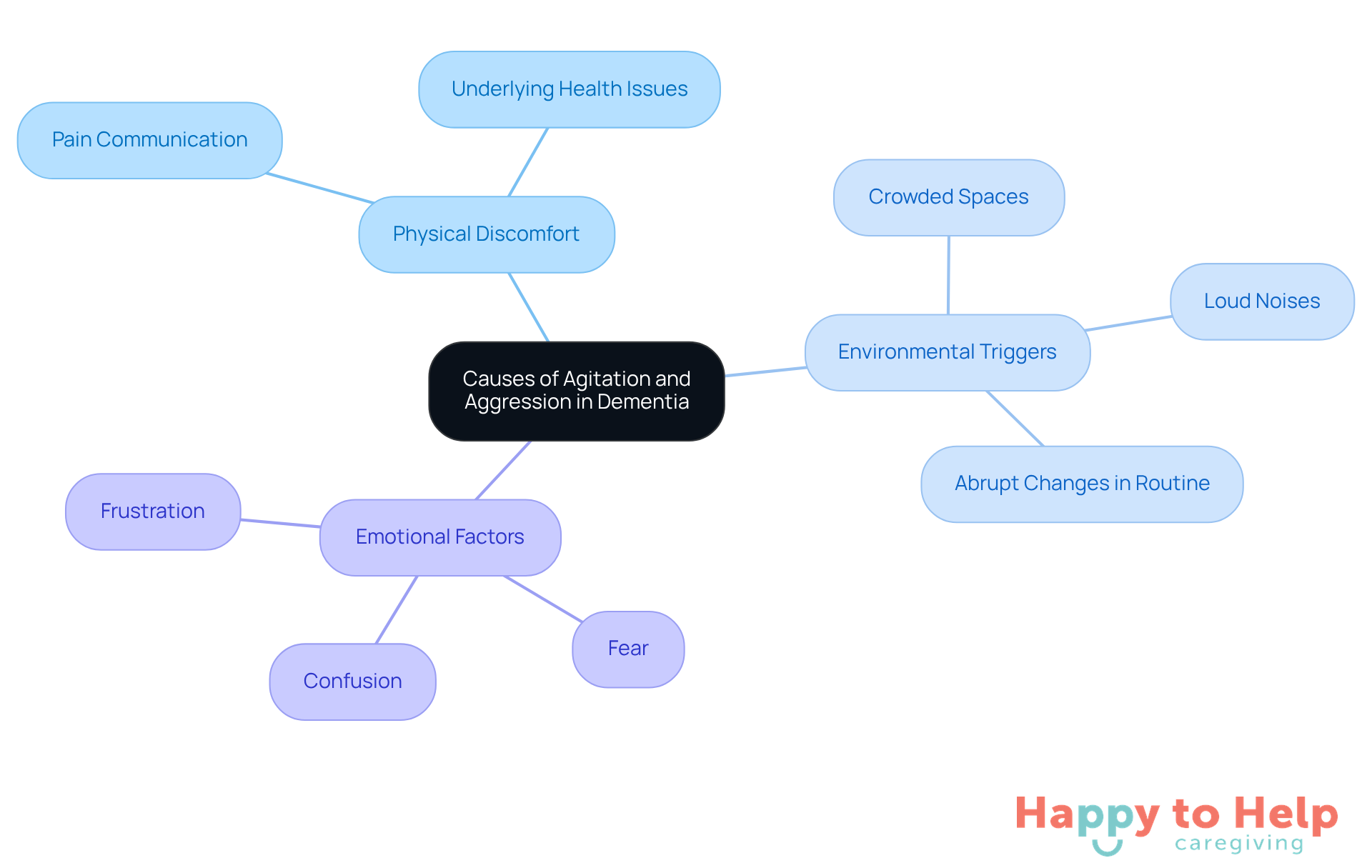
Problem: One major issue is physical discomfort. Pain or underlying health issues can significantly increase agitation levels. Research indicates that many dementia patients may struggle to communicate their discomfort effectively, leading to heightened frustration and aggressive behaviors. As support worker Lamia Scott notes, "Most individuals still perceive Alzheimer’s solely as memory loss." When disturbances occur, they can be frightening and confusing. Understanding how do you calm down someone with dementia is important, as these behaviors are part of the disease and not just a loved one’s actions, which can help caregivers feel less isolated and more hopeful.
Agitate: Another contributing factor is environmental triggers. Stimuli such as loud noises, crowded spaces, or abrupt changes in routine can provoke distress. Studies show that a tranquil and familiar setting can alleviate these triggers, reducing the chances of disturbance. The occurrence of restlessness in individuals with cognitive decline varies from 30% to 76%, highlighting the frequency of these behaviors.
Solution: Emotional factors also play a role. Feelings of fear, confusion, or frustration often manifest as aggressive behavior. Recognizing that these emotions are part of the cognitive decline experience can help caregivers understand how do you calm down someone with dementia with compassion and patience. Christie Teigland's research underscores this, revealing that "overall, healthcare expenses were greater in the distressed Alzheimer patient population compared to those without distress."
As dementia progresses, individuals may struggle to express their needs, leading to increased frustration and unrest. Caregivers should be aware that this inability to communicate can result in behavioral outbursts. The economic burden related to unrest is significant, with mean costs per patient per year reaching $32,322 for agitated individuals compared to $30,121 for those without unrest.
By identifying these root causes, caregivers can develop more effective strategies to address unrest and hostility, including understanding how do you calm down someone with dementia, thereby fostering a more nurturing environment for their loved ones.
Recognize Early Warning Signs of Distress
Early warning signs of distress can pose significant challenges for caregivers. Recognizing these signs is crucial, as they can indicate discomfort or anxiety in individuals.
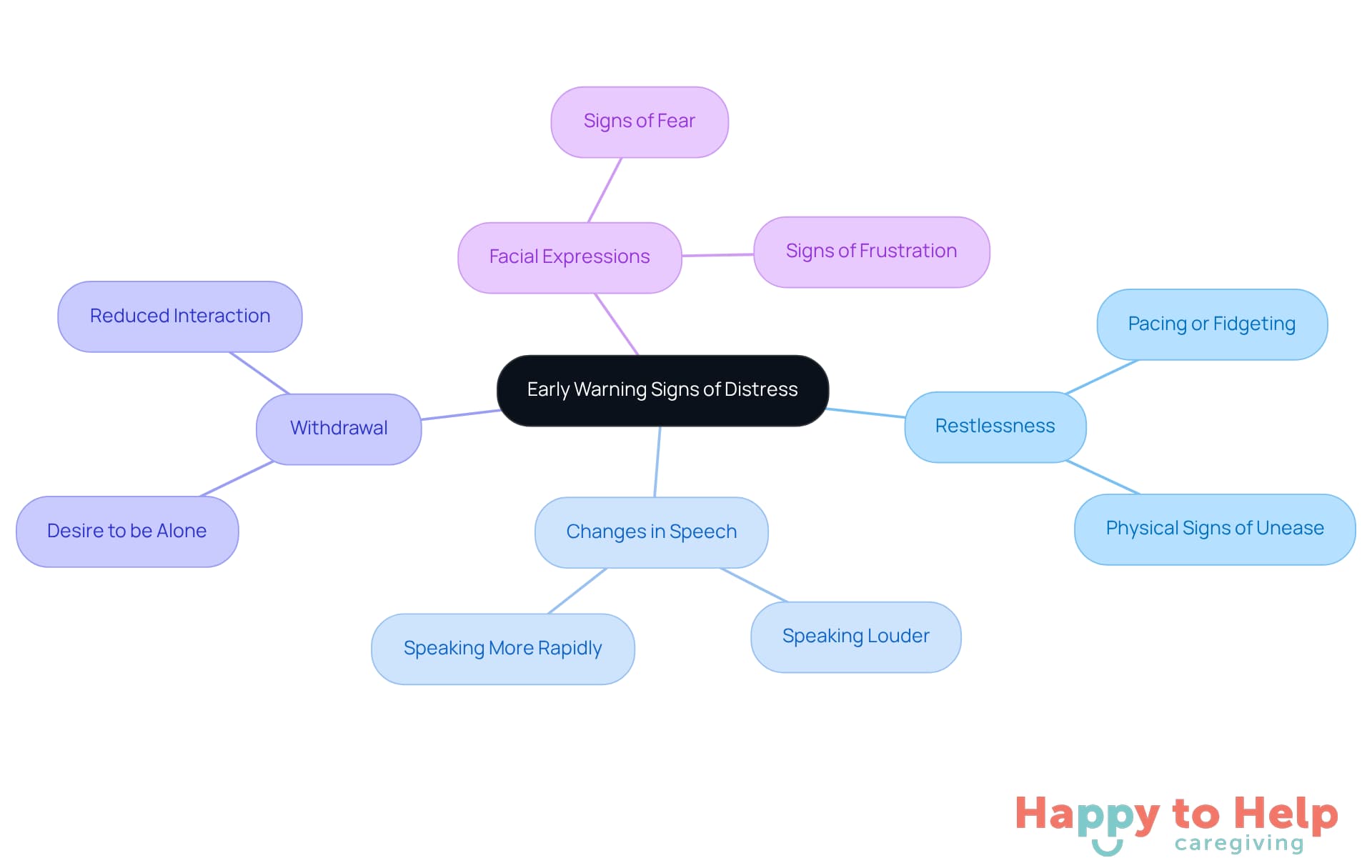
- Restlessness is often a key indicator; pacing or fidgeting may suggest that a person is feeling uneasy.
- Additionally, changes in speech can reflect this restlessness, with individuals speaking louder or more rapidly than usual.
- Another sign to watch for is withdrawal; a sudden desire to be alone can signal that someone is in distress.
- Lastly, facial expressions can provide important clues - look for signs of fear or frustration, such as frowning or grimacing.
By being vigilant for these signs, caregivers can take proactive steps to understand how to calm down someone with dementia before distress escalates. Implementing strategies such as offering a calming presence or engaging in gentle conversation is essential when considering how to calm down someone with dementia.
Create a Calm and Safe Environment
Creating a calm and safe environment is essential for individuals with dementia, as it directly relates to how do you calm down someone with dementia. Caregivers often face challenges such as excessive noise and clutter, leading to confusion and agitation, which raises the question of how do you calm down someone with dementia. These factors can exacerbate feelings of anxiety, so understanding how do you calm down someone with dementia is crucial to establishing a peaceful atmosphere.
To address these issues, consider the following strategies:
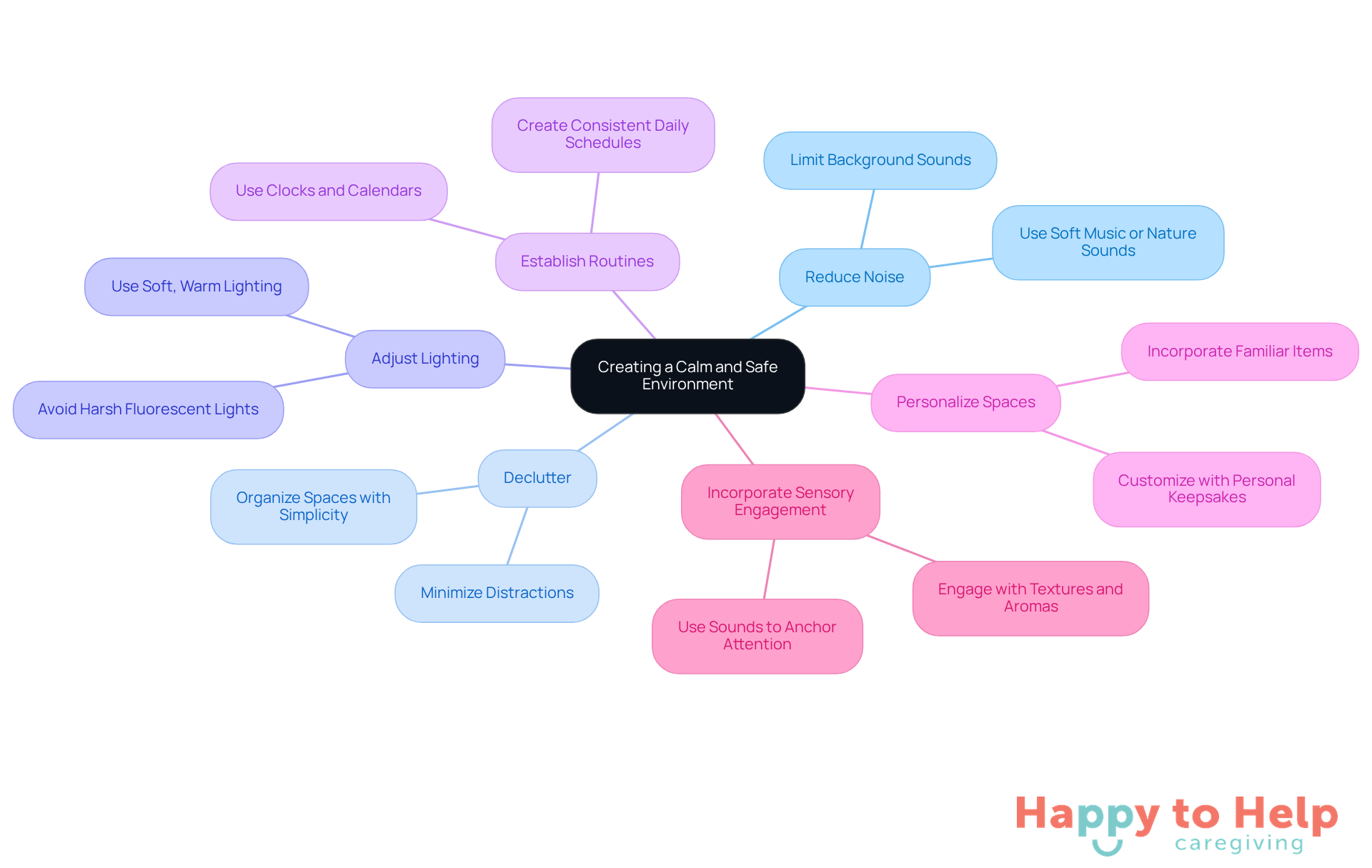
- Reduce Noise: Limiting background sounds from televisions or radios can significantly decrease confusion and agitation. A peaceful auditory environment is vital for reducing anxiety.
- Declutter: A tidy space minimizes distractions and confusion. Studies show that a clear and neat living space helps individuals with cognitive impairments feel more secure and oriented, ultimately lowering stress and improving daily functioning.
- Adjust Lighting: Soft, warm lighting creates a soothing atmosphere. Proper lighting not only aids in reducing confusion but also supports emotional well-being by fostering a sense of safety. Avoid harsh fluorescent lights to prevent triggering anxiety or discomfort.
- Establish Routines: Consistent daily schedules help individuals feel secure and lower anxiety. Familiar routines provide predictability, which is vital for those experiencing cognitive decline.
- Personalize Spaces: Customizing environments with familiar items and personal keepsakes enhances the sense of identity and belonging for those with cognitive impairments, which is crucial for their emotional health.
- Incorporate Sensory Engagement: Engaging the senses through textures, sounds, and aromas can anchor individuals in the present moment, reduce agitation, and foster emotional connections.
By implementing these modifications, caregivers can promote a feeling of security and ease, which is essential when considering how do you calm down someone with dementia. Creating an environment that prioritizes calmness and clarity significantly enhances the quality of life for loved ones.
Communicate with Clarity and Compassion
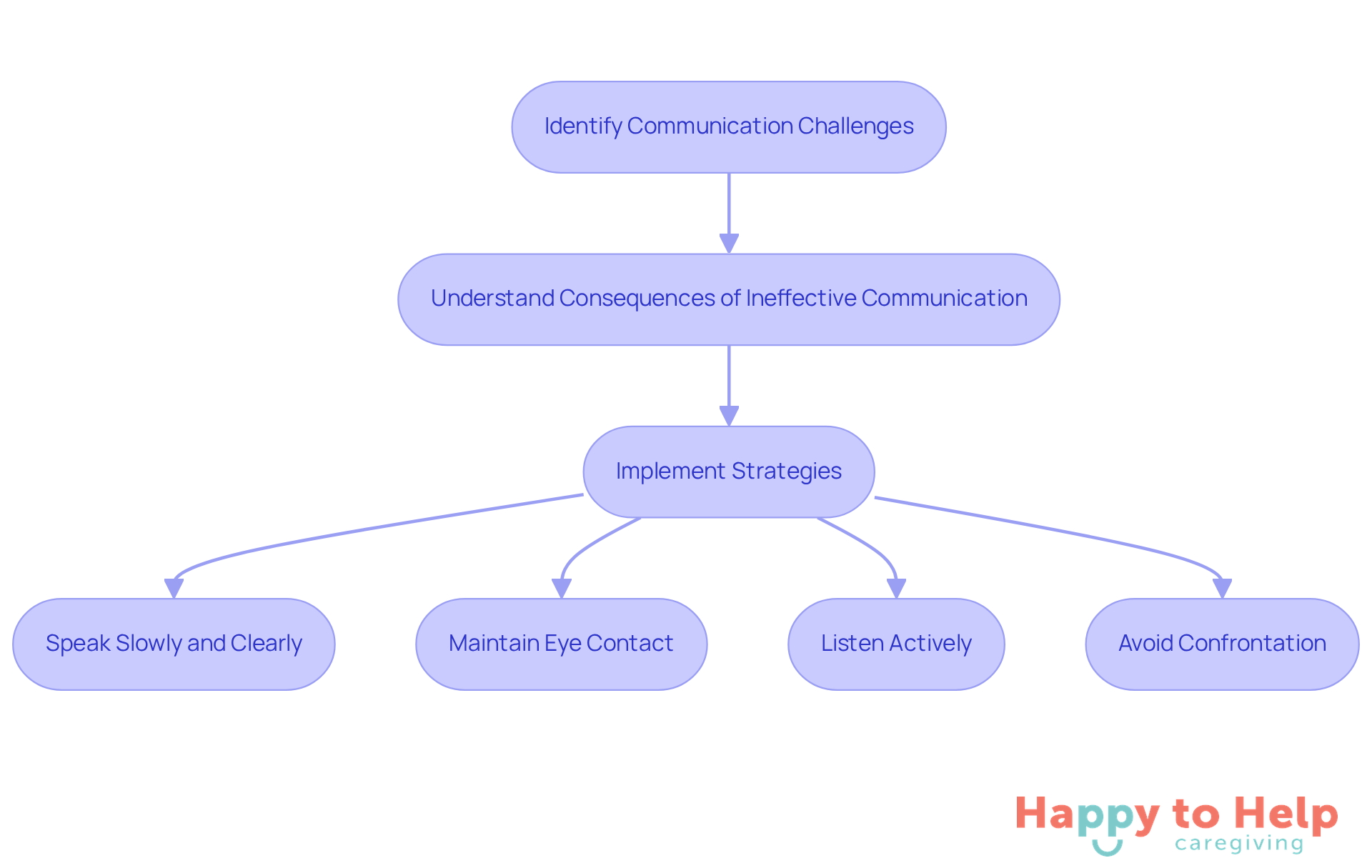
A key issue is understanding how do you calm down someone with dementia, as communicating with them can be challenging for caregivers. Misunderstandings and frustration can arise, leading to increased stress for both parties.
Agitate: Ineffective communication can exacerbate feelings of isolation and confusion for individuals with dementia. This not only affects their emotional well-being but can also strain the caregiver's patience and mental health.
Solution: To foster a more positive interaction, consider these strategies:
- Speak slowly and clearly: Use simple language and short sentences to enhance understanding.
- Maintain eye contact: This helps establish a connection and shows attentiveness.
- Listen actively: Validate their feelings and concerns, even if they seem irrational.
- Avoid confrontation: Stay calm and patient, refraining from arguing or correcting them.
Implementing these strategies can significantly decrease the chance of unrest, leading to a more harmonious relationship.
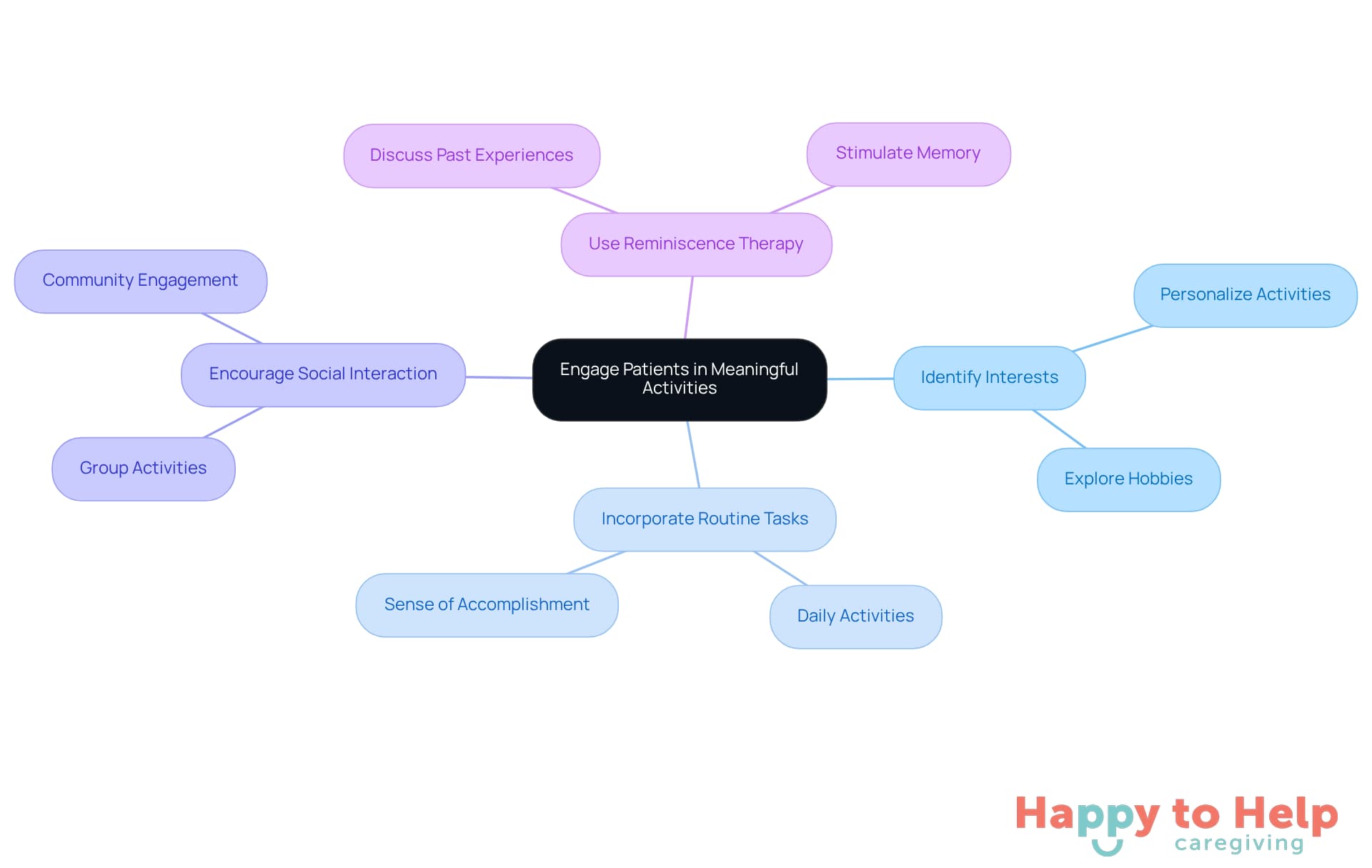
Engage Patients in Meaningful Activities
Engaging individuals in meaningful activities is crucial for their emotional well-being. Many caregivers face the challenge of helping those they care for feel connected and fulfilled. Without these connections, feelings of isolation and loneliness can intensify, leading to emotional distress.
To address this issue, consider the following actionable solutions:
- Identify interests: Tailor activities to their hobbies or pastimes, such as gardening, music, or art. This personalization can spark joy and engagement.
- Incorporate routine tasks: Involve them in daily activities like cooking or folding laundry. These tasks promote a sense of accomplishment and purpose.
- Encourage social interaction: Group activities can significantly reduce feelings of isolation. Connecting with others fosters a sense of community and belonging.
- Use reminiscence therapy: Discussing past experiences can stimulate memory and provide comfort, helping individuals feel valued and understood.
Implementing these strategies can significantly improve emotional well-being and lessen unease, which raises the question of how do you calm down someone with dementia, ultimately creating a more fulfilling environment for those in your care.
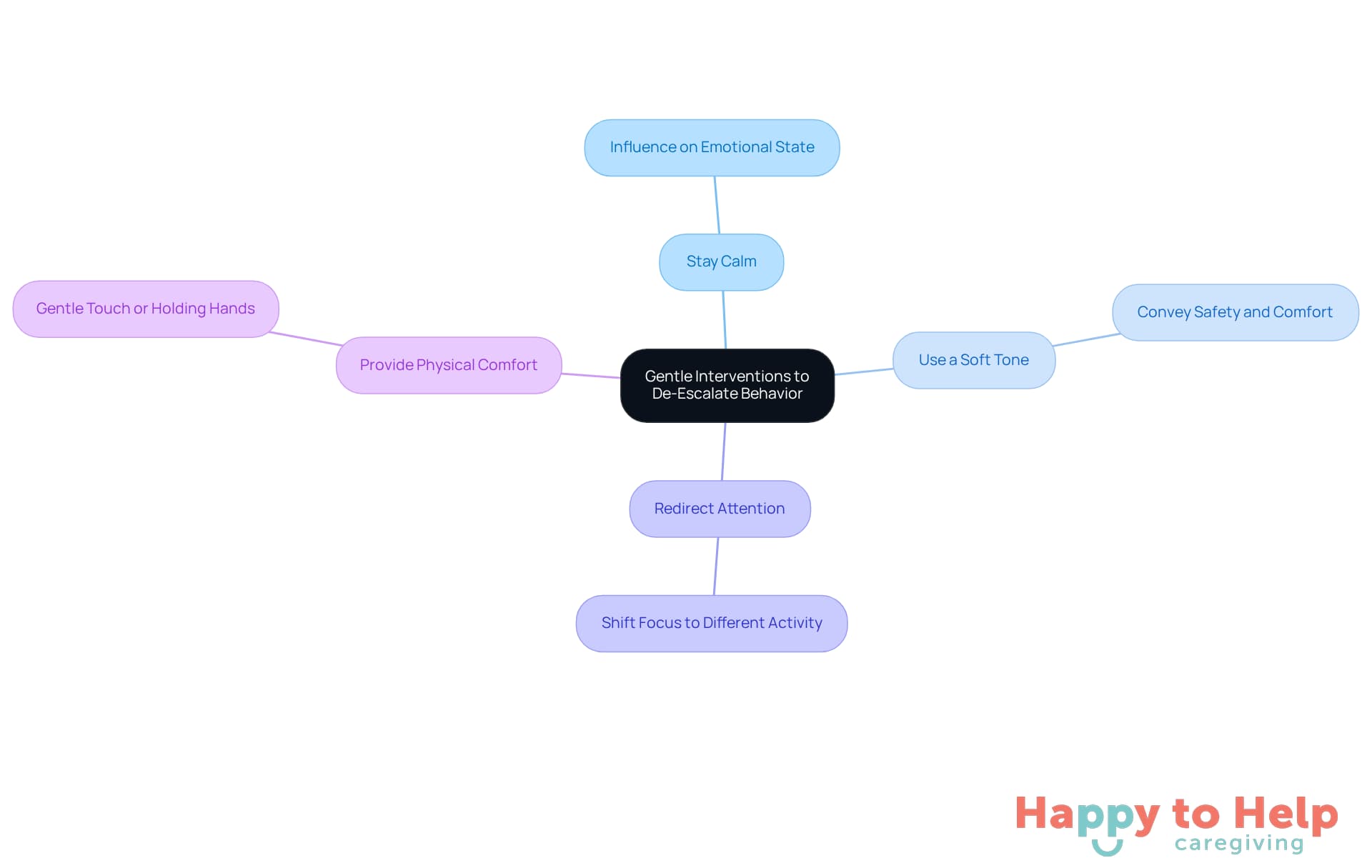
Use Gentle Interventions to De-Escalate Behavior
Managing agitation in individuals can be a significant challenge for caregivers. When emotions run high, it can lead to increased tension and discomfort for both the caregiver and the individual. Therefore, it’s essential to have effective strategies in place for understanding how do you calm down someone with dementia and to de-escalate behavior gently.
To address this issue, consider the following techniques:
- Stay calm: Your demeanor can influence the individual’s emotional state.
- Use a soft tone: Speak in a reassuring voice to convey safety and comfort.
- Redirect attention: Shift focus to a different activity or topic to diffuse tension.
- Provide physical comfort: A gentle touch or holding their hand can be soothing.
Implementing these strategies can help manage agitation effectively, which is important when considering how do you calm down someone with dementia and maintain a peaceful environment.
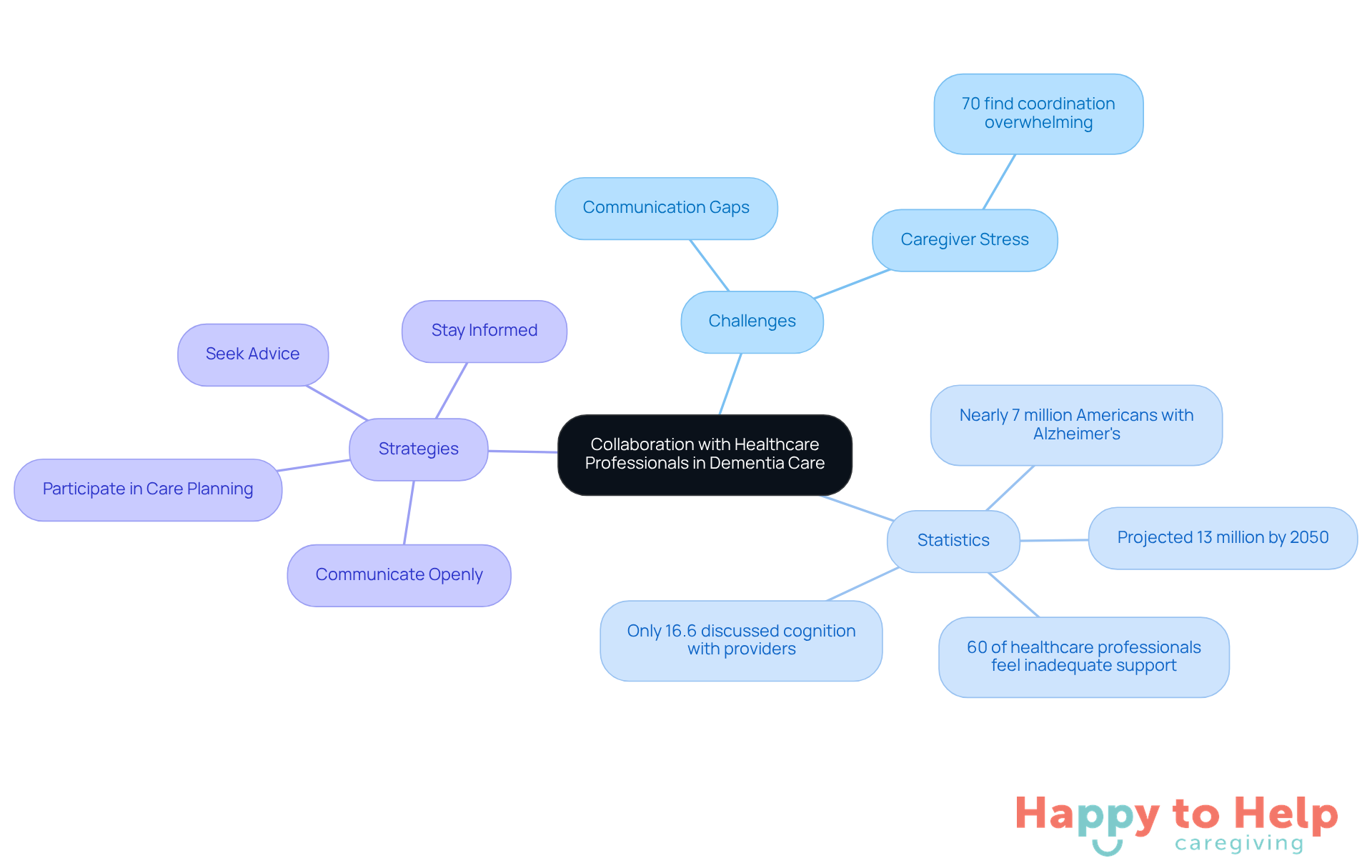
Work with Healthcare Professionals
To effectively collaborate with healthcare professionals in dementia care, caregivers face significant challenges, particularly in communication. Nearly 7 million Americans are living with Alzheimer's disease, and this number is projected to rise significantly by 2050. Alarmingly, 60% of healthcare professionals believe the U.S. healthcare system is not adequately assisting patients and families in managing cognitive impairment. This gap in communication can lead to increased stress for caregivers, with 70% reporting that coordinating assistance is overwhelming.
To address these issues, consider the following strategies:
- Communicate openly: Share your observations and concerns regarding the individual's behavior. Clear communication helps providers understand the nuances of the patient's condition, which is crucial for effective care.
- Seek advice: Actively ask for recommendations on managing specific behaviors or symptoms. Proactive involvement from healthcare providers can greatly improve communication and care outcomes for patients with cognitive impairments. As Nikki L. Hill notes, many older adults may avoid discussing cognitive problems due to the normalization of these issues as part of aging, highlighting the need for proactive engagement.
- Participate in care planning: Involve healthcare providers in developing a comprehensive care plan that addresses all aspects of the individual’s needs. This collaborative approach ensures that all parties are aligned and that the care plan is tailored to the patient's unique circumstances.
- Stay informed: Keep up with the latest research and resources related to dementia care. Understanding current trends and findings can empower supporters to make informed decisions and advocate effectively for their loved ones.
This partnership not only improves the quality of assistance but also offers crucial support for those who often encounter considerable difficulties in managing the intricacies of cognitive impairment. Notably, only 16.6% of participants reported discussing cognition with a healthcare provider, illustrating the communication gap that needs to be addressed.
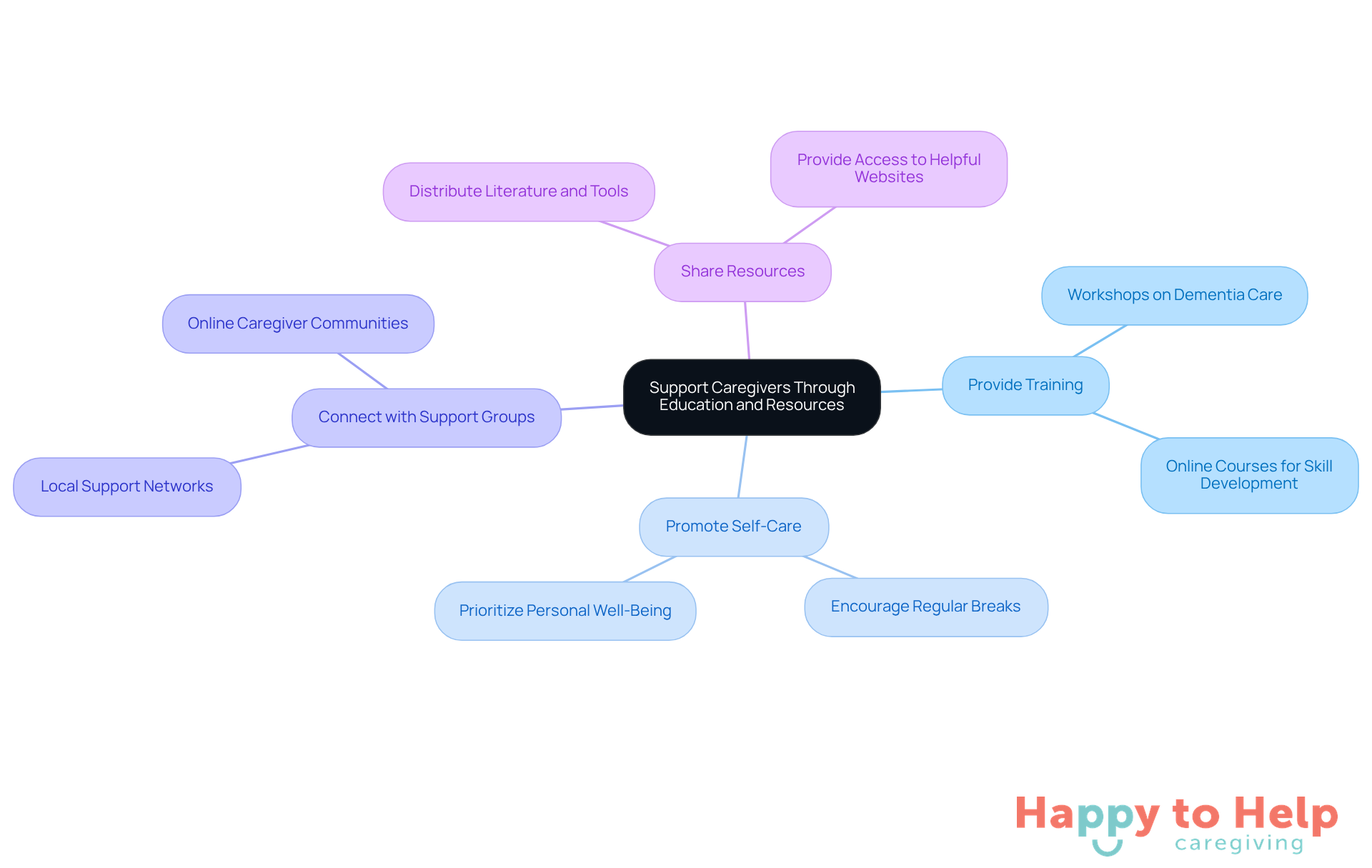
Support Caregivers Through Education and Resources
Caregivers often face significant challenges, including stress and burnout, due to the demanding nature of their roles. Without adequate support, their well-being can suffer, impacting both their health and the quality of care they provide.
To address these issues, here are some actionable solutions:
- Provide training: Offer workshops or online courses focused on dementia care strategies to equip caregivers with essential skills.
- Promote self-care: Encourage caregivers to take regular breaks and prioritize their own well-being, which is crucial for sustaining their ability to care for others.
- Connect with support groups: Facilitate access to local or online support networks, allowing caregivers to share experiences and gain emotional support.
- Share resources: Distribute literature, websites, and tools that can assist caregivers in their roles, ensuring they have the information they need.
By empowering caregivers with knowledge and support, they can provide better care while also maintaining their own health.
Your Path Forward
Understanding how to calm someone with dementia presents a significant challenge for caregivers. Agitation can stem from various emotional, physical, and environmental factors, making it crucial to address these underlying causes. Without effective strategies, caregivers may feel overwhelmed, impacting both their well-being and the quality of care provided.
To tackle this issue, caregivers can implement several essential strategies:
- Recognizing early warning signs of distress is vital, as it allows for timely intervention.
- Creating a calm and safe environment can significantly reduce agitation.
- Effective communication is also key; using clear, simple language helps individuals with dementia feel more secure.
- Engaging patients in meaningful activities not only distracts them from distress but also enhances their overall quality of life.
- Gentle interventions, such as soothing music or familiar objects, can further alleviate anxiety.
- Collaboration with healthcare professionals ensures that caregivers have the support and resources they need, while education empowers them to handle challenging situations more effectively.
Ultimately, understanding and addressing agitation in dementia care is crucial. By prioritizing compassionate communication and establishing a peaceful environment, caregivers can make a profound difference in the lives of those they support. Actively engaging individuals in fulfilling activities fosters a sense of purpose and connection. Empowerment through knowledge and collaboration with healthcare professionals enhances the caregiving experience, ensuring that both patients and caregivers thrive in their respective roles.
https://iframe.tely.ai/cta/eyJhcnRpY2xlX2lkIjogIjY5MjY0MzZiZGIzM2UyOThlOGE1MTJjNiIsICJjb21wYW55X2lkIjogIjY4ZWU1ZGNhNzMxNzYyNTU3ZjNjOTVjMSIsICJpbmRleCI6IG51bGwsICJ0eXBlIjogImFydGljbGUifQ==Frequently Asked Questions
What are the main causes of agitation and aggression in individuals with dementia?
Agitation and aggression in individuals with dementia can stem from physical discomfort, environmental triggers, and emotional factors. Physical pain or underlying health issues can lead to increased agitation, while stimuli such as loud noises or changes in routine can provoke distress. Emotional feelings like fear, confusion, or frustration also contribute to these behaviors.
How can caregivers identify early warning signs of distress in individuals with dementia?
Caregivers can recognize early warning signs of distress by observing behaviors such as restlessness (pacing or fidgeting), changes in speech (speaking louder or more rapidly), withdrawal (a sudden desire to be alone), and facial expressions that indicate fear or frustration (like frowning or grimacing).
Why is it important for caregivers to understand the causes of agitation in dementia patients?
Understanding the causes of agitation can help caregivers feel less isolated and more hopeful. It allows them to develop effective strategies to manage unrest and aggression, fostering a more nurturing environment for their loved ones.
What strategies can caregivers use to calm down someone with dementia?
Caregivers can calm down someone with dementia by offering a calming presence, engaging in gentle conversation, and creating a tranquil and familiar environment to alleviate potential triggers of distress.
What is the economic impact of agitation in dementia patients?
The economic burden related to agitation is significant, with mean costs per patient per year reaching $32,322 for agitated individuals compared to $30,121 for those without unrest, indicating higher healthcare expenses in distressed Alzheimer’s patient populations.
List of Sources
- Understand the Causes of Agitation and Aggression
- New Survey Reveals Critical Gaps in Awareness and Understanding of Agitation in Alzheimer’s Dementia - Alliance for Aging Research (https://agingresearch.org/news/new-survey-reveals-critical-gaps-in-awareness-and-understanding-of-agitation-in-alzheimers-dementia)
- Healthcare Resource Utilization Among Patients With Agitation in Alzheimer Dementia | Published in Journal of Health Economics and Outcomes Research (https://jheor.org/article/124455-healthcare-resource-utilization-among-patients-with-agitation-in-alzheimer-dementia)
- Agitation in Dementia: Real-World Impact and Burden on Patients and the Healthcare System - PMC (https://pmc.ncbi.nlm.nih.gov/articles/PMC8461728)
- Coping With Agitation, Aggression, and Sundowning in Alzheimer's Disease (https://nia.nih.gov/health/alzheimers-changes-behavior-and-communication/coping-agitation-aggression-and-sundowning)
- FDA Approves First Drug to Treat Agitation Symptoms Associated with Dementia due to Alzheimer’s Disease (https://fda.gov/news-events/press-announcements/fda-approves-first-drug-treat-agitation-symptoms-associated-dementia-due-alzheimers-disease)
- Recognize Early Warning Signs of Distress
- Restlessness and agitation in dementia (https://alzheimers.org.uk/about-dementia/stages-and-symptoms/dementia-symptoms/restlessness)
- Top List of Inspirational Dementia Quotes for Caregivers (https://rochesterlawcenter.com/dementia-resources/dementia-quotes)
- New Survey Reveals Critical Gaps in Awareness and Understanding of Agitation in Alzheimer’s Dementia - Alliance for Aging Research (https://agingresearch.org/news/new-survey-reveals-critical-gaps-in-awareness-and-understanding-of-agitation-in-alzheimers-dementia)
- New Studies Identify Early Warning Signs of Dementia (https://prb.org/articles/new-studies-identify-early-warning-signs-of-dementia)
- Create a Calm and Safe Environment
- (https://belleviecare.co.uk/support-advice/dementia-quotes-to-lift-your-spirits)
- Adapting Home Environments for Patients with Dementia: Practical Tips and Strategies (https://vnahg.org/adapting-home-environments-for-patients-with-dementia-practical-tips-and-strategies)
- The Impact of a Calm Environment on Persons with Dementia (https://heartsfordementia.com/news/the-impact-of-a-calm-environment-on-persons-with-dementia)
- How To Create A Dementia-Friendly Environment: Guide For Caregivers - NCCDP (https://nccdp.org/how-to-create-a-dementia-friendly-environment-guide-for-caregivers)
- Designing Dementia-Friendly Environments (https://news-medical.net/health/Designing-Dementia-Friendly-Environments.aspx)
- Communicate with Clarity and Compassion
- Dementia - communication (https://betterhealth.vic.gov.au/health/conditionsandtreatments/dementia-communication)
- The facilitators of communication with people with dementia in a care setting: an interview study with healthcare workers (https://academic.oup.com/ageing/article/45/1/164/2195309)
- Top List of Inspirational Dementia Quotes for Caregivers (https://rochesterlawcenter.com/dementia-resources/dementia-quotes)
- Do communication interventions affect the quality-of-life of people with dementia and their families? A systematic review (https://tandfonline.com/doi/full/10.1080/13607863.2023.2202635)
- Clearer Conversations, Better Care: New Guide Highlights Best Practices for Communicating with Older Adults (https://geron.org/News-Events/GSA-News/Press-Room/Press-Releases/clearer-conversations-better-care-new-guide-highlights-best-practices-for-communicating-with-older-adults)
- Engage Patients in Meaningful Activities
- Engaging in hobbies boosts mental well-being for seniors, study finds (https://news-medical.net/news/20230913/Engaging-in-hobbies-boosts-mental-well-being-for-seniors-study-finds.aspx)
- Hobby engagement and mental wellbeing among people aged 65 years and older in 16 countries - PMC (https://pmc.ncbi.nlm.nih.gov/articles/PMC10504079)
- 29 Occupational Therapy Quotes! • OT Potential (https://otpotential.com/blog/occupational-therapy-quotes)
- Meaningful activities for a person with dementia (https://dementiauk.org/news/meaningful-activities-for-a-person-with-dementia)
- Engagement in Favorite Activity and Implications for Cognition, Mental Health, and Function in Persons Living With and Without Dementia - PMC (https://pmc.ncbi.nlm.nih.gov/articles/PMC8448794)
- Work with Healthcare Professionals
- The Alzheimer’s Association and Rippl Partner to Improve Quality Dementia Care and Caregiver Support (https://alz.org/news/2024/the-alzheimer-s-association-and-rippl-partner-to-improve-quality-dementia-care-and-caregiver-support)
- MARCS | Music in dementia care (https://westernsydney.edu.au/marcs/impact/case\_studies/music\_in\_dementia\_care)
- Patient-provider communication about cognition and the role of memory concerns: a descriptive study - BMC Geriatrics (https://bmcgeriatr.biomedcentral.com/articles/10.1186/s12877-023-04053-3)
- 27 Inspirational Quotes for Caregivers (https://ultimatecareny.com/resources/27-quotes-for-caregivers)
- Inspirational Caregiver Quotes (https://parxhhc.com/resources/caregiver-quotes)
- Support Caregivers Through Education and Resources
- D-CARE study finds caregiver satisfaction higher with dementia care programs than usual care (https://uclahealth.org/news/release/d-care-study-finds-caregiver-satisfaction-higher-with)
- Thomas P. Raley Foundation gift fuels UC Davis dementia caregiver education and research (https://health.ucdavis.edu/news/headlines/thomas-p-raley-foundation-gift-fuels-uc-davis-dementia-caregiver-education-and-research/2025/11)
- Caregiver Statistics: Health, Technology, and Caregiving Resources (https://caregiver.org/resource/caregiver-statistics-health-technology-and-caregiving-resources)
- The Caregiving Landscape: Data & Insights on the Caregiver Experience in the U.S. (https://caregiveraction.org/caregiver-statistics)
- Caregiver training: Evidence of its effectiveness for cognitive and functional improvement in older adults - PMC (https://pmc.ncbi.nlm.nih.gov/articles/PMC10078788)