
Why Choose a Long Term Care Specialist Matters
Choosing the right long-term care specialist can feel overwhelming for families facing the complexities of care options for aging loved ones. This challenge is not just about finding a provider; it’s about ensuring that individuals receive the quality support they deserve. With numerous choices and industry challenges, families often struggle to select a professional who truly meets their needs.
The implications of this decision are significant. Families may feel stressed and uncertain, which can impact their loved ones' well-being. Without proper guidance, they risk choosing a specialist who may not align with their specific requirements. So, how can families navigate this labyrinth effectively?
Here are some actionable solutions to consider:
- Research: Start by gathering information on potential specialists in your area. Look for reviews and testimonials from other families.
- Consult Experts: Reach out to healthcare professionals for recommendations. They can provide insights into reputable specialists.
- Assess Needs: Clearly define what your loved one requires in terms of care. This will help narrow down your options.
- Interview Candidates: Don’t hesitate to ask questions during consultations. Understanding their approach and experience is crucial.
By following these steps, families can make informed decisions and find the right long-term care specialist who meets their needs.
Understand the Role of Long-Term Care Specialists
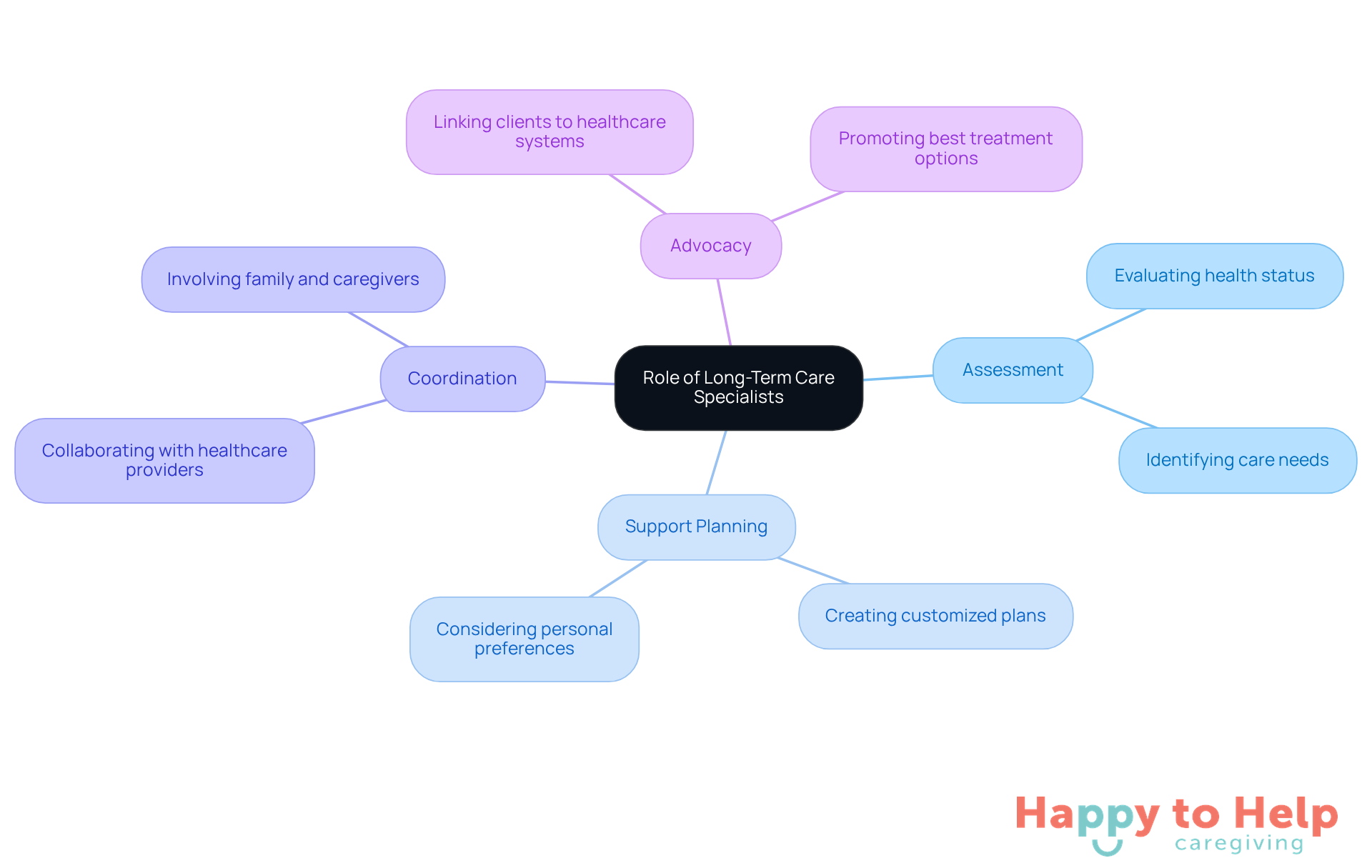
Long-term care specialists play an essential role in assisting individuals facing challenges due to aging, chronic illness, or disability. The Problem: Many families struggle to navigate the complexities of long-term care, often feeling overwhelmed by the options and responsibilities involved. The Agitation: This confusion is compounded by staffing shortages in the industry - 73% of nursing homes express concern about potential closures due to these issues. Additionally, misconceptions about financing persist; for instance, 62% of elderly individuals incorrectly assume that Medicare will cover nursing home services. The Solution: Understanding the key responsibilities of long-term support professionals can empower families to make informed decisions and ensure their loved ones receive the best care possible.
Key Responsibilities:
- Assessment: Evaluating the client's health status and care needs.
- Support Planning: Creating customized support plans that consider personal preferences and needs.
- Coordination: Collaborating with healthcare providers, relatives, and other caregivers to ensure thorough support.
- Advocacy: Acting as a link between clients and healthcare systems to promote the best possible treatment.
Recognizing these roles highlights the significant value that long-term care specialists provide, ensuring that loved ones receive high-quality assistance throughout their aging journey. Given the current challenges in the long-term support industry, proactive planning is crucial for families.
Identify Key Qualifications and Expertise
Choosing a long-term care specialist can be daunting. Caregivers often face the challenge of ensuring their loved ones receive the best possible support. Without proper qualifications and expertise, the risk of inadequate care increases, leading to potential health complications and emotional distress for both the caregiver and the recipient.
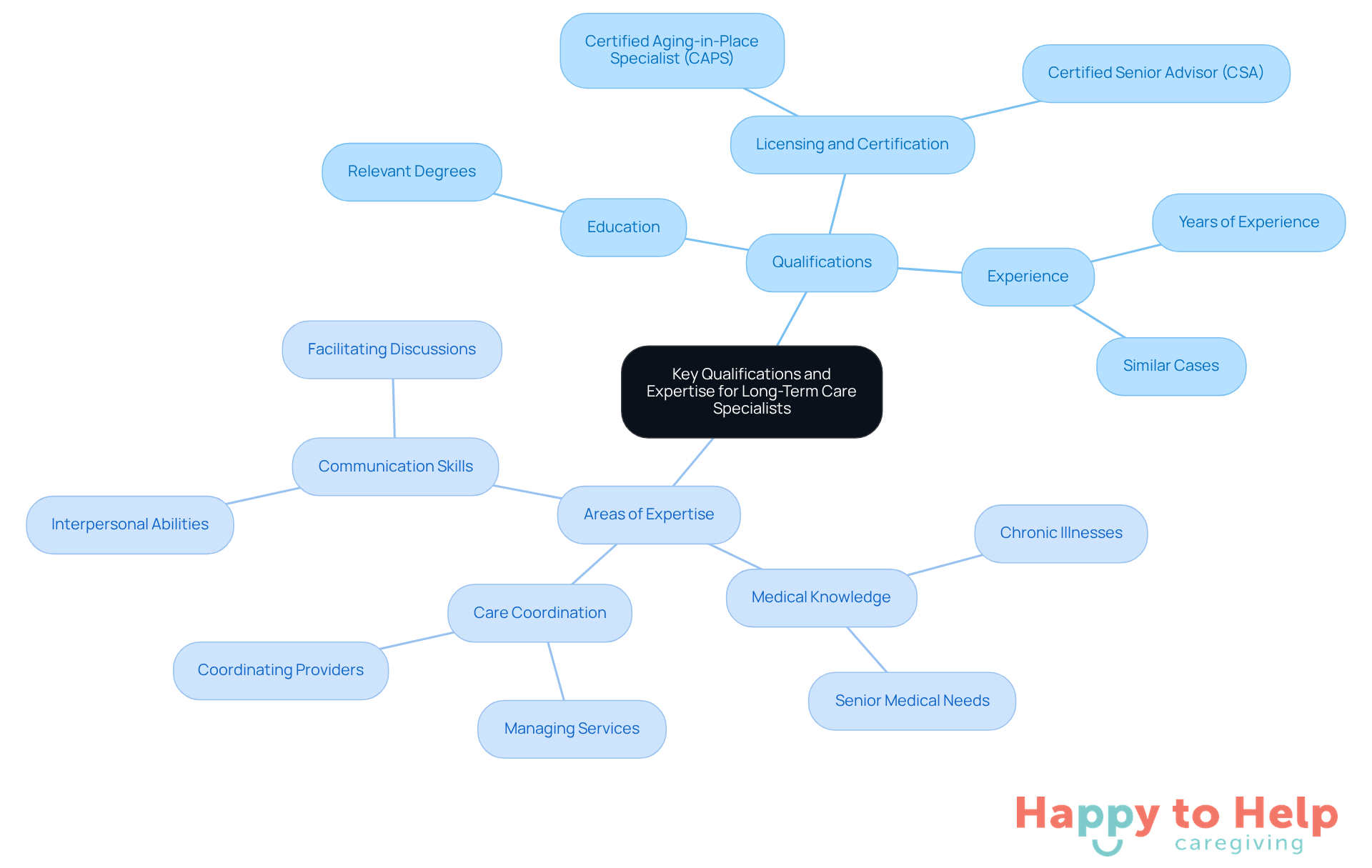
To navigate this critical decision, consider these essential qualifications:
- Education: Seek specialists with relevant degrees in nursing, social work, or gerontology.
- Licensing and Certification: Verify that they hold appropriate licenses and certifications, such as Certified Aging-in-Place Specialist (CAPS) or Certified Senior Advisor (CSA).
- Experience: Evaluate their years of experience, especially with cases similar to your loved one's situation.
In addition to qualifications, assess their areas of expertise:
- Medical Knowledge: They should be familiar with chronic illnesses and the medical needs of seniors.
- Care Coordination: Look for their ability to manage and coordinate multiple services and providers effectively.
- Communication Skills: Strong interpersonal abilities are crucial for facilitating discussions with relatives and healthcare providers.
By focusing on these qualifications, families can ensure they select a long term care specialist who is not only knowledgeable but also capable of providing the essential assistance needed.
Explore Effective Strategies for Finding Specialists
Finding the right long term care specialist can be a daunting task for families. Caregivers often struggle with navigating a complex landscape of options, which can lead to confusion and stress. This challenge is compounded by the emotional weight of ensuring that their loved ones receive the best possible care.
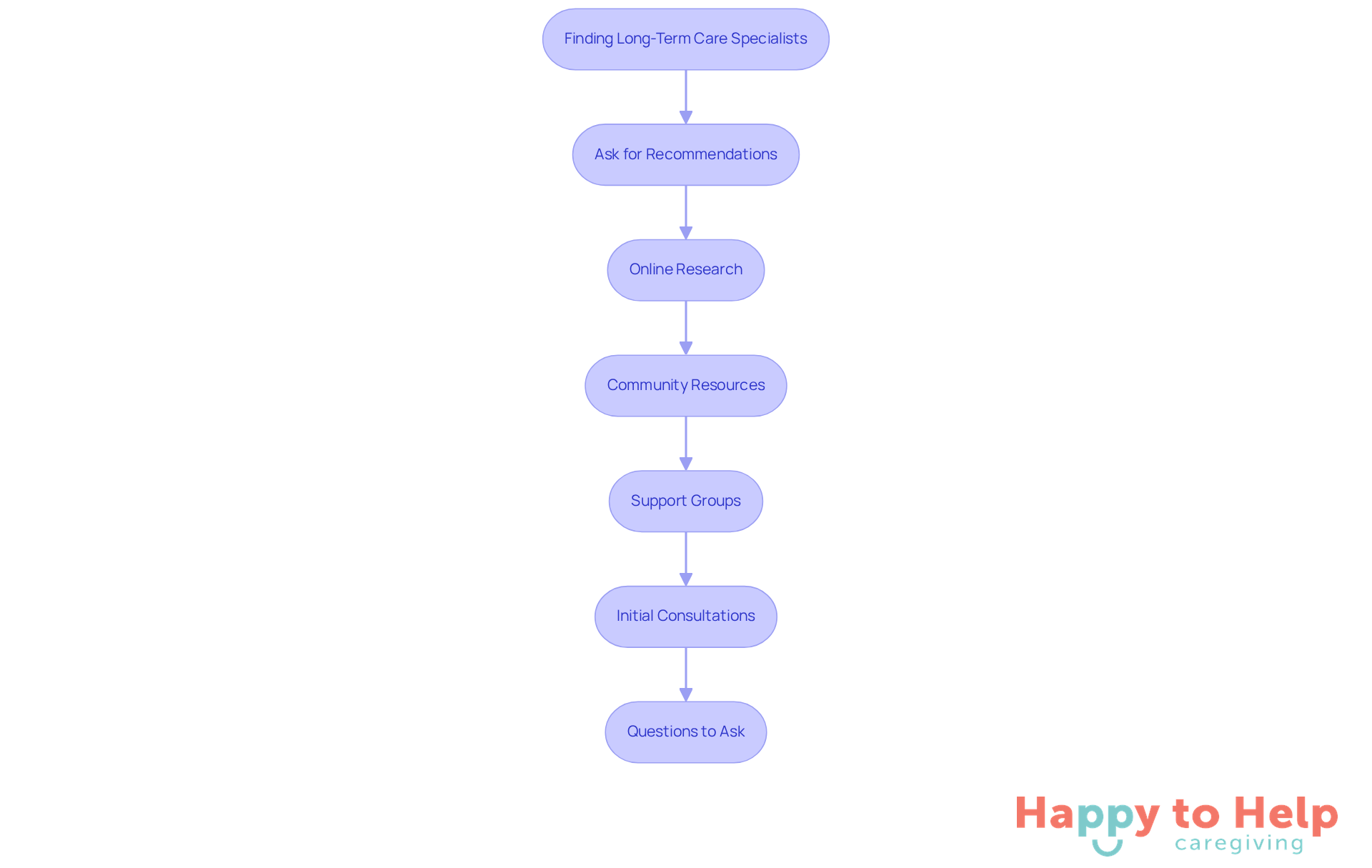
To streamline the process, consider these effective strategies:
-
Ask for Recommendations: Start by asking friends, family, or healthcare providers for referrals to trusted specialists.
-
Online Research: Utilize online directories and review platforms to find experts in your area. Websites like Medicare.gov can help compare providers.
-
Community Resources: Reach out to local aging services or community organizations that can provide information on available specialists.
-
Support Groups: Join caregiver support groups where members can share their experiences and recommendations.
-
Initial Consultations: Schedule meetings with potential specialists to discuss your loved one's needs and assess their approach to care.
-
Questions to Ask: Prepare a list of inquiries regarding their experience, treatment philosophy, and how they manage emergencies.
By employing these strategies, families can effectively narrow down their options and locate an expert who aligns with their family member's needs.
Evaluate Compatibility and Communication Styles
Finding the right long term care specialist can be challenging for families. Compatibility and effective communication are crucial for ensuring a positive caregiving experience. Here’s how to assess these important aspects:
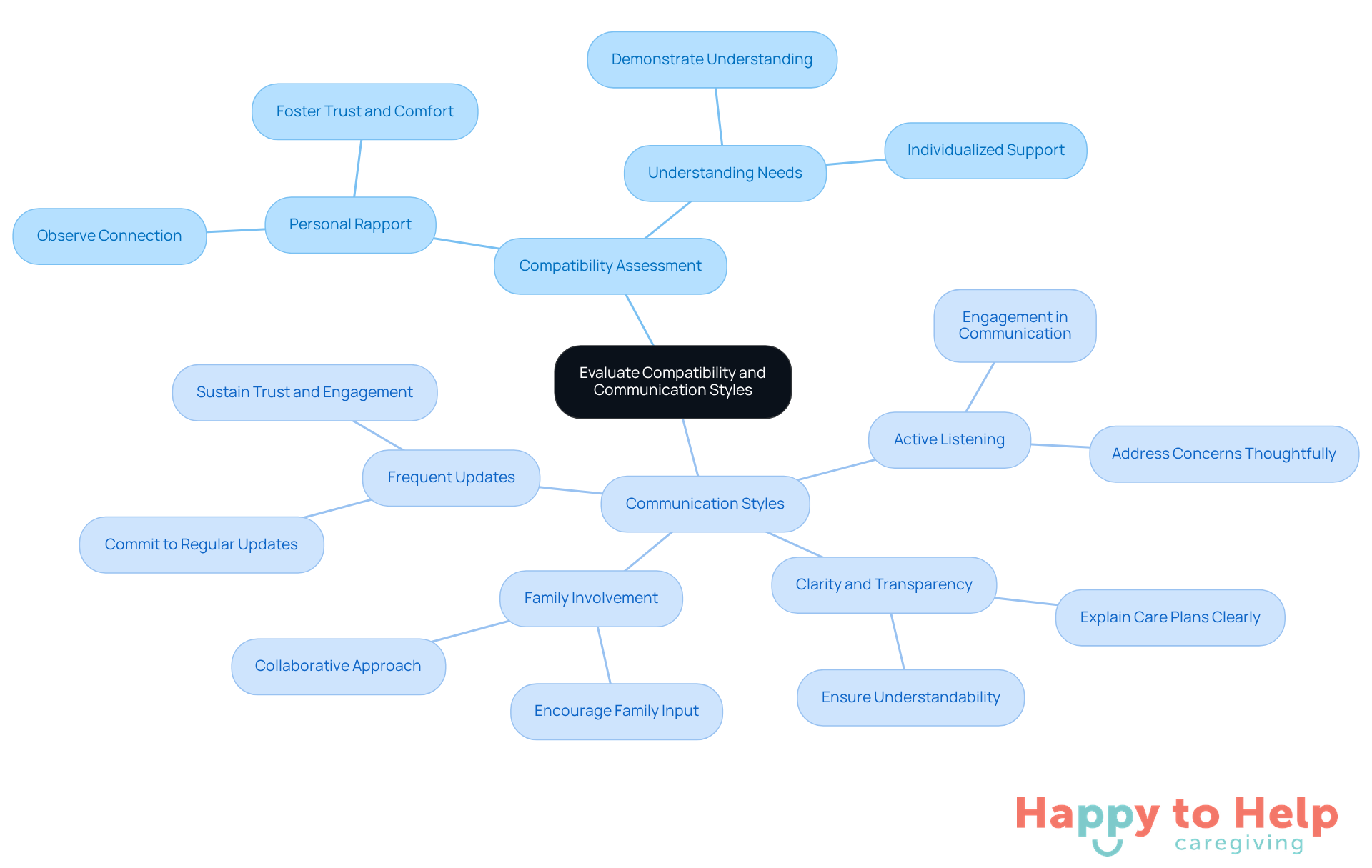
Compatibility Assessment:
- Personal Rapport: During initial meetings, observe how well the specialist connects with your loved one. A strong rapport can enhance the caregiving experience, fostering trust and comfort.
- Understanding Needs: Ensure the expert demonstrates a clear understanding of your loved one's specific needs and preferences. This is essential for individualized support. The National Alliance for Caregiving and AARP emphasize that effective communication is critical for caregivers to comprehend the unique needs of those they assist.
Communication Styles:
- Clarity and Transparency: Assess how clearly the specialist communicates information. They should explain care plans and procedures in an understandable manner. Sarah E. Wallace notes that caregivers and their loved ones should work together to make communication more accessible, supporting independence and connection.
- Active Listening: Pay attention to whether the expert listens to your concerns and addresses them thoughtfully. This engagement is crucial for building a supportive relationship. Caregivers who actively listen can better respond to the needs of their clients.
Family Involvement:
- Encouraging Family Input: A good specialist will welcome family involvement in care decisions, fostering a collaborative approach. Statistics show that 55 percent of household caregivers utilize technology to organize support, highlighting the importance of communication in managing assistance efficiently.
- Frequent Updates: Ensure the expert commits to providing frequent updates on your family member's condition and care progress. This clarity is vital for sustaining trust and ensuring that families feel informed and engaged.
By focusing on compatibility and communication, families can choose an expert who not only meets their loved one's needs but also nurtures a supportive and trusting relationship. Incorporating various communication methods, as seen in case studies, can further enhance the caregiving experience, ensuring that all parties are engaged and informed.
Prepare for Meetings and Interviews with Specialists
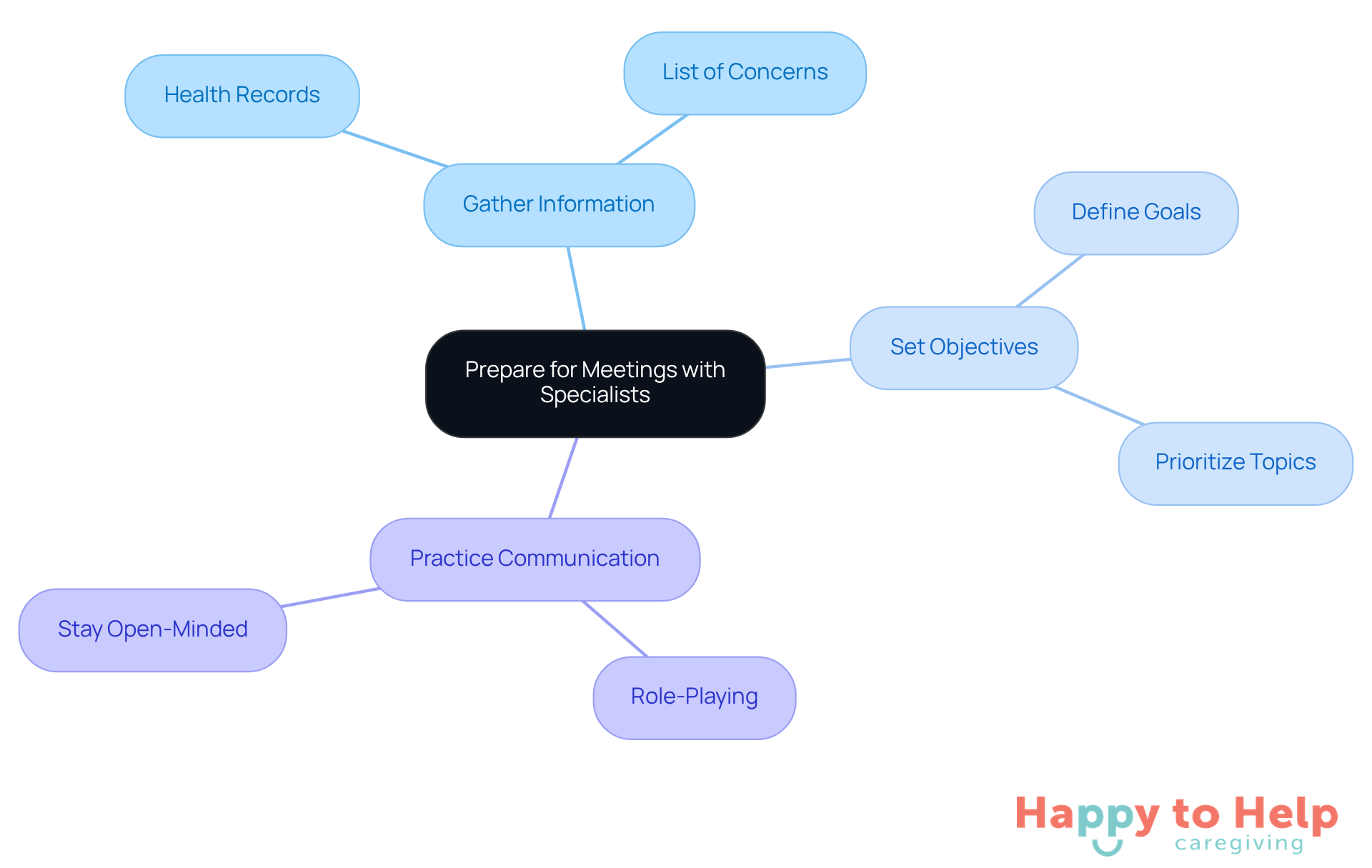
Preparation is essential for productive meetings with long-term care specialists. Without proper preparation, caregivers may struggle to communicate effectively, leading to missed opportunities for understanding care options and addressing specific needs.
To tackle this issue, here are steps to ensure you are ready:
Gather Information:
- Health Records: Compile relevant medical records, medications, and any previous care plans to provide a comprehensive overview of your loved one's health.
- List of Concerns: Write down specific concerns or questions you want to address during the meeting.
Set Objectives:
- Define Goals: Clearly outline what you hope to achieve from the meeting, whether it’s understanding care options or discussing specific needs.
- Prioritize Topics: Identify the most critical topics to discuss, ensuring that essential issues are addressed first.
Practice Communication:
- Role-Playing: Consider practicing the meeting with a family member or friend to build confidence in discussing your loved one's needs.
- Stay Open-Minded: Be prepared to listen to the expert’s recommendations and be receptive to their insights.
By following these preparation steps, families can ensure that meetings with long-term care specialists are productive and focused on achieving the best outcomes for their loved ones.
Your Path Forward
Choosing a long-term care specialist presents a significant challenge for families, impacting the well-being of loved ones facing aging or health issues. This decision can feel overwhelming, as the stakes are high and the options are numerous. Understanding the roles and responsibilities of these professionals is crucial for navigating the complexities of long-term care with confidence.
Families must assess qualifications and expertise when selecting a specialist. This involves exploring effective strategies for finding the right fit and evaluating compatibility and communication styles. Each of these elements is vital in ensuring caregivers choose a specialist who meets both the medical and emotional needs of their loved ones, fostering a supportive and trusting relationship.
Ultimately, the journey to finding the right long-term care specialist goes beyond merely meeting basic requirements; it’s about securing peace of mind and quality care for family members. By taking proactive steps - such as gathering relevant information, preparing for meetings, and asking the right questions - families can empower themselves to make informed choices. These actions significantly enhance the quality of life for their loved ones.
https://iframe.tely.ai/cta/eyJhcnRpY2xlX2lkIjogIjY5NDBhMjJhNmYzZjk5NzYxYTM2ZTNkYSIsICJjb21wYW55X2lkIjogIjY4ZWU1ZGNhNzMxNzYyNTU3ZjNjOTVjMSIsICJpbmRleCI6IG51bGwsICJ0eXBlIjogImFydGljbGUifQ==Frequently Asked Questions
What is the role of long-term care specialists?
Long-term care specialists assist individuals facing challenges due to aging, chronic illness, or disability by evaluating health status, creating support plans, coordinating care, and advocating for clients within healthcare systems.
What challenges do families face regarding long-term care?
Families often struggle to navigate the complexities of long-term care, feeling overwhelmed by options and responsibilities, compounded by staffing shortages and misconceptions about financing, such as the belief that Medicare covers nursing home services.
What are the key responsibilities of long-term care specialists?
The key responsibilities include assessment of health needs, support planning tailored to individual preferences, coordination among healthcare providers and caregivers, and advocacy for the client’s best treatment.
What qualifications should I look for in a long-term care specialist?
Essential qualifications include relevant degrees in nursing, social work, or gerontology, appropriate licenses and certifications (such as CAPS or CSA), and significant experience, particularly with cases similar to your loved one’s situation.
What areas of expertise should a long-term care specialist have?
A long-term care specialist should possess medical knowledge related to chronic illnesses, care coordination skills to manage multiple services, and strong communication skills to facilitate discussions with relatives and healthcare providers.
Why is it important to choose a qualified long-term care specialist?
Choosing a qualified specialist is crucial to ensure that loved ones receive adequate care, reducing the risk of health complications and emotional distress for both caregivers and recipients.
List of Sources
- Understand the Role of Long-Term Care Specialists
- Poll reveals short-term thinking about long-term care (https://ihpi.umich.edu/news-events/news/poll-reveals-short-term-thinking-about-long-term-care)
- Most Americans expect to need long-term care in the future, and they don’t want that care in assisted living (https://mcknightsseniorliving.com/news/most-americans-expect-to-need-long-term-care-in-the-future-and-they-dont-want-that-care-in-assisted-living)
- Long Term Care and Skilled Nursing Facilities - PMC (https://pmc.ncbi.nlm.nih.gov/articles/PMC9894029)
- Explore Effective Strategies for Finding Specialists
- Caregiving in the US 2025 (https://aarp.org/pri/topics/ltss/family-caregiving/caregiving-in-the-us-2025)
- Caregiver Statistics: Demographics (https://caregiver.org/resource/caregiver-statistics-demographics)
- The business of caring for older Americans is in a deepening crisis (https://washingtonpost.com/business/2025/12/04/elder-care-home-health-shortage)
- New Study Explores the Need for Expanded Long-Term Care Services to Support Aging-in-Place | Johns Hopkins Bloomberg School of Public Health (https://publichealth.jhu.edu/2025/new-study-explores-the-need-for-expanded-long-term-care-services-to-support-aging-in-place)
- Evaluate Compatibility and Communication Styles
- When Communication Fades: A Caregiver’s Challenge (https://aarp.org/caregiving/basics/caregiver-communication-challenges)
- Caregiver Statistics: Demographics (https://caregiver.org/resource/caregiver-statistics-demographics)
- Dual eligibles still rely heavily on family for care despite LTSS program expansion (https://mcknights.com/news/dual-eligibles-still-rely-heavily-on-family-for-care-despite-ltss-program-expansion)
- Study uncovers communication gaps between long-term care insurers, family caregivers (https://mcknightshomecare.com/news/study-uncovers-communication-gaps-between-long-term-care-insurers-family-caregivers)
- Prepare for Meetings and Interviews with Specialists
- Family Presence in Routine Medical Visits: A Meta-Analytical Review - PMC (https://pmc.ncbi.nlm.nih.gov/articles/PMC3070824)
- How to Prepare for a Care Plan Meeting in Assisted Living (https://floridaseniorconsulting.com/care-plan-meetings)
- 10 Inspiring Patient Experience Quotes | Relias (https://relias.com/blog/patient-experience-quotes)
- 30 Quotes About the Future of Healthcare: Expert Takes (https://deliberatedirections.com/quotes-future-of-healthcare)