The Importance of Choose a Private Duty Nurse in Los
Navigating the complexities of caregiving for loved ones with chronic illnesses or disabilities can be overwhelming. This often leads to caregiver burnout and stress, creating a significant challenge for families.
The implications of this burden are profound, affecting not only the caregiver's well-being but also the quality of care provided to the patient. Families may find themselves struggling to manage daily tasks while ensuring their loved ones receive the attention they need.
Private duty nursing services in Los Angeles offer a vital lifeline. These services provide personalized medical support that enhances patient care and alleviates the burdens faced by family caregivers. However, selecting the right private duty nurse can be challenging, raising critical questions about qualifications, compatibility, and care plans.
So, how can families ensure they find the ideal caregiver? It's essential to consider the unique needs of their loved ones while fostering a supportive environment. By focusing on these aspects, families can navigate the selection process more effectively.
Understand Private Duty Nursing and Its Importance
Private duty services address a significant problem faced by caregivers: the overwhelming stress of managing complex health needs for their loved ones. Individuals with chronic illnesses, disabilities, or those recovering from surgery often require specialized medical support, which can be challenging for family members to provide alone. This situation can lead to caregiver burnout, impacting both the caregiver's and the patient's well-being.
The implications of this problem are profound. Caregivers may feel isolated and stressed, struggling to balance their responsibilities while ensuring their loved ones receive the necessary care. Research shows that children with chronic illnesses who receive private duty care experience notable short-term mental health benefits, underscoring the emotional support these caregivers provide. Without adequate assistance, family caregivers may find it difficult to maintain their own health and well-being.
A private duty nurse in Los Angeles offers a solution by providing individualized medical support in the comfort of a patient's home. This service not only enhances the quality of life for patients but also alleviates the burden on family caregivers. By assisting with medication administration, wound care, and daily living tasks, private duty services allow caregivers to focus on their roles without the overwhelming stress of constant caregiving responsibilities.
Moreover, the adaptability of private duty assistance ensures that support plans can evolve with the changing needs of patients. Families utilizing these services often report improved health outcomes and greater involvement in their loved ones' lives. By filling gaps in support, private duty services facilitate smoother transitions from hospital to home, fostering a sense of normalcy for families navigating the challenges of chronic illness.
In summary, a private duty nurse in Los Angeles provides essential support for caregivers, helping them manage the complexities of care while promoting comfort and independence for patients. By recognizing the challenges faced by caregivers and offering tailored solutions, we can improve the overall quality of life for both patients and their families.
Assess Individual Care Needs and Preferences
Selecting a private duty nurse in Los Angeles can be a daunting task, especially when considering the specific support needs of your loved one. Without proper guidance, families may struggle to find the right caregiver, which can lead to inadequate care and increased stress for both the patient and their family.
-
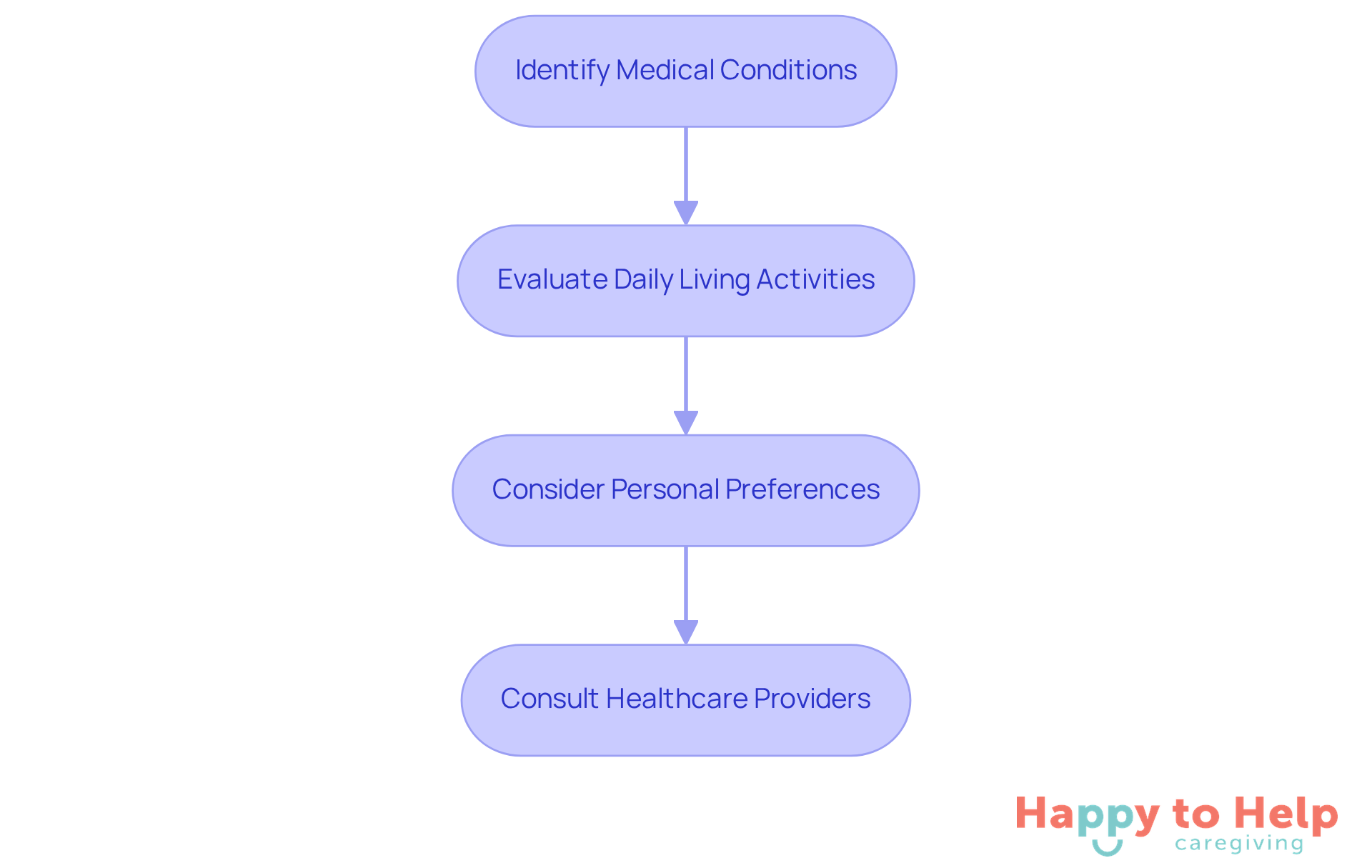
Identify Medical Conditions: Start by compiling a list of any chronic illnesses, disabilities, or recovery needs that require specialized nursing support. Common conditions like cardiovascular diseases, diabetes, and Alzheimer’s disease often necessitate tailored assistance. Research indicates that patients receiving home healthcare after hospital discharge had a lower 30-day readmission rate of 22.5%, highlighting the critical role of specialized support in recovery.
-
Evaluate Daily Living Activities: Next, assess which daily tasks your loved one may find challenging, such as bathing, dressing, meal preparation, or medication management. Understanding these needs is essential, as home healthcare can significantly enhance quality of life by assisting with activities of daily living (ADLs). In fact, 91% of home healthcare patients reported satisfaction with their assistance in 2021, underscoring the effectiveness of personalized support.
-
Consider Personal Preferences: It's also important to take into account your loved one's preferences regarding caregivers. Factors such as gender, language, and personality traits can greatly influence comfort and trust in the caregiving relationship.
-
Consult Healthcare Providers: Finally, engage with doctors or specialists to gain insights into the level of care required. They can provide valuable information on specific healthcare skills that may be necessary, ensuring that the chosen caregiver is well-equipped to meet your loved one's unique health needs.
By carefully evaluating these factors, families can develop a clear understanding of the type of nursing support required, facilitating a more effective selection process for a private duty nurse in Los Angeles.
Evaluate Qualifications and Experience of Nurses
When searching for private duty nurses, families often face the challenge of ensuring they find qualified professionals. The implications of hiring someone without the right credentials can lead to inadequate care for loved ones, which is a significant concern.
To address this issue, consider the following criteria:
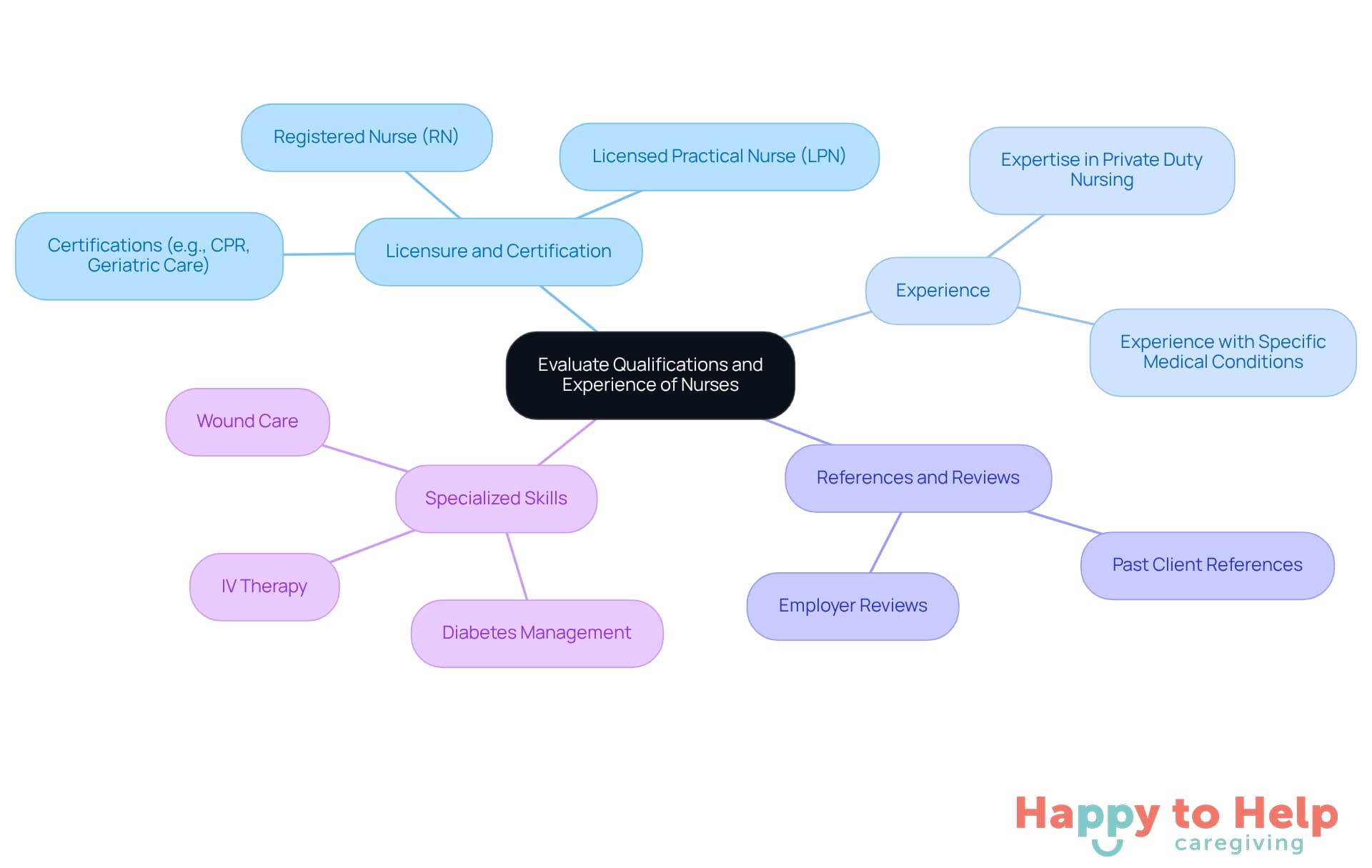
- Licensure and Certification: Verify that the registered professional holds the appropriate licenses (RN or LPN) and any relevant certifications, such as CPR or specialized training in geriatric assistance.
- Experience: Look for individuals with expertise as a private duty nurse in Los Angeles, particularly with patients who have similar medical conditions or support needs.
- References and Reviews: Request references from past clients or employers to evaluate the professional's reliability and quality of service.
- Specialized Skills: If your loved one has specific medical requirements (e.g., diabetes management, wound care), ensure the caregiver has the necessary training and experience in those areas.
By focusing on these qualifications, families can select a healthcare professional who is well-equipped to provide essential support.
Conduct Interviews and Discuss Care Plans
Finding the right private duty nurse in Los Angeles for your family member can be a daunting task. The implications of choosing an unsuitable caregiver can lead to inadequate support and negative outcomes for your loved one. To navigate this challenge effectively, follow these key steps:
-
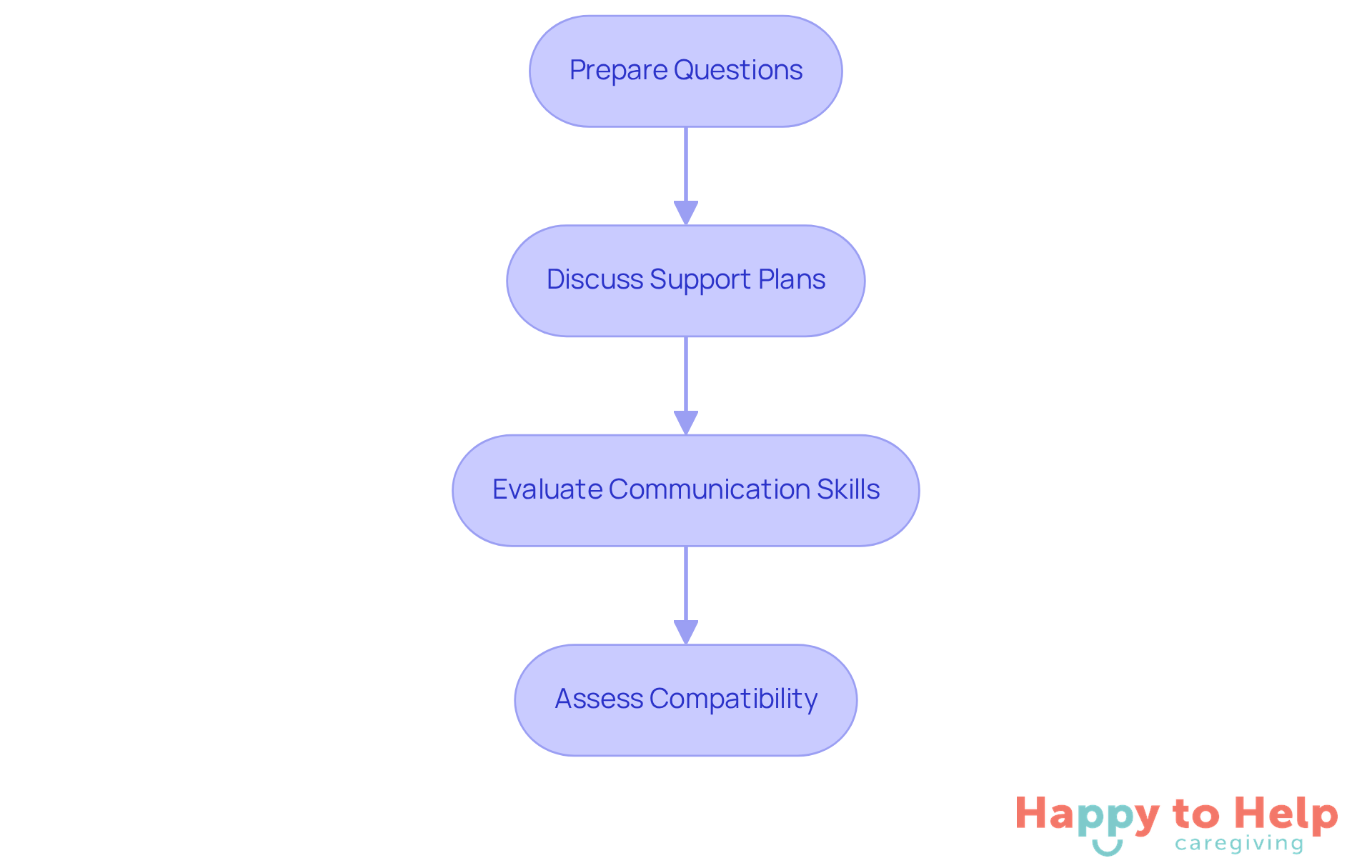
Prepare Questions: Start by crafting a comprehensive list of questions that delve into the caregiver's experience, treatment approach, and management of specific medical situations. This will help you assess their expertise and adaptability.
-
Discuss Support Plans: Clearly outline your loved one's support requirements and preferences. Inquire how the caregiver would develop a customized support plan tailored to these needs. This conversation is crucial; research shows that personalized treatment plans significantly enhance patient outcomes and satisfaction. For instance, studies indicate that patients receiving home visits and coordinated assistance experience fewer preventable hospital admissions, underscoring the importance of individualized support.
-
Evaluate Communication Skills: Pay attention to how well the caregiver listens and responds to your concerns. Strong communication skills are vital in nursing, fostering trust and ensuring that support aligns with the patient's needs. As Jennifer Gold, senior clinical director of home care services at Cincinnati Children’s, emphasizes, having specific patient-oriented care plans is essential for effective collaboration between home caregivers and clinical providers.
-
Assess Compatibility: Consider the caregiver's personality and demeanor. A compatible personality can significantly enhance your loved one's comfort and well-being, making interactions with the caregiver more engaging. Emotional support is a critical aspect of nursing, and a suitable caregiver can provide this essential element of care.
By conducting thorough interviews, families can select a caregiver who not only possesses the necessary qualifications but also aligns with their relative's personality and preferences. This thoughtful approach ultimately leads to a more positive caregiving experience provided by a private duty nurse in Los Angeles.
Maintain Communication and Monitor Care Quality
To ensure your loved one receives optimal care, caregivers face the challenge of maintaining effective communication and monitoring service quality. Without regular updates and feedback, it can be difficult to address health changes promptly, potentially impacting the well-being of those in care.
-
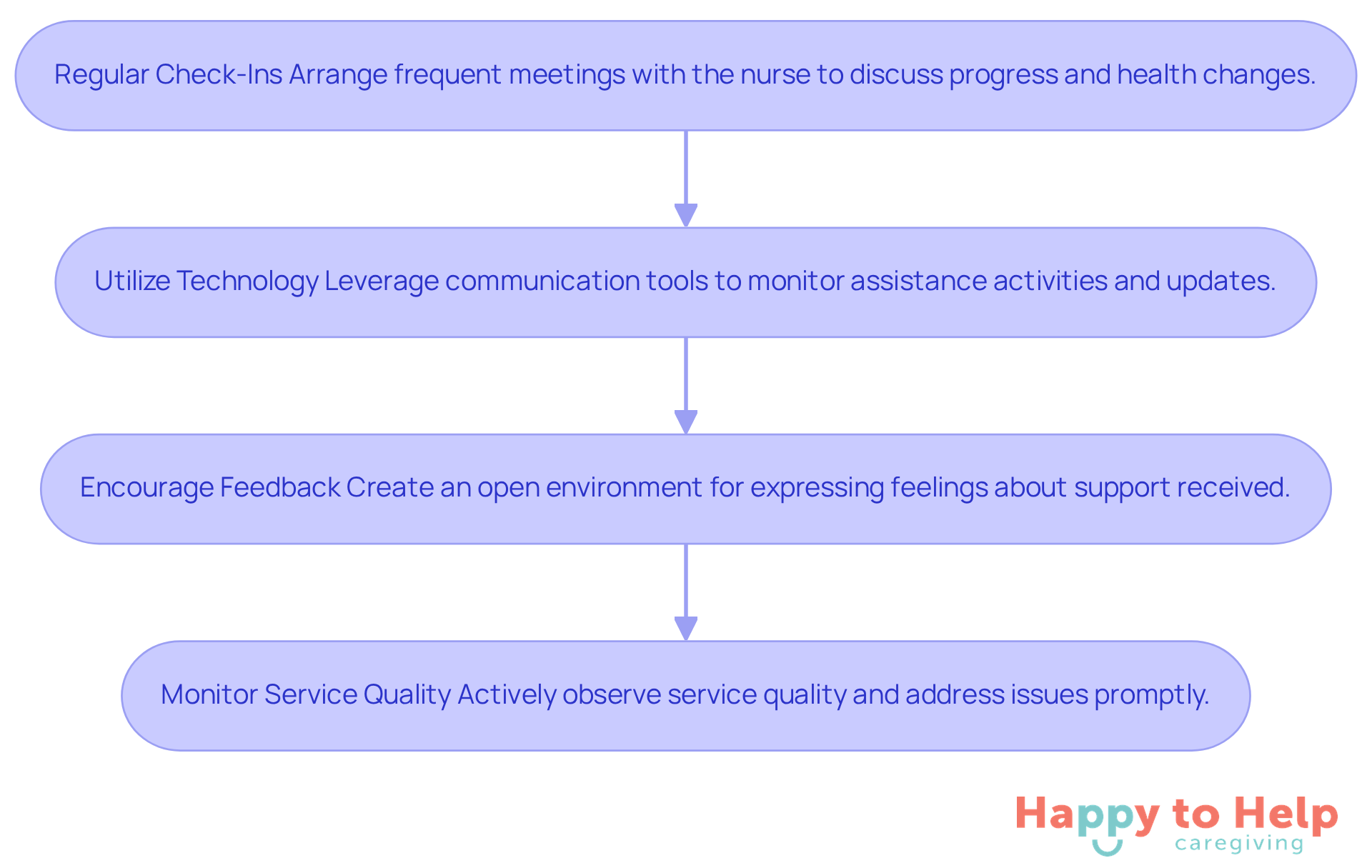
Regular Check-Ins: Arrange frequent meetings with the nurse to discuss your loved one's progress, any changes in health status, and necessary modifications to the support plan. This fosters transparency and allows for timely interventions.
-
Utilize Technology: Leverage communication tools such as management applications or shared online notes to monitor assistance activities and updates. These technologies enhance real-time communication, ensuring that everyone involved is aware of treatment plans and modifications.
-
Encourage Feedback: Create an open environment where your loved one can express their feelings about the support they are receiving. Encourage healthcare professionals to share insights on any challenges they encounter, leading to improved treatment strategies.
-
Monitor Service Quality: Actively observe the quality of service by assessing interactions and ensuring that service standards are upheld. If any issues arise, address them promptly with the nurse to maintain high service standards.
By prioritizing open communication and actively monitoring care quality, families can ensure that their loved ones receive the highest standard of care from a private duty nurse in Los Angeles, ultimately enhancing their overall well-being.
Making the Right Choice
Choosing a private duty nurse in Los Angeles presents a significant challenge for families, as this decision can greatly affect the quality of care for their loved ones. The implications of this choice are profound; inadequate selection can lead to unmet medical needs and emotional distress for both patients and caregivers.
To navigate this complex process, families should take several critical steps:
- Assess the individual care needs of the patient to ensure that the selected nurse can provide appropriate support.
- Evaluate the qualifications of potential nurses, looking for relevant experience and certifications.
- Conduct thorough interviews to gauge compatibility and communication styles.
- Maintain ongoing communication to address any concerns that may arise.
Ultimately, the role of private duty nursing extends beyond just medical assistance. It also includes providing emotional support and peace of mind for families facing health challenges. By prioritizing the selection of a qualified private duty nurse, families can create a nurturing environment that fosters health, comfort, and independence. Taking these steps not only empowers caregivers but also enhances the overall well-being of patients, allowing everyone involved to thrive despite adversity.
https://iframe.tely.ai/cta/eyJhcnRpY2xlX2lkIjogIjY5NDBhMjBhNGFiMmI4OGM4M2NiZjU4OCIsICJjb21wYW55X2lkIjogIjY4ZWU1ZGNhNzMxNzYyNTU3ZjNjOTVjMSIsICJpbmRleCI6IG51bGwsICJ0eXBlIjogImFydGljbGUifQ==Frequently Asked Questions
What is private duty nursing and why is it important?
Private duty nursing provides specialized medical support for individuals with chronic illnesses, disabilities, or those recovering from surgery. It addresses the overwhelming stress faced by caregivers, helping to prevent caregiver burnout and improving the well-being of both caregivers and patients.
How does private duty nursing benefit caregivers?
Private duty nursing alleviates the burden on family caregivers by assisting with tasks such as medication administration, wound care, and daily living activities. This support allows caregivers to focus on their roles without the stress of constant caregiving responsibilities.
What are the emotional benefits of private duty care for children with chronic illnesses?
Research indicates that children with chronic illnesses who receive private duty care experience notable short-term mental health benefits, highlighting the emotional support provided by these caregivers.
How does private duty nursing improve health outcomes for patients?
Families utilizing private duty services often report improved health outcomes and greater involvement in their loved ones' lives. These services facilitate smoother transitions from hospital to home and foster a sense of normalcy for families managing chronic illness.
What factors should families consider when selecting a private duty nurse in Los Angeles?
Families should consider medical conditions requiring specialized support, daily living activities the patient may struggle with, personal preferences regarding caregivers, and consult healthcare providers for insights on necessary care levels.
What common conditions may require private duty nursing support?
Common conditions that may necessitate private duty nursing include cardiovascular diseases, diabetes, and Alzheimer’s disease.
How can evaluating daily living activities enhance the selection process for a private duty nurse?
Assessing which daily tasks a loved one finds challenging, such as bathing or medication management, helps families understand the type of nursing support needed, leading to a more effective selection process.
Why is it important to consider personal preferences when choosing a caregiver?
Taking into account preferences such as gender, language, and personality traits can greatly influence the comfort and trust in the caregiving relationship, which is vital for effective care.
List of Sources
- Understand Private Duty Nursing and Its Importance
- How Private-Duty Nursing Empowers Children with Complex Needs At Home (https://homehealthcarenews.com/2025/01/how-private-duty-nursing-empowers-children-with-complex-needs-at-home)
- Private equity’s grip on private duty nursing leads to higher costs, reduced care for medically complex children & adults (https://pestakeholder.org/reports/private-equitys-grip-on-private-duty-nursing-leads-to-higher-costs-reduced-care-for-medically-complex-children-adults)
- 120 Healthcare and Nursing Statistics for 2025 | National University (https://nu.edu/blog/healthcare-nursing-statistics)
- The Case for Private Duty Nursing | Benefits & Impacts (https://phoenixhomehc.com/news/the-case-for-private-duty-nursing-why-it-works-and-how-it-helps)
- 85 Nursing Quotes: Words of Wisdom for Nurses | USAHS (https://usa.edu/blog/nursing-quotes)
- Assess Individual Care Needs and Preferences
- Home Healthcare Statistics and Facts (2025) (https://media.market.us/home-healthcare-statistics)
- The Case for Private Duty Nursing | Benefits & Impacts (https://phoenixhomehc.com/news/the-case-for-private-duty-nursing-why-it-works-and-how-it-helps)
- New data detail which older adults are more likely to need help with ADLs (https://mcknightsseniorliving.com/news/new-data-detail-which-older-adults-are-more-likely-to-need-help-with-adls)
- How Private-Duty Nursing Empowers Children with Complex Needs At Home (https://homehealthcarenews.com/2025/01/how-private-duty-nursing-empowers-children-with-complex-needs-at-home)
- Evaluate Qualifications and Experience of Nurses
- Professional certification and earnings of health care workers in low social closure occupations - PMC (https://pmc.ncbi.nlm.nih.gov/articles/PMC10156129)
- Workforce (https://nursingworld.org/practice-policy/workforce)
- 120 Healthcare and Nursing Statistics for 2025 | National University (https://nu.edu/blog/healthcare-nursing-statistics)
- Private Duty Nursing Requirements: What to Look For Before Hiring Care (https://careindeed.com/blogs/private-duty-nursing-requirements-what-to-look-for-before-hiring-care)
- A 2025 Guide to In Home Private Duty Nursing Care Services (https://seniorliving.org/private-nursing)
- Conduct Interviews and Discuss Care Plans
- News Releases (https://hcaoa.org/news-releases.html)
- 85 Nursing Quotes: Words of Wisdom for Nurses | USAHS (https://usa.edu/blog/nursing-quotes)
- The 30 Best Nursing Quotes for Every Mood (https://berxi.com/resources/articles/best-nursing-quotes)
- The Case for Private Duty Nursing | Benefits & Impacts (https://phoenixhomehc.com/news/the-case-for-private-duty-nursing-why-it-works-and-how-it-helps)
- How Private-Duty Nursing Empowers Children with Complex Needs At Home (https://homehealthcarenews.com/2025/01/how-private-duty-nursing-empowers-children-with-complex-needs-at-home)
- Maintain Communication and Monitor Care Quality
- Caregiver Statistics: Demographics (https://caregiver.org/resource/caregiver-statistics-demographics)
- Nurses' Experiences of Communicating With Families in Municipal Home Health Care - PMC (https://pmc.ncbi.nlm.nih.gov/articles/PMC11623226)
- Caregiving Crisis: 45% Increase in Americans Providing Care (https://aarp.org/caregiving/basics/caregiving-in-us-survey-2025)
- 85 Nursing Quotes: Words of Wisdom for Nurses | USAHS (https://usa.edu/blog/nursing-quotes)
- Effective Communication as a Caregiver | Always Caring of CT (https://alwayscaringct.com/news/effective-communication-as-a-caregiver)